Top 20 Natural Monuments around Trichiana
Best natural monuments around Trichiana are found in the Valbelluna region of Italy, an area characterized by striking natural wonders and unique geological features. This region offers diverse landscapes, from deep canyons carved by water to tranquil lakes and historic agricultural terraces. Trichiana serves as a base for exploring these natural formations, which are part of the broader Dolomites geological context.
Best natural monuments around Trichiana
- The most popular natural monuments is Molinetto della Croda, a man-made monument that represents a characteristic example of rural architecture from the 17th century. This ancient mill is fed by the waters of the Lierza stream and features a nearby waterfall, creating a distinctive landscape.
- Another must-see spot is Terraced Vineyards of Rolle, a viewpoint offering splendid views of UNESCO heritage vineyards. Visitors can explore the steep terraced slopes and enjoy the landscape that has inspired artists.
- Visitors also love Lake del Mis, a suggestive body of water located within the Belluno Dolomites National Park. This artificial lake, formed by a dam, is known for its wild appearance and secluded location.
- Trichiana is known for its variety of natural monuments, including lakes, canyons, and unique geological formations. The area offers diverse natural features, from water-carved gorges to historic agricultural landscapes.
- The natural monuments around Trichiana are appreciated by the komoot community, with more than 540 upvotes and 20 photos shared by visitors.
Last updated: October 15, 2026
Lake Morto
Highlight • Lake
Here is a picnic area where you can relax and enjoy a well-deserved break.
Translated by Google •
Tip by

Molinetto della Croda
Highlight • Monument
In its almost four centuries of history it has inspired artists and enchanted thousands of visitors.
A characteristic example of rural architecture of the 17th century, the building was built in several stages.
The foundations of the original construction rest on the bare rock, precisely the “croda” of the mountain.
Translated by Google •
Tip by

Sign up now to discover places like this
Get recommendations on the best single tracks, peaks, & plenty of other exciting outdoor places.
Terraced Vineyards of Rolle
Highlight • Viewpoint
Translated by Google •
Tip by
Lake del Mis
Highlight • Lake
Its nature is of artificial genesis. The dam that holds back the water, 91 meters high and 220 meters long, was built in 1962 near the town of Pascoli and is still used today for the production of hydroelectric energy. The wild appearance of the Mis valley, capable of hiding true environmental and historical treasures with the harshness of its appearance, undoubtedly contributes to the fame that the lake has been able to gain in recent times.
Translated by Google •
Tip by

Bosco delle Penne Mozze
Highlight • Monument
Translated by Google •
Tip by
Sign up for free to discover even more natural monuments around Trichiana.
Already have an account?
Start today with a free account
Your next adventure awaits.
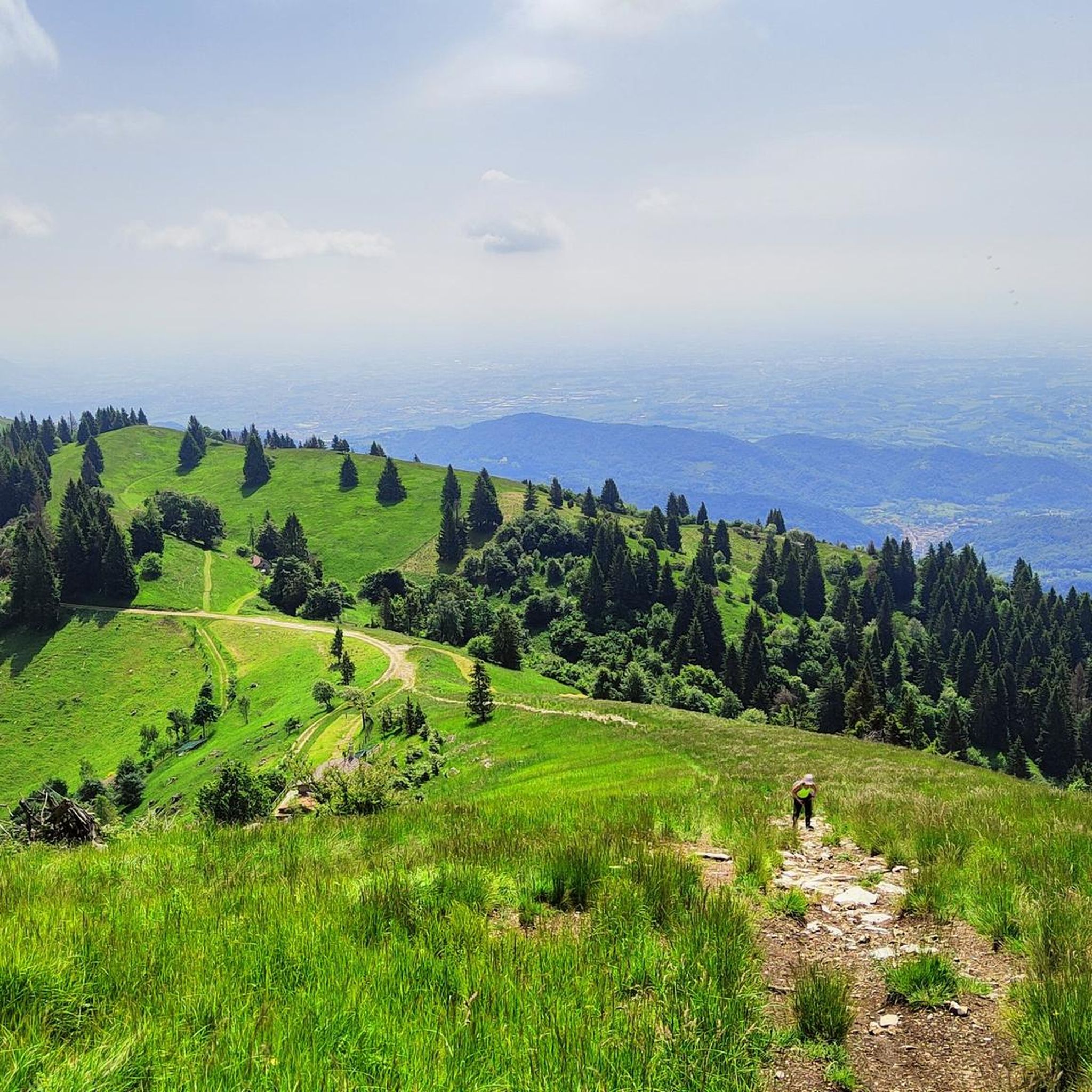
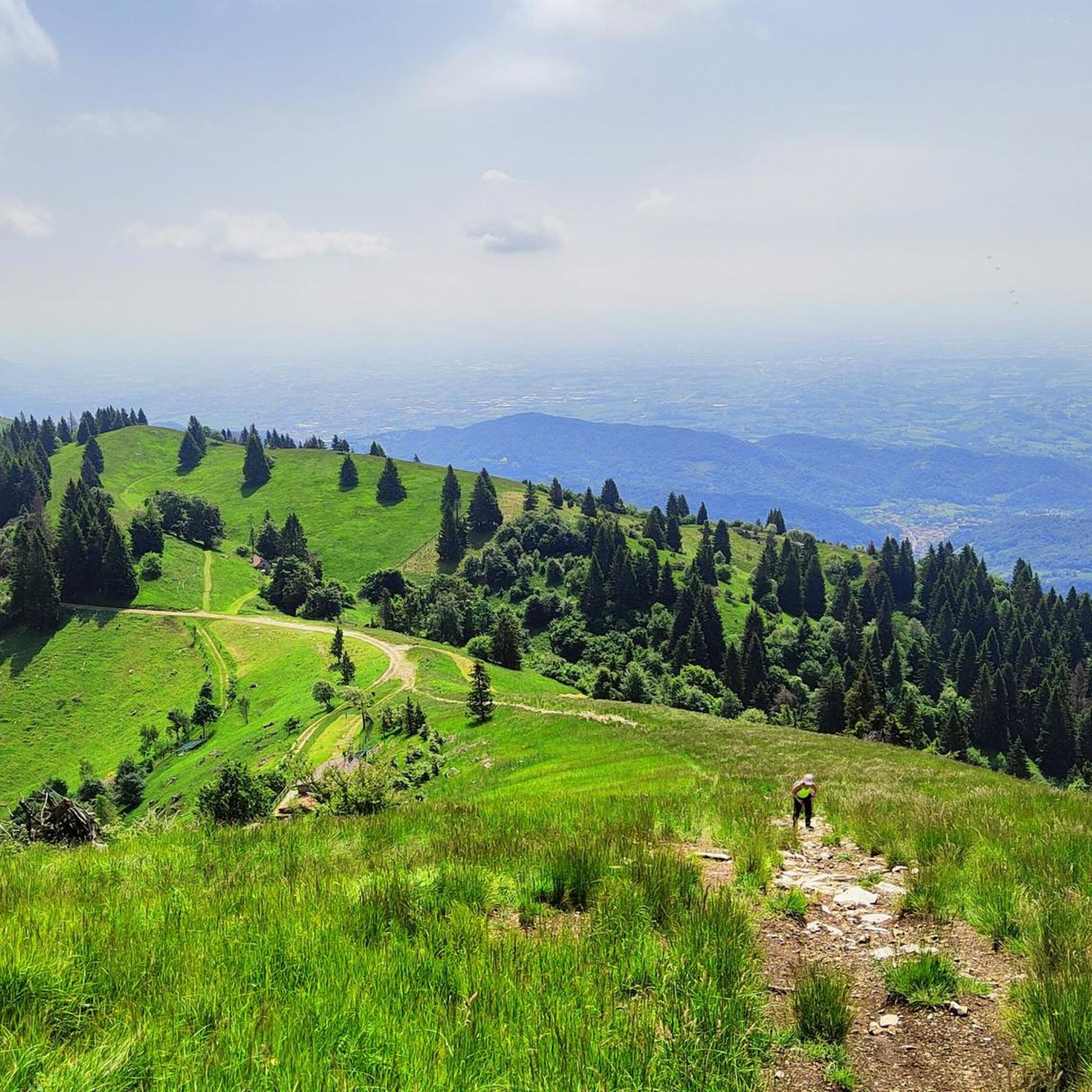
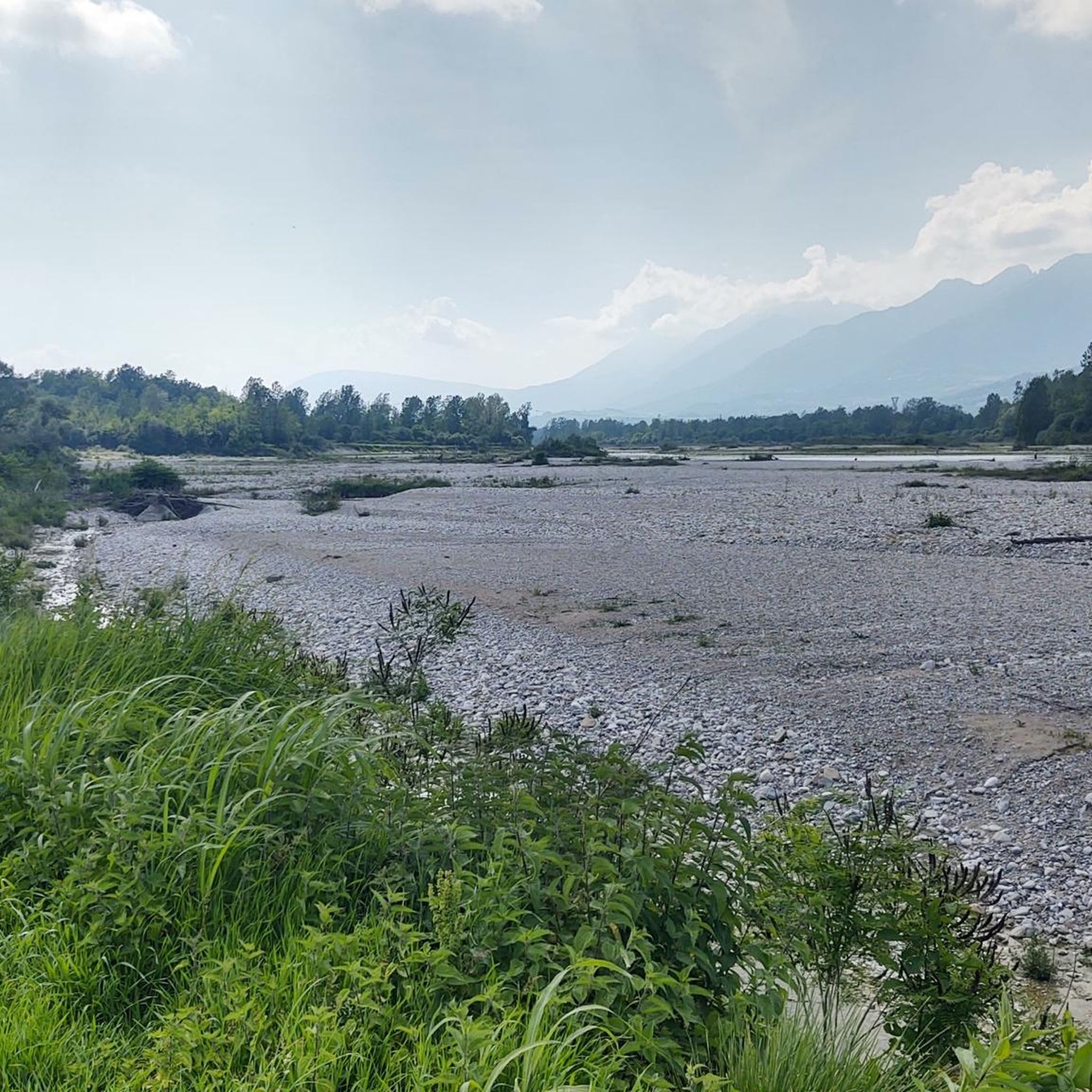
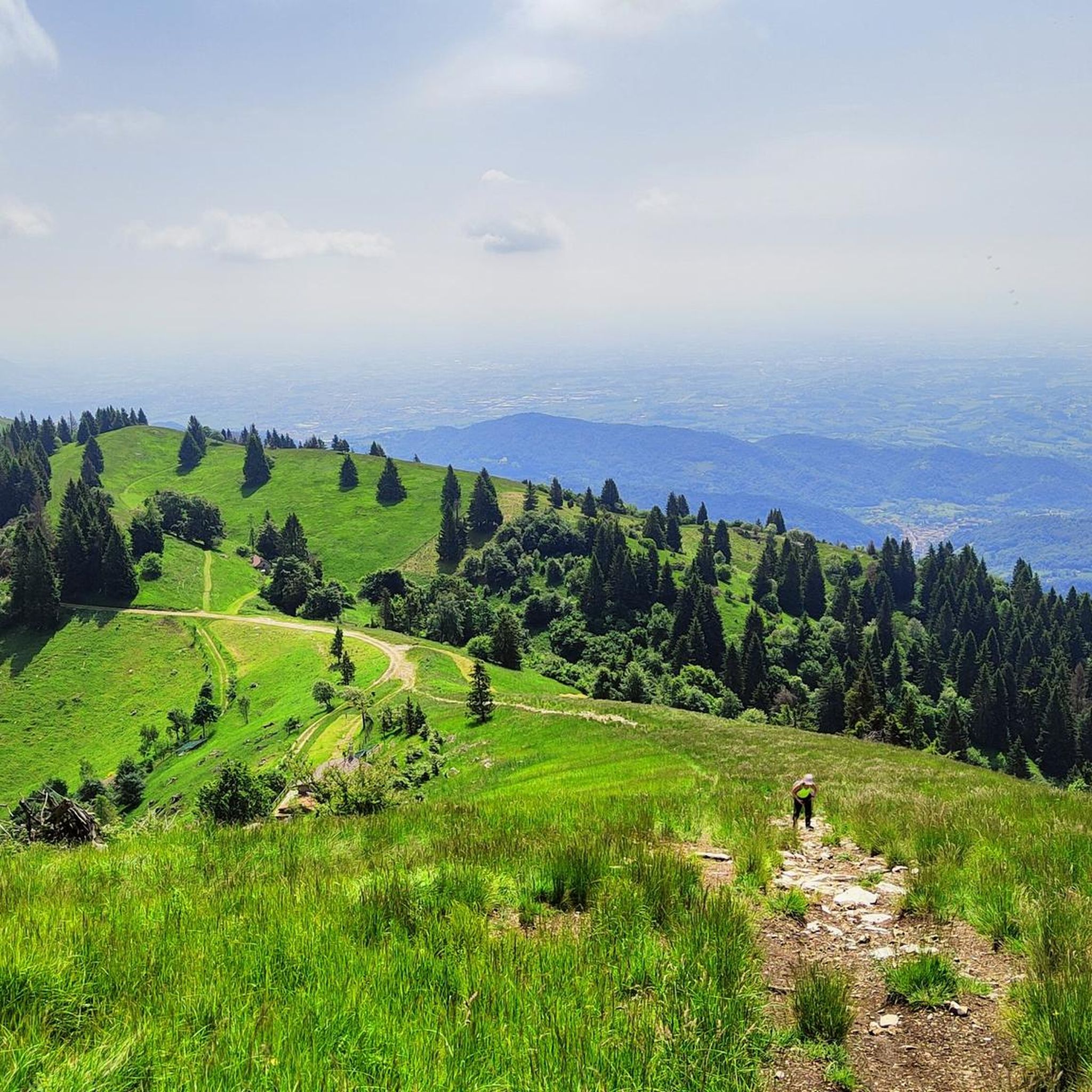


Tips from the Community

If you are traveling in the area between San Vito di Cadore, Cortina d'Ampezzo and Venice, it is easy to confuse it with other Dolomite lakes, but the well-known Lago Morto of Veneto is located near Vittorio Veneto, at the foot of the Cansiglio plateau.
13
0

The Lago Morto is a fascinating lake basin located in Val Lapisina, in the hamlet of Nove within the municipality of Vittorio Veneto, in the province of Treviso. It is called "dead" because it is devoid of visible artificial inlets and outlets. It is fed by underground karst fissures and infiltrations coming from the nearby Lago di Santa Croce.
1
0

Il Molinetto della Croda, in the Lierza valley, represents one of the most evocative corners of the Marca Trevigiana. In its almost four centuries of history, the ancient mill with a stone grinder has managed to maintain its charm and enchant artists and visitors.
15
0

Lago Morto is a striking body of water located in Val Lapisina, in the municipality of Vittorio Veneto, right at the foot of the Treviso side of the Sella di Fadalto pass. Its peculiar name derives from a unique geographical characteristic: it is a lake devoid of visible surface outlets and inlets, as it is fed and emptied exclusively through underground karst pathways. The basin, surrounded by steep wooded slopes and imposing rocky walls, is characterized by deep and cool waters. Today, the lake plays a fundamental role in hydroelectric power production, being connected to the valley's power plant system that utilizes the waters coming from the overlying Lago di Santa Croce. Despite the industrial footprint, the area is a popular destination for relaxing walks, picnics, and sport fishing.
2
0
The Memoriale del Bosco delle Penne Mozze, located in Cison di Valmarino, is a striking open-air sanctuary honoring the sacrifice of the Trevigian Alpini who fell in war. Inaugurated in 1972, this site stands out for its perfect fusion of nature and historical memory. Along the paths of the San Daniele stream valley, there are over two thousand iron steles, the work of sculptor Simon Benetton, each dedicated to a fallen soldier. The term "penne mozze" (broken quills) symbolically refers to the black feathers on the Alpini hats, broken by death. Walking in the silence of the woods, visitors also encounter the statue of the Cristo degli Alpini, in an atmosphere of deep spirituality. It is not a mere celebratory monument, but a path of reflection where the memory of the fallen lives in the breath of the trees and the murmur of the water.
0
0

The "Bosco delle Penne Mozze" is a memorial dedicated to the Treviso Alpine troops who died in war, located in Cison di Valmarino. Reasons to visit the Bosco delle Penne Mozze: • The forest offers a place of silence and reflection. Visitors can honor the memory of those who lost their lives in war. • The forest extends over 16,000 square meters and is home to 2,400 steles created by the sculptor Simon Benetton, arranged in alphabetical order by municipality and surname. • Visitors can read the names, dates of birth, regiments and places of death engraved on the steles. Visitors are asked to respect the place: • Take your waste home. • Do not damage the signs and installations. • Only travel the route on foot. • Keep dogs on a leash.
0
0


So called because it has no tributaries and emissaries, Dead Lake is an intravalley lake formed through landslide accumulations that occurred at the end of the ice age. With its 55 m depth, and a reservoir of approximately 20 million square meters of water, it is the largest of the three lakes in the municipality of Vittorio Veneto. It is fed by underground infiltrations that come from Lake Santa Croce and by karst springs from the right side of Col Visentin. Like the underlying Restello and Negrisiola, arranged in succession, these semi-artificial basins were "built" on ancient basins left by the glacier that descended from the Lapisina Valley and in which mirrors of lake water had taken place. In fact, Val Lapisina is what remains of the branch of an ancient glacier that followed the current course of the Piave. The branch, in turn, divided, forming on one side what is today the Valley and on the other the morainic amphitheater located between Vittorio Veneto and Conegliano.
3
0
Frequently Asked Questions
What are some of the most unique natural features to explore around Trichiana?
The Valbelluna region around Trichiana offers diverse natural features. You can explore the spectacular Lake Morto, an intravalley lake formed by ancient landslides with no visible tributaries or emissaries, offering a tranquil setting. Another unique geological wonder is the Brent de l'Art canyon, characterized by its narrow, winding gorge with layered walls displaying various shades of red, white, green, and gray, carved by the Ardo stream.
Are there family-friendly natural monuments or trails suitable for beginners?
Yes, several natural monuments around Trichiana are suitable for families and beginners. Lake Morto features a path that allows visitors to circumnavigate the lake, perfect for leisurely strolls, and includes a picnic area. The Val Falcina Nature Trail is an easy ring trail (approx. 1h 30') that immerses you in a wild, charming environment with informative panels about geology, botany, and fauna, making it an educational experience for all ages.
What kind of wildlife can be observed near the natural monuments?
The natural areas around Trichiana are rich in wildlife. Near the Brent de l'Art canyon, you might spot numerous bird species, marmots, squirrels, alpine hares, foxes, and deer. The Val Falcina Nature Trail is also known for its floristic and faunal peculiarities, where with a little attention, you can hear or see many passerines and other interesting species like the golden eagle and the black woodpecker.
What historical or cultural sites are considered natural monuments in the area?
While many are purely natural, some sites blend natural beauty with historical significance. The Molinetto della Croda is a characteristic example of 17th-century rural architecture, an ancient mill fed by the Lierza stream with a nearby waterfall, creating a distinctive landscape. Its foundations rest on the bare rock, making it a unique blend of man-made and natural elements.
Where can I find impressive viewpoints or scenic landscapes?
For splendid views, visit the Terraced Vineyards of Rolle. This viewpoint offers breathtaking panoramas of UNESCO heritage vineyards, where you can explore the steep terraced slopes and enjoy a landscape that has inspired artists. The area around Lake del Mis also provides a suggestive body of water within the Belluno Dolomites National Park, known for its wild appearance and secluded location.
Are there hiking opportunities near these natural monuments?
Yes, the region offers various hiking opportunities. You can find numerous trails for different skill levels. For example, the Hiking around Trichiana guide lists routes like the 'Bognon Waterfall Loop' or the 'Monte Frontal Hunter's Loop'. The Brent de l'Art canyon is also accessible via an easy walk, though some sections can be steep and require appropriate gear.
What is the best time of year to visit the natural monuments around Trichiana?
The best time to visit the natural monuments around Trichiana largely depends on your preferred activities. Spring and autumn offer pleasant temperatures for hiking and exploring, with vibrant foliage in autumn and blooming nature in spring. Summer is ideal for enjoying the lakes and longer daylight hours, though it can be busier. Winter offers a different, serene beauty, especially for those interested in snow-covered landscapes, but some trails might be less accessible.
How long should I plan for a visit to the natural monuments?
The duration of your visit can vary. For individual sites like Lake Morto or the Brent de l'Art canyon, a few hours might suffice to explore and enjoy the surroundings. If you plan to hike the Val Falcina Nature Trail, allow about 1.5 to 2 hours. To experience multiple natural monuments and perhaps combine them with a hike or a picnic, a full day or even a weekend would allow for a more comprehensive exploration of the Valbelluna region.
Are there options for running or mountain biking near the natural monuments?
Absolutely. Beyond hiking, the area provides opportunities for running and mountain biking. You can find various running trails listed in the Running Trails around Trichiana guide, such as the 'Piave River – Villa Gaggia loop'. For mountain biking, a path allows you to circumnavigate Lake Morto, and other routes are available in the broader region.
What should I wear or bring when visiting the natural monuments?
When visiting the natural monuments, especially if you plan to hike or explore trails, it's advisable to wear appropriate hiking gear. This includes sturdy, comfortable shoes, as some sections, like those near the Brent de l'Art canyon, can be steep or slippery. Depending on the season, layers of clothing, rain gear, water, and snacks are also recommended. Don't forget a camera to capture the stunning landscapes!
Is parking available at the natural monuments?
Parking availability varies by location. For popular spots like Lake Morto, there are often designated picnic areas with parking. Similarly, near Lake del Mis, there's an access area near the road with parking possibilities. For other sites or trailheads, it's recommended to check specific directions or local signage upon arrival.
Most popular routes around Trichiana
Most popular attractions around Trichiana

Get inspired with the komoot mobile app


Explore more
Extend your search for the best caves by checking out these guides of the top ones around Trichiana:
