Top 20 Natural Monuments around Saccolongo
Best natural monuments around Saccolongo offer a variety of natural attractions in the surrounding region. The area features hydrological elements like the Brenta River, historical botanical sites, and elevated natural viewpoints. Visitors can explore diverse landscapes, from tranquil canals to challenging mountain paths. This region provides opportunities to experience natural settings and significant botanical collections.
Best natural monuments around Saccolongo
- The most popular natural monuments is Monte Ceva Summit Cross, a summit that provides a 360-degree panorama. The path…
Last updated: June 28, 2026
Monte Ceva Summit Cross
Highlight • Summit
Translated by Google •
Tip by

Rocca of Monte Pendice
Highlight • Historical Site
Translated by Google •
Tip by
Sign up now to discover places like this
Get recommendations on the best single tracks, peaks, & plenty of other exciting outdoor places.
Sign up for free
Mount Pirio
Highlight • Viewpoint
If you pass by here, a stop for some photos is a must!
Translated by Google •
Tip by
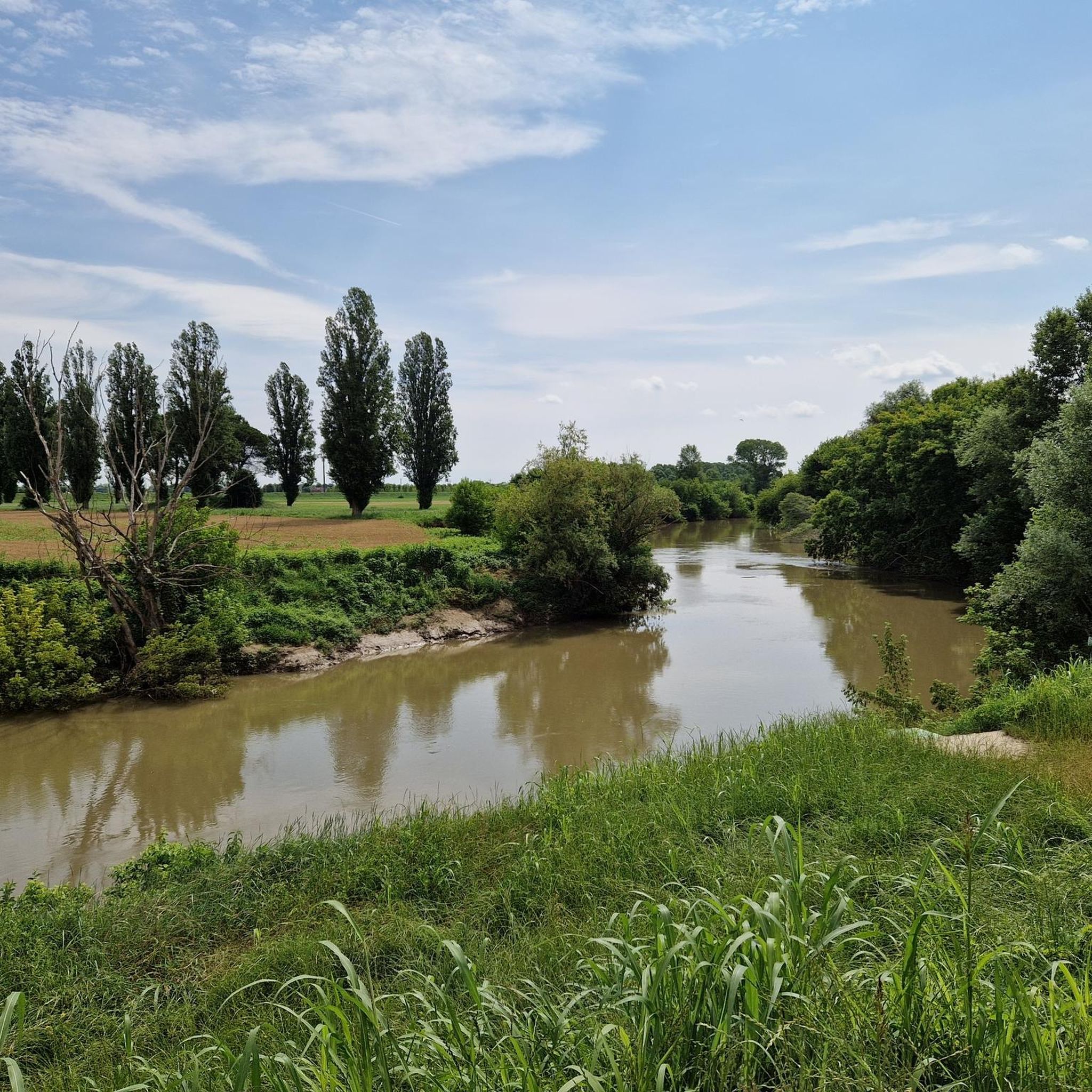
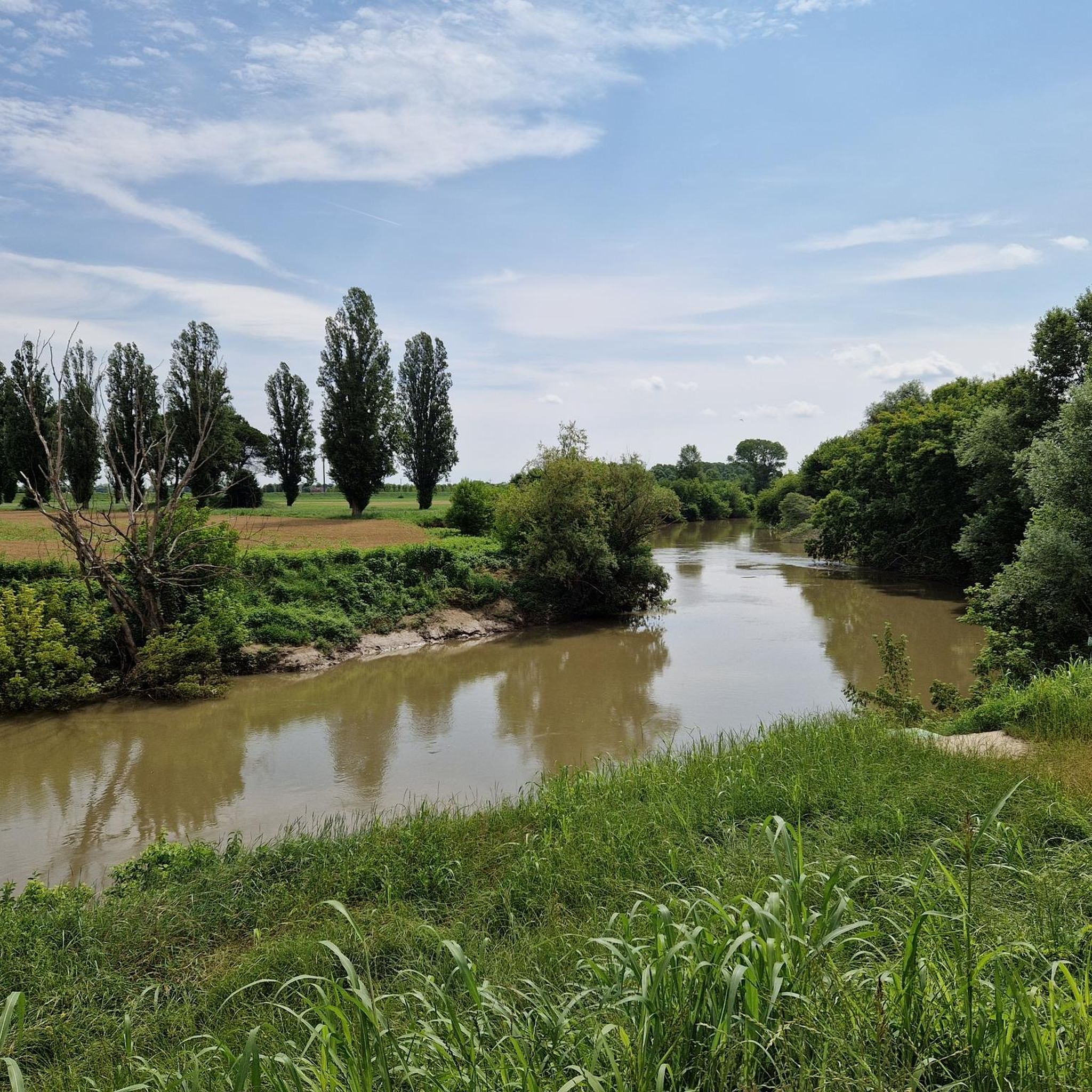
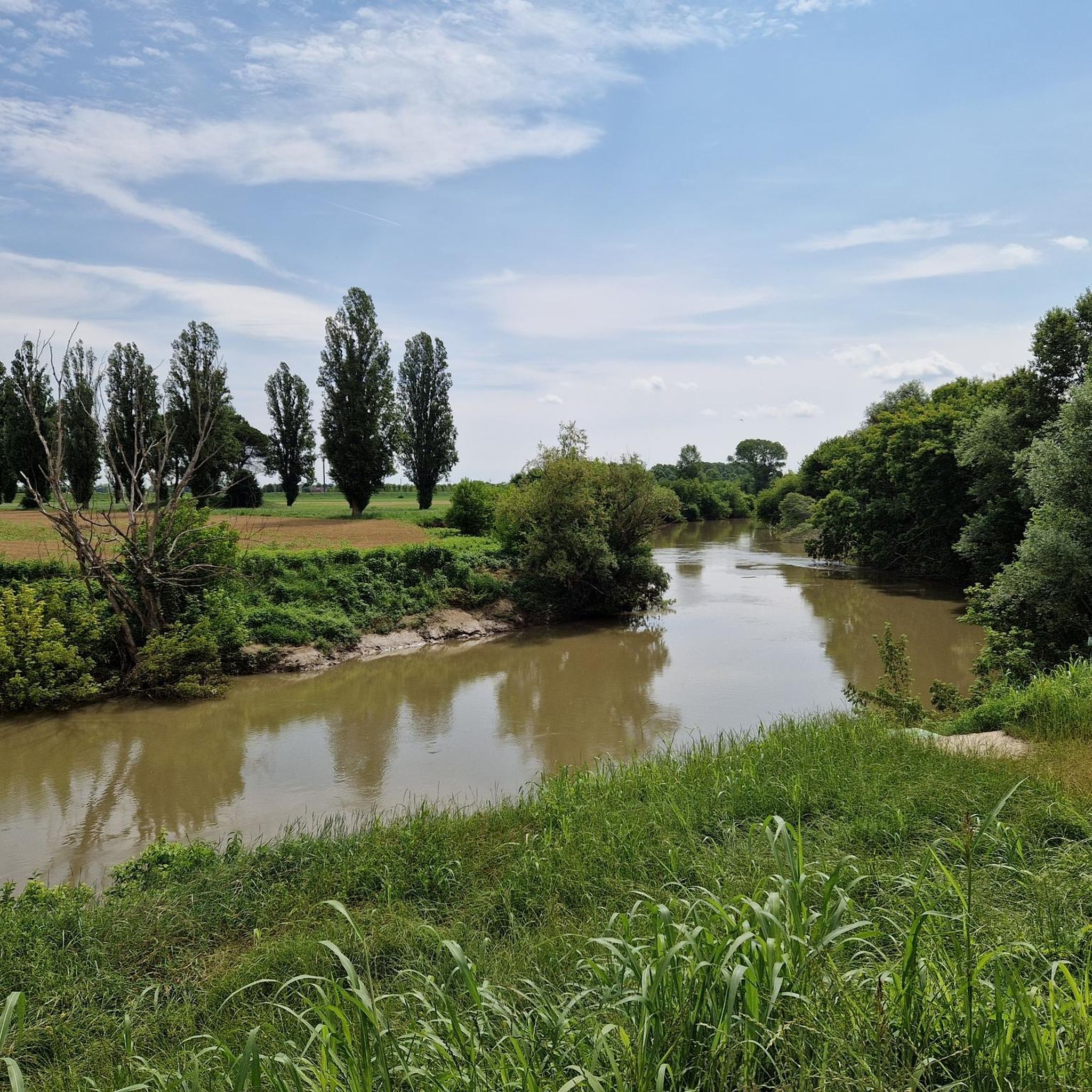
Weir on the Brenta River
Highlight • Structure
Translated by Google •
Tip by

Grotta di Santa Felicita
Highlight • Cave
Translated by Google •
Tip by
Sign up for free to discover even more natural monuments around Saccolongo.
Sign up for free
Already have an account?
Start today with a free account
Your next adventure awaits.
Login or Signup

Tips from the Community

The Castle of Speronella was a military fortification erected in the 10th century near the summit of Monte Pendìce (300 m a.s.l.): the height, due to its isolated and overhanging morphology, offered a strategic position from which to control both slopes of the hills, the valleys, and the plain. In 1320 it was besieged by the Scaligeri but resisted, earning the reputation of an impregnable fortress; later it was used as a prison and finally as a holiday resort for the Orologio family. The story of Speronella Dalesmanini, between legend and reality, dates back to the medieval period: she was a fifteen-year-old girl who had captured the fancy of the imperial vicar, who had her locked up here; but her family incited the people to a revolt that led to the girl's liberation and the defeat of the representative of Emperor Frederick Barbarossa, thus declaring the birth of the free commune of Padua. Today, ruins remain of the fortress: traces of walls and a scenic window overlooking the Euganean Hills. https://www.visitteolo.it/it/castelli/ruderi-castello-speronella-rocca-pendice-colli-euganei/
0
0

The Grotto of Santa Felicita is located in Teolo, on the southern slope of Monte della Madonna, within the Euganean Hills Regional Park. It is a place shrouded in mystery and spirituality, closely linked to the figure of the saint who, according to tradition, retired there as a hermit between the 8th and 9th centuries. The grotto is a natural cavity located right next to the small church of Sant'Antonio Abate. Inside, it holds one of the highest water springs in the hills, once considered miraculous. The site, surrounded by Mediterranean vegetation where the dwarf prickly pear grows spontaneously, emanates an atmosphere of absolute peace. Reachable by an easy walk, the grotto represents one of the most evocative stops for those exploring the trails of Teolo, combining the charm of volcanic geology with the popular devotion that still sees this cave as a symbol of rebirth and contemplation.
0
0
Monte Pirio, located in Torreglia, is one of the most spectacular peaks in the Euganean Hills Regional Park. At 328 meters, it stands out for its characteristic trachyte walls that emerge among the vineyards, creating a landscape of strong geological contrast. From its summit, you can enjoy an extraordinary view that ranges from the imposing Praglia Abbey to the reliefs of Monte Pendice and Monte Venda. The trails that cross it are immersed in Mediterranean scrub and chestnut groves, offering routes highly appreciated by hikers and mountain bike lovers. Pirio perfectly embodies the essence of the Euganean Hills, blending the wild nature of volcanic rocks with the centuries-old local winemaking tradition, representing a landmark for those seeking suggestive panoramas and tranquility just a stone's throw from Padua and the thermal centers.
0
0

Beautiful view of the hills and the surrounding plain.
1
0

The dam allows you to cross the river AT YOUR OWN RISK. When the water level is below the edge, crossing is possible, whereas it would otherwise not be permitted.
1
0

Thanks for the information
2
1
A really beautiful hike, enchanted paths, great view at the top. I wouldn't classify it as easy though. If it has rained a few days before, at least the ascent is muddy and slippery, and further up it is difficult to walk because it is very rocky. The descent is also steep and rocky at the beginning.
3
0

Beautiful view from Monte Pirlo on the other mountains
1
0
Frequently Asked Questions
What are some of the most popular natural monuments to visit around Saccolongo?
Among the most popular natural monuments, you'll find the challenging ascent to Monte Ceva Summit Cross, which offers a wonderful 360-degree panorama. Another must-see is the Botanical Garden of Padua, a historical site and the world's oldest university botanical garden. The Weir on the Brenta River is also a characteristic point near Limena, part of the significant Brenta and Brentella hydrological system.
Are there any family-friendly natural monuments in the Saccolongo area?
Yes, several natural monuments are suitable for families. The Botanical Garden of Padua is an excellent choice, offering an educational and peaceful experience with over 7,000 botanical species. The Weir on the Brenta River is also considered family-friendly, providing a tranquil setting. Additionally, Montirone Park, Abano — The Ancient Thermal Springs combines natural beauty with historical significance in a pleasant park setting.
What kind of outdoor activities can I do near these natural monuments?
The region around Saccolongo offers diverse outdoor activities. You can enjoy various cycling experiences, including MTB Trails, Gravel biking, and Road Cycling Routes. The Brentella Canal, for instance, provides a tranquil setting for cycling and even Canadian canoeing. For those seeking more challenging activities, the ascent to Monte Ceva is a rewarding climb.
Are there opportunities for hiking or walking near Saccolongo's natural monuments?
Absolutely. For a challenging hike with stunning views, consider the path to Monte Ceva Summit Cross, though it requires appropriate footwear due to rocky sections. The Schivanoia Waterfall offers an intermediate trail through a chestnut forest, described as short but intense. You can also find pleasant walks along the Brentella Canal or on the dirt cycle path near Praglia Abbey, which is lined with huge pines.
What unique natural features can I expect to see around Saccolongo?
The region boasts a variety of unique natural features. You can explore the hydrological elements of the Brenta and Brentella Canal system, including the Weir on the Brenta River. The Schivanoia Waterfall offers a charming natural cascade within a forest setting. For botanical diversity, the Botanical Garden of Padua is unparalleled, housing over 7,000 species and a biodiversity greenhouse.
Are there any historical sites that are also considered natural monuments?
Yes, the area beautifully blends natural and historical significance. The Botanical Garden of Padua, established in 1545, is not only a natural monument but also a UNESCO World Heritage site and the world's oldest university botanical garden. Additionally, Montirone Park, Abano — The Ancient Thermal Springs features ancient thermal springs with a history dating back to Roman times, where a temple to the god Aponus once stood.
What should I know about visiting Monte Ceva?
Monte Ceva Summit Cross offers a rewarding experience with a wonderful 360-degree panorama. However, the path to the summit can be challenging in its final stretch, featuring protruding rocks and stones. It is highly recommended to wear appropriate footwear, such as trekking shoes, and to be comfortable with walking on uneven terrain. The climb time to the iron cross is approximately 2 hours.
What makes the Botanical Garden of Padua special?
The Botanical Garden of Padua is globally recognized as the world's oldest university botanical garden, founded in 1545. It houses an impressive collection of over 7,000 different botanical species and played a significant role in the development of modern scientific disciplines. Its original design, a round central plot surrounded by a ring of water, is still preserved, and it features a notable biodiversity greenhouse.
What do visitors enjoy most about the natural monuments around Saccolongo?
Visitors particularly appreciate the diverse experiences offered. Many enjoy the breathtaking 360-degree panoramas from summits like Monte Ceva. The historical and botanical significance of the Botanical Garden of Padua is also a major draw. The tranquil settings of the canals and the serene forest paths leading to places like the Schivanoia Waterfall are also highly valued for their natural beauty and peaceful atmosphere.
Are there any natural monuments with water features?
Yes, water features are prominent in the region. The Weir on the Brenta River is a significant man-made structure that manages river levels within the Brenta and Brentella hydrological system. The Brentella Canal itself offers a tranquil setting with opportunities for canoeing. Additionally, the Schivanoia Waterfall provides a beautiful natural cascade nestled within a forest.
Can I find viewpoints with panoramic scenery?
Absolutely. The summit of Monte Ceva is renowned for its wonderful 360-degree panorama, offering expansive views of the surrounding landscape. The Schivanoia Waterfall trail also includes viewpoints within the forest, allowing visitors to appreciate the natural surroundings.
What is the best time to visit the natural monuments around Saccolongo?
While specific seasonal recommendations vary by monument, generally, spring and autumn offer pleasant temperatures for outdoor activities like hiking and cycling. These seasons also showcase the botanical beauty of areas like the Botanical Garden of Padua. Summer can be warm, but still enjoyable, especially for early morning or late afternoon visits. Winter offers a different, often quieter, experience, particularly along the canal paths.
Most popular routes around Saccolongo
Most popular attractions around Saccolongo

Get inspired with the komoot mobile app


Explore more
Extend your search for the best caves by checking out these guides of the top ones around Saccolongo:
