Top 5 Natural Monuments around Bottidda
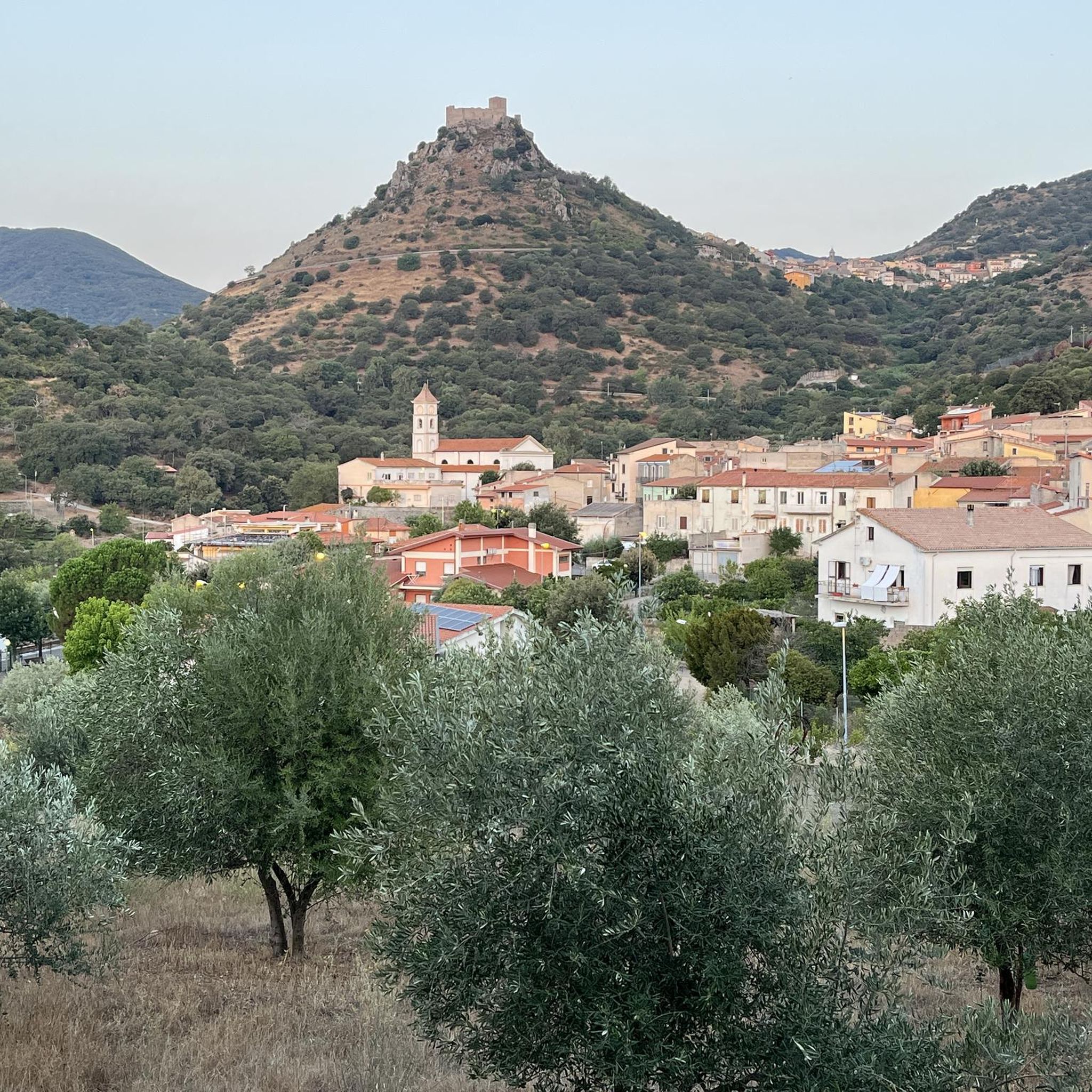
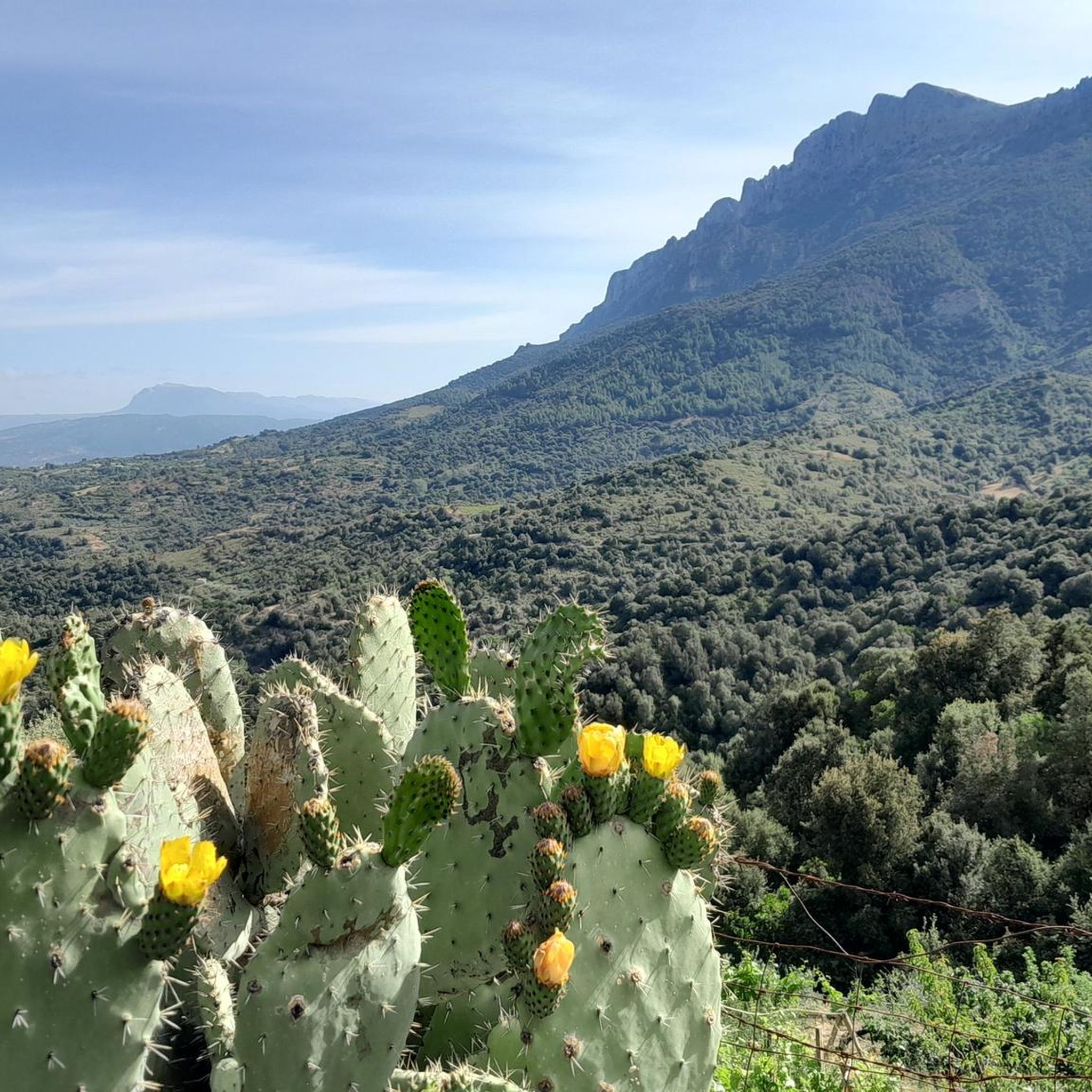
Best natural monuments around Bottidda are found within a rich natural landscape in central-northern Sardinia. This agricultural village is situated at the foot of Monte Rasu and near the Sa Corona hill. The area features lush forests, streams, and natural lakes, forming a protected natural heritage site. Monte Rasu, with its peak Punta Manna at 1,259 meters, is the highest point in the Marghine-Goceano range.
Best natural monuments around Bottidda
- The most popular natural monuments is Punta Palai, a…
Last updated: June 28, 2026
Punta Palai
Highlight • Summit
Translated by Google •
Tip by

Sacred Spring of Su Lumarzu
Highlight • Historical Site
The paved rectangular atrium …
Translated by Google •
Tip by

Sign up now to discover places like this
Get recommendations on the best single tracks, peaks, & plenty of other exciting outdoor places.
Sign up for free
Riu Ilde Waterfall
Highlight • Waterfall
Translated by Google •
Tip by

Domus de Janas of Sant'Andrea Priu
Highlight • Historical Site
The once 20 Domus de Janas (rock tombs) of Sant' Andria Priu (Italian: Ipogeo S. Andrea Priu) are located in a 10-meter-high trachyte wall on the southern edge …
Translated by Google •
Tip by

Shepherds' Huts and Archaeological Area of Ortachis
Highlight • Historical Site
Translated by Google •
Tip by

Start today with a free account
Your next adventure awaits.
Login or Signup


Tips from the Community

Here the Riu Ilde rushes and gurgles wonderfully.
1
0
A short walk through the wonderfully green forest leads to this pretty waterfall. It gurgles and splashes wonderfully. The Riu Ilde is relatively easy to cross at a slightly higher elevation, allowing you to get even closer to the waterfall.
1
0
A hike to Punta Palai is highly worthwhile. In good weather, the views are spectacular.
1
0

Visible from the road, accessible through a gate (or by climbing over the low wall) you can see the ruins of old shepherds' huts, old houses and the remains of megalithic constructions (such as the base of an unusually built nuraghe resting on a rock face).
2
0

from Wikipedia: The once 20 Domus de Janas (rock tombs) of Sant' Andria Priu (Italian: Ipogeo S. Andrea Priu) are located in a 10-meter-high trachyte wall on the southern edge of the Campeda plateau near Bonorva in the metropolitan city of Sassari on Sardinia. The 15 preserved structures date from the Ozieri culture (around 3000 BC).
0
0


Very nice little walk with the reward of a pretty waterfall and a park with table and barbecue
1
0
The monument, a small cult spring from the Nuragic period, consists of an atrium and a small cell where the vein of the spring is collected. The paved rectangular atrium (5.15 x 1.80 m) has seating along the walls (height 0.30 m; width 0.40 m) and a small alcove. The masonry (height 2 m; width 3 m) consists of regular rows of carefully squared basalt blocks. From the atrium one enters the small cell through an entrance with a trapezoidal light (0.65 m wide; 0.64 m high) obtained in a monolithic slab. The small room (diameter 0.97 m; height 1.60 m), built of roughly worked but carefully joined blocks of basalt, has a "tholos" roof closed by a large horizontal slab. In Christian times, a Latin cross was engraved on the underside of the end plate. The water flows through a channel carved into the sill of the entrance to the spring to a drainage channel built under the floor of the atrium itself. The settlement of the place lasted until late antiquity, as evidenced by coins from the fourth century. AD Found in the time of Taramelli while clearing the porch. Source: http://www.sardegnacultura.it/j/v/253?v=2&c=2488&t=1&s=21393
0
0
Frequently Asked Questions
What are the most popular natural monuments to visit around Bottidda?
Visitors frequently enjoy Punta Palai, a summit offering spectacular panoramic views. Another favorite is the Riu Ilde Waterfall, accessible via a pleasant walk through a green forest, providing a rewarding view and a park with amenities. The ancient Domus de Janas of Sant'Andrea Priu, with its rock tombs dating back to 3000 BC, also draws significant interest.
Are there any unique natural forests or ecological sites near Bottidda?
Yes, the most prominent is **Sos Nibberos**, a yew and holly forest located within the Monte Pisanu State Forest. It's renowned for hosting one of Italy's largest and most significant yew and holly forests, with many thousand-year-old specimens. This area is recognized as a "Natural Monument" by the Sardinia Region due to its scientific and ecological importance, offering a unique, ancient atmosphere.
What kind of historical natural monuments can I explore in the area?
Beyond the Domus de Janas of Sant'Andrea Priu, you can visit the Sacred Spring of Su Lumarzu, a small cult spring from the Nuragic period with a tholos roof. Another interesting site is the Shepherds' Huts and Archaeological Area of Ortachis, where you can see ruins of old huts and megalithic constructions, including the base of an unusually built nuraghe.
What outdoor activities can I do near these natural monuments?
The region around Bottidda offers various outdoor activities. You can find numerous hiking trails, such as the "Punta Palai – Riu Ilde Waterfall loop" or routes exploring Monte Rasu. For cycling enthusiasts, there are touring and road cycling routes available. You can explore more options on the Hiking around Bottidda and Cycling around Bottidda guide pages.
Are there any family-friendly natural monuments or trails?
Yes, the Riu Ilde Waterfall is considered family-friendly. It involves a short, pleasant walk through a green forest, leading to a beautiful waterfall and a park area equipped with tables and barbecue facilities, making it suitable for a family outing.
What is the best time of year to visit the natural monuments around Bottidda?
The best time to visit is generally during the spring (April-June) and autumn (September-October) months. During these periods, the weather is milder and more pleasant for outdoor activities like hiking and exploring, and the natural landscapes are particularly vibrant. Summers can be quite hot, while winters might bring cooler temperatures and occasional rain.
Can I find panoramic viewpoints among the natural monuments?
Absolutely. Punta Palai is a summit known for its great views, offering extensive panoramas in good weather. Additionally, the slopes of Monte Rasu, with its highest peak Punta Manna, provide breathtaking views of the Campeda plateau and the upper Tirso valley.
What kind of wildlife might I encounter in the natural areas?
The diverse forests around Bottidda, especially on the slopes of Monte Rasu, are home to various wildlife. You might spot wild boars, foxes, weasels, and hares. The region is also rich in birdlife, including various birds of prey, making it an interesting spot for nature observation.
Are there specific hiking trails to reach the natural monuments?
Yes, there are several trails. For example, you can take the "Punta Palai – Riu Ilde Waterfall loop" which connects two popular natural monuments. Another option is the "Monte Rasu – Sa Punta Manna loop" for those looking to explore the highest peak in the range. Details on these and other routes can be found on the Hiking around Bottidda guide page.
What makes Sos Nibberos forest so significant?
Sos Nibberos is significant for several reasons: it hosts one of Italy's largest and oldest yew and holly forests, with trees up to 15 meters tall and over a meter in diameter. It's a relict of tertiary phytocoenosis, offering insights into ancient flora, and is home to a rare botanical endemism, the Arrigoni bramble. Its unique ecological and historical value has led to its recognition as a "Natural Monument" by the Sardinia Region.
What should I wear for hiking to the natural monuments around Bottidda?
For hiking, it's advisable to wear comfortable, layered clothing suitable for the season. Sturdy hiking shoes with good grip are essential, especially for trails that might be uneven or rocky. Bringing a hat, sunscreen, and plenty of water is also recommended, particularly during warmer months.
Is there parking available near the natural monuments?
While specific parking areas for each monument are not always explicitly signposted, visitors typically find parking in designated areas near trailheads or in the closest villages. It's often best to check local signage or inquire in Bottidda for the most convenient parking options when planning your visit.
Most popular routes around Bottidda
Most popular attractions around Bottidda

Get inspired with the komoot mobile app


Explore more
Extend your search for the best caves by checking out these guides of the top ones around Bottidda:
