Top 5 Natural Monuments around Turalva/Torralba
Natural monuments around Turalva/Torralba showcase a landscape characterized by ancient geological formations and significant historical sites. This region features remnants of volcanic activity, including basaltic massifs and distinctive mountain profiles. The area also contains numerous archaeological sites, such as ancient springs and rock-cut tombs, reflecting a rich cultural past. Visitors can explore a variety of natural features, from viewpoints offering expansive vistas to caves with archaeological importance.
Best natural monuments around Turalva/Torralba
- The most popular natural monuments is View of…
Last updated: June 28, 2026
Sacred Spring of Su Lumarzu
Highlight • Historical Site
The paved rectangular atrium …
Translated by Google •
Tip by

View of Monte Santo
Highlight • Viewpoint
Translated by Google •
Tip by

Sign up now to discover places like this
Get recommendations on the best single tracks, peaks, & plenty of other exciting outdoor places.
Sign up for free
Domus de Janas of Sant'Andrea Priu
Highlight • Historical Site
The once 20 Domus de Janas (rock tombs) of Sant' Andria Priu (Italian: Ipogeo S. Andrea Priu) are located in a 10-meter-high trachyte wall on the southern edge …
Translated by Google •
Tip by

Mount Traessu
Highlight • Summit
Translated by Google •
Tip by

Sa Ucca de su Tintirriolu Cave
Highlight • Cave
Translated by Google •
Tip by
Start today with a free account
Your next adventure awaits.
Login or Signup
Popular around Turalva/Torralba
Tips from the Community

from Wikipedia: The once 20 Domus de Janas (rock tombs) of Sant' Andria Priu (Italian: Ipogeo S. Andrea Priu) are located in a 10-meter-high trachyte wall on the southern edge of the Campeda plateau near Bonorva in the metropolitan city of Sassari on Sardinia. The 15 preserved structures date from the Ozieri culture (around 3000 BC).
0
0

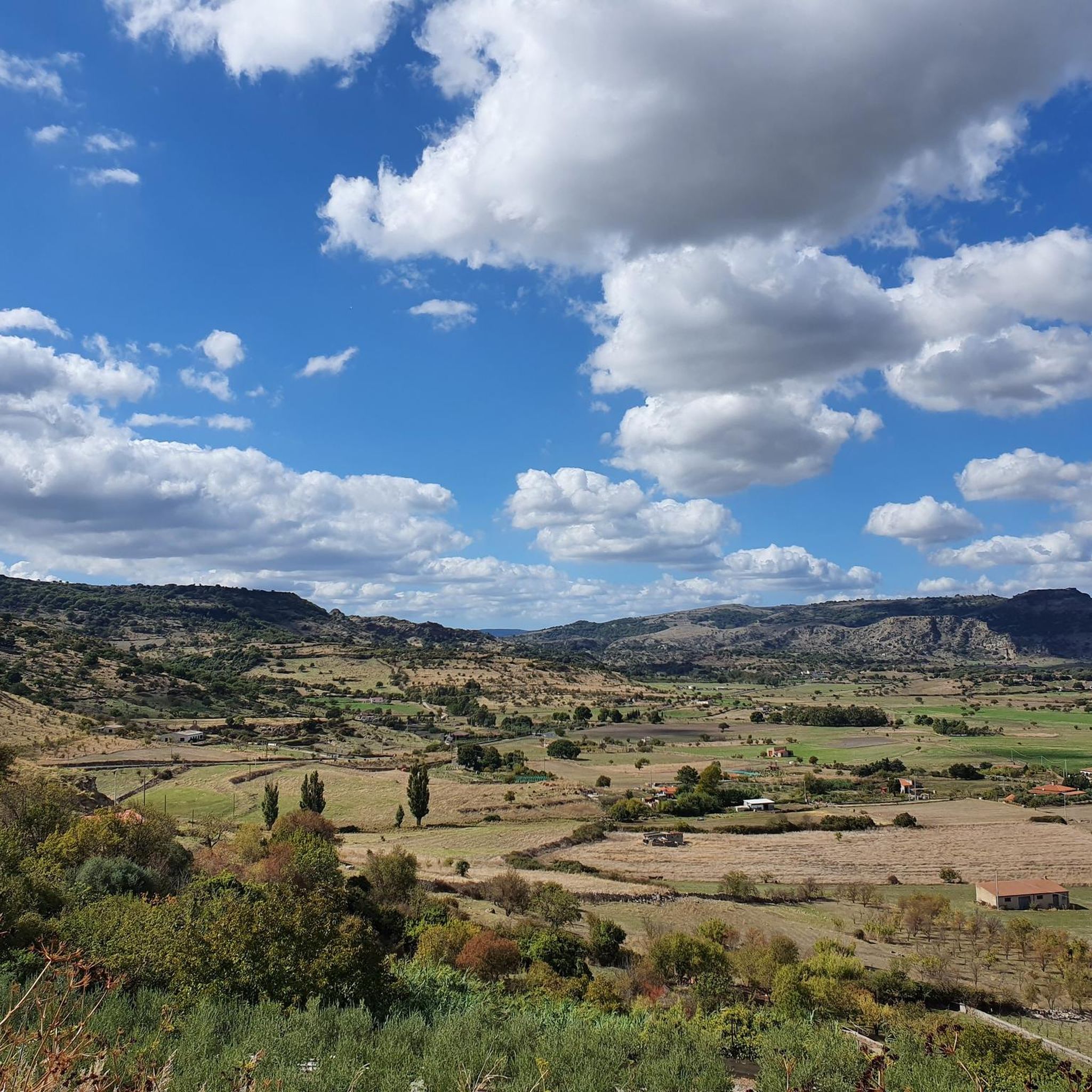
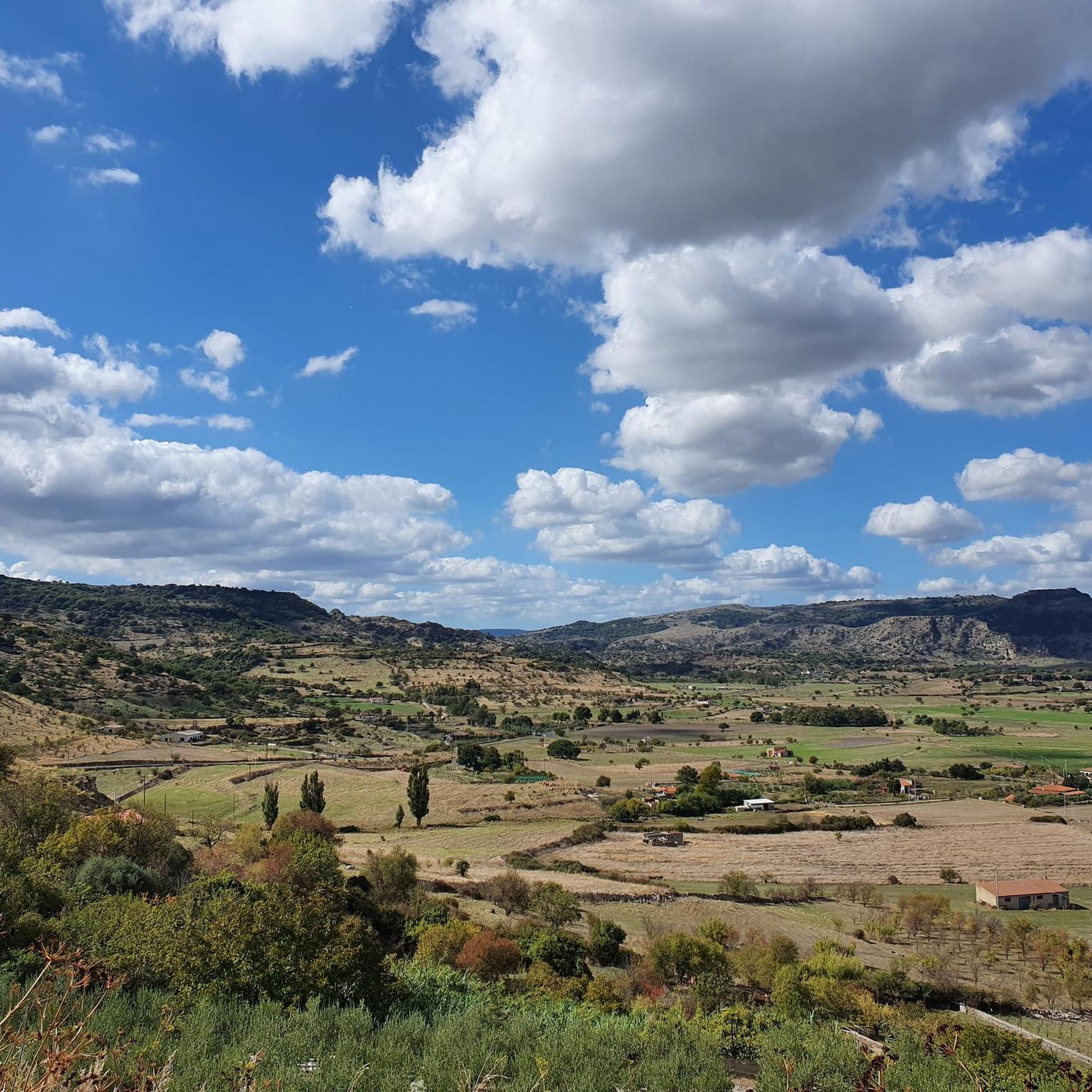
With its unmistakable profile, Monte Santo is an icon of Meilogu, the name of this enchanted corner of Sardinia. Born from ancient volcanic eruptions, this mountain rises among vast green fields, offering breathtaking views.
1
0

The archaeological finds in this cave were fundamental in giving the name to the pre-Nuragic culture of Bonu Ighinu (the name of this area), which developed in Sardinia during the 4th millennium BC. (4000-3400 BC). It is considered the first culture in Sardinia to have used natural cavities as sepulchres, which then formed small necropolises.
0
0
It is a basaltic massif located in the territory of the municipalities of Cossoine, Giave and Mara, in north-western Sardinia. Rich in gorges, cliffs and caves, the relief reaches a height of 717 meters and dominates a vast stretch of territory in the province of Sassari.
0
1

The monument, a small cult spring from the Nuragic period, consists of an atrium and a small cell where the vein of the spring is collected. The paved rectangular atrium (5.15 x 1.80 m) has seating along the walls (height 0.30 m; width 0.40 m) and a small alcove. The masonry (height 2 m; width 3 m) consists of regular rows of carefully squared basalt blocks. From the atrium one enters the small cell through an entrance with a trapezoidal light (0.65 m wide; 0.64 m high) obtained in a monolithic slab. The small room (diameter 0.97 m; height 1.60 m), built of roughly worked but carefully joined blocks of basalt, has a "tholos" roof closed by a large horizontal slab. In Christian times, a Latin cross was engraved on the underside of the end plate. The water flows through a channel carved into the sill of the entrance to the spring to a drainage channel built under the floor of the atrium itself. The settlement of the place lasted until late antiquity, as evidenced by coins from the fourth century. AD Found in the time of Taramelli while clearing the porch. Source: http://www.sardegnacultura.it/j/v/253?v=2&c=2488&t=1&s=21393
0
0
Frequently Asked Questions
What natural features can I explore around Turalva/Torralba?
The Turalva/Torralba region, located in Sardinia, is characterized by ancient geological formations, including remnants of volcanic activity. You can explore basaltic massifs like Mount Traessu, which offers gorges, cliffs, and caves. There are also significant viewpoints such as View of Monte Santo, an icon of the Meilogu region formed from ancient volcanic eruptions, providing expansive vistas.
Are there historical or archaeological natural monuments in the area?
Yes, the region is rich in archaeological sites. You can visit the Domus de Janas of Sant'Andrea Priu, which are ancient rock tombs dating from the Ozieri culture around 3000 BC. Another significant site is the Sacred Spring of Su Lumarzu, a Nuragic cult spring with archaeological finds. The Sa Ucca de su Tintirriolu Cave is also notable for its archaeological importance, having given its name to the pre-Nuragic Bonu Ighinu culture.
What kind of views can I expect from the natural monuments?
The natural monuments around Turalva/Torralba offer diverse and often breathtaking views. For instance, the View of Monte Santo provides expansive vistas over vast green fields, showcasing the unique profile of this volcanic mountain. Mount Traessu, a basaltic massif, also serves as a summit viewpoint, dominating a large stretch of territory in the province of Sassari.
What outdoor activities can I do near these natural monuments?
The area around Turalva/Torralba offers various outdoor activities. You can find numerous routes for road cycling, touring cycling, and mountain biking. For mountain biking, consider routes like the 'Lake Bidighinzu Loop' or the 'Mount Traessu – Santuario di Bonu Ighinu loop'. You can explore more options and detailed routes in the MTB Trails around Turalva/Torralba guide, the Road Cycling Routes around Turalva/Torralba guide, or the Cycling around Turalva/Torralba guide.
Are there hiking opportunities near the natural monuments?
While specific hiking trails directly linked to individual natural monuments are not detailed, the presence of summits like Mount Traessu and viewpoints like View of Monte Santo suggests opportunities for walks and hikes to reach these locations. The region's diverse terrain, including gorges and cliffs, provides a scenic backdrop for exploration. For more structured routes, consider the cycling and MTB guides which often share paths suitable for walking.
What makes the caves around Turalva/Torralba significant?
The caves in the Turalva/Torralba region are significant for both their natural formation and historical importance. The Sa Ucca de su Tintirriolu Cave, for example, is a key archaeological site where finds were crucial in defining the pre-Nuragic Bonu Ighinu culture. These caves were among the first natural cavities used as sepulchres in Sardinia, offering a glimpse into ancient burial practices.
What is the geological background of the natural monuments in this area?
The natural monuments around Turalva/Torralba are deeply rooted in the region's volcanic past. Many features, such as Monte Santo and Mount Traessu, are basaltic massifs formed from ancient volcanic eruptions. This geological history has created distinctive mountain profiles, gorges, cliffs, and the trachyte walls where sites like the Domus de Janas of Sant'Andrea Priu are carved.
Are there any family-friendly natural monuments around Turalva/Torralba?
While specific 'family-friendly' designations are not provided for all sites, natural monuments like the View of Monte Santo offer accessible viewpoints that can be enjoyed by families. Exploring the historical sites like the Domus de Janas of Sant'Andrea Priu can also be an educational and engaging experience for older children, offering a tangible connection to ancient history.
What do visitors enjoy most about the natural monuments in Turalva/Torralba?
Visitors appreciate the unique blend of natural beauty and historical depth found in Turalva/Torralba. The expansive vistas from viewpoints like Monte Santo are highly valued, as are the insights into ancient cultures provided by sites such as the Domus de Janas of Sant'Andrea Priu and the Sacred Spring of Su Lumarzu. The region's distinct geological formations and archaeological significance make for a compelling experience.
Can I find ancient springs or water features among the natural monuments?
Yes, the region includes ancient springs that are considered natural monuments. The Sacred Spring of Su Lumarzu is a prime example, a Nuragic cult spring with a well-preserved structure including an atrium and a small cell where the spring's vein is collected. This site offers a fascinating look into ancient water rituals and engineering.
Are there any specific mountains or summits to visit?
Absolutely. The region features prominent mountains and summits that are natural monuments. Monte Santo is an iconic volcanic mountain offering significant views. Another notable summit is Mount Traessu, a basaltic massif reaching 717 meters, which dominates a vast territory and is rich in gorges, cliffs, and caves.
Most popular routes around Turalva/Torralba
Most popular attractions around Turalva/Torralba

Get inspired with the komoot mobile app


Explore more
Extend your search for the best caves by checking out these guides of the top ones around Turalva/Torralba:
