Top 5 Natural Monuments around Boruta/Borutta
Natural monuments around Boruta/Borutta, a village in Sardinia, Italy, are characterized by a landscape rich in geological formations and historical significance. The region features ancient volcanic structures, prominent viewpoints, and natural caves. These sites offer insights into the area's geological past and ancient human presence, providing diverse natural features landmarks viewpoints Borutta Sardinia for exploration.
Best natural monuments around Boruta/Borutta
- The most popular natural monument is Domus de Janas di S’Ena de Cannuja, a cave that features ancient pre-Nuragic…
Last updated: June 28, 2026
Domus de Janas di S’Ena de Cannuja
Highlight • Cave
Translated by Google •
Tip by

Sea Lepere
Highlight • Viewpoint
Translated by Google •
Tip by
Sign up now to discover places like this
Get recommendations on the best single tracks, peaks, & plenty of other exciting outdoor places.
Sign up for free
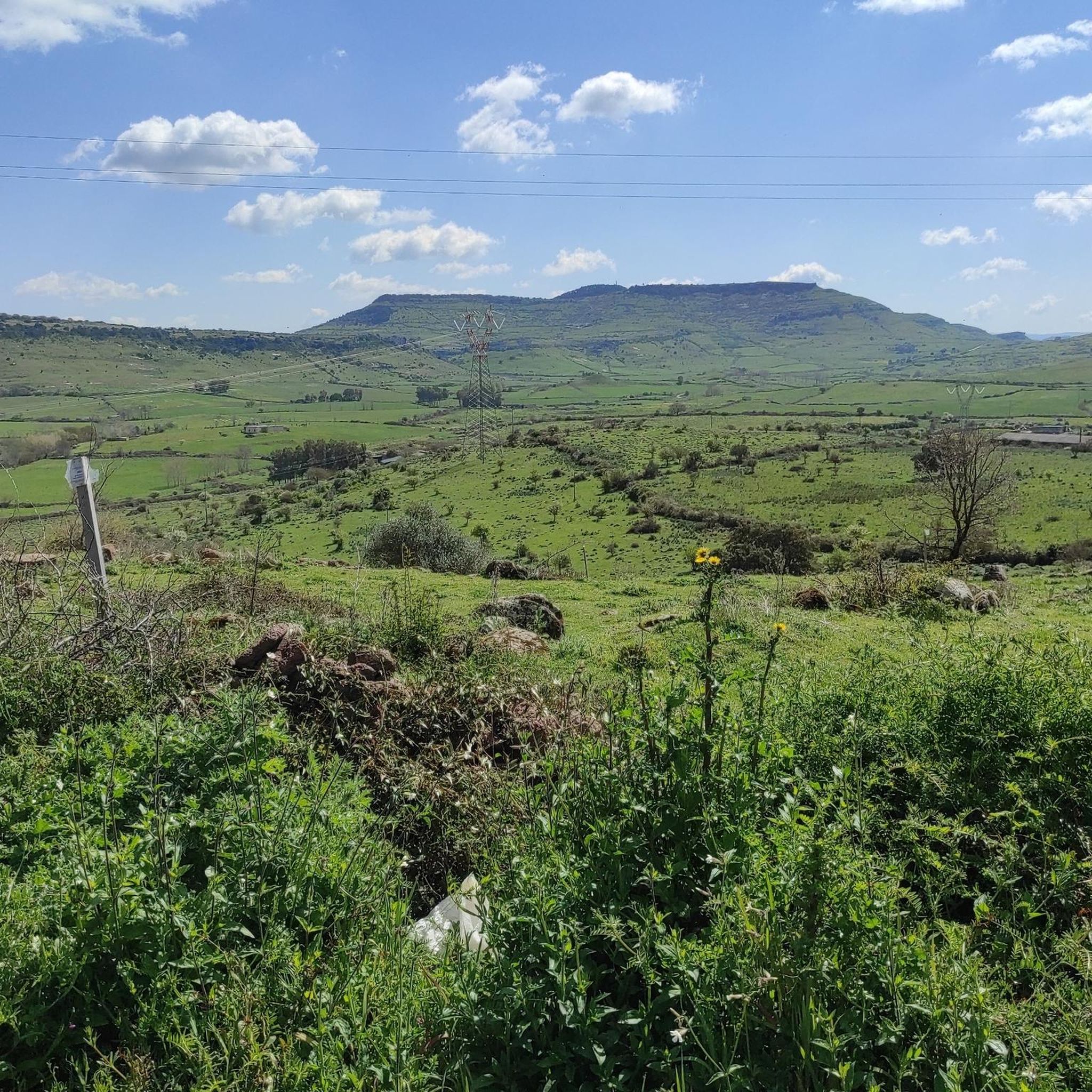
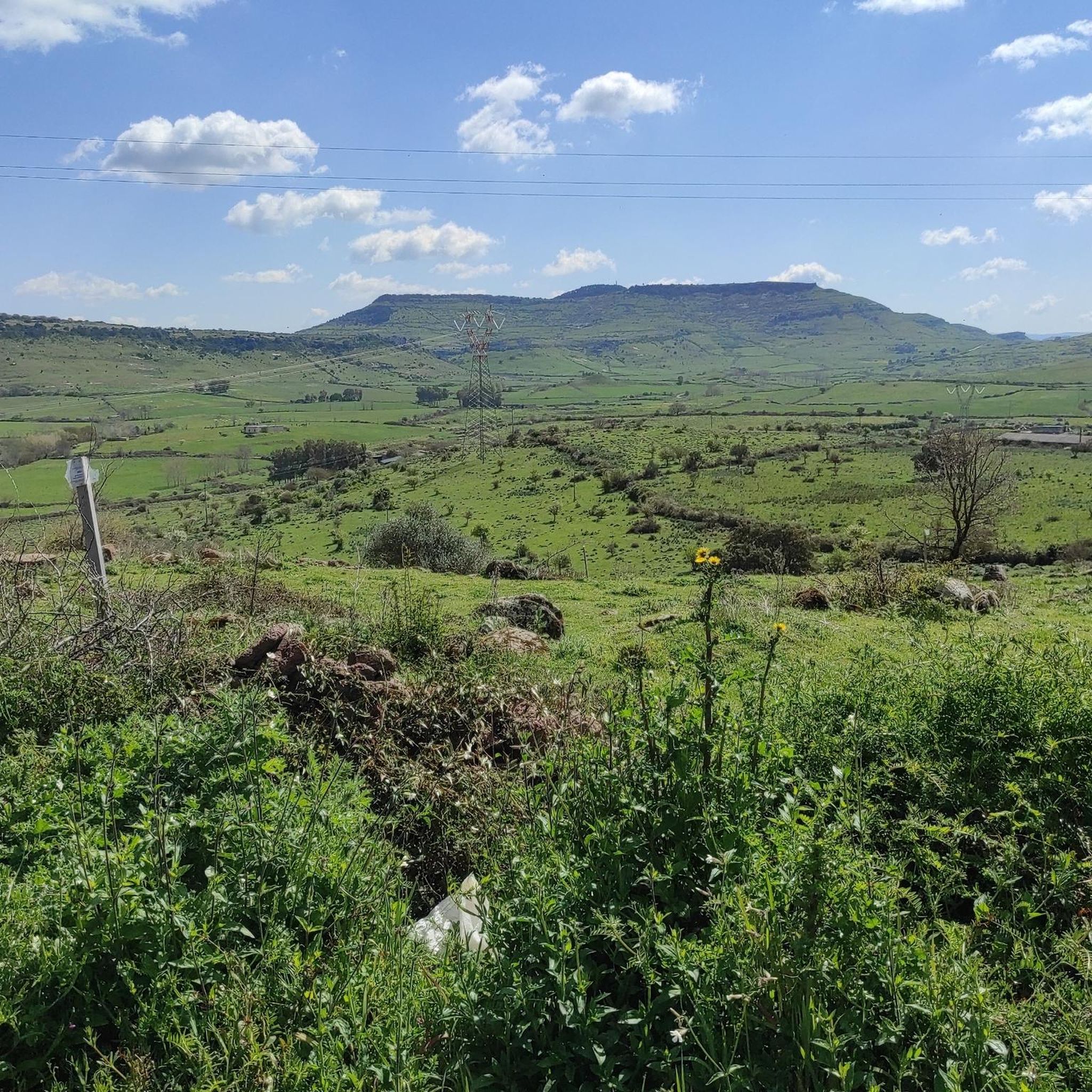
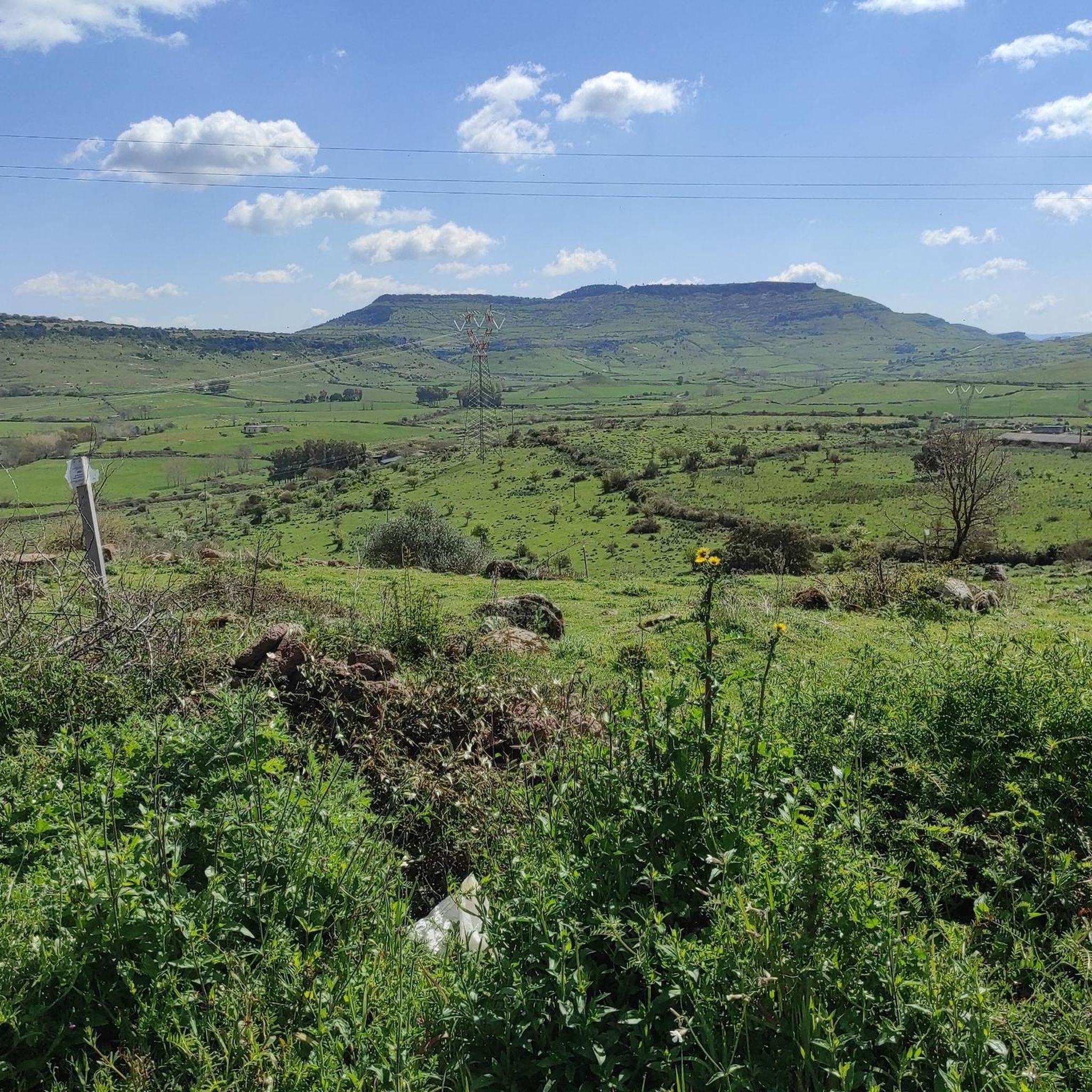
View of Monte Santo
Highlight • Viewpoint
Translated by Google •
Tip by
Mount Traessu
Highlight • Summit
Translated by Google •
Tip by

Sa Ucca de su Tintirriolu Cave
Highlight • Cave
Translated by Google •
Tip by
Start today with a free account
Your next adventure awaits.
Login or Signup

Tips from the Community

An adventurous approach, barking dogs, thorny undergrowth. The dolmens were great, but unfortunately the hiking trail was not well maintained, so we turned back with our son.
0
0

The caves are accessible from the road across a meadow. However, there are no paths, despite other claims to the contrary. We didn't find one, and the thistles and thorns make hiking less enjoyable. The area and the view are, of course, wonderful.
0
0

With its unmistakable profile, Monte Santo is an icon of Meilogu, the name of this enchanted corner of Sardinia. Born from ancient volcanic eruptions, this mountain rises among vast green fields, offering breathtaking views.
1
0
The path passes through the Domus de Janas of S'Ena de Cannuja, ancient pre-Nuragic tombs carved into the rock, dating back to the 3rd millennium BC. This necropolis includes six tombs dug into a trachytic ridge. The tombs were presumably reached using carvings dug into the rock face similar to those still preserved in the Domus de Janas Sos Furrighesos necropolis in Anela.
1
0
The views from the top of Sea Lepere are spectacular. From here, the view opens onto the characteristic relief of Monte Torru. The steep rock faces stand out beautifully against the bright green vegetation.
1
0

The archaeological finds in this cave were fundamental in giving the name to the pre-Nuragic culture of Bonu Ighinu (the name of this area), which developed in Sardinia during the 4th millennium BC. (4000-3400 BC). It is considered the first culture in Sardinia to have used natural cavities as sepulchres, which then formed small necropolises.
0
0
It is a basaltic massif located in the territory of the municipalities of Cossoine, Giave and Mara, in north-western Sardinia. Rich in gorges, cliffs and caves, the relief reaches a height of 717 meters and dominates a vast stretch of territory in the province of Sassari.
0
1
Frequently Asked Questions
What are some of the most notable natural monuments to visit around Borutta?
The region offers a variety of significant natural monuments. You can explore the ancient pre-Nuragic tombs carved into a trachytic ridge at Domus de Janas di S’Ena de Cannuja, or enjoy spectacular panoramic views from Sea Lepere, which overlooks Monte Torru. Another must-see is the View of Monte Santo, an iconic volcanic mountain offering breathtaking vistas.
Are there any natural monuments with historical significance in the Borutta area?
Yes, several natural monuments in the area are deeply intertwined with history. The Domus de Janas di S’Ena de Cannuja features ancient pre-Nuragic tombs dating back to the 3rd millennium BC, carved directly into a natural rock formation. Additionally, the Sa Ucca de su Tintirriolu Cave is historically significant as archaeological finds there gave its name to the Bonu Ighinu culture, which used natural cavities as sepulchres in the 4th millennium BC.
What kind of geological features can I expect to see among Borutta's natural monuments?
Borutta's natural monuments showcase a rich geological history. You'll find ancient volcanic structures like Monte Santo, which was formed from volcanic eruptions. The area also features distinctive rock formations, such as the trachytic ridge where the Domus de Janas are carved, and the basaltic massif of Mount Traessu, known for its gorges, cliffs, and caves.
What are the best natural viewpoints around Borutta?
For stunning views, Sea Lepere offers spectacular vistas of Monte Torru's characteristic relief and steep rock faces. Another excellent spot is the View of Monte Santo, providing panoramic views of this iconic volcanic mountain and the surrounding green fields of the Meilogu region.
Are there any natural caves to explore near Borutta?
Yes, the region is known for its caves. The Domus de Janas di S’Ena de Cannuja, while primarily an archaeological site, is a series of tombs carved into a natural cave-like formation. The Sa Ucca de su Tintirriolu Cave is another significant natural cavity with archaeological importance. The broader area, including Mount Traessu, also features numerous gorges, cliffs, and caves.
What outdoor activities can I do near these natural monuments?
The area around Borutta offers various outdoor activities, particularly cycling. You can find numerous routes for mountain biking, road cycling, and touring. For example, there are moderate MTB trails like the Lake Bidighinzu Loop, or more challenging road cycling routes such as The Washerwomen – Stone Fountain loop. You can explore more options on the MTB Trails around Boruta/Borutta, Road Cycling Routes around Boruta/Borutta, and Cycling around Boruta/Borutta guide pages.
Are there hiking trails to reach the natural monuments, and what are their difficulty levels?
Many natural monuments are accessible via trails, though conditions can vary. For instance, reaching Domus de Janas di S’Ena de Cannuja can be an adventurous approach, with some visitors noting thorny undergrowth and less maintained paths. Viewpoints like Sea Lepere and View of Monte Santo are generally considered intermediate difficulty for hiking. Always be prepared for varied terrain and check local conditions.
What is the best time of year to visit the natural monuments around Borutta?
While specific seasonal recommendations for Borutta's natural monuments are not detailed, Sardinia generally enjoys a Mediterranean climate. Spring (April-May) and Autumn (September-October) are often ideal for outdoor activities like hiking and exploring, offering pleasant temperatures and lush landscapes. Summers can be hot, and winters mild but potentially rainy.
Are the natural monuments around Borutta suitable for families or dog-friendly?
Some natural monuments may be more challenging for families or dogs due to terrain. For example, the path to Domus de Janas di S’Ena de Cannuja has been described as having thorny undergrowth, which might be difficult for children or pets. Viewpoints like Sea Lepere and View of Monte Santo are intermediate in difficulty, so consider the fitness level of your family and dog. Always check specific trail conditions before heading out.
What do visitors enjoy most about the natural monuments in Borutta?
Visitors particularly appreciate the stunning scenic views, such as those from Sea Lepere and the View of Monte Santo, which offer breathtaking panoramas of the Sardinian landscape. The deep historical connections, especially at sites like Domus de Janas di S’Ena de Cannuja, also provide a unique insight into the region's ancient past, making for a rich exploration experience.
Is there public transport or parking available near the natural monuments?
Information on specific public transport routes directly to each natural monument is limited. Access often requires personal transport. While some areas might have informal parking, it's advisable to research parking options for individual sites beforehand, as dedicated facilities may not always be present, especially for more remote locations.
Can I find food or accommodation near the natural monuments?
Borutta is a small village, and while there might be local cafes or eateries, options directly adjacent to the natural monuments are likely limited. It's recommended to plan for meals and accommodation in Borutta itself or nearby towns. For broader information on the region, you might find useful resources on the official tourism site for Sardinia.
Most popular routes around Boruta/Borutta
Most popular attractions around Boruta/Borutta

Get inspired with the komoot mobile app


Explore more
Extend your search for the best caves by checking out these guides of the top ones around Boruta/Borutta:
