Top 8 Mountain Passes around Calascio
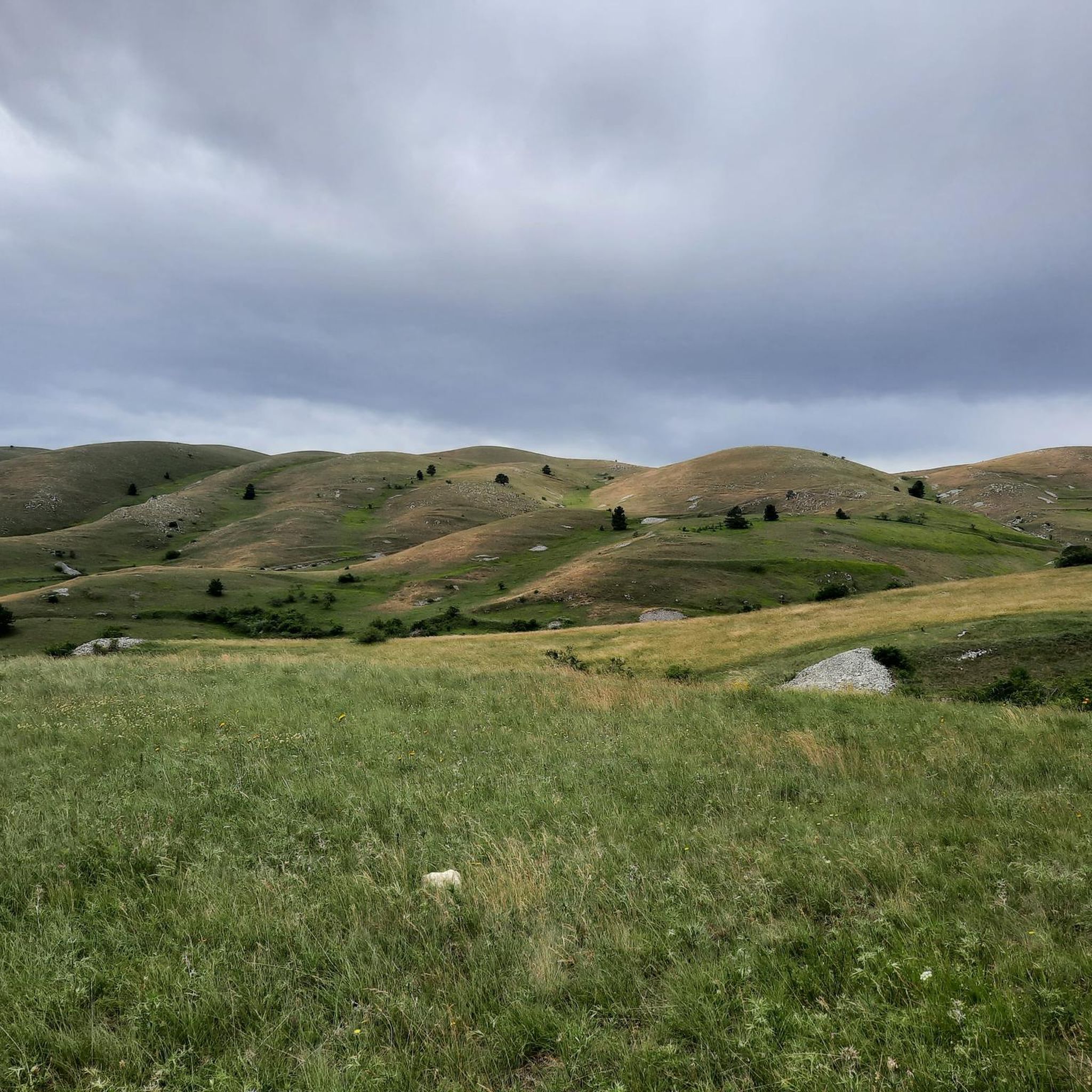
Best mountain passes around Calascio Abruzzo are found in the Gran Sasso and Monti della Laga National Park. Calascio serves as a base for exploring several notable mountain passes and high-altitude areas. These locations feature diverse landscapes, from expansive plateaus to historical routes. The region offers opportunities for exploring natural beauty and historical sites.
Best mountain passes around Calascio
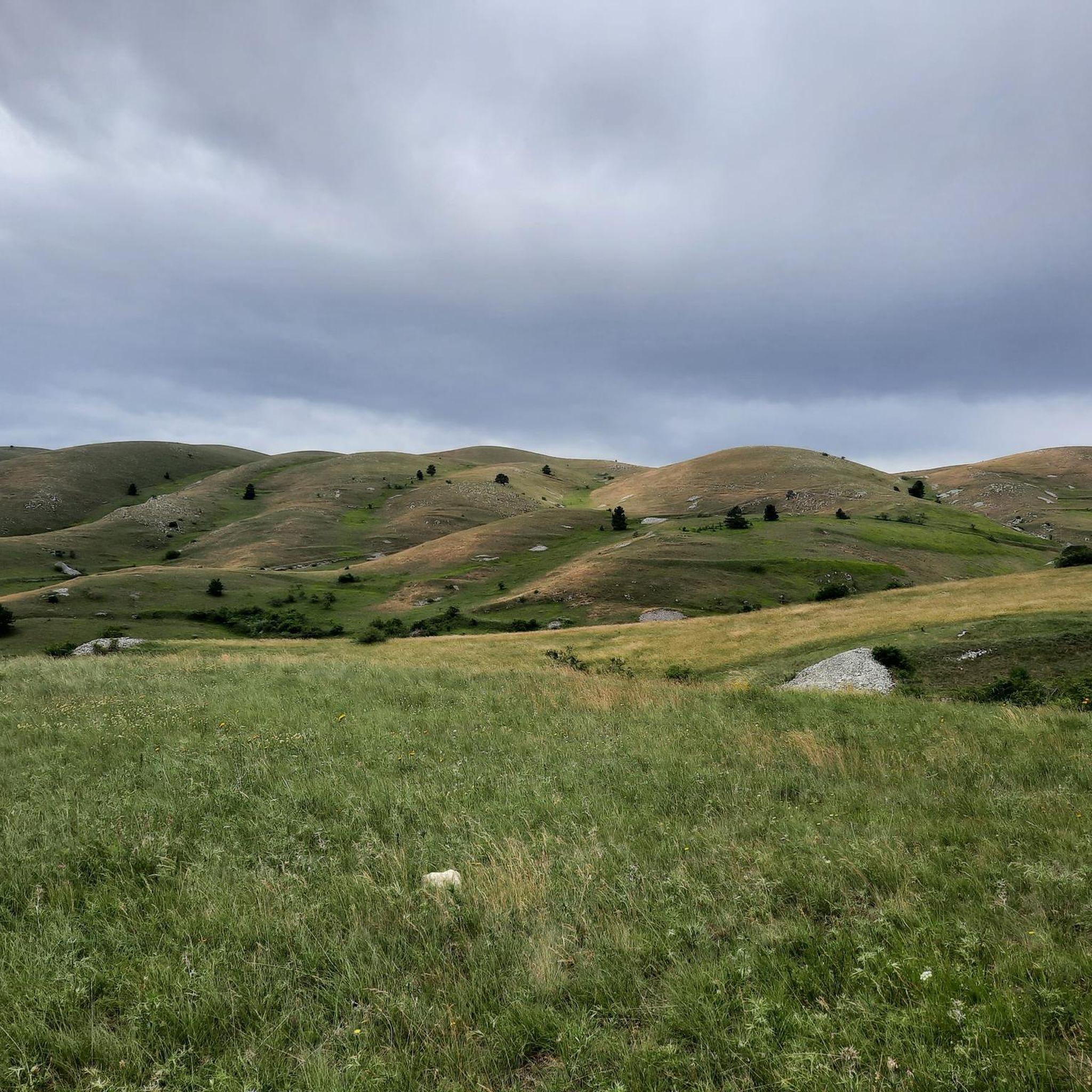
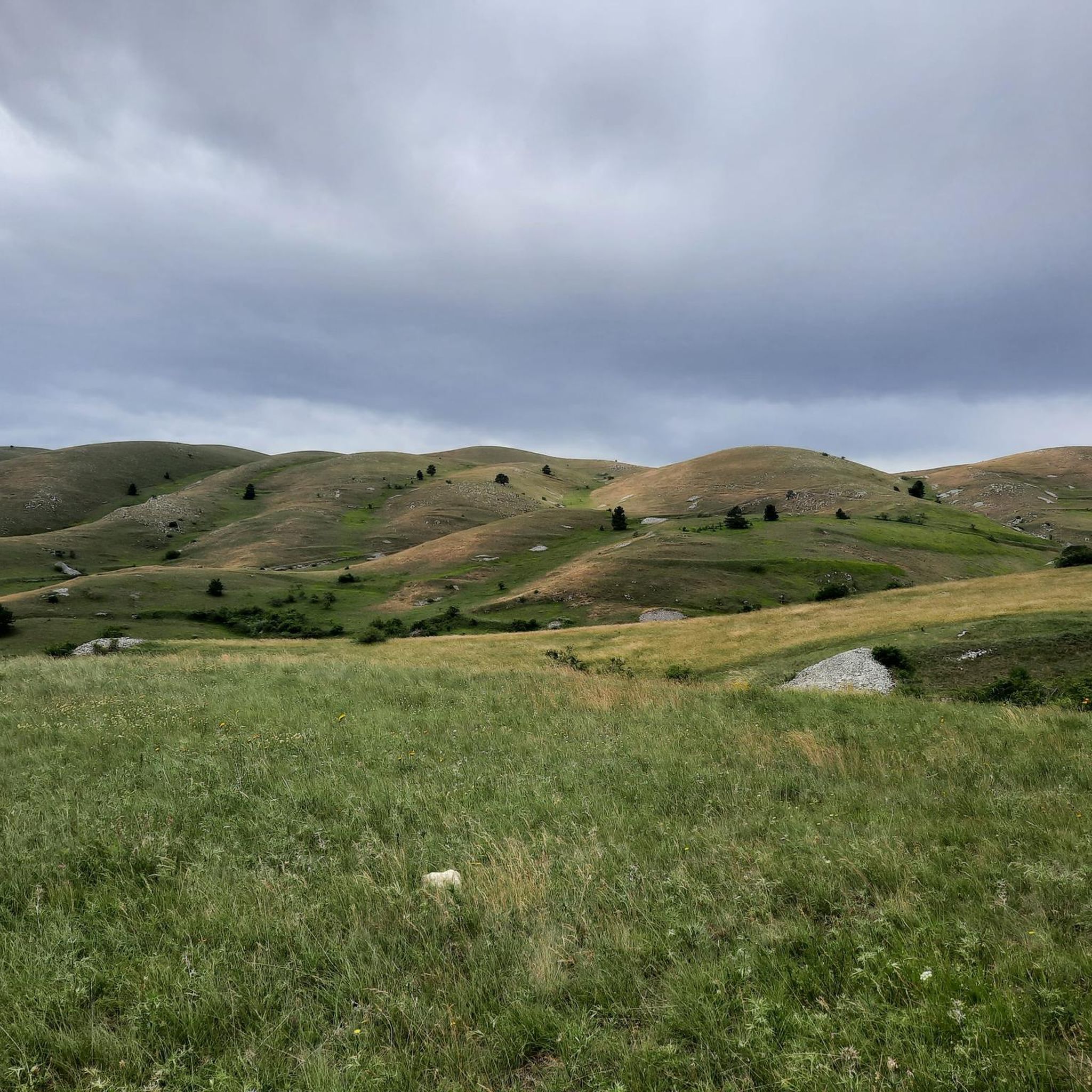
- The most popular mountain passes is Campo Imperatore Plateau, a high-altitude plateau known for its expansive landscapes and connection to the Gran Sasso mountains. It offers opportunities for hiking and observing local wildlife.
- Another must-see spot is Corno Pass, a mountain pass at more than 1,900 meters above sea level, located on the Campo Imperatore plateau. It offers scenic views and serves as a starting point for various hiking trails.
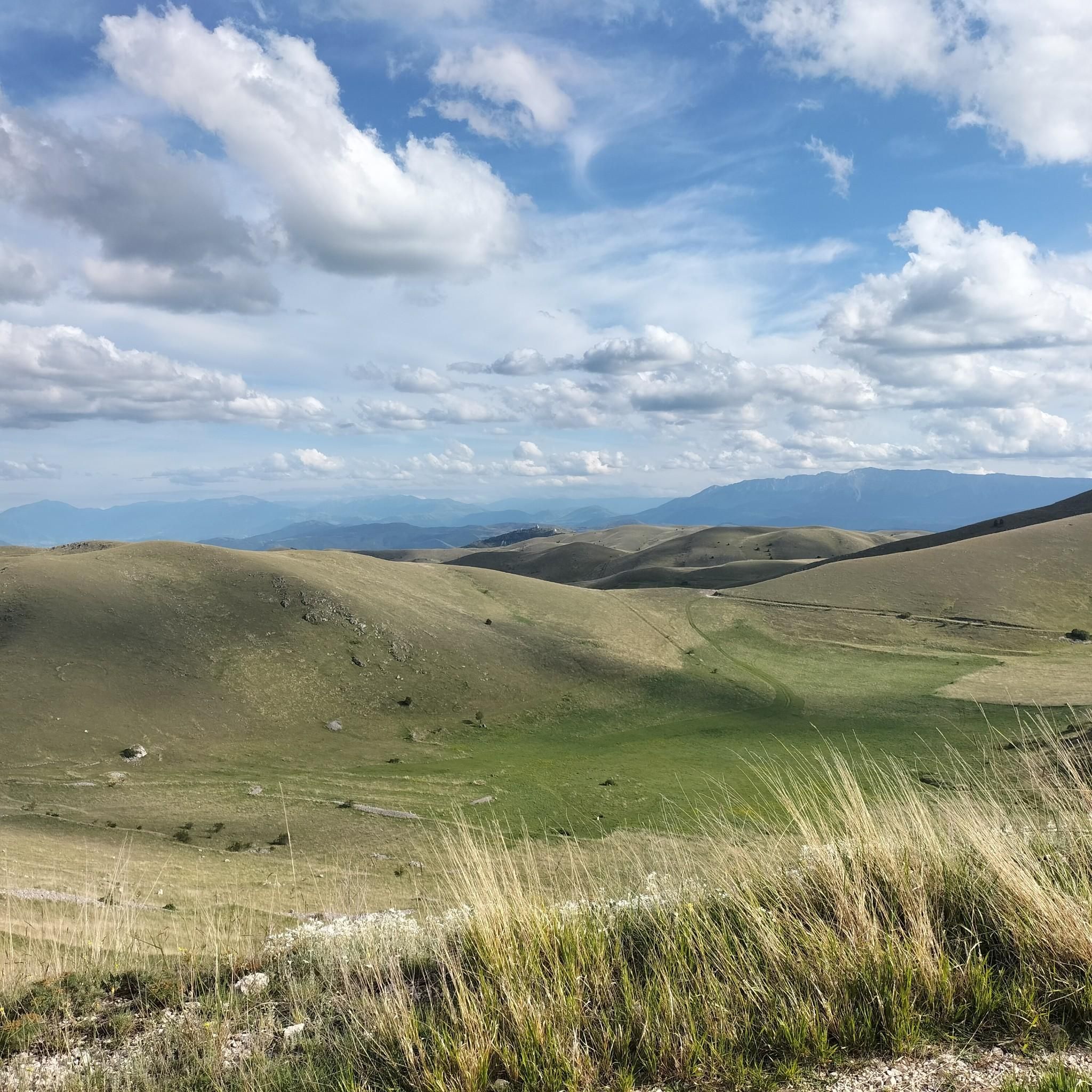
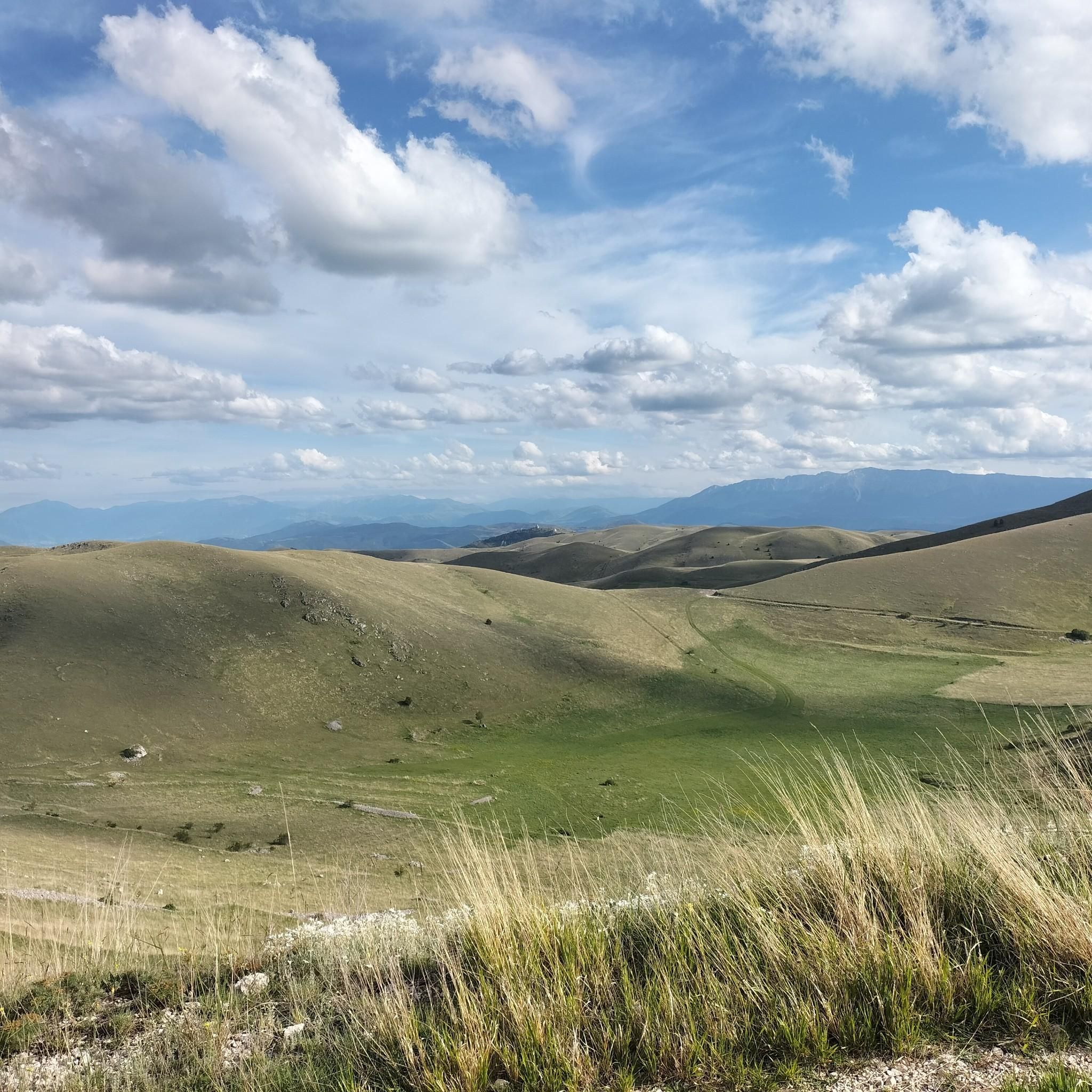
- Visitors also love Capo la Serra Pass, a mountain pass at 1,600 meters above sea level, overlooking the southern slope of the Gran Sasso massif. It connects the Campo Imperatore plateau to nearby mountain centers and offers views of the surrounding landscape.
- Calascio is known for high-altitude passes, scenic routes, and historical passes. The area provides a variety of mountain passes to see and explore, ranging from challenging climbs to routes with historical significance.
- The mountain passes around Calascio are appreciated by the komoot community, with 41 upvotes and 14 photos shared.
Last updated: June 28, 2026
Capo la Serra Pass
Highlight • Mountain Pass
Translated by Google •
Tip by

Maccione Pass
Highlight • Mountain Pass
Translated by Google •
Tip by

Sign up now to discover places like this
Get recommendations on the best single tracks, peaks, & plenty of other exciting outdoor places.
Sign up for free
Campo Imperatore Plateau
Highlight • Natural
Translated by Google •
Tip by
Corno Pass
Highlight • Mountain Pass
Translated by Google •
Tip by

Campo Imperatore
Highlight • Mountain Pass
Translated by Google •
Tip by

Sign up for free to discover even more mountain passes around Calascio.
Sign up for free
Already have an account?
Start today with a free account
Your next adventure awaits.
Login or Signup


Tips from the Community

what beautiful places to cycle
0
0

...Extraordinary Fantastic Challenging Journey
0
0

It connects the Campo Imperatore plateau with the mountain centers of Castel del Monte, Calascio and Santo Stefano di Sessanio, and is dominated to the east by Monte Capo di Serre and to the west by Monte Bolza.
0
0

It is only when you get there that you realize the majesty of this plateau. A magical and fascinating place
0
0

Colle del Maccione, immersed in the evocative beauty of the hills, offers those who explore it a unique perspective on uncontaminated nature. This place, located between breathtaking views and enveloping tranquility, becomes a refuge for those seeking a break from the daily hustle and bustle. Its serene atmosphere and the panorama that opens up to visitors offer an authentic and relaxing experience. An invitation to discover the natural beauty and peace that Colle del Maccione generously offers to those who visit it.
2
0
The Capo di Serre pass, located at 1,600 meters above sea level, is a mountain pass in the Abruzzo Apennines, overlooking the southern slope of the Gran Sasso massif of Italy. This pass connects the Campo Imperatore plateau to the mountain centers of Castel del Monte, Calascio and Santo Stefano di Sessanio. Its position is dominated to the east by Monte Capo di Serre and to the west by Monte Bolza. A breathtaking vantage point that offers the chance to explore the surrounding natural beauty.
1
0

Vado di Corno is a pass at more than 1,900 meters above sea level, located on the Campo Imperatore plateau, in the heart of the Gran Sasso d'Italia. Various hiking trails also start from here, including the Centenary Trail and the ascent to Mount Aquila.
1
0

If traveled in the direction of Campo Imperatore, Colle del Maccione is the point where the climb gives a moment of respite. The road flattens for a few kilometers and you enter the heart of the so-called "Little Tibet". If there was a need to give a reason for this nickname, looking around you understand how the views can recall the iconic ones of the Asian area.
5
1
Frequently Asked Questions
What unique natural features can I explore around Calascio's mountain passes?
The region is rich in natural beauty. You can explore the expansive landscapes of the Campo Imperatore Plateau, often called 'Little Tibet' for its vastness. The Capo la Serra Pass offers stunning vistas of the Gran Sasso massif, while the Maccione Pass provides a unique perspective on untouched nature and a moment of respite during climbs, leading into the heart of Campo Imperatore.
Are there any historical sites or landmarks near the mountain passes?
Yes, the area combines natural beauty with rich history. While not a pass itself, Rocca Calascio is an iconic medieval fortress near Calascio, offering panoramic views and historical significance. The Forca di Penne Pass and Tower Ruins also hold historical importance, with remnants of an ancient tower and its past as a strategic road pass and part of the Tratturo Magno.
What kind of outdoor activities can I do near Calascio's mountain passes?
The mountain passes around Calascio are excellent for various outdoor activities. You can enjoy scenic drives, cycling, and extensive hiking. The Campo Imperatore Plateau is ideal for endless hiking and cycling. For specific routes, consider exploring the options for hiking, cycling, or gravel biking around Calascio.
Are there family-friendly mountain passes or trails in the area?
While many passes offer challenging terrain, the broader area around Calascio and Campo Imperatore has options suitable for families. For instance, the hike to Rocca Calascio is considered an experience in itself, and some sections of the Campo Imperatore Plateau are accessible for leisurely walks, allowing families to enjoy the vast landscapes and observe local wildlife. Always check specific route details for difficulty before heading out with children.
What is the best time of year to visit the mountain passes around Calascio?
The mountain passes around Calascio are generally best visited from late spring to early autumn (May to October) for hiking and cycling, when the weather is milder and the roads are clear of snow. The Capannelle Pass, for example, is known to be open year-round, but winter conditions will require appropriate gear and experience. Summer offers lush landscapes and wildflowers, while autumn brings vibrant colors.
What are the typical road conditions for driving or cycling through these passes?
Road conditions vary by pass. The Strada Regionale 17bis/C leading to Campo Imperatore is a scenic paved road, though it can have steep and narrow sections. The Capannelle Pass is known for its 'poem of curves' and generally good road conditions, making it enjoyable for both driving and cycling. Always check local weather and road reports, especially outside of peak season, as mountain roads can be affected by snow and ice.
Where can I find panoramic viewpoints along the mountain passes?
Many passes offer breathtaking panoramic views. Rocca Calascio provides unparalleled views stretching across the Campo Imperatore Plateau to the Adriatic coast on clear days. The Capo la Serra Pass offers stunning vistas of the surrounding mountainous landscape. Additionally, the Corno Pass is highly scenic with wonderful views of the Gran Sasso.
Are there any less crowded mountain passes or areas to explore near Calascio?
While popular spots like Campo Imperatore attract visitors, you can find quieter experiences. The Capannelle Pass, while significant, allows for immersion in the Monti della Laga National Park with its large meadows and diverse wildlife, potentially offering a more tranquil experience away from the busiest spots. Exploring the various dirt paths starting from the Forca di Penne Pass can also lead to less crowded peaks.
What kind of wildlife can I expect to see in the Gran Sasso and Monti della Laga National Park?
The Gran Sasso and Monti della Laga National Park, encompassing many of these passes, is home to diverse wildlife. On the Campo Imperatore Plateau, you can often spot grazing herds. The park is known for its varied ecosystems, supporting species like chamois, wolves, and various bird species. Keep an eye out for local fauna, especially in the more remote areas.
Are there accommodations or cafes near the mountain passes?
While Calascio itself offers amenities, some passes have facilities. The Campo Imperatore area features the Albergo Campo Imperatore, famous for its history. Many of the passes serve as links between picturesque villages like Castel del Monte and Santo Stefano di Sessanio, where you can find cafes, restaurants, and accommodations. It's advisable to plan your stops, especially when venturing into higher, more remote areas.
What is the difficulty level of hiking trails near Calascio's mountain passes?
Hiking trails near Calascio's mountain passes range in difficulty. For example, the Campo Imperatore Plateau offers trails from intermediate to challenging. The Corno Pass is a starting point for various hiking trails, including the Centenary Trail and the ascent to Mount Aquila, which can be demanding. You can find detailed information on specific routes, including their difficulty, in the hiking guide for Calascio.
Most popular routes around Calascio
Most popular attractions around Calascio

Get inspired with the komoot mobile app


Explore more
See even more epic mountain passes by checking out these guides around Calascio:
