Top 20 Natural Monuments around Ercolano
Natural monuments around Ercolano are primarily defined by the presence of Mount Vesuvius, an active stratovolcano that dominates the landscape of the Bay of Naples. Ercolano, situated at its western foot, is historically significant due to the 79 AD eruption that preserved the ancient city. The region offers a unique geological environment within the Vesuvius National Park. This area provides opportunities to explore volcanic features and observe the impact of natural forces on the landscape.
Best natural monuments around Ercolano
…Last updated: October 15, 2026
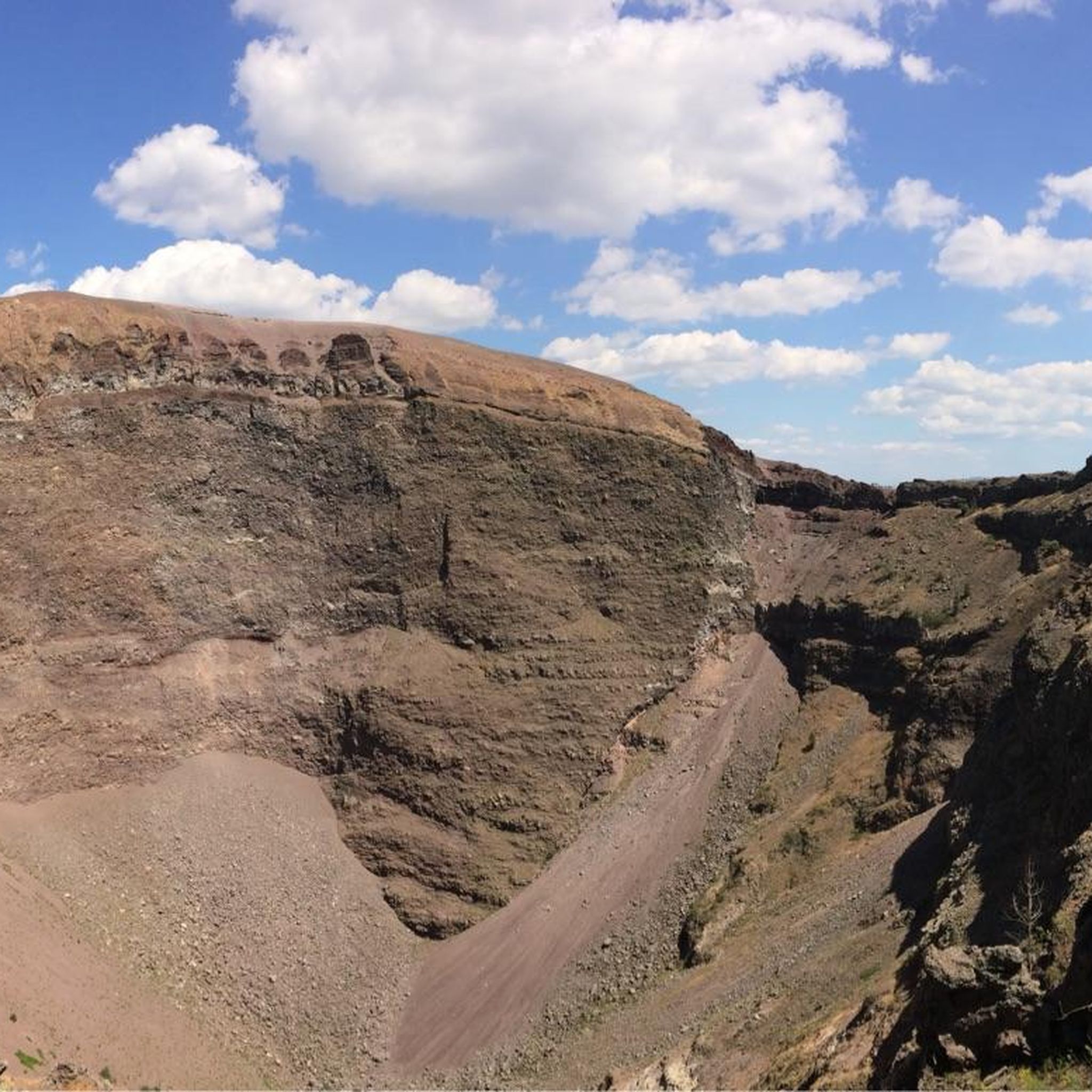
Crater of Mount Vesuvius
Highlight • Volcano
Translated by Google •
Tip by

Cognoli Summit and Valle dell'Inferno
Highlight • Summit
Translated by Google •
Tip by

Sign up now to discover places like this
Get recommendations on the best single tracks, peaks, & plenty of other exciting outdoor places.
Grotta Fissure
Highlight (Segment) • Cave
Translated by Google •
Tip by

Largo Angelo Prisco Memorial
Highlight • Monument
Translated by Google •
Tip by
Vesuvius National Park, Naples, Italy 🌋
Highlight • Volcano
Tip by

Sign up for free to discover even more natural monuments around Ercolano.
Already have an account?
Start today with a free account
Your next adventure awaits.

Tips from the Community

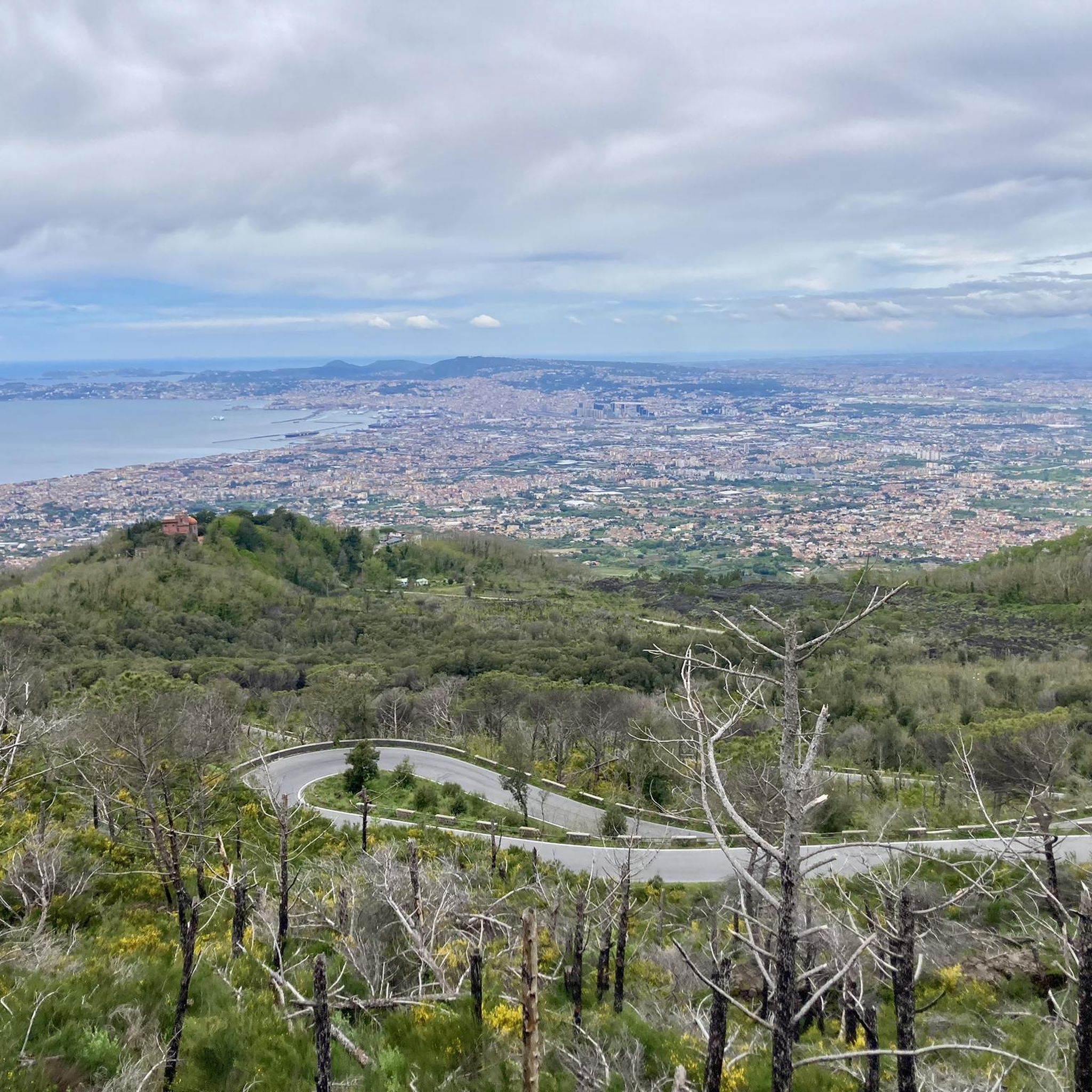
The very panoramic itinerary allows you to enjoy the most suggestive and wild scenery of Somma-Vesuvius, crossing forest environments, scrubland up to bare lava rock. The starting point is located along the road that from the Medici Palace of Ottaviano continues towards the volcanic complex. A barrier prohibiting vehicular traffic marks the beginning of the route, the first stretch of the path, common with path no. 1, winds along asphalted hairpin bends, and then turns into a dirt path. The plant landscape consists initially of a thick pine forest of stone pine and then in a mesophilous forest, with essences such as chestnut, Neapolitan alder, Neapolitan maple, holm oak, black locust. Among the nesting birds, the minute lesser spotted woodpecker, rare and localized in Campania, has only recently colonized the Vesuvius Park. After more than 1 km of walking on a steep climb you reach Largo Angelo Prisco dedicated to the young financier murdered by poachers in 1995 which represents the closest destination. From the Largo, path no. 1 branches off to the left, while the itinerary continues on the right on a slight climb, entering, between twists and turns, into a shady chestnut grove where the numerous species of mushrooms present give off an intense and pleasant fragrance.
0
0

The volcano symbol of the city of Naples, is still active, its last eruption dates back to 79 years ago.
0
0

The clearing commemorates the homonymous financier murdered by poachers in 1995. From this small clearing created between gorse and conifers, the plaque dedicated to the memory of Priscus marks the point of separation between the two paths 1 and 2.
20
0

Spectacular place, some stretches are to be done by pushing due to the bottom composed of pyroclastic sand, which makes it difficult to grip the bike.
4
0

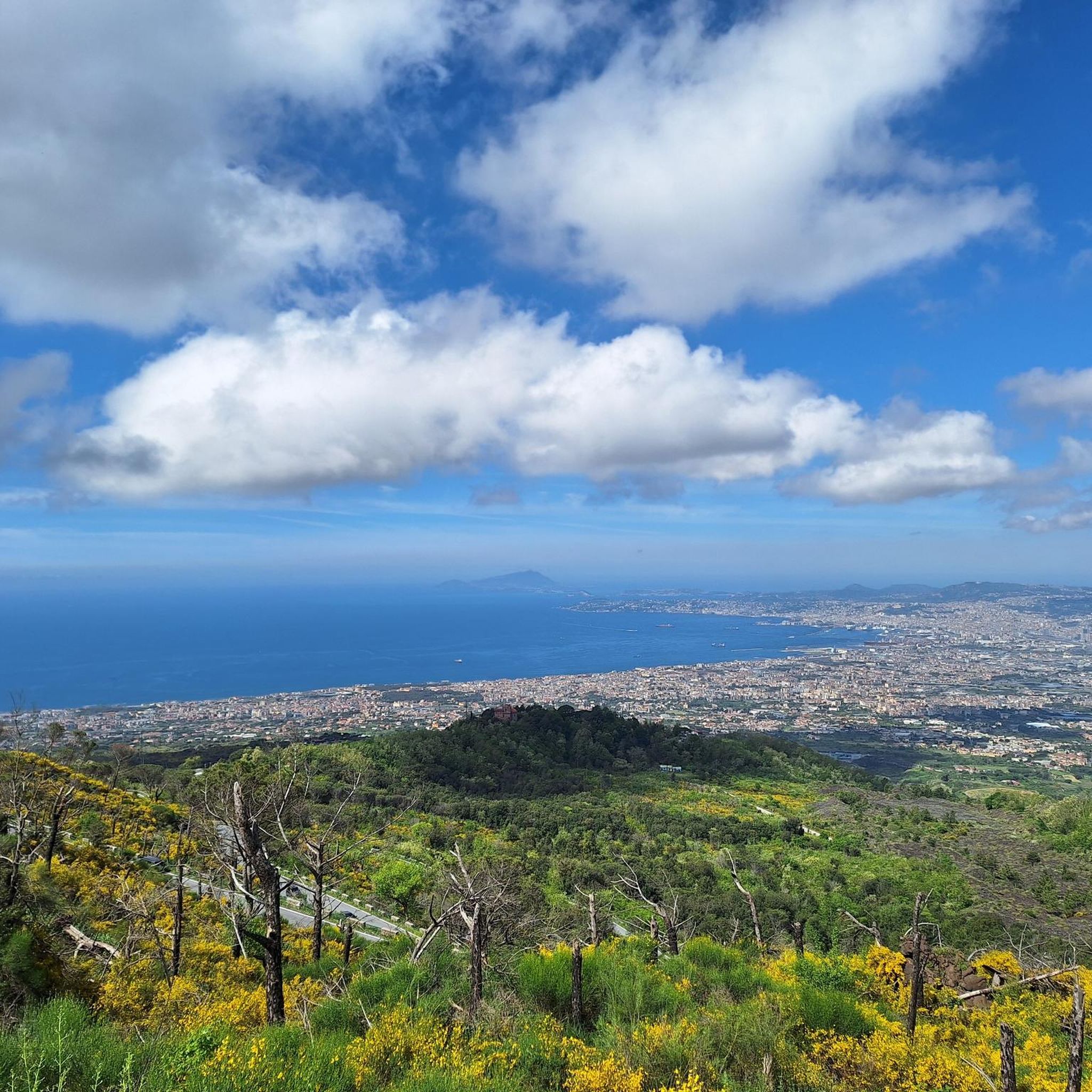
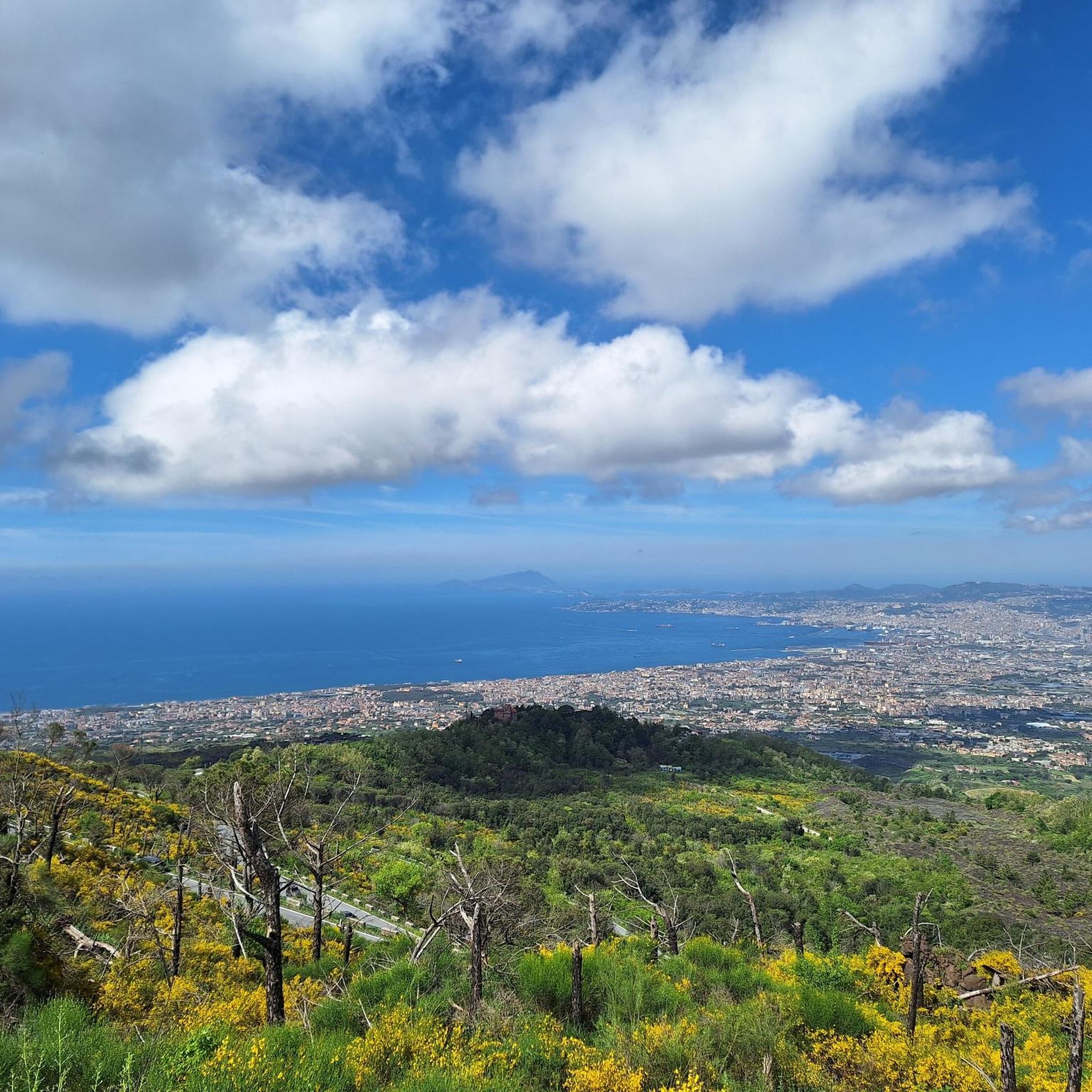
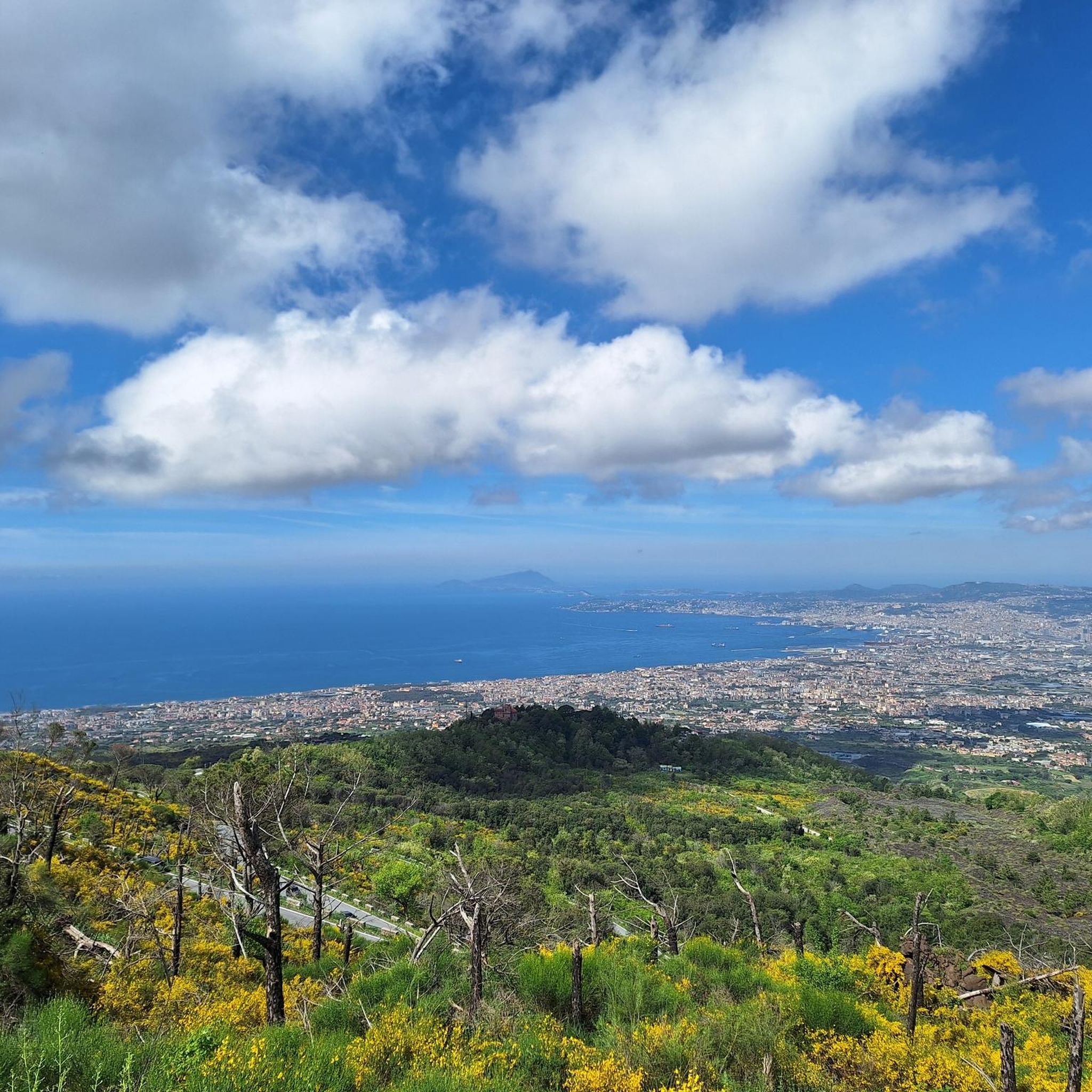
Panoramic view of the Hell Valley
8
0
Bifurcation of the paths .. right towards the Cognoli di Ottaviano.
5
0
Spectacular Single Track in the valley of hell, pay attention to the pyroclastic sand bottom that makes you lose grip on the bike.
4
0
Frequently Asked Questions
What are the primary natural attractions to explore around Ercolano?
The natural landscape around Ercolano is dominated by Mount Vesuvius. Key attractions include the Crater of Mount Vesuvius, where you can hike to observe fumaroles and enjoy panoramic views of the Bay of Naples. Another unique spot is Grotta Fissure, a cave accessible under a lava gap offering views of the "Hell's Valley."
Can I hike to the Crater of Mount Vesuvius?
Yes, hiking to the Crater of Mount Vesuvius is a popular activity. Visitors can ascend to the crater's edge to witness the active volcano's features and enjoy expansive views. Be aware that there is an entrance fee, and tickets often need to be purchased in advance.
Are there any unique geological formations to discover in the area?
Beyond the main crater, you can explore unique formations like the Grotta Fissure. This cave, located under a lava gap, allows visitors to enter and explore for about ten meters, providing a distinct perspective on the volcanic landscape and panoramic views of the "Hell's Valley."
What kind of hiking trails are available in Vesuvius National Park?
Vesuvius National Park offers a variety of hiking trails, ranging from easy to difficult. You can find routes like the 'Crater of Mount Vesuvius – Mount Vesuvius Crater loop' which is considered easy, or more challenging options such as the 'Vesuvius Grand Cone and Tirone Reserve Loop'. For detailed information on trails, distances, and difficulties, refer to the Hiking around Ercolano guide.
What is the best time of year to visit the natural monuments around Ercolano?
The best time to visit Vesuvius National Park and its natural monuments is typically during spring (April-May) and autumn (September-October). The weather is milder, making hiking more comfortable, and the views are often clearer. Summer can be very hot, and winter may bring colder temperatures and occasional rain or snow at higher elevations.
How can I get to Vesuvius National Park using public transport from Ercolano?
From Ercolano, you can typically reach Vesuvius National Park by taking a local bus service that connects Ercolano Scavi station to the ticket office and entrance point for the crater trail. It's advisable to check local schedules and availability, especially during peak season, as services can vary.
Are there any less crowded natural spots near Ercolano?
While the Crater of Mount Vesuvius is very popular, you might find fewer crowds on trails leading to spots like Cognoli Summit and Valle dell'Inferno. This area offers a more rugged and suggestive landscape, crossing forest environments and scrubland up to bare lava rock, providing magnificent views away from the main tourist paths.
What other outdoor activities can I do near these natural monuments?
Besides hiking, the area around Ercolano offers opportunities for cycling and running. You can find various routes within Vesuvius National Park, such as the 'Vesuvius National Park Loop' for cycling or the 'The great cone of Vesuvio - loop tour' for running. Explore the dedicated guides for Cycling around Ercolano and Running Trails around Ercolano for more options.
Are the natural monuments around Ercolano suitable for families?
Many parts of Vesuvius National Park are suitable for families, especially those with older children who can manage moderate hikes. The main trail to the Crater of Mount Vesuvius is well-maintained. For easier walks, look for trails designated as 'easy' in the hiking guides. Always consider the difficulty and duration of a trail when planning a family outing.
What should I wear when hiking near Mount Vesuvius?
When hiking near Mount Vesuvius, it's recommended to wear comfortable, sturdy walking shoes or hiking boots, as the terrain can be uneven and rocky. Dress in layers, as temperatures can change, especially at higher altitudes. Bring sun protection (hat, sunscreen) and plenty of water, particularly during warmer months.
Are there any viewpoints offering panoramic views of the Bay of Naples?
Absolutely. The summit of the Crater of Mount Vesuvius provides breathtaking panoramic views of the entire Bay of Naples, including the city of Naples, Pompeii, and Herculaneum. Additionally, spots like Cognoli Summit also offer magnificent vistas of the Vesuvian hinterland.
What do visitors enjoy most about the natural monuments in this region?
Visitors consistently praise the impressive scale of Mount Vesuvius and the unique experience of hiking to an active volcano's crater. The panoramic views of the Bay of Naples are a major highlight, as is the opportunity to witness the raw power of nature and its historical impact. The diverse trails and the sense of adventure are also frequently mentioned.
Most popular routes around Ercolano
Most popular attractions around Ercolano

Get inspired with the komoot mobile app


Explore more
Extend your search for the best caves by checking out these guides of the top ones around Ercolano:
