Top 20 Natural Monuments around Castel San Niccolò
Best natural monuments around Castel San Niccolò are situated in the Casentino valley of Tuscany, presenting a variety of natural attractions. The region is characterized by its forested slopes, river valleys like the Solano, and the backdrop of the Pratomagno mountain range. These natural features blend with historical elements, offering opportunities for outdoor exploration and appreciating the landscape. The area is also part of the broader Casentino Forests National Park, known for its ancient forests and biodiversity.
Best natural monuments…
Last updated: July 12, 2026
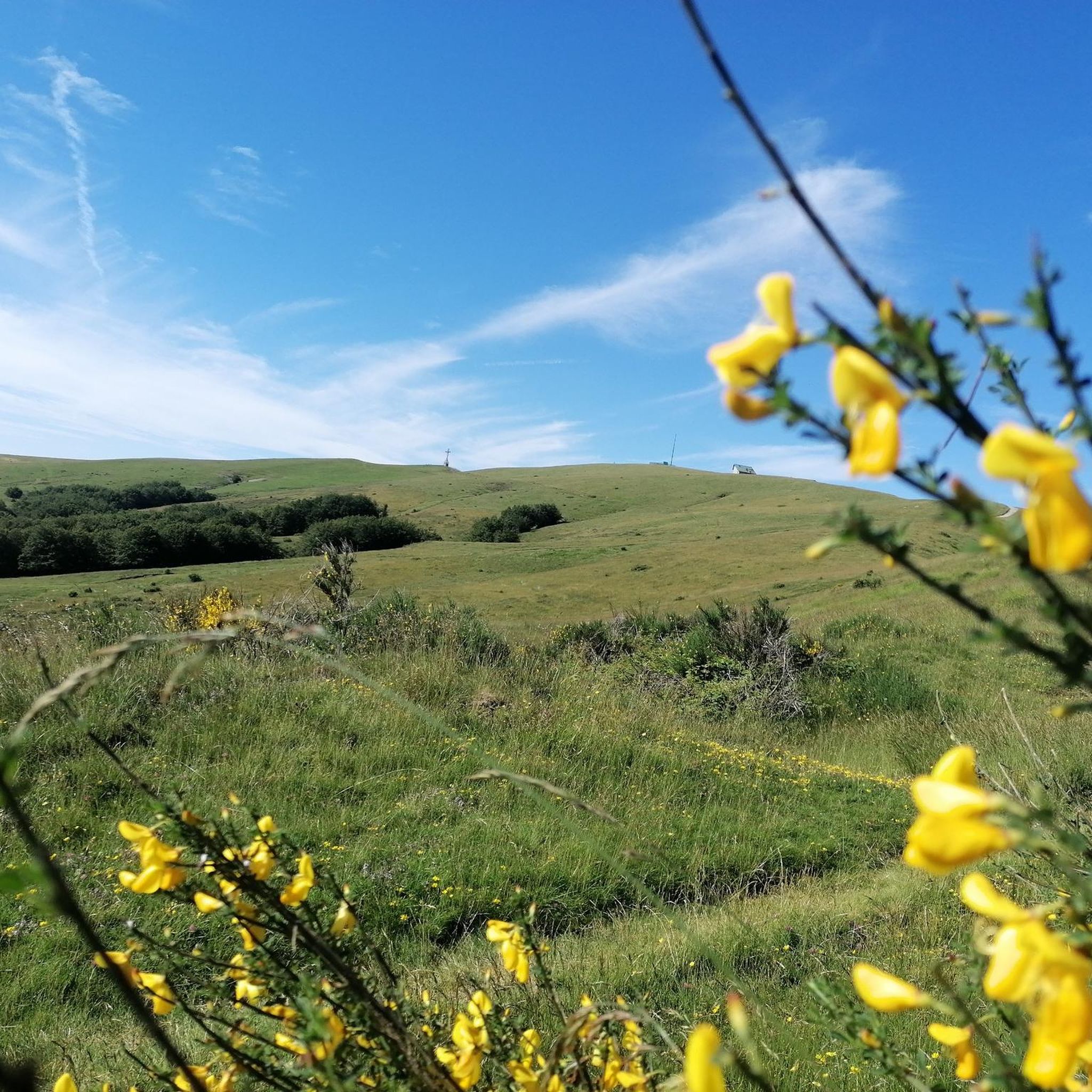
Pratomagno Summit Cross
Highlight • Summit
Translated by Google •
Tip by

Croce del Pratomagno
Highlight • Monument
Translated by Google •
Tip by

Sign up now to discover places like this
Get recommendations on the best single tracks, peaks, & plenty of other exciting outdoor places.
Sign up for free
Arno Source (Capo d'Arno)
Highlight • River
Translated by Google •
Tip by

Faggio Santo (Sacred Beech Tree)
Highlight • Natural Monument
Translated by Google •
Tip by

Secchieta Hut
Highlight • Mountain Hut
Translated by Google •
Tip by

Sign up for free to discover even more natural monuments around Castel San Niccolò.
Sign up for free
Already have an account?
Start today with a free account
Your next adventure awaits.
Login or Signup
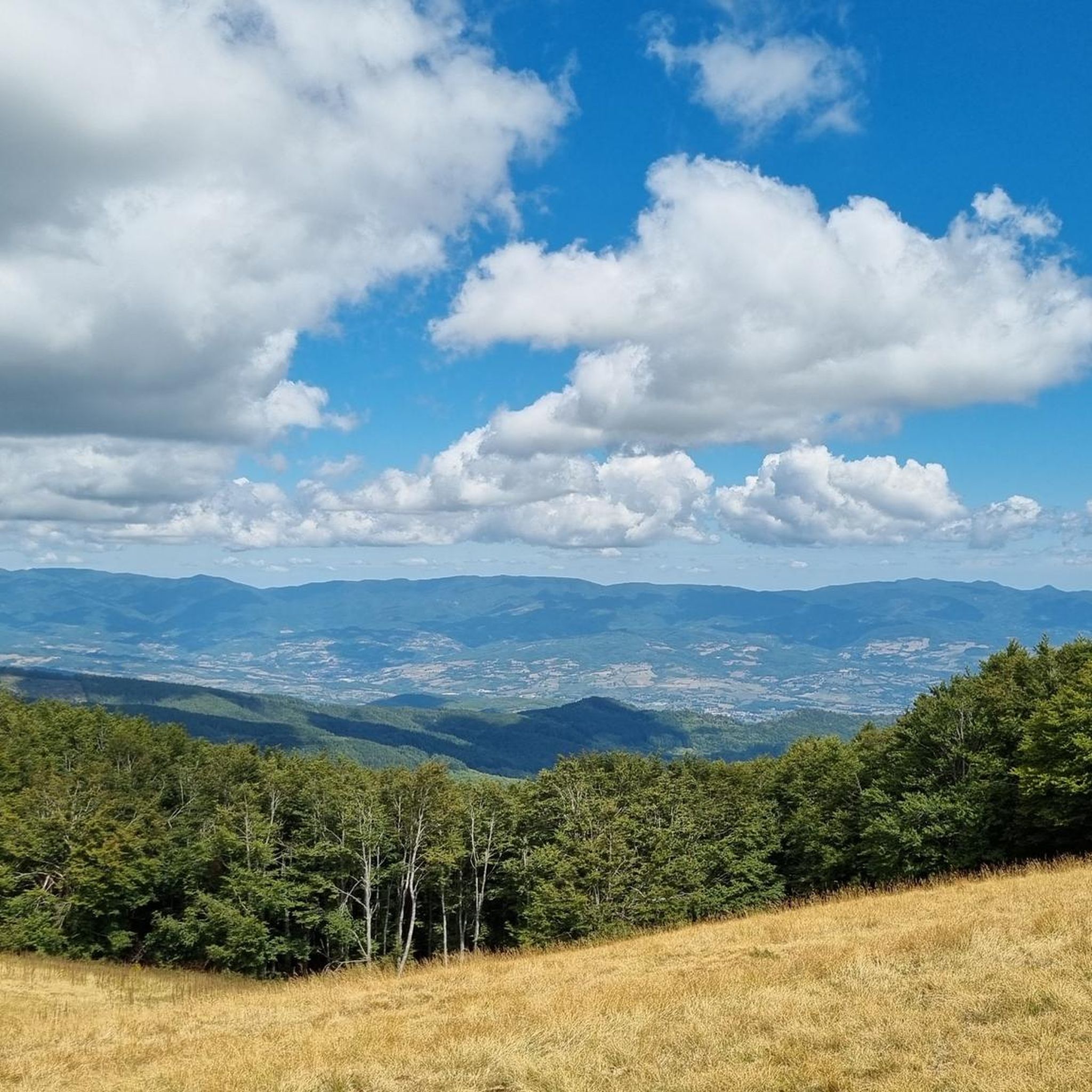
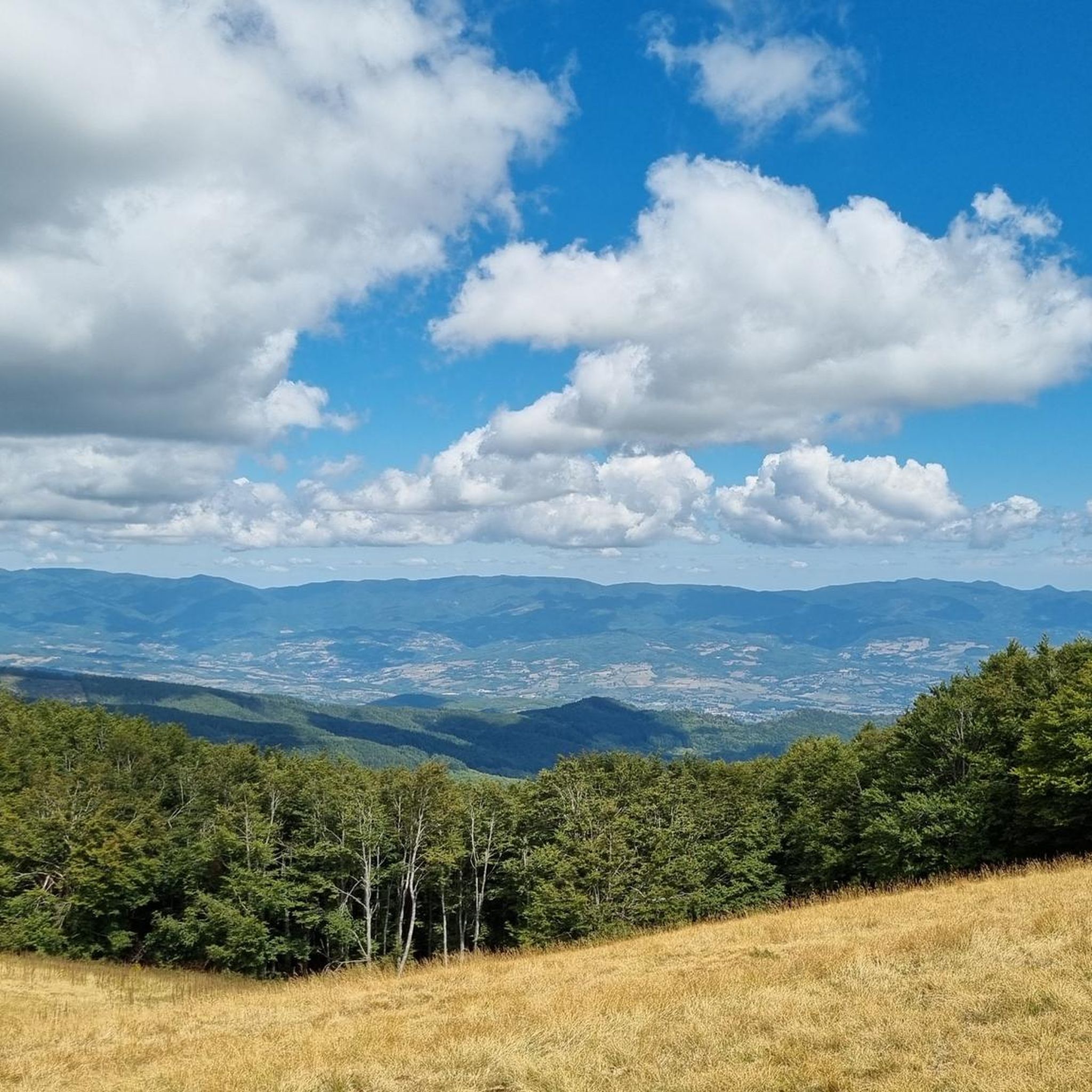
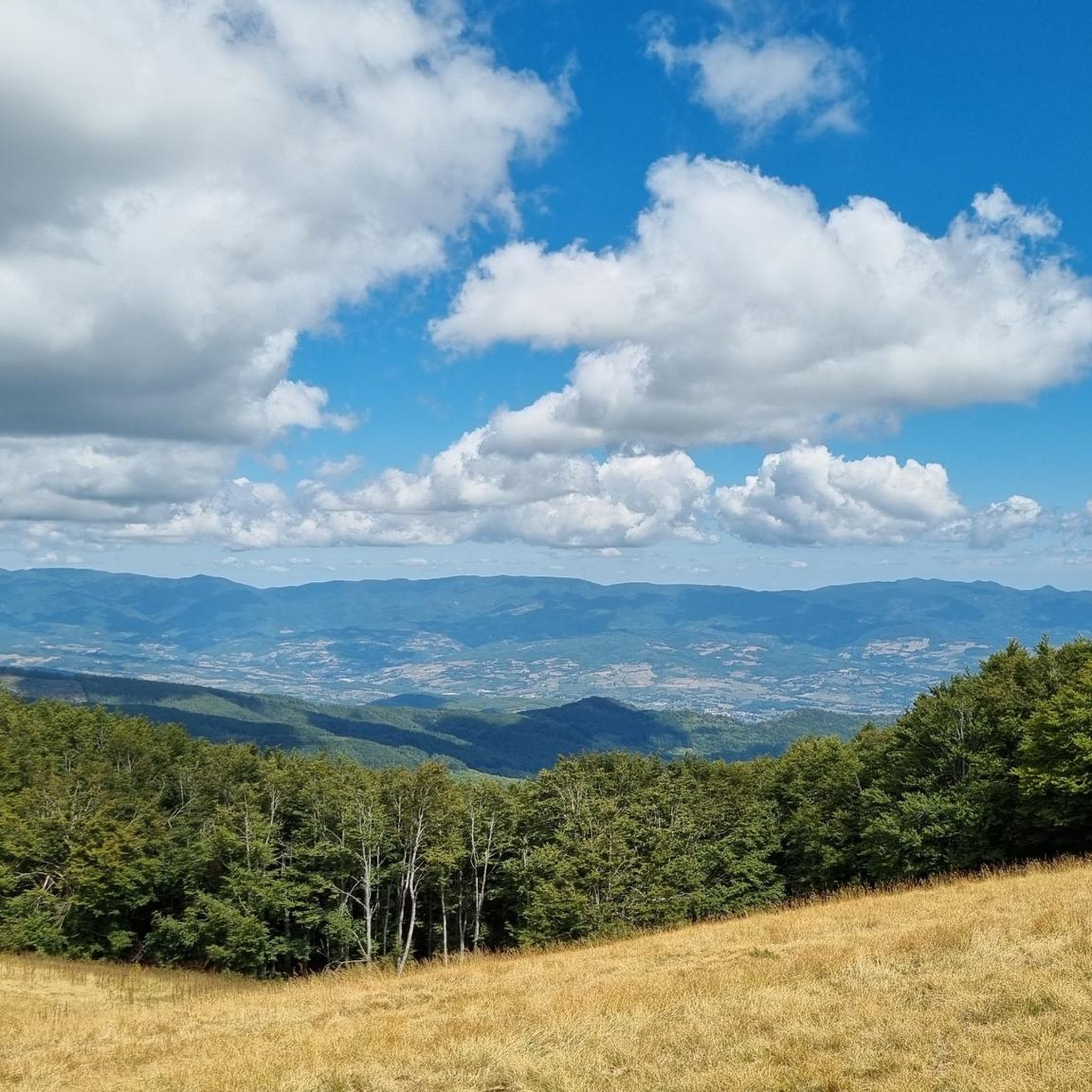
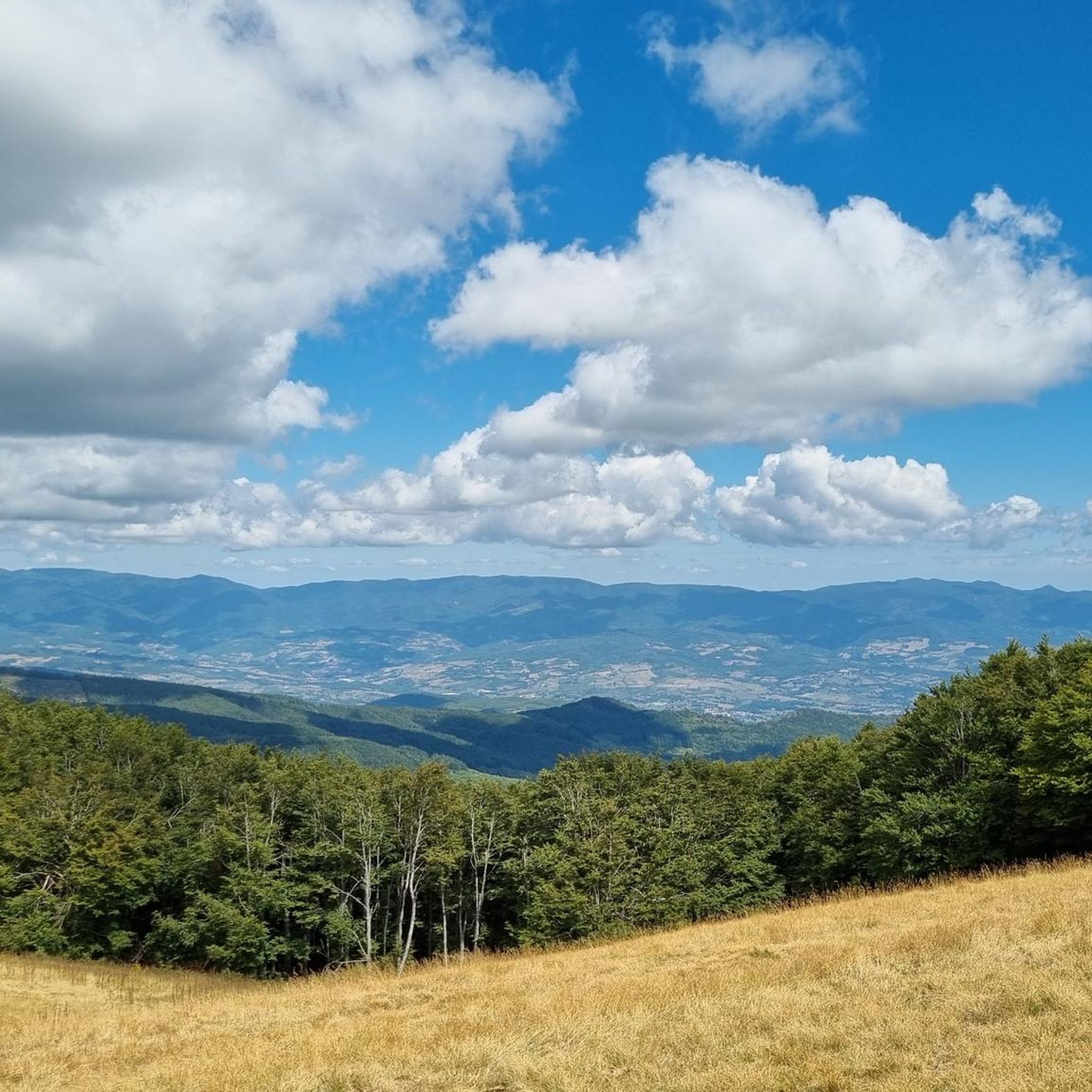

Tips from the Community

A chapel dedicated to Saint Gualbert, patron saint of foresters, stands next to the Holy Beech Tree, which, according to tradition/legend, sprouts leaves before the others and sheds them later. The current beech tree is a scion of the old tree, which, according to annals, dates back to the 8th/10th century and is said to have had a circumference of 3 meters and a height of 25 meters. The site is easily accessible with a short detour from the road leading up to Secchieta. It is located a short distance upstream from the Abbey.
10
0

Mount Secchieta lies between the municipalities of Reggello and Montemignaio. The peak, approximately 1,500 meters above sea level, is part of the Pratomagno ridge and separates the Casentino valley from the Upper Valdarno valley. There is a refuge there, which can also be reached by a paved road.
0
0
Among the sources of Italy's major rivers, I missed visiting the Po, the Arno, and the Tiber at the beginning of the year. Given that I've reached the source of the Po (Pian del Re at Monviso) and, now, the Arno, to complete the whole thing, all I need now is the Tiber. (Ticino: Novena Pass (CH); Adda: Alpisella Valley; Brembo: Diavolo di Tenda Pass; Serio: Monte Torena; Adige: Resia Pass; Dora Baltea: Ferret Valley; Dora Riparia: Monginevro Pass; Piave: Monte Peralba; Oglio: Ponte di Legno through the confluence of the Oglio Frigidolfo from Gavia Pass and the Oglio Narcanello from the Mandrone Glacier) God willing, and if my health continues to hold out, we'll see if we can reach that one too next year. A difficult sentence to give!
9
0

Rifugio Secchieta, with its cyclist museum featuring many interesting jerseys. The sandwiches are excellent, and the view is beautiful.
0
0

The spring itself is not spectacular, but the route here (from the south) is very varied.
1
0


Easy route along the ridge. Be careful though, with some steep and bumpy descents and climbs. Recommended if done after dinner, a light jacket or k-way.
0
0

Very windy route, organize yourself with appropriate clothing.
2
1
Frequently Asked Questions
What are some of the most unique natural monuments to visit in Castel San Niccolò?
Beyond the well-known spots, consider visiting the Arno Source (Capo d'Arno), where the Arno river begins, marked by a plaque with Dante's verses. Another unique site is the Lake of the Idols, an important archaeological site where Etruscan remains have been discovered, suggesting it was once a natural sanctuary.
Are there any natural monuments suitable for families with children?
Yes, the Secchieta Hut is considered family-friendly, offering a refreshment point and a welcome oasis after a hike. The area around the Faggio Santo (Sacred Beech Tree) also provides a pleasant, shady spot that can be easily accessed with a short detour from the road.
What kind of natural features can I expect to see in the Castel San Niccolò area?
The region is rich in diverse natural features. You'll find river valleys like the Solano Torrent, which carves through forested slopes, and mountain ranges such as Pratomagno. There are also significant forests, including those part of the broader Casentino Forests National Park, and unique natural springs like those at Bagni di Cetica.
What is the best time of year to visit the natural monuments around Castel San Niccolò?
The best time to visit is generally during spring and autumn. Spring offers lush greenery and pleasant temperatures, while autumn provides stunning foliage. Summer can be warm, but higher elevations like Pratomagno offer cooler air. Winter can be beautiful, especially for snow-covered landscapes, but some trails might be more challenging due to conditions.
Are there hiking opportunities near these natural monuments?
Absolutely. The region, being part of the Casentino Forests National Park, offers an extensive network of hiking trails. For example, reaching the Arno Source (Capo d'Arno) requires a walk. The area around Pratomagno also provides various hiking routes, some of which can be quite challenging.
What are some popular routes for cycling near the natural monuments?
You can find several cycling routes in the vicinity. For gravel biking, consider routes like the "Arno River Cycle Path – Camaldoli Monastery loop from Poppi" or the "Arno Cycle Path – Arno River Cycle Path loop from Borgo alla Collina." For road cycling, options include the "Consuma Pass – Vallombrosa Abbey loop from Porrena." You can explore more options on the Gravel biking around Castel San Niccolò or Road Cycling Routes around Castel San Niccolò guide pages.
What historical or cultural significance do some of these natural sites hold?
Many natural sites in the region blend natural beauty with history. The Lake of the Idols is a significant Etruscan archaeological site. The Faggio Santo (Sacred Beech Tree) is associated with Saint Gualbert and local legends. The Solano Torrent Valley also features ancient mills and a restored Romanesque bridge near Cetica, reflecting centuries of human interaction with the landscape.
Can I find viewpoints with panoramic scenery in Castel San Niccolò?
Yes, the region offers several excellent viewpoints. The Pratomagno Summit Cross provides expansive panoramic views of the surrounding valleys and forests. The Secchieta Hut also serves as a viewpoint, offering great vistas after an ascent.
Are there any natural monuments that are particularly good for photography, especially astrophotography?
The Pratomagno Summit Cross is highly recommended for astrophotography due to the absence of light pollution and its elevated position, offering clear views of the night sky.
What do visitors enjoy most about the natural monuments in Castel San Niccolò?
Visitors frequently appreciate the stunning panoramic views, especially from the Pratomagno Summit Cross. The tranquility and historical elements found within natural settings, such as the Solano Torrent Valley, are also highly valued. Many enjoy the unique blend of natural beauty and cultural significance, like at the Lake of the Idols.
Are there any natural springs or water features to visit?
Yes, the Arno Source (Capo d'Arno) is a significant natural spring, marking the origin of the Arno river. Additionally, Bagni di Cetica, located near Cetica, is known for its natural cold water baths, historically recognized for their purported healing properties.
What are the typical difficulty levels for trails leading to these natural monuments?
Many trails leading to the natural monuments are rated as intermediate. For example, the paths to the Pratomagno Summit Cross, Arno Source (Capo d'Arno), and Lake of the Idols generally fall into this category, requiring a moderate level of fitness. Some routes, especially around Pratomagno, can be more challenging.
Most popular routes around Castel San Niccolò
Most popular attractions around Castel San Niccolò

Get inspired with the komoot mobile app


Explore more
Extend your search for the best caves by checking out these guides of the top ones around Castel San Niccolò:
