Top 6 Natural Monuments around Montevarchi
Best natural monuments around Montevarchi showcase the region's geological history and botanical heritage. Montevarchi, located in Tuscany, features unique natural landmarks. These include the dramatic Balze del Valdarno, characterized by clay gullies and towering cliffs. The Area Naturale Protetta di Interesse Locale Arboreto Monumentale di Moncioni also preserves a significant historical botanical collection.
Best natural monuments around Montevarchi
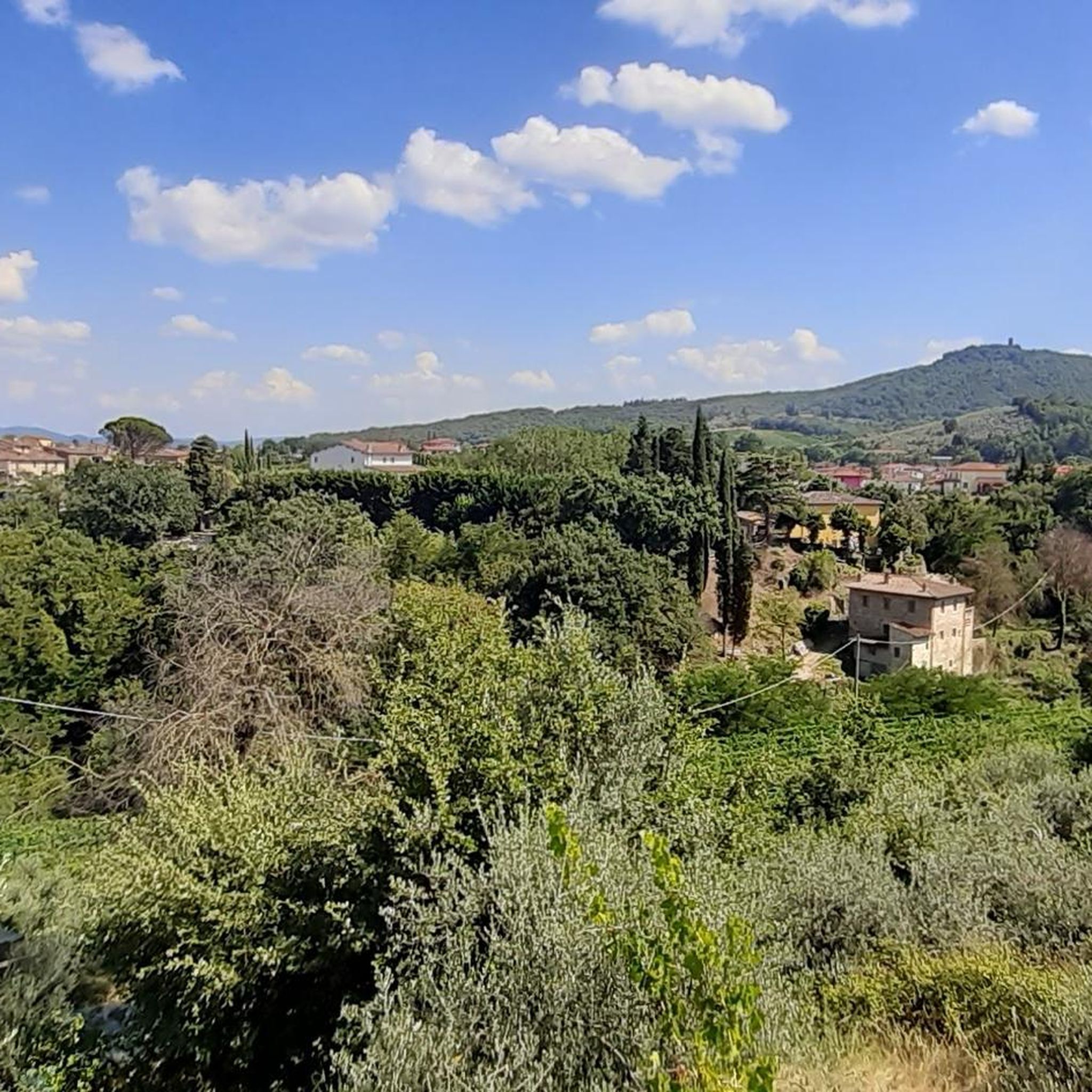
- The most popular natural monuments is View of the Valdarno crags from above, a natural monument and viewpoint that offers views over the Balze del Valdarno. This panorama inspired Leonardo da Vinci, who depicted these forms in his artworks.
- Another must-see spot is The Balze of the Valdarno, a canyon and natural monument. These are a geotope made up of stratified sands, clays, and gravels, reaching up to one hundred meters high.
- Visitors also love Zolfina Water Spring, a natural monument where a stream bed flows with sulfur water. It is a suggestive place that can be easily reached on foot.
- Montevarchi is known for its geological formations, historical botanical collections, and natural springs. Visitors can explore a variety of natural monuments, from dramatic landscapes to unique plant species.
- The natural monuments around Montevarchi are appreciated by the komoot community, with 60 upvotes and 30 photos shared by visitors.
Last updated: August 22, 2026
Panorama of the Balze near La Castellina
Highlight • Viewpoint
Translated by Google •
Tip by

The Balze of the Valdarno
Highlight • Canyon
In addition to my photo, in order to give an idea of what I am, I am attaching one of Marco Faccioli.
Translated by Google •
Tip by

Sign up now to discover places like this
Get recommendations on the best single tracks, peaks, & plenty of other exciting outdoor places.
Sign up for free
Piantravigne
Highlight • Settlement
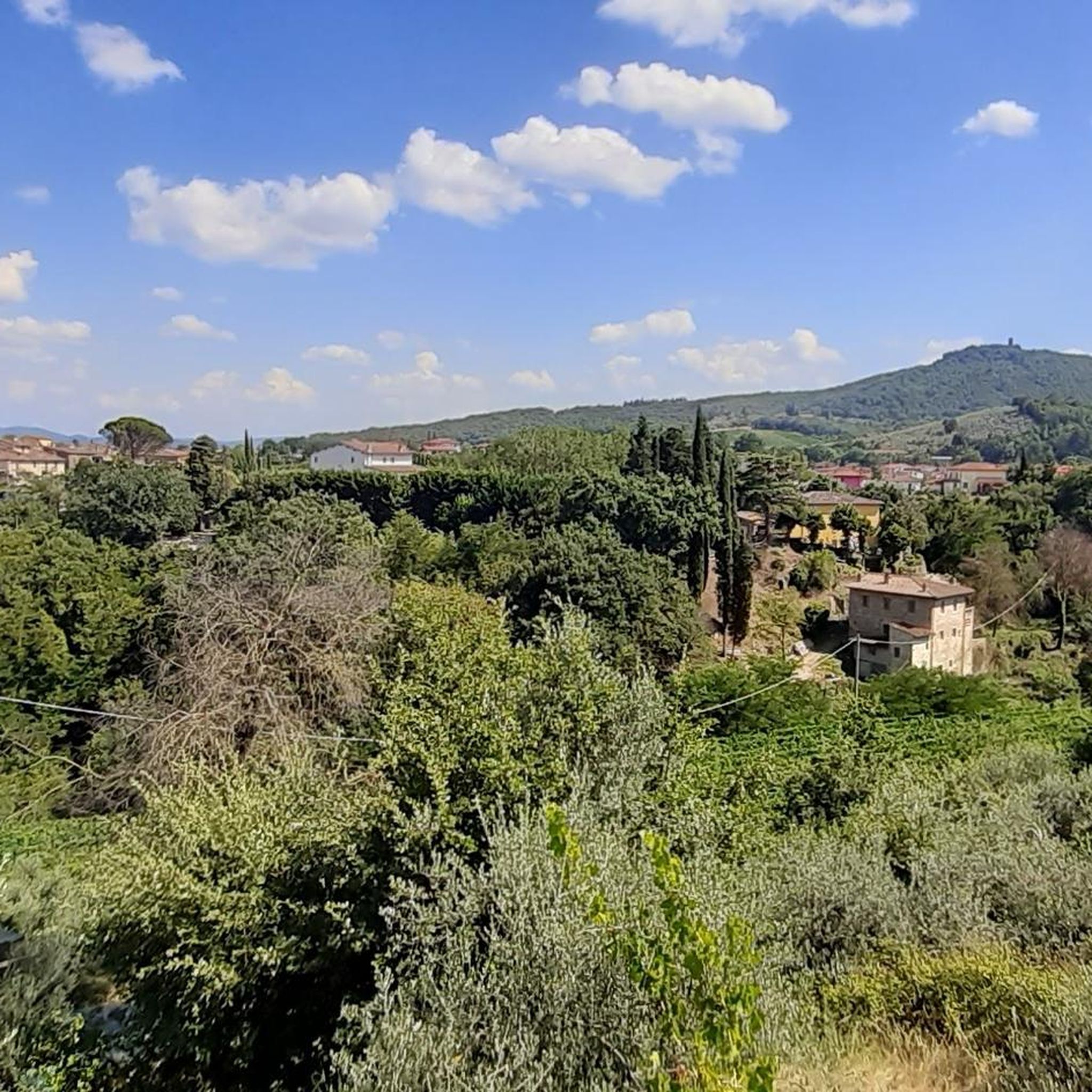
A Pazzi castle once stood here, destroyed in 1302 after a siege during the battles between the Whites and the Blacks. This episode is also recalled by Dante in the Inferno (Canto XXXII).
Translated by Google •
Tip by

View of the Valdarno crags from above
Highlight • Natural Monument
A panorama so evocative that it inspired Leonardo da Vinci, who depicted these forms in the background of works such as the Mona Lisa and the Madonna of the Yarnwinder.
Translated by Google •
Tip by
Cypress Road of Arceno
Highlight (Segment) • Trail
Tip by

Sign up for free to discover even more natural monuments around Montevarchi.
Sign up for free
Already have an account?
Start today with a free account
Your next adventure awaits.
Login or Signup

Tips from the Community

It is simply wonderful, unique and extraordinary
0
0

From here, the view sweeps down over the spectacular Balze del Valdarno, spires of clay and sand sculpted by time after an ancient prehistoric lake dried up. Their striking shapes create a unique landscape, contrasting with the surrounding vineyards and green hills. A panorama so evocative that it inspired Leonardo da Vinci, who depicted these forms in the background of works such as the Mona Lisa and the Madonna of the Yarnwinder.
1
0
Piantravigne is a small medieval village overlooking the spectacular Balze del Valdarno, clay gullies created by the retreat of an ancient lake. The landscape here is striking, almost lunar, and makes this place truly unique. A Pazzi castle once stood here, destroyed in 1302 after a siege during the battles between the Whites and the Blacks. This episode is also recalled by Dante in the Inferno (Canto XXXII).
2
0

Path impassable! We dared to make a path ourselves, whereby one of us was badly injured.
1
0


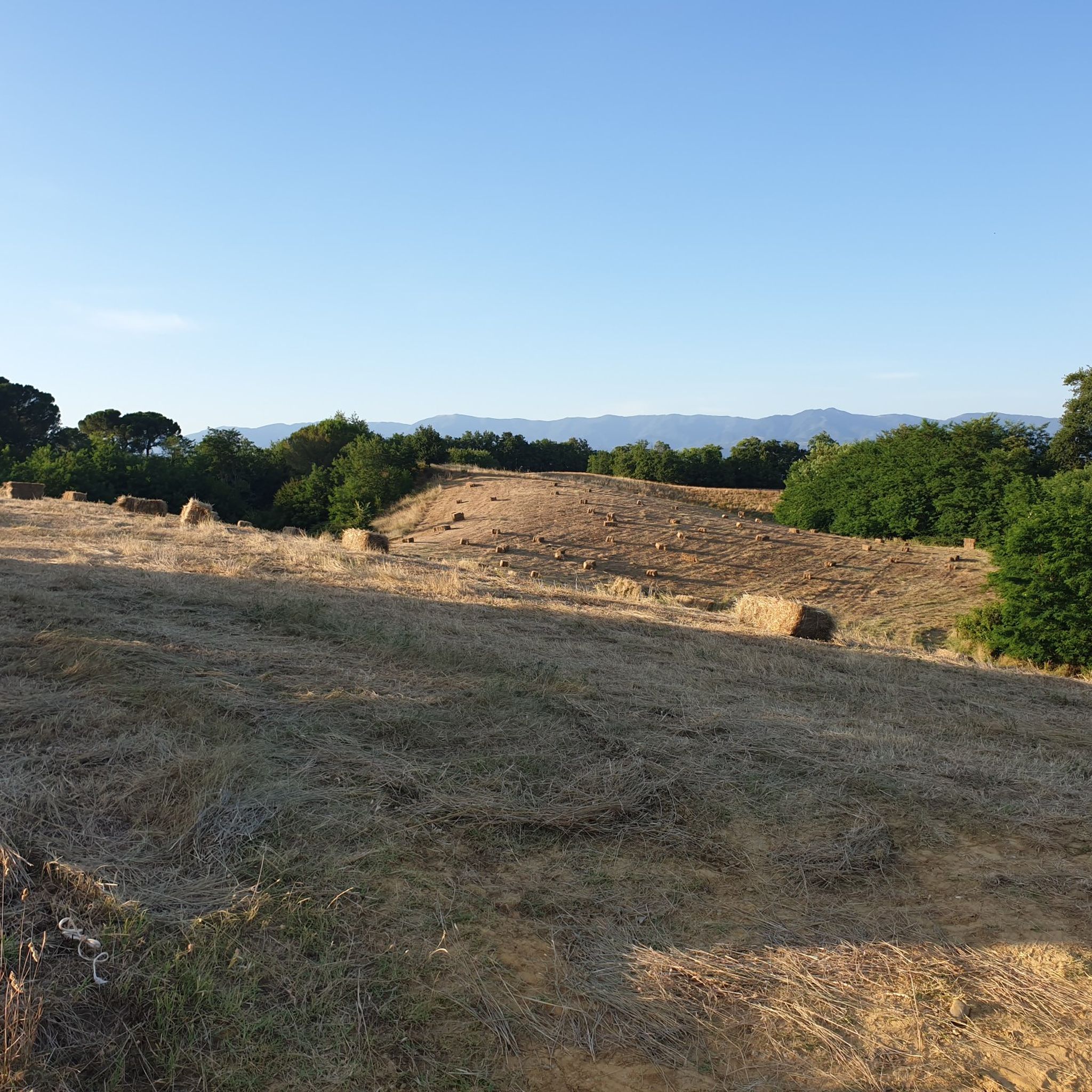
The essence of Tuscan white roads in 500mt...
0
0
The essence of Siena's white roads in 500mt....
1
0

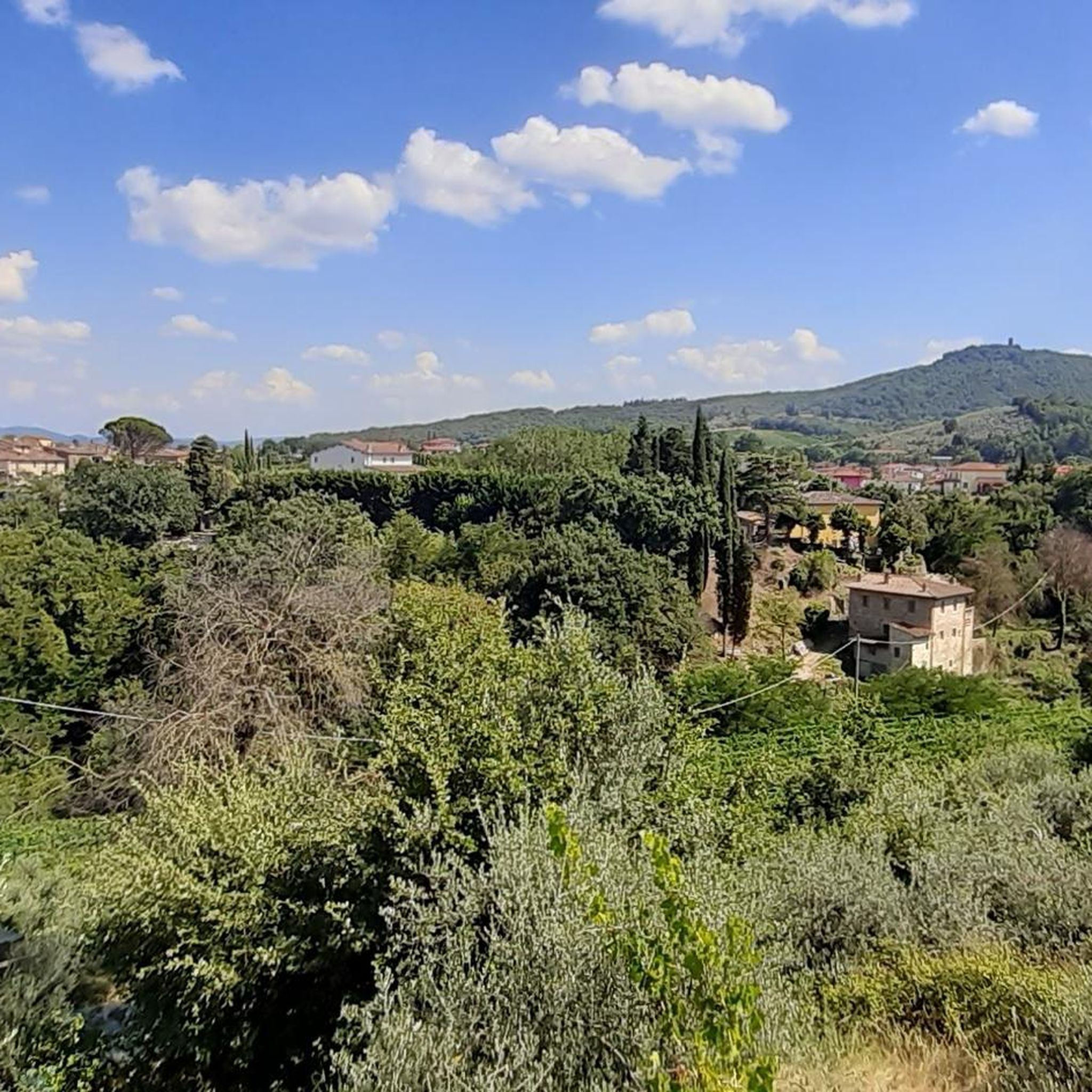
Borghetto overlooking the Balze del Valdarno. If you climb from the valley, a 1km climb with good gradients. I did it downhill from Setteponti.
1
0
Frequently Asked Questions
What unique geological features can I explore around Montevarchi?
The most striking geological features are the Balze del Valdarno. These dramatic clay gullies, towering cliffs, and pinnacles were formed by millions of years of erosion on sediments from a vast Pliocene-era lake. Their unique, almost lunar landscape is even said to have inspired Leonardo da Vinci.
Are there any significant botanical natural monuments in the Montevarchi area?
Yes, the Area Naturale Protetta di Interesse Locale Arboreto Monumentale di Moncioni, which preserves the Pinetum di Moncioni, is a notable botanical site. Established around 1850, it features a rare and extensive collection of exotic and indigenous conifers, including the first Italian planting of American fir.
Where can I find the best panoramic views of the Balze del Valdarno?
For breathtaking vistas, visit the View of the Valdarno crags from above. The village of Piantravigne also offers picturesque views, as it's situated on the edge of a natural overhang overlooking the Balze.
What kind of hiking trails are available near the natural monuments?
The Balze del Valdarno offer numerous opportunities for hiking. A popular option is the 'Path of the Sulphur Water' (Sentiero dell'acqua zolfina), a six-kilometer circular route starting from Castelfranco di Sopra, which allows you to view the Balze from below. You can find more hiking options in the area by exploring nearby routes.
Are there any natural springs or unique water features to visit?
Yes, the Zolfina Water Spring is a natural monument where a stream bed flows with sulfur water. It's a distinctive and easily accessible spot, though the sulfur smell is most intense directly at the source.
What outdoor activities can I do near these natural monuments?
Beyond hiking, the area around Montevarchi's natural monuments is excellent for cycling and horseback riding. You can explore various routes, including those suitable for gravel biking and mountain biking. For detailed routes and guides, check out the Gravel biking around Montevarchi or MTB Trails around Montevarchi guides.
Is the area around the Balze del Valdarno suitable for families?
The Balze offer a unique and educational landscape that can be fascinating for families. While some paths can be challenging, there are routes that provide diverse viewpoints and opportunities for exploration. Always check the difficulty of specific trails before heading out with children.
What is the best time of year to visit the natural monuments around Montevarchi?
The natural monuments, especially the Balze del Valdarno, are beautiful year-round. Spring and autumn offer pleasant temperatures for hiking and cycling, with vibrant colors. Summer can be warm, but early mornings or late afternoons are still enjoyable. Winter provides a different, often starkly beautiful, perspective on the landscape.
What do visitors enjoy most about the natural monuments in Montevarchi?
Visitors are consistently captivated by the dramatic and unique geological formations of the Balze del Valdarno, often comparing them to canyons. The historical connection to Leonardo da Vinci also adds a layer of intrigue. The tranquility and scientific value of the Arboreto Monumentale di Moncioni are also highly appreciated by those interested in botany.
Are there any specific challenges or tips for visiting the Balze del Valdarno?
Some paths near the Balze can be narrow, overgrown, or slippery, and occasionally cross private property. It's advisable to stick to official walking routes, often marked with red and white stripes, to ensure a smooth and respectful visit. Always wear appropriate footwear for uneven terrain.
Can I find places to eat or stay near the natural monuments?
The natural monuments are located in the scenic Valdarno area of Tuscany. You'll find various accommodation options, from agriturismi to hotels, and local trattorias in nearby towns and villages like Montevarchi, Castelfranco di Sopra, and Moncioni, offering traditional Tuscan cuisine.
Are the natural monuments accessible by public transport?
While Montevarchi itself is accessible by public transport, reaching the specific natural monuments like the Balze del Valdarno or the Arboreto di Moncioni often requires a car or a combination of public transport and a significant walk. It's best to plan your route in advance, as direct public transport links to all sites may be limited.
Most popular routes around Montevarchi
Most popular attractions around Montevarchi

Get inspired with the komoot mobile app


Explore more
Extend your search for the best caves by checking out these guides of the top ones around Montevarchi:
