Top 20 Natural Monuments around Varisella
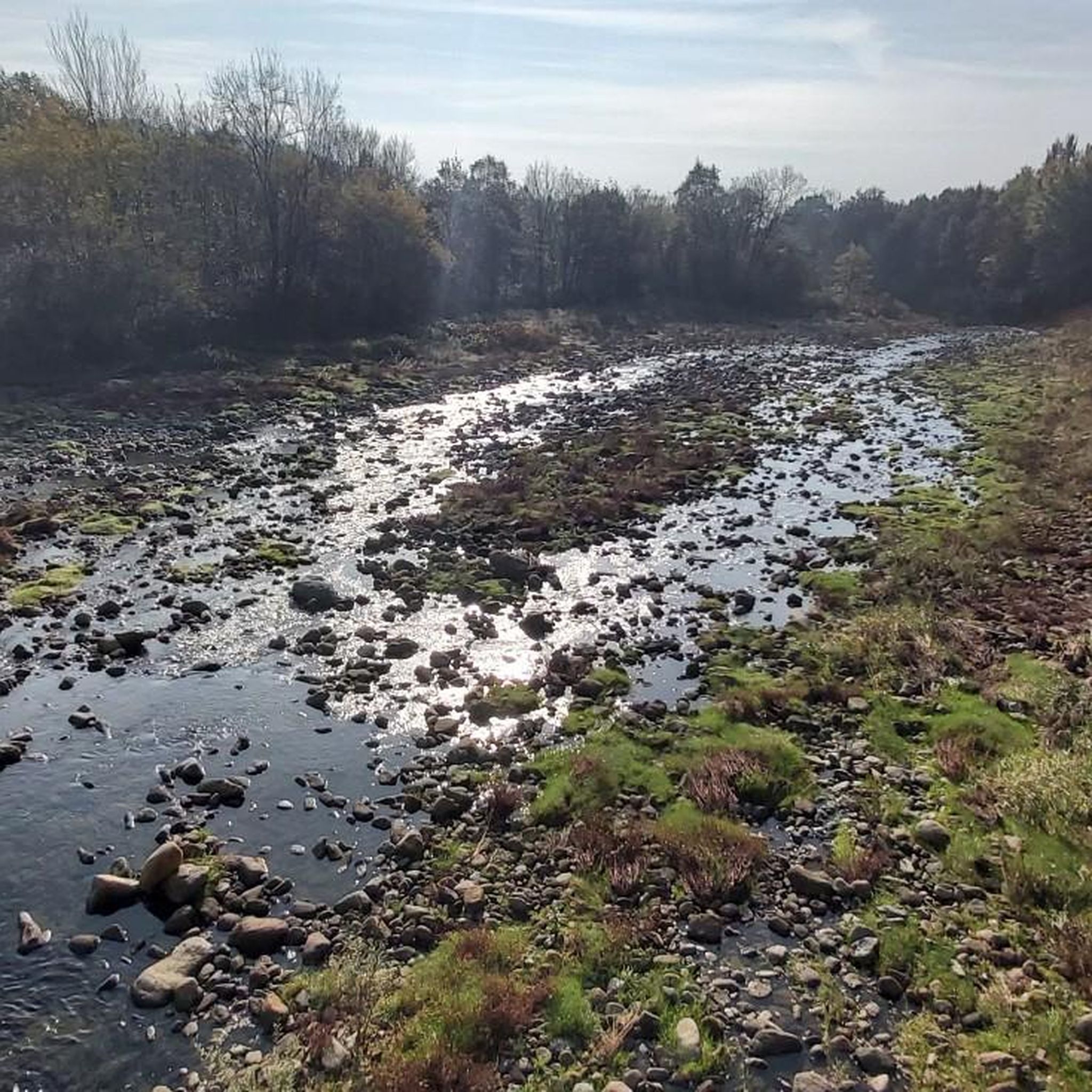
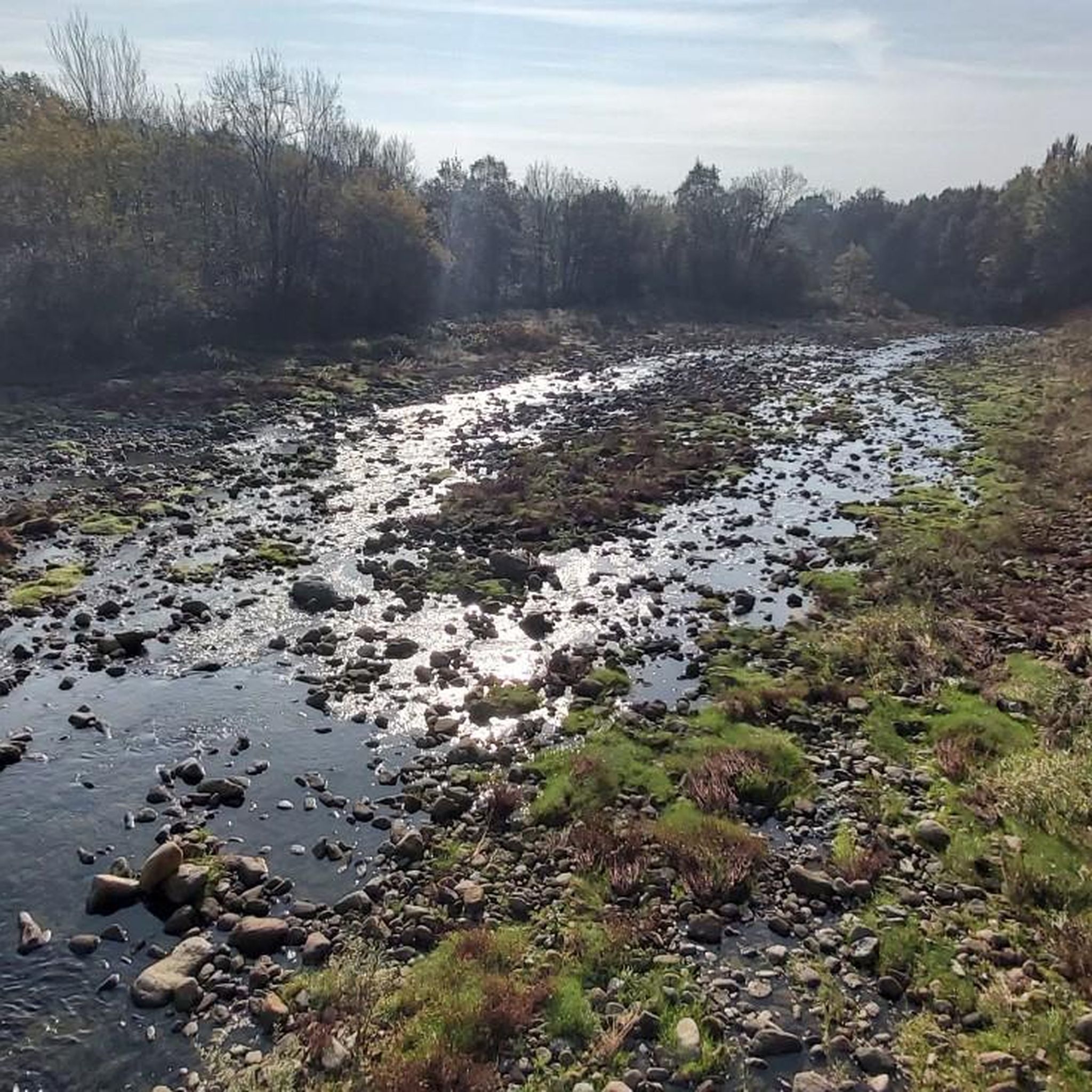
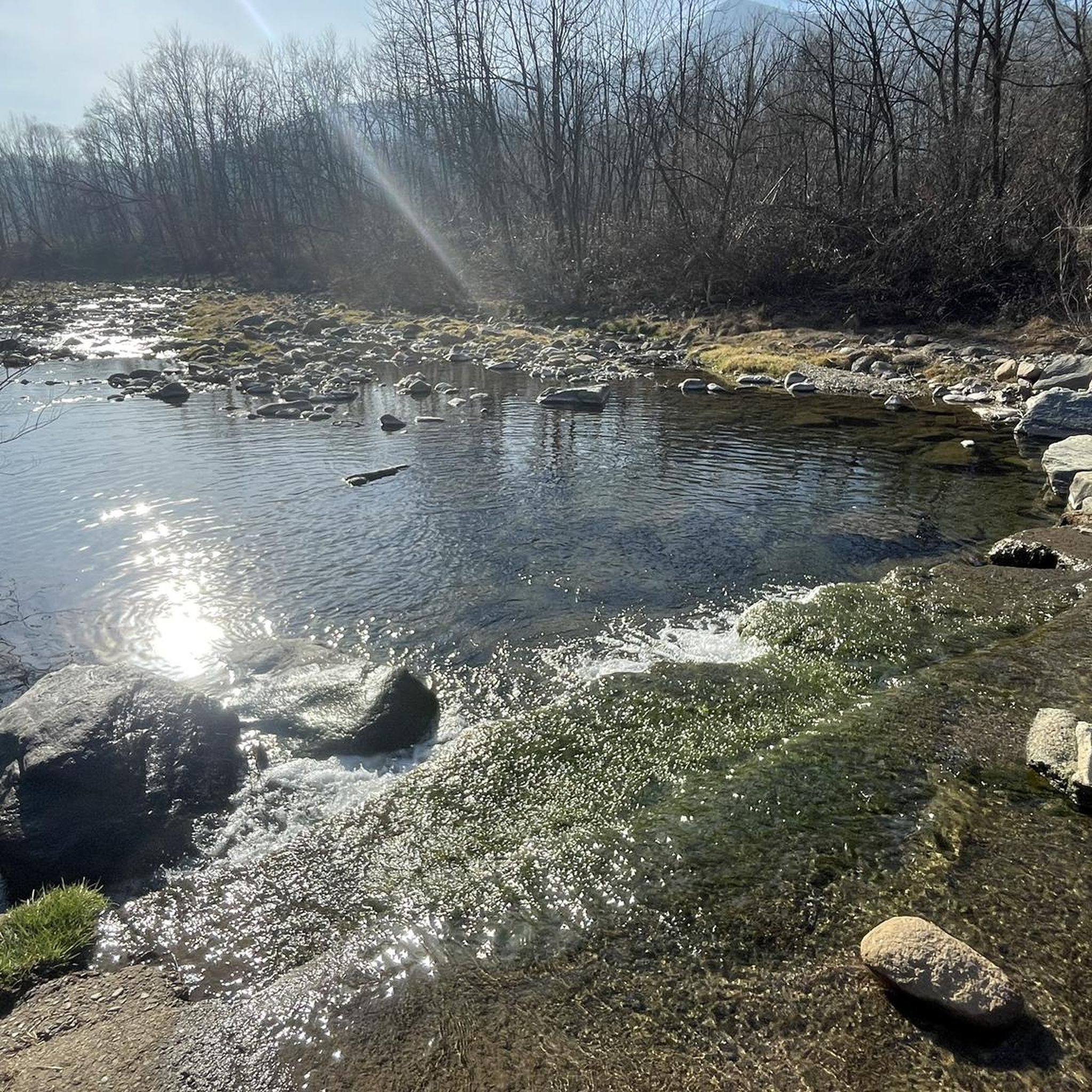
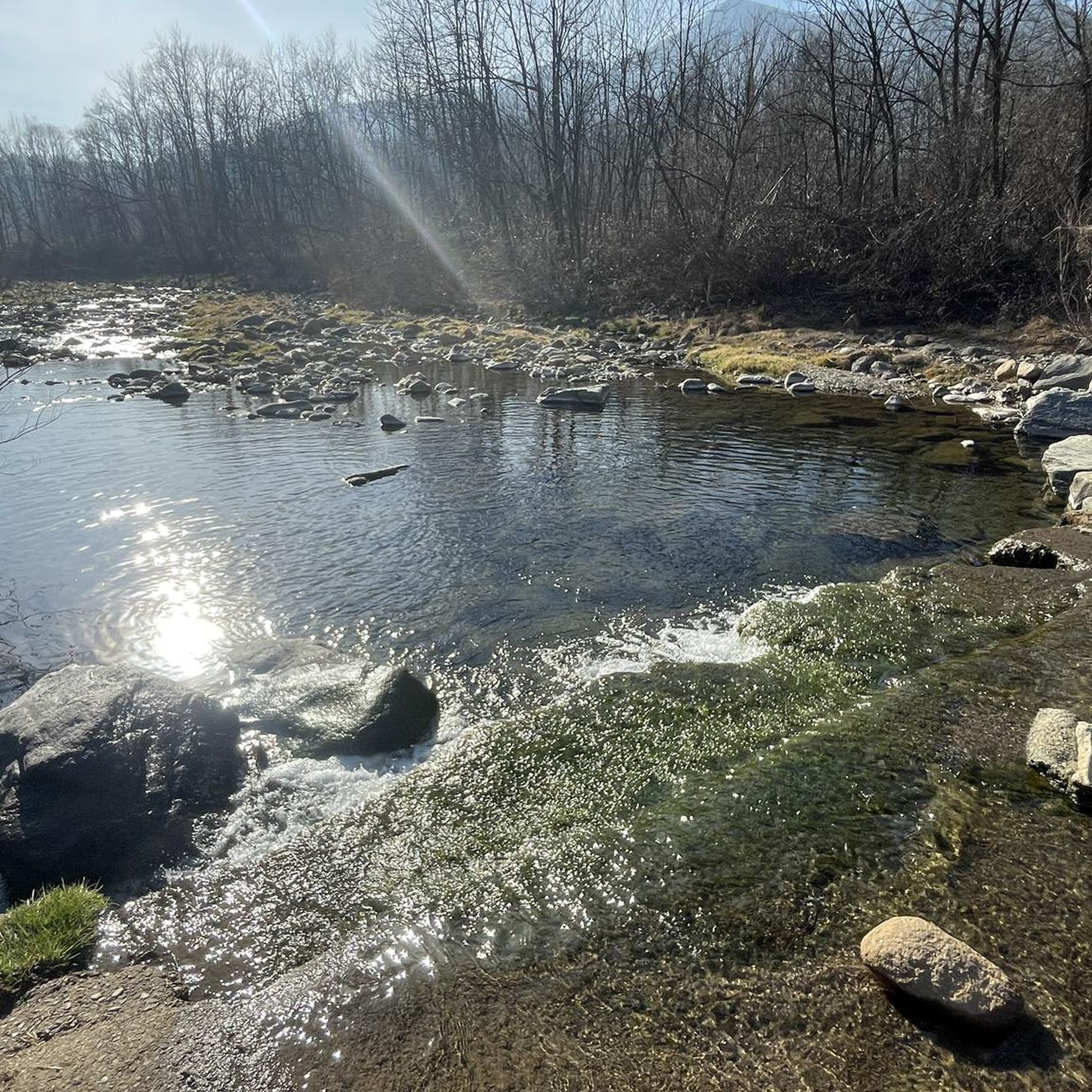
Natural monuments around Varisella are concentrated in the Metropolitan City of Turin, Piedmont, Italy. The area features the Riserva Naturale del Monte Lera, established to protect rare endemic species like *Euphorbia gibelliana*. The landscape includes a wide ridge with ultra-basic rocks, supporting sparse woodlands of oaks, lime trees, and birches. Additionally, the Ceronda stream offers natural pools, providing opportunities for outdoor activities.
Best natural monuments around Varisella
- The most popular natural monuments is Devil's Bridge (Ponte del Diavolo), Lanzo Torinese…
Last updated: August 8, 2026
Devil's Bridge (Ponte del Diavolo), Lanzo Torinese
Highlight • Bridge
Translated by Google •
Tip by

Goja del Pis Waterfall
Highlight • Waterfall
Translated by Google •
Tip by

Sign up now to discover places like this
Get recommendations on the best single tracks, peaks, & plenty of other exciting outdoor places.
Sign up for free
Monte Musinè Magnesite Quarries
Highlight • Structure
The area of the Magnesite Quarries within the ZSC, located on the north-eastern slopes of Monte Musinè and near Moncalvo, had historical importance in the industrial sector. …
Translated by Google •
Tip by

Forest of the Three Saints
Highlight • Forest
Translated by Google •
Tip by

The Wet Meadow of Monte Musinè
Highlight • Natural Monument
This wet meadow, located in a xerothermic area, i.e. a dry microclimate, is of great ecological and biological importance: a small jewel to be protected.
Important for …
Translated by Google •
Tip by
Sign up for free to discover even more natural monuments around Varisella.
Sign up for free
Already have an account?
Start today with a free account
Your next adventure awaits.
Login or Signup

Tips from the Community

Very characteristic and suggestive crossing on the Stura. A must if you are in the area
1
0


A very beautiful work can be seen along the Corona Verde path in the Ceretta di Ciriè area.
0
0

Fantastic gravel track in the Saints' forest
0
0

The Magnesite Quarries The area of the Magnesite Quarries within the ZSC, located on the north-eastern slopes of Monte Musinè and near Moncalvo, had historical importance in the industrial sector. The extraction of magnesite, a crystalline mineral obtained by the modification of ultramafic rocks by water, took on the characteristics of an industrial activity from the mid-19th century. In more ancient times, the mineral was used for the construction of the floors of the Villa Rustica (Roman Villa) of the Pian. In 1875, two entrepreneurs from Pinerolo intervened and started a stable work activity in the quarries, which gave them a sufficient income. The excavation area was expanded in 1880 to make the most of the increased demand for minerals. In particular, magnesite was used in the production of common porcelain and as a refractory material in furnace linings. The activity remained profitable until the outbreak of the Second World War, which led to the abandonment of the mine. Currently, the area is important from a hiking point of view. In fact, it offers a route of scenic and historical interest and is visited by geologists and hikers.
0
0
The wet meadow This wet meadow, located in a xerothermic area, i.e. a dry microclimate, is of great ecological and biological importance: a small jewel to be protected. Important for Lepidoptera (butterflies), for birds, including the characteristic nightjar, a nocturnal insectivore, and for mammals. But it is of particular value for the numerous ponds present in it, a perfect example of non-anthropic wetlands in Piedmont. The ponds are used for the reproduction of 8 species of amphibians, 3 of which are covered by the Habitats Directive. Remarkable and rare is the simultaneous presence of the three Piedmontese newt species, the fascinating great crested newt, the lesser spotted newt and the colourful alpine water newt. The reproductive presence of the Dalmatian frog and the tree frog is also important. The aim of the Natura Invisibile association is to protect this biotope of great naturalistic value and increase its potential through the creation of numerous ponds and pools, transforming the meadow into one of the most important wetlands in the region. We invite users to also enjoy the extraordinary landscape power of the place, a perfect example of the fusion of Mediterranean and Alpine micro-habitats.
1
0
Very suggestive place, you can also get there with a MTB taking into account a bit of portage on the last stretch.
0
0

Beautiful work that can be found along the Corona Verde route after Robassomero, but on the other bank of the Stura river
0
0
Frequently Asked Questions
What unique natural features can I explore in the Varisella area?
Varisella is notable for the Riserva Naturale del Monte Lera, established to protect rare endemic species like Euphorbia gibelliana. The reserve features a landscape of ultra-basic rocks and sparse woodlands. Additionally, the area boasts natural pools along the Ceronda stream, offering clear waters for refreshing dips and picnicking, especially in warmer months.
Are there any historical natural monuments worth visiting near Varisella?
Yes, the Devil's Bridge (Ponte del Diavolo), Lanzo Torinese is a significant historical site. This bridge connects Lanzo with the valleys, offering a characteristic and suggestive crossing over the Stura river. It's a popular viewpoint and a must-see if you are in the area.
What kind of flora and fauna can I expect to see in the Monte Lera Natural Reserve?
The Monte Lera Natural Reserve is primarily dedicated to protecting Euphorbia gibelliana, a rare herbaceous species endemic to Piedmont. The reserve's landscape, characterized by ultra-basic rocks, supports sparse woodlands dominated by downy oaks, lime trees, birches, and hazelnut trees. While specific fauna isn't detailed, the diverse plant life provides habitat for local wildlife.
Can I swim in the natural pools of the Ceronda stream?
Yes, the natural pools of the Ceronda stream, often called 'lame,' are known for their clear waters and are suitable for refreshing dips, especially during warmer months. They are a popular spot for hikers and picnickers.
Are there family-friendly natural monuments or trails around Varisella?
Yes, the Forest of the Three Saints offers a picturesque and family-friendly passage along the Corona Verde cycle path. It features a wooden aedicule and is suitable for both cycling and hiking. Another family-friendly spot is Lake Fontaneij, which has an equipped area and a playground nearby.
What outdoor activities can I do near the natural monuments in Varisella?
The Varisella area offers various outdoor activities. You can enjoy gravel biking on routes like the 'La Bizzarria – La Rubbianetta loop from Lanzo Torinese' or explore running trails such as the 'Ponte del Diavolo of Lanzo loop from Cafasse'. For more options, check out the Gravel biking around Varisella, Running Trails around Varisella, and MTB Trails around Varisella guides.
Is there a waterfall I can visit near Varisella?
Yes, the Goja del Pis Waterfall is a beautiful natural monument located between Rubiana and Almese, along the Messa river. Its clear waters are suitable for swimming in warmer months, making it a perfect spot for a refreshing break.
Are there any interesting geological sites or former industrial areas related to natural monuments?
Yes, the Monte Musinè Magnesite Quarries offer a unique blend of geological and historical interest. Located on the north-eastern slopes of Monte Musinè, these former quarries were significant for magnesite extraction from the mid-19th century until WWII. Today, the area is important for hiking and attracts geologists and enthusiasts interested in its unique rock formations.
What is the best time of year to visit the natural monuments around Varisella?
The natural pools of the Ceronda stream are particularly appealing in warmer months for swimming and picnicking. The surrounding area, with its alternation of pastures and oak woods, is especially picturesque in autumn. Generally, spring through autumn offers pleasant weather for exploring the reserves and trails.
What do visitors enjoy most about the natural monuments in the Varisella region?
Visitors frequently appreciate the unique blend of natural beauty and historical significance. Highlights like the Devil's Bridge are praised for their characteristic and suggestive crossings. The Goja del Pis Waterfall is often described as a 'corner of paradise,' especially for swimming in summer. The region's diverse landscapes, from sparse woodlands to clear streams, offer serene natural environments for exploration.
Are there any religious or spiritual sites associated with the natural monuments?
Yes, within the Riserva Naturale del Monte Lera, at an altitude of about 1250 meters, stands the Chapel of the Madonna della Neve. This chapel was built by local inhabitants in the early 19th century and later enlarged, offering a spiritual landmark amidst the natural beauty of the reserve.
What kind of trails can I find for hiking near Varisella's natural monuments?
The area around Varisella offers a variety of trails. For instance, the Forest of the Three Saints provides a gravel route suitable for both cycling and hiking. Many trails lead to or pass by the natural pools of the Ceronda stream, offering opportunities for scenic walks and refreshing stops. You can find more detailed hiking options in the Running Trails around Varisella guide, which includes routes like the 'Ponte del Diavolo of Lanzo loop'.
Most popular routes around Varisella
Most popular attractions around Varisella

Get inspired with the komoot mobile app


Explore more
Extend your search for the best caves by checking out these guides of the top ones around Varisella:
