Top 12 Natural Monuments around Crabonaxa/Villasimius
Best natural monuments around Crabonaxa/Villasimius include a diverse range of natural features, from protected marine areas to pristine beaches and significant geological formations. This coastal region in Sardinia is characterized by its rocky coasts, fine sandy beaches, and unique ecosystems. Visitors can explore a variety of natural landscapes, including prominent capes, secluded coves, and elevated viewpoints.
Best natural monuments around Crabonaxa/Villasimius
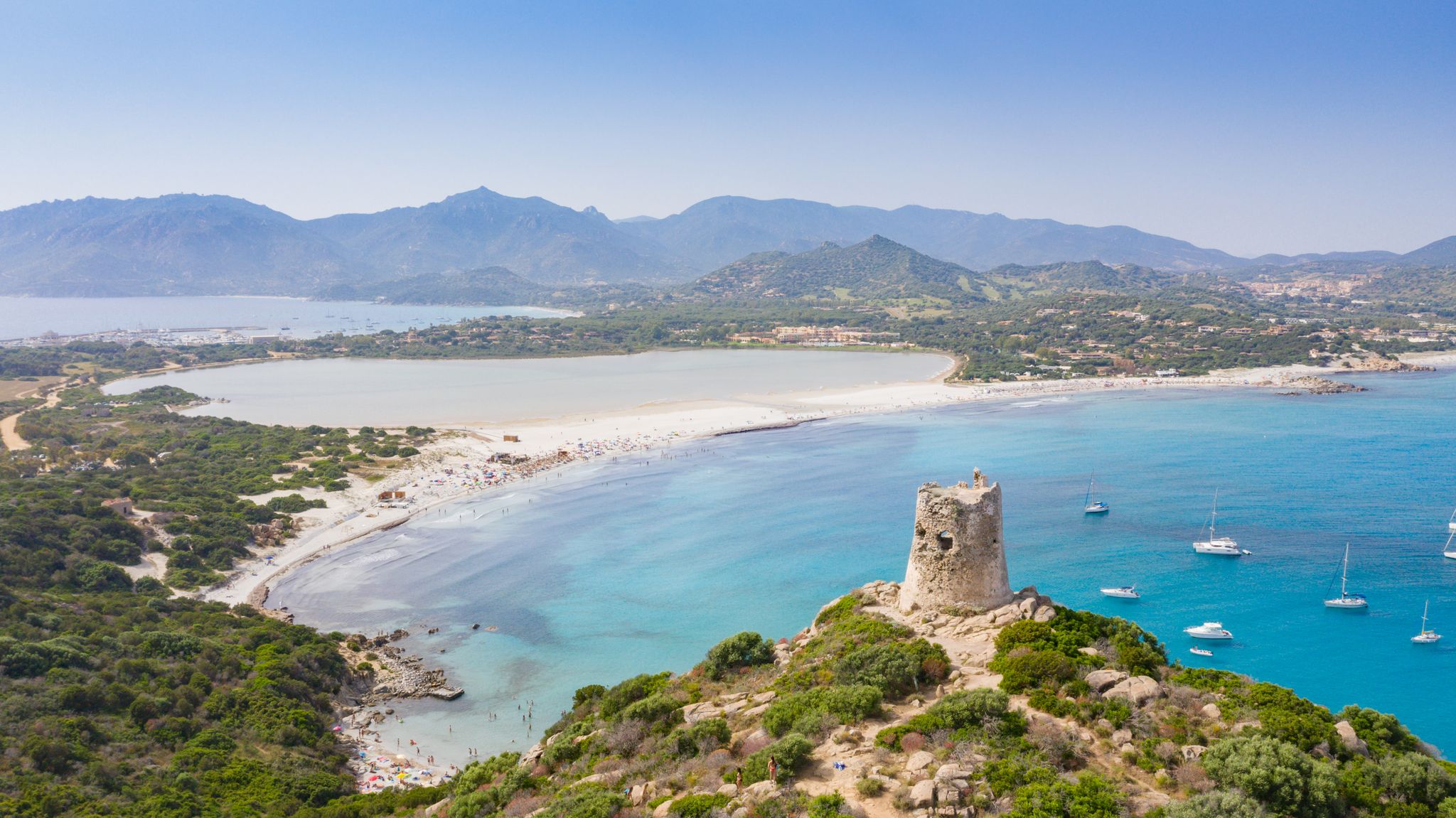
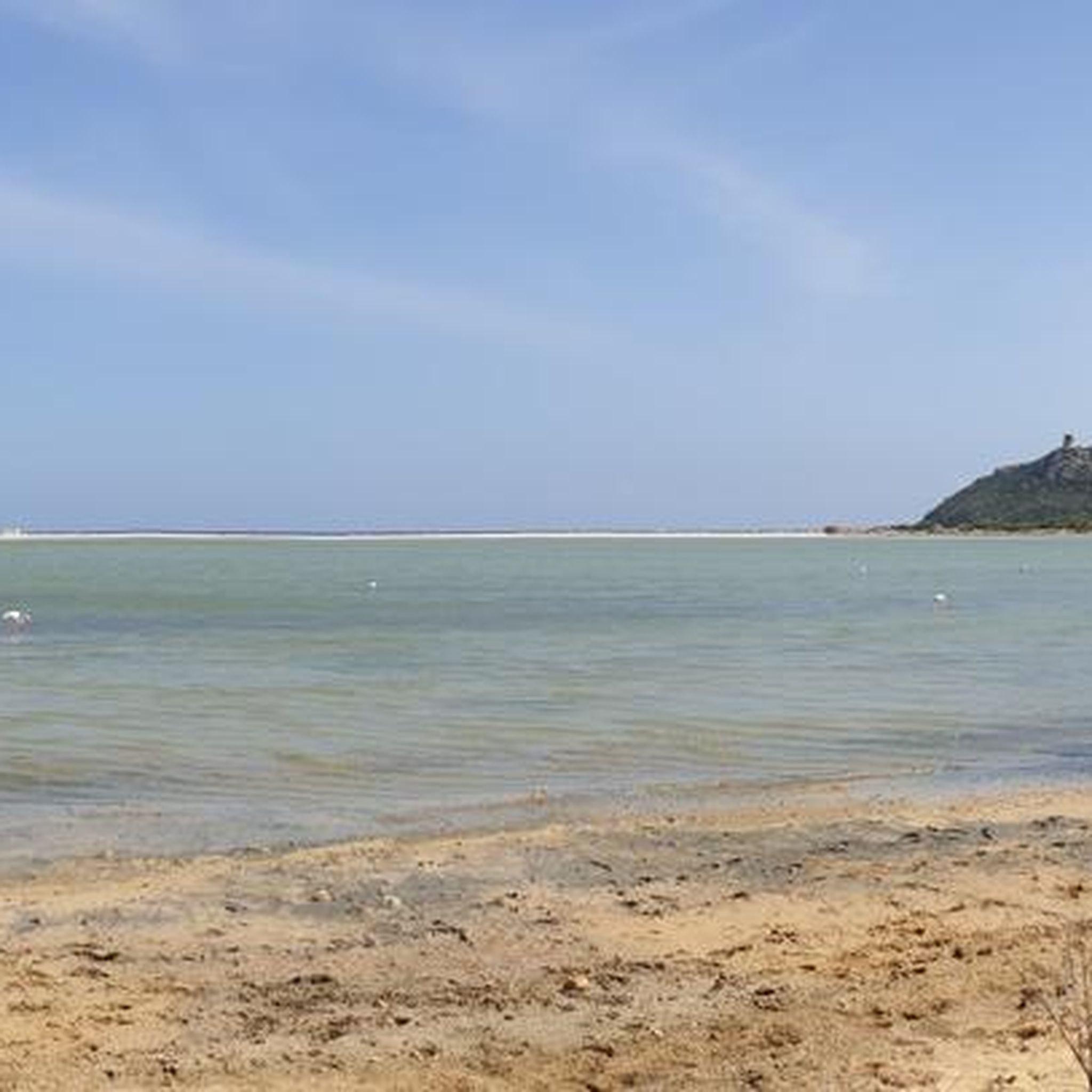
- The most popular natural monuments is Cape Carbonara, a viewpoint that offers expansive views over the coast. A narrow path on the ridge leads almost to the tip of the peninsula, providing access to this significant natural landmark.
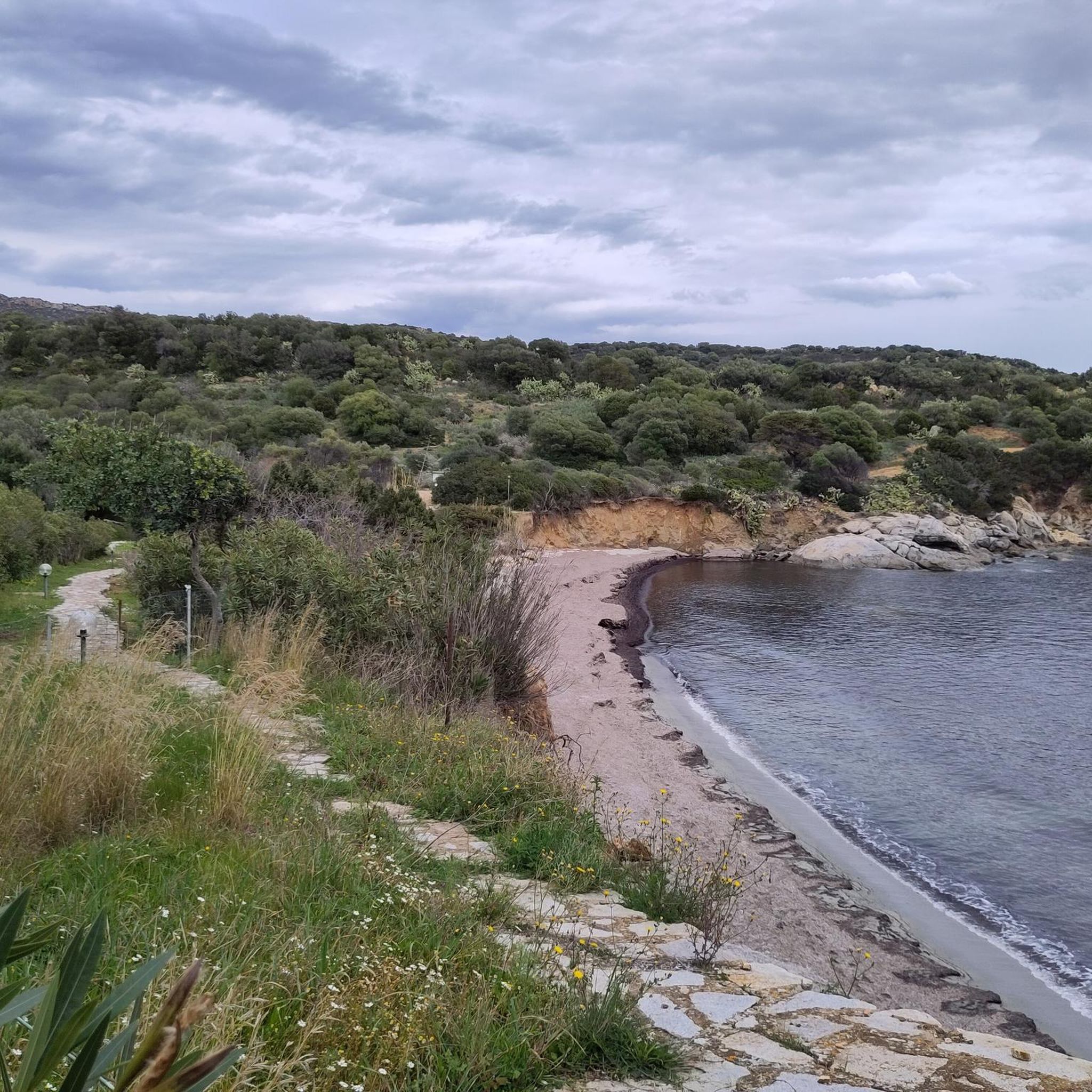
- Another must-see spot is Punta Molentis Beach, a fine and flat sandy beach. This location is ideal for families with small children and features a versatile landscape with granite rocks and clear waters.
- Visitors also love Mount Minniminni, a challenging summit. The ascent offers a great view over the coast from Muravera to Villasimius, rewarding climbers with panoramic vistas.
- Crabonaxa/Villasimius is known for its beaches, viewpoints, and summits. The area offers a variety of natural monuments to see and explore, from coastal formations to elevated terrain.
- The natural monuments around Crabonaxa/Villasimius are appreciated by the komoot community, with 8 highlights receiving 91 upvotes and featuring 139 photos.
Last updated: October 15, 2026
Punta Molentis Beach
Highlight • Beach
Translated by Google •
Tip by

Mount Minniminni
Highlight • Summit
Translated by Google •
Tip by

Sign up now to discover places like this
Get recommendations on the best single tracks, peaks, & plenty of other exciting outdoor places.
Cape Carbonara
Highlight • Viewpoint
Translated by Google •
Tip by

Punta di Santa Giusta and Cristo Benedicente Statue
Highlight • Beach
Translated by Google •
Tip by

Capo Carbonara Beach
Highlight • Beach
Translated by Google •
Tip by

Sign up for free to discover even more natural monuments around Crabonaxa/Villasimius.
Already have an account?
Start today with a free account
Your next adventure awaits.
Popular around Crabonaxa/Villasimius
Villasimius to Arbatax along the Via Sarcapos - Cammino 100 Torri
Hiking around Crabonaxa/Villasimius
Running Trails around Crabonaxa/Villasimius
Cycling around Crabonaxa/Villasimius
MTB Trails around Crabonaxa/Villasimius
Road Cycling Routes around Crabonaxa/Villasimius
Gravel biking around Crabonaxa/Villasimius
Other adventures around Crabonaxa/Villasimius

Tips from the Community


The journey takes you along a gravel road that branches off the coastal road between Costa Rei and Villasimius. The route is easy to drive on, but hardly signposted. The L'Oleandro Hotel & Beach is located in one of the winding roads and will serve as a signpost. The side road, Strada per Punta Molentis, leads off to the beach. Parking is free on the side of the road or on gravel areas near the beach. However, finding a parking space can be difficult, especially in high season.
1
0
The small dream bay of Punta Molentis on the south-east coast of Sardinia impresses with its picture-book panorama and crystal-clear water. The beach is the link between the mainland and the small peninsula of Punta Molentis. The special thing about the beach: one side of the beach is in a bay, has fine sand and attracts with shallow, calm water. The other side of the beach faces the open sea and is characterized by rocks and waves. Despite its isolation, the beach is very popular. To enjoy the view in peace, a visit early in the morning or in the off-season is ideal.
1
0

View from the lighthouse of Capo Carbonara 👍💪
0
1

Frequently Asked Questions
What are the most popular natural monuments around Crabonaxa/Villasimius?
Visitors frequently enjoy the diverse natural beauty of the region. Among the most popular are Cape Carbonara, known for its expansive coastal views, and Punta Molentis Beach, a fine sandy beach with clear waters. For those seeking panoramic vistas, Mount Minniminni offers a challenging ascent rewarded with views from Muravera to Villasimius.
Are there family-friendly natural monuments in Crabonaxa/Villasimius?
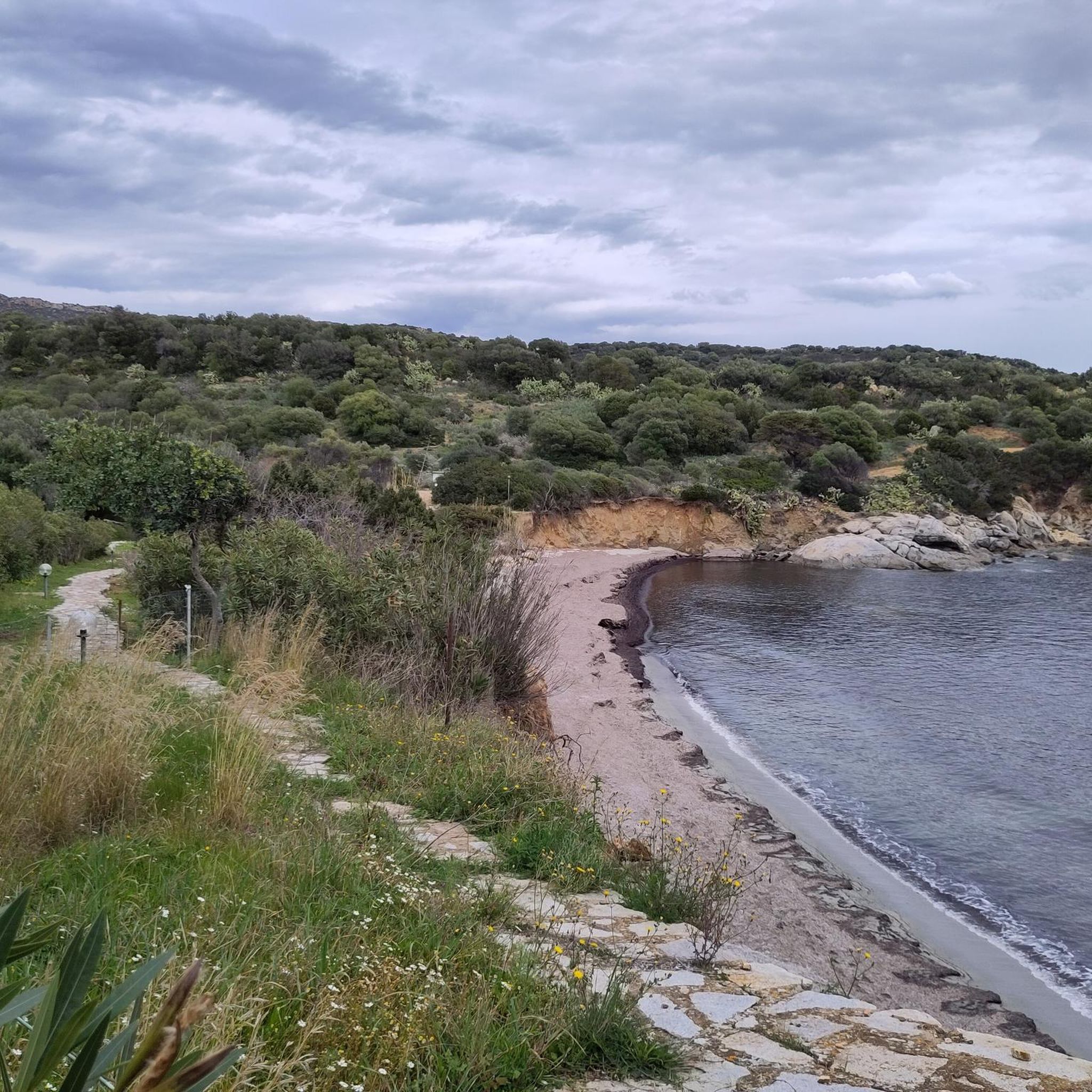
Yes, several natural monuments are ideal for families. Punta Molentis Beach is a very fine and flat sandy beach, perfect for small children. Punta di Santa Giusta also offers a delightful beach with calm, sheltered waters, almost like a natural swimming pool. The rock formations and sandy beaches at Capo Carbonara are also family-friendly, offering varied landscapes to explore.
What kind of natural features can I expect to see in the Crabonaxa/Villasimius area?
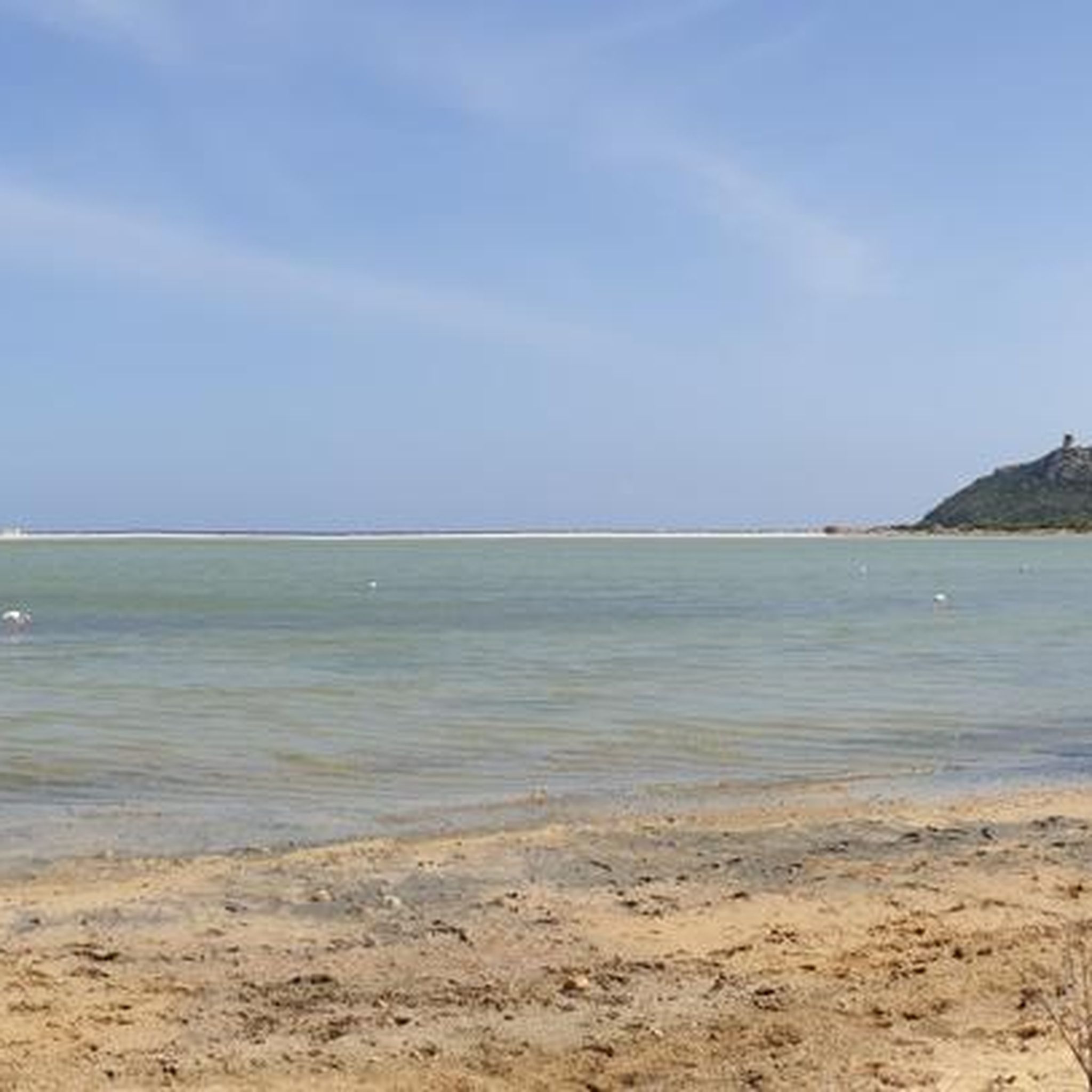
The region is rich in diverse natural features. You'll find stunning white sandy beaches like Punta Molentis and Porto Giunco, dramatic rocky coastlines, and significant viewpoints such as Cape Carbonara. The area also includes the Protected Marine Area of Capo Carbonara, the vital Notteri Pond wetland (home to pink flamingos), and picturesque islands like Isola dei Cavoli and Serpentara Island.
What outdoor activities can I do near these natural monuments?
The area offers a variety of outdoor activities. You can enjoy hiking, mountain biking, and running on numerous trails. For example, there are easy hiking routes like the Capo Carbonara round trip or the Punta Molentis and Porto Luna Trail. Mountain bikers can tackle challenging routes like the Monte Minniminni and Monte Maccioni Loop Trail. Runners have options such as the Capo Carbonara Ring Tour or trails around Notteri Pond. You can find more details on these activities in the hiking, MTB, and running guides for Crabonaxa/Villasimius.
Are there opportunities for wildlife spotting?
Yes, the Crabonaxa/Villasimius area provides excellent opportunities for wildlife spotting. Notteri Pond, adjacent to Porto Giunco Beach, is a crucial natural habitat for pink flamingos and other migratory birds. Serpentara Island is known for its diverse wildlife, including wild rabbits and herons, and dolphins are frequently spotted in the surrounding waters. The Protected Marine Area of Capo Carbonara also supports a unique ecosystem with diverse marine species, making it ideal for snorkeling and diving.
What is the best time to visit the natural monuments in Crabonaxa/Villasimius?
The best time to visit is generally during the spring (April-May) and early autumn (September-October) when the weather is pleasant for outdoor activities like hiking and beach visits, and the crowds are smaller than in peak summer. The Mediterranean climate ensures warm, sunny days, ideal for exploring the coastal and inland natural monuments.
Are there any historical or cultural sites near the natural monuments?
Yes, the region blends natural beauty with historical elements. Near Porto Giunco Beach, you can find an Aragonese watchtower on the promontory, offering panoramic views. On Isola dei Cavoli, there's a lighthouse built on an old 16th-century Spanish tower. Serpentara Island also features the Tower of San Luigi, another old Spanish watchtower. Additionally, Punta di Santa Giusta is home to the Cristo Benedicente Statue (Christ of the Boats of the Sea).
Can I go snorkeling or diving at these natural monuments?
Absolutely. The crystal-clear waters of the Protected Marine Area of Capo Carbonara are perfect for snorkeling and diving. Punta Molentis Beach is particularly ideal for snorkeling due to its clear waters. Isola dei Cavoli also offers excellent snorkeling in its clear bays, and the underwater statue of the Madonna del Naufrago is a unique diving attraction.
Are there any hidden natural gems worth exploring?
Beyond the well-known spots, the region holds several hidden gems. The numerous hidden coves within the Protected Marine Area of Capo Carbonara, accessible by boat, offer secluded swimming and snorkeling experiences. The northern part of Serpentara Island features 'Variglioni,' large granite rocks forming natural pools perfect for diving, providing a more off-the-beaten-path experience.
What do visitors enjoy most about the natural monuments in Crabonaxa/Villasimius?
Visitors consistently praise the stunning natural beauty, particularly the pristine white sandy beaches and the incredibly clear, turquoise waters. The diverse landscapes, from rocky coastlines to lush Mediterranean scrub, are highly appreciated. Many also enjoy the opportunities for outdoor activities like hiking and snorkeling, as well as the chance to spot unique wildlife like pink flamingos and dolphins.
Are there any natural monuments accessible for people with limited mobility or wheelchairs?
While specific accessibility information for all natural monuments is limited, some areas may offer easier access. Beaches like Porto Giunco are generally more accessible due to their flat, sandy nature and proximity to roads. However, many natural monuments, especially viewpoints and trails, may involve uneven terrain or require walking. It's advisable to check specific conditions for each location before visiting.
Where can I find parking when visiting these natural monuments?
Parking availability varies by location. For popular beaches like Porto Giunco and Punta Molentis, there are often designated parking areas, though some may be paid, especially during peak season. For Punta di Santa Giusta, direct parking is not available, requiring about a kilometer walk. For more remote spots or trailheads, parking might be less formal. It's recommended to check specific access details for each monument.
Most popular routes around Crabonaxa/Villasimius
Most popular attractions around Crabonaxa/Villasimius

Get inspired with the komoot mobile app


Explore more
Extend your search for the best caves by checking out these guides of the top ones around Crabonaxa/Villasimius:
