Top 20 Natural Monuments around Caprile
Best natural monuments around Caprile are found in the Italian Dolomites, within the Belluno province. This region is characterized by its mountainous terrain, featuring prominent peaks and deep valleys. Caprile serves as a central point for accessing various natural attractions. The landscape includes significant mountain massifs, glacial features, and river valleys.
Best natural monuments around Caprile
- The most popular natural monuments is Summit of Monte Barone, a summit that reaches a height of 2044 m. This mountain dominates the…
Last updated: June 14, 2026
Bocchetto Sessera Pass
Highlight • Mountain Pass
Showing Translation
Tip by

Mount Fenera
Highlight • Summit
Translated by Google •
Tip by

Sign up now to discover places like this
Get recommendations on the best single tracks, peaks, & plenty of other exciting outdoor places.
Sign up for free
Summit of Monte Barone
Highlight • Summit
Translated by Google •
Tip by

Labirinto di Stavello
Highlight • Structure
Translated by Google •
Tip by

Monte Bo in Valsesia
Highlight • Summit
Translated by Google •
Tip by

Sign up for free to discover even more natural monuments around Caprile.
Sign up for free
Already have an account?
Start today with a free account
Your next adventure awaits.
Login or Signup

Tips from the Community

The **Passo (or Bocchetto) di Bocchetto Sessera is an alpine pass located in the Biella Alps, in the Province of Biella (Piedmont, Italy). It connects the Valle dello Strona di Mosso with the Val Sessera, between the mountains Monte Marca (1,558 m) and Monticchio (1,697 m).
14
0

Summit.... Breathtaking view
0
0

small chapel with a cross at the top
0
0

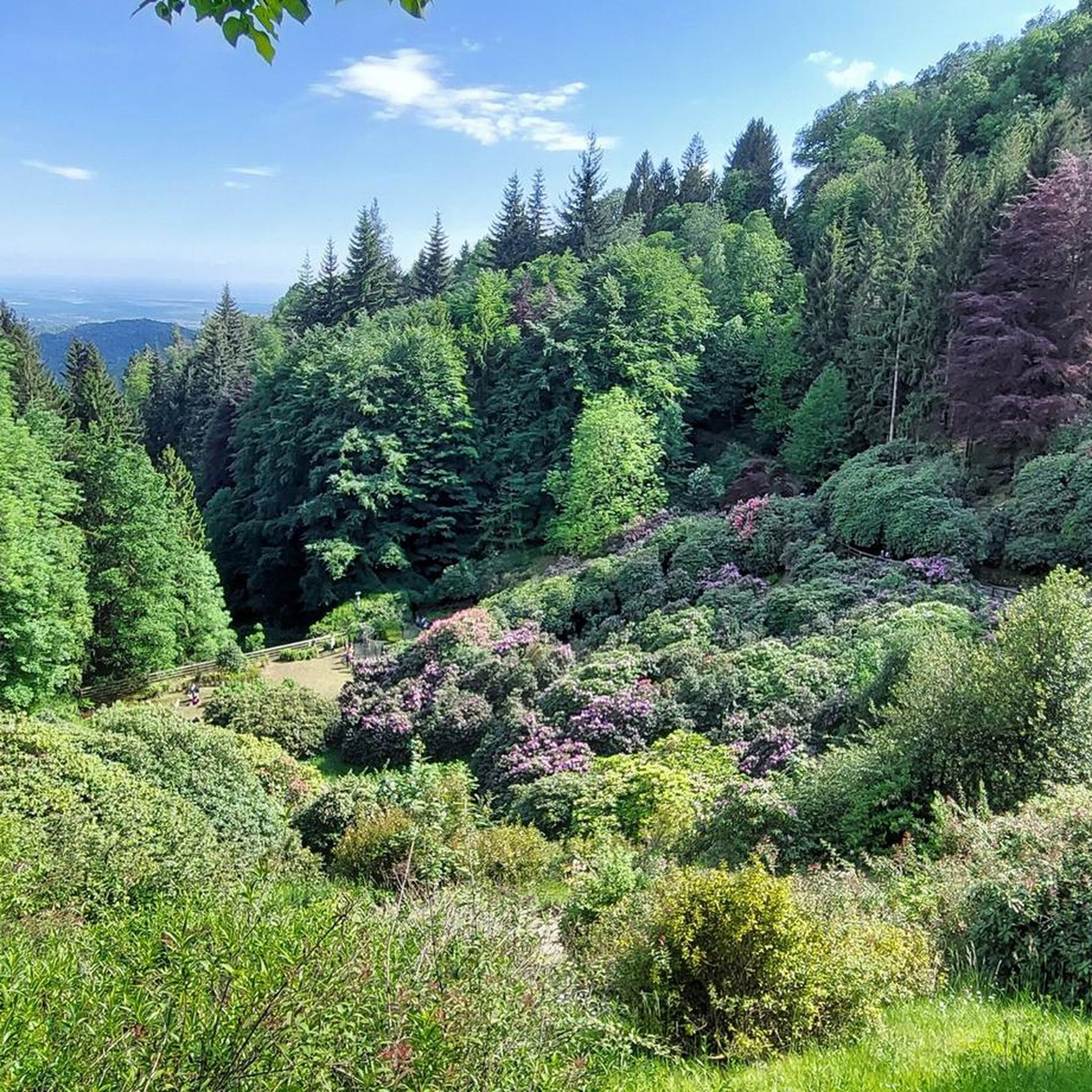
Main entrance to the Oasi Zegna, from which many paths start, including the "Bosco del Sorriso" path and others
1
0
The Stavello Labyrinth is one of the attractions of the Oasi Zegna, located in Bocchetta di Stavello in the municipality of Valdilana (BI). Built in 2021 on an area previously occupied by bowling greens, the labyrinth is a large stone spiral with a diameter of 29 meters, inspired by the Cretan model with 11 spirals. The path, over 480 meters long, was built using local stones of various shapes and sizes. Designed as a meditative path, the labyrinth invites visitors to an experience of introspection and awareness. Its unicursal path, which recalls the shape of a brain, symbolizes the inner journey of the human being. Walking through the labyrinth slowly and in silence allows you to reflect on yourself, promoting a deep connection with the surrounding nature and with your own interiority. It is an experience accessible to everyone, without technical difficulties, ideal for those looking for a moment of pause and reflection immersed in the greenery of the Oasi Zegna.
1
0


Of this mountain, after well over a hundred climbs, I know all the sides, it's a shame that some of the slopes inside the Val Sessera, e.g. the one for Rattarun and then Alpe Boscoso then climbing to Navagli and Alpe Campo and Cima ... are, for some stretches in the lower valley, a bit swallowed up by vegetation. The normal route from Ciota to the refuge is very popular, but for example the descent via Spelonca-Cascinetta still offers a nice ring that is more "wild" and very little frequented.
1
0
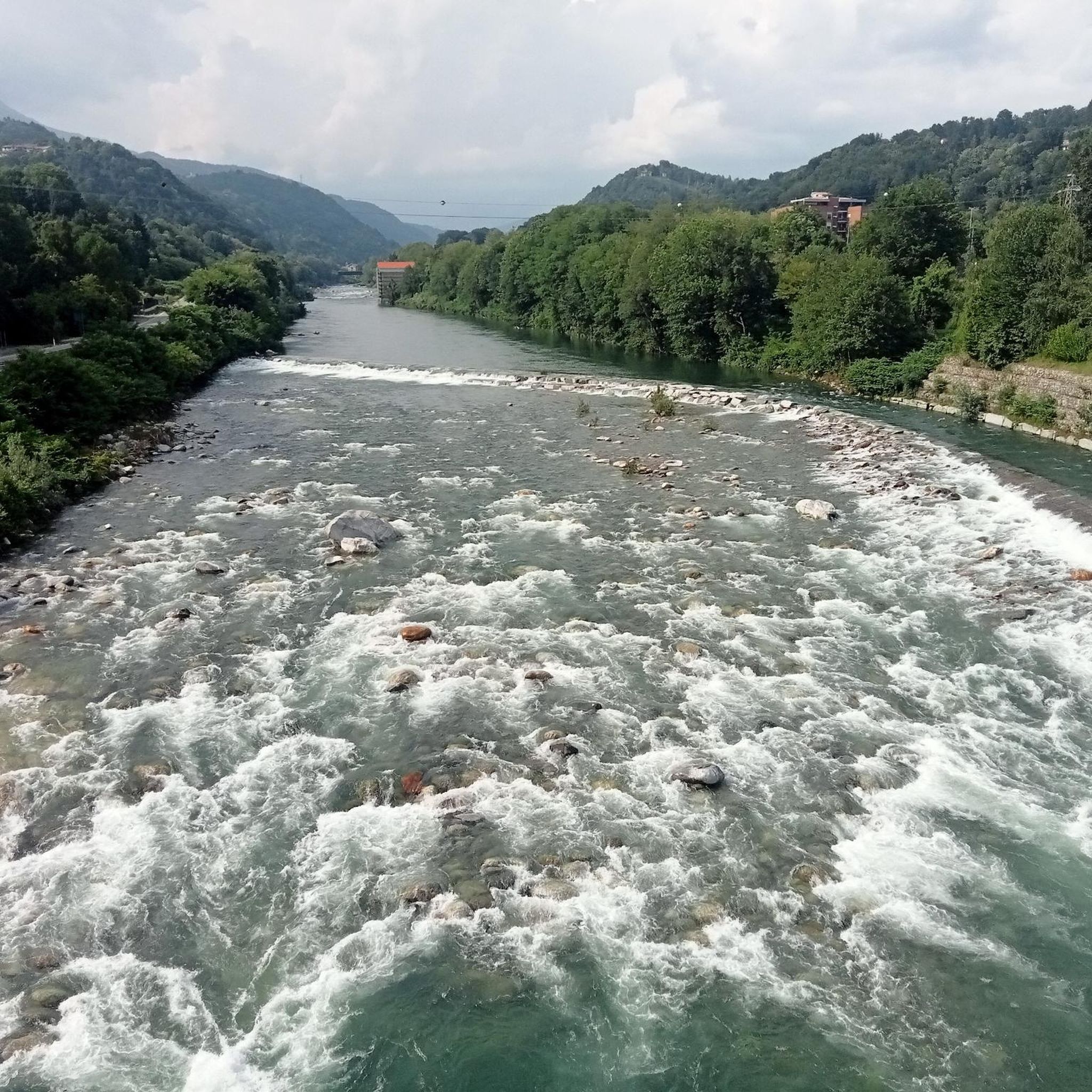
from the Cervo Valley from here you enter the Sessera Valley
1
1
Frequently Asked Questions
What are some of the most prominent natural monuments to visit near Caprile?
Caprile is surrounded by impressive natural features. You can explore the majestic Marmolada Massif, known as the 'Queen of the Dolomites' and its glacier, or the imposing Civetta Mountain Group, famous for its steep cliff faces. Other notable natural monuments include the Summit of Monte Barone, offering views of the Sessera and Strona di Postua valleys, and the panoramic Bocchetto Sessera Pass.
Are there natural monuments around Caprile suitable for families?
Yes, the Fiorentina and Pettorina Valleys near Caprile are excellent for family outings. They offer opportunities for leisurely walks, picnics, and enjoying the lush green landscape. Additionally, the serene Pera Furà Arch can be a point of interest during an easy hike, providing a unique natural formation to discover.
What kind of outdoor activities can I do near the natural monuments around Caprile?
The region around Caprile is a hub for outdoor activities. In summer, you can enjoy climbing, mountain biking, and hiking. The Marmolada glacier even offers summer skiing. In winter, the area transforms into a prime location for accessing the Civetta carousel and Three Valleys ski areas. For specific routes, you can find various hiking, road cycling, and MTB trails in the area.
What is the best time of year to visit the natural monuments near Caprile?
Caprile's natural monuments offer attractions year-round. Summer (June to September) is ideal for hiking, climbing, and mountain biking, with the unique opportunity for summer skiing on the Marmolada glacier. Winter (December to March) is perfect for snow sports, with access to the Civetta ski carousel. Spring and autumn offer quieter times for enjoying the changing landscapes and milder weather for walks.
Are there any challenging hikes to natural monuments for experienced trekkers?
Absolutely. For experienced trekkers, the ascent to the Summit of Monte Barone (2044m) or Monte Bo in Valsesia (2072m) offers challenging climbs with rewarding panoramic views. The Monte Fenera summit, while lower at 899m, is known for its particularly tough final ascent, testing your physical endurance.
What kind of views can I expect from the natural monuments around Caprile?
The natural monuments around Caprile are renowned for their stunning panoramas and awe-inspiring views. From peaks like the Monte Fenera summit and Monte Bo in Valsesia, you can admire vast landscapes including Valsesia and the magnificent Monte Rosa group. Mountain passes like Bocchetto Sessera Pass also provide expansive, panoramic vistas of the surrounding valleys.
Can I find natural arches or unique geological formations in the Caprile area?
Yes, the Caprile area is known for its diverse natural monuments, including unique geological formations. The Pera Furà Arch is a notable example, offering an interesting natural arch that makes for a curious photographic stop along hiking itineraries in the Oasi Zegna.
What makes the Marmolada Massif a significant natural monument near Caprile?
The Marmolada Massif, often called the 'Queen of the Dolomites,' is significant for being the highest summit in the Dolomites mountain range, with Punta Penia reaching 3,342 meters. It features a unique glacier, offering rare opportunities for summer skiing, and its surrounding area is popular for climbing and mountain excursions.
Are there opportunities for mountain biking near the natural monuments?
Definitely. The Bocchetto Sessera Pass is a known starting point for interesting MTB routes, some of which lead through the Boschirola pass to Valsesia. The region generally offers a variety of terrain suitable for mountain biking, with dedicated MTB trails available.
What historical context can be found around Caprile's natural monuments?
While the focus is on natural beauty, the tranquil villages within Caprile itself offer a glimpse into the region's rich history. You can observe old country houses constructed from wood and stone, reflecting centuries of local heritage amidst the stunning natural backdrop of the Dolomites.
What are the main valleys around Caprile that offer access to natural monuments?
Caprile is strategically located near the confluence of the Fiorentina and Pettorina rivers with the Cordevole. These valleys, the Fiorentina and Pettorina, serve as excellent starting points for excursions into the surrounding natural landscapes, providing access to hiking trails and scenic spots.
Is there a lake near Caprile that is considered a natural monument?
Yes, just a short distance from Caprile, Lake Alleghe is a picturesque natural feature. Its magnificent coastal scenery, framed by ancient conifer forests, creates a serene and awe-inspiring view, making it a beautiful spot to visit.
Most popular routes around Caprile
Most popular attractions around Caprile

Get inspired with the komoot mobile app


Explore more
Extend your search for the best caves by checking out these guides of the top ones around Caprile:
