Top 6 Natural Monuments around Villa San Secondo
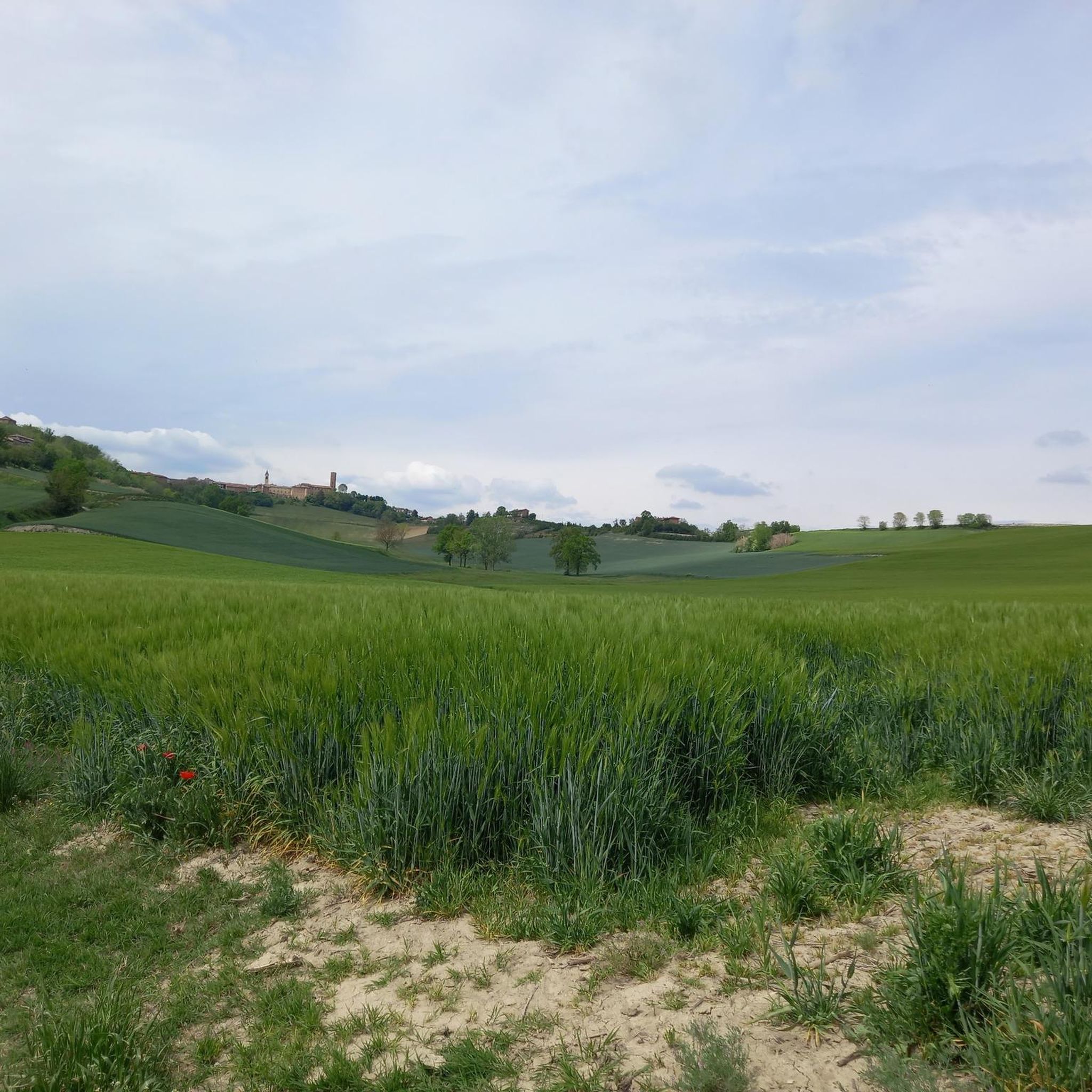
Natural monuments around Villa San Secondo are found within a region known for its natural beauty and varied landscapes in the Province of Asti, Piedmont, Italy. The area offers trails that wind through the natural environment, providing opportunities for outdoor exploration. While specific designated natural monuments within Villa San Secondo are not explicitly named, the surrounding region features diverse natural and historical sites. This part of Italy is characterized by its serene landscapes and natural features.
Best natural monuments around…
Last updated: June 28, 2026
Sulphur Fountain of San Dionigi
Highlight • Natural Monument
Translated by Google •
Tip by

Astigiano Paleontological Park
Highlight • Natural Monument
Translated by Google •
Tip by
Sign up now to discover places like this
Get recommendations on the best single tracks, peaks, & plenty of other exciting outdoor places.
Sign up for free
Madonna del Portone Pond (Asti)
Highlight • Religious Site
Translated by Google •
Tip by

WWF Oasis Villa Paolina
Highlight • Natural Monument
Translated by Google •
Tip by

I Crutin (Natural Tuff Caves)
Highlight • Cave
Translated by Google •
Tip by

Sign up for free to discover even more natural monuments around Villa San Secondo.
Sign up for free
Already have an account?
Start today with a free account
Your next adventure awaits.
Login or Signup

Tips from the Community

A cavity in the stone houses an altar and just above the statue of the Madonna. A silent, peaceful place, a few meters from the city center and traffic.
0
0
Outside the beautiful and large church dedicated to the Madonna "del Portone", on the left side, there is a delightful pond with fish and turtles overlooked by a stone cavity that houses the statue of the Madonna.
0
0

The crutin understood in their natural form (not dug by man in the tuff for the purpose of preserving food and wine) are caves dug into the tuff when the sea reached the level of the mouth of the current caves.
0
0

The WWF Oasis of Valmanera is a protected natural area near Asti, included in the Natura 2000 Network (ZSC) as a place of importance for the conservation of biodiversity. The Oasis extends for approximately 10 hectares of meadows, woods and paths. In the center of the Oasis there is a flat area where the Villa, the Hostel and the "Biberach an der Riss" conference room are located. The Villa houses the inn, the dining rooms, the bar and a WWF gadget shop, products from the Terre dell'Oasi and fair trade products. On the first floor there is a library and the Naturalistic Museum of the Territory which illustrates the history and natural richness of our area. On the top floor of the Villa there is the Painter's Room, a very beautiful conference room for 40 people. There is also an apiary, a pond, an educational vegetable garden and a short forest path with information panels and a fossil outcrop.
3
0

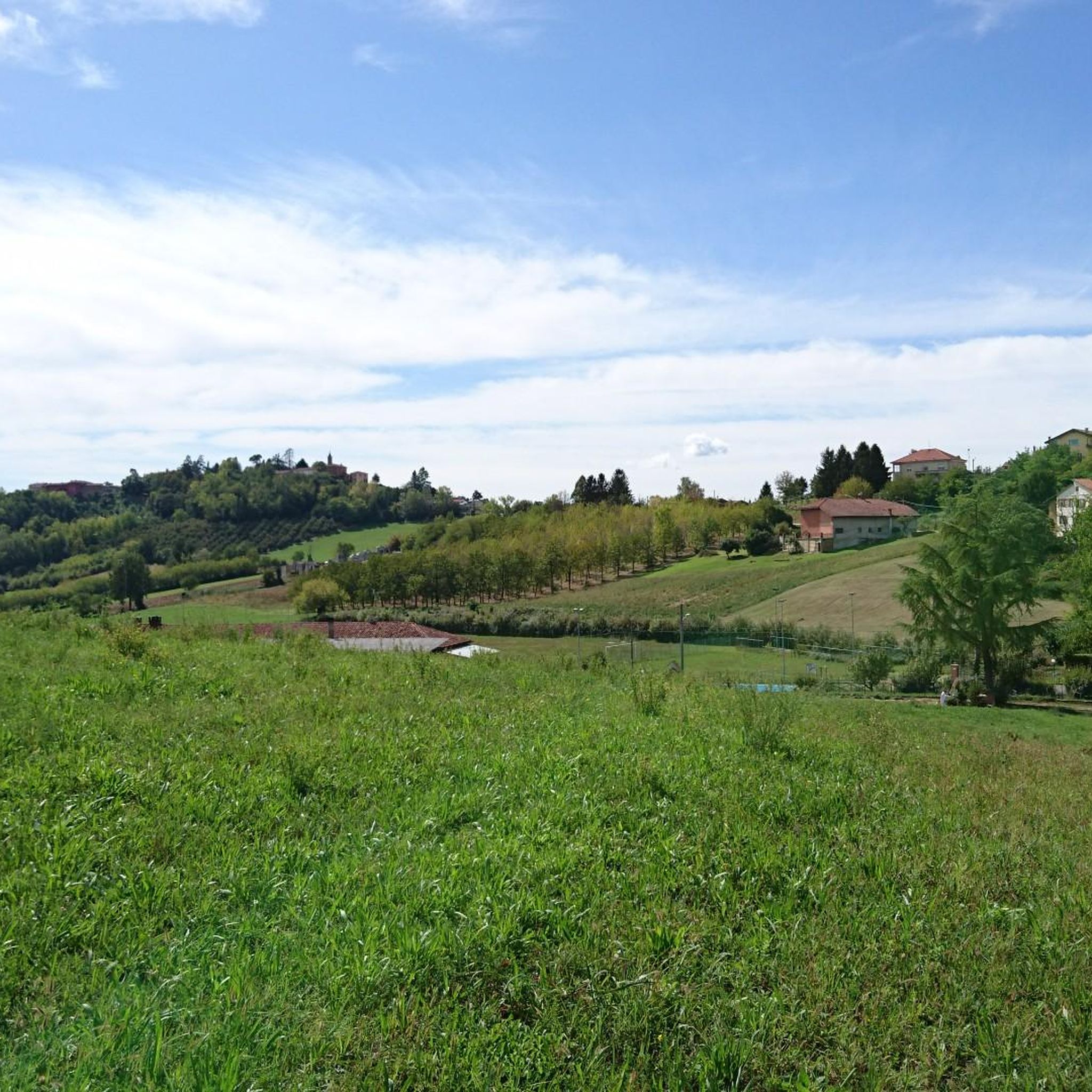
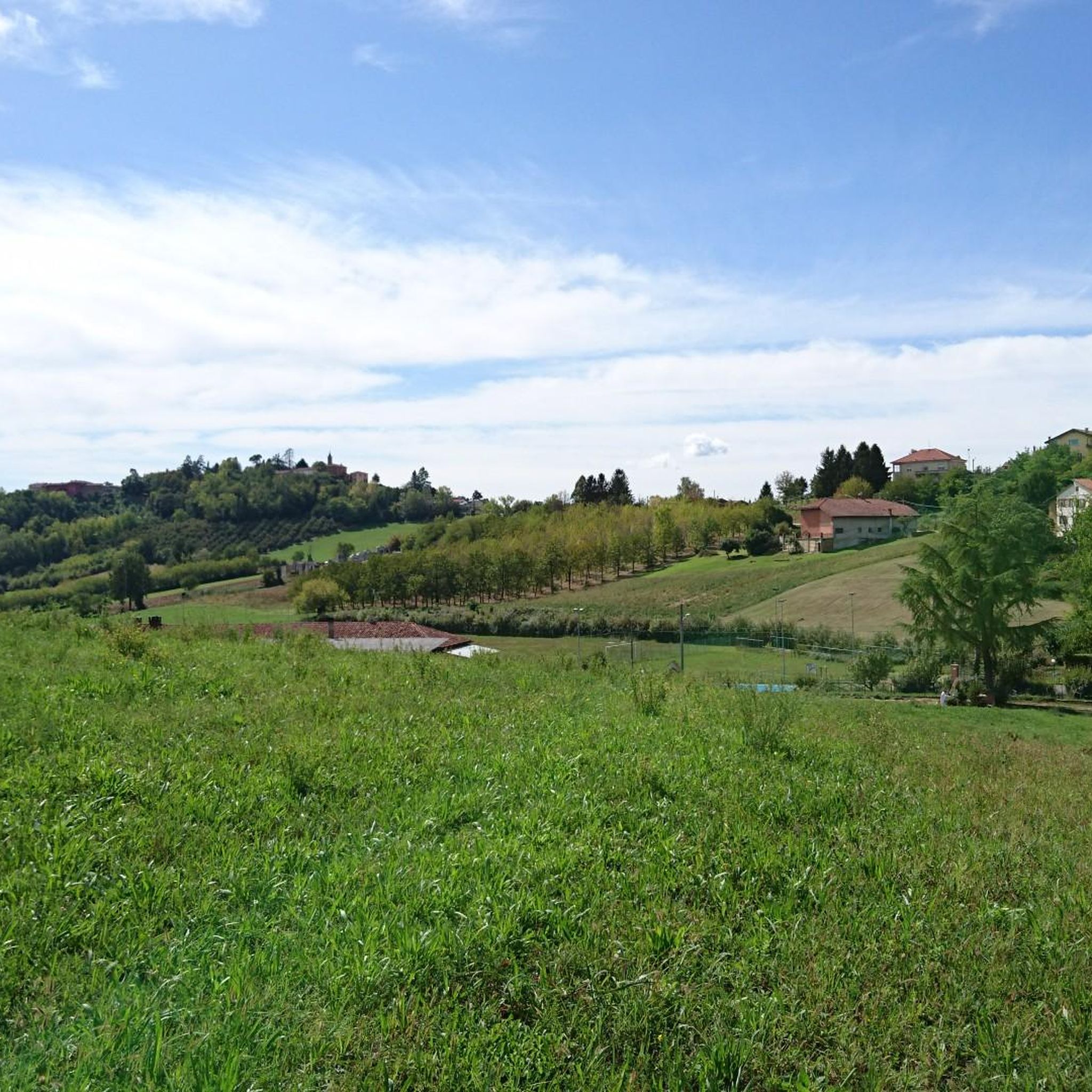
If you stop for a moment on this stretch of road that crossed the beautiful Astigiano Paleontological Park, you will be enchanted by the greenery that surrounds you and by the continuous chirping of the birds that inhabit it. Beautiful experience.
3
0
A place steeped in history, it is worth visiting and reading the sign with the whole history of this sulfur fountain.
6
0

Sulfur source. Ideal for a small break.
2
0
Frequently Asked Questions
What are some of the most popular natural monuments to visit around Villa San Secondo?
Visitors frequently enjoy the Sulphur Fountain of San Dionigi, known for its historical significance as a sulfur source. Another popular spot is the Astigiano Paleontological Park, where you can experience the surrounding greenery and local birdlife. The Madonna del Portone Pond (Asti) also attracts many for its peaceful setting with fish and turtles, located near a religious building.
Are there family-friendly natural monuments around Villa San Secondo?
Yes, several natural monuments are suitable for families. The Sulphur Fountain of San Dionigi and the Astigiano Paleontological Park are both noted as family-friendly. Additionally, the WWF Oasis Villa Paolina offers a protected natural area with meadows, woods, paths, and even a naturalistic museum, making it a great educational and recreational outing for all ages.
What kind of natural features can I expect to see at these monuments?
The natural monuments around Villa San Secondo offer diverse features. You can find historical sulfur sources like the Sulphur Fountain of San Dionigi and the Zolfo locality (Montafia AT). There are also serene water bodies such as the Madonna del Portone Pond (Asti) with its fish and turtles, and protected forest areas like the WWF Oasis Villa Paolina, which features meadows, woods, and a pond.
Are there historical or cultural sites integrated with the natural monuments?
Yes, the region blends natural beauty with historical and cultural elements. The Sulphur Fountain of San Dionigi is a historical sulfur source with on-site information. The Madonna del Portone Pond (Asti) is situated next to a religious building and features a stone cavity housing a statue. Beyond Villa San Secondo, the nearby Sacro Monte di Crea is a protected nature reserve with 23 chapels, and the Cave Dwellings of Mombarone offer a glimpse into historical rural life.
What outdoor activities can I do near the natural monuments around Villa San Secondo?
The area around Villa San Secondo is excellent for various outdoor activities. You can find numerous trails for hiking, mountain biking, and road cycling. For hiking, explore routes like the 'Cave Dwellings of Mombarone – Casegrotta Cave Houses loop' or the 'Montechiaro d'Asti town center loop'. Mountain bikers can enjoy trails such as the 'Montechiaro d'Asti Loop Trail'. Road cyclists have options like the 'Grazzano Badoglio – Grazzano Badoglio loop'. You can find more details on these activities in the Hiking around Villa San Secondo, MTB Trails around Villa San Secondo, and Road Cycling Routes around Villa San Secondo guides.
Are there specific hiking trails that offer circular walks near these natural monuments?
Yes, there are several circular hiking routes available. For instance, you can explore the 'Cave Dwellings of Mombarone – Casegrotta Cave Houses loop from Settime' which is an easy 3.4 km trail. Another option is the 'Montechiaro d'Asti town center loop from Montechiaro d'Asti', a moderate 8.1 km route. These trails allow you to experience the natural surroundings and historical sites in a convenient loop format. More hiking options can be found in the Hiking around Villa San Secondo guide.
What is the best time of year to visit the natural monuments in the Villa San Secondo area?
The region around Villa San Secondo, with its 'breathtaking landscapes and pristine nature,' is generally pleasant for outdoor activities from spring through autumn. These seasons offer mild weather ideal for hiking and exploring. Spring brings blooming flora, while autumn showcases vibrant fall colors in the vineyards and forests, making both excellent times for scenic routes and enjoying the natural environment.
Can I spot wildlife at the natural monuments?
Yes, some natural monuments offer opportunities for wildlife spotting. The Astigiano Paleontological Park is noted for the 'continuous chirping of the birds that inhabit it.' The Madonna del Portone Pond (Asti) is home to fish and turtles. The WWF Oasis Villa Paolina, as a protected natural area, is dedicated to the conservation of biodiversity, making it a prime location for observing local fauna in its natural habitat.
What do visitors enjoy most about the natural monuments around Villa San Secondo?
Visitors particularly appreciate the blend of nature and history. Many enjoy the serene atmosphere and the opportunity for quiet reflection, as noted at the Madonna del Portone Pond (Asti). The historical context of sites like the Sulphur Fountain of San Dionigi is also a highlight, with visitors recommending reading the on-site information. The overall natural beauty and the chance to immerse oneself in greenery and birdlife, as found at the Astigiano Paleontological Park, are consistently praised.
Are there any hidden natural gems or less-known spots worth visiting?
While not officially designated, the broader region offers unique natural and historical sites. The Zolfo locality (Montafia AT) is a lesser-known spot home to a source of sulphurous water, offering a natural curiosity. Further afield, the Cave Dwellings of Mombarone, dug into sand-earth deposits, provide a fascinating glimpse into historical adaptation to the natural landscape, offering a unique experience beyond the more commonly visited sites.
What should I wear when visiting the natural monuments and trails?
Given the region's trails and natural environments, it's advisable to wear comfortable walking shoes or hiking boots, especially if you plan to explore the paths at sites like the WWF Oasis Villa Paolina or the Astigiano Paleontological Park. Layered clothing is also recommended, as temperatures can vary, and it allows for adjustment to changing weather conditions while enjoying the outdoor landscapes.
Most popular routes around Villa San Secondo
Most popular attractions around Villa San Secondo

Get inspired with the komoot mobile app


Explore more
Extend your search for the best caves by checking out these guides of the top ones around Villa San Secondo:
