Top 5 Natural Monuments around Cinaglio
Best natural monuments around Cinaglio are primarily linked to its rich geological and paleontological past within the Distretto Paleontologico dell'Astigiano e del Monferrato. This area, part of the Astigiano Paleontological Park, reveals landscapes once submerged under a tropical sea millions of years ago. Visitors can explore sites where geological strata show remnants of ancient marine life. The region offers a unique blend of natural beauty and scientific interest through walkable trails.
Best natural monuments around Cinaglio
- The most popular natural…
Last updated: June 28, 2026
Sulphur Fountain of San Dionigi
Highlight • Natural Monument
Translated by Google •
Tip by

Astigiano Paleontological Park
Highlight • Natural Monument
Translated by Google •
Tip by
Sign up now to discover places like this
Get recommendations on the best single tracks, peaks, & plenty of other exciting outdoor places.
Sign up for free
WWF Oasis Villa Paolina
Highlight • Natural Monument
Translated by Google •
Tip by

I Crutin (Natural Tuff Caves)
Highlight • Cave
Translated by Google •
Tip by

Zolfo locality (Montafia AT)
Highlight • Natural Monument
Translated by Google •
Tip by

Start today with a free account
Your next adventure awaits.
Login or Signup


Tips from the Community

The locality of Zolfo, under the municipality of Montafia, so called because it is home to a source of sulphurous water.
0
0

The crutin understood in their natural form (not dug by man in the tuff for the purpose of preserving food and wine) are caves dug into the tuff when the sea reached the level of the mouth of the current caves.
0
0

The WWF Oasis of Valmanera is a protected natural area near Asti, included in the Natura 2000 Network (ZSC) as a place of importance for the conservation of biodiversity. The Oasis extends for approximately 10 hectares of meadows, woods and paths. In the center of the Oasis there is a flat area where the Villa, the Hostel and the "Biberach an der Riss" conference room are located. The Villa houses the inn, the dining rooms, the bar and a WWF gadget shop, products from the Terre dell'Oasi and fair trade products. On the first floor there is a library and the Naturalistic Museum of the Territory which illustrates the history and natural richness of our area. On the top floor of the Villa there is the Painter's Room, a very beautiful conference room for 40 people. There is also an apiary, a pond, an educational vegetable garden and a short forest path with information panels and a fossil outcrop.
3
0

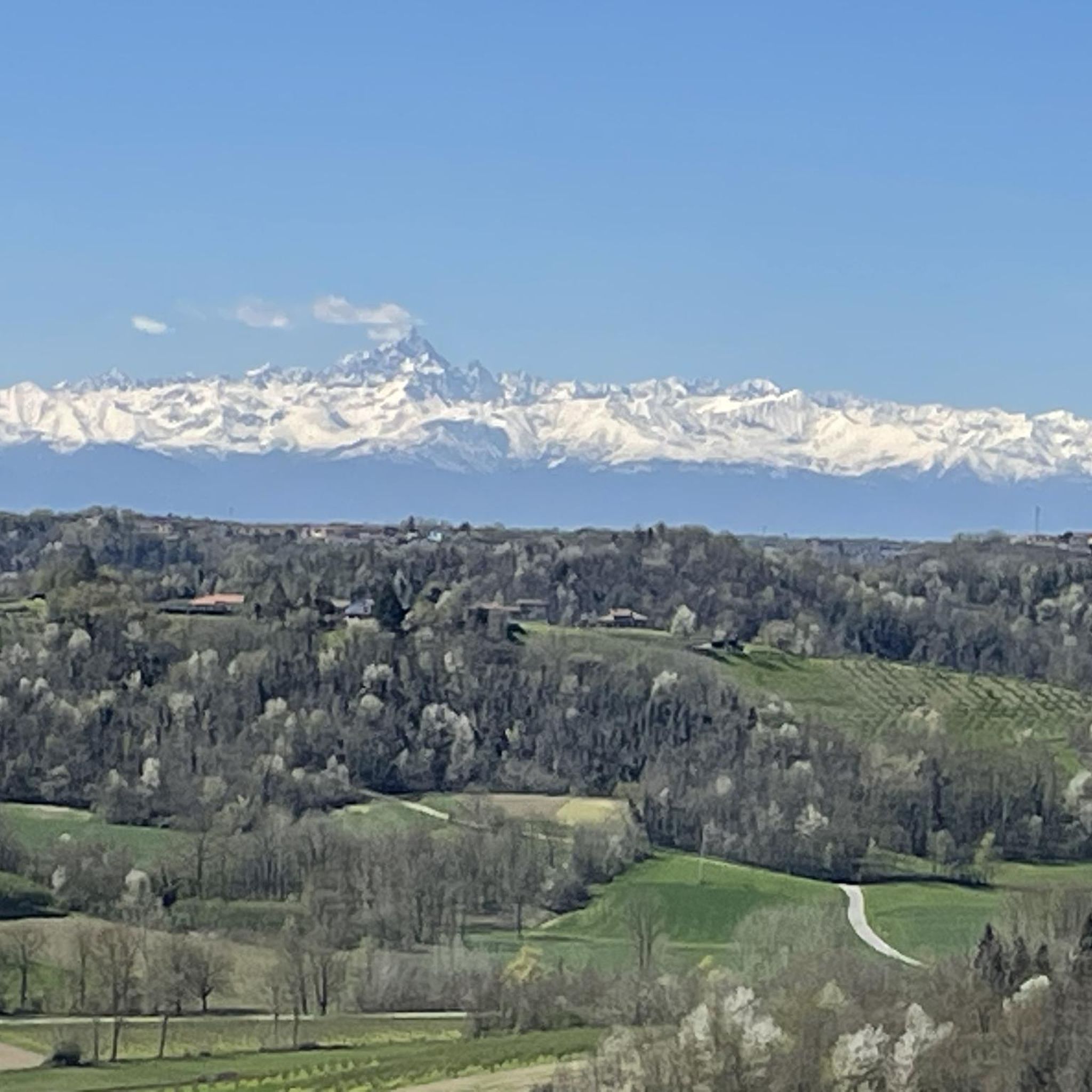
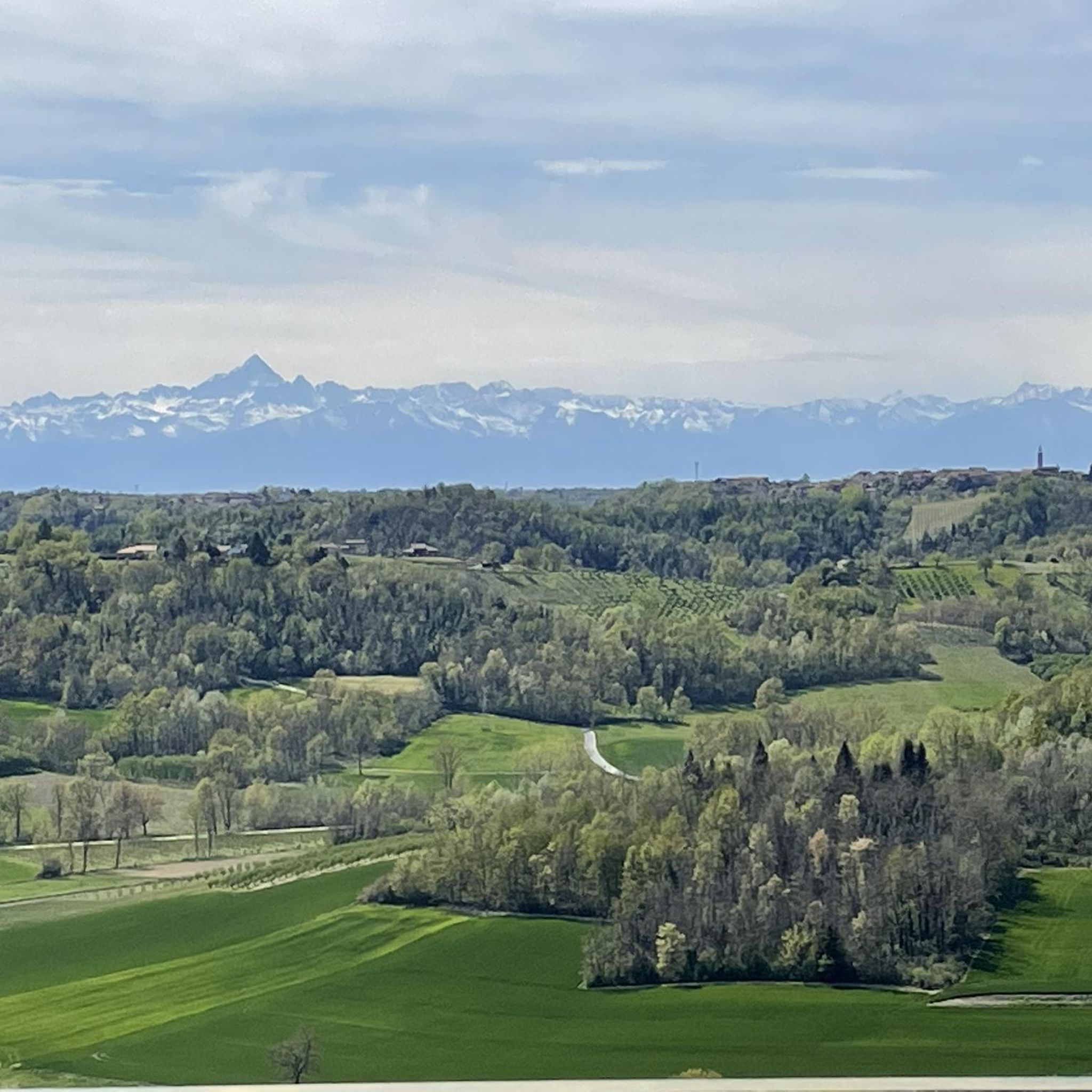
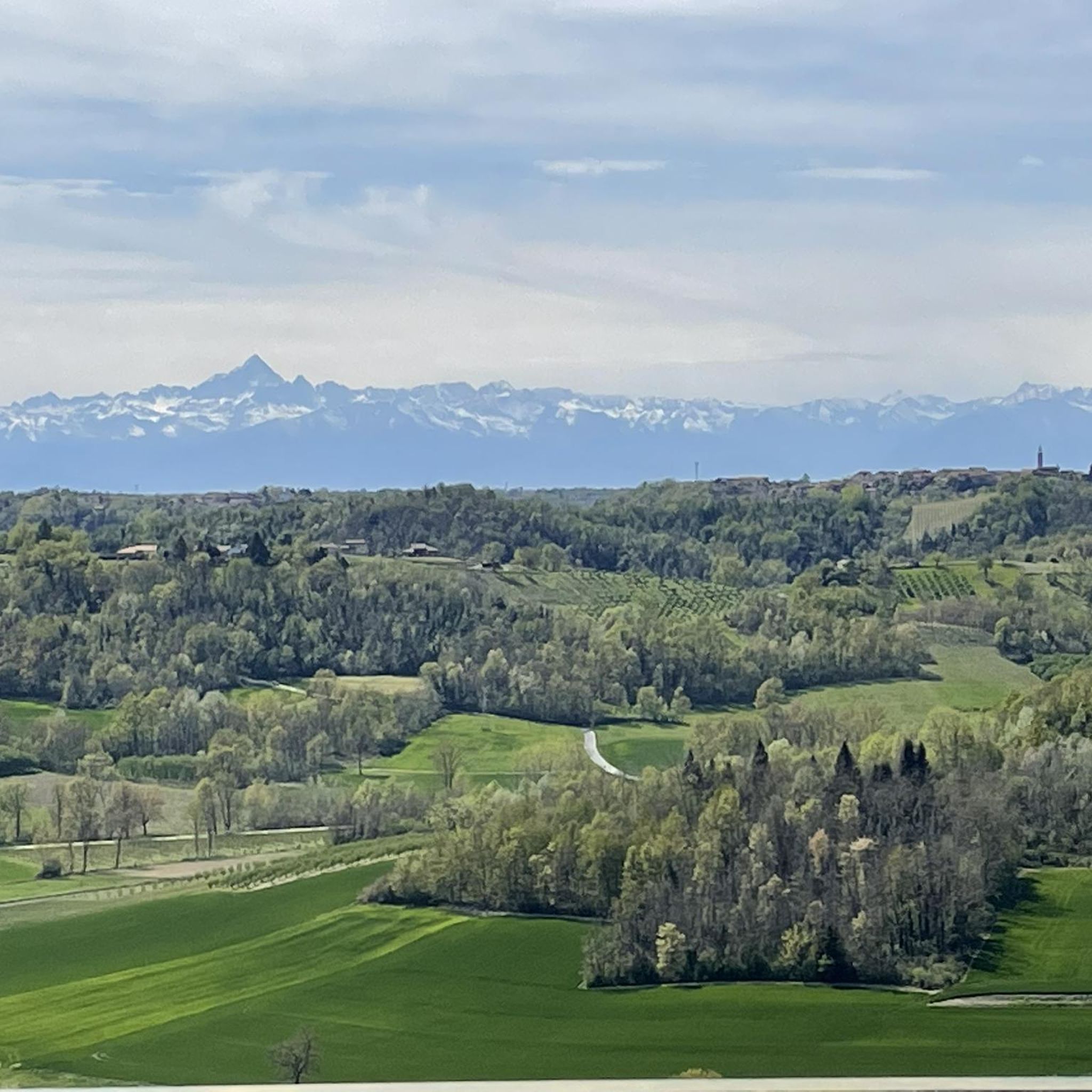
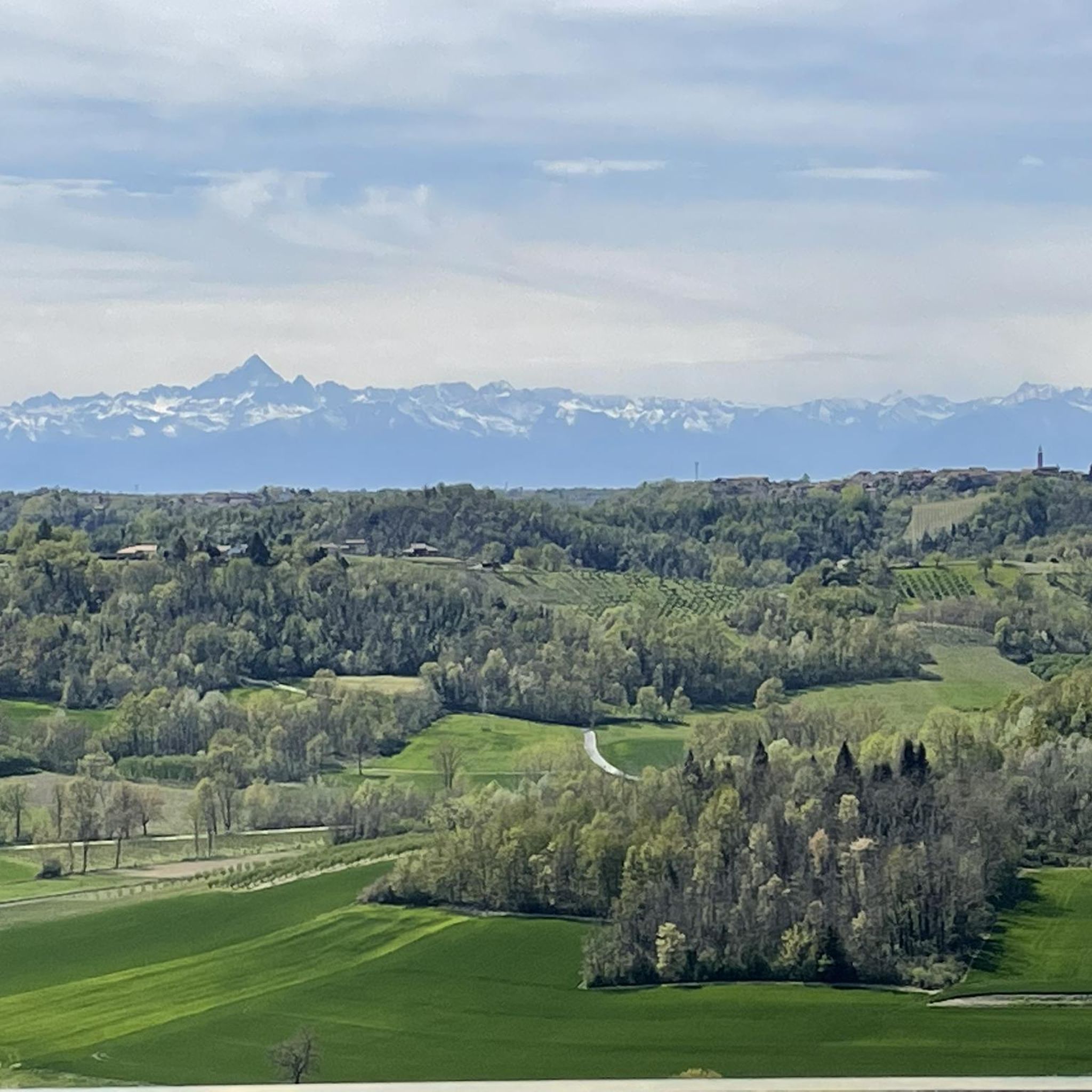
If you stop for a moment on this stretch of road that crossed the beautiful Astigiano Paleontological Park, you will be enchanted by the greenery that surrounds you and by the continuous chirping of the birds that inhabit it. Beautiful experience.
3
0
A place steeped in history, it is worth visiting and reading the sign with the whole history of this sulfur fountain.
6
0

Sulfur source. Ideal for a small break.
2
0
Frequently Asked Questions
What makes the natural monuments around Cinaglio unique?
The natural monuments around Cinaglio are unique due to their rich geological and paleontological past. The area was once submerged under a tropical sea millions of years ago, making it part of the Distretto Paleontologico dell'Astigiano e del Monferrato. Visitors can explore sites where geological strata reveal remnants of ancient marine life, offering a direct connection to this prehistoric era.
Are there any family-friendly natural monuments in Cinaglio?
Yes, several natural monuments around Cinaglio are suitable for families. The Sulphur Fountain of San Dionigi and the Astigiano Paleontological Park are both categorized as family-friendly. Additionally, the WWF Oasis Villa Paolina offers facilities and educational opportunities, making it a great option for all ages.
What kind of historical significance do Cinaglio's natural monuments hold?
Many natural monuments in Cinaglio have historical significance, particularly related to the region's geological past. The Sulphur Fountain of San Dionigi is a historical sulfur source, steeped in local history. The Astigiano Paleontological Park is a historical site due to its importance in understanding ancient Earth history and the preservation of marine fossils.
Can I go hiking near the natural monuments in Cinaglio?
Yes, there are several hiking opportunities near Cinaglio's natural monuments. You can explore trails like the 'Verde Lungo Trail: Gorghi, San Bartolomeo, and San Grato' or the 'Pliocene Fossil Trail from Settime'. These routes offer a chance to experience the unique landscape and geological features. For more details on hiking routes, visit our Hiking around Cinaglio guide.
What are the Gorghi di Cinaglio and what can I see there?
The Gorghi di Cinaglio are part of a Paleontological Nordic Walking Park. These sites offer accessible trails where you can explore landscapes that were once submerged under a tropical sea millions of years ago. The geological strata reveal remnants of marine life from the Miocene and Pliocene epochs, providing a unique outdoor educational experience.
Are there any natural tuff caves to visit in the Cinaglio area?
Yes, the I Crutin (Natural Tuff Caves) are a notable natural monument in the wider Asti region, including areas near Cinaglio. These natural caves were formed in the tuff when the ancient sea reached their current level, offering a glimpse into the region's geological past.
What kind of wildlife can be observed near Cinaglio's natural monuments?
The Astigiano Paleontological Park is known for its lush greenery and diverse birdlife. Additionally, the WWF Oasis Villa Paolina is a protected natural area dedicated to the conservation of biodiversity, where you can observe various species in meadows and woods, and even visit an apiary.
What is the Astigiano Paleontological Park and what does it offer?
The Astigiano Paleontological Park is a significant natural monument and historical site encompassing a wide area of the Asti region. It offers visitors the chance to experience lush greenery and diverse birdlife within a landscape rich in paleontological history. While the main museum is in Asti, the park itself provides an outdoor connection to the region's ancient marine past.
Are there cycling routes available near Cinaglio's natural monuments?
Absolutely. The area around Cinaglio offers various cycling routes that pass by or near natural monuments. You can find options like the 'Astigiano Paleontological Park – Gorghi di Cinaglio loop' for road cycling or other routes for touring bicycles. For detailed information on these routes, please refer to our Road Cycling Routes around Cinaglio and Cycling around Cinaglio guides.
What is the best time of year to visit the natural monuments in Cinaglio?
The natural monuments in Cinaglio, with their outdoor trails and paleontological sites, are generally best visited during spring and autumn. These seasons offer pleasant temperatures for walking and exploring, allowing you to fully appreciate the geological features and natural beauty without the extreme heat of summer or the chill of winter. Spring also brings vibrant greenery and active birdlife.
Is there a museum related to the paleontological heritage of Cinaglio?
While the sites within Cinaglio offer an outdoor experience of its paleontological heritage, the primary Paleontological Museum, housing over 14,000 fossil samples and significant cetacean skeletons, is located in Asti. You can find more information about it at visitlmr.it.
What is the Zolfo locality (Montafia AT) known for?
The Zolfo locality (Montafia AT) is a natural monument known for its sulphurous water source. This unique natural feature is located under the municipality of Montafia and provides an interesting point of interest for visitors exploring the region's natural wonders.
What can I expect at the WWF Oasis Villa Paolina?
The WWF Oasis Villa Paolina is a protected natural area near Asti, featuring approximately 10 hectares of meadows, woods, and paths. It includes a naturalistic museum, an apiary, a pond, an educational vegetable garden, and a short forest path with information panels and a fossil outcrop. It's a great place for nature education and conservation awareness.
Most popular routes around Cinaglio
Most popular attractions around Cinaglio

Get inspired with the komoot mobile app


Explore more
Extend your search for the best caves by checking out these guides of the top ones around Cinaglio:
