Top 14 Natural Monuments around San Vito Di Fagagna
Best natural monuments around San Vito Di Fagagna offer a range of natural and geological features within the province of Udine, Italy. The area is characterized by its varied landscape, from glacial lakes to unique subterranean formations. Visitors can explore significant natural sites that showcase the region's ecological diversity and historical geology. These natural monuments provide opportunities for outdoor exploration and appreciation of the local environment.
Best natural monuments around San Vito Di Fagagna
- The most popular natural monuments is…
Last updated: July 12, 2026
Lago di Ragogna
Highlight • Lake
Translated by Google •
Tip by

The Tumbule of Foscjan
Highlight • Historical Site
According to the latest historical research and the excavations conducted in other similar structures of San Osvaldo and Tomba di Mereto, it …
Translated by Google •
Tip by

Sign up now to discover places like this
Get recommendations on the best single tracks, peaks, & plenty of other exciting outdoor places.
Sign up for free
Lazzacco Peat Bog Nature Reserve
Highlight • Natural Monument
in the hilly area of Friuli and destroyed during the agricultural reclamation carried out in the last one …
Translated by Google •
Tip by

Piazza del Tiglio, Moruzzo
Highlight • Natural Monument
Around it, there …
Translated by Google •
Tip by

Oasi dei Quadris Nature Reserve
Highlight • Natural Monument
Translated by Google •
Tip by

Sign up for free to discover even more natural monuments around San Vito Di Fagagna.
Sign up for free
Already have an account?
Start today with a free account
Your next adventure awaits.
Login or Signup
Tips from the Community

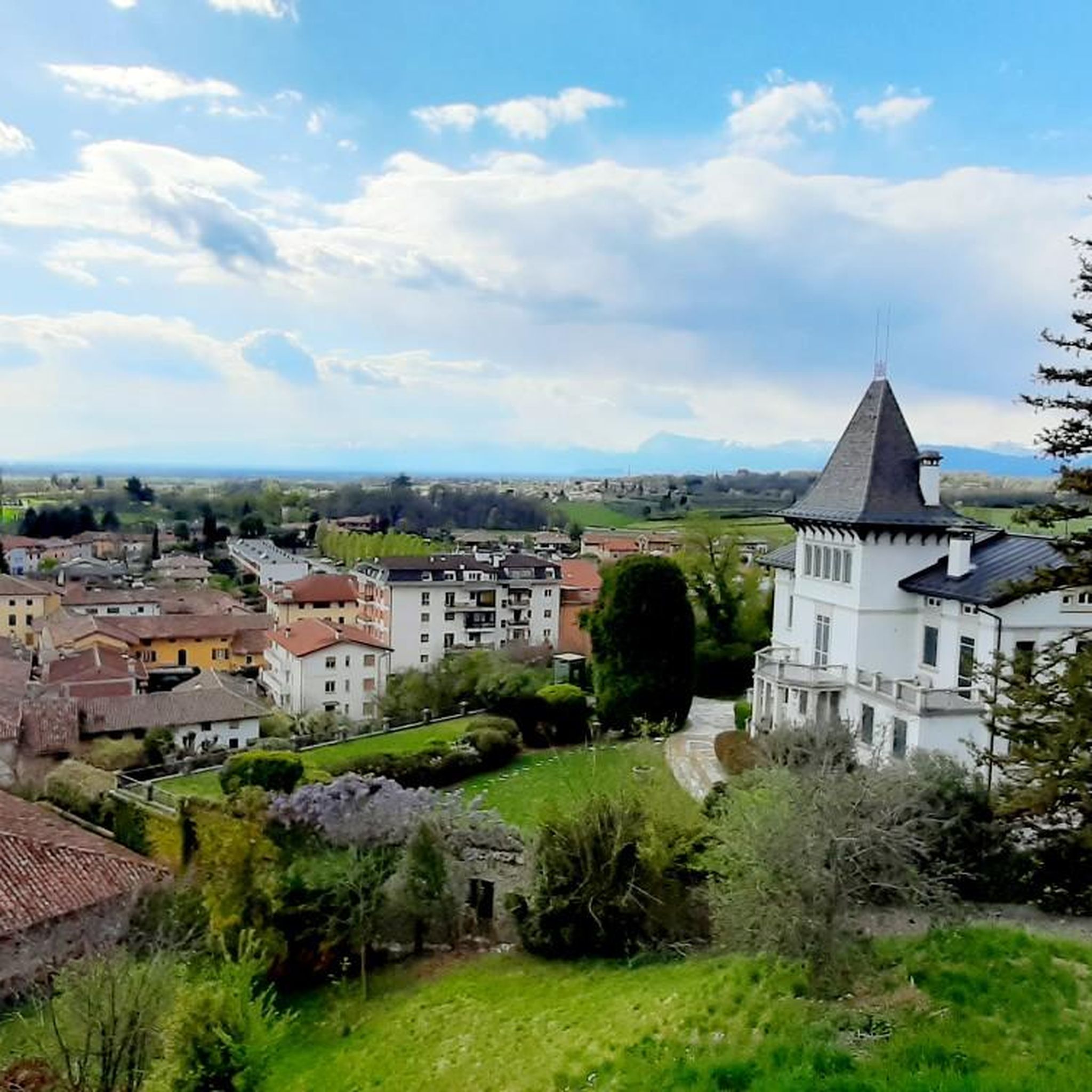
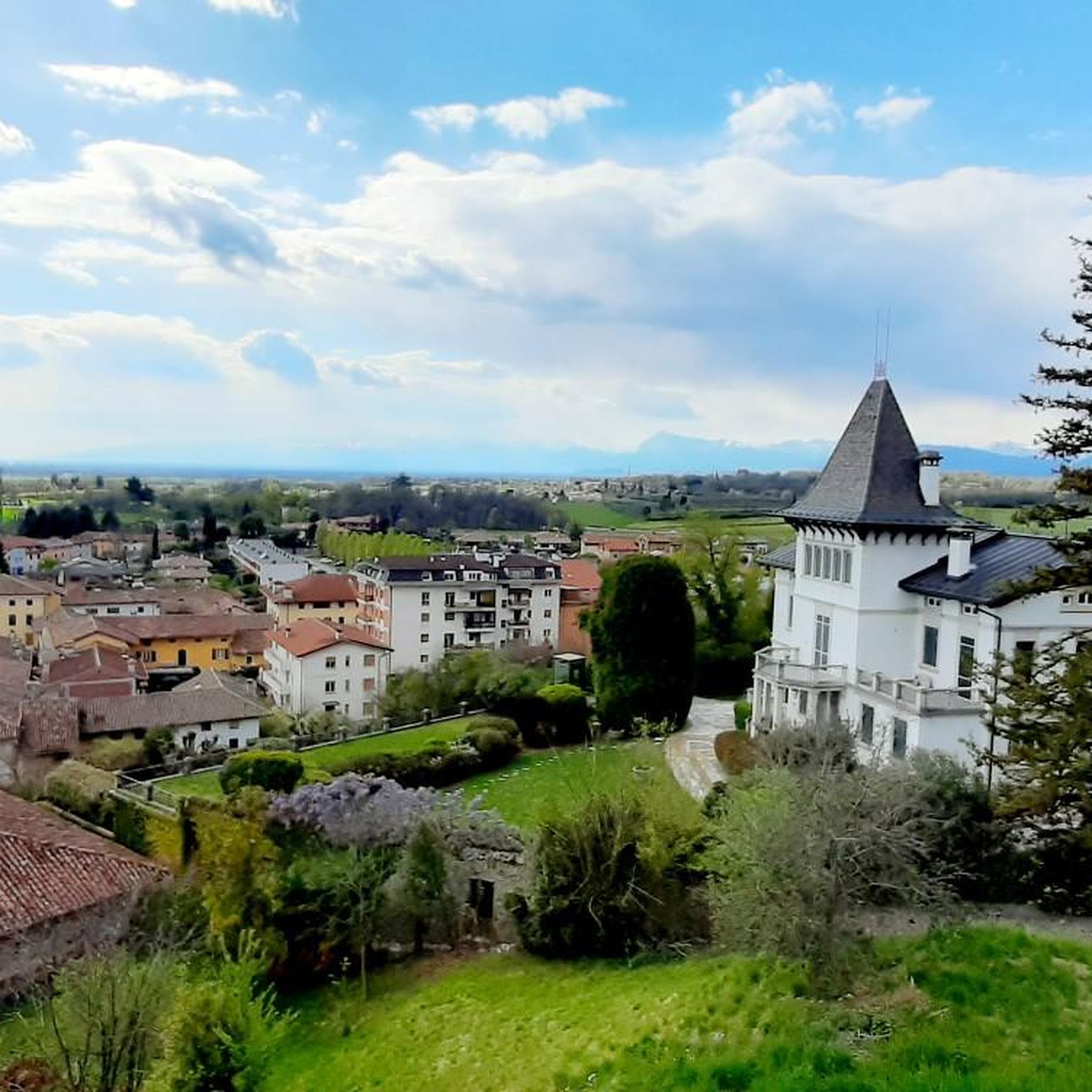
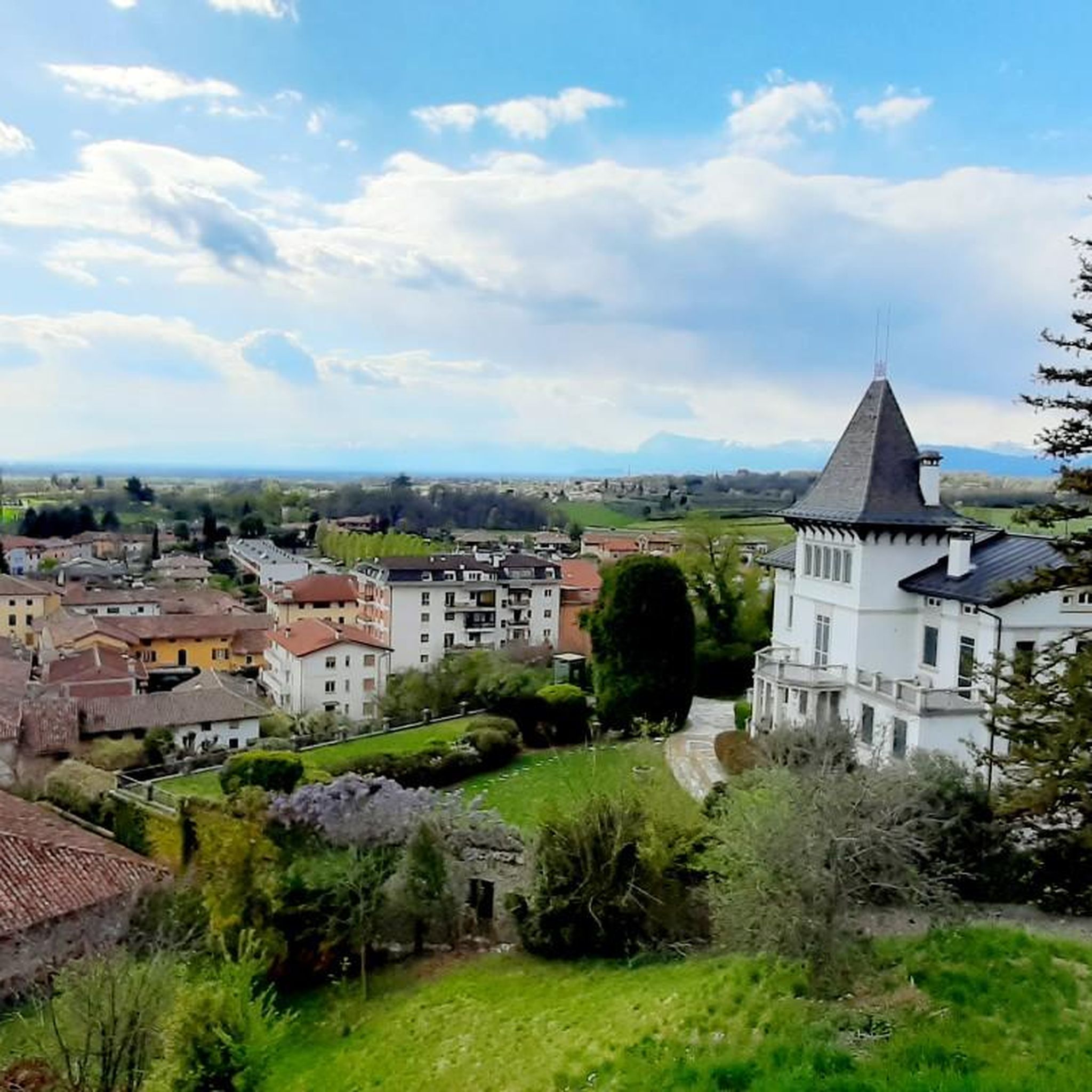
Moruzzo Square with the Tiglio restaurant and a view of central Friuli.
0
0


The square is named after the Linden tree, which is undoubtedly the symbol of this hill, offering a panoramic view of an area waiting to be discovered. Around it, there is a bas-relief, a map of tourist itineraries, and the entrance to the castle. The town's website is sparse, lacking in information, but at least there are photos of places to visit. https://www.comune.moruzzo.ud.it/luoghi/
0
0

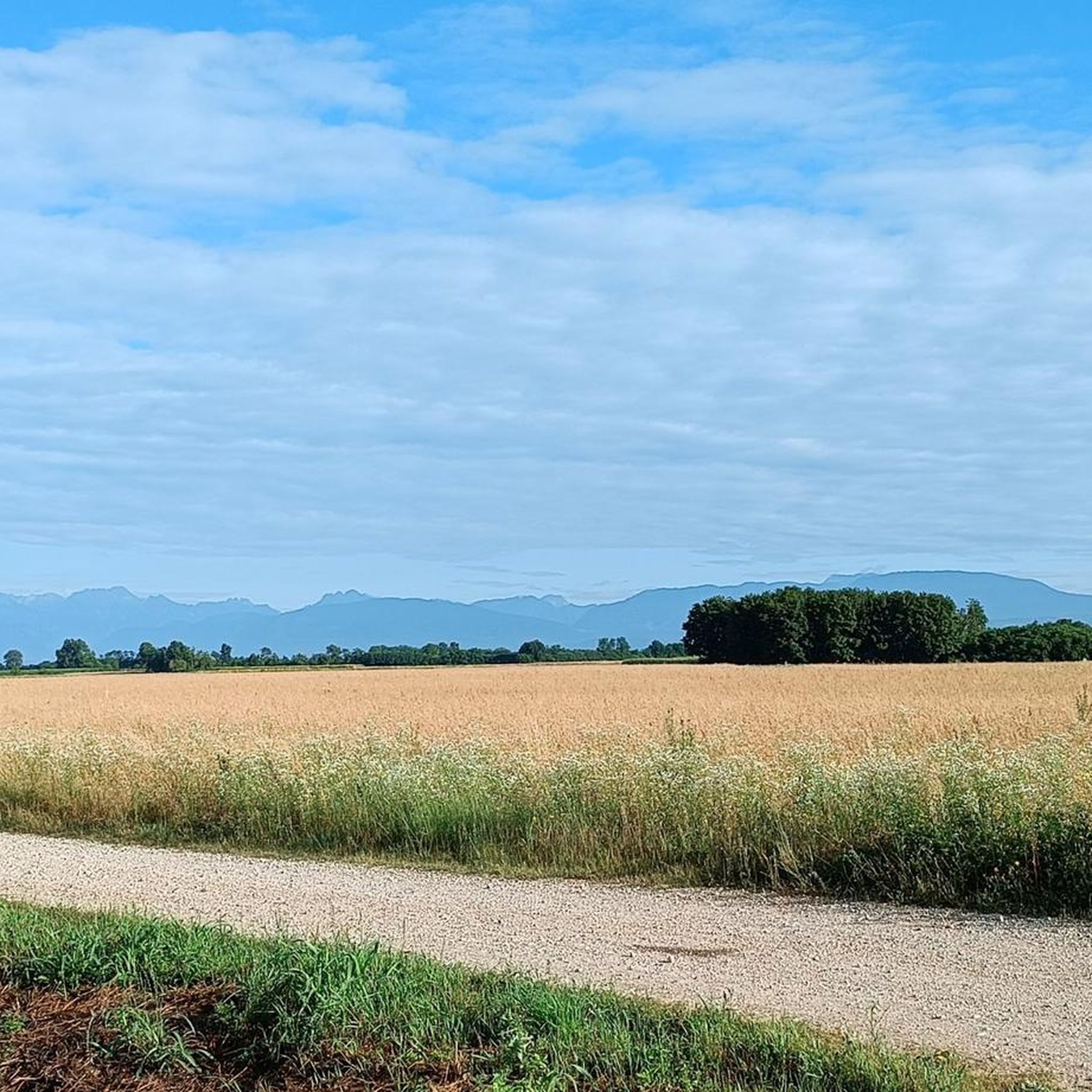
nice place for bike and walking tours and good place to leave the car
0
0

Beautiful little lake beautifully situated
0
0


There is also a short suggestive and hidden route that leads behind Lazzacco
0
0
Frequently Asked Questions
What unique geological features can I explore around San Vito di Fagagna?
The region offers diverse geological formations. You can visit the Lago di Ragogna, the only intermorenic lake in Friuli Venezia Giulia, formed by glacial activity. Further afield, the impressive Grotte di Villanova (Villanova Caves) are Europe's largest 'contact' cave, showcasing extensive networks and stunning stalactites and stalagmites.
Are there any historical natural monuments in the area?
Yes, you can visit The Tumbule of Foscjan. This historical natural monument is a tumulus tomb dating back to the Middle Bronze Age, featuring a solitary tree on a small hill, offering a unique blend of history and natural landscape.
Where can I go for birdwatching or to see local wildlife?
For birdwatching and wildlife, Lago di Ragogna is an excellent choice. It's a biodiversity hotspot and a transit point for numerous migratory bird species. Additionally, the Oasi dei Quadris Nature Reserve allows you to observe various animal species, including storks, ibis, and nutria, along its pedestrian path.
Are there family-friendly natural monuments around San Vito di Fagagna?
Absolutely! Several natural monuments are suitable for families. These include Lago di Ragogna with its pedestrian path and picnic areas, The Tumbule of Foscjan for a historical outdoor experience, the Lazzacco Peat Bog Nature Reserve, the Oasi dei Quadris Nature Reserve with its animal species, and the educational Path of the Springs.
What kind of natural reserves or protected areas can I visit?
The region features significant protected areas. The Lazzacco Peat Bog Nature Reserve is a fine example of a surviving peat bog, important for its botanical species and amphibian/reptile fauna. Lago di Ragogna is also recognized as a Site of Community Importance (SIC) due to its unique natural features and biodiversity, including the rare 'water chestnut'.
What outdoor activities can I do near these natural monuments?
You can enjoy various outdoor activities. For cycling, explore routes like the 'Villalta Castle – The Tumbule of Foscjan loop' or the 'View of the Tagliamento River – Lago di Ragogna loop'. Gravel biking options include the 'Fagagna – Castello d'Arcano Superiore loop'. If you prefer running, try the 'Fagagna – Fagagna Castle loop'. You can find more details on these and other routes in the cycling, gravel biking, and running guides for San Vito di Fagagna.
Are there hiking or walking trails near the natural monuments?
Yes, many natural monuments offer pleasant walking opportunities. Around Lago di Ragogna, there's a well-maintained pedestrian and cycle path. The Path of the Springs is a suggestive trail for walking or running. For more extensive routes, check the running trails guide, which includes options like the 'Fagagna – Fagagna Castle loop'.
What do visitors enjoy most about the natural monuments around San Vito di Fagagna?
Visitors particularly appreciate the serene natural environment and the well-maintained paths. For instance, the area around Lago di Ragogna is praised for its beautiful pedestrian path, picnic areas, and lookout points. The unique blend of history and nature at The Tumbule of Foscjan also receives positive feedback for its suggestive setting.
What is the best time to visit the natural monuments in this region?
The internal temperature of the Grotte di Villanova remains a constant 11 degrees Celsius year-round, making it a good option regardless of the season, though warm clothing is advised. For outdoor sites like Lago di Ragogna and the nature reserves, spring and autumn offer pleasant temperatures and vibrant scenery, ideal for walking and exploring. Summer is also popular, but be prepared for warmer weather.
Are there any hidden natural gems worth discovering?
While not exactly 'hidden,' the Lazzacco Peat Bog Nature Reserve is a fine surviving example of peat bogs in the hilly area of Friuli, offering a unique ecological experience. It also features a short, suggestive, and somewhat hidden route behind Lazzacco, perfect for those looking for a quieter exploration.
What should I know before visiting the Grotte di Villanova?
The Grotte di Villanova offer guided tours lasting about 1.5 hours. The path inside includes approximately 500 steps, so comfortable walking shoes are recommended. The internal temperature is a constant 11 degrees Celsius, so bring warm clothing. The caves are known for their unique geological formations and the potential benefits of 'speleotherapy' from the pure air.
Can I find places to relax and have a picnic near the natural monuments?
Yes, Lago di Ragogna is well-equipped with benches and designated picnic areas, making it an ideal spot for a relaxing break amidst nature. The site is very well kept and offers beautiful views.
Most popular routes around San Vito Di Fagagna
Most popular attractions around San Vito Di Fagagna

Get inspired with the komoot mobile app


Explore more
Extend your search for the best caves by checking out these guides of the top ones around San Vito Di Fagagna:
