Top 11 Natural Monuments around Domus De Maria
Best natural monuments around Domus De Maria are found in the scenic Sulcis region of southern Sardinia, known for its diverse and captivating natural landscapes. The area features a variety of natural attractions, from extensive forests to dramatic coastlines and pristine beaches. These formations offer opportunities to explore the region's rich biodiversity and geological features. Domus De Maria provides a range of natural wonders for outdoor enthusiasts.
Best natural monuments around Domus De Maria
- The most popular natural monuments is…
Last updated: October 15, 2026
Chia Beach
Highlight • Beach
Translated by Google •
Tip by

Piscinnì Beach
Highlight • Beach
Translated by Google •
Tip by

Sign up now to discover places like this
Get recommendations on the best single tracks, peaks, & plenty of other exciting outdoor places.
Mitza Fanebas Spring
Highlight • Natural Monument
Tip by

Caves of Is Zuddas
Highlight • Cave
Translated by Google •
Tip by

View of Cape Spartivento from Above
Highlight • Viewpoint
Translated by Google •
Tip by

Sign up for free to discover even more natural monuments around Domus De Maria.
Already have an account?
Start today with a free account
Your next adventure awaits.
Popular around Domus De Maria
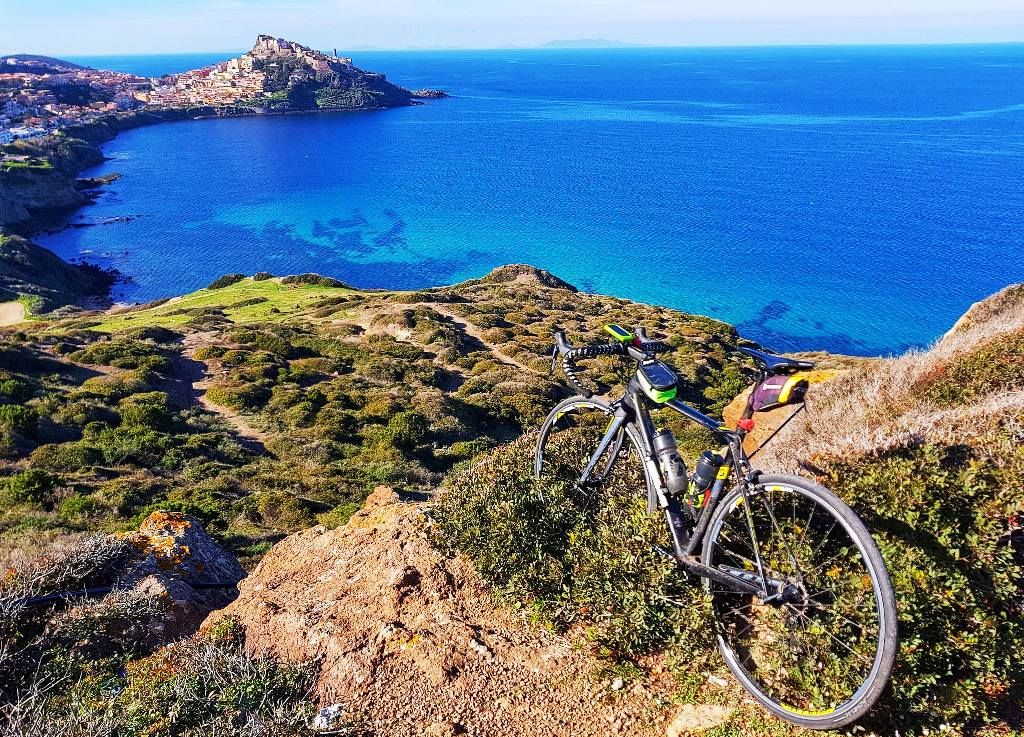
Sardinia by road bike – ten routes to discover the island
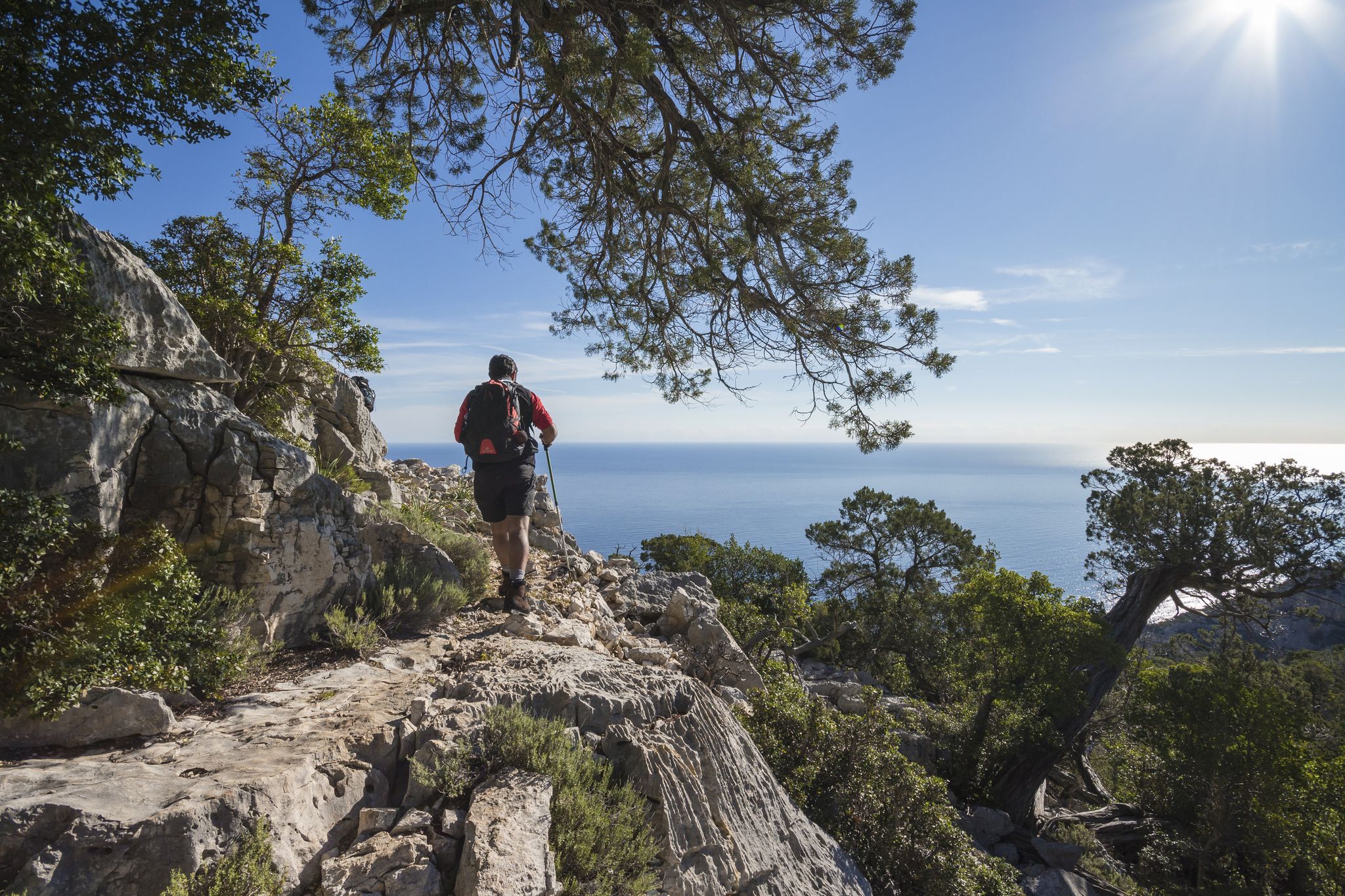
Magnificent Sardinia – day hikes overlooking the sea
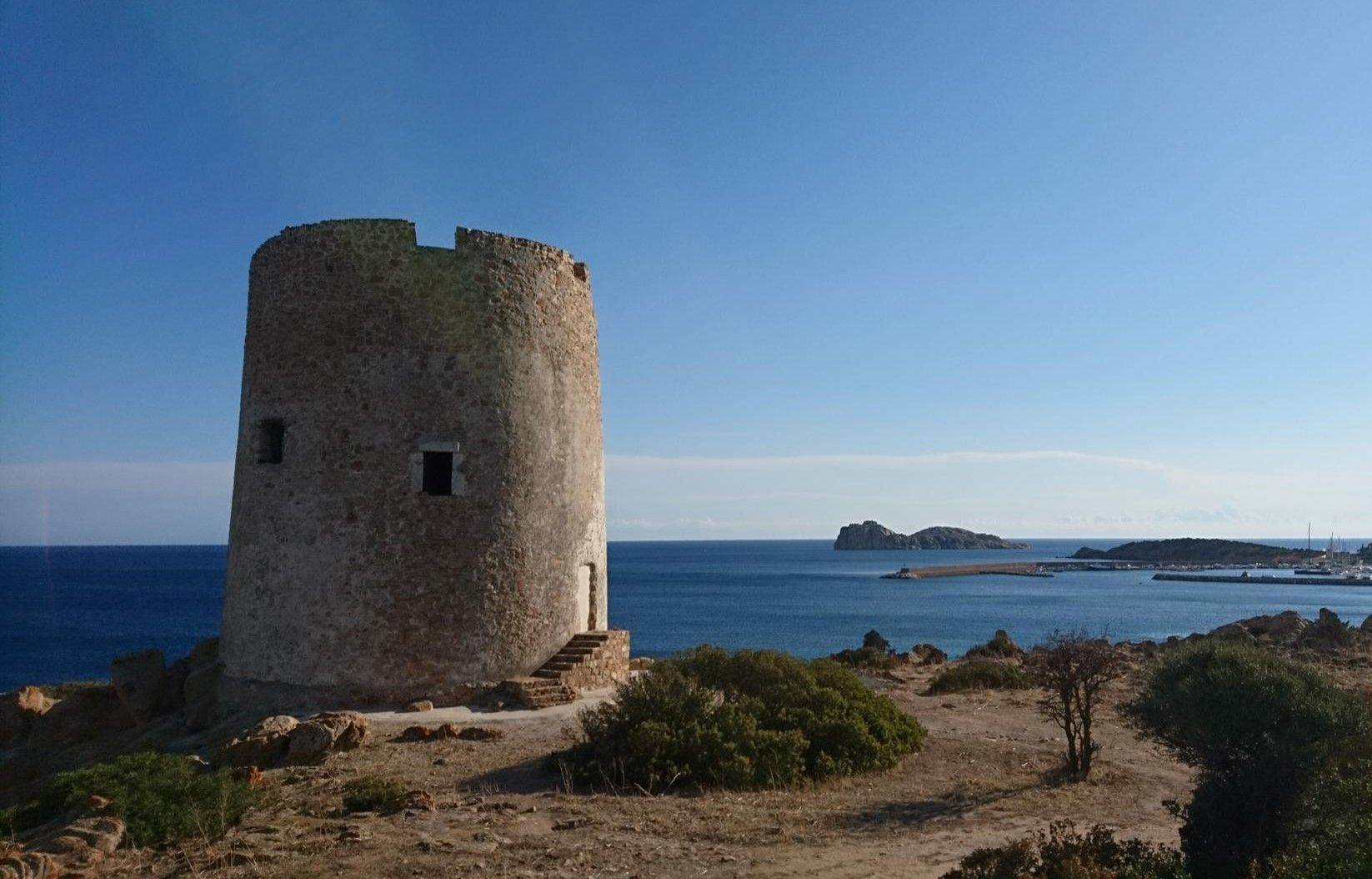
Portoscuso to Cagliari on the Via del Martirio – Cammino 100 Torri
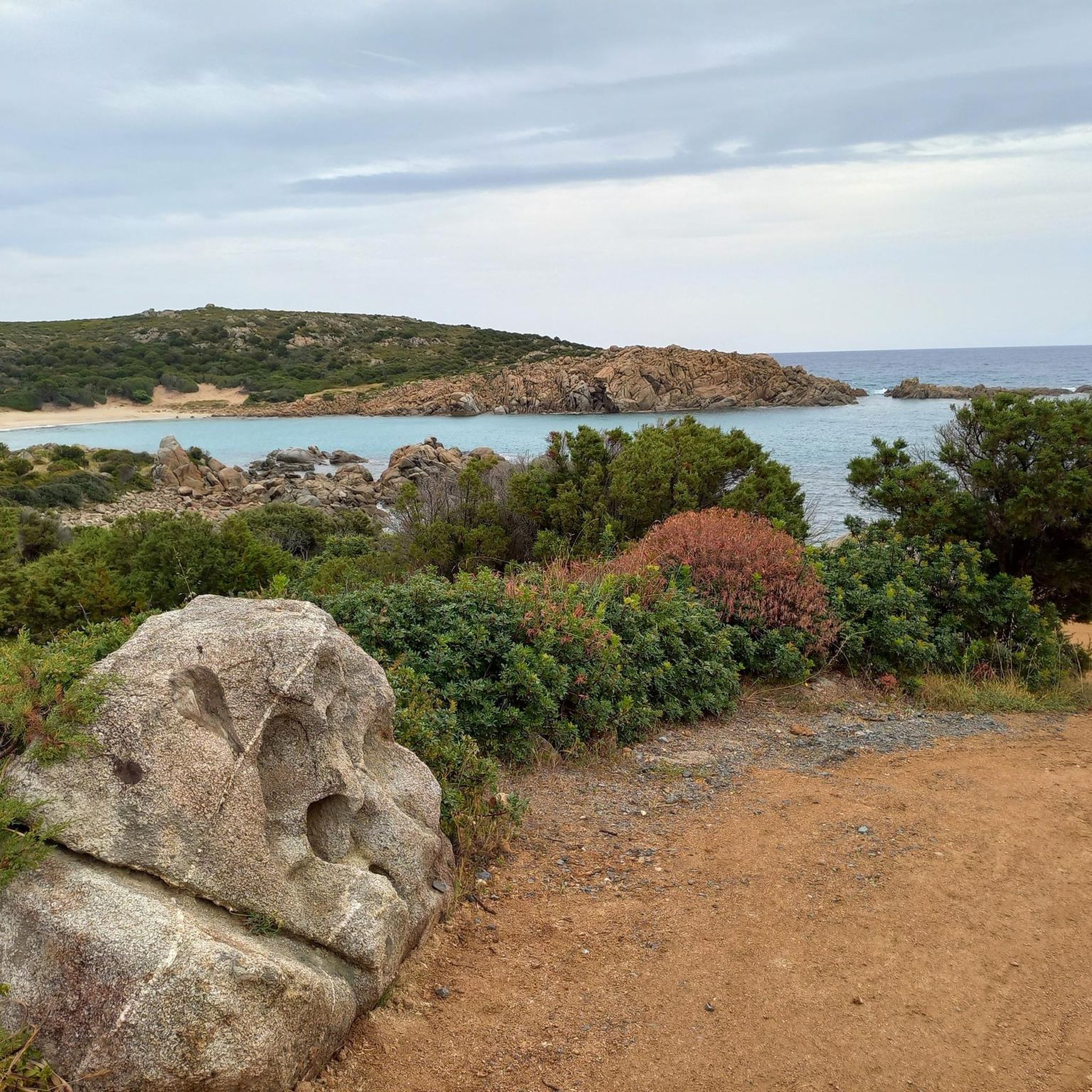
Hiking around Domus De Maria
Road Cycling Routes around Domus De Maria
Running Trails around Domus De Maria
Cycling around Domus De Maria
MTB Trails around Domus De Maria

Gravel biking around Domus De Maria
Other adventures around Domus De Maria


Tips from the Community

Entry is only allowed with a guide, every 15-30 min. The last tour before the lunch break is at 12:15, afterwards at 15:00.
0
0

Pretty empty out of season.
5
0

I followed the entire route along the SP1, but there are several trails in the woods that branch off from the dirt road and then rejoin. The highest point is at the end of the Santadi area, then you descend again to the picnic area. I recommend following the SP1 for the uphill sections and using the trails to descend the mountains.
0
0

A visit including a guided tour is worthwhile. It takes about 1 hour.
0
0


The Is Zuddas caves, located in Sulcis near Santadi, are located in Monte Meana, a 530 million year old Dolomite massif. Discovered in 1971, these active caves maintain a constant temperature of 16°C and high humidity. The 500-meter route reveals remarkable concretions, including the rare needle-shaped aragonites called "cave flowers", and in the initial part there are fossil remains of Prolagus sardus, an extinct endemic lagomorph.
2
0

Beautiful sheltered beach with very white sand
1
0
Frequently Asked Questions
What are some of the most popular natural monuments to visit around Domus De Maria?
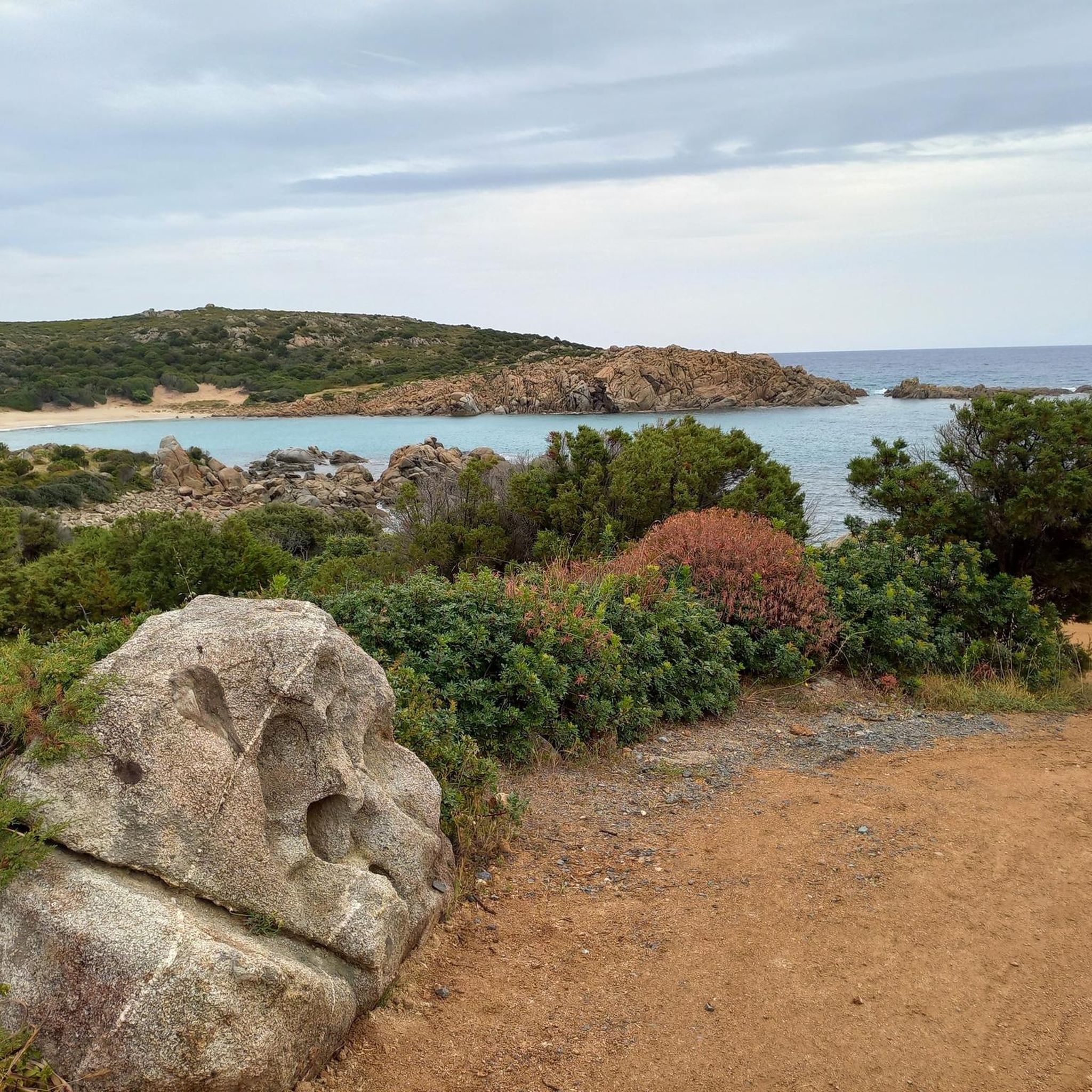
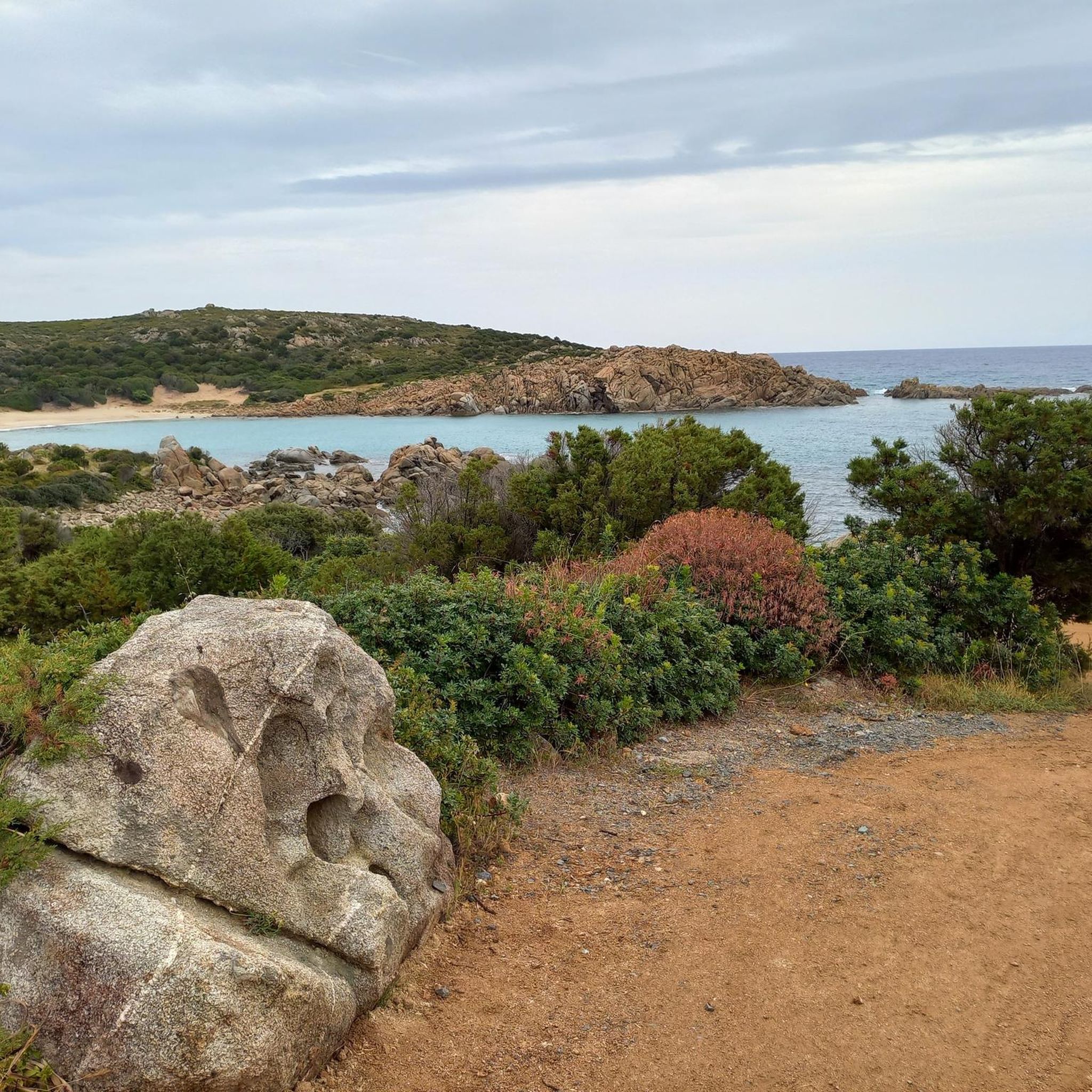
Visitors frequently enjoy the View of Cape Spartivento from Above, which offers expansive vistas of the Mediterranean scrub and coastline. Another highly regarded spot is Piscinnì Beach, known for its fine sand, clear waters, and dramatic clay and granite cliffs. The Beautiful panoramic view also provides a scenic outlook over a wooded ridge and unique rock formations.
Are there family-friendly natural monuments in Domus De Maria?
Yes, several natural monuments are suitable for families. Piscinnì Beach is a great option for its clear waters and sandy shores. The Caves of Is Zuddas offer an educational and fascinating experience for all ages, showcasing unique geological formations. Additionally, the View of Cape Spartivento from Above provides stunning scenery that can be enjoyed by families.
What unique geological features can be found in the natural monuments of Domus De Maria?
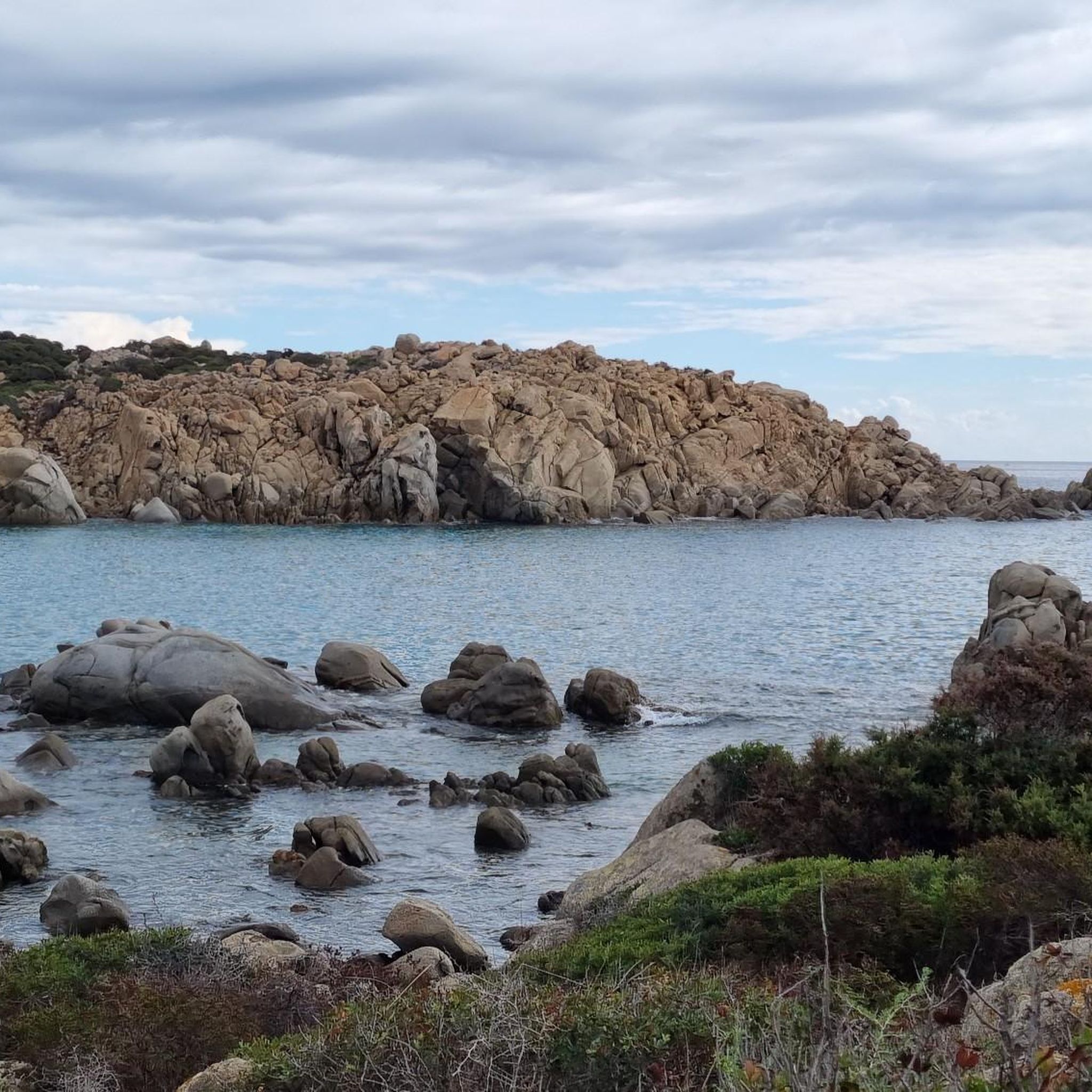
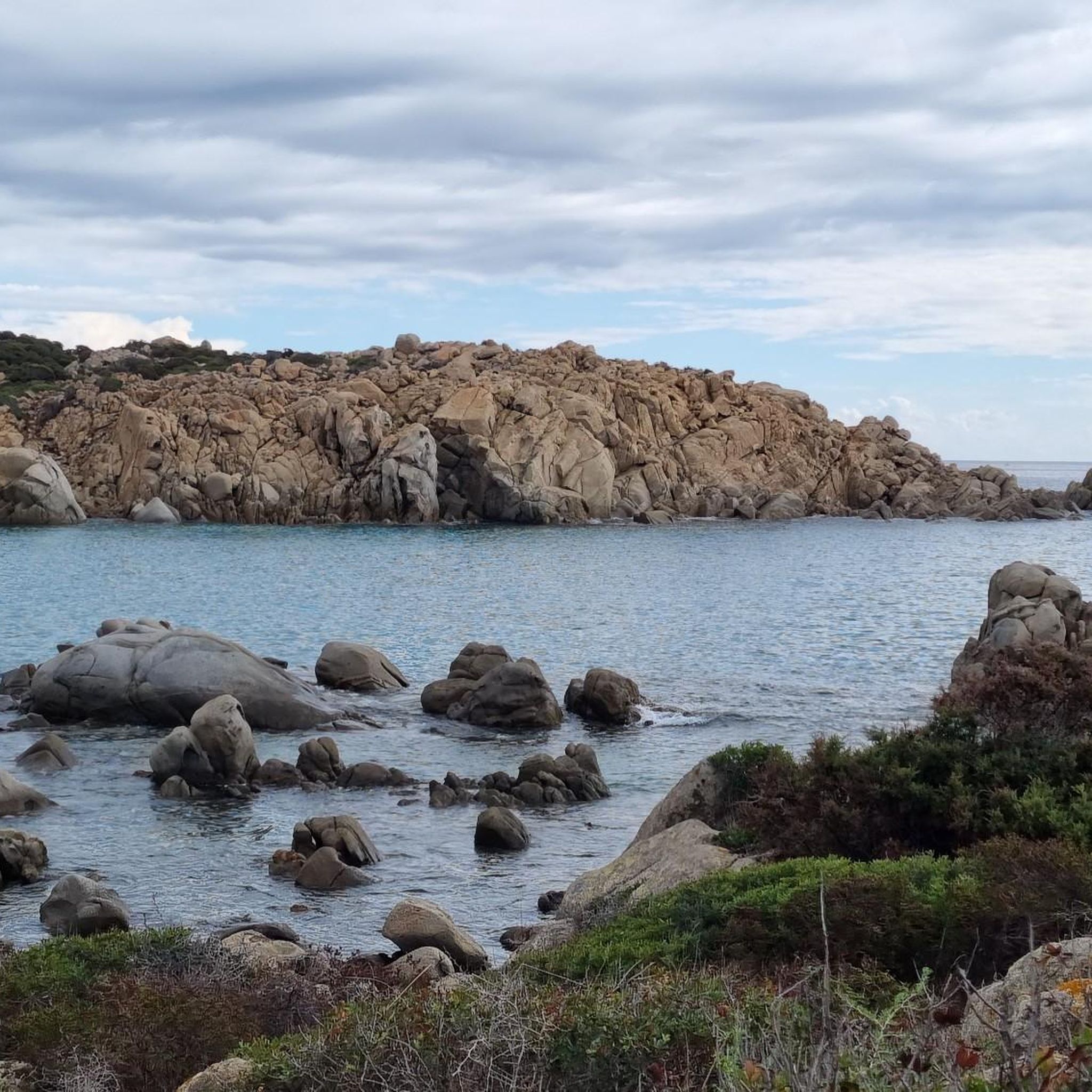
The region is rich in diverse geological formations. The Caves of Is Zuddas are particularly notable, located within a 530-million-year-old Dolomite massif. These active caves feature remarkable concretions, including rare needle-shaped aragonites known as 'cave flowers'. Along the coast, areas like Capo Spartivento are characterized by dramatic granite rock formations, while Piscinnì Beach is framed by high clay and granite cliffs.
Where can I spot wildlife in the natural monuments around Domus De Maria?
The Is Cannoneris Forest is a prime location for wildlife spotting. It's a haven for Sardinian deer, fallow deer, wild boars, weasels, dormice, and foxes. Raptors such as the golden eagle and peregrine falcon can often be seen in the sky. Additionally, the lagoon behind Su Giudeu Beach is a habitat for flamingos and other diverse water birds, making it a popular spot for birdwatching.
What outdoor activities can I do near these natural monuments?
Domus De Maria offers a variety of outdoor activities. You can explore numerous hiking trails, such as those leading to Capo Spartivento or along the Chia seafront. For cycling enthusiasts, there are gravel biking and mountain biking routes available. You can find more details on these activities in the Hiking around Domus De Maria, Gravel biking around Domus De Maria, and MTB Trails around Domus De Maria guides.
Are there easy-to-access natural monuments for those with limited mobility?
While many natural monuments in the region involve some walking or hiking, areas like Su Giudeu Beach offer relatively easy access to its wide sandy stretches. For specific accessibility information regarding individual sites, it's advisable to check local tourist information or contact the sites directly, as detailed wheelchair accessibility can vary.
When is the best time to visit the natural monuments around Domus De Maria?
The best time to visit is generally during the spring (April-June) and autumn (September-October) months. During these periods, the weather is pleasant for outdoor activities like hiking and exploring, and the natural landscapes are vibrant. Summer can be very hot, especially for inland areas, but is ideal for enjoying the beaches and coastal natural monuments.
Can I bring my dog to the natural monuments and trails?
Dog-friendly policies can vary by specific location and protected area regulations. While many outdoor trails and natural spaces in Sardinia are generally welcoming to dogs on a leash, it's always best to check the specific rules for each natural monument, especially for beaches or protected forests like Is Cannoneris, to ensure compliance and respect for wildlife.
Are there any hidden natural gems or less-known spots worth exploring?
Beyond the well-known sites, the Is Cannoneris Forest offers a vast and thriving naturalistic oasis with numerous watercourses, natural pools, and waterfalls, providing a more secluded experience. The Mitza Fanebas Spring is another natural monument that offers a tranquil escape into the woods, with trails branching off the main road.
What are the best natural monuments for photography?
For breathtaking photographic opportunities, Capo Spartivento offers dramatic granite formations and expansive views of the Mediterranean Sea. Su Giudeu Beach, with its fine golden sand, clear turquoise waters, and picturesque sand dunes, provides stunning coastal shots. The View of Cape Spartivento from Above is also highly recommended for its panoramic vistas.
What kind of vegetation can I expect to see in the natural areas?
The region boasts diverse Mediterranean vegetation. The Is Cannoneris Forest is characterized by extensive holm oak, conifer, and Mediterranean scrubland. Coastal areas like Cala Cipolla feature dense Mediterranean vegetation, including pine and juniper trees, providing natural shade and enhancing the scenic beauty.
Is parking available at the natural monuments?
Parking availability varies by location. For popular spots like Piscinnì Beach, parking facilities are typically available. For more remote natural monuments or trailheads, parking might be less formal or require specific access. It's advisable to research specific parking options for your chosen destination beforehand.
Most popular routes around Domus De Maria
Most popular attractions around Domus De Maria

Get inspired with the komoot mobile app


Explore more
Extend your search for the best caves by checking out these guides of the top ones around Domus De Maria:
