Top 5 Natural Monuments around Gonnostramatza
Best natural monuments around Gonnostramatza are found within a landscape characterized by soft marly heights and basaltic cliffs. The village is situated in the Marmilla region, serving as a base for exploring the nearby Monte Arci Park and the Giare. This area features ancient volcanic formations, extensive forests, and unique geological structures. The Riu Mannu river flows through Gonnostramatza, contributing to its natural setting.
Best natural monuments around Gonnostramatza
- The most popular natural monuments is Tomb of the Giants Sa…
Last updated: June 28, 2026
Tomb of the Giants Sa Domu e S'Orku
Highlight • Historical Site
Translated by Google •
Tip by

Domus de Janas Sa Domu e S'Orku
Highlight • Cave
Translated by Google •
Tip by

Sign up now to discover places like this
Get recommendations on the best single tracks, peaks, & plenty of other exciting outdoor places.
Sign up for free
Giara di Siddi
Highlight (Segment) • Natural Monument
Translated by Google •
Tip by
Giants' Tomb of Su Cuaddu 'e Nixias
Highlight • Historical Site
Translated by Google •
Tip by

Ancient Olive Tree of San Domino Church
Highlight • Natural Monument
It stands near the parish church of Santa Maria and is surrounded by a large green area that separates it from the surrounding area.
Translated by Google •
Tip by

Sign up for free to discover even more natural monuments around Gonnostramatza.
Sign up for free
Already have an account?
Start today with a free account
Your next adventure awaits.
Login or Signup
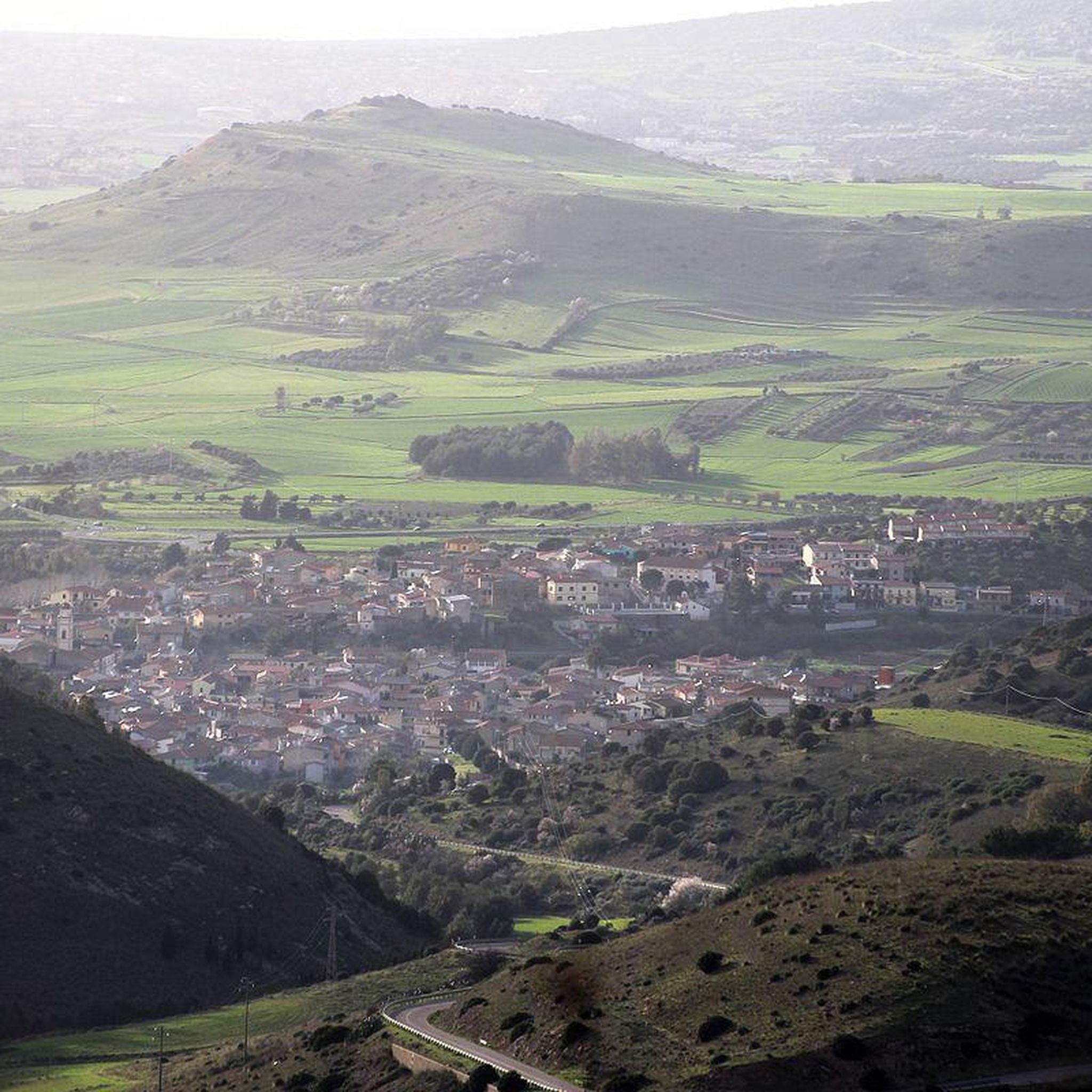
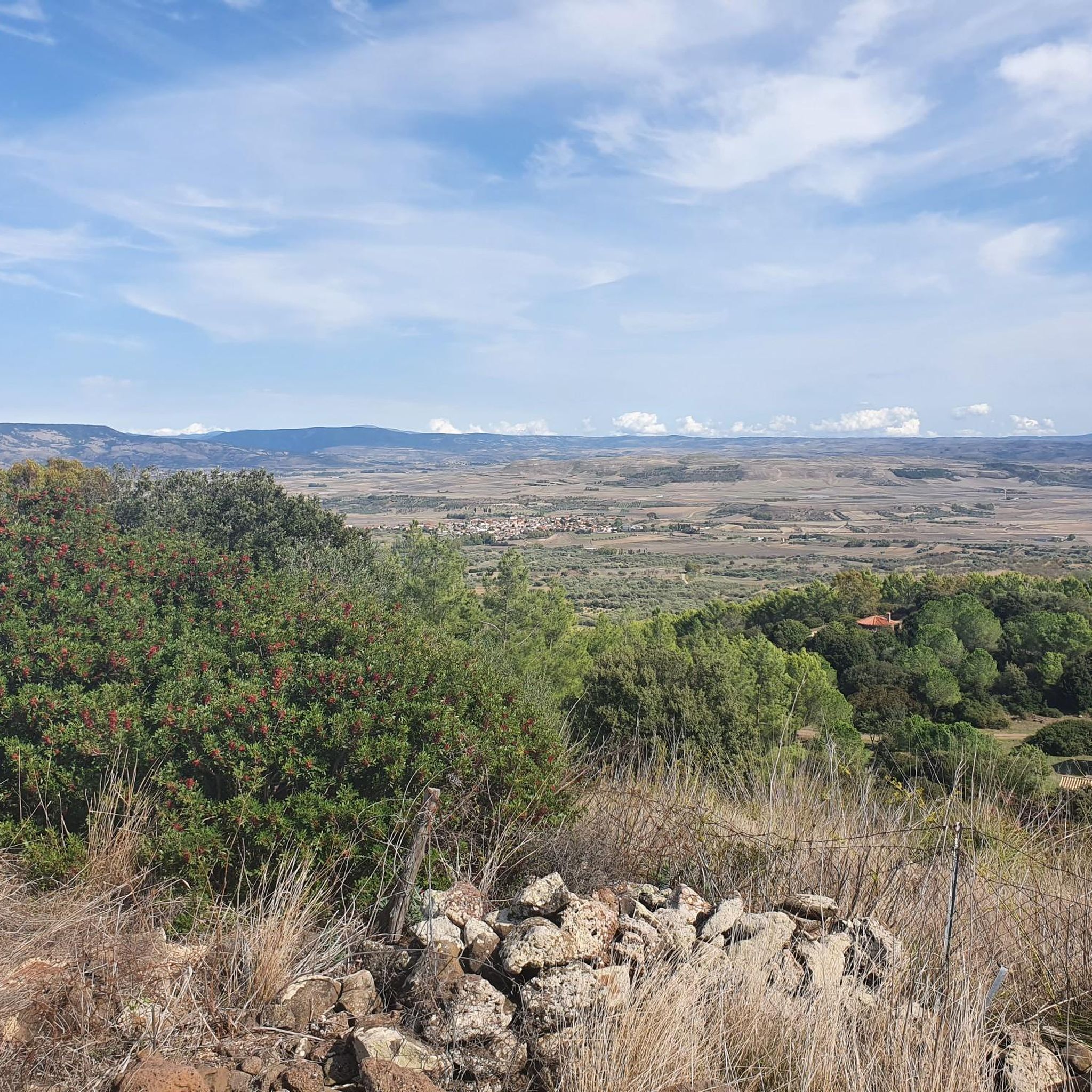


Tips from the Community

Visitors taking the path past the Church of San Marco can admire the centuries-old olive trees and reach "Su strintu 'e cresia." Turning right, you can visit the Parish Church of Santa Maria and, in the area in front, the Church of San Domino, which houses a centuries-old olive tree declared a UNESCO World Heritage Site. https://monumentiaperti.com/it/edizioni/2024/comuni/genuri/monumenti/ulivi-plurisecolari-dichiarati-patrimonio-dellunesco/
1
0
The Church of San Domino is located in the Genuri countryside. It stands near the parish church of Santa Maria and is surrounded by a large green area that separates it from the surrounding area. Based on its architectural style, it is believed to have been built in the 15th century, almost contemporaneously with that of San Marco Evangelista. Due to its status as a listed building, extensive restoration work was necessary in the 1990s. Today, the church presents itself as it was restored. The structure is simple and consists of a single nave, to which a small building was added on the right side in the 19th century. This building serves as a sacristy and partially encloses two of the three buttresses that support the church on each side. The flat-topped façade is characterized by well-hewn stone blocks and is flanked by a wall on which the bell gable with two arches, also added in the 19th century, rises. The church is characterized by its extreme simplicity and the absence of any distinctive architectural elements. Inside, an important decorative element has been preserved: a very original small altar in painted stone, consisting of a base supporting a niche with an architrave between two columns with capitals, framed by the symbols of the four evangelists and two medallions bearing Christ's monogram. A Latin inscription runs along the architrave, decorated with dentils. https://idese.cultura.gov.it/place/chiesa-di-san-domino/
1
0

Sa Dome and s'Orku, one of the best preserved giants' tombs on the island
0
0

Tamba dei Giganti really beautiful and impressive, a pity that part of the arch on the sides of the entrance is missing
0
0
Not complete, but the main stone is very beautiful
1
0
Beautiful still completely intact even if not very well cared for, it can be easily reached from the road
0
0

There are about 800 Giants' Tombs in Sardinia. The one inside the archaeological site of the Giara di Siddi is one of the best preserved Nuragic funerary monuments.
1
0

It represents the oldest tomb of the giants in Sardinia, dating back to the centuries 1700-1600 BC. The hole on the upper part of the stele is particular, according to popular legend it was used to tie up horses.
1
0
Frequently Asked Questions
What are the most significant natural monuments to visit near Gonnostramatza?
The region around Gonnostramatza offers a blend of historical and natural sites. Notable natural monuments include the ancient Tomb of the Giants Sa Domu e S'Orku on the Giara di Siddi, and the Domus de Janas Sa Domu e S'Orku, an intact ancient burial cave near Giara di Gesturi. Another important site is the Giants' Tomb of Su Cuaddu 'e Nixias, which is the oldest of its kind in Sardinia.
What kind of natural features can I expect to see in the Gonnostramatza area?
The landscape around Gonnostramatza is characterized by soft marly heights and basaltic cliffs. You'll find valleys with vineyards, almond groves, and olive trees. The Riu Mannu river flows through the village itself. The broader region, especially Monte Arci Park, features ancient volcanic formations, extensive beech and holm-oak forests, numerous springs, and small streams. The Giare plateaus, like Giara di Siddi, are also prominent basaltic formations.
Are there historical or archaeological natural monuments around Gonnostramatza?
Yes, many natural monuments in the area have significant historical and archaeological value. For instance, the Tomb of the Giants Sa Domu e S'Orku is one of the best-preserved Nuragic funerary monuments. The Domus de Janas Sa Domu e S'Orku is an ancient burial cave, and the Giants' Tomb of Su Cuaddu 'e Nixias dates back to 1700-1600 BC, representing the oldest tomb of its kind in Sardinia.
What outdoor activities are available near these natural monuments?
The region offers diverse outdoor activities. You can explore the area through various routes, including cycling, hiking, and mountain biking. For hiking, consider routes like the 'Monte Arci - Trebina Longa – Monte Arci lookout loop' or the 'Pauli Piccia Wild Horses – Pinnettas Shepherd Huts loop'. Cycling enthusiasts might enjoy the 'Giara di Siddi Loop'. You can find more details on these activities and routes in the Hiking around Gonnostramatza, Cycling around Gonnostramatza, and MTB Trails around Gonnostramatza guides.
Is Monte Arci Park considered a natural monument, and what does it offer?
Yes, Monte Arci Park is a significant natural monument in the vicinity of Gonnostramatza. It's an ancient extinct volcano famous for holding Sardinia's largest obsidian deposit. The park features lush beech and holm-oak forests, numerous springs, and small streams. Visitors can explore ancient obsidian quarries, a museum dedicated to the mineral, and an extensive network of hiking trails, some stretching up to 200 kilometers.
What is the <a href="https://www.komoot.com/highlight/5377241" target="_blank" rel="noopener">Giara di Siddi</a>, and what makes it unique?
The Giara di Siddi, also known as su Pranu, is one of three basaltic 'tables' in Marmilla, formed by ancient lava flows. It has a distinctive inverted 'T' shape when viewed from above, with high, steep walls. Its southern side features reddish spots, and it preserves valuable pre-Nuragic and Nuragic legacies, including one of the best-preserved Tombs of Giants on the island, the Tomb of the Giants Sa Domu e S'Orku.
Are the natural monuments around Gonnostramatza suitable for families?
Many sites are suitable for families, especially those with easy access. For example, the Domus de Janas Sa Domu e S'Orku is noted as easy to reach. When planning, consider the difficulty ratings of specific trails. For instance, the 'Casa Vacanze Montis – Casa Tita Wine and Territory loop' is an easy hiking route suitable for families.
Can I bring my dog to the natural monuments and trails?
While specific regulations for each site vary, many natural areas and trails in Sardinia are generally dog-friendly, especially if dogs are kept on a leash. It's always advisable to check local signage or park rules for specific monuments like Monte Arci or the Giare to ensure compliance and respect for wildlife.
What is the best time of year to visit the natural monuments near Gonnostramatza?
The spring (April-May) and autumn (September-October) months are generally ideal. During these periods, the weather is pleasant for hiking and exploring, and the landscapes are vibrant. Summer can be very hot, making longer excursions less comfortable, while winter can bring cooler temperatures and occasional rain.
How accessible are the natural monuments, particularly regarding parking?
Accessibility varies by site. Many historical natural monuments like the Tombs of Giants are often reachable by car with nearby parking, though some may require a short walk. For larger areas like Monte Arci Park, there are designated parking areas near trailheads. The Domus de Janas Sa Domu e S'Orku is noted as easy to reach from the road.
What do visitors enjoy the most about the natural monuments in this region?
Visitors frequently appreciate the historical depth combined with natural beauty. The well-preserved Nuragic funerary monuments, like the Tomb of the Giants Sa Domu e S'Orku, offer a unique glimpse into ancient history. The serene landscapes of the Giare and the extensive forests of Monte Arci are also highly valued for their immersive natural experience and opportunities for exploration.
Are there any waterfalls or unique geological formations to see?
Yes, the region features unique geological formations such as the basaltic plateaus of the Giare, which were formed by ancient lava flows. You can also visit the Rio Is Salonis Waterfall near Morgongiori, though it's important to note that it can sometimes be without water, especially during drier months.
How difficult are the trails around the natural monuments?
The trails around the natural monuments near Gonnostramatza range in difficulty. You can find easy routes, such as the 'Casa Vacanze Montis – Casa Tita Wine and Territory loop', as well as moderate options like the 'Monte Arci - Trebina Longa – Monte Arci lookout loop'. More challenging routes, like the 'Giara di Siddi Loop' for cycling, are also available for experienced adventurers. Always check the difficulty rating before embarking on a trail.
Most popular attractions around Gonnostramatza

Get inspired with the komoot mobile app


Explore more
Extend your search for the best caves by checking out these guides of the top ones around Gonnostramatza:
