Top 5 Natural Monuments around Aidumajore/Aidomaggiore
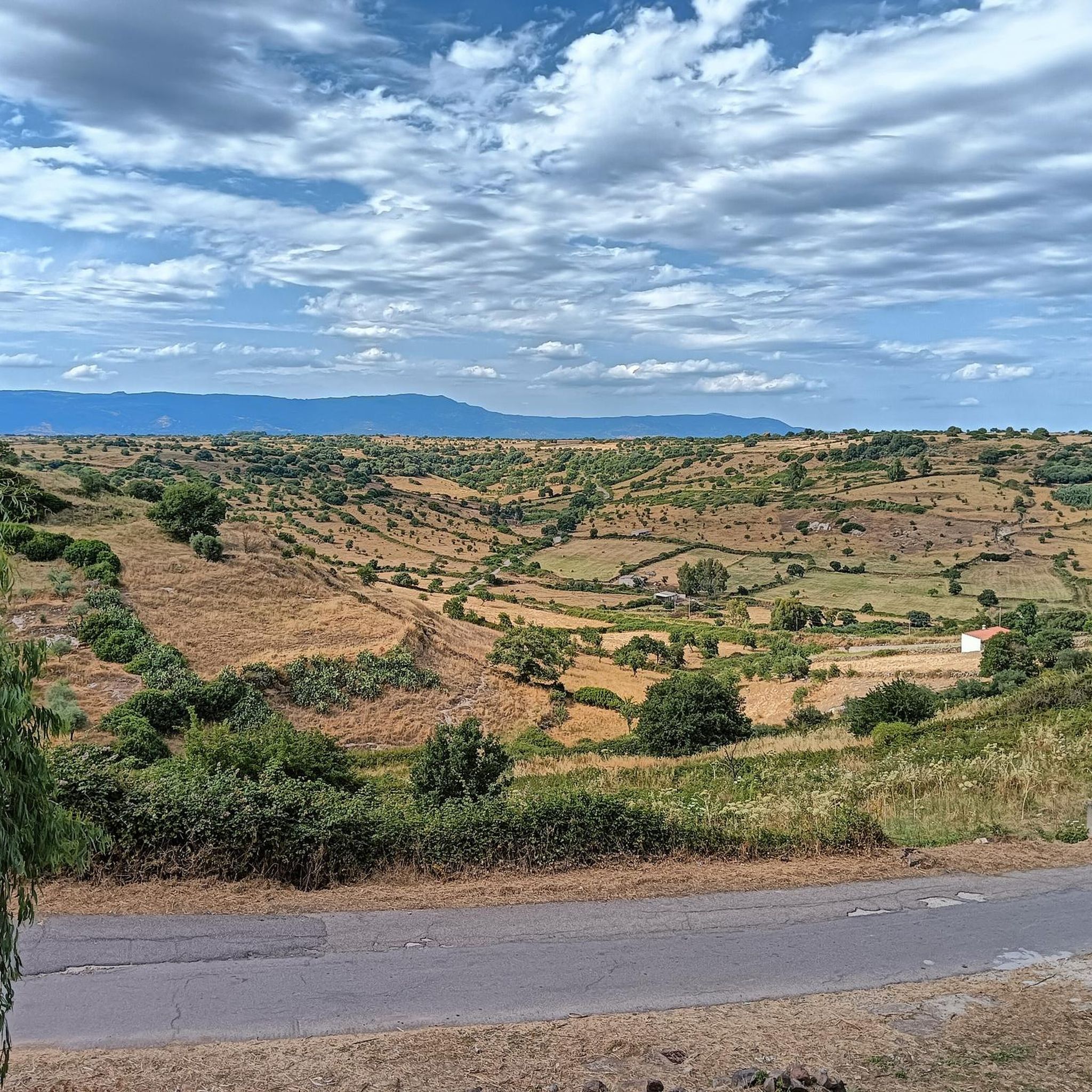
Natural monuments around Aidumajore/Aidomaggiore are situated in the historic Barigadu area of Sardinia, offering a landscape of cork woods, olive groves, and vineyards. The region is notable for its natural setting, which includes the artificial Omodeo Lake, one of Europe's largest. This area combines natural beauty with archaeological sites, such as Nuraghi and Giants' Tombs, enhancing its appeal for exploration. The untouched wilderness provides opportunities to experience the Sardinian hinterland.
Best natural monuments around Aidumajore/Aidomaggiore
- The most popular natural monument is Tomb of the Giants of Imbertighe, a historical site that features an arched stele still perfectly intact. This site is considered one of the most well-preserved Giants' Tombs in Sardinia.
- Another must-see spot is Church of Santa Maria Maddalena and Fossil Trees, a religious building and natural monument. Visitors can enjoy views of Lake Omodeo from its location, and its courtyard contains large fossil trunks from the petrified forest of Montigu Abile.
- Visitors also love Funtana Manna, a natural monument providing fresh water even in summer. This spot offers a space for rest and features a nativity scene made of wood and cork.
- Aidumajore/Aidomaggiore is known for its historical sites like Giants' Tombs and Nuragic springs, as well as unique natural features such as fossil trees and cork oak trees. The area offers a variety of natural monuments to see and explore, blending ancient history with the natural environment.
- The natural monuments around Aidumajore/Aidomaggiore are appreciated by the komoot community, with 5 upvotes and 3 photos contributed by visitors.
Last updated: June 28, 2026
Tomb of the Giants of Imbertighe
Highlight • Historical Site
Translated by Google •
Tip by

Church of Santa Maria Maddalena and Fossil Trees
Highlight • Religious Site
Translated by Google •
Tip by

Sign up now to discover places like this
Get recommendations on the best single tracks, peaks, & plenty of other exciting outdoor places.
Sign up for free
Funtana Manna
Highlight • Natural Monument
At the time of passing (08/2024) to the right of the fountain there is a nativity scene on two levels in wood and cork.
Translated by Google •
Tip by
Cork Oak Tree
Highlight • Natural Monument
Translated by Google •
Tip by

Nuragic Spring of Erighighine
Highlight • Historical Site
Translated by Google •
Tip by

Start today with a free account
Your next adventure awaits.
Login or Signup
Tips from the Community

Fresh water even in summer and space for rest. At the time of passing (08/2024) to the right of the fountain there is a nativity scene on two levels in wood and cork.
2
0

The Nuragic source of Erighighine is located in the municipality of Aidomaggiore and includes the nuraghe of the same name, a well and the giants' tombs. Unfortunately it is an uncultivated site, among brambles, it deserves more attention
0
0
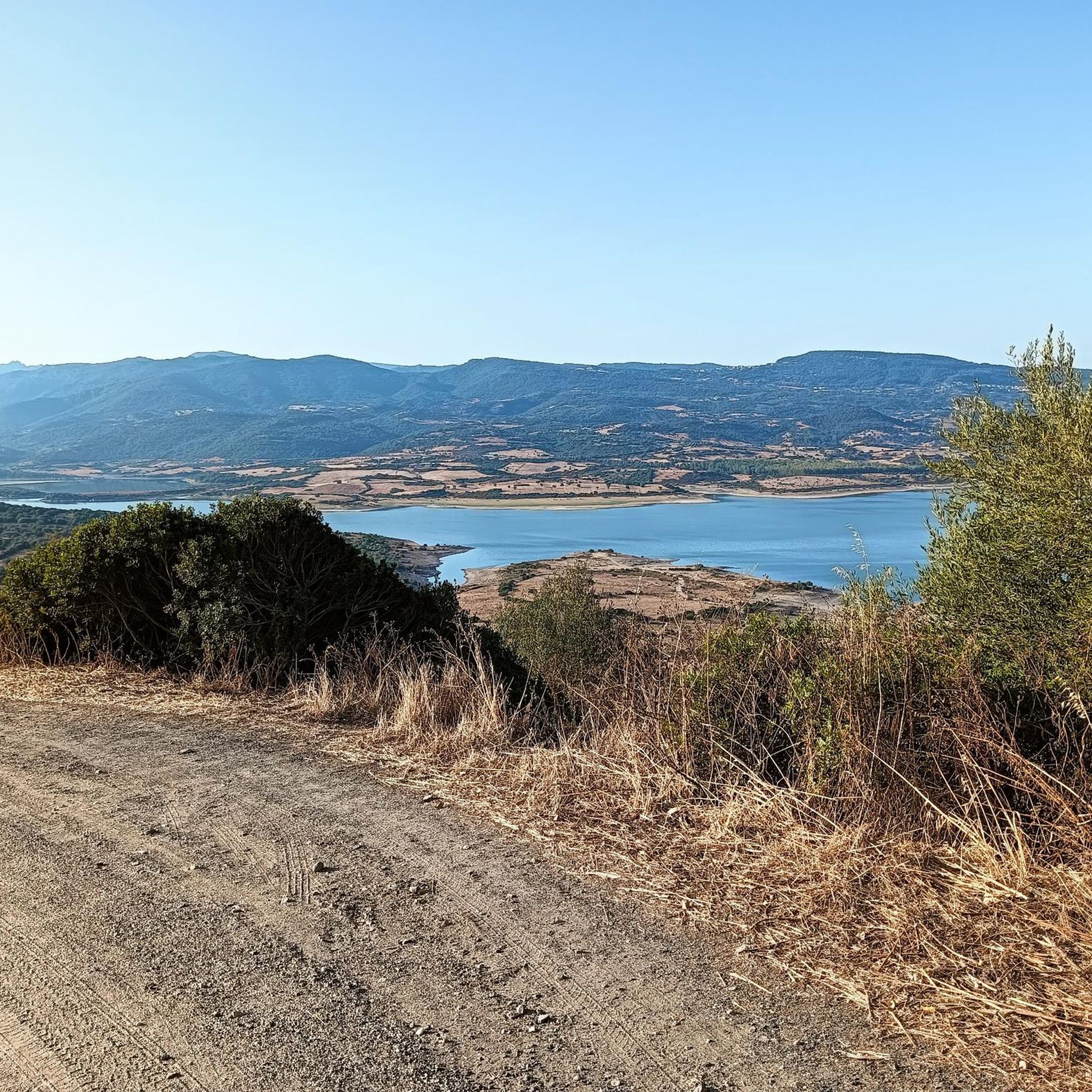
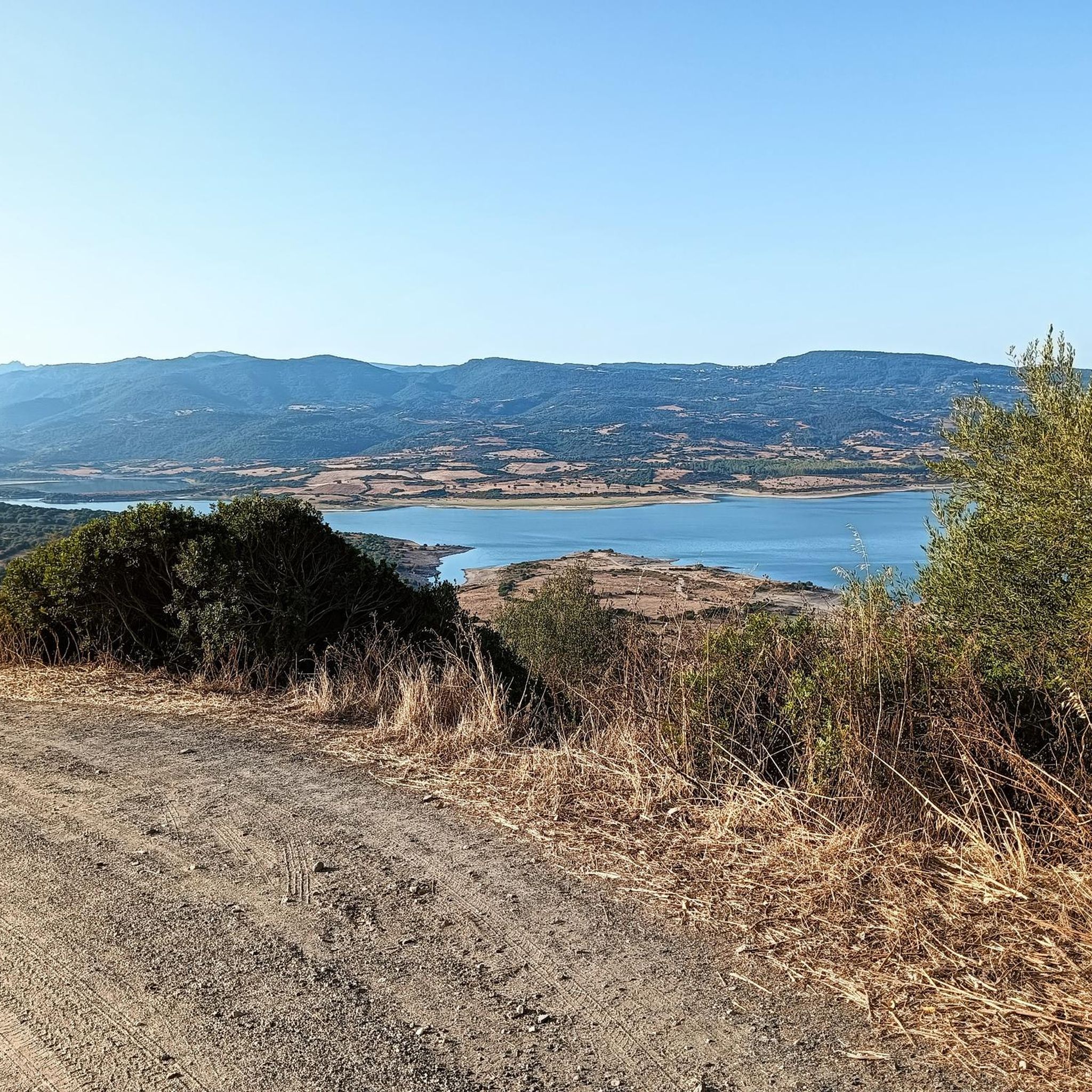
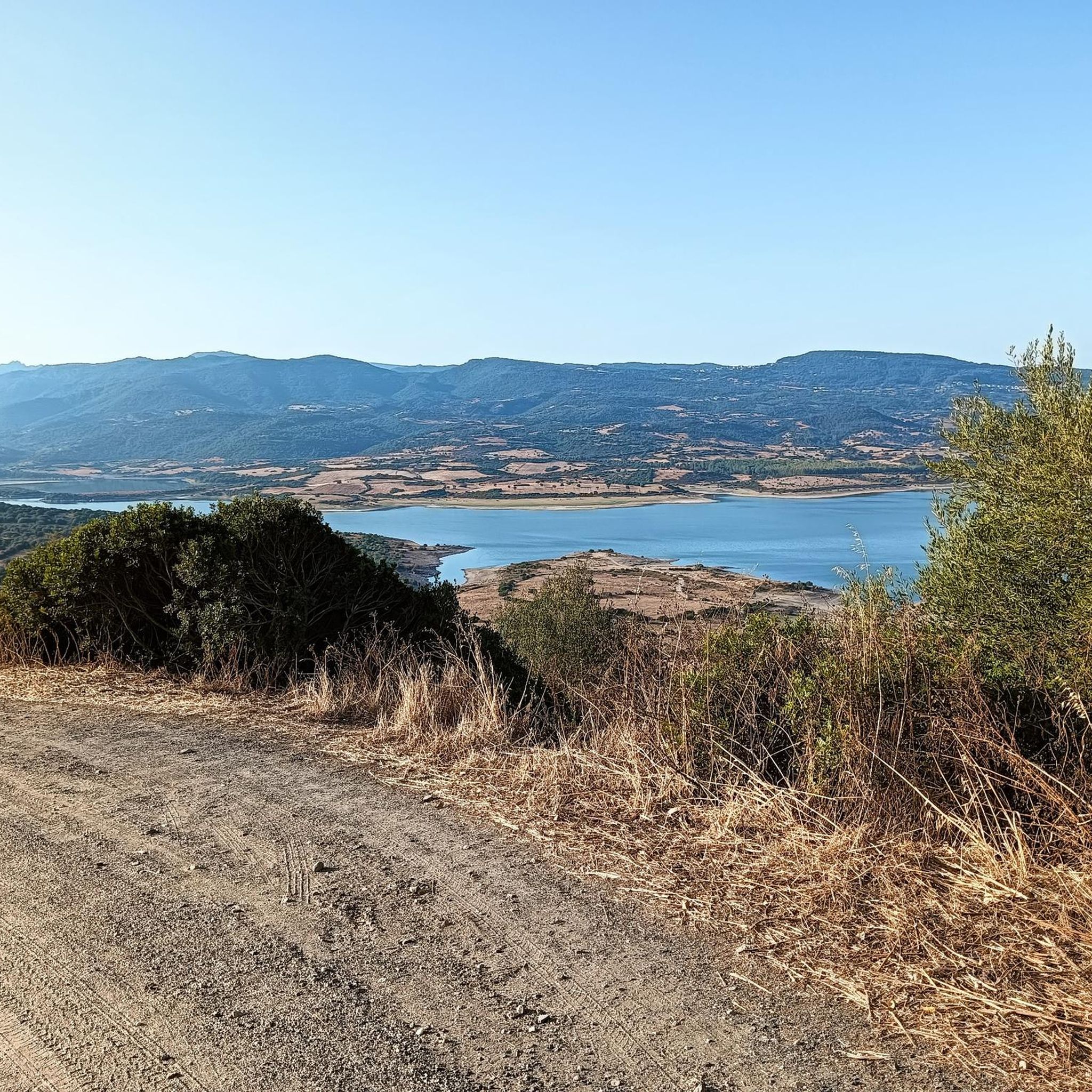
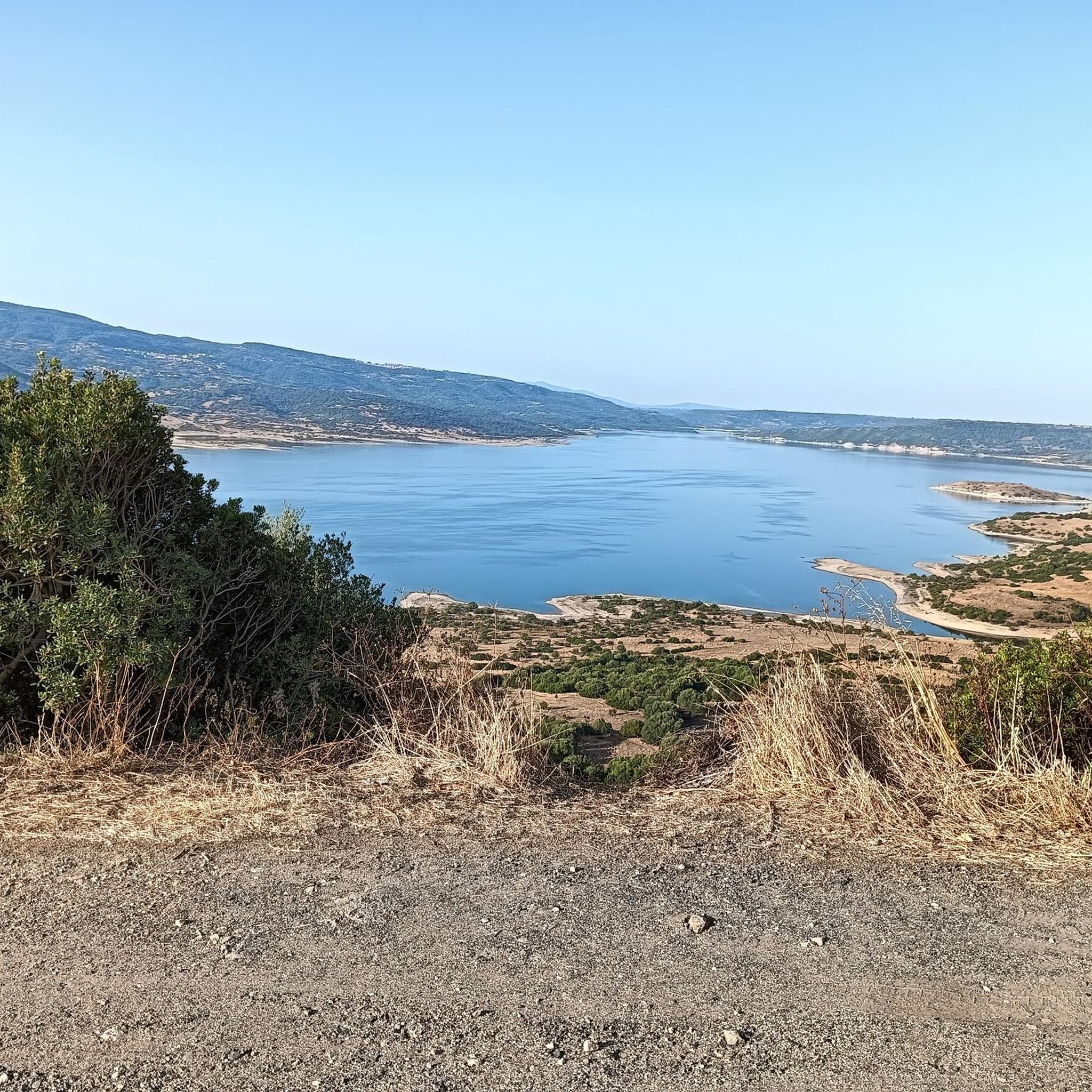
Once a rural church, now incorporated into the town. Arriving at its top you can enjoy a splendid view of Lake Omodeo, and in its courtyard there are some large fossil trunks, belonging to the petrified fossil forest of Montigu Abile
1
0

one of the most beautiful Tombs of the Giants of Sardinia. Only the arched stele remained intact, in perfect condition.
0
0
A few meters from Borore, one of the most beautiful giants' tombs in all of Sardinia. An arched stele that has remained intact over the millennia.
0
0
Spectacular Tomb of the Giants with arched stele still perfectly intact.
0
0

The bark of the cork oak may be "harvested" for the first time after 20-25 years. The bark is peeled off up to 1/3. This requires official approval. Regrowth takes 9-11 years. More than 80% of the cork production in Italy comes from Sardinia
2
0
Frequently Asked Questions
What are some of the most notable natural monuments and features around Aidomaggiore?
The Aidomaggiore area is rich in natural beauty and historical sites. You can explore the Tomb of the Giants of Imbertighe, a well-preserved ancient burial site. Another unique spot is the Church of Santa Maria Maddalena and Fossil Trees, where you can see large fossil trunks from the petrified forest of Montigu Abile while enjoying views of Lake Omodeo. Don't miss Funtana Manna, a natural spring providing fresh water, or the impressive Cork Oak Tree, showcasing Sardinia's significant cork production.
Are there family-friendly natural attractions in Aidomaggiore?
Yes, several natural spots are suitable for families. Funtana Manna is considered family-friendly, offering a pleasant resting spot with fresh water. The Cork Oak Tree is also a great, accessible natural monument for all ages to appreciate the local flora.
What kind of historical or archaeological sites can be found within the natural landscape?
Aidomaggiore is dotted with ancient archaeological sites that blend into the natural environment. These include numerous Nuraghi, such as the imposing Tosingalo nuraghe built with black basaltic stone, and the well-preserved Nuraghe Iscrallotze. You'll also find Domus de Janas and Giants' Tombs, like the Tomb of the Giants of Imbertighe, which are prehistoric burial sites enhancing the region's appeal for history and nature enthusiasts. The Nuragic Spring of Erighighine is another site combining a spring, a nuraghe, and giants' tombs.
What outdoor activities can I do near Aidomaggiore's natural monuments?
The region offers various outdoor activities. You can find numerous hiking trails, such as the 'Nuraghe Ponte and Riu Murtazzolu Loop' or the 'Domus de Janas Muruddu loop'. For cycling enthusiasts, there are routes like the 'Ghilarza Novenari and Lake Omodeo Loop'. Mountain biking is also popular, with trails like the 'Monte Borta Melone lookout – Sa Crabarissa Rock Formation loop'. You can find more details and routes on the Hiking around Aidumajore/Aidomaggiore, Cycling around Aidumajore/Aidomaggiore, and MTB Trails around Aidumajore/Aidomaggiore guide pages.
What is Lake Omodeo and what can I do there?
Omodeo Lake is one of Europe's largest artificial lakes and a significant natural feature in the Aidomaggiore area. It offers beautiful panoramic views, especially from points near the Church of Santa Maria Maddalena. Visitors can enjoy canoeing on its waters or take scenic drives along roads like SP74, which runs along its central-southern part, providing stunning vistas of the lake and the Barbagia and Mandrolisai mountains.
What is the best time to visit the natural monuments around Aidomaggiore?
The Aidomaggiore region, with its Mediterranean climate, is generally pleasant for outdoor activities from spring to autumn. Spring (April-May) offers lush greenery and comfortable temperatures, while autumn (September-October) provides cooler weather ideal for hiking and exploring. Summers can be hot, but places like Funtana Manna offer fresh water even in the warmer months.
Are there any specific geological features to observe?
Beyond the general landscape of cork trees and olive groves, the area features unique geological elements. The Church of Santa Maria Maddalena and Fossil Trees highlights large fossil trunks from the petrified forest of Montigu Abile, offering a glimpse into ancient geological history. The Tosingalo nuraghe, built with black basaltic stone, also showcases the region's volcanic past.
What do visitors particularly enjoy about the natural monuments in Aidomaggiore?
Visitors appreciate the blend of natural beauty and ancient history. The intact arched stele of the Tomb of the Giants of Imbertighe is frequently highlighted as spectacular. The panoramic views of Lake Omodeo from the Church of Santa Maria Maddalena are also a favorite, especially combined with the unique fossil trees. The availability of fresh water at Funtana Manna is also a welcome feature for explorers.
Are there any dog-friendly trails or areas near the natural monuments?
While specific regulations for dog access to all archaeological sites may vary, the general untouched wilderness and numerous hiking trails around Aidomaggiore offer opportunities for walks with dogs. It's always advisable to keep dogs on a leash and ensure they do not disturb wildlife or historical structures. Check local signage for any specific restrictions at individual sites.
Where can I find information about permits for visiting Nuraghi and Domus de Janas?
While many archaeological sites in Sardinia are open to the public, some may require permits or have specific visiting hours, especially if they are part of managed archaeological parks. For general information on Nuragic heritage and monuments in Sardinia, you can consult resources like sardegnaversounesco.org. It's recommended to check with the local tourist information center in Aidomaggiore for the most current details on specific sites you plan to visit.
What kind of natural vegetation can I expect to see in the Aidomaggiore area?
The Aidomaggiore region is characterized by a rich Mediterranean landscape. You'll encounter verdant woods of cork trees, extensive olive groves, vineyards, and fruit orchards. The presence of the Cork Oak Tree highlights one of the most iconic species of the area, which is economically significant for Sardinia.
Are there easy walking paths suitable for beginners or those seeking a relaxed experience?
Yes, the region offers various paths, and while some trails can be challenging, there are also easier options. For example, the 'Parking Area loop from Sèdilo/Sedilo' is an easy hiking route. Exploring the immediate surroundings of accessible natural monuments like Funtana Manna or the Cork Oak Tree can also provide a relaxed walking experience without strenuous effort.
Most popular routes around Aidumajore/Aidomaggiore
Most popular attractions around Aidumajore/Aidomaggiore

Get inspired with the komoot mobile app


Explore more
Extend your search for the best caves by checking out these guides of the top ones around Aidumajore/Aidomaggiore:
