Top 20 Natural Monuments around Castellammare Di Stabia
Best natural monuments around Castellammare Di Stabia are found in a region situated at the foot of the Lattari Mountains, overlooking the Bay of Naples. The area is characterized by its coastal position and the prominent Monte Faito, which rises to 1,400 meters above sea level. Monte Faito serves as a significant natural attraction, offering an escape from coastal conditions. The region is also known for its thermal waters, which originate from the mountain.
Best natural monuments around Castellammare Di…
Last updated: July 12, 2026
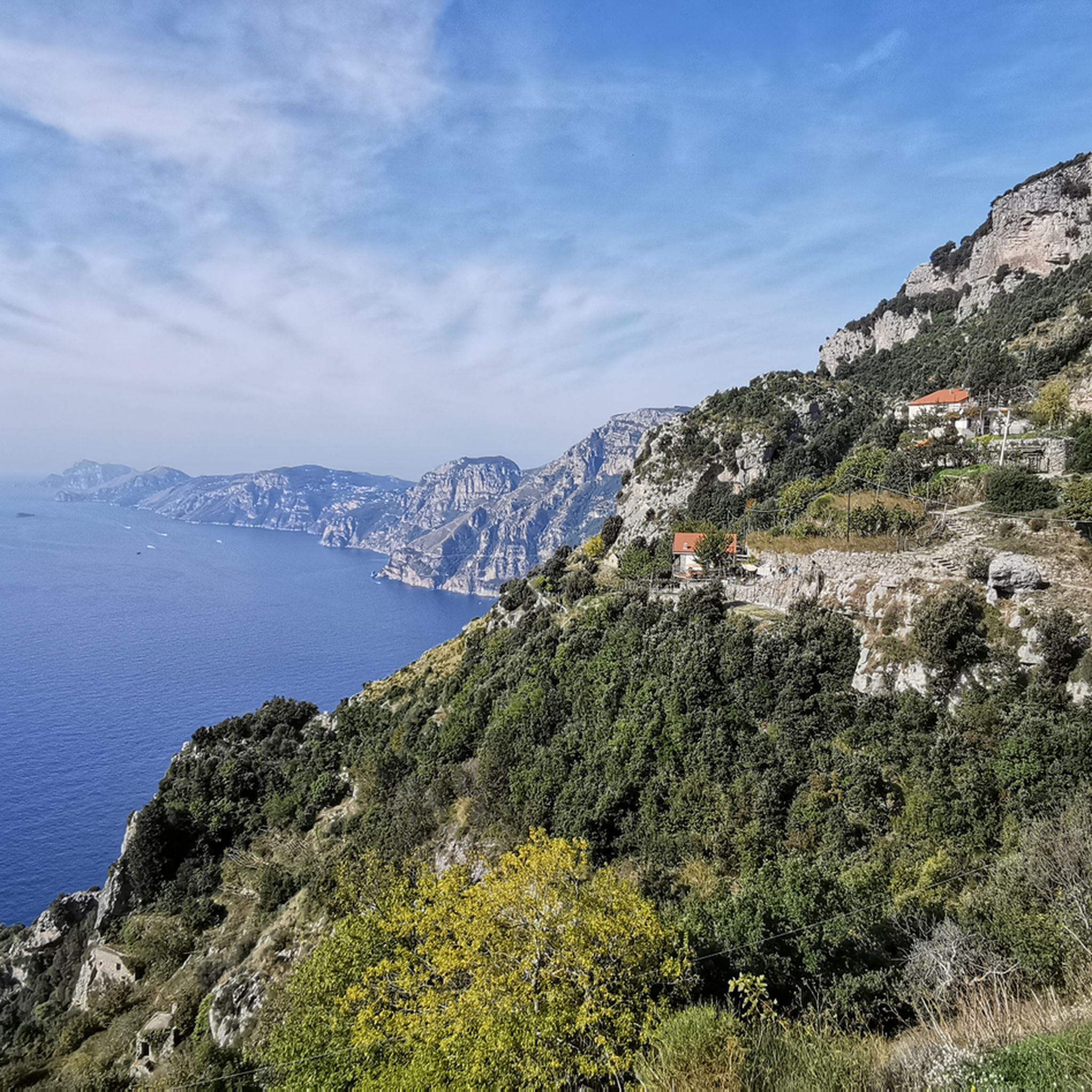
Start of the Path of the Gods
Highlight • Trail
Translated by Google •
Tip by

The Pinnacle (Il Pinnacolo) on the Sentiero degli Dei (Path of the Gods)
Highlight • Natural Monument
Translated by Google •
Tip by

Sign up now to discover places like this
Get recommendations on the best single tracks, peaks, & plenty of other exciting outdoor places.
Sign up for free
Waterfalls in the Valle delle Ferriere Nature Reserve
Highlight • Waterfall
Translated by Google •
Tip by

View across the valley to Nocelle
Highlight • Viewpoint
Translated by Google •
Tip by

Colle Serra Pinnacle
Highlight • Natural Monument
Translated by Google •
Tip by

Sign up for free to discover even more natural monuments around Castellammare Di Stabia.
Sign up for free
Already have an account?
Start today with a free account
Your next adventure awaits.
Login or Signup
Tips from the Community

The hike on the Sentiero degli Dei from Bomerano to Positano is a highlight on the Amalfi Coast. Breathtaking views accompany the path, which does not require a guide, but does require good shoes and plenty of water. After about 30 minutes, the path splits into a higher and a lower route, which later merge again. The destination is Nocelle, where you can fortify yourself with a refreshing lemon slush. From there, two paths lead down to Positano, either via Montepertuso or directly over hundreds of steps. Setting off early in the morning is recommended.
2
1
The hike on the Sentiero degli Dei from Bomerano to Positano is a highlight on the Amalfi Coast. Breathtaking views accompany the path, which does not require a guide, but does require good shoes and plenty of water. After about 30 minutes, the path splits into a higher and a lower route, which later merge again. The destination is Nocelle, where you can fortify yourself with a refreshing lemon slush. From there, two paths lead down to Positano, either via Montepertuso or directly over hundreds of steps. Setting off early in the morning is recommended.
3
0

If taking the path back to Amalfi there is one steep section with no barrier as the track has been rerouted around landslip. Caution and sticks are needed.
1
0
An early start improves the experience as you avoid crowds along the track and at the final waterfalls which are beautiful and worth paying the entrance fee.
0
0
At the beginning of April, the hike from St Lazarro to Valle de Ferrere was quite nice, but in comparison, not really recommendable. The forests are coppice forests, still leafless, only a few early bloomers and salamander larvae, a single orchid. In the end, at 3 p.m., we stood in front of a closed waterfall. That's a bit stupid. But understandable, hardly any people there. In some places, poorly signposted.
2
0

This last part of the path is home to magnificent waterfalls including a main one for which you have to pay a €5 ticket before accessing it. I highly recommend that you do.
0
0
Il Pinnacolo (the pinnacle) lives up to its name! It is one of the natural nuggets along the Sentiero degli Dei. It is a rocky outcrop that rises in the middle of the landscape. This limestone spire contrasts with the surrounding greenery and the blue color of the sea.
0
0

Final part of the hike, with mega-waterfall is just a few hundred meters, but definitely worth 5€ entrance fee.
0
0
Frequently Asked Questions
What are the most prominent natural monuments around Castellammare Di Stabia?
The most prominent natural monument is Monte Faito, a majestic peak within the Lattari mountain chain offering spectacular panoramic views. Other notable natural features include the Start of the Path of the Gods, known for its breathtaking vistas of the Amalfi Coast, and the Waterfalls in the Valle delle Ferriere Nature Reserve, a serene forest setting with natural beauty.
What kind of natural features can I expect to see in the region?
The region offers a diverse range of natural features. You can expect to see towering mountain peaks like Monte Faito, lush forests of beech and holm oaks, dramatic coastal views over the Bay of Naples, and unique rock formations such as The Pinnacle (Il Pinnacolo) along the Path of the Gods. The area is also known for its abundant thermal mineral waters.
What do visitors enjoy most about the natural monuments in Castellammare Di Stabia?
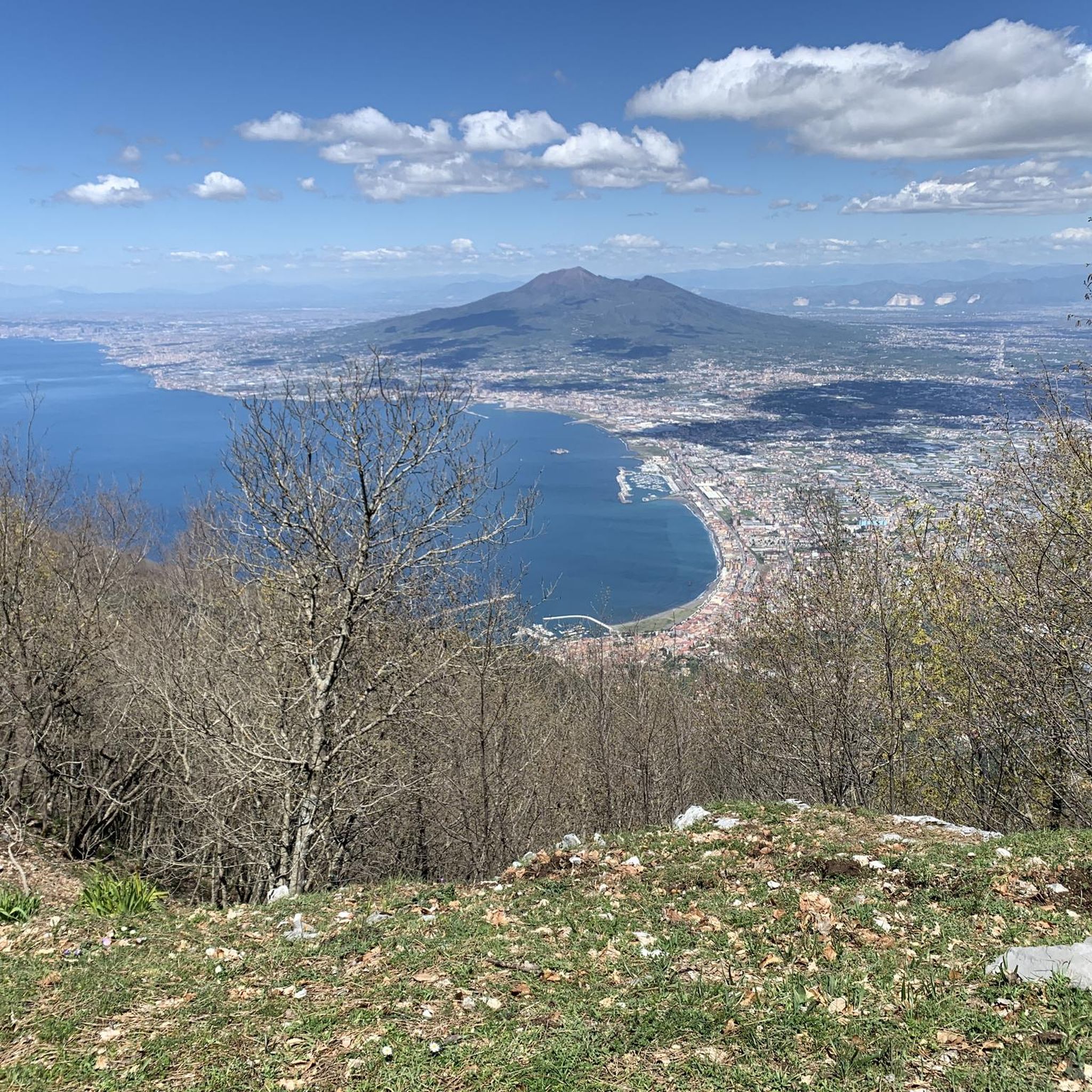
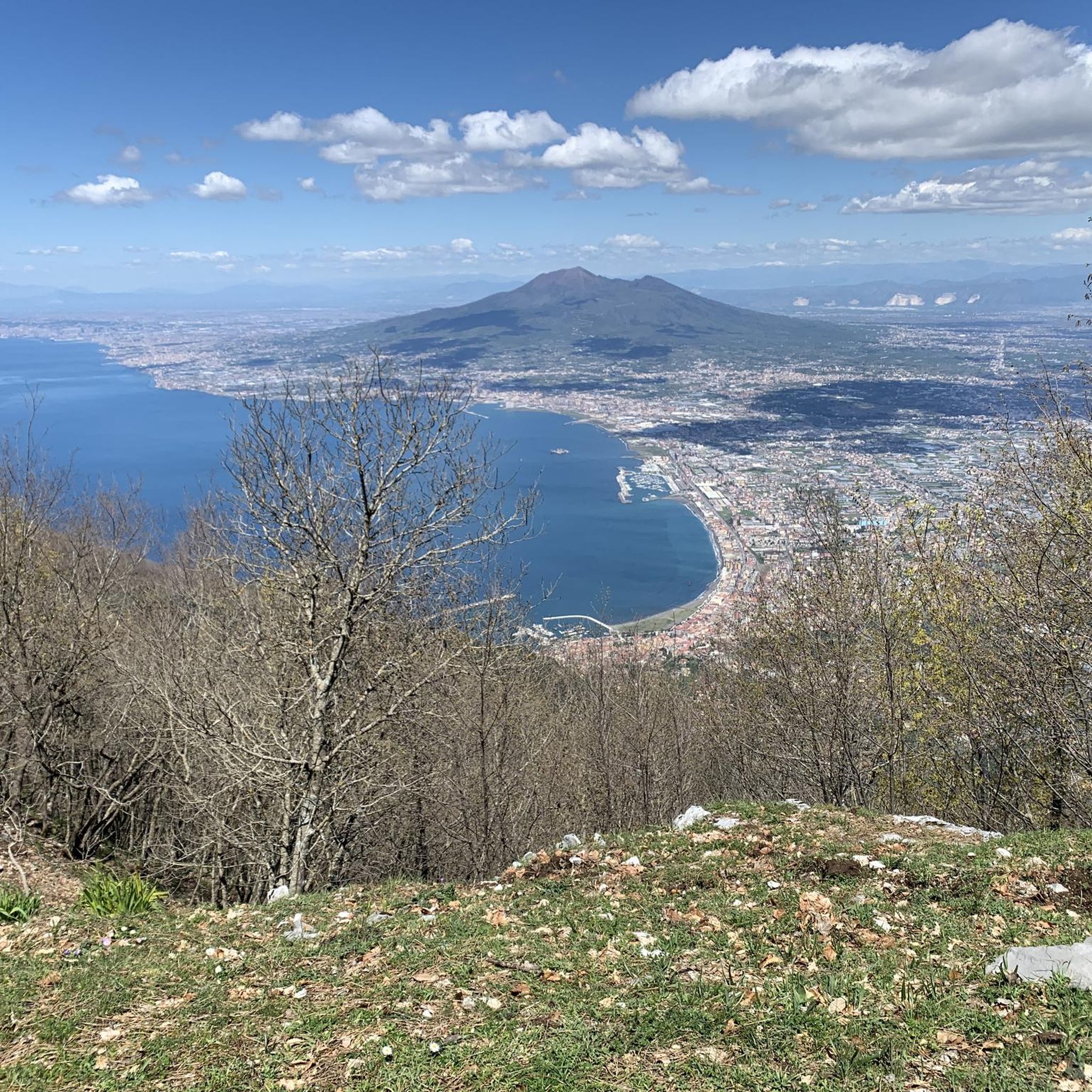
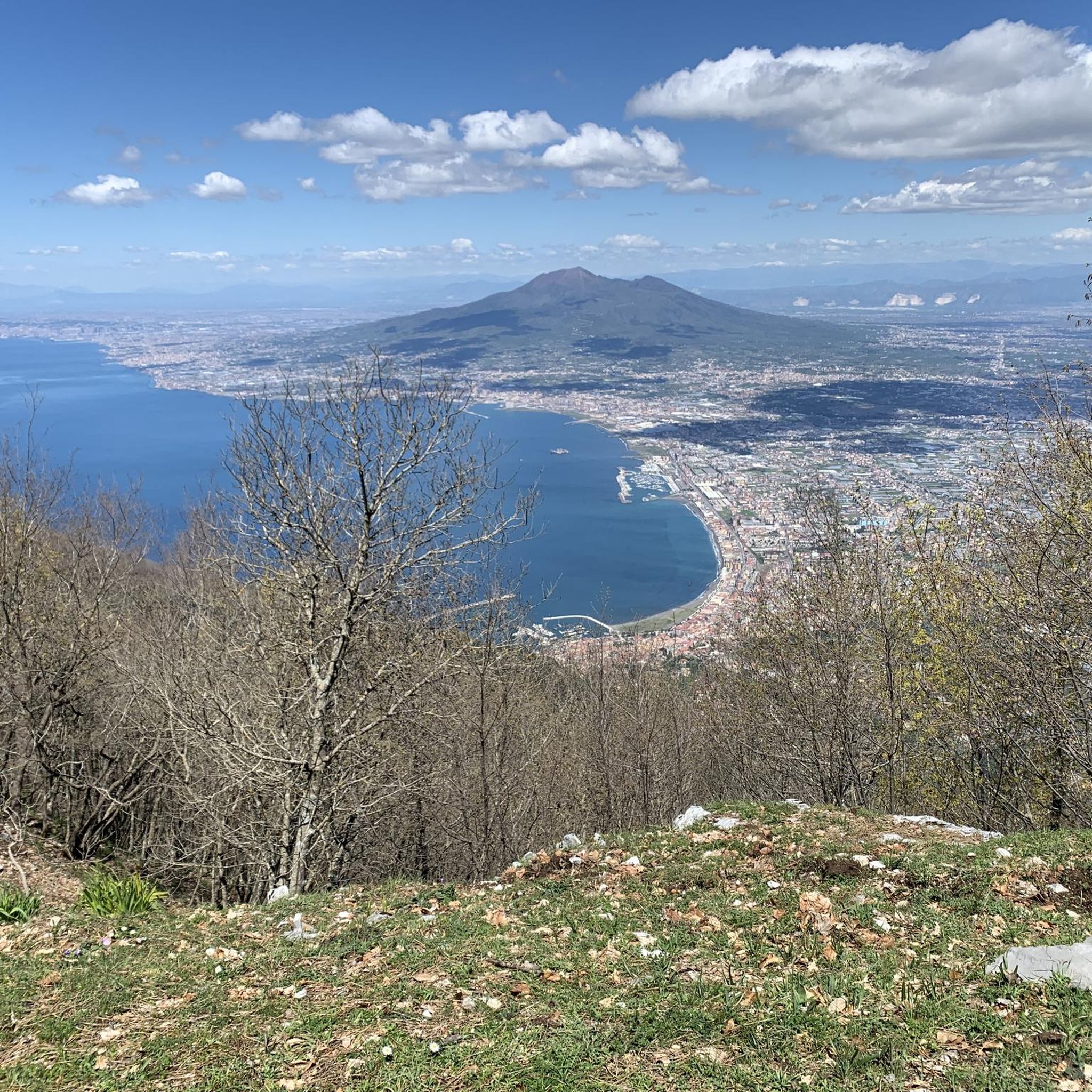
Visitors particularly enjoy the breathtaking panoramic views, especially from Monte Faito, which encompass the Sorrentine Peninsula, Capri, Mount Vesuvius, and the Gulf of Naples. The serene natural environment of the forests and the unique geological formations along trails like the Path of the Gods are also highly appreciated. Many find the experience of being 'suspended between sky and sea' truly memorable.
Are there good hiking trails near the natural monuments?
Yes, the area is a haven for trekking enthusiasts. Monte Faito offers a variety of walking and hiking paths, and the famous Path of the Gods, which includes highlights like the Start of the Path of the Gods and The Pinnacle, is a popular choice. You can find more hiking options in the Running Trails around Castellammare Di Stabia guide, which also includes walking routes.
How can I reach Monte Faito, the main natural monument?
The easiest way to reach Monte Faito is via the funivia (cable car) from the Circumvesuviana train station in Castellammare di Stabia, offering a scenic 10-minute ride. While the funivia operates seasonally (typically April to October), there are also bus services from Vico Equense and well-maintained roads for those who prefer to drive.
What is the best time of year to visit the natural monuments?
Monte Faito is particularly popular in summer, offering a refreshing escape from the coastal heat and humidity. The funivia to Monte Faito typically operates from April to October. Spring and autumn also offer pleasant temperatures for hiking and enjoying the panoramic views, with lush greenery or vibrant fall colors.
Are there any family-friendly natural monuments or trails?
Many of the natural monuments offer accessible viewpoints and trails suitable for families. Monte Faito has picnic areas and some easier, shaded walks. While the Path of the Gods is classified as moderately difficult, some sections or shorter walks can be enjoyed by families. Always check specific trail conditions and difficulty before heading out with children.
Can I find trails with panoramic views of the coast and Mount Vesuvius?
Absolutely. Monte Faito is renowned for its spectacular panoramic views, encompassing the Sorrentine Peninsula, the Faraglioni sea stacks off Capri, Mount Vesuvius, and the sprawling city of Naples. The Start of the Path of the Gods and Colle Serra Pinnacle also offer incredible coastal vistas.
Are there other outdoor activities besides hiking near these natural monuments?
Yes, the region provides opportunities for various outdoor activities. You can explore Road Cycling Routes, including easy loops like 'View of Vesuvius – Madonna Water Spring loop from Castellammare di Stabia'. For mountain biking, check out the MTB Trails around Castellammare Di Stabia, which features routes like 'Belvedere of Mount Faito from Castellammare di Stabia'.
Are there any unique rock formations to see?
Yes, the region features several unique rock formations. Along the Path of the Gods, you can marvel at The Pinnacle (Il Pinnacolo), a distinctive limestone spire. Another fascinating formation is the Montepertuso Rock Arch, located in the hamlet of Montepertuso near Positano, which is steeped in local mythology.
What are the thermal springs connected to the natural monuments?
Monte Faito is the source of the abundant thermal mineral waters that have made Castellammare di Stabia famous since Roman times. These waters, rich in various chemical compositions, feed the town's thermal baths, known for their therapeutic properties. While not a natural monument itself, the springs are a significant natural feature originating from the mountain.
Are there any challenging trails for experienced hikers?
For experienced hikers seeking a challenge, the Path of the Gods offers sections with varying difficulty, including some that require sturdy shoes and a good head for heights. The Waterfalls in the Valle delle Ferriere Nature Reserve also includes challenging routes within its forest setting. Always ensure you are prepared for the terrain.
Most popular routes around Castellammare Di Stabia
Most popular attractions around Castellammare Di Stabia

Get inspired with the komoot mobile app


Explore more
Extend your search for the best caves by checking out these guides of the top ones around Castellammare Di Stabia:
