Top 19 Natural Monuments around Montecorice
Best natural monuments around Montecorice are found within the Cilento and Vallo di Diano National Park, a UNESCO World Heritage Site. The region features a unique megalithic site, coastal areas, and extensive hiking trails. These natural features offer diverse landscapes for exploration. Montecorice provides access to both historical natural monuments and scenic routes through olive groves and forests.
Best natural monuments around Montecorice
- The most popular natural monuments is Pietra del Mulacchio megalith, a natural monument that is an…
Last updated: June 28, 2026
Pietra del Mulacchio megalith
Highlight • Natural Monument
If you do not arrive in this "Sacred Area" you cannot imagine the presence of this Cilento Stonehenge ...
Translated by Google •
Tip by

Punta Licosa
Highlight • Viewpoint
Translated by Google •
Tip by

Sign up now to discover places like this
Get recommendations on the best single tracks, peaks, & plenty of other exciting outdoor places.
Sign up for free
Trentova–Tresino Nature Oasis Trailhead
Highlight • Trail
Translated by Google •
Tip by

Monte Tresino Summit View
Highlight • Summit
Translated by Google •
Tip by

Trail 702 Monte Tresino
Highlight (Segment) • Trail
Translated by Google •
Tip by
Sign up for free to discover even more natural monuments around Montecorice.
Sign up for free
Already have an account?
Start today with a free account
Your next adventure awaits.
Login or Signup
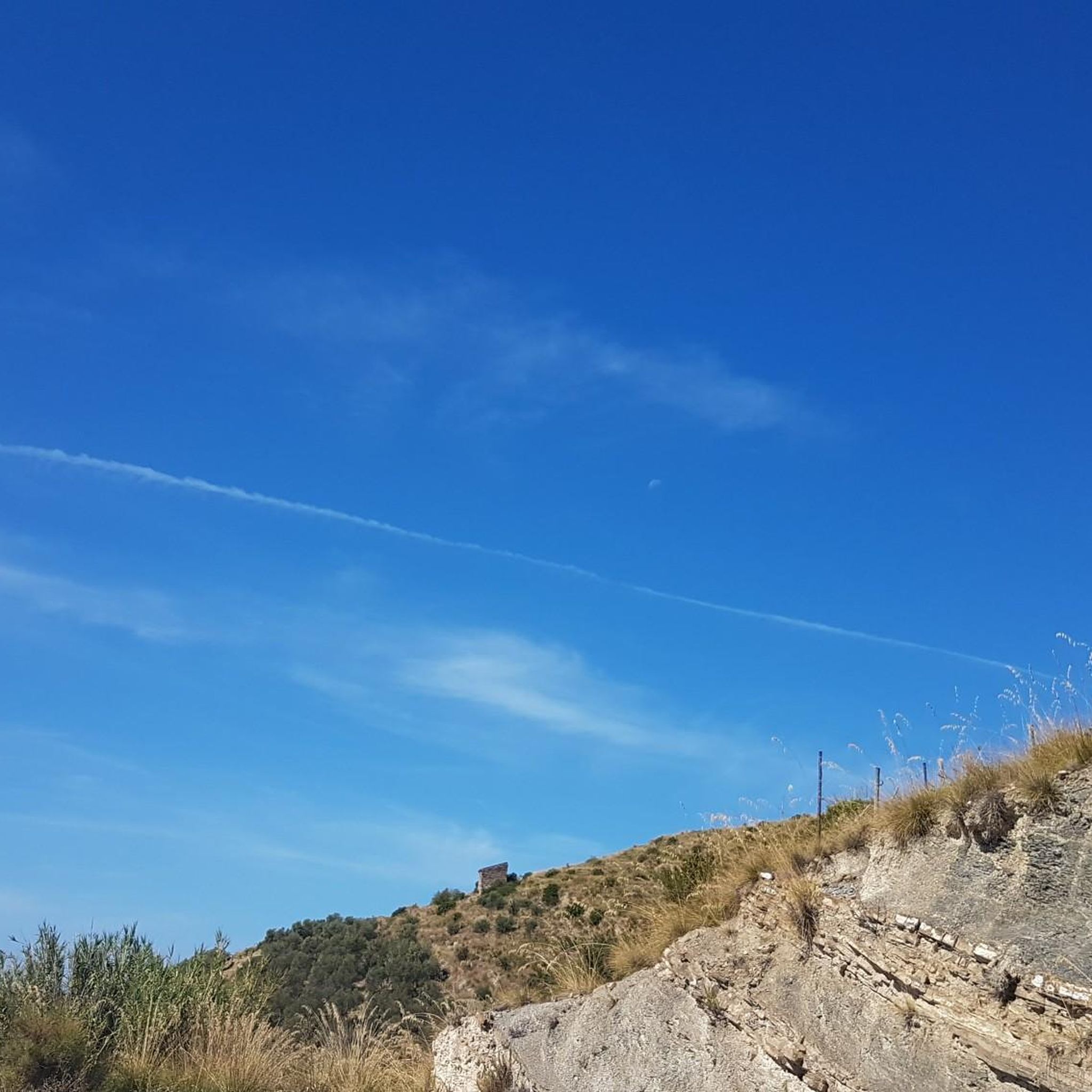
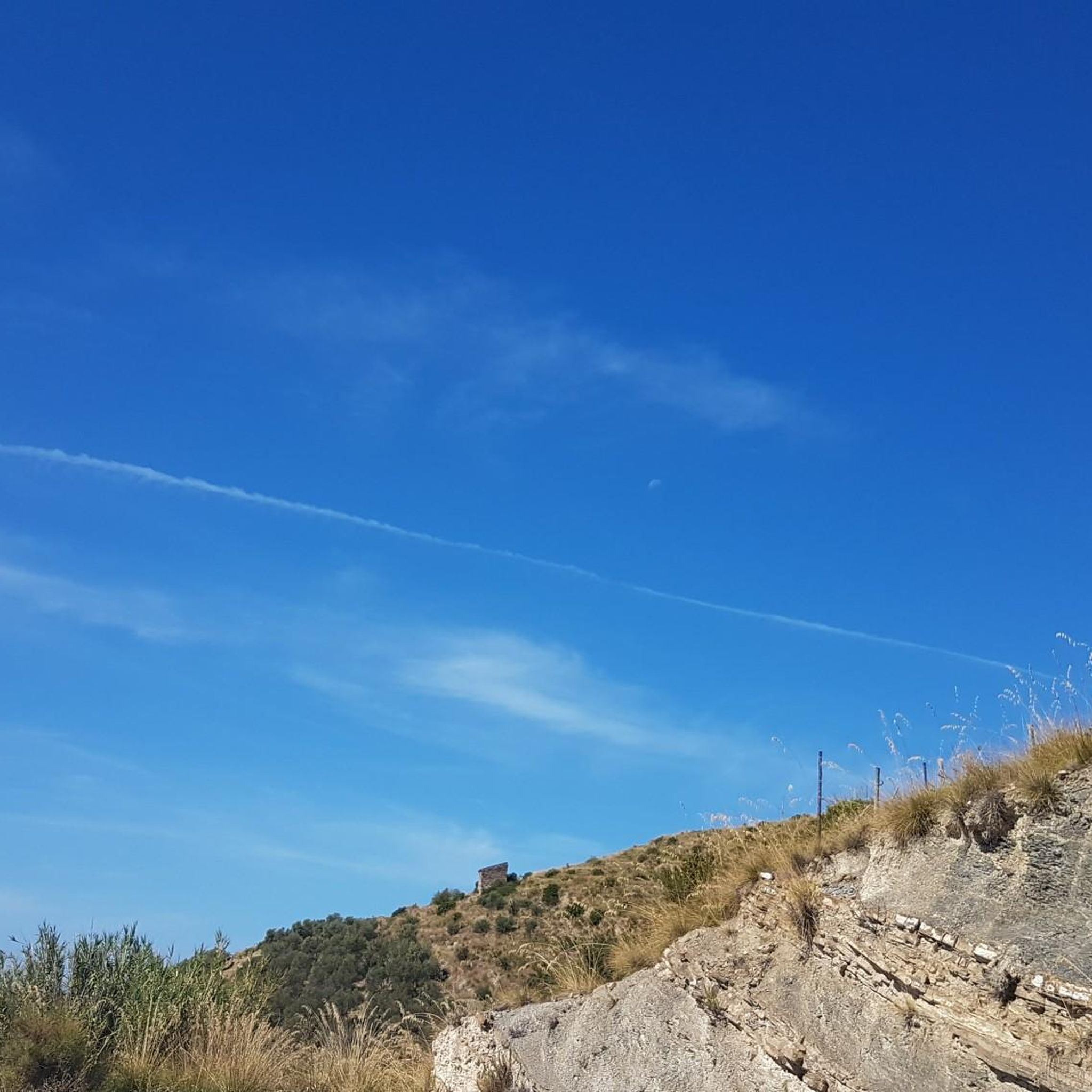
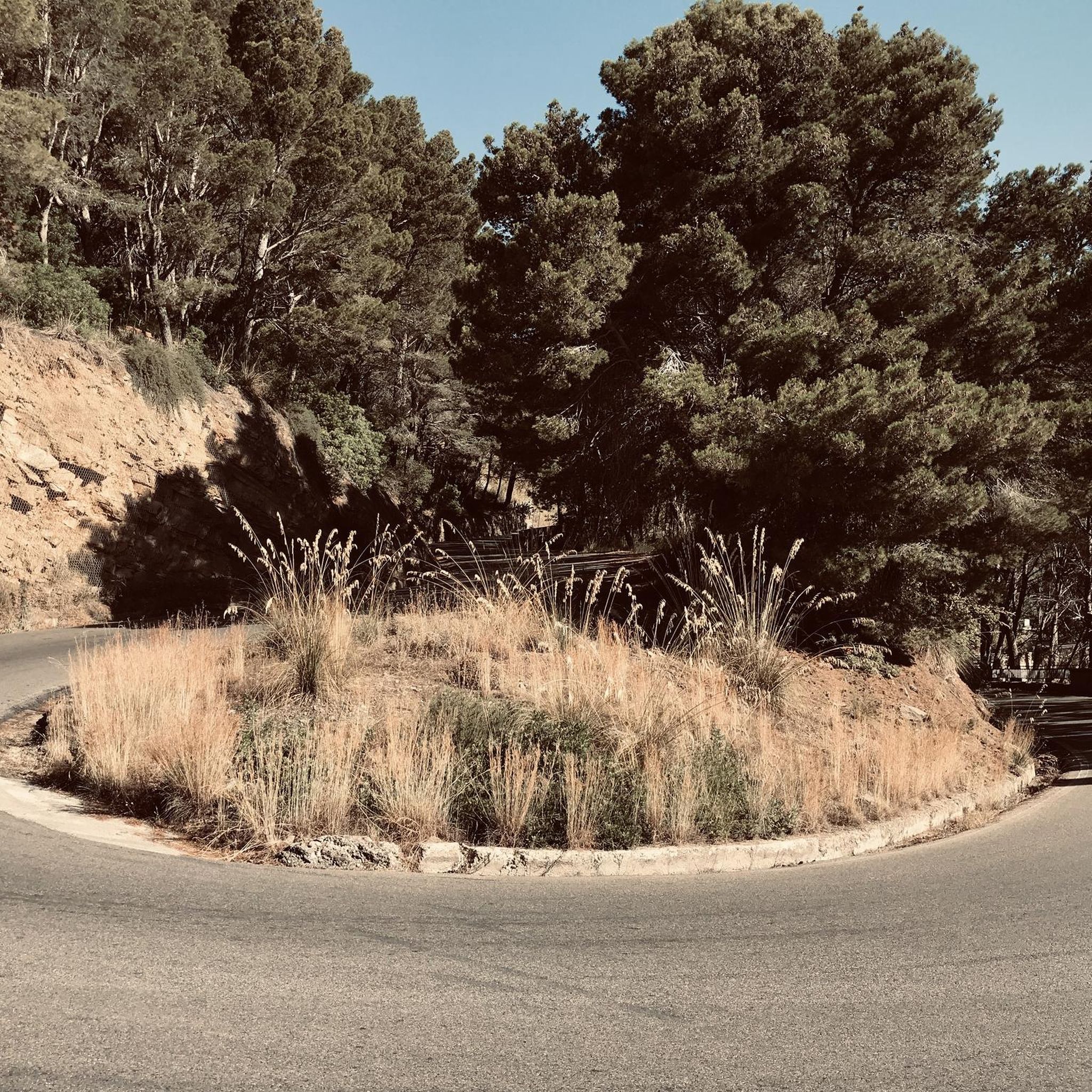
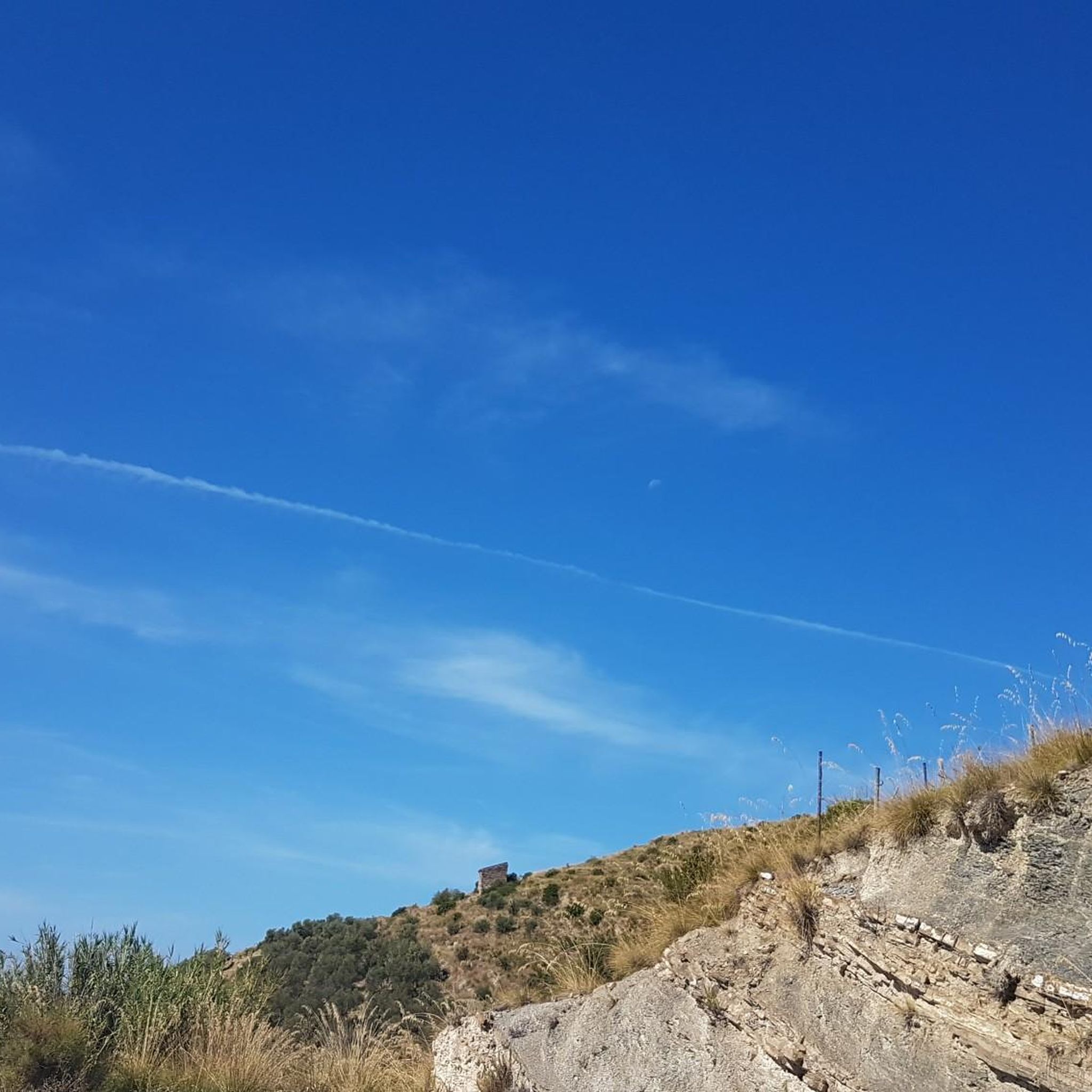
Tips from the Community

No long journey necessary from Agropoli, varied hike with often great views. Hiking poles are useful because the sections of the path are sometimes steeper.
0
0
It's great in itself, but no panoramic view is possible because it's quite overgrown.
0
0

The Mulacchio stone is a prehistoric megalith on Monte Stella which probably served as a solar calendar and place of fertility for the ancient Cilento populations. With a ladder you can climb to the top and admire the 360 degree panorama.
3
0
Summit of Monte Tresino. To reach it you need to travel singletrack and uphill stretches, but at an altitude of 360 meters the view of the sea and the Agropoli valley repays the effort.
2
0

Mount Tresino (356 m above sea level) is a protected natural area in the Cilento National Park, between Agropoli and Castellabate. It offers panoramic circular trails (such as trail 700 or "dei Trezeni," about 10-14 km) through Mediterranean scrub, ancient ruins like the church of San Giovanni, Saracen towers, and breathtaking views of the Bay of Trentova and Capri.
3
0
Path that leads to the top of Mount Tresino from which you can admire splendid views. Trekking clothing and sturdy shoes
3
0

beautiful to look at, these old dolmens.
1
0

One of the most fascinating stages. I highly recommend to climb the megalith and let yourself be captured by the panorama, with a 360 ° view of Cilento.
1
0
Frequently Asked Questions
What is the most historically significant natural monument around Montecorice?
The most historically significant natural monument is the Pietra del Mulacchio megalith. Often called the 'Cilento Stonehenge,' this imposing structure of three large stones functioned as an ancient solar calendar, accurately indicating winter and summer solstices. It also holds cultural significance, having been associated with fertility rites until the mid-20th century.
Are there natural monuments offering scenic coastal views near Montecorice?
Yes, Punta Licosa is a notable natural monument and viewpoint featuring forest and beach areas. It offers breathtaking panoramic views of the Cilento coast and can be reached by land via two main access points.
Where can I access hiking trails that lead to natural monuments in the Montecorice area?
The Trentova–Tresino Nature Oasis Trailhead serves as an excellent entry point to the Trentova-Tresino Naturalistic Area. From here, you can access many paths, including those leading to panoramic views and other natural features.
What kind of outdoor activities can I do near the natural monuments in Montecorice?
The region around Montecorice, being part of the Cilento and Vallo di Diano National Park, offers diverse outdoor activities. You can find numerous trails for hiking, mountain biking, and cycling. These routes often traverse olive groves, forests, and coastal areas, providing varied landscapes and opportunities to explore the natural beauty.
Are there any natural monuments that involve a challenging climb with rewarding views?
Yes, the Monte Tresino Summit View offers a challenging climb. Reaching the summit of Monte Tresino involves singletrack and uphill stretches, but at an altitude of 360 meters, the panoramic views of the sea and the Agropoli valley are well worth the effort.
What is the best time of year to visit the natural monuments around Montecorice?
The Cilento region generally enjoys a mild Mediterranean climate. Spring (April-June) and early autumn (September-October) are ideal for visiting, offering pleasant temperatures for hiking and exploring without the intense heat of summer or the cooler, wetter conditions of winter. This allows for comfortable enjoyment of both coastal and inland natural sites.
Are the natural monuments around Montecorice suitable for families?
Many areas within the Cilento and Vallo di Diano National Park offer trails and natural features suitable for families. While some trails can be challenging, there are also easier paths, especially near coastal areas like those around Punta Licosa, which combine natural beauty with accessible walks. Always check specific trail difficulties before heading out with children.
What unique natural features can I expect to see in the Montecorice area?
Beyond the megalithic sites, Montecorice's location within the Cilento and Vallo di Diano National Park means you can expect diverse natural features. These include scenic beaches with clear waters at Agnone and Case del Conte, extensive olive groves, lush forests, and dramatic coastal cliffs. The region's geology also features unique rock formations, such as those found at Pietra del Mulacchio.
Can I bring my dog to the natural monuments and trails in Montecorice?
The Cilento and Vallo di Diano National Park generally welcomes dogs on trails, provided they are kept on a leash. However, specific rules may apply to certain protected areas or beaches. It's always advisable to check the latest regulations from the park authority before your visit to ensure a pleasant experience for both you and your pet.
What should I pack for a visit to the natural monuments in Montecorice?
For exploring the natural monuments and trails, it's recommended to pack sturdy footwear, especially if you plan to hike on uneven terrain. Sun protection (hat, sunscreen), sufficient water, and appropriate clothing layers are also essential. If you're visiting the Pietra del Mulacchio, be prepared for a short trail through vegetation.
Are there any circular hiking routes that include natural monuments near Montecorice?
Yes, the region offers several circular routes. For example, the Hiking around Montecorice guide includes routes like the 'Pietra del Mulacchio megalith – Montestella Hiking Trail loop from Perdifumo,' which allows you to experience this significant natural monument as part of a longer walk.
What makes the Pietra del Mulacchio megalith so special?
The Pietra del Mulacchio megalith is special due to its dual significance as both a natural formation and an ancient astronomical observatory. Its unique alignment allows sunlight to penetrate narrow galleries, creating a 'sun blade' phenomenon that precisely indicates the winter and summer solstices. This precision suggests intentional design by early inhabitants, making it a fascinating glimpse into prehistoric knowledge.
Most popular attractions around Montecorice

Get inspired with the komoot mobile app


Explore more
Extend your search for the best caves by checking out these guides of the top ones around Montecorice:
