Top 3 Mountain Passes around Salcedo
Best mountain passes around Salcedo are located in a region characterized by the Asiago plateau, offering diverse mountainous terrain and historical significance. This area provides panoramic views of the Brenta, Monte Grappa, and the Val d'Astico. The landscape features high-altitude routes, valleys, and historical sites from World War I. The region is suitable for exploring natural beauty and historical landmarks.
Best mountain passes around Salcedo
- The most popular mountain passes is Bocchetta Paù Viewpoint, a viewpoint offering stunning views…
Last updated: October 15, 2026
Col d'Astiago
Highlight • Mountain Pass
Translated by Google •
Tip by

Bocchetta Paù Viewpoint
Highlight • Viewpoint
Translated by Google •
Tip by

Sign up now to discover places like this
Get recommendations on the best single tracks, peaks, & plenty of other exciting outdoor places.
Bocchetta Granezza Climb
Highlight (Segment) • Climb
Translated by Google •
Tip by

Passo Cavallino
Highlight • Mountain Pass
Translated by Google •
Tip by

Panetta Pass
Highlight • Mountain Pass
Translated by Google •
Tip by
Start today with a free account
Your next adventure awaits.
Tips from the Community

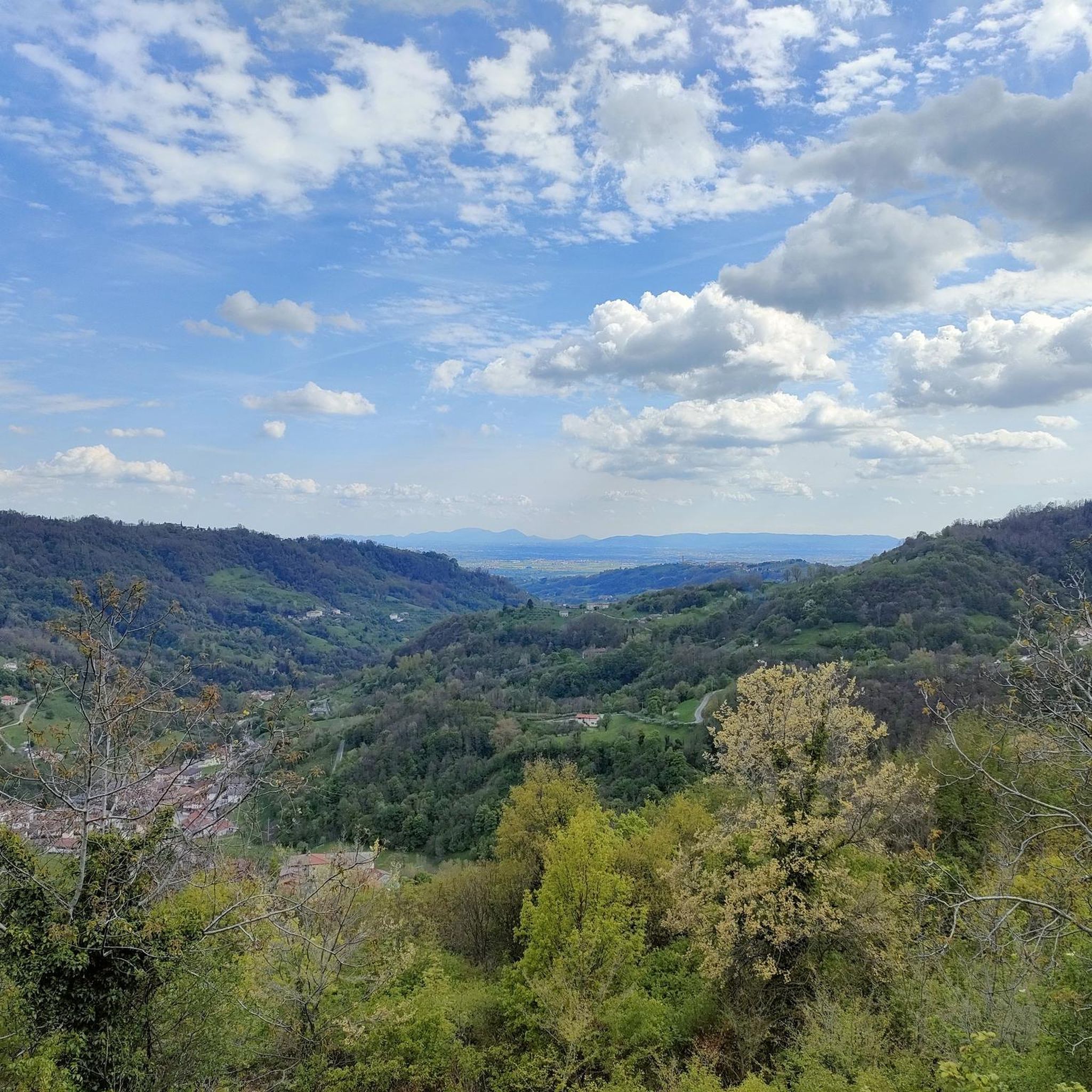
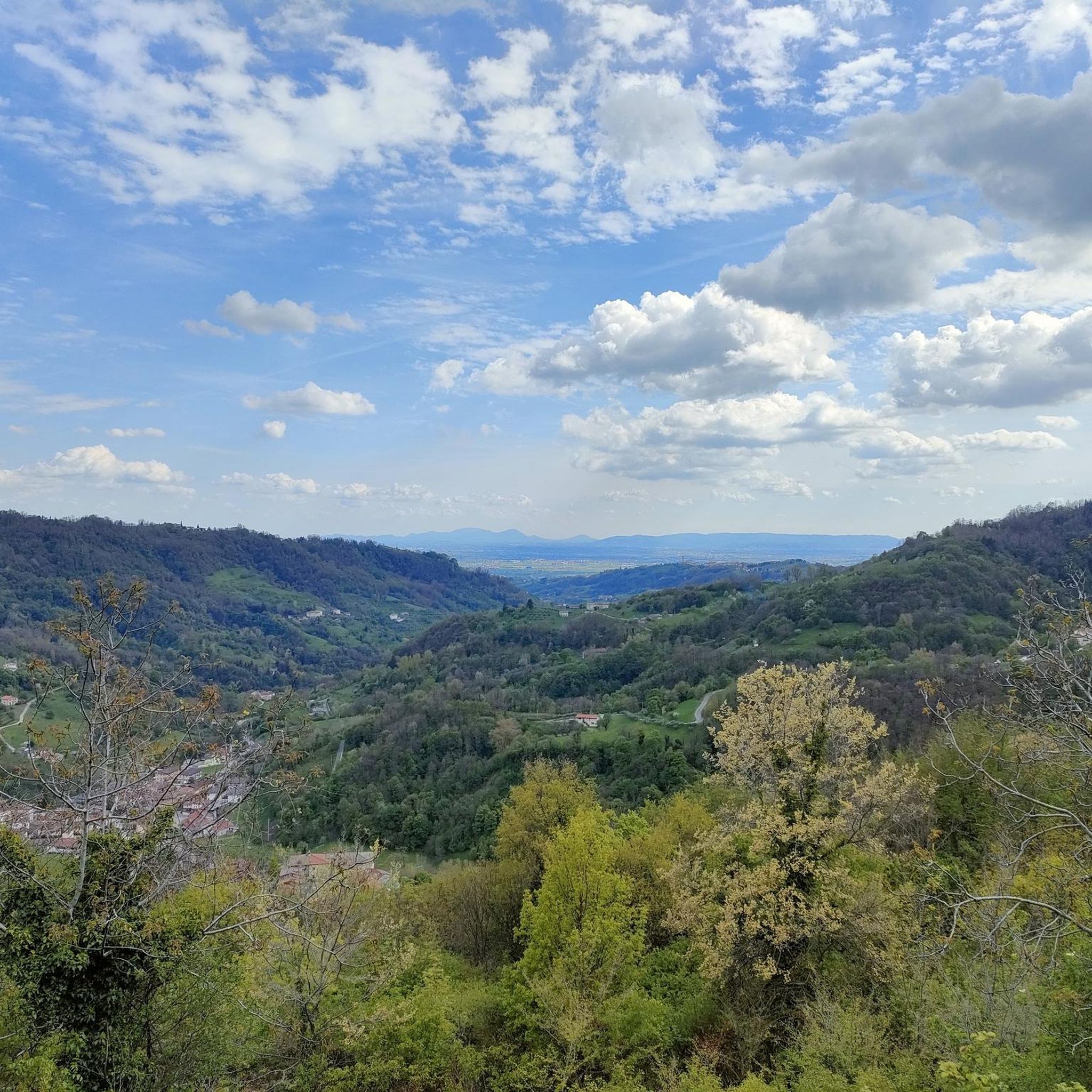
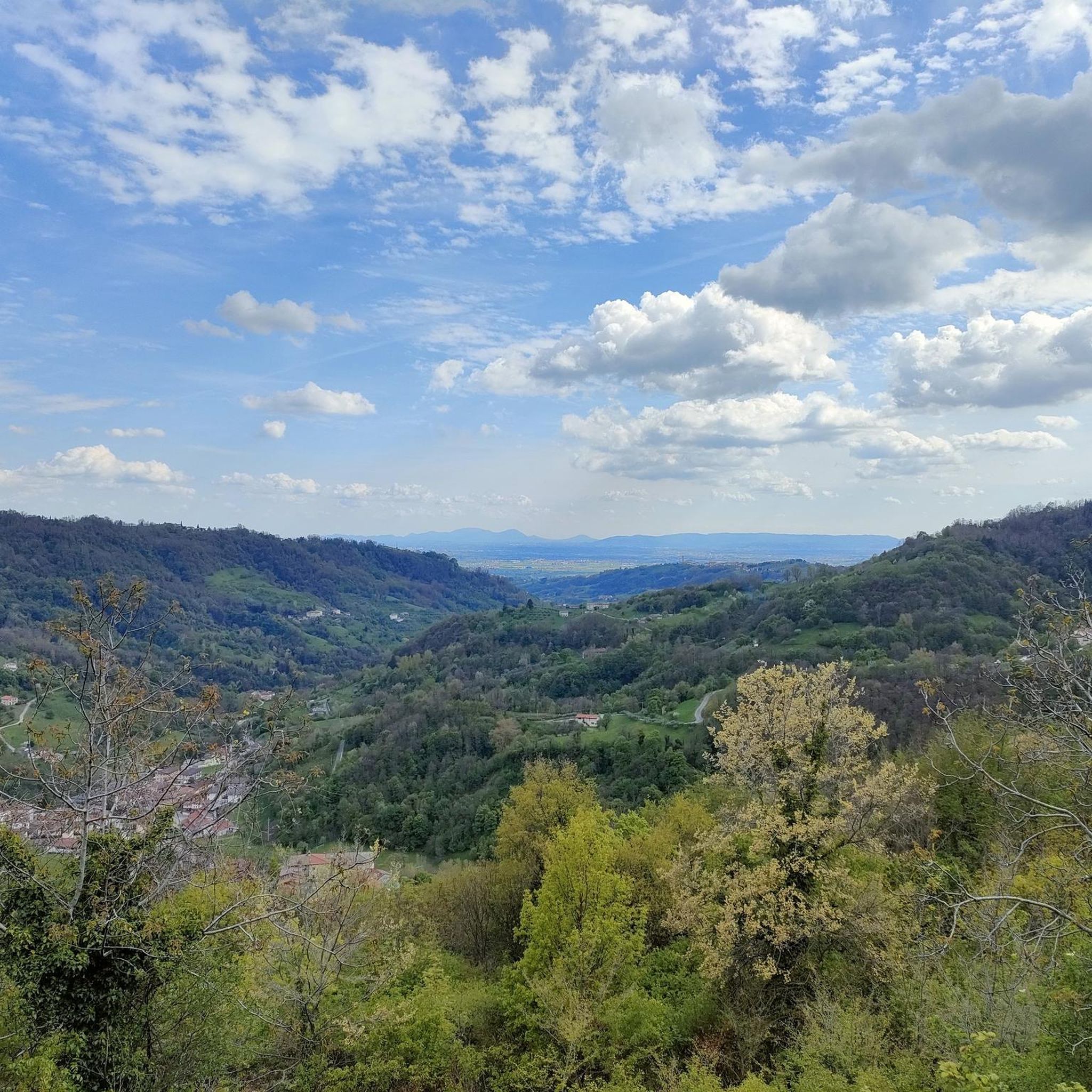
Col d'Asiago offers a beautiful and privileged panoramic point on the underlying Canale del Brenta, or the narrow and deep terminal part of Valsugana. But the view extends over the Asiago Plateau and the entire skyline of mountains that border it to the north, the Grappa Massif to the east and the mouth of Val Brenta. In the distance, the Piccole Dolomiti, the Pale di San Martino and the Vette Feltrine. Precisely because of its strategic position, during the First World War it was a strongly armed Italian defensive bastion and decisive in various phases of the conflict. The peak is also known locally by the ancient and dialect toponym 'Col del S-ciavo', dating back to the time of the Serenissima: on the slopes of the hill in fact the 'schiavoni' (i.e. the non-Latin inhabitants of the dominions of Dalmatia and the Venetian hinterland) cut wood for the naval fleet; the trunks (especially beech trees) were lowered down the valley through the famous and nearby Calà del Sasso; they were then loaded onto rafts that went down the entire Brenta, until they reached the lagoon and the Arsenale of Venice. A large concrete cistern dominates the summit, collecting the water pumped from the Oliero Caves, 1000m further downstream, and distributing it to the Plateau.
0
0

Panoramic view, breathtaking
2
1


At times the road surface is a bit ruined, but in any case the climb is beautiful and the road is less wide and has more beautiful vegetation than the previous stretch which comes from Lusiana
2
0
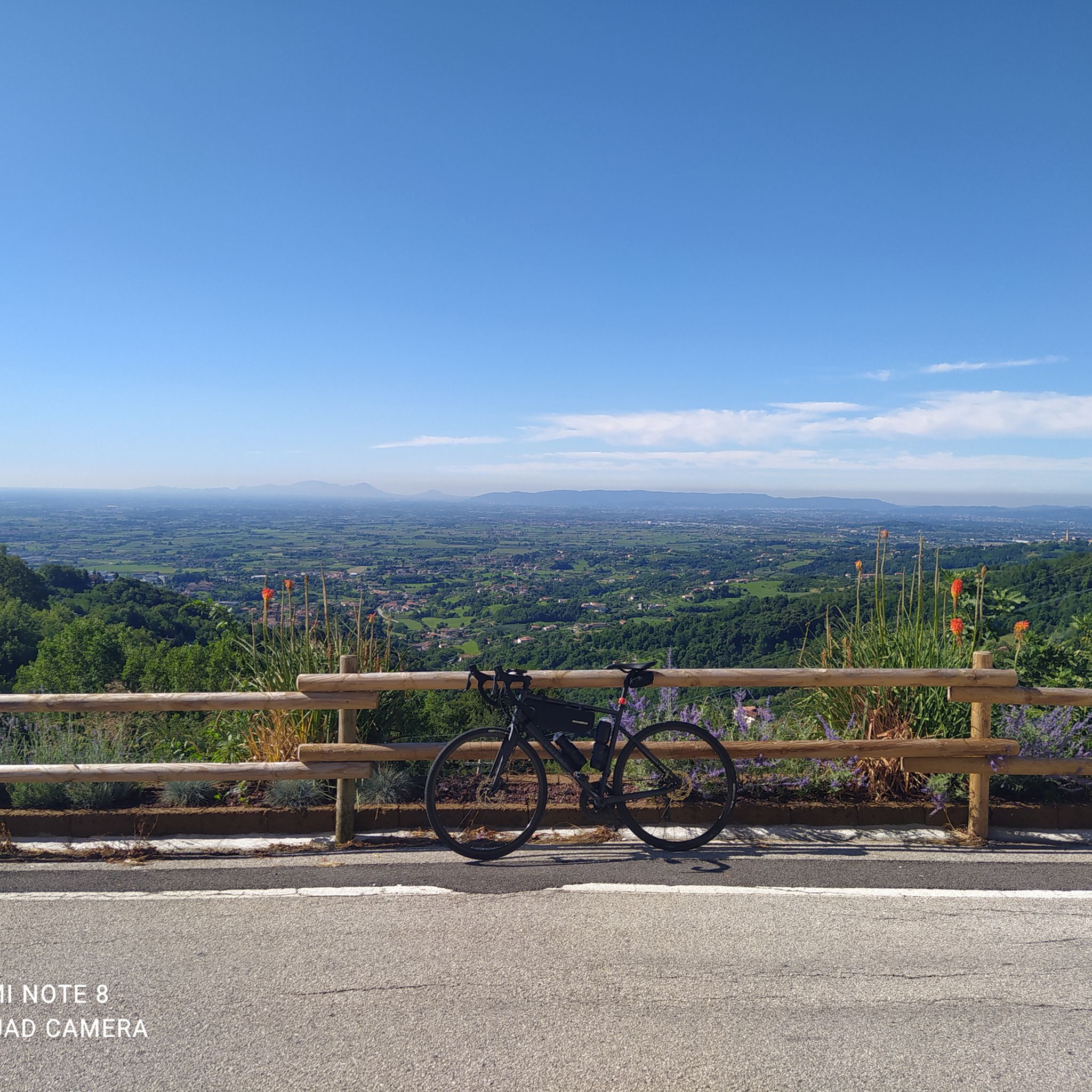
Bocchetta Paù (1,286 m) is a small pass between Monte Paù and Cima Fàvaro, featuring a bucolic pasture with a grazing pond surrounded by woods. From the rocky promontory on the edge of the plateau, you can enjoy a spectacular and expansive view of the Veneto plain, the Astico Valley, and the Piccole Dolomiti (with neighboring Summano in the foreground). Interesting fact: the metal shrine on the rock is nicknamed the "Madonnina dei Sauerkraut" (Little Madonna of the Sauerkraut), because it was commissioned as a votive offering after a narrow escape by Mr. Zuccato, owner of the well-known Vicenza-based sauerkraut company of the same name!
3
1

Col d'Astiago is located in the south-eastern sector of the Asiago plateau. Wide panorama of the Brenta and towards Monte Grappa. Here is the pumping station of the aqueduct that brings water from the Oliero caves to the plateau.
3
0
The pass is located at the end of the climb on the road that connects the Alpine refuge to the road of the malghe
2
0

Near Monte Cavalletto there is one of the five English cemeteries present in the territory of the Asiago plateau, in which more than a thousand fallen are buried.
0
0
Frequently Asked Questions
What kind of views can I expect from the mountain passes around Salcedo?
The mountain passes around Salcedo offer diverse and stunning panoramic views. From Col d'Astiago, you can enjoy a wide panorama of the Brenta and towards Monte Grappa, extending over the Asiago Plateau and the entire skyline of mountains bordering it to the north, including the Piccole Dolomiti, the Pale di San Martino, and the Vette Feltrine. Bocchetta Paù Viewpoint provides beautiful panoramic views of the Valdastico and is a lovely place with stunning vistas.
Are there any historical sites on the mountain passes near Salcedo?
Yes, the mountain passes in this region are rich in history. Col d'Astiago was a strongly armed Italian defensive bastion during the First World War due to its strategic position. It also has historical significance related to the Serenissima era, known locally as 'Col del S-ciavo'. Bocchetta Paù Viewpoint is located on Monte Paù, a significant site where the Austro-Hungarian army was stopped in June 1916. Near Passo Cavallino, you can find one of the five English cemeteries in the Asiago plateau, where over a thousand fallen soldiers are buried.
What outdoor activities can I do near these mountain passes?
The area around Salcedo's mountain passes is excellent for various outdoor activities, especially cycling and running. You can explore numerous routes for touring bicycles, such as the "Tour of the Mountain Huts – Natural Balcony Over the Plain loop" or the "West Gate of Marostica – Marostica loop". For road cycling, options include the "Monte Corno – Monte Corno Ascent loop" or "Scenic Hills Near Laverda loop". There are also running trails like the "Villa Godi Malinverni – Villa Piovene loop". You can find more details and routes in the Traffic-free bike rides around Salcedo (Touring Bicycle), Traffic-free bike rides around Salcedo (Race Bicycle), and Running Trails around Salcedo guides.
Are there specific routes for cycling or mountain biking?
Yes, the region offers a variety of cycling routes. For touring bicycles, consider the "Tour of the Mountain Huts – Natural Balcony Over the Plain loop from Lusiana" (44.3 km, difficult) or the "West Gate of Marostica – Marostica loop from Salcedo" (37.7 km, moderate). Road cyclists might enjoy the "Monte Corno – Monte Corno Ascent loop from Lugo di Vicenza" (36.8 km, difficult) or the "Scenic Hills Near Laverda loop from Pianezze" (29 km, moderate). You can find more cycling options in the Traffic-free bike rides around Salcedo (Touring Bicycle) and Traffic-free bike rides around Salcedo (Race Bicycle) guides.
Are there family-friendly mountain passes in the Salcedo area?
Yes, Bocchetta Paù Viewpoint is categorized as family-friendly. It offers stunning views and is a lovely place to stop during a tour of the malghe (mountain huts) in the Asiago plateau area, making it suitable for families to enjoy the scenery.
What is the best time of year to visit the mountain passes around Salcedo?
The region, being part of the Asiago Plateau, is generally best visited from late spring through early autumn (May to October) for pleasant weather conditions suitable for cycling, hiking, and enjoying the panoramic views. During these months, the roads are clear, and the vegetation is lush. Winter can bring snow, making some passes challenging or inaccessible, though it offers opportunities for winter sports if equipped.
Are there options for beginners or easier passes?
While many routes in the region are rated intermediate to difficult, the overall experience at viewpoints like Bocchetta Paù Viewpoint can be enjoyed by beginners, especially if accessed by car or as part of a shorter, less strenuous activity. For cycling, some routes are rated moderate, such as the "Tour of the Mountain Huts – Bicycle Park Alpine Bar loop from Casello del Guardia" (19.5 km) for touring bicycles, which might be more approachable.
Can I find loop trails around these mountain passes?
Yes, several loop routes are available for various activities. For touring bicycles, you can find the "Tour of the Mountain Huts – Natural Balcony Over the Plain loop from Lusiana" and the "West Gate of Marostica – Marostica loop from Salcedo". For road cycling, there's the "Monte Corno – Monte Corno Ascent loop from Lugo di Vicenza". Running enthusiasts can explore the "Villa Godi Malinverni – Villa Piovene loop from Lugo di Vicenza". These loops offer diverse experiences and return you to your starting point.
What are the parking options at these mountain passes?
While specific parking details for each pass are not always highlighted, mountain passes and viewpoints in popular areas like the Asiago Plateau generally have designated parking areas nearby, especially at key access points or popular starting points for trails and routes. It's advisable to check local signage or maps for specific parking availability when planning your visit.
What natural features can I see besides the passes themselves?
Beyond the passes, the region is characterized by its stunning natural beauty. You'll encounter the dramatic landscapes of the Asiago Plateau, deep valleys like the Canale del Brenta, and the surrounding mountain ranges including the Brenta, Monte Grappa, Piccole Dolomiti, Pale di San Martino, and Vette Feltrine. The area is also known for its karst topography, which influences its water systems, as seen with the aqueduct at Col d'Astiago that pumps water from the Oliero Caves.
Most popular routes around Salcedo
Most popular attractions around Salcedo

Get inspired with the komoot mobile app


Explore more
See even more epic mountain passes by checking out these guides around Salcedo:
