Top 20 Natural Monuments around Trambileno
Best natural monuments around Trambileno are characterized by fluvio-glacial valleys and ancient geological formations in the Trentino region of Italy. The area features diverse landscapes, including significant paleontological sites and serene waterways. Visitors can explore unique geological formations and historical sites intertwined with nature. This region offers a rich environment for appreciating natural beauty and geological history.
Best natural monuments around Trambileno
- The most popular natural monuments is Forra del Lupo – World War I Trench, a historical site…
Last updated: October 15, 2026
Forra del Lupo – World War I Trench
Highlight • Historical Site
Translated by Google •
Tip by

Italian Tooth
Highlight • Summit
Translated by Google •
Tip by

Sign up now to discover places like this
Get recommendations on the best single tracks, peaks, & plenty of other exciting outdoor places.
Sette Croci Memorial
Highlight • Historical Site
Translated by Google •
Tip by

Corno Battisti
Highlight • Summit
Showing Translation
Tip by

Zambèl Waterfall
Highlight • Waterfall
Translated by Google •
Tip by
Sign up for free to discover even more natural monuments around Trambileno.
Already have an account?
Start today with a free account
Your next adventure awaits.
Popular around Trambileno
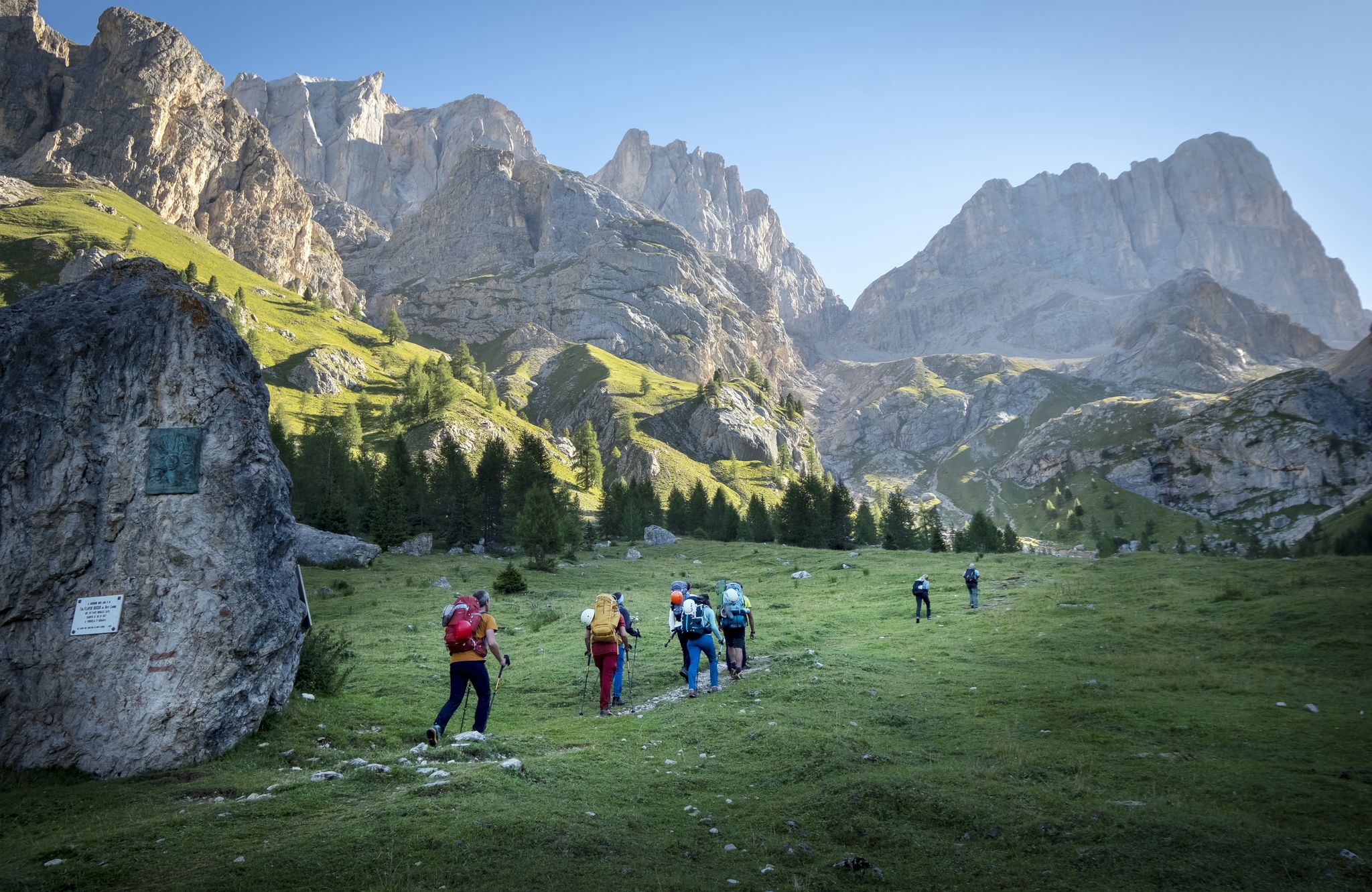
The Path of Peace – journey into Trentino's history

Fantastic autumnal cycling routes through Trentino – Italy’s MTB hotspot
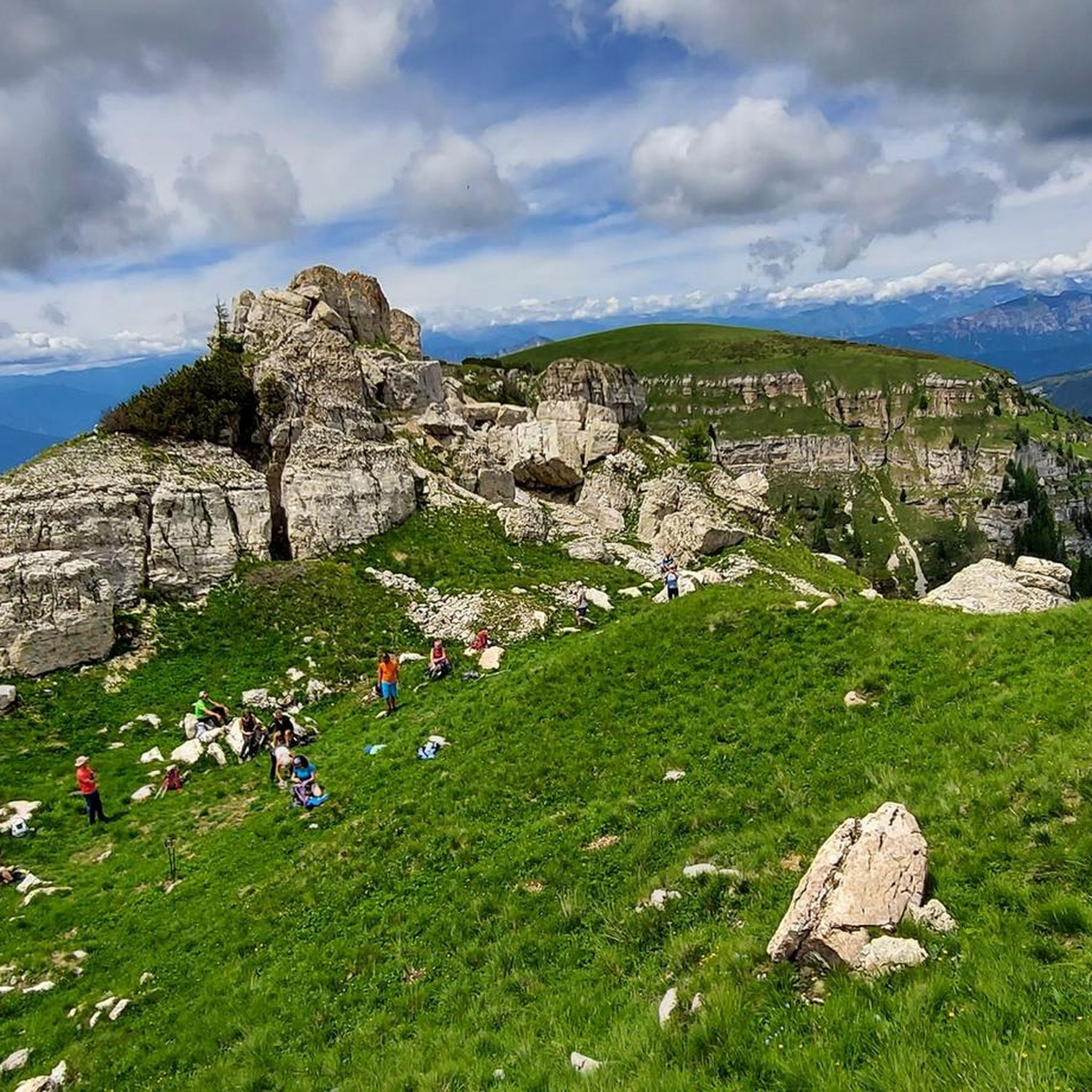
Hiking around Trambileno
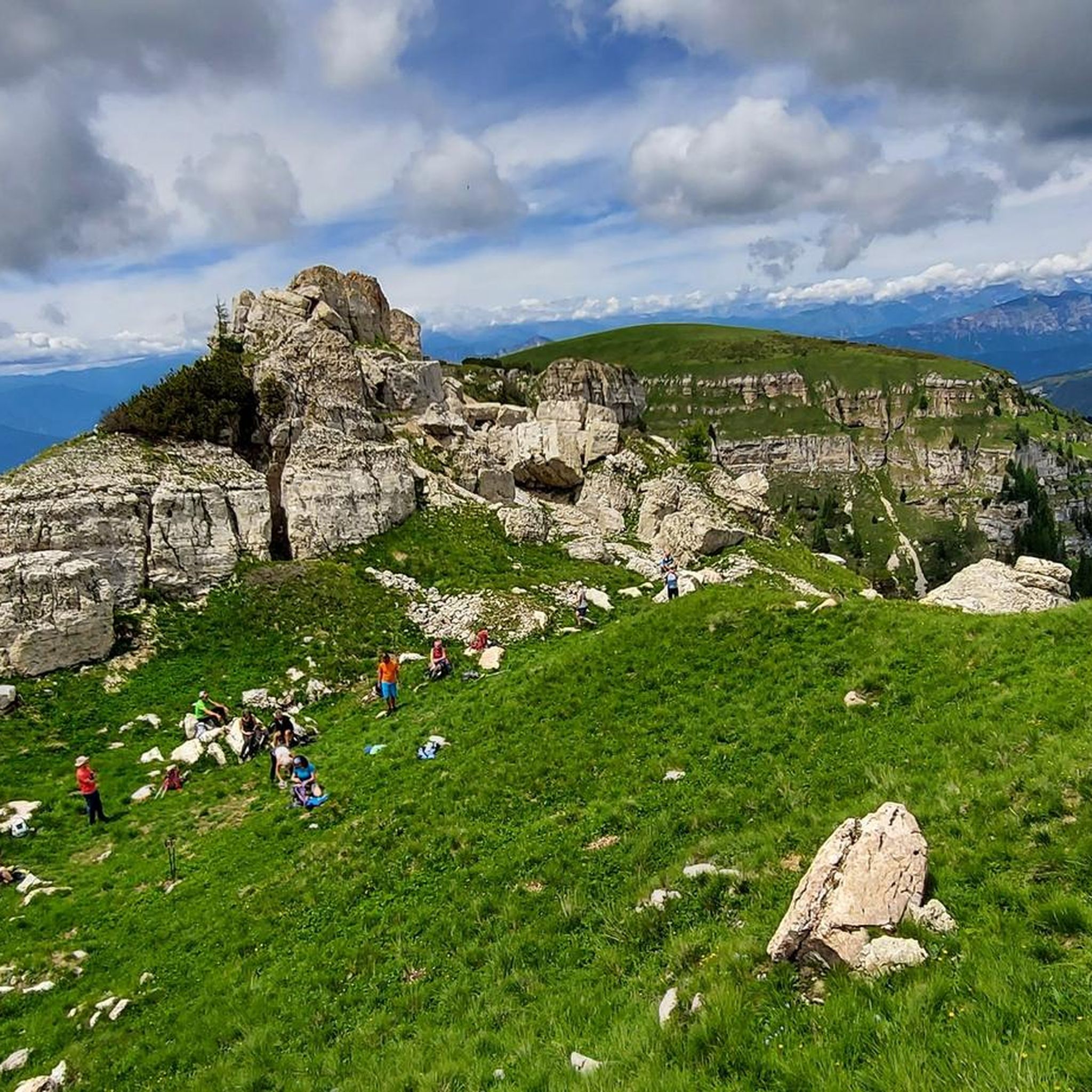
Road Cycling Routes around Trambileno
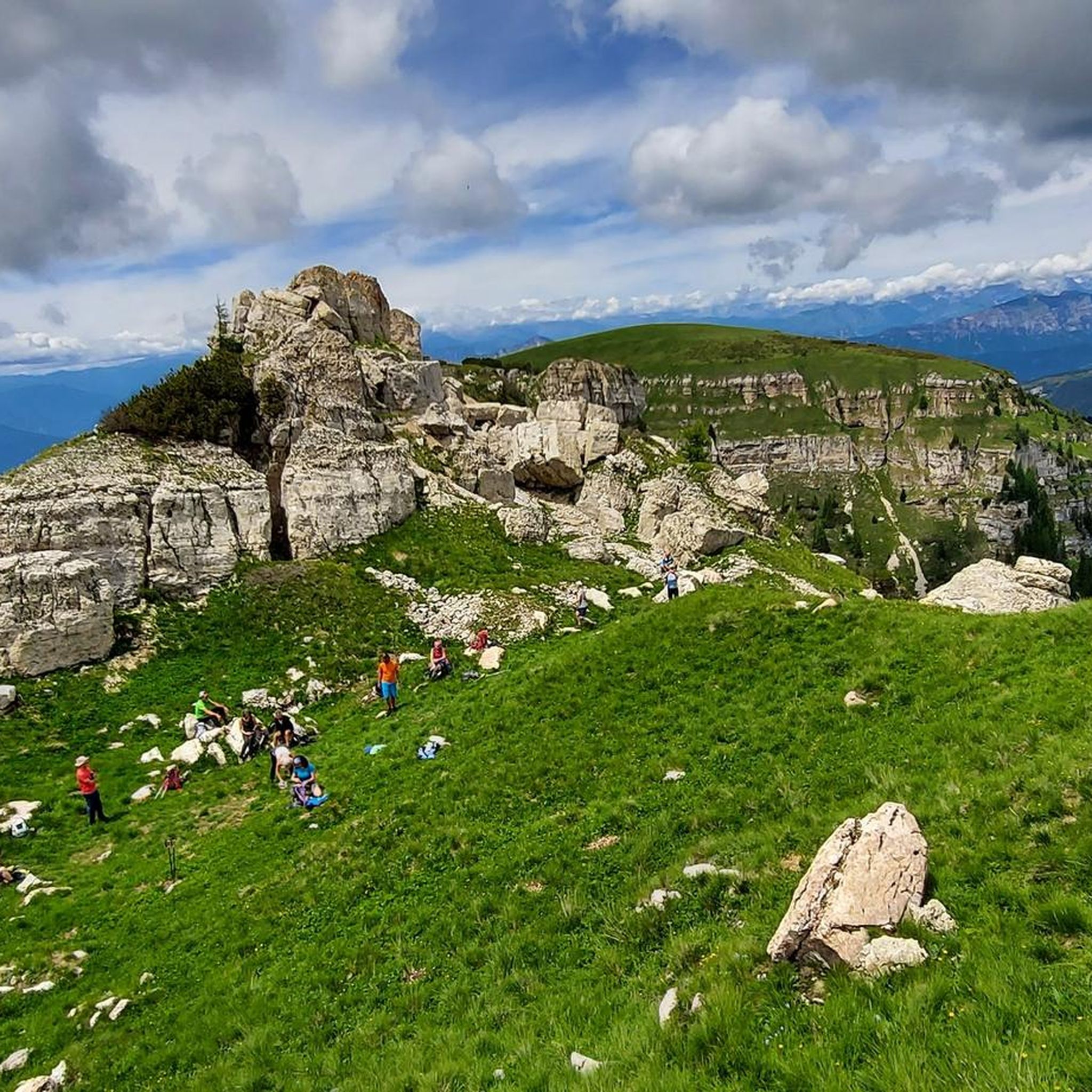
Cycling around Trambileno
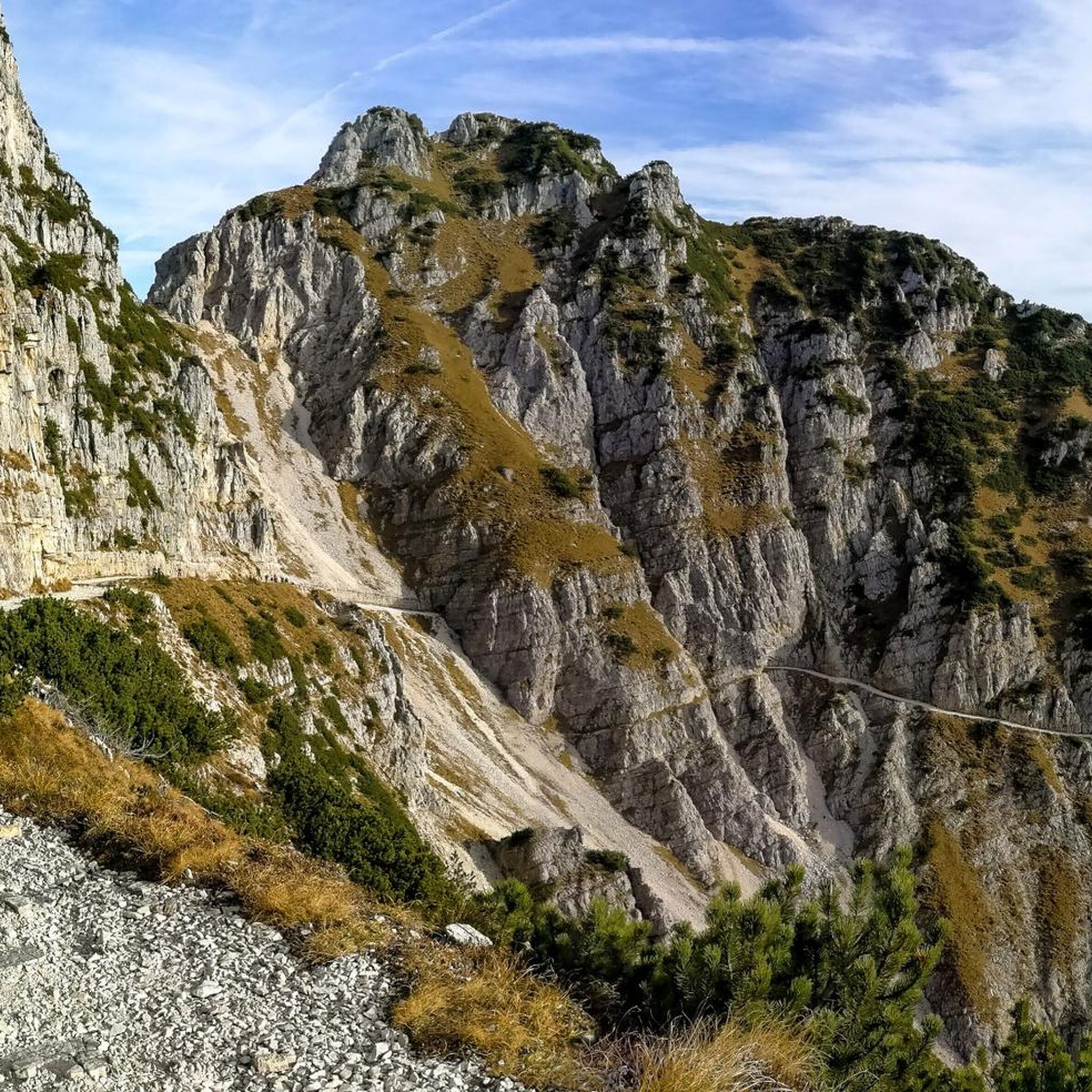
MTB Trails around Trambileno
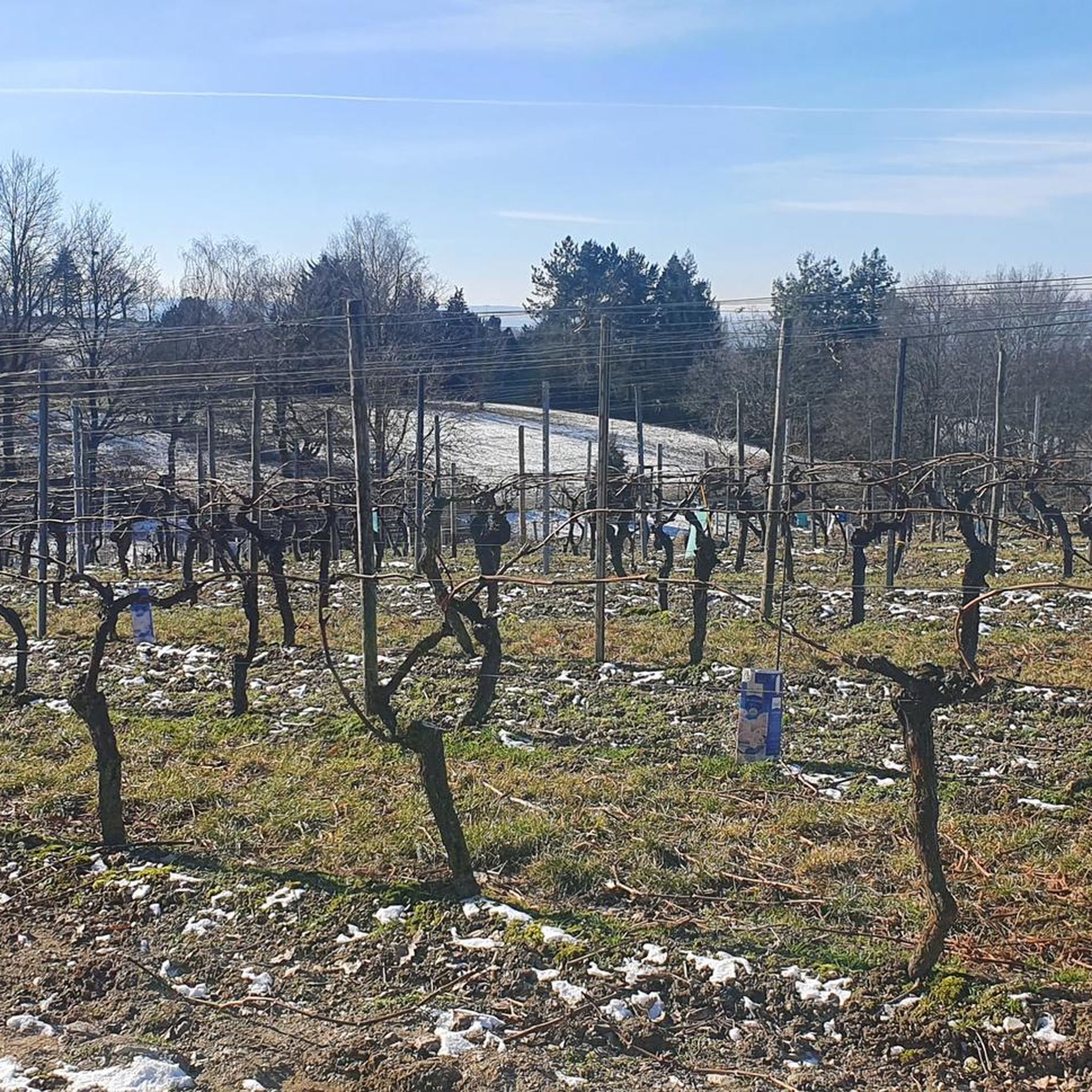
Gravel biking around Trambileno
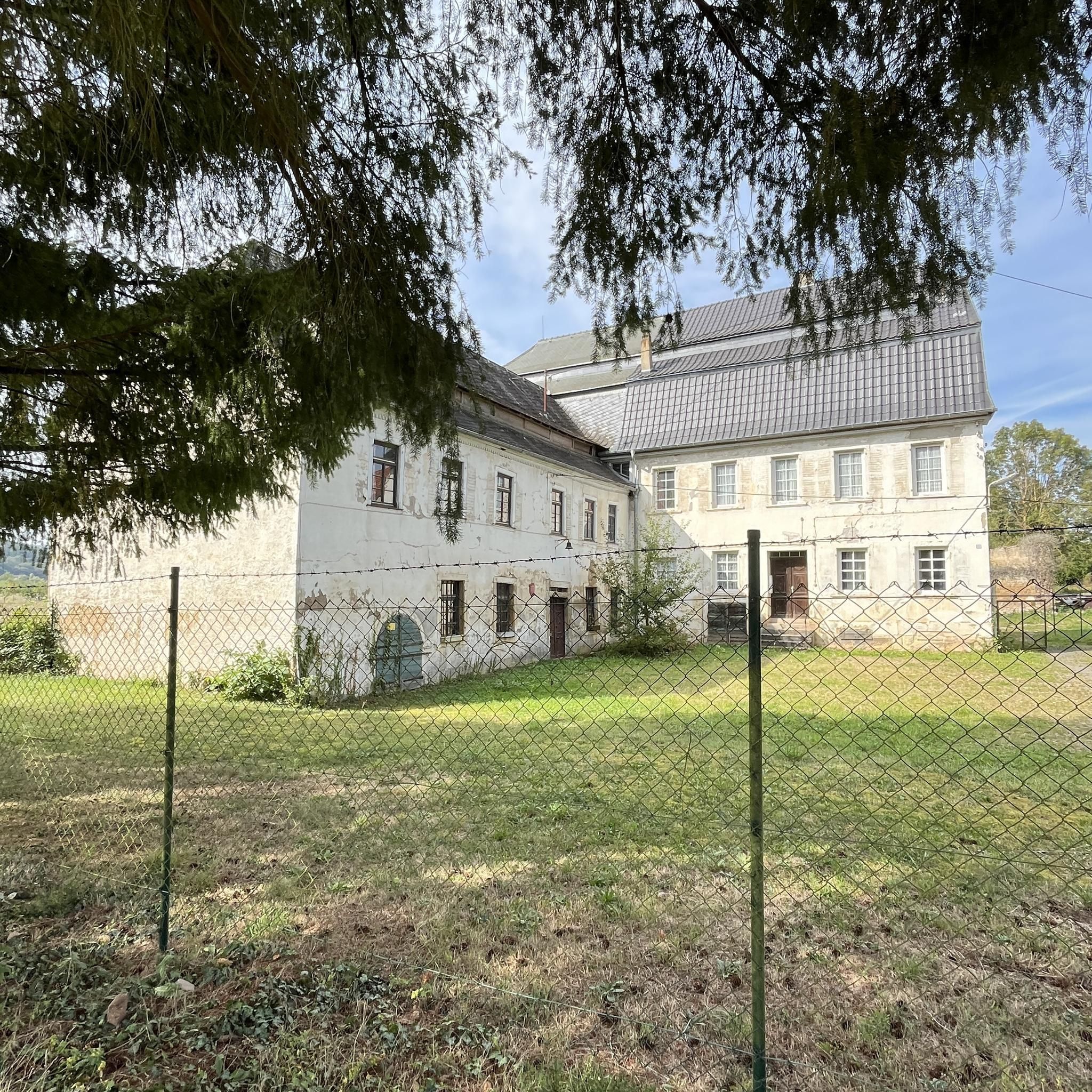
Mountain Hikes around Trambileno
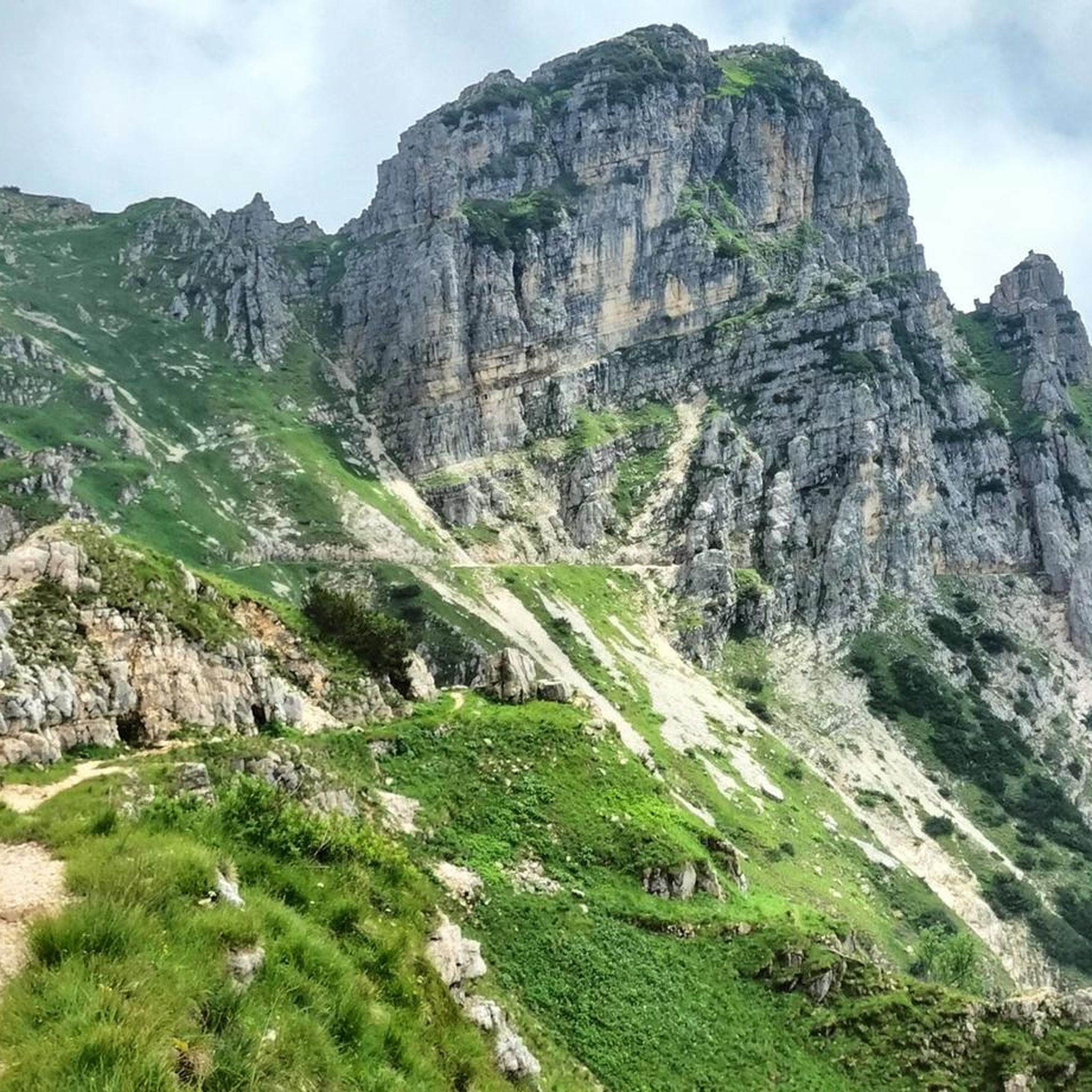
Running Trails around Trambileno

Tips from the Community

Beautiful thematic route related to the First World War. It is a long Austro-Hungarian trench entirely dug into the rock that can be easily walked. Also suitable for children and teenagers. No strollers!
0
0

The strategic position of Corno Battisti was the source of bloody battles for its possession during the Great War. To this end, it was equipped with numerous tunnels dug into the rock, with three separate entrances and numerous firing positions. The tunnels can be accessed with great caution, with a torch and preferably a via ferrata kit. Currently (2025), the upper entrance is closed.
0
0

Wolf's Gorge Trench
0
0

Beautiful and interesting, not only from a naturalistic point of view, but also from a historical one
0
0

Contrary to popular belief, the seven crosses do not refer to the clashes on Pasubio, but rather to seven farmers who killed each other over grazing issues in the pre-war era.
1
0

Il Corno Battisti, an isolated rocky spur of the Pasubio Group, sheer above Vallarsa, offers a spectacular panorama of the long valley and the surrounding mountains: Pasubio, Sengio Alto, Carega, Monte Zugna. Precisely because of its strategic position, it was fiercely contested during the First World War: the possibility of controlling all troop and supply movements in the valley from above made the Corno a crucial point to occupy and defend at all costs... it was indeed nicknamed 'the eye of the Pasubio' or 'the spy of Vallarsa'. At the beginning of the conflict, it was a garrison of the Italian army, but with the Strafexpedition in 1916, it was occupied by the Austro-Hungarians. The Italians, unable to recapture it, dug a mine gallery from below to pierce the Corno and blow up the summit; the imperialists in turn dug a counter-mine gallery from above. Everything was ready for detonation, but a daring raid by a few commandos allowed the summit to be recaptured by the Royal Army, which held it until the end of the war. In 1916, near the summit, the Austro-Hungarians captured the irredentists Cesare Battisti and Fabio Filzi, who were immediately taken to Trento and hanged at the Castello del Buonconsiglio as traitors: for this reason, the summit, known at the time as 'Corno della Vallarsa', was renamed 'Corno Battisti' after the war. The Austro-Hungarian observatory survives on the summit. The bowels of the Corno, on the other hand, are excavated by a surprising labyrinth of dark and damp tunnels with steep steps: they are passable, but to reach them from the summit, one must go around the spur following a narrow, steep path; furthermore, to complete the loop of the tunnels, one must face a short, equipped and exposed section, and descend a metal ladder of about fifteen meters which is by no means trivial (EE). https://it.wikipedia.org/wiki/Monte_Corno_Battisti https://www.esercito.difesa.it/storia/pagine/monte-corno.aspx
3
0
The Dente Italiano and the Dente Austriaco are two rocky towers of equal altitude facing each other, separated by a saddle but sadly united by history: during the First World War, they were the point on Pasubio where enemy lines were closest. With the Strafexpedition of 1916, the imperial army reached the Dente Austriaco, but was blocked by royal troops who had arrived on the Dente Italiano. A grueling and bloody standoff began, with several attempts to break through, all in vain. The impending winter prevented further fighting, and both sides began to fortify their positions and make them more livable... In the Dente Italiano, the Army Corps of Engineers created a veritable underground citadel. It could accommodate 500 men, with all the necessary means of subsistence: shelters, storage facilities, a cistern for drinking water, a generator for lighting, dressing stations, and command posts. The armament consisted of five machine guns, two cannons, and one flamethrower, supported by artillery from the nearby Palon and Cogolo Alto peaks. In contrast, the Austrian Tooth was transformed into an impregnable fortress, thanks to its elongated, square shape, with fire on three sides. There were 10 machine gun emplacements and six artillery emplacements in the cave, complemented by the armament arrayed along the trenches at the summit: 18 grenade launchers, 12 grenade launchers, four flamethrowers, five cannons, and 10 machine guns. Here, too, the bowels of the mountain housed the troops with all the logistical and survival equipment: shelters, storage facilities, lighting, ventilation, a cistern, a telephone exchange, searchlights, etc. Faced with the impossibility of advancing, both commands believed the only solution was to blow up the enemy stronghold from the ground up: thus began the war of mines and countermines, with a dense network of underground tunnels. Between the autumn of 1917 and the spring of 1918, there were 10 explosions, five Austrian and five Italian, until the gigantic 50-ton Austrian dynamite charge on March 13, 1918, which shattered the northern slope of the Dente Italiano, altering its morphology and causing casualties on both sides. After years of war and thousands of deaths, the great war on Pasubio ended with the front line virtually unchanged! To pass between the two Denti, one passes through the chasm created by the mine, amidst enormous boulders and debris: impressive.
0
0
Tradition has it that the Seven Crosses were placed in memory of an ancient feud in the 15th century between shepherds, who bitterly fought over the meager pastures of the Pasubio massif: in a violent fight that broke out between seven herdsmen, six were killed; the last, desperate in front of the lifeless bodies of the others, took his own life. They were buried on the spot where they had died. The Seven Crosses do not therefore refer to war episodes of the Great War, despite being located in the middle of a combat zone, close to the Dente Italiano and the Dente Austriaco: here in particular on 2 July 1916, during the Strafexpedition, the imperial Kaiserjäger broke through and broke through the enemy lines, reaching the point of maximum penetration into the Pasubio.
0
0
Frequently Asked Questions
What unique natural features can I explore in the Trambileno area?
The Trambileno area, nestled in the Trentino region, offers diverse natural features. You can explore the significant paleontological site of Dinosaur Footprints at Monte Zugna, where you can see fossilized tracks from the Jurassic era. The serene Leno Stream and its Natural Ponds provide a tranquil setting for relaxation, while the Valle di Terragnolo showcases a distinctive fluvio-glacial valley with calcareous rocks and lush landscapes.
Are there any significant geological sites to visit near Trambileno?
Yes, the region is rich in geological significance. The Dinosaur Footprints at Monte Zugna are a prime example, preserving tracks from 200 million years ago. Additionally, the natural rock formation supporting the San Colombano Hermitage is an impressive display of geological power, with the hermitage built into a sheer 120-meter high cliff face.
Do the natural monuments in Trambileno have historical significance?
Many natural monuments in the Trambileno area are deeply intertwined with history, particularly from World War I. For instance, the Forra del Lupo – World War I Trench is a narrow passage between high rock walls that served as an Austro-Hungarian military trench. Similarly, the Italian Tooth and Austrian Tooth are summits that were transformed into fortified positions during the war, marking a grueling and bloody standoff.
Are there family-friendly natural monuments around Trambileno?
Absolutely! The Dinosaur Footprints at Monte Zugna offer an extraordinary educational experience for all ages, allowing visitors to literally walk in the footsteps of prehistoric creatures. The Leno Stream and its Natural Ponds are also ideal for family picnics and refreshing baths in a serene mountain atmosphere.
What kind of outdoor activities can I enjoy near Trambileno's natural monuments?
The area around Trambileno offers a variety of outdoor activities. The Valle di Terragnolo is excellent for hikers and mountain bikers, with trails offering panoramic views. You can also find numerous cycling routes, including road cycling, touring, and gravel biking options. For more details on routes, explore guides like Road Cycling Routes around Trambileno or Gravel biking around Trambileno.
When is the best time of year to visit the natural monuments in Trambileno?
The natural monuments around Trambileno can be enjoyed across different seasons. Spring and autumn offer pleasant temperatures for hiking and exploring the Valle di Terragnolo and historical sites. Summer is ideal for enjoying the refreshing waters of the Leno Stream ponds. While some areas might be accessible in winter for experienced hikers, many trails could be challenging due to snow and ice.
Are there any viewpoints offering scenic panoramas of the region?
Yes, several natural monuments offer breathtaking views. The summits like Italian Tooth and Austrian Tooth provide expansive vistas of the surrounding landscapes. The Sisilla Crag also offers a spectacular view from its overhanging summit, looking down towards the Campogrosso pastures.
What do visitors enjoy most about the natural monuments in Trambileno?
Visitors particularly appreciate the unique blend of natural beauty and profound historical significance. The Forra del Lupo – World War I Trench is often described as a 'stunning route' and a 'unique and evocative route' amidst historical relics. The historical sites like the 'Teeth' are valued for allowing visitors to 'touch and understand what must never happen again,' while the natural settings like the Leno Stream ponds are cherished for their serene atmosphere.
Can I find any hidden gems or less-known natural monuments in the area?
While not entirely 'hidden,' the Forra del Lupo was rediscovered almost by chance in 2014 after decades of oblivion, making it a unique find for many. Its dramatic gorge and historical trenches offer a less conventional exploration experience compared to more widely known sites. The natural caves within the cliff of the San Colombano Hermitage also offer a glimpse into ancient hermit life within a remarkable natural setting.
Are there opportunities for climbing or more challenging outdoor pursuits?
Yes, for those seeking more challenging activities, the Sisilla Crag is a historic and popular climbing gym with about thirty routes on its 120-meter high south face. The summit of Sisilla itself is reached via a challenging trail with a final via ferrata section, suitable for experienced hikers.
What is the significance of the Sette Croci Memorial?
The Sette Croci Memorial is a historical site with a poignant story. Contrary to popular belief, the seven crosses do not refer to the clashes on Pasubio during World War I, but rather commemorate seven farmers who tragically killed each other over grazing issues in the pre-war era. It serves as a powerful reminder of local history and conflicts.
Most popular routes around Trambileno
Most popular attractions around Trambileno

Get inspired with the komoot mobile app


Explore more
Extend your search for the best caves by checking out these guides of the top ones around Trambileno:
