Top 10 Natural Monuments around Sperlonga
Best natural monuments around Sperlonga feature a rich blend of coastal beauty and historical significance within the Regional Park of the Riviera di Ulisse. This Italian coastal town offers unique geological formations, diverse ecosystems, and panoramic views of the Tyrrhenian Sea. The area is characterized by rolling hills, natural caves, and Mediterranean vegetation. Sperlonga provides a compelling natural landscape for exploration.
Best natural monuments around Sperlonga
- The most popular natural monuments is Tiberius' Grotto, a cave that offers a…
Last updated: June 28, 2026
Montagna Spaccata of Gaeta
Highlight • Canyon
The 92-meter natural canyon of Teutonic origin was carved into the rock by erosive action.
Translated by Google •
Tip by

Tiberius' Grotto
Highlight • Cave
Tip by

Sign up now to discover places like this
Get recommendations on the best single tracks, peaks, & plenty of other exciting outdoor places.
Sign up for free
Tiberius' Cave and Fishpond of Sperlonga
Highlight • Cave
Translated by Google •
Tip by
Sette Acque Spring
Highlight • Natural Monument
Translated by Google •
Tip by

Turk's Cave
Highlight • Cave
Translated by Google •
Tip by
Sign up for free to discover even more natural monuments around Sperlonga.
Sign up for free
Already have an account?
Start today with a free account
Your next adventure awaits.
Login or Signup
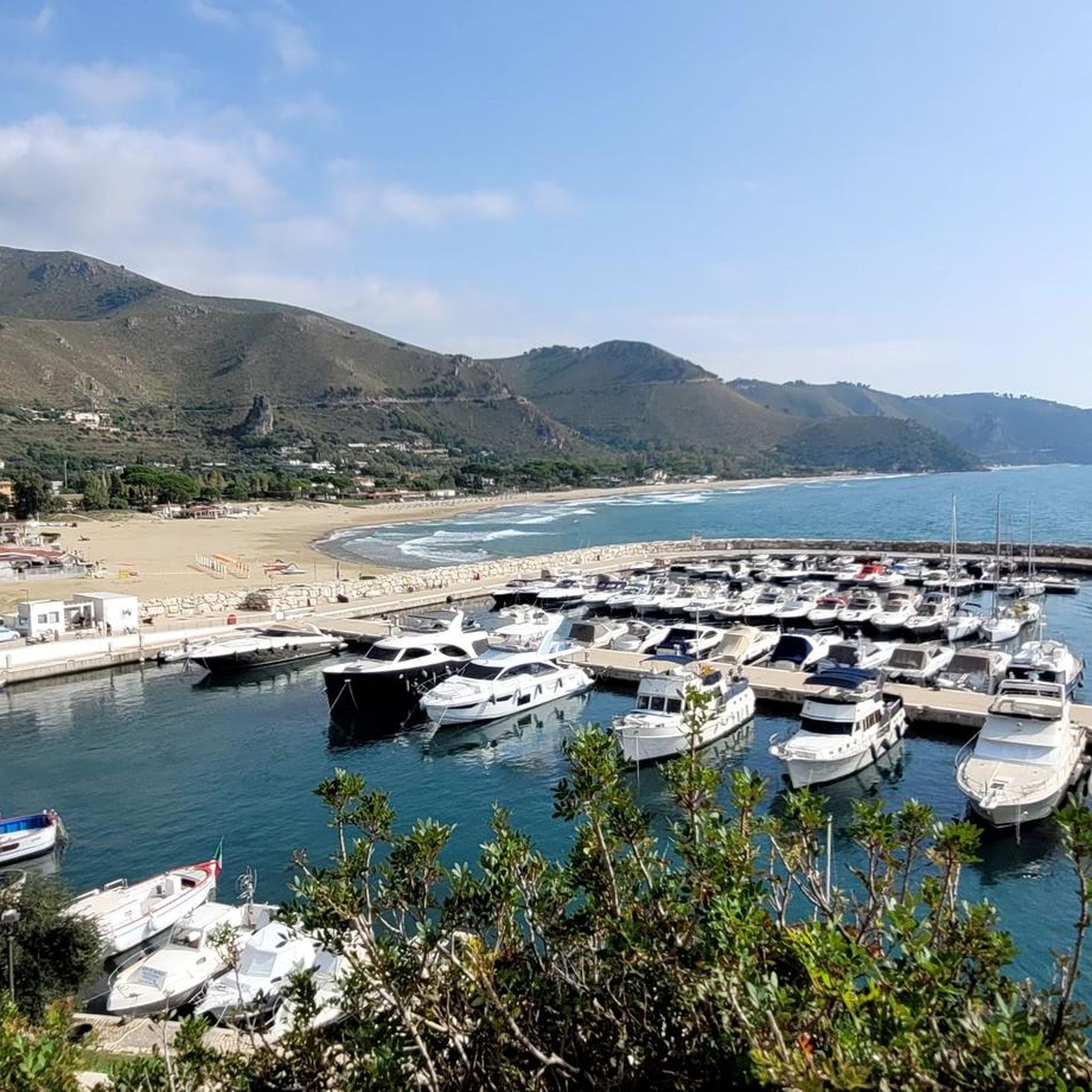
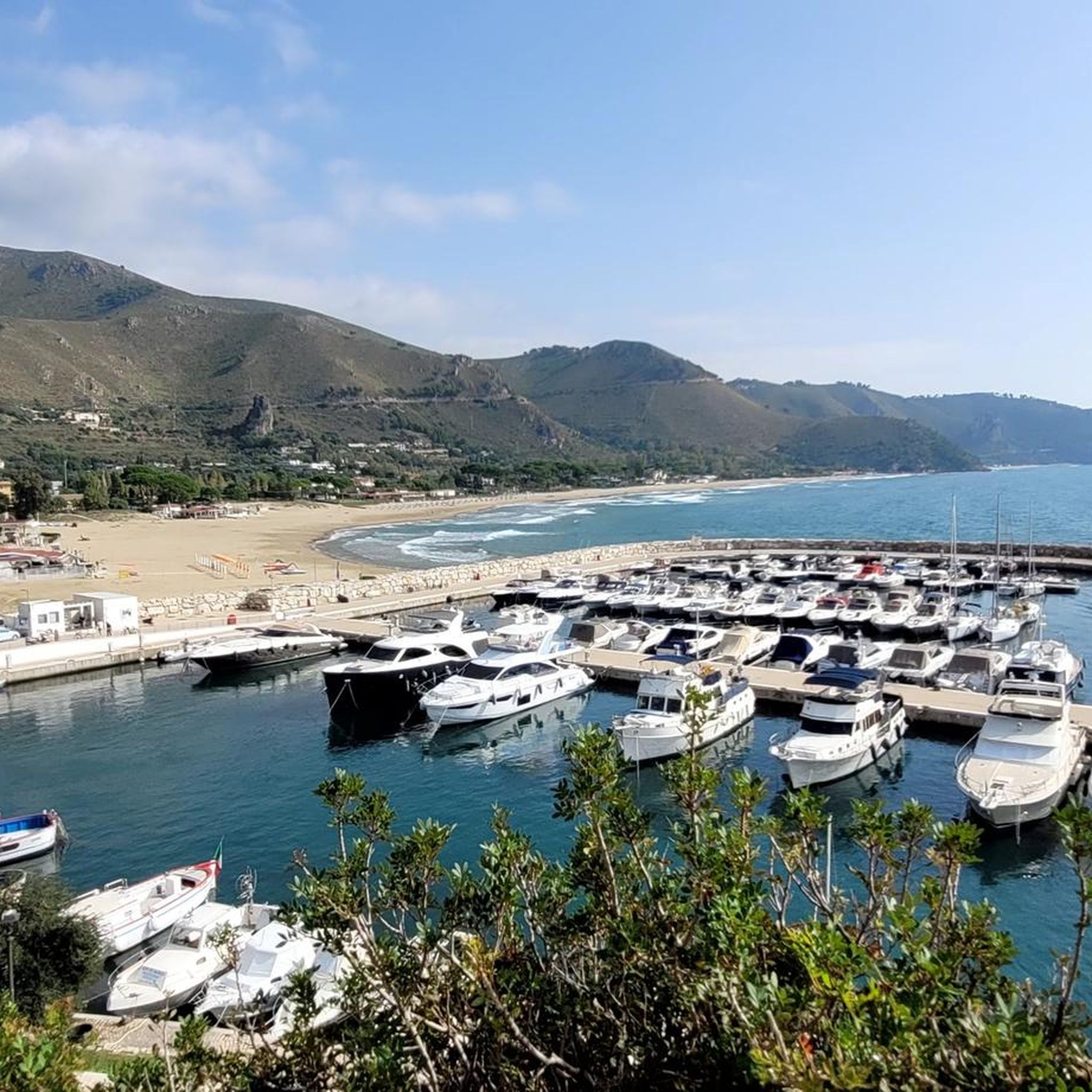
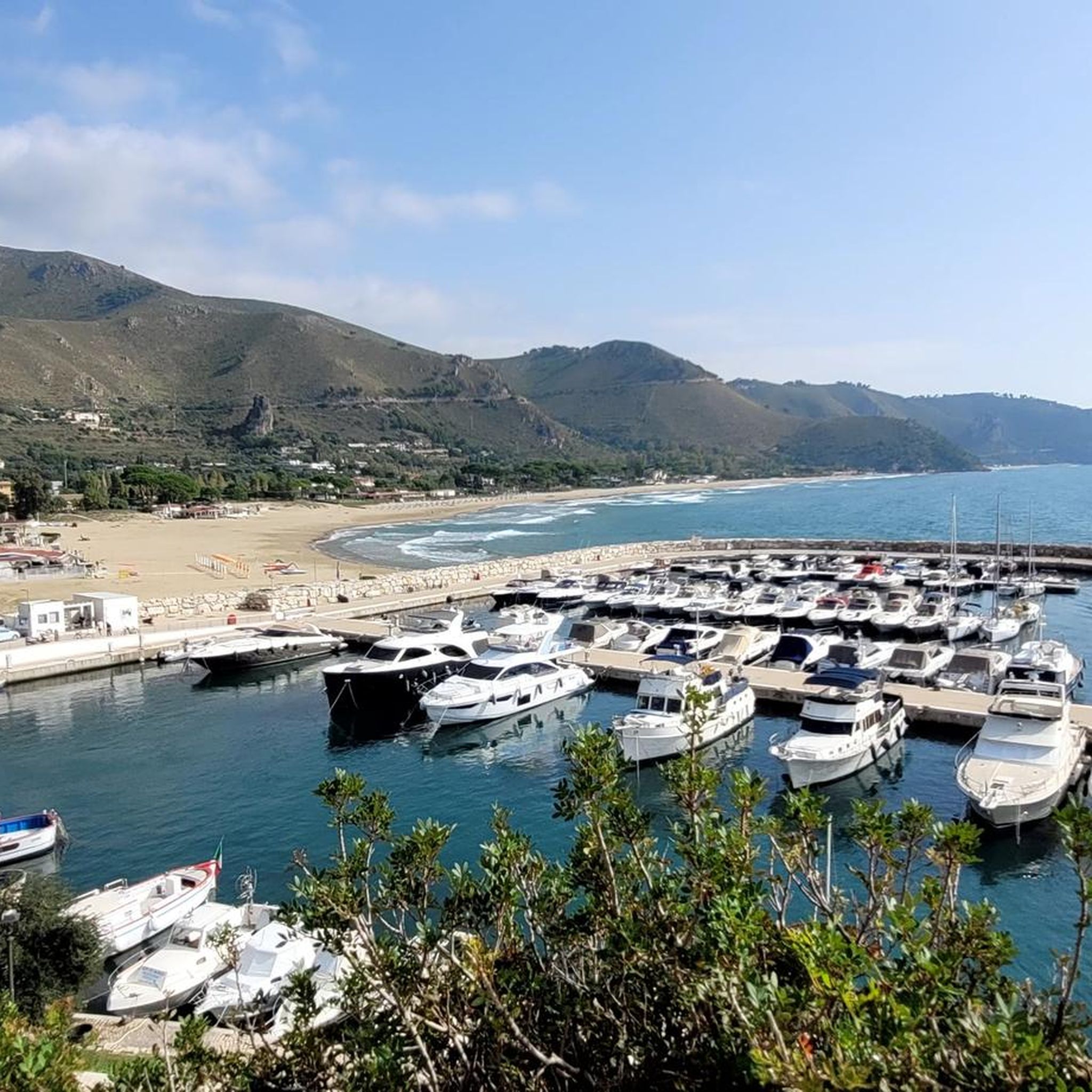
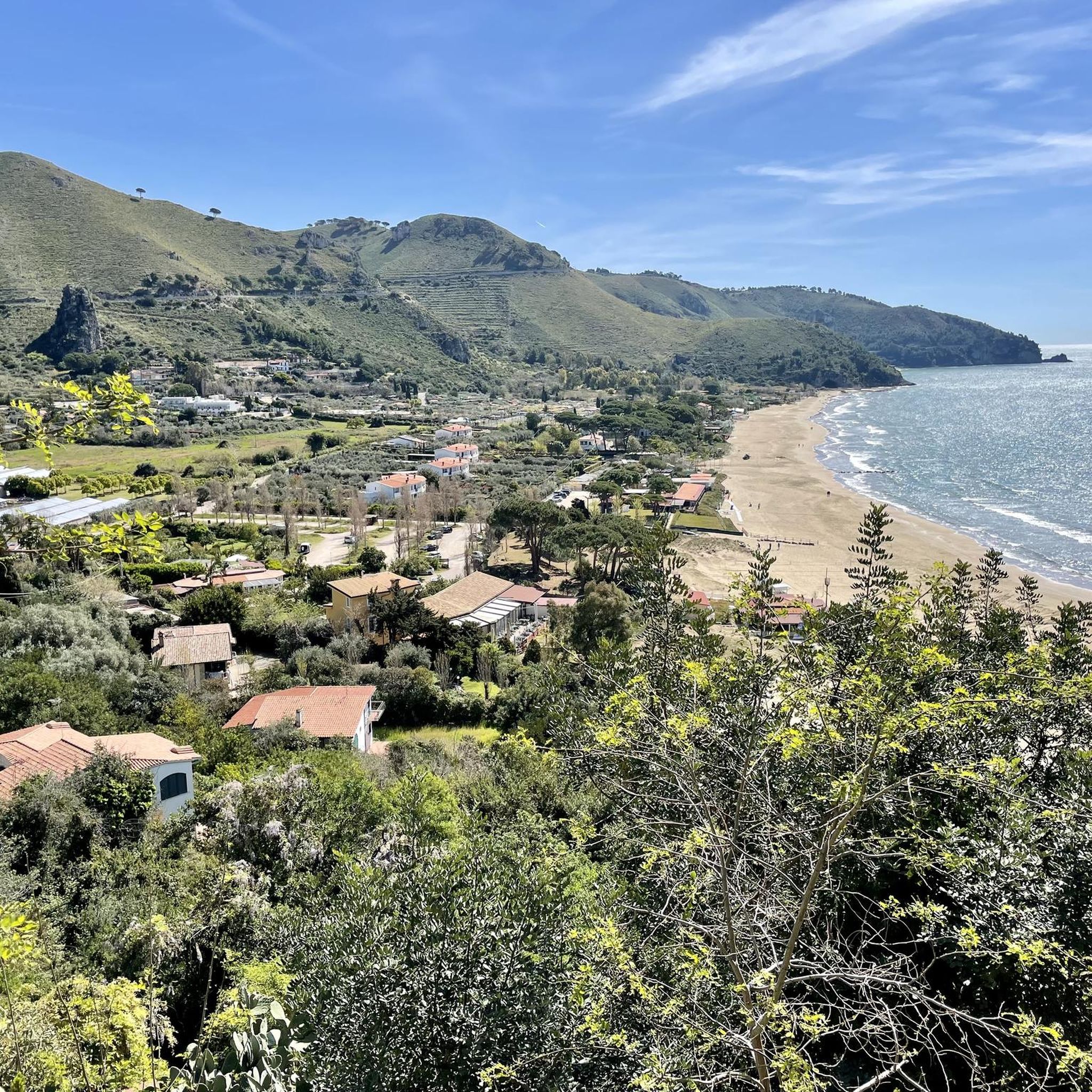
Tips from the Community

Wonderful and Fascinating Place The Sanctuary of the Most Holy Trinity at Montagna Spaccata is a place of deep spirituality, immersed in the extraordinary natural setting of Monte Orlando, in Gaeta. It stands on the remains of the Roman villa of Lucius Munatius Plancus, and owes its name to three imposing fissures in the rock, two of which are visitable. Founded around 930 AD by Benedictine monks, the sanctuary has always been a center of prayer and meditation. It is a place of attraction for pilgrims and visitors from all over the world, fascinated by the sacredness and history of the place. In addition to the suggestive Chapel of the Crucifix, the Church of the Sanctuary, and the Grotta del Turco, the complex offers visitors a spiritual journey between faith and nature, with breathtaking views of the sea. A point of reference for those seeking a moment of recollection and inner peace, immersed in an environment that combines religion, history, and the wonders of creation.
0
0

it's OK
0
0

An incredible place for glimpses and lights
0
0

The Grotto of Tiberius is the most spectacular part of the Roman villa of Sperlonga. The enormous natural ravine is preceded by a large rectangular fish pond of sea water that housed an artificial island in the center that served as a summer caenatio, or the place where Tiberius and his court ate in the summer. The grotto was decorated with marble statues of enormous artistic value dedicated to the saga of Ulysses and sculpted by Greek artists from Rhodes. It is thought that these famous craftsmen stayed in the villa to finish the statues previously sketched in the workshop. The bottom of the grotto was decorated with frescoes and masonry works that divided the room into rooms and alcoves. Near the alcove, the remains of frescoes and decorations created with local shells and the spaces where the beds were probably placed are still visible. Above the external opening of the grotto there was the statue of a beautiful Ganymede kidnapped by the eagle Zeus. The fish pond communicates with the circular pool in the center of the cave where the sculptural group of the attack on the monster of Scylla, the most majestic of the four, stood out in a scenic position. Then there was the group of the blinding of Polyphemus, that of the abduction of the Palladium and that of Ulysses dragging the body of Achilles.
0
0
The Grotto of Tiberius A spectacular late Roman Republican villa. It overlooks a splendid sea and also houses the very rich National Archaeological Museum..... not to be missed, absolutely!
0
0

staircase of the cave of the Turk
0
0

Very easy hike with fantastic views!
0
0

Frequently Asked Questions
What are the most notable natural monuments to visit around Sperlonga?
Sperlonga offers a rich blend of natural beauty and historical significance. Key natural monuments include Tiberius' Grotto, known for its dramatic geological formation and ancient Roman history, and Turk's Cave, which features unique rock crevices and local legends. Another significant site is Tiberius' Cave and Fishpond of Sperlonga, part of Emperor Tiberius' villa, showcasing how natural features were integrated with ancient architecture.
What kind of natural features can I expect to see in Sperlonga's natural monuments?
The natural monuments around Sperlonga are characterized by stunning coastal landscapes, unique limestone caves, and diverse Mediterranean vegetation. You'll find rolling hills, panoramic views of the Tyrrhenian Sea, and rich ecosystems. The area is part of the Regional Park of the Riviera di Ulisse, featuring Aleppo pines, rare dwarf palms, and various bird species like hoopoes and Peregrine falcons.
Are there any family-friendly natural attractions in Sperlonga?
Yes, several natural monuments are suitable for families. Tiberius' Grotto is considered family-friendly, offering an engaging experience with its cave and the adjacent National Archaeological Museum. The general coastal area provides opportunities for easy walks and exploring the natural beauty, though specific trails should be checked for difficulty.
What outdoor activities can I do near Sperlonga's natural monuments?
The region around Sperlonga is excellent for various outdoor activities. You can enjoy cycling, with options ranging from road cycling to gravel biking. For example, there are numerous routes like the 'Sperlonga to Itri uphill' loops or the 'Sette Acque Spring' gravel route. You can find more details on cycling routes in the Cycling around Sperlonga guide or the Gravel biking around Sperlonga guide.
What is the best time to visit the natural monuments in Sperlonga?
Sperlonga's natural monuments are beautiful year-round, but the best time often depends on your preferred activities. Spring and autumn offer pleasant temperatures for hiking and exploring without the peak summer crowds. Summer is ideal for swimming and boat excursions to explore hidden caves. Even in winter, the natural landscapes retain their charm, offering a quieter experience.
Are there any natural springs or unique water features to explore?
Yes, the Sette Acque Spring is a notable natural monument where water gushes out on contact with the limestones. It offers a beautiful scenery, especially in the afternoon, and its very fresh water has a particular composition with a low sodium concentration, giving it a unique flavor.
Can I find historical sites integrated with the natural monuments?
Absolutely. Sperlonga is renowned for its blend of nature and history. The Tiberius' Grotto and Tiberius' Cave and Fishpond of Sperlonga are prime examples, being part of Emperor Tiberius' ancient villa. The National Archaeological Museum of Sperlonga, located near the grotto, houses sculptures discovered within the cave, further illustrating this unique integration.
What do visitors enjoy most about the natural monuments around Sperlonga?
Visitors frequently praise the stunning views and the unique combination of natural beauty with ancient history. The dramatic geological formations, like those at Tiberius' Grotto and Turk's Cave, are often highlighted. Many also appreciate the opportunity for easy walks and the overall serene atmosphere of the area.
Are there any viewpoints offering panoramic natural vistas?
While primarily a historical structure, Torre Truglia, built on a rocky promontory, offers exceptional natural vistas. It provides panoramic views of the Tyrrhenian Sea, the stunning Sperlonga coastline, and the distant Monti Aurunci mountains, making it a popular spot for photography, especially at sunrise or sunset.
Are there opportunities for wild swimming or exploring hidden coves?
Yes, the Sperlonga coastline is dotted with natural caves of limestone formation, such as the Caves of Bazzano and the Grotta delle Bambole. These can often be explored via boat excursions, offering visitors a chance to discover hidden coves and admire unique rock formations only accessible by sea. The crystalline waters throughout the region are ideal for swimming and snorkeling.
What is the significance of the Sperlonga Natural Monument?
The Sperlonga Natural Monument encompasses the Villa di Tiberio Promontory and Costa Torre Capovento – Punta Cetarola. This protected area is significant for its unspoiled natural landscapes, rich biodiversity, and unique geological formations. It features rolling hills, natural caves, and panoramic coastal views, supporting diverse Mediterranean vegetation and various bird species.
Is public transport available to reach natural monuments like Grotta di Tiberio?
Access to Grotta di Tiberio is typically through the National Archaeological Museum of Sperlonga. While Sperlonga itself is accessible by public transport, reaching specific natural monuments often involves local buses, taxis, or walking from the town center. It's advisable to check local transport schedules for the most up-to-date information on routes to the archaeological site.
Most popular attractions around Sperlonga

Get inspired with the komoot mobile app


Explore more
Extend your search for the best caves by checking out these guides of the top ones around Sperlonga:
