Top 4 Natural Monuments around Lunamatrona
Best natural monuments around Lunamatrona are found within a landscape rich in geological formations and historical significance, situated in the Marmilla plain of Sardinia. This region is characterized by impressive basaltic plateaus and ancient archaeological sites integrated into the natural environment. Visitors can explore a blend of natural features and cultural heritage, offering insights into the area's unique geology and past. The natural attractions near Lunamatrona provide diverse opportunities for exploration.
Best natural monuments around Lunamatrona
- The most popular natural…
Last updated: October 14, 2026
Tomb of the Giants Sa Domu e S'Orku
Highlight • Historical Site
Translated by Google •
Tip by

Domus de Janas Sa Domu e S'Orku
Highlight • Cave
Translated by Google •
Tip by

Sign up now to discover places like this
Get recommendations on the best single tracks, peaks, & plenty of other exciting outdoor places.
Giara di Siddi
Highlight (Segment) • Natural Monument
Translated by Google •
Tip by
Natural Monument "Fossil Schist of Valmadrera 2012" by Pinuccio Sciola
Highlight • Natural Monument
Translated by Google •
Tip by
Domus de Janas
Highlight • Cave
Translated by Google •
Tip by

Start today with a free account
Your next adventure awaits.



Tips from the Community

Sa Dome and s'Orku, one of the best preserved giants' tombs on the island
0
0

Tamba dei Giganti really beautiful and impressive, a pity that part of the arch on the sides of the entrance is missing
0
0
Beautiful still completely intact even if not very well cared for, it can be easily reached from the road
0
0

There are about 800 Giants' Tombs in Sardinia. The one inside the archaeological site of the Giara di Siddi is one of the best preserved Nuragic funerary monuments.
1
0

Municipal park with bar (closed when I pass) and with sculpture by the famous Sardinian sculptor Pinuccio Sciola, who unfortunately passed away.
1
0
Easy to reach
0
0
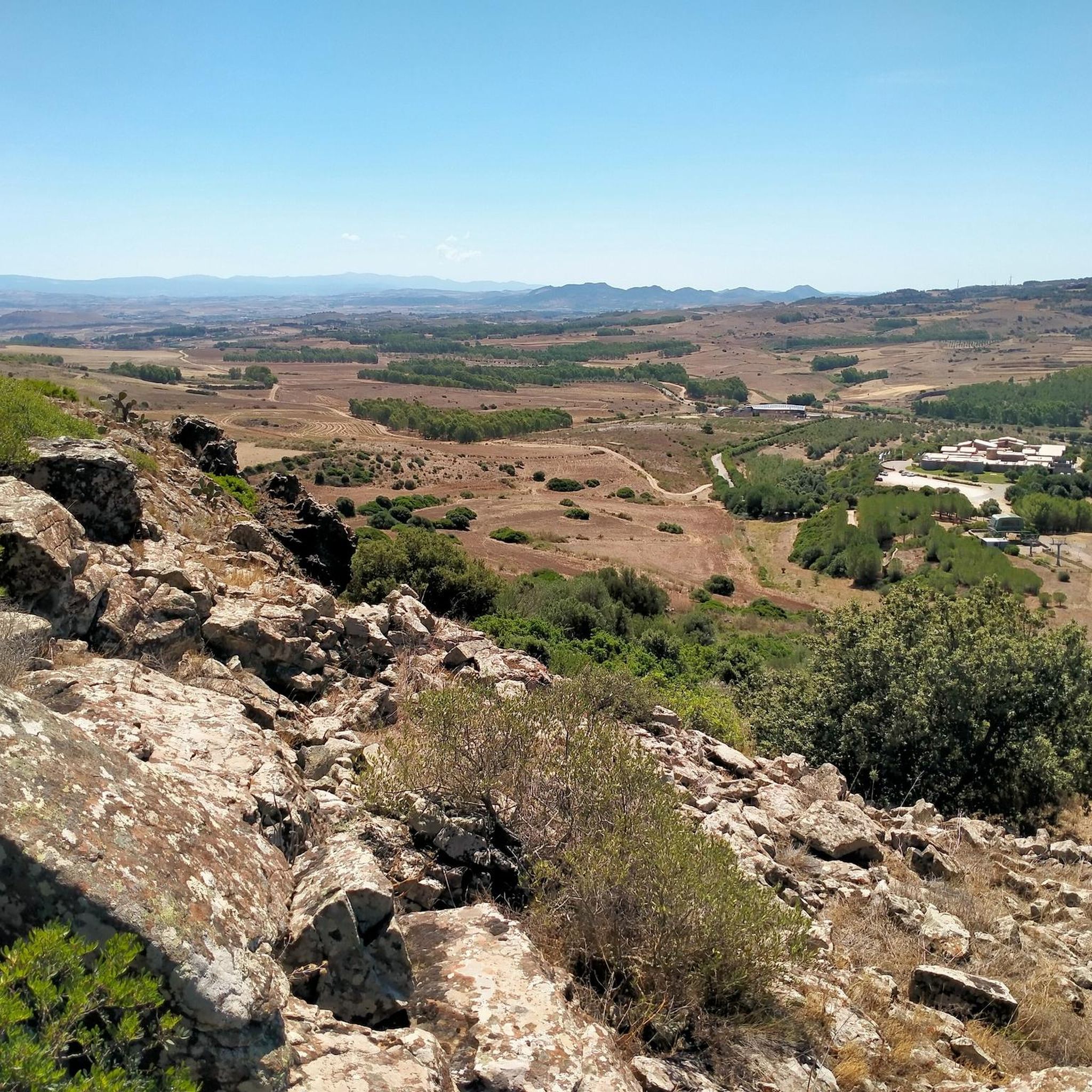
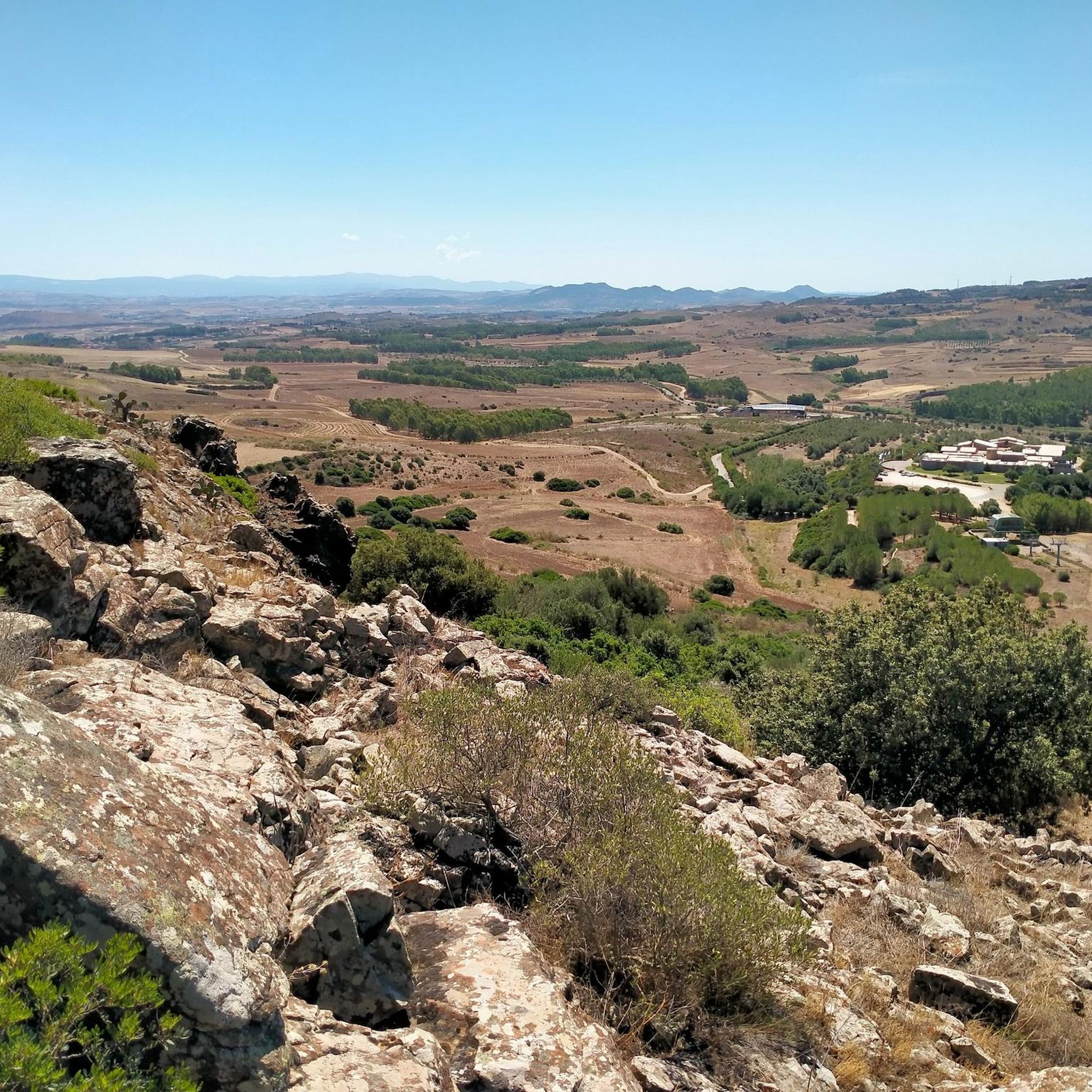
Seen from above, it has a curious inverted 'T' shape, with high steep walls, but this is not its only peculiarity: the southern side has reddish spots and, inside, preserves precious pre-Nuragic and Nuragic legacies, including one of the Tombs of Giants best preserved on the island. The Giara di Siddi, also known as su Pranu, is one of the three basaltic 'tables' of Marmilla that originated following a lava flow that occurred between two and five million years ago. Over time, the atmospheric agents eroded the sandstone rock, while the solidified layers of lava were preserved at a higher level, giving rise, in addition to the Giara di Siddi, to that of Serri and sa Jara Manna (or Giara di Gesturi), the largest of the three, 'home' of the famous little horses. Rich in many archaeological remains from the Nuragic era, such as the Tomb of the Giants of SA Domu and S'Orku and a protonuraghe on the slopes towards Siddi. in the southern part there is the sad wreck of a chair lift, a sign of a perverse attempt at tourist development
1
0
Site that can be visited free of charge independently, but a paid guided tour should also be possible through the municipal services.
1
0
Frequently Asked Questions
What are the most prominent geological features to explore around Lunamatrona?
The region around Lunamatrona is characterized by impressive basaltic plateaus. Key features include the Giara di Siddi, known for its high steep walls and unique 'T' shape, and the broader Giara di Gesturi. Another significant formation is the Sa Corona Arrùbia basaltic plateau, which extends towards Collinas and is notable for its red lichens and geological importance.
Are there significant historical or archaeological sites integrated with the natural monuments?
Yes, the natural landscape around Lunamatrona is rich in archaeological heritage. You can visit the Tomb of the Giants Sa Domu e S'Orku on the Giara di Siddi, considered one of Sardinia's best-preserved Nuragic funerary monuments. Another notable site is the Giants' Tomb of Su Cuaddu 'e Nixias, which is the oldest tomb of its kind in Sardinia, dating back to 1700-1600 BC. Additionally, the Domus de Janas Sa Domu e S'Orku, a beautiful and intact cave and historical site, is easily accessible at the foot of the Giara di Gesturi.
What kind of outdoor activities can I do near these natural monuments?
The area offers a variety of outdoor activities. You can explore numerous hiking trails, such as the 'View from Castle of Sanluri loop' or the 'Pauli Piccia Wild Horses – Pinnettas Shepherd Huts loop'. For cycling enthusiasts, there are both mountain biking and road cycling routes available. You can find more details on these activities in the Hiking around Lunamatrona, MTB Trails around Lunamatrona, and Road Cycling Routes around Lunamatrona guides.
Are there family-friendly natural monuments or activities in the area?
Yes, several sites are suitable for families. The Domus de Janas Sa Domu e S'Orku is listed as family-friendly and is easy to reach. The Giovanni Pusceddu Naturalistic Territory Museum on the Sa Corona Arrùbia plateau offers an educational experience with dioramas of local flora and fauna, which can be engaging for children. The Natural Monument "Fossil Schist of Valmadrera 2012" by Pinuccio Sciola is also noted as family-friendly.
What is the best time of year to visit the natural monuments around Lunamatrona?
While specific seasonal tips are not provided, the Mediterranean climate of Sardinia generally makes spring (April-May) and autumn (September-October) ideal for outdoor exploration. During these months, temperatures are milder, and the landscape is often lush, making hiking and visiting archaeological sites more comfortable than in the hot summer months.
How accessible are the natural monuments, and is parking available?
Accessibility varies by site. The Domus de Janas Sa Domu e S'Orku is noted as being 'easy to reach' from the road. For the Tomb of the Giants Sa Domu e S'Orku, it can be visited independently, and parking is generally available near such sites, though specific details for each monument should be checked locally. The Giovanni Pusceddu Naturalistic Territory Museum on Sa Corona Arrùbia also has visitor facilities, including parking.
Can I bring my dog to the natural monuments and trails?
While specific dog policies for each natural monument are not detailed, many outdoor areas and hiking trails in Sardinia are dog-friendly, especially if dogs are kept on a leash. It's advisable to check local regulations for specific archaeological sites or protected natural areas like the Giare, as rules can vary. Always ensure your dog is well-behaved and that you clean up after them.
Where can I learn more about the local flora, fauna, and geology?
The Giovanni Pusceddu Naturalistic Territory Museum, located on the Sa Corona Arrùbia basaltic plateau, is an excellent resource. It is considered the most important nature museum in Sardinia, featuring comprehensive dioramas that reproduce local natural environments, and sections dedicated to faunistic, botanical (including a mycoteca, xylotheca, and herbarium), and geological exhibits. It also covers the region's archaeological and material culture.
Are there good viewpoints to appreciate the landscape around Lunamatrona?
Yes, the basaltic plateaus themselves offer expansive panoramic views. The Giare, such as Giara di Siddi and Giara di Gesturi, provide unique vantage points to observe the surrounding area, including megalithic monuments. The Sa Corona Arrùbia Territorial Museum even has a chairlift offering aerial views of the Giara basaltic plateaus and their ancient structures.
What should I bring for a visit or hike to the natural monuments?
For any outdoor activity, it's recommended to bring comfortable walking shoes, water, sun protection (hat, sunscreen), and appropriate clothing for the weather. If you plan to hike, consider a map or GPS device. For visits to archaeological sites, a camera is a must. Snacks are also advisable, especially if you plan to spend several hours exploring.
What makes the Giara di Siddi a unique natural monument?
The Giara di Siddi is unique for its curious inverted 'T' shape when seen from above, and its high, steep walls. Its southern side features reddish spots, and within its boundaries, it preserves precious pre-Nuragic and Nuragic legacies, including one of the best-preserved Tombs of Giants on the island. Geologically, it's one of three basaltic 'tables' in Marmilla, formed by ancient lava flows.
Are there any other unique natural monuments or 'hidden gems' near Lunamatrona?
Beyond the well-known Giare and Tombs of Giants, the Natural Monument "Fossil Schist of Valmadrera 2012" by Pinuccio Sciola offers a different kind of natural monument. It's a municipal park featuring a sculpture by the famous Sardinian artist Pinuccio Sciola, blending art with the natural environment.
Most popular routes around Lunamatrona
Most popular attractions around Lunamatrona

Get inspired with the komoot mobile app


Explore more
Extend your search for the best caves by checking out these guides of the top ones around Lunamatrona:
