Top 20 Natural Monuments around Ragalna
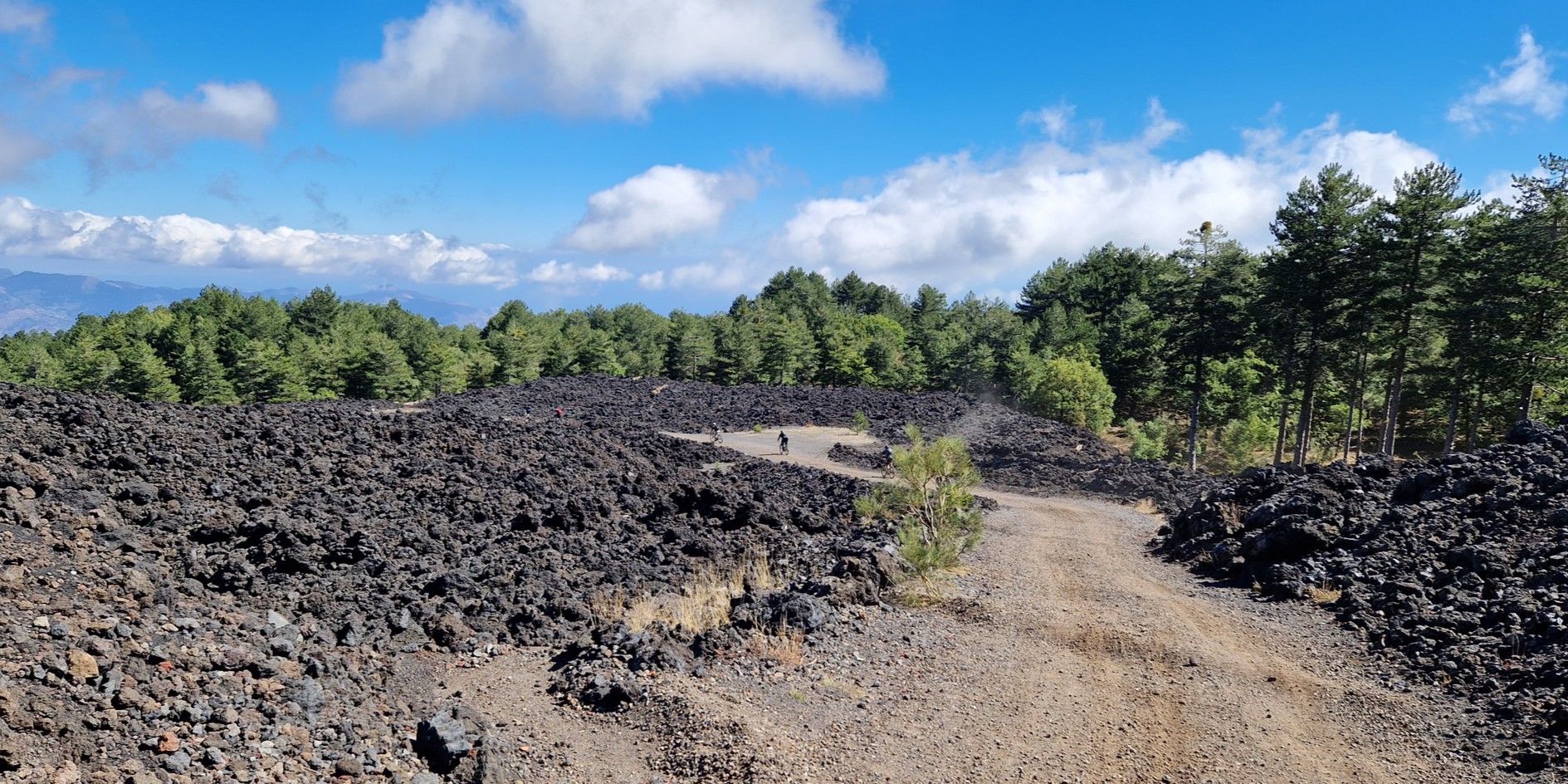
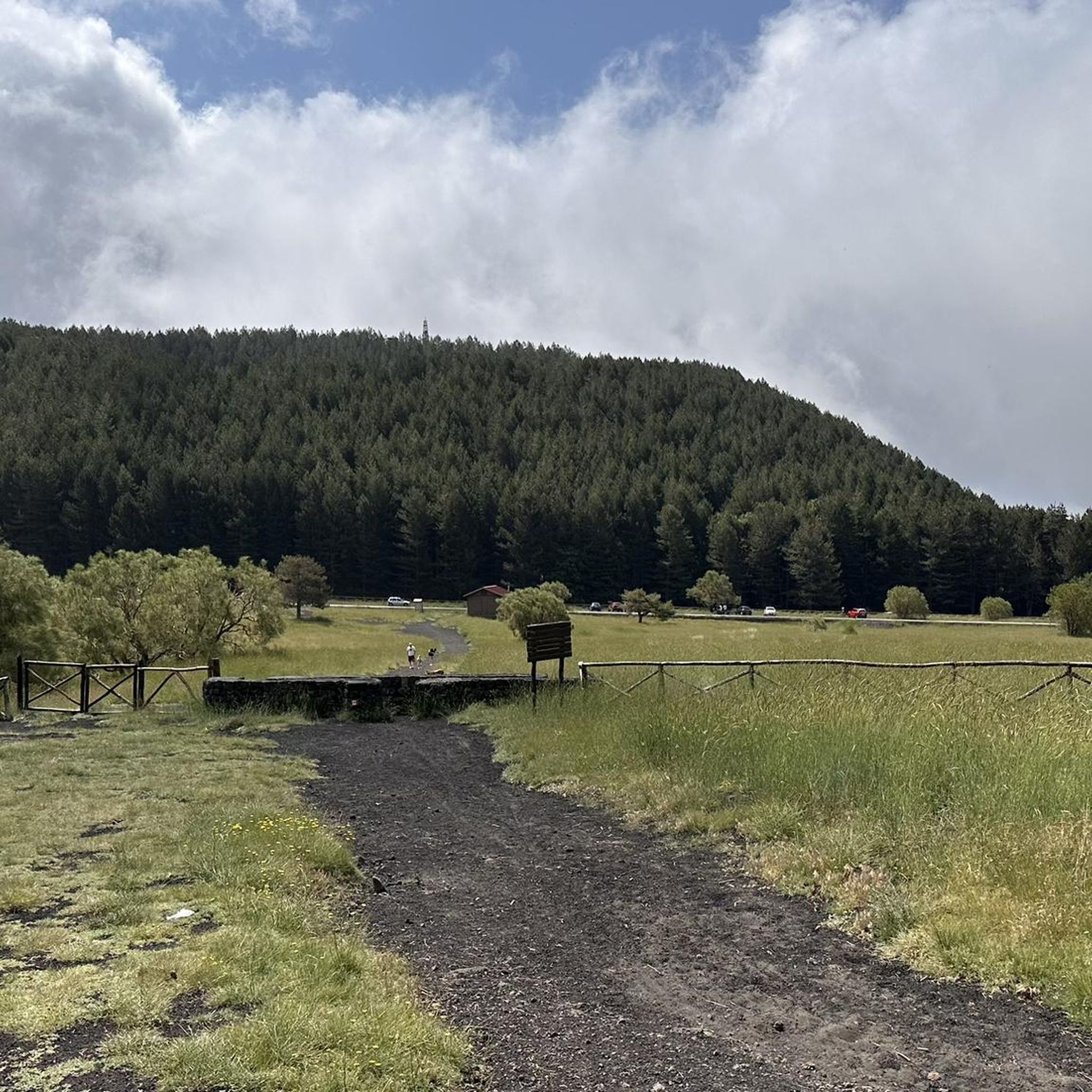
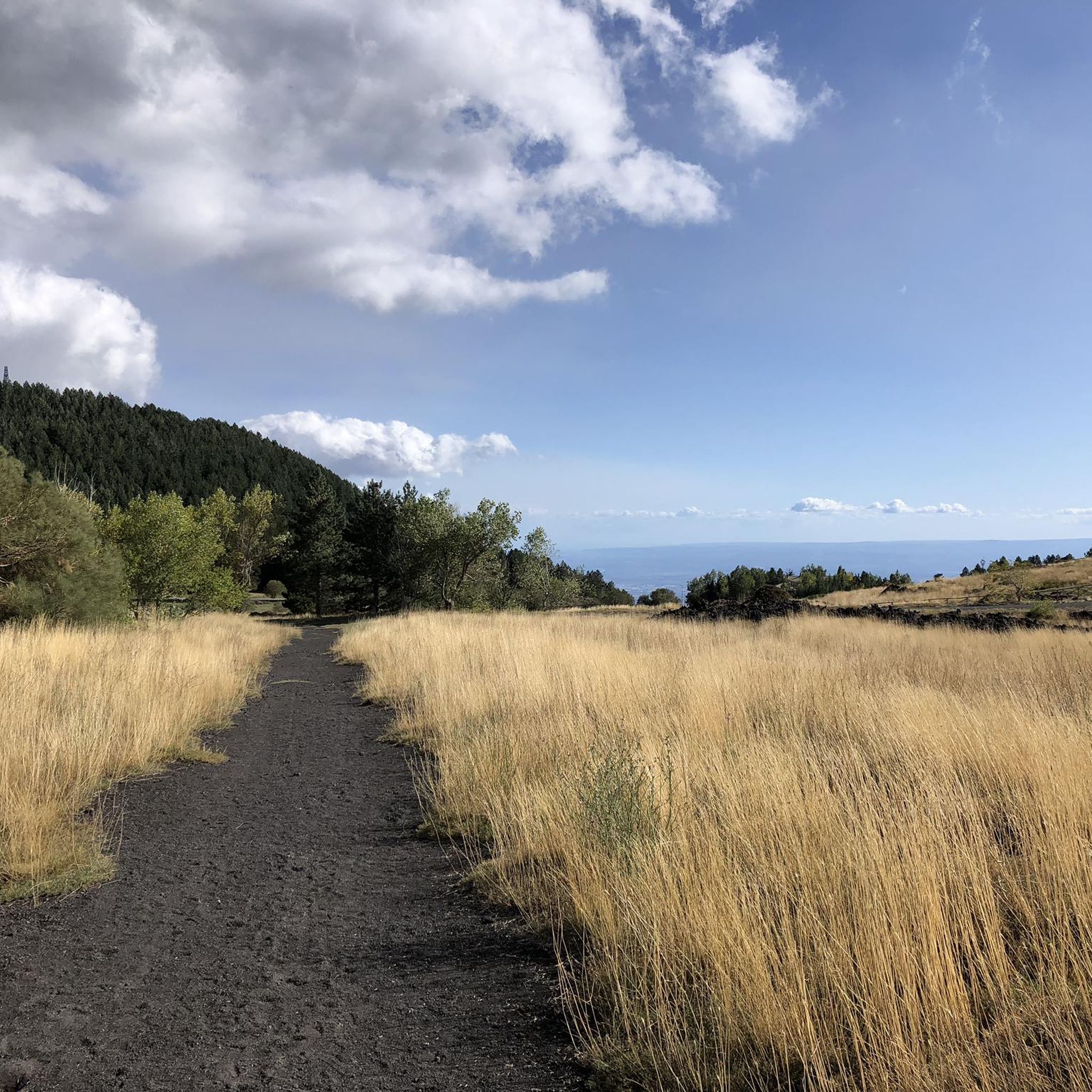
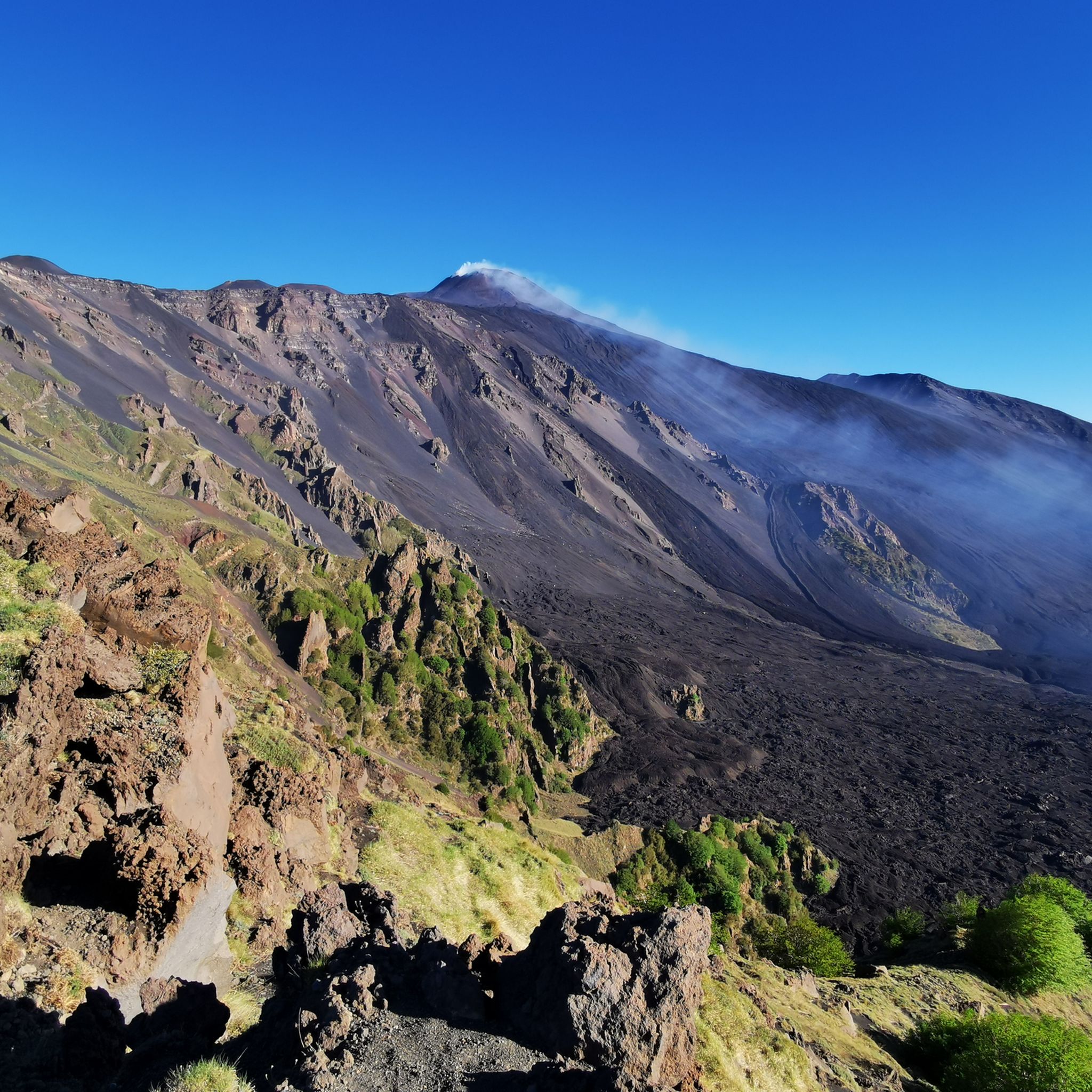
Natural monuments around Ragalna are characterized by the volcanic landscape of Mount Etna, Europe's largest active volcano. The village is situated on the southern slopes of Mount Etna in Sicily, within the extensive Mount Etna Regional Park. This region features diverse volcanic formations, including craters, lava fields, and unique rock structures shaped by ancient lava flows. The area offers a variety of natural attractions for exploration.
Best natural monuments around Ragalna
- The most popular natural monuments is Summit Craters of…
Last updated: June 28, 2026
Summit Craters of Mount Etna
Highlight • Volcano
Translated by Google •
Tip by

Piccolo Rifugio (Etna South)
Highlight • Volcano
The jeep tour oh up is highly recommended.
Attention: If it is …
Translated by Google •
Tip by

Sign up now to discover places like this
Get recommendations on the best single tracks, peaks, & plenty of other exciting outdoor places.
Sign up for free
Silvestri Inferior Craters
Highlight • Volcano
Not quite the …
Translated by Google •
Tip by

Laghetto Crater
Highlight • Volcano
Translated by Google •
Tip by

Barbagallo Craters
Highlight (Segment) • Volcano
Whenever you visit, keep in mind that even in the summer months, winter can be cold up here.
Translated by Google •
Tip by
Sign up for free to discover even more natural monuments around Ragalna.
Sign up for free
Already have an account?
Start today with a free account
Your next adventure awaits.
Login or Signup
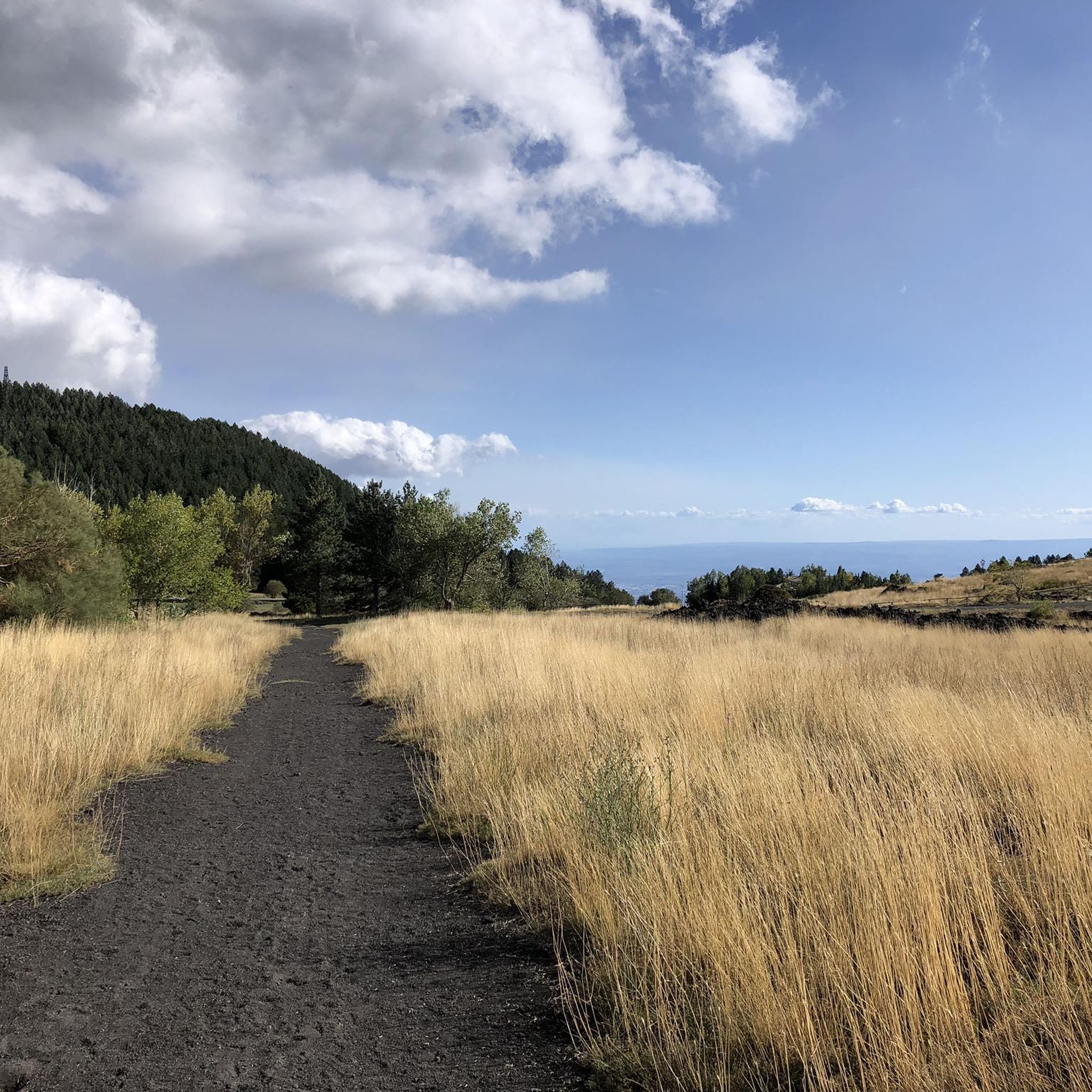
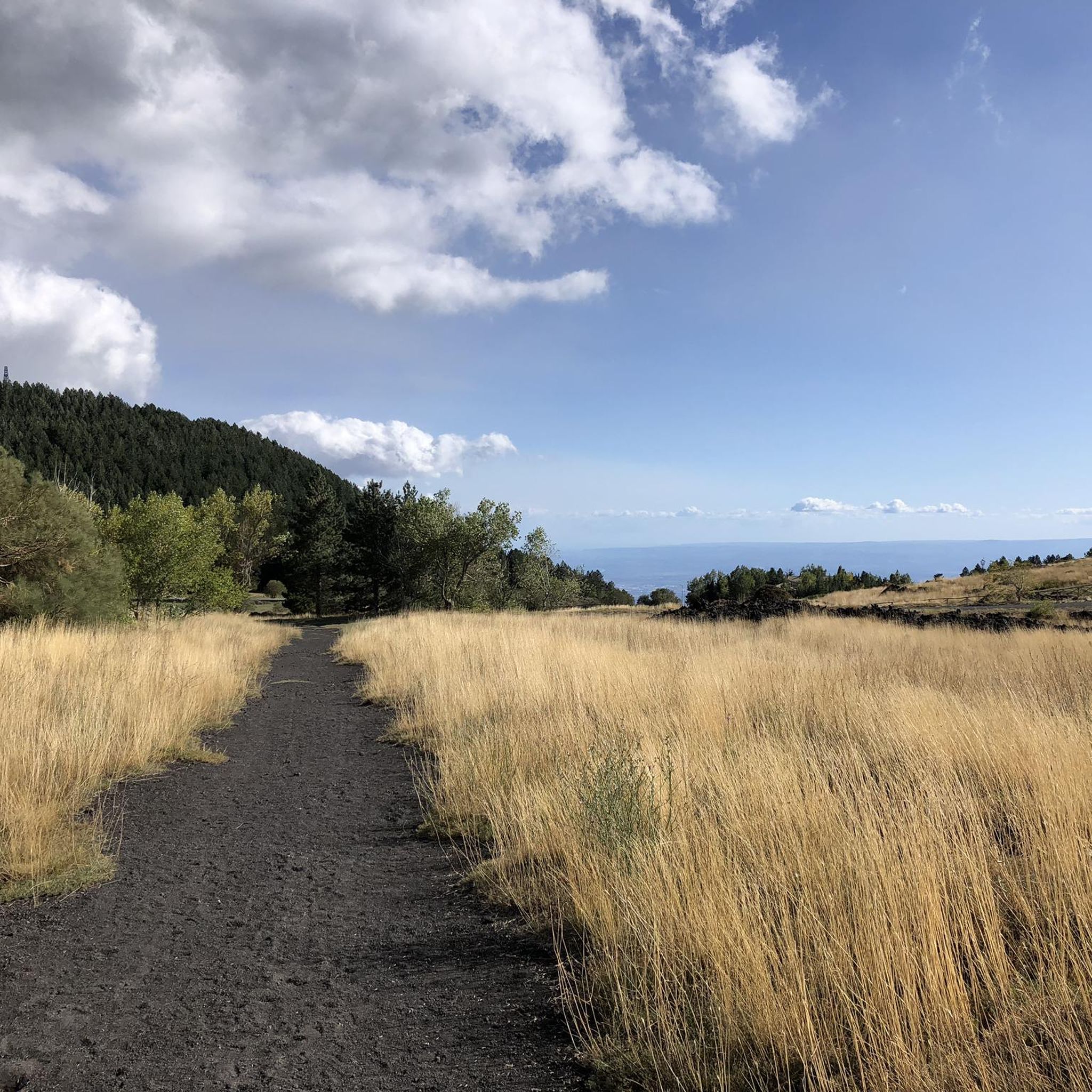
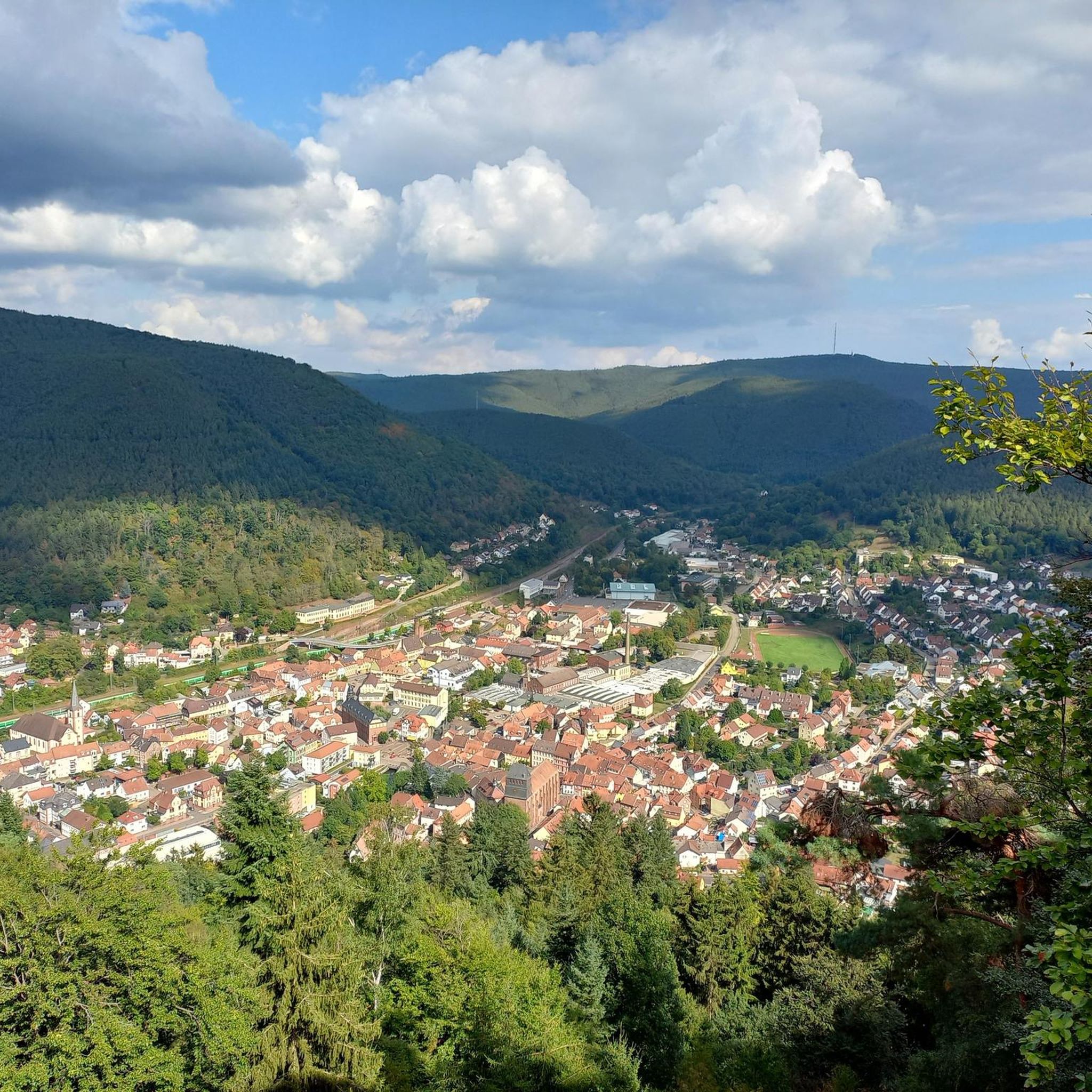
Other adventures around Ragalna

Tips from the Community

Sensational scenery and a sensational view. A must-see.
4
0

What is crazy is that the ground is still warm to hot 23 years after the eruption in 2001.
1
0


From here you have a great view of the surrounding area.
16
4
Beautiful! It's great that you can go there on your own initiative, without a guide or tour.
4
0

A must. Expensive, but worth it. Very impressive. Only with a mountain guide.
2
0
This is where the snowcats and Unimogs leave from.
2
0

Does anyone know how expensive a guide from Torre Filosofo to the crater is?
1
0
Frequently Asked Questions
What are the most popular natural monuments around Ragalna?
The natural monuments around Ragalna are highly appreciated by visitors, with over 240 upvotes and 75 photos shared. Among the most popular are the Summit Craters of Mount Etna, offering a unique volcanic landscape. Visitors also frequently explore the Laghetto Crater and the easily accessible Silvestri Inferior Craters, known for their striking colors.
What natural features can I see around Ragalna?
Ragalna, situated on the southern slopes of Mount Etna, offers diverse volcanic formations. You can explore various craters, extensive lava fields, and unique rock structures shaped by ancient lava flows. The region is also home to ancient caves like the Grotto of St. Barbara and the Grotto of Catanese, as well as botanical gardens such as Parco Nuova Gussonea, which showcases volcanic flora.
What is the best time to visit the natural monuments near Ragalna?
The best time to visit largely depends on the activity. For hiking to the higher elevations of Mount Etna, late spring (May-June) and early autumn (September-October) offer more stable weather and pleasant temperatures. During summer, it can be very hot, while winter brings snow and colder conditions, especially at higher altitudes. Always check weather conditions before your visit, as they can change rapidly on the volcano.
Are there family-friendly natural monuments around Ragalna?
Yes, several natural monuments are suitable for families. The Silvestri Inferior Craters are particularly family-friendly, as they are easily accessible from the road and require only a short walk. These craters offer a safe and engaging introduction to the volcanic landscape without demanding strenuous effort.
What outdoor activities can I do near the natural monuments around Ragalna?
The area around Ragalna is excellent for various outdoor activities. You can find numerous routes for road cycling, gravel biking, and mountain biking. For example, there are challenging road cycling routes like the 'Sapienza Hut – Etna - South Side loop' and MTB trails such as 'Etna's Altomontana Slope'. You can explore more options on the Road Cycling Routes around Ragalna, Gravel biking around Ragalna, and MTB Trails around Ragalna guide pages.
Are there specific hiking trails to explore the natural monuments?
Yes, the Mount Etna Regional Park, where Ragalna is located, offers numerous trekking routes. Many visitors enjoy hiking from the mountain station to the upper craters, such as the Laghetto Crater. While some trails can be challenging due to lava ash, others, like those around the Silvestri Inferior Craters, are much easier. Always be prepared for varying terrain and conditions.
What is the difficulty level of trails at natural monuments near Ragalna?
The difficulty varies significantly. Some areas, like the Summit Craters of Mount Etna, are considered challenging and often require a mountain guide due to the active volcanic environment and demanding terrain. Other trails, such as those leading to the Silvestri Inferior Craters, are easily accessible and suitable for beginners or families. Always check the specific trail details before heading out.
What should I wear when visiting natural monuments around Ragalna, especially in winter?
Even in summer, temperatures at higher elevations on Mount Etna can be significantly colder than at sea level. In winter, snow is common, and temperatures can drop to around 4°C or lower. It's crucial to dress in layers, including warm clothing, a windproof and waterproof jacket, sturdy hiking boots, and don't forget enough water. For higher altitudes, consider gloves and a hat, even outside of peak winter.
Can I explore caves near Ragalna's natural monuments?
Yes, Ragalna's territory is home to several ancient 'millenary caves' that offer fascinating insights into the region's geological processes. Notable examples include the Grotto of St. Barbara in the Serra La Nave area within the Mount Etna Regional Park, and the Grotto of Catanese, a beautiful 20-meter long gallery. These caves provide opportunities for exploration where nature remains largely untouched.
Are there any natural monuments that offer unique botanical experiences?
Absolutely. The Parco Nuova Gussonea, located at an altitude of 1700 meters above sea level, is a botanical garden dedicated to preserving and displaying the typical volcanic flora of the area. Here, you can find species like Roverelle oaks, chestnuts, birches, and pines, alongside unique rock formations carved by lava, offering a special opportunity to appreciate plant life in a volcanic environment.
What do visitors enjoy most about the natural monuments around Ragalna?
Visitors are consistently awestruck by the sheer scale and raw power of Mount Etna. Many describe the experience as feeling 'infinitely small and humble towards nature,' with breathtaking panoramic views from the craters. The unique interplay of colors between the volcanic ground and emerging vegetation, especially around the Silvestri Inferior Craters, is also a frequently praised aspect.
Are there parking facilities at the natural monuments near Ragalna?
Yes, for many of the more accessible natural monuments, parking is available. For instance, the Silvestri Inferior Craters are located right next to the road with a large parking lot nearby, making them very convenient to visit. For higher elevations, parking is typically found near cable car stations or starting points for guided tours.
Most popular attractions around Ragalna

Get inspired with the komoot mobile app


Explore more
Extend your search for the best caves by checking out these guides of the top ones around Ragalna:
