Top 20 Natural Monuments around Mura
Best natural monuments around Mura include diverse landscapes shaped by the Mura River, a vital waterway known for its rich biodiversity. The region features a dynamic riverine environment with winding arms and floodplains, supporting an array of species. This area is part of a UNESCO biosphere reserve, offering a natural and authentic experience. The landscape transitions from Alpine to lowland, creating varied habitats for exploration.
Best natural monuments around Mura
- The most popular natural monuments is Monte Croce di Perle…
Last updated: June 28, 2026
Lake Bongi
Highlight • Lake
Translated by Google •
Tip by

Monte Ario
Highlight • Summit
Translated by Google •
Tip by

Sign up now to discover places like this
Get recommendations on the best single tracks, peaks, & plenty of other exciting outdoor places.
Sign up for free
Monte Prealba Summit Cross
Highlight • Summit
Translated by Google •
Tip by
Pisot Waterfall
Highlight • Waterfall
Translated by Google •
Tip by

Monte Croce di Perle
Highlight • Summit
Translated by Google •
Tip by

Sign up for free to discover even more natural monuments around Mura.
Sign up for free
Already have an account?
Start today with a free account
Your next adventure awaits.
Login or Signup
Tips from the Community

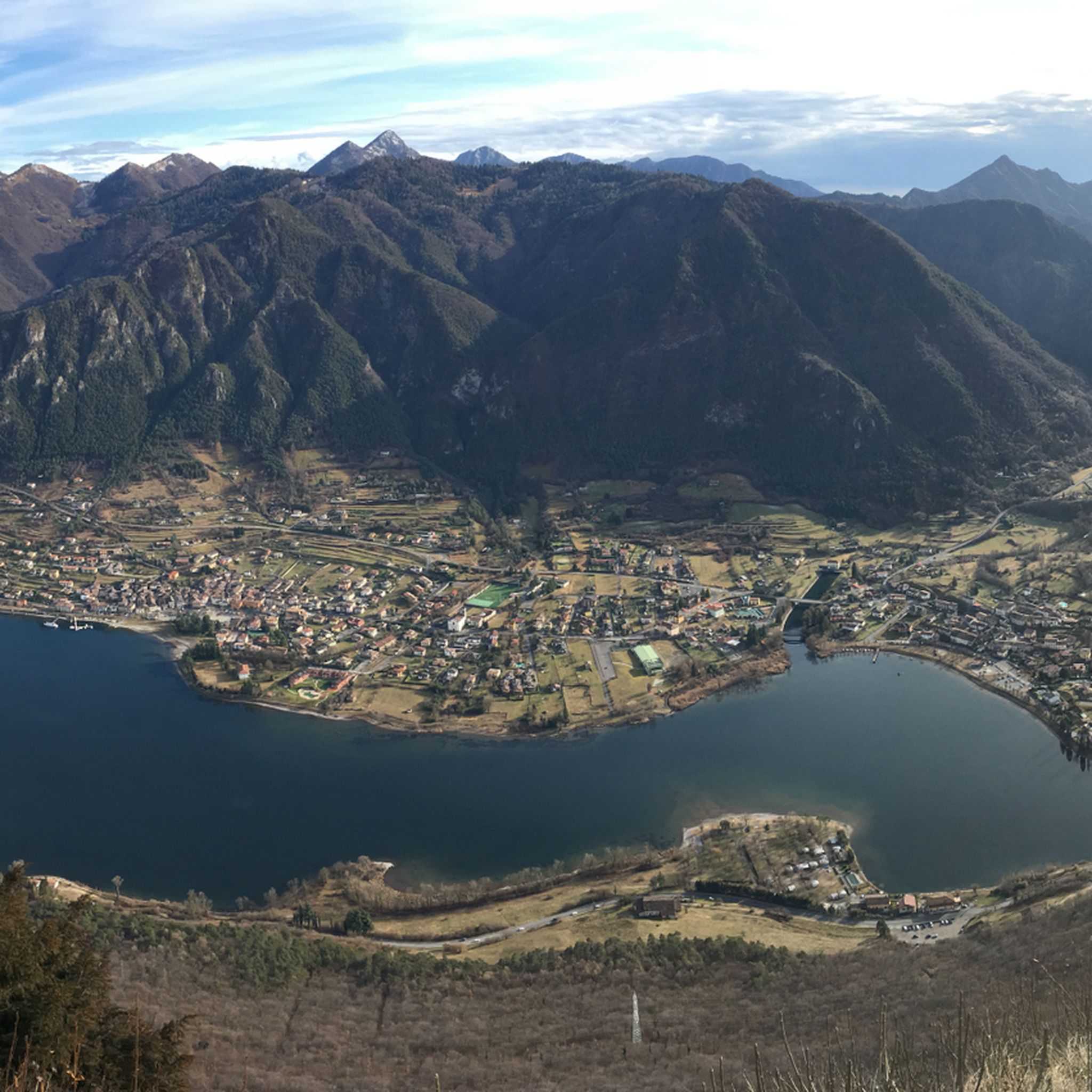
Beautiful view of the lake halfway up the hill after a "spicy" climb 🤩
0
0

to return to the Pian di Lò and avoid the descent from Prealba, because I consider it a bit treacherous, I chose this path. Be careful because it is more visible. Where the signs cross, you have to make a sharp bend, and with a sharp eye you can notice the path. Do not take the path that always goes down to the left, which would be the most visible, because it takes you out of the woods.
0
0

very suggestive and equipped picnic area
0
0


The Pisot waterfall is a beautiful waterfall of almost ten meters, located in a small gorge near Casto, in the Fucine park. The best time to visit it is towards the end of spring or the beginning of summer because then during the summer it is likely that the river that generates it has a low volume of water.
1
0

Nice walk in the direction of the Paradiso refuge
0
0

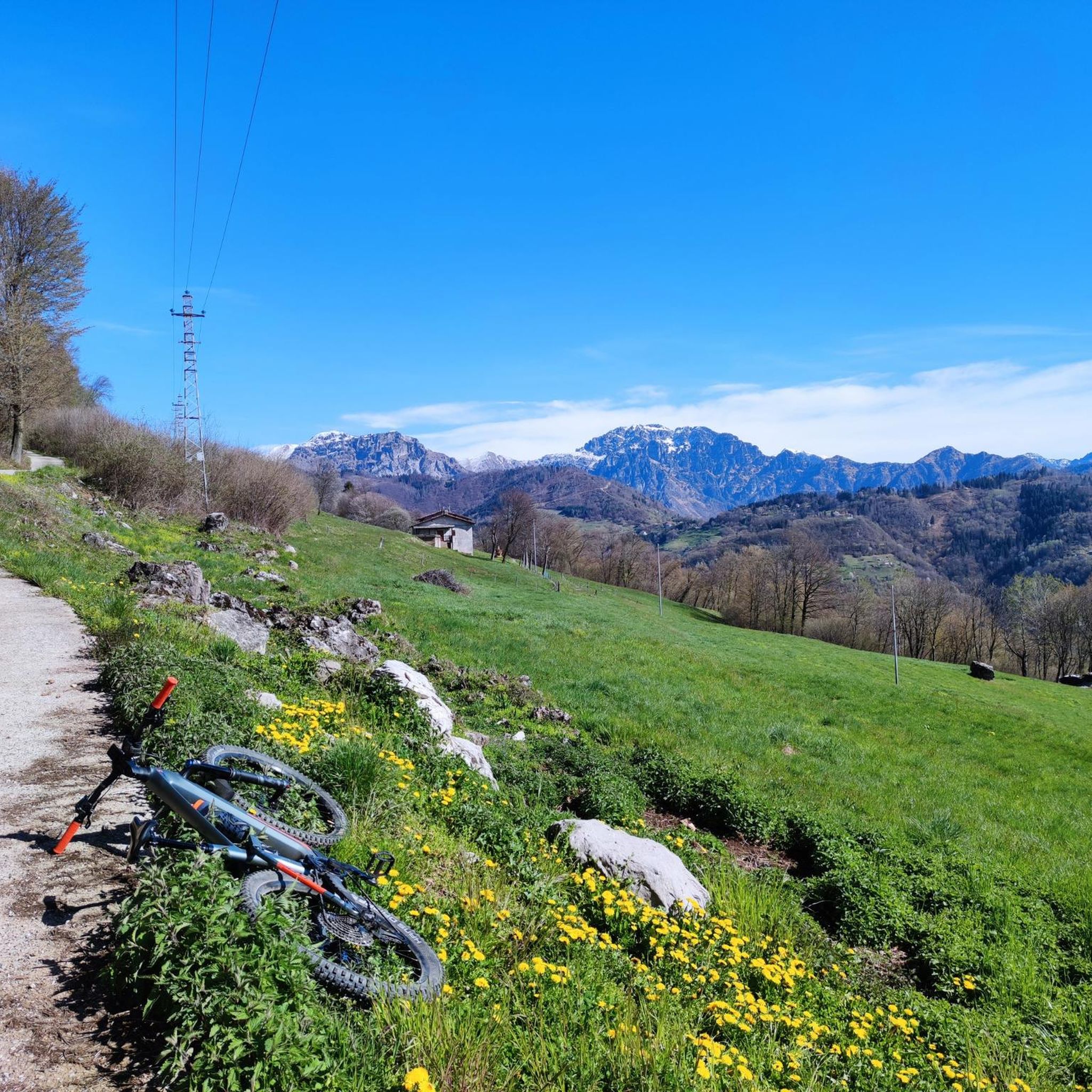
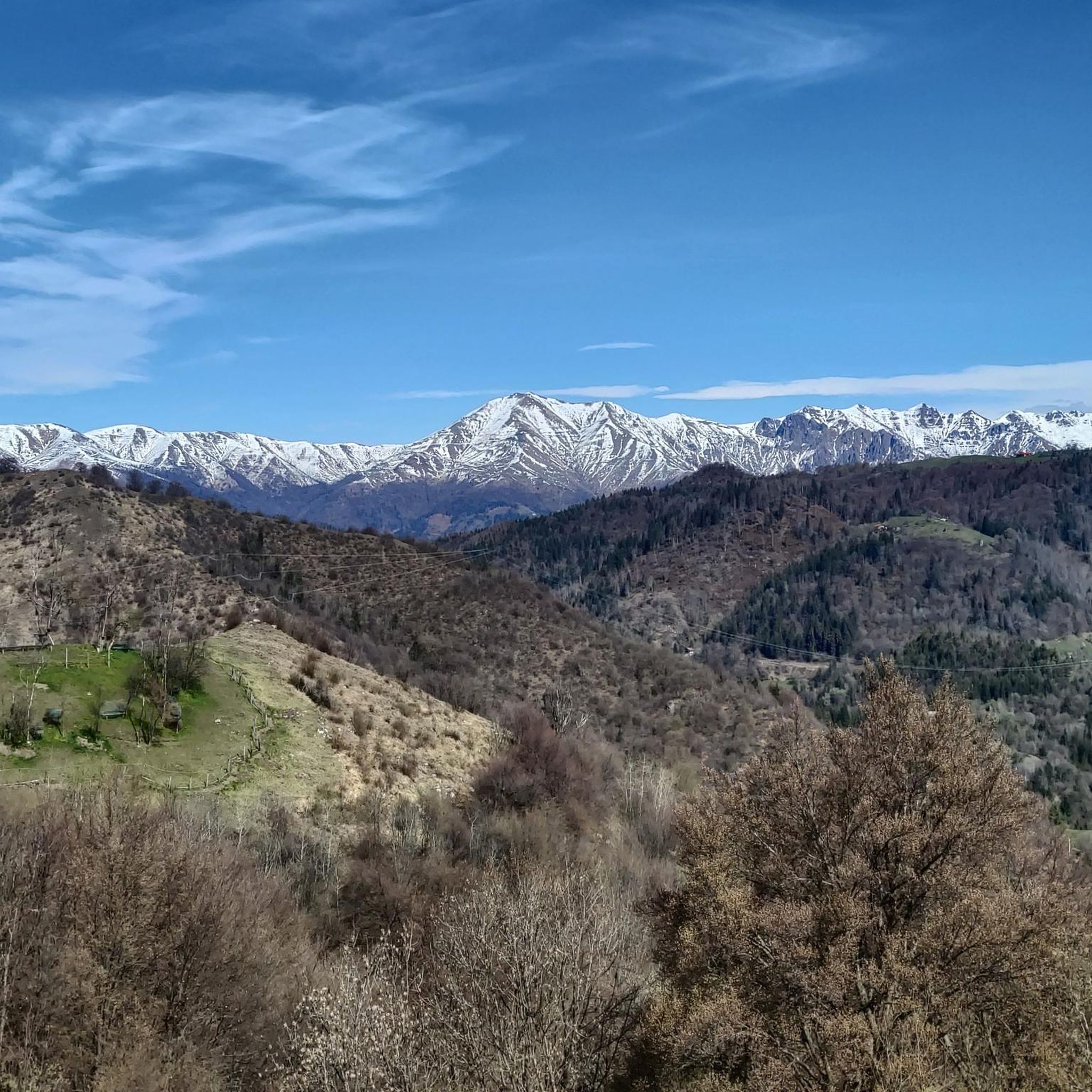
Despite the not very high altitude, 1,775 meters, Monte Ario offers you a splendid panorama at the top. You can see the small villages of Valle Trompia, up to raise your gaze to the wide saddle of Passo della Maniva. Just further to the right is Dosso Alto, partially covered by the closer Monte Pezzeda. To the east you have the rocky peaks of Corna Blacca, then the view expands until you reach the distant crest of Monte Baldo. Further south is Lake Garda (Sirmione area). Finally, moving south-west, the grandeur of Monte Guglielmo takes center stage.
2
0

Super nice view, steep climb, very slippery when wet, so not recommended.
0
0
Frequently Asked Questions
What are some unique natural features to explore in the Mura region?
The Mura region is defined by the Mura River, a vital waterway known for its rich biodiversity and dynamic riverine landscape. You can explore winding river arms, floodplains, and areas where the river's natural character is preserved, such as where lateral erosion forms small meanders and islands like in Lisjakova Struga. The region is part of a UNESCO biosphere reserve, offering an authentic natural experience.
What kind of wildlife can I expect to see in the Mura region?
The Mura River and its surrounding biosphere are exceptionally rich in wildlife. Visitors can encounter a vast array of species, including 200 species of birds, 600 species of plants, 1,200 types of butterflies, 1,200 beetle species, 60 fish species, 30 mammal species, 10 reptile species, 15 amphibian species, and 95 species of snails and mussels. Many of these are rare and protected.
Are there any family-friendly natural monuments around Mura?
Yes, Lake Bongi is categorized as family-friendly. This artificial lake, formed by a dam on the Tovere stream, offers an impressive setting and is a pleasant spot for a visit. There's also a small bar nearby, though its availability may vary.
Are there opportunities for hiking near the natural monuments in Mura?
Absolutely. The Mura region offers beautiful hiking trails, many of which follow the river, such as the Celtic Trail. These trails provide excellent opportunities to observe birds, amphibians, insects, and other wildlife. For more detailed routes, you can explore the Running Trails around Mura guide, which includes options like the Sentiero delle fornaci trail.
What is the best time of year to visit the natural monuments around Mura?
For general exploration and outdoor activities, late spring and early summer are often ideal. Specifically, for visiting the Pisot Waterfall, the best time is towards the end of spring or the beginning of summer, as the water volume tends to be higher then. During peak summer, the river feeding the waterfall might have lower flow.
Can I find viewpoints with panoramic scenery in the Mura region?
Yes, the Mura region offers several natural monuments that double as excellent viewpoints. Monte Ario provides a magnificent 360-degree view encompassing small villages, distant peaks, and even Lake Garda. Similarly, the Monte Prealba Summit Cross offers a spectacular view and a sense of peace away from city chaos.
Are there any cultural or historical natural monuments in the Mura region?
Beyond its ecological value, the Mura River holds cultural significance. It historically provided livelihoods for millers, transporters, and farmers. The Babic Mill on the Mura, near Veržej, stands as a monument to Slovenian heritage and is the only floating mill on the river, adding a unique cultural dimension to the natural experience.
What other outdoor activities can I do in the Mura region besides hiking?
The Mura region is a haven for outdoor enthusiasts. Besides hiking, you can enjoy cycling on beautiful trails that follow the river. There are dedicated guides for Gravel biking around Mura and Road Cycling Routes around Mura. The high oxygen content and purity of the Mura River also make it an attractive spot for fishermen.
Where can I experience the Mura River's natural, wild character?
Walking along the Mura embankment, particularly on the Slovenian side, offers a wild, natural, and genuine experience, almost like stepping into a jungle. In places where the banks remain unreinforced, the river showcases its natural character, with lateral erosion forming small meanders and islands, providing an authentic encounter with its dynamic environment.
Is there a notable waterfall to visit in the Mura area?
Yes, the Pisot Waterfall is a beautiful waterfall of almost ten meters, located in a small gorge near Casto, within the Fucine park. It's a notable natural monument and a great spot for a walk.
What makes Monte Croce di Perle a popular natural monument?
Monte Croce di Perle is a popular summit known for its outstanding view of the lake. While the climb can be steep and slippery when wet, the panoramic reward at the top makes it a highly appreciated natural monument by visitors.
Are there any natural lakes in the Mura region that are considered natural monuments?
While the Mura region is known for its riverine landscape, Lake Bongi is a significant natural monument. It is an artificial lake formed by a dam on the Tovere stream, nestled between the resilient valleys of Brescia, offering impressive scenery.
Most popular routes around Mura
Most popular attractions around Mura

Get inspired with the komoot mobile app


Explore more
Extend your search for the best caves by checking out these guides of the top ones around Mura:
