Top 11 Natural Monuments around Muggiò
Best natural monuments around Muggiò include a variety of green spaces and natural features in the Lombardy region of Italy. The area offers extensive parklands, specific natural habitats like heathlands, and serene lake environments. These locations provide opportunities for outdoor activities within a landscape that blends managed natural areas with unique ecological sites. The region's natural monuments are often integrated with historical and cultural sites, offering diverse exploration options.
Best natural monuments around Muggiò
- The most popular natural monuments is…
Last updated: June 14, 2026
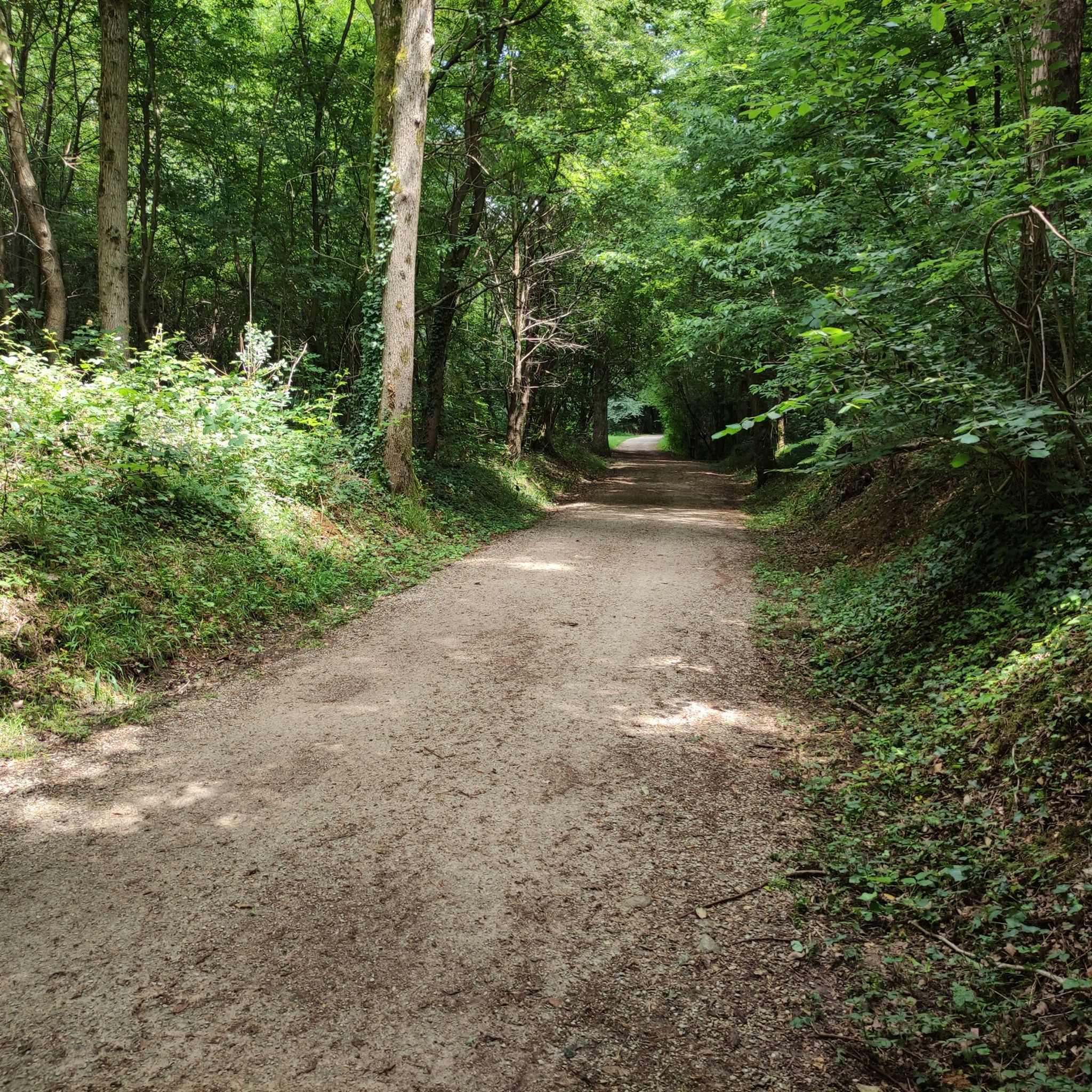
Entrance to the Groane Trail
Highlight • Trail
Translated by Google •
Tip by

Royal Groves of Monza
Highlight • Forest
Translated by Google •
Tip by

Sign up now to discover places like this
Get recommendations on the best single tracks, peaks, & plenty of other exciting outdoor places.
Sign up for free
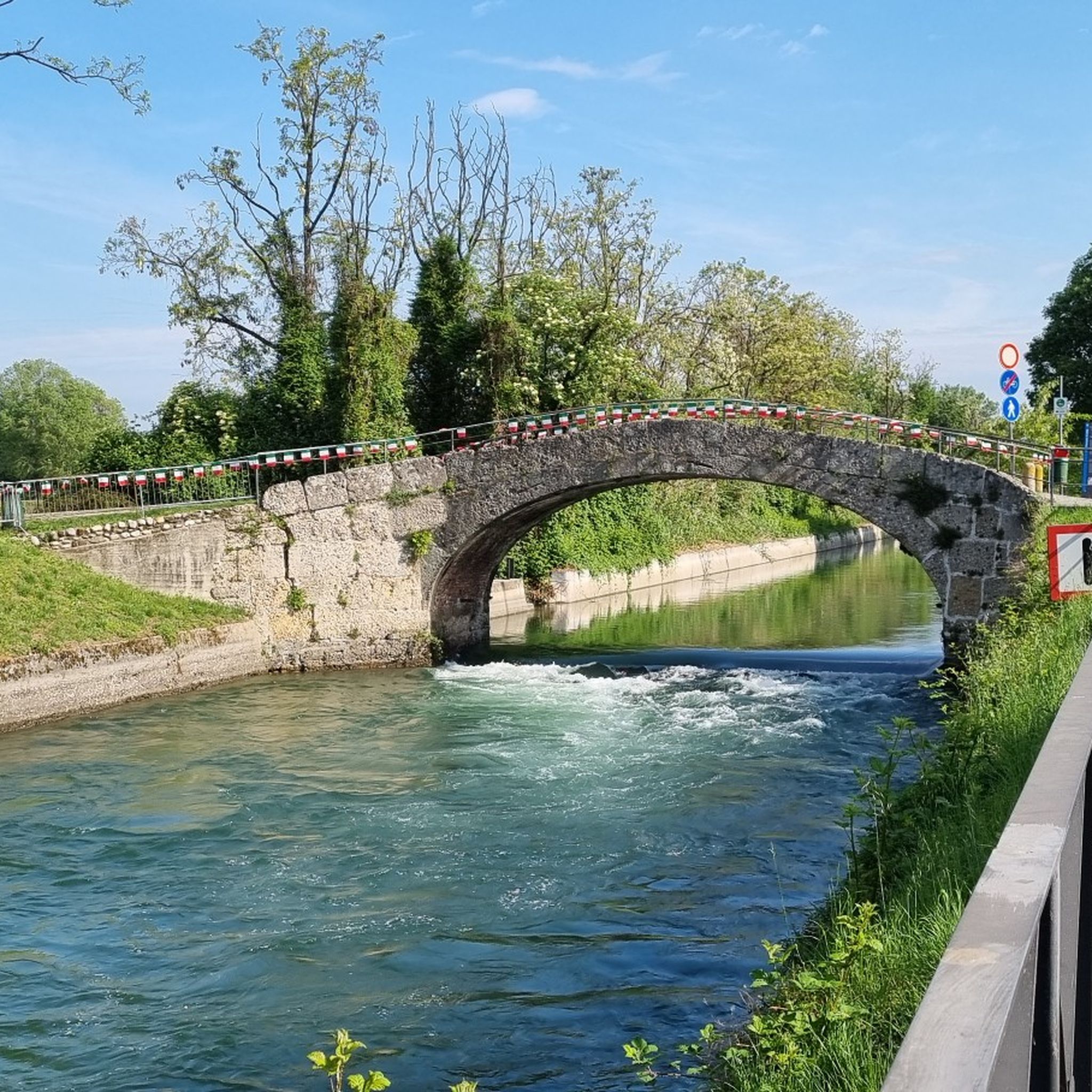
Ponte dei Bertoli
Highlight • Bridge
Translated by Google •
Tip by

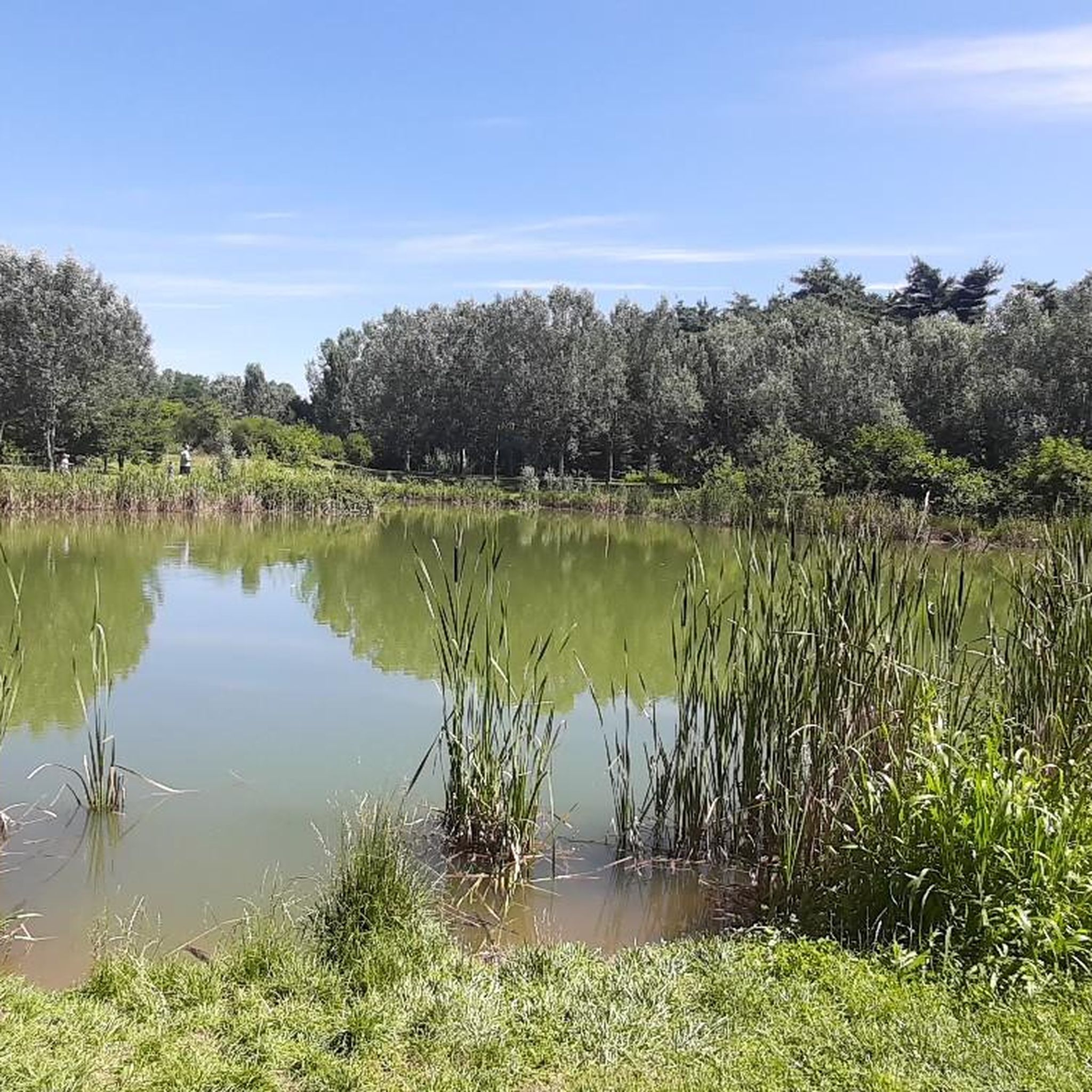
Laghetto La Fametta
Highlight • Lake
"La Fametta" lake is known to anglers in the northwest of Milan for its tranquil …
Translated by Google •
Tip by

Niso Fumagalli Rose Garden
Highlight • Natural Monument
Translated by Google •
Tip by

Sign up for free to discover even more natural monuments around Muggiò.
Sign up for free
Already have an account?
Start today with a free account
Your next adventure awaits.
Login or Signup

Tips from the Community

Interesting collection of roses, some very old but well-maintained with twisted trunks that enhance their age. Pleasant environment, easily accessible, you can explore it at your own pace. Beautiful are the tanks that add some movement. Access is FREE. I didn't really appreciate the support structures for climbing plants and the small, miserable little roses. Very well cared for. All varieties are labeled.
1
0

The connection between the Royal Villa, its Gardens, and the city of Monza was established through the so-called "Royal Groves," a triangular area aligned with the southern entrance to the Villa. The regular layout of the Royal Groves consisted of a series of avenues converging on a circular square, traversed by a system of secondary paths, with three squares at the main intersections. The layout still exists today: the lateral avenues (Regina Margherita to the west and Francesco Petrarca to the east) are now accessible to vehicles, as is the converging square (Piazza Citterio), while the other paths are pedestrian.
1
0
Inside Monza Park, the Lambro River is crossed by four bridges along its course (the Chain Bridge, the Cavriga Bridge, the Bertoli Bridge and the Neoclassical Bridge).
1
0
Bertoli Bridge Architect: Giacomo Tazzini Built in 1838 Location: Viale Mulini San Giorgio
1
0
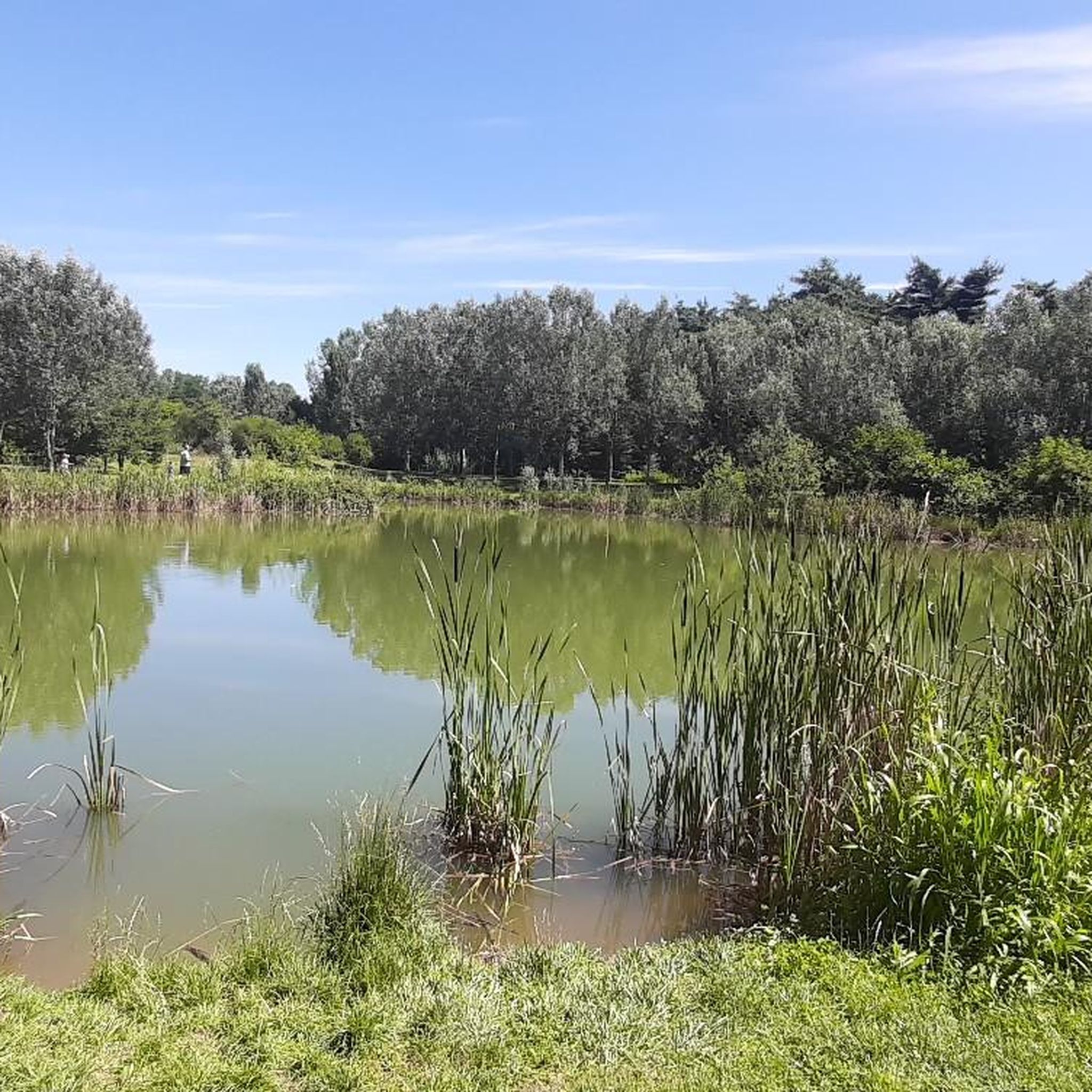
The "La Fametta" sport fishing lake, nestled in Groane Park, is located in Garbagnate Milanese. "La Fametta" lake is known to anglers in the northwest of Milan for its tranquil setting, its abundance of fish, and the comprehensive services it offers, including a fishing shop that also provides fishing permits and a bar and restaurant overlooking the lake. La Fametta extends over an area of 5 hectares, containing two sport fishing lakes. The larger lake, covering approximately 20,000 square meters, has flat, easily accessible shores, clear waters approximately 4 meters deep, three small islands in the center, and is populated by various fish species. In the winter season, the lake is restocked with trout, while in the summer, various species are fished, including carp, sturgeon, grass carp, tench, chub, bleak, roach, and more. Catfish, pikeperch, and black bass are also present.
0
0
The rose garden is located within the Royal Palace of Monza, opposite the old Orangery. Created in 1964 by Niso Fumagalli, industrialist and president of the Italian Rose Association, it is home to over 4,000 varieties of roses. It was awarded the prestigious "Award of Garden Excellence" in 2004 by the World Federation of Rose Societies. Admission is free, and the best time to admire the blooms is usually May. The rose garden also features a pond with water lilies and an area dedicated to the most fragrant roses called "The Secret Garden of Perfume."
2
0
Entering the Park from the Dosso gate in Villasanta, after a few dozen meters of dirt road, you come across the Bertoli Bridge (also known as "del Dosso"). The bridge, designed by architect Giacomo Tazzini in the 1840s, owes its name to the family who owned the nearby land, and even today the bridge connects Viale Mulino del Cantone to Viale dei Molini Asciutti. Originally made of wood, due to repeated floods, it was rebuilt using a technique that was innovative for the time. The project modified the bridge's structure, replacing the multiple arches with a single pillar to support the structure and facilitate water flow in the event of river floods. The abutments and central pier of the bridge are made of masonry with a facing of ceppo, a type of stone widely used as an ornamental stone in all existing hydraulic structures within the Park.
1
0
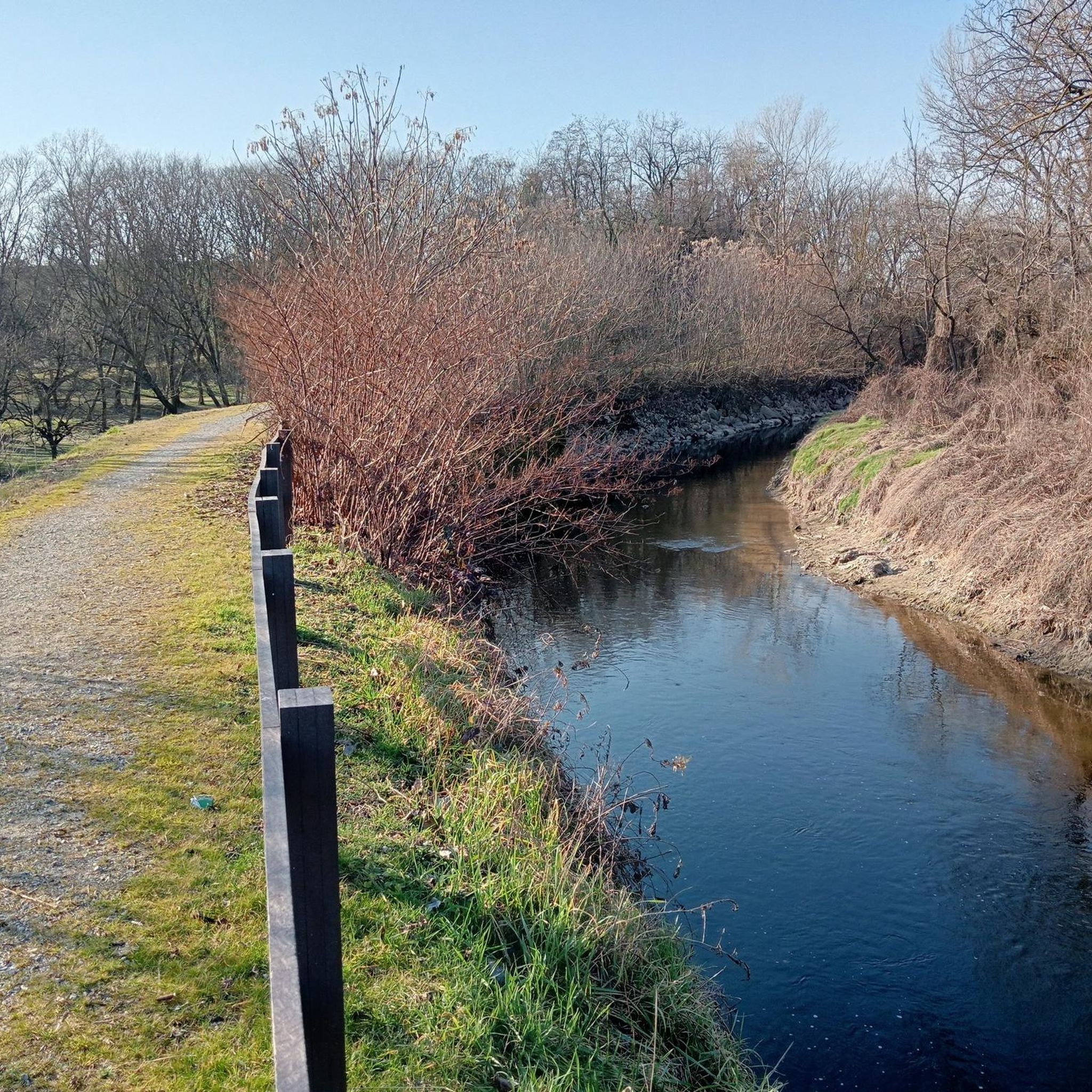
The 700 hectares of the Monza Park are strongly marked by the presence of the Lambro: a resource primarily for fishing and a determining factor in the local flora, the river also became the protagonist of the artistic embellishment of the area. Thanks to precise canalizations, it was possible to build eclectic nineteenth-century mills and create picturesque water features in the gardens of the Villa Reale between the end of the 18th and 19th centuries.
1
0
Frequently Asked Questions
What kind of natural features can I expect to see around Muggiò?
The area around Muggiò offers a variety of natural features, including extensive parklands, specific natural habitats like heathlands, and serene lake environments. You can explore the vast forests of the Royal Groves of Monza, discover the unique flora of the Heathlands of the Seveso Plateau, or enjoy the tranquil setting of Laghetto La Fametta.
Are there family-friendly natural attractions near Muggiò?
Yes, several natural monuments around Muggiò are suitable for families. The Royal Groves of Monza and the Heathlands of the Seveso Plateau offer wide-open spaces for walking and cycling. Laghetto La Fametta is also family-friendly, providing a calm environment with fishing opportunities and a restaurant.
What outdoor activities can I do near these natural monuments?
You can enjoy various outdoor activities. The Royal Groves of Monza are popular for cycling and walking. For running, you can find routes like the 'Vedano Entrance, Monza Park – Villoresi Canal Path loop' near Muggiò. Hiking options include the 'Villoresi Canal in Muggiò' loop. Road cycling enthusiasts can explore longer routes such as the 'View of Lake Como' loop. For more details on routes, check the Running Trails around Muggiò, Hiking around Muggiò, and Road Cycling Routes around Muggiò guides.
When is the best time to visit the natural monuments around Muggiò?
The best time to visit depends on your interests. For enjoying the lush pink blooms of heather, the Heathlands of the Seveso Plateau are particularly beautiful at the end of August. If you wish to see the roses in full glory, the Niso Fumagalli Rose Garden is best visited in May. Generally, spring and autumn offer pleasant temperatures for outdoor activities in the parks and natural areas.
Are there any unique plant species or wildlife to observe?
Yes, the Heathlands of the Seveso Plateau are known for their unique flora, including heather, pneumonant gentian, buttercup, and rare rosemary willow. These moors are among the last remaining in the Milanese area. At Laghetto La Fametta, you can find various fish species such as carp, sturgeon, grass carp, tench, and more, making it a spot for anglers.
Can I find places to eat or drink near these natural monuments?
Yes, for example, Laghetto La Fametta offers a bar and restaurant overlooking the lake, providing a convenient spot for refreshments and meals while enjoying the natural setting.
What is the 'Lo Scrittore Sculpture' and where is it located?
The Lo Scrittore Sculpture is a large-scale contemporary art installation located within the natural setting of Monza Park, specifically in one of its vast meadows behind Villa Mirabello. It features a giant chair and table, standing 10 and 7.5 meters high respectively, offering a unique visual element amidst the park's greenery.
What is special about the Niso Fumagalli Rose Garden?
The Niso Fumagalli Rose Garden, located within the Royal Palace of Monza, is a renowned botanical art piece. Created in 1964, it houses over 4,000 varieties of roses and was awarded the prestigious 'Award of Garden Excellence'. It also features a pond with water lilies and a 'Secret Garden of Perfume' dedicated to fragrant roses. Admission is free, and May is typically the best time to admire the blooms.
Are there any historical or cultural sites integrated with the natural monuments?
Yes, the natural monuments around Muggiò are often integrated with historical and cultural sites. For instance, the Royal Groves of Monza are part of the historic Monza Park, which also hosts the Royal Villa. The Niso Fumagalli Rose Garden is situated within the Royal Palace of Monza, blending natural beauty with historical architecture.
How long should I plan to explore these natural monuments?
The time needed varies by location. For expansive areas like the Royal Groves of Monza or the Heathlands of the Seveso Plateau, you could easily spend several hours cycling or walking. Smaller sites like the Niso Fumagalli Rose Garden might take an hour or two to appreciate fully. If you plan to combine multiple sites or engage in activities like fishing at Laghetto La Fametta, a half-day or full-day visit would be appropriate.
What do visitors enjoy most about the natural monuments around Muggiò?
Visitors particularly appreciate the refreshing experience for cyclists and walkers in the Royal Groves of Monza. The unique visual element of the Lo Scrittore Sculpture within Monza Park is also a highlight. The tranquility and abundance of fish at Laghetto La Fametta are highly valued by anglers, and the diverse flora of the Heathlands of the Seveso Plateau offers a unique natural escape.
Most popular attractions around Muggiò

Get inspired with the komoot mobile app


Explore more
Extend your search for the best caves by checking out these guides of the top ones around Muggiò:
