Top 20 Natural Monuments around Sgonico / Zgonik
Best natural monuments around Sgonico / Zgonik are found within the Trieste Karst region, characterized by unique geological formations and diverse landscapes. This area offers a blend of natural beauty and historical significance, shaped by its proximity to the Adriatic Sea and the Karst plateau. Visitors can explore a variety of natural landmarks, from ancient trees to panoramic summits, providing insights into the region's geomorphology and biodiversity.
Best natural monuments around Sgonico / Zgonik
- The most popular natural monuments is…
Last updated: June 28, 2026
Miramare Castle
Highlight • Castle
Translated by Google •
Tip by

Miramare Park
Highlight • Historical Site
Translated by Google •
Tip by

Sign up now to discover places like this
Get recommendations on the best single tracks, peaks, & plenty of other exciting outdoor places.
Sign up for free
Duino Castle
Highlight • Castle
Translated by Google •
Tip by
Monte Lanaro summit
Highlight • Summit
Translated by Google •
Tip by

Napoleon Oak
Highlight • Natural Monument
According …
Translated by Google •
Tip by
Sign up for free to discover even more natural monuments around Sgonico / Zgonik.
Sign up for free
Already have an account?
Start today with a free account
Your next adventure awaits.
Login or Signup

Tips from the Community


The magnificent park, covering approximately 22 hectares, is home to a great variety of botanical species and monumental trees.
0
0

On clear days the view across the horizon is magnificent.
0
0

The 360° panorama repays the effort
0
0

A place of peace with beautiful views, its size allows for undisturbed strolls. As one of the largest parks in Italy, it offers trees and plants from all over the world on an area of 22 hectares. Ferdinand Maximilian Joseph Maria of Austria was passionate about botany. It was he himself who designated the rocky outcrop as the spot where the park would be built. It was originally conceived as an experimental station for the reforestation and acclimatization of rare botanical species. Following a design by the Bohemian architect Anton Jelinek, the Cape of Grignano was leveled and covered with soil specially brought from Styria and Carinthia. Strolling through the park, you will notice two distinct areas: One is used as a forest and features paths, ponds, and pavilions. The sheltered area, on the other hand, is characterized by geometrically designed areas, greenhouses, and Italian-style gardens.
1
0

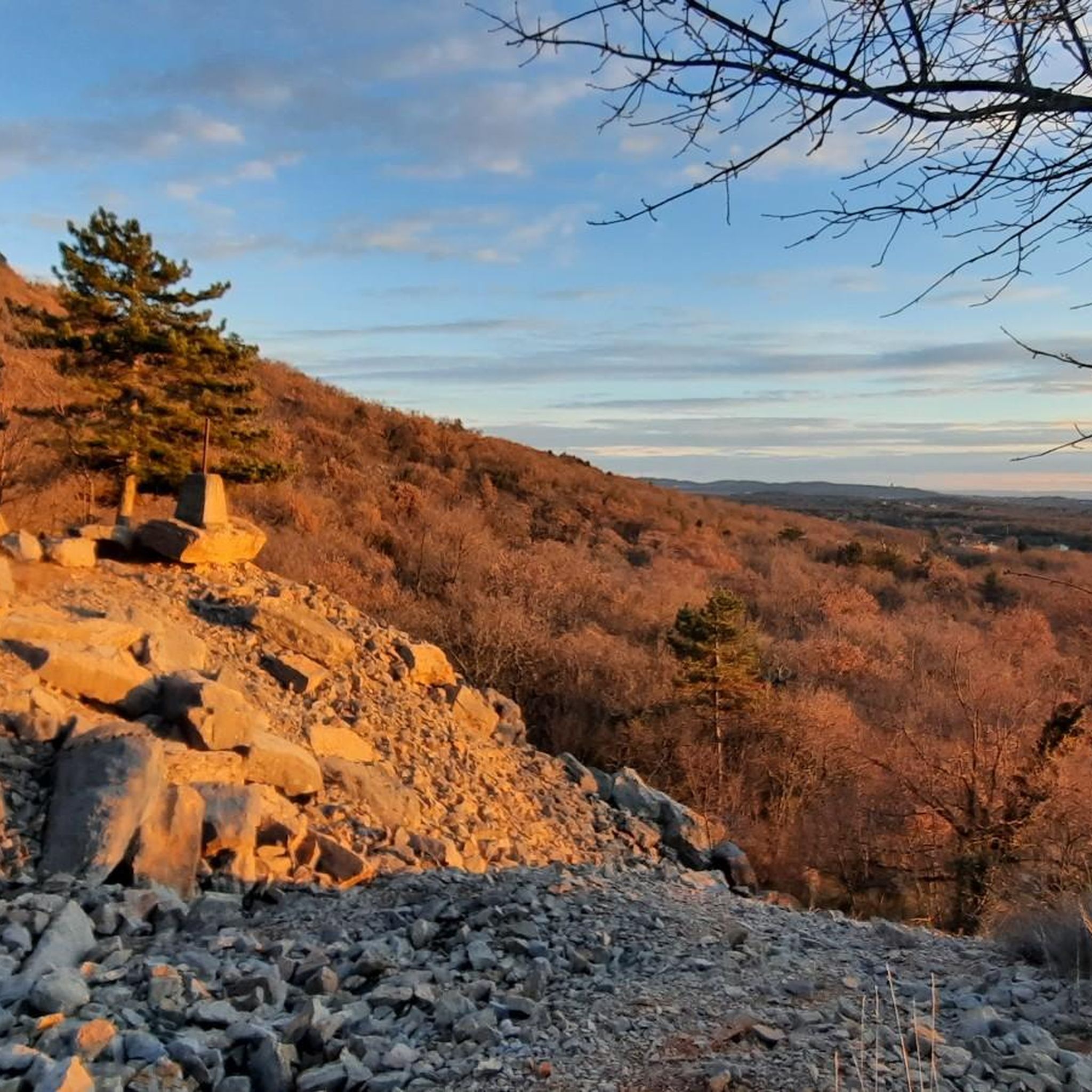
Beautiful panoramic views, stretching from Istria to the Carnic Alps, at least on a clear day. To the east, the Pleša, considered the southernmost mountain in the Eastern Alps, is clearly visible.
0
0

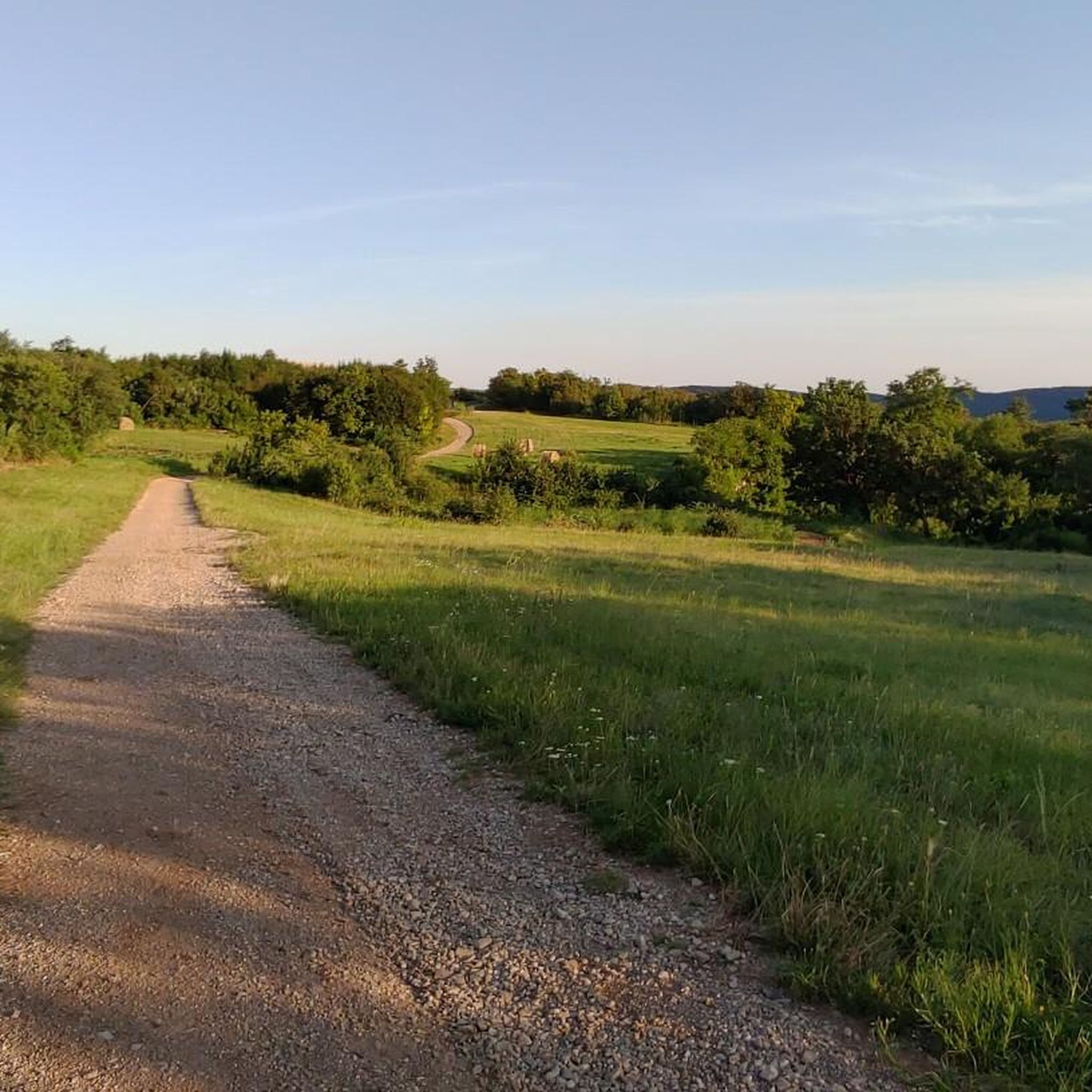
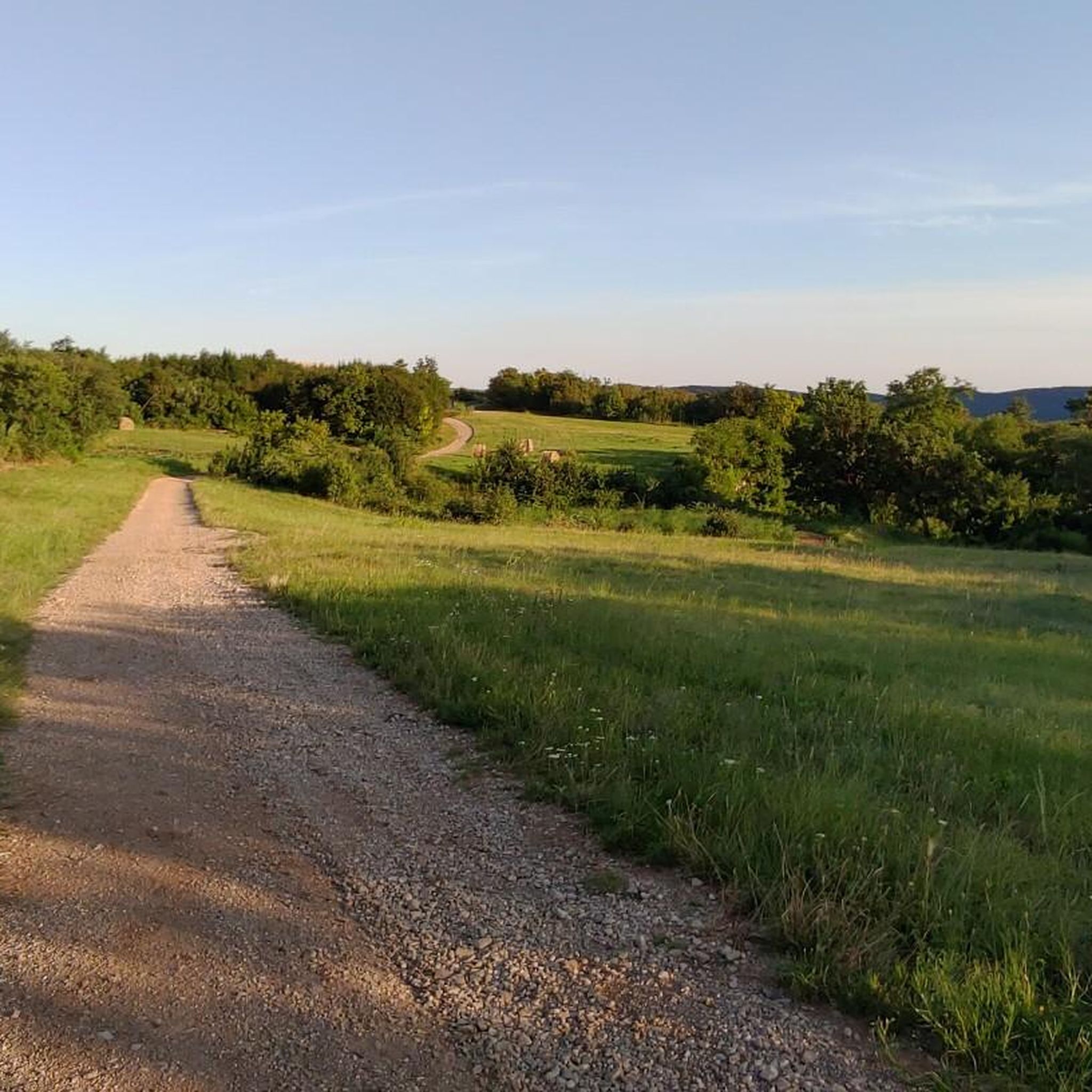
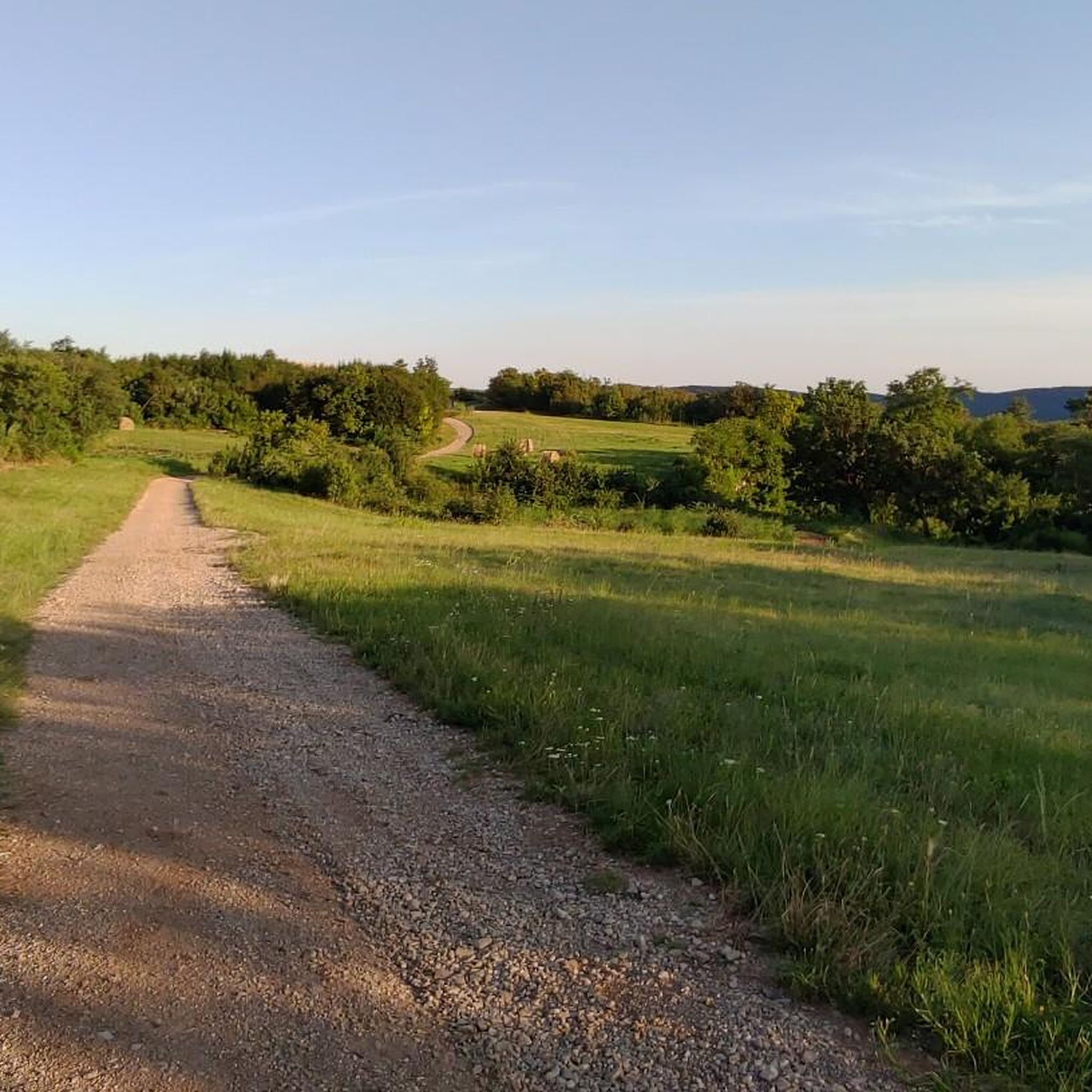
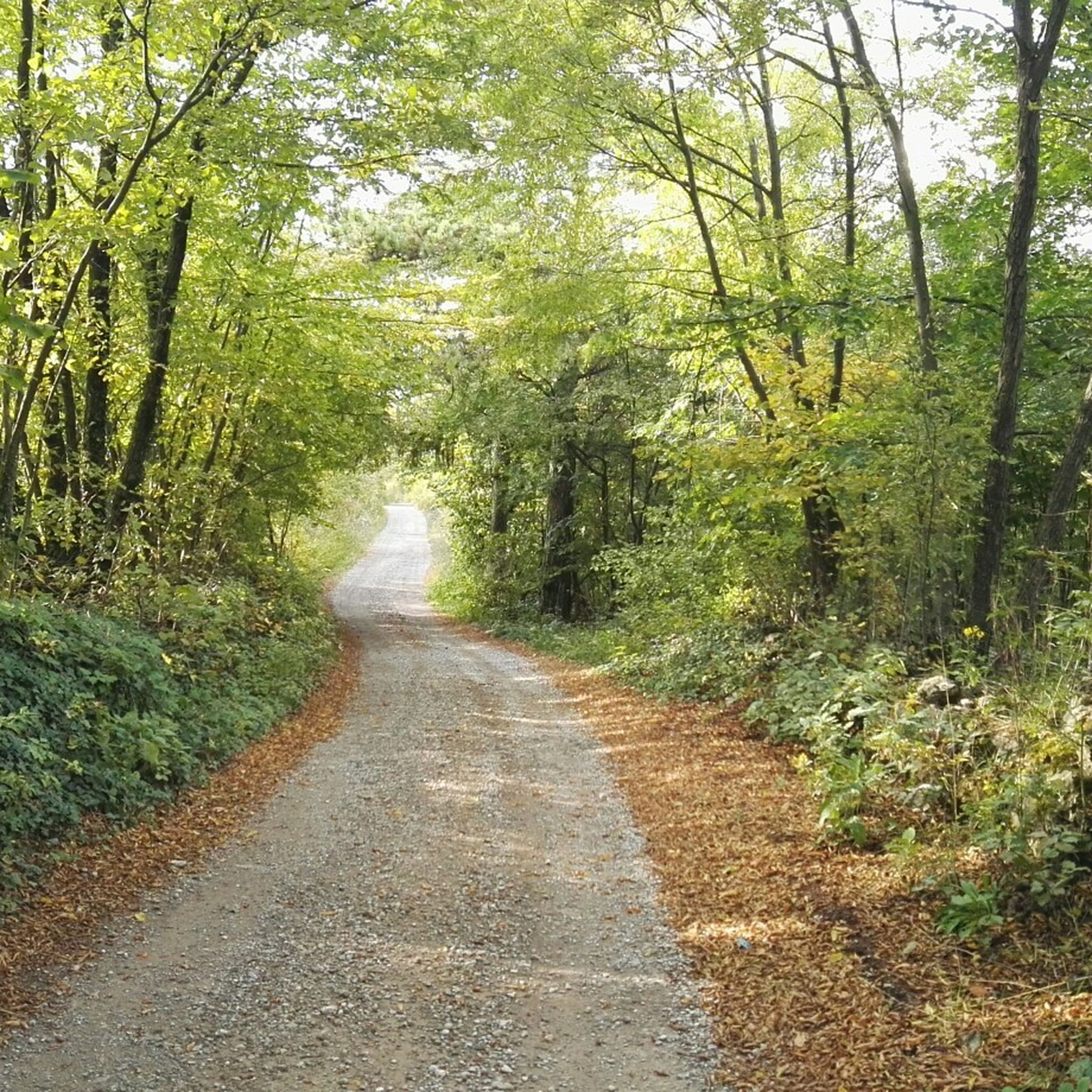
Not reachable by road bike, you need a gravel, trekking or MTB bike
0
0
Frequently Asked Questions
What are some of the most impressive natural landmarks in the Sgonico / Zgonik region?
The Sgonico / Zgonik region, part of the Trieste Karst, boasts several impressive natural landmarks. The Monte Lanaro summit offers a 360° panorama of the Trieste and Slovenian Karst. Another significant site is the Grotta Gigante, recognized as the world's largest single-chamber tourist cave, featuring colossal dimensions and spectacular stalactites and stalagmites. The Val Rosandra Regional Nature Reserve also presents dramatic landscapes with towering limestone cliffs and a spectacular waterfall.
Are there any family-friendly natural monuments to visit in the area?
Yes, several natural monuments in the Sgonico / Zgonik area are suitable for families. The Napoleon Oak, a majestic centuries-old tree, is a fascinating stop. Miramare Park, surrounding Miramare Castle, offers beautifully laid-out paths that are pleasant to explore even in warm weather. The Rilke Path, connecting Sistiana to Duino, is also an easy walk with panoramic coastal views, suitable for families.
What unique geological formations can I explore around Sgonico / Zgonik?
The Sgonico / Zgonik region is renowned for its unique karst geology. The Grotta Gigante is a prime example, with its massive underground chamber and intricate stalactite and stalagmite formations, some reaching up to 12 meters. The Val Rosandra Regional Nature Reserve showcases dramatic limestone cliffs, deep gorges, and a significant waterfall, all shaped by the Rosandra stream. The entire area is characterized by karst landscapes, including sinkholes and underground rivers.
What historical natural sites can be found near Sgonico / Zgonik?
The region offers a blend of natural beauty and historical significance. The Timavo springs and the Church of San Giovanni in Tuba are a historical natural monument where the Timavo river re-emerges from the subsoil. The Val Rosandra Regional Nature Reserve features ancient trails and remnants of a Roman aqueduct, as well as ruins of castles and hill forts. The Rilke Path also incorporates historical elements like military bunkers and foxholes from World War I and II, repurposed as observation points.
What outdoor activities can I do near these natural monuments?
The natural monuments around Sgonico / Zgonik are excellent starting points for various outdoor activities. The Val Rosandra Regional Nature Reserve is ideal for hiking, biking (including a scenic cycling path on a former railway line), and rock climbing. You can also find opportunities for swimming in natural pools during warmer months. For more structured routes, explore the hiking trails around Sgonico / Zgonik, or consider gravel biking and running trails in the wider area.
Are there specific hiking trails that lead to these natural monuments?
Yes, there are several trails that allow you to experience the natural monuments. For instance, the Monte Lanaro summit can be reached via trails like the Monte Lanaro Ridge Trail from Rupinpiccolo. The Val Rosandra offers numerous paths for exploring its dramatic landscape. You can find detailed routes, including the 'Gemina Karst Trail' or 'From Sgonico to Rupinpiccolo (via Trail 040)', within the hiking guide for Sgonico / Zgonik.
What is the best time of year to visit the natural monuments in Sgonico / Zgonik?
The Sgonico / Zgonik region offers attractions year-round. The Grotta Gigante maintains a constant temperature of 11°C (52°F), making it a refreshing escape in any season. Outdoor areas like the Val Rosandra and the Rilke Path are particularly pleasant in spring and autumn when temperatures are mild and the vegetation is vibrant. Summer is also suitable, especially for activities involving water or shaded walks, while winter offers a different, often quieter, perspective on the karst landscape.
What do visitors enjoy most about the natural monuments in this region?
Visitors frequently praise the breathtaking views and the unique geological features. The 360° panorama from Monte Lanaro summit is a highlight, as is the sheer grandeur of the Grotta Gigante. Many appreciate the peaceful atmosphere and the blend of natural beauty with historical elements found along the Rilke Path and within the Val Rosandra. The well-maintained paths of Miramare Park are also highly rated for a relaxing outdoor experience.
Is the Grotta Gigante accessible, and what should I expect when visiting?
The Grotta Gigante is a major tourist attraction. Visitors can descend 100 meters below ground level to explore its immense cavern. Guided tours provide insights into its formation and history. An educational center and speleological science museum are also available. It's advisable to check specific accessibility details and opening hours on their official website before planning your visit. The cave maintains a constant temperature of 11°C, so dressing in layers is recommended.
Can I bring my dog to the natural monuments in Sgonico / Zgonik?
Many outdoor natural areas and trails in the Sgonico / Zgonik region are dog-friendly, especially those within the Val Rosandra Regional Nature Reserve and the Rilke Path. However, specific rules may apply to certain protected areas or indoor attractions like the Grotta Gigante or within the immediate vicinity of Miramare Castle. It's always best to check local regulations for each specific site you plan to visit with your dog, and ensure they are kept on a leash.
Are there any natural monuments with significant viewpoints in the area?
Absolutely. The Monte Lanaro summit is celebrated for its wide and panoramic summit, offering a splendid 360° view of the Trieste and Slovenian Karst. The Rilke Path provides magnificent panoramic views of Sistiana Bay and the entire Gulf of Trieste, with its pure white cliffs facing the sea. Even Miramare Park and Miramare Castle offer spectacular views of Trieste and the Adriatic Sea from their coastal location.
What kind of biodiversity can I observe in the Val Rosandra Regional Nature Reserve?
The Val Rosandra Regional Nature Reserve is a biodiversity hotspot. It protects a rich variety of flora and fauna, including over 1,000 fungi, 988 vascular plants (with both alpine and Mediterranean species), and 300 lichens. The fauna is equally diverse, featuring over 130 bird species and numerous mammals like roe deer and wild boar. The many caves in the valley also support a significant bat population, making it a fascinating area for nature observation.
Most popular routes around Sgonico / Zgonik
Most popular attractions around Sgonico / Zgonik

Get inspired with the komoot mobile app


Explore more
Extend your search for the best caves by checking out these guides of the top ones around Sgonico / Zgonik:
