Top 20 Natural Monuments around Cimolais
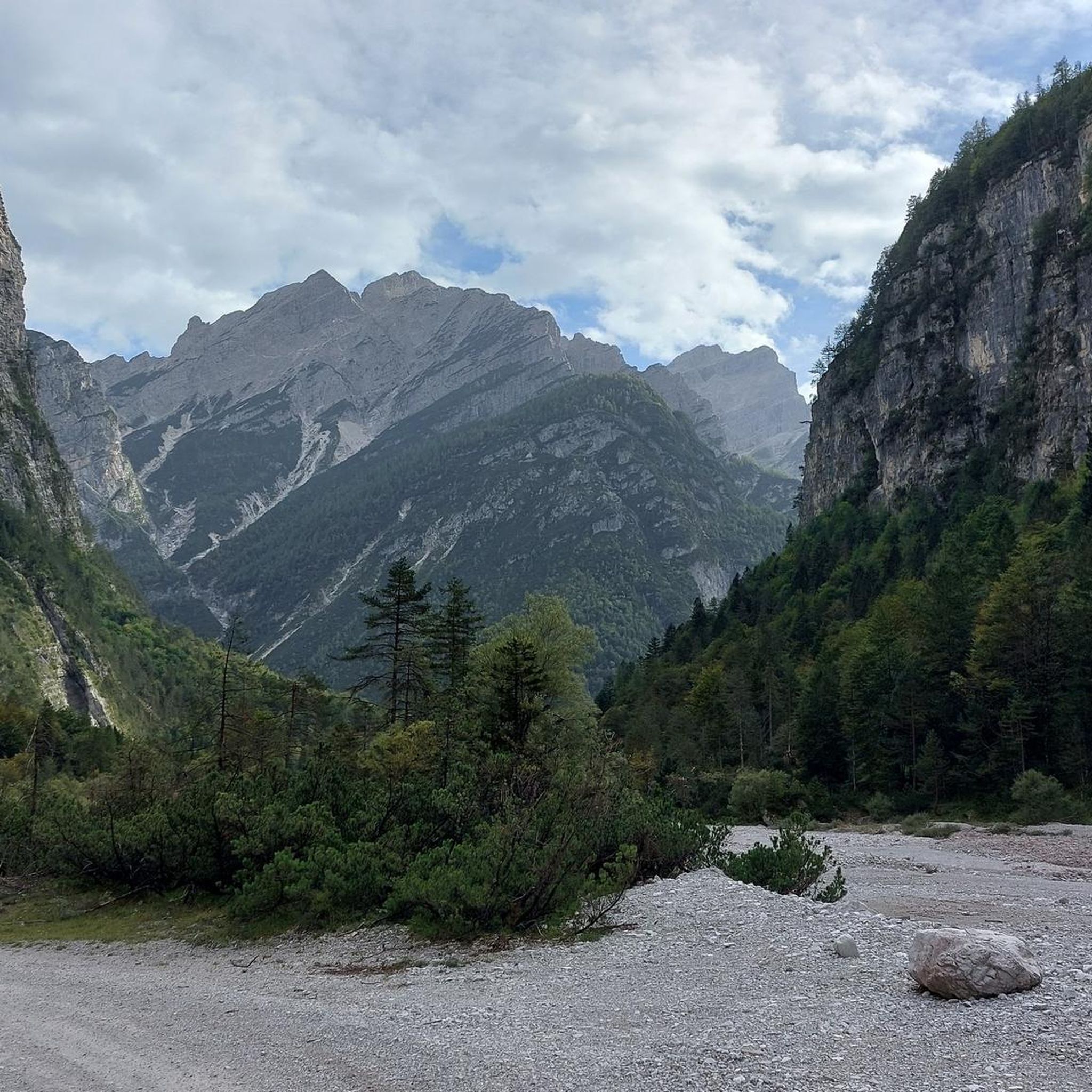
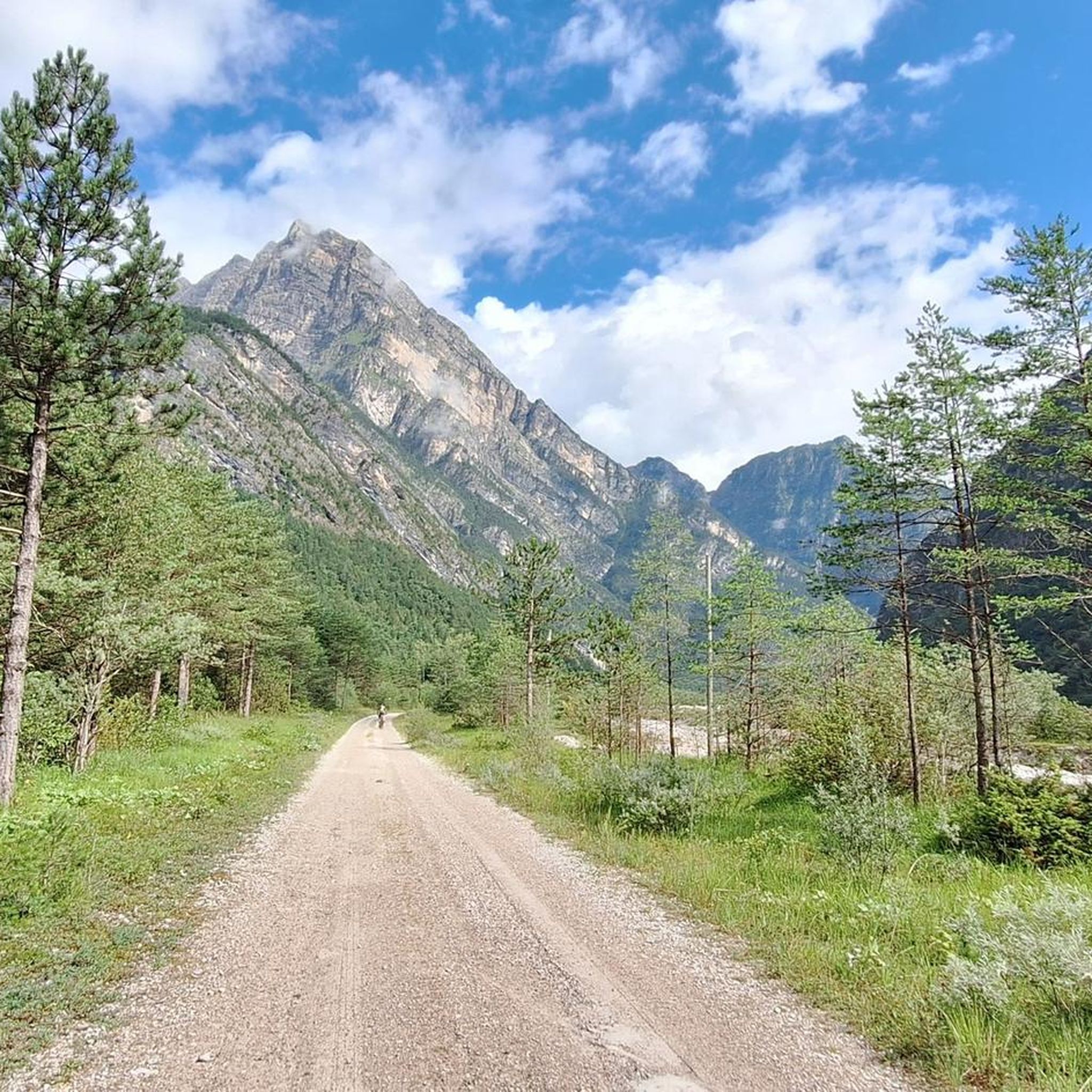
Best natural monuments around Cimolais are situated within the Friulian Dolomites Natural Park, a UNESCO World Heritage Site. This region features Dolomite peaks, pristine valleys, and diverse biodiversity. Cimolais serves as a gateway to these natural features, offering access to various geological formations and ecosystems. The area is characterized by its rugged mountain scenery and untouched natural environments.
Best natural monuments around Cimolais
- The most popular natural monument is Giuliano Perugini Bivouac and the Campanile of Val Montanaia, a…
Last updated: October 14, 2026
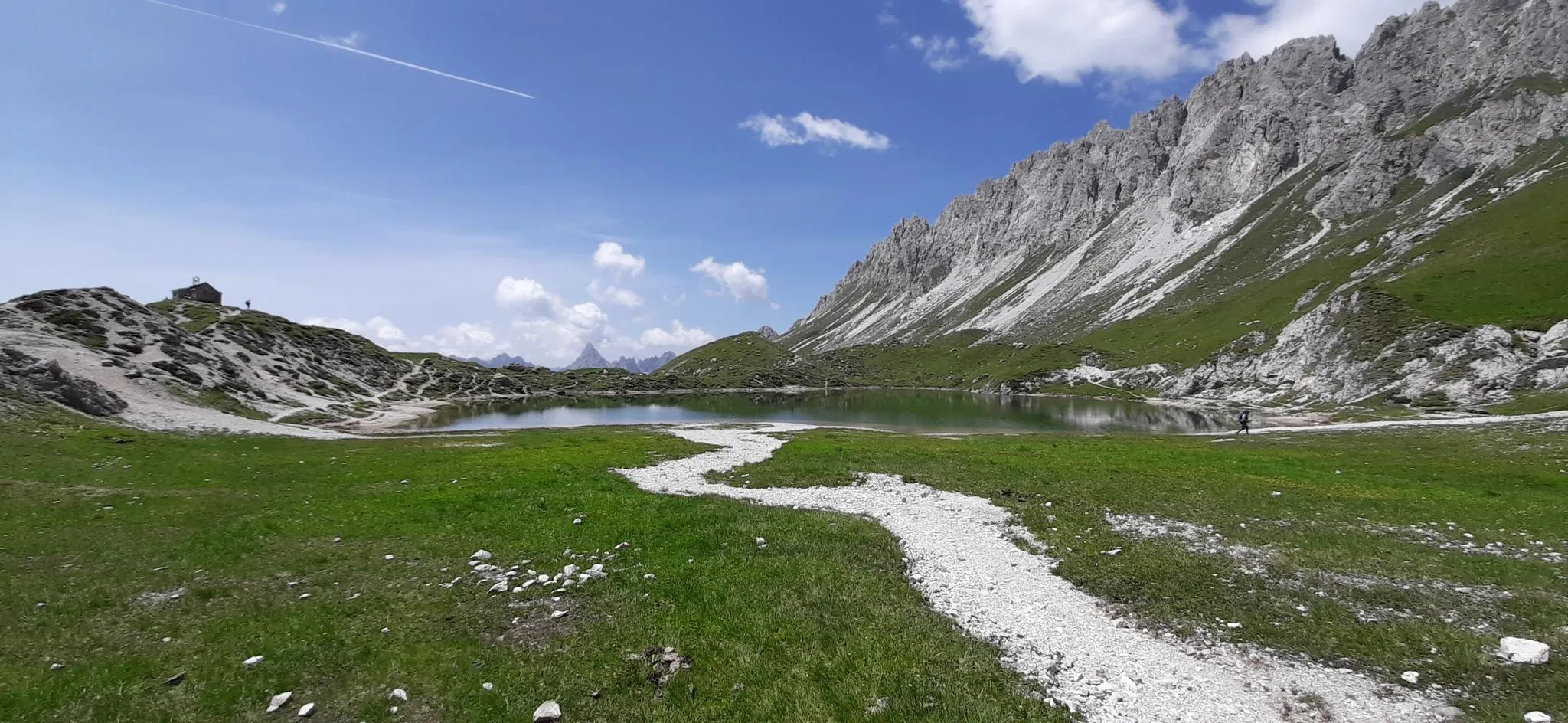
Giuliano Perugini Bivouac and the Campanile of Val Montanaia
Highlight • Mountain Hut
Translated by Google •
Tip by

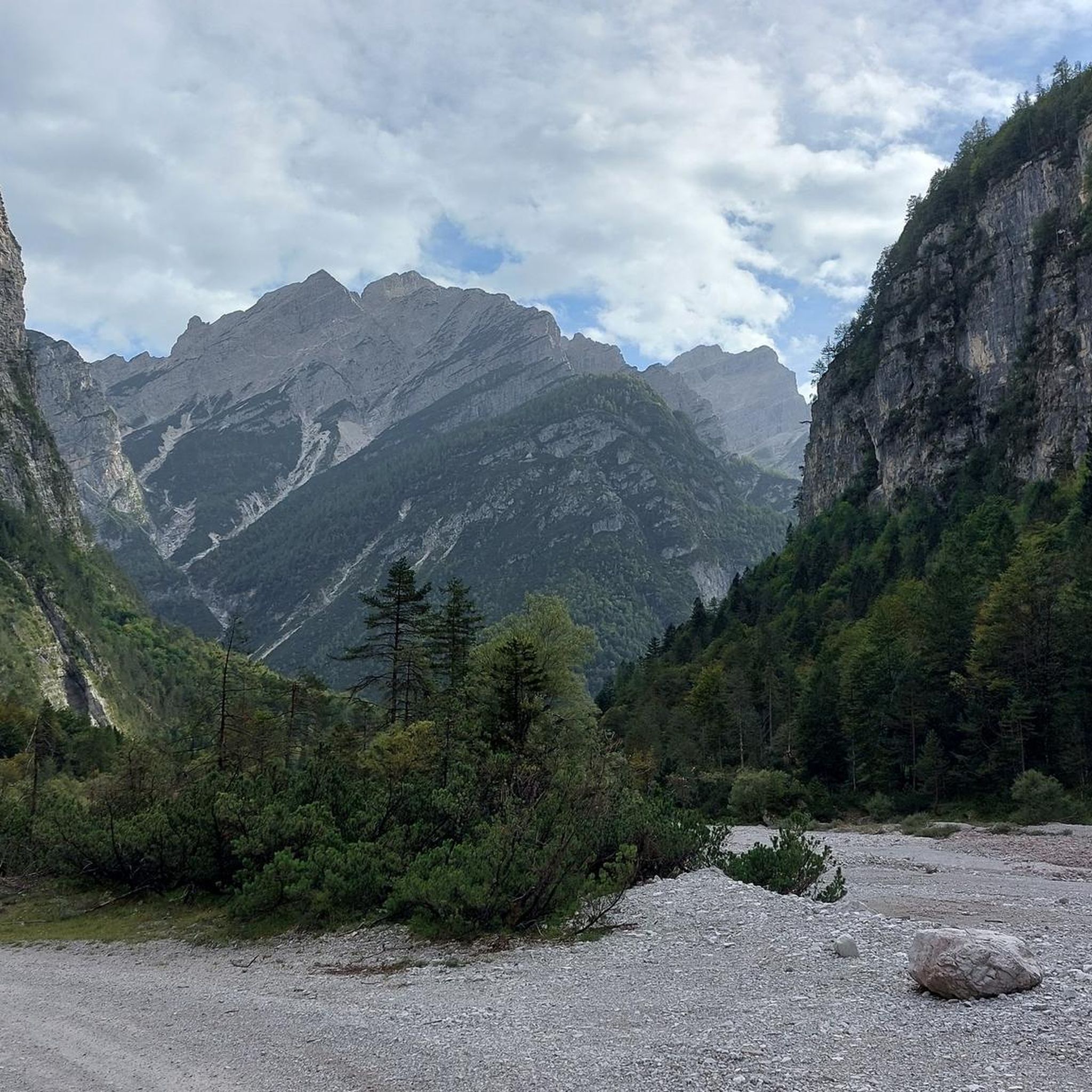
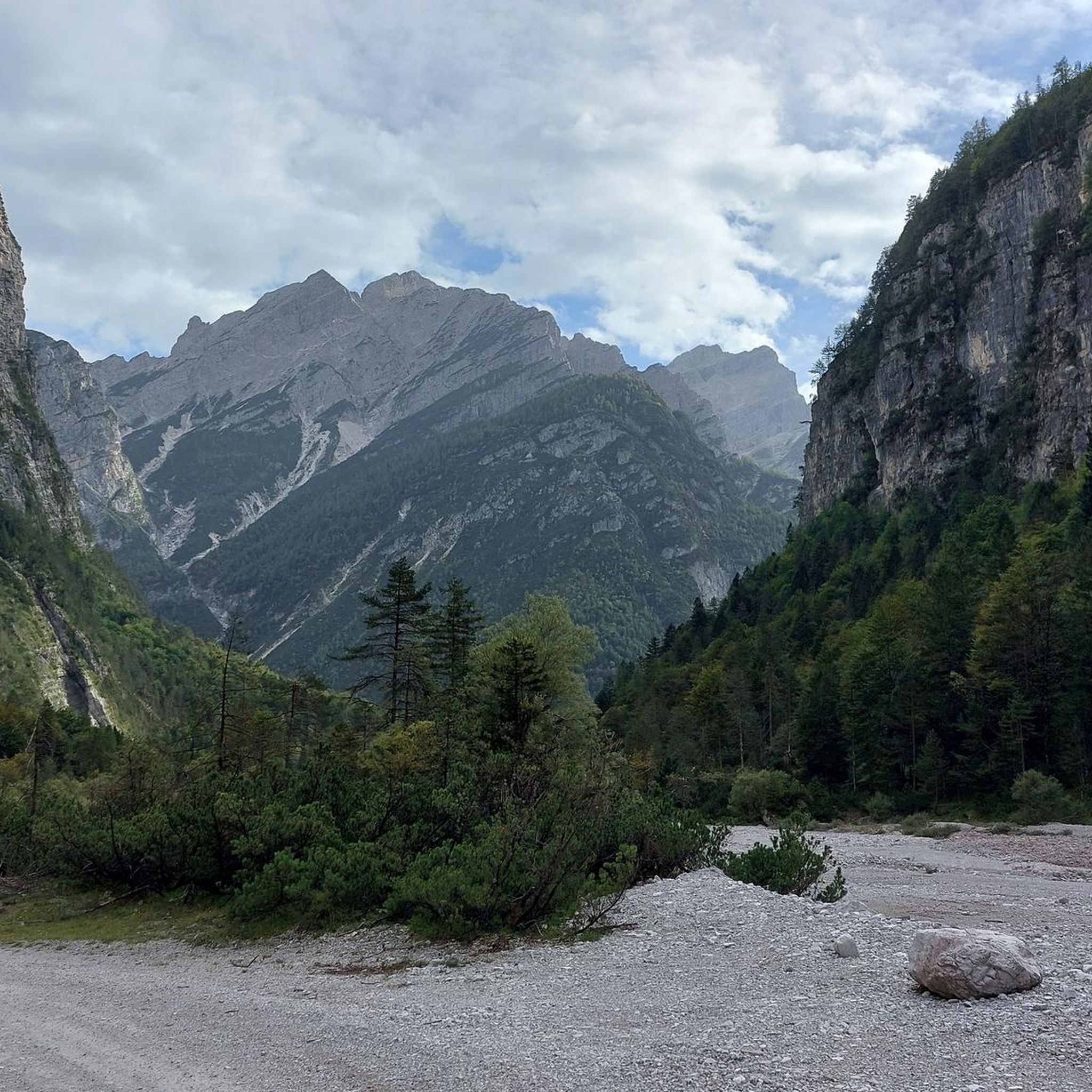
Vajont Gorge and Waterfall
Highlight • Gorge
Translated by Google •
Tip by

Sign up now to discover places like this
Get recommendations on the best single tracks, peaks, & plenty of other exciting outdoor places.
Tose Lake
Highlight • Lake
Translated by Google •
Tip by

The Books of San Daniele
Highlight • Natural Monument
Translated by Google •
Tip by

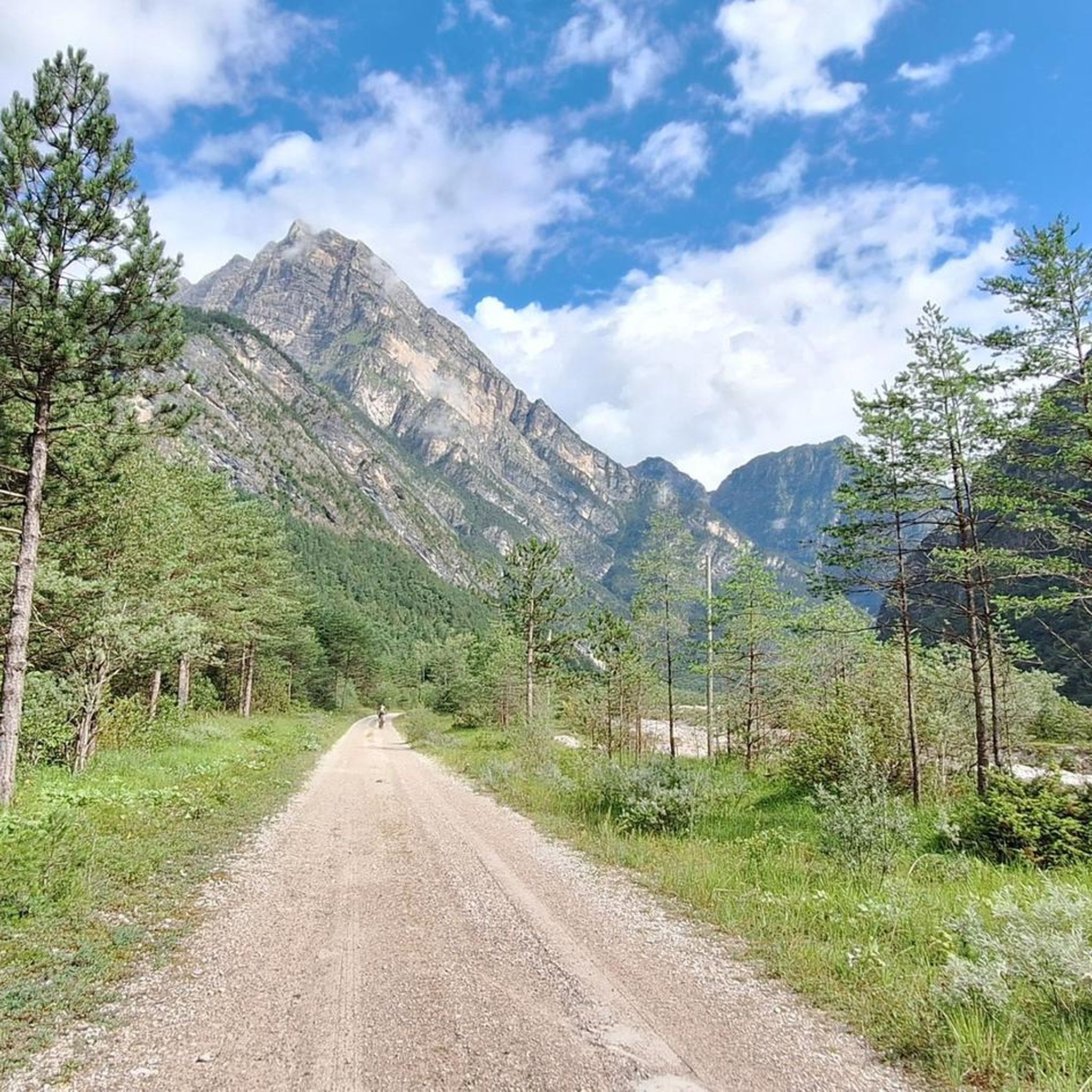
Campanile of Val Montanaia
Highlight • Natural Monument
Translated by Google •
Tip by
Sign up for free to discover even more natural monuments around Cimolais.
Already have an account?
Start today with a free account
Your next adventure awaits.


Other adventures around Cimolais

Tips from the Community

Beautiful place, very special, often frequented by groups of ibex accustomed to people, they don't let themselves be touched but if you're lucky they come very close
0
0

Impressive atmosphere also from below, gigantic what happened back then.
1
0

Simply beautiful, absolutely worth it...
0
0

Attention!!! Closed from Dogna August 25th to October 31st, 2025 The view of the dam is certainly beautiful, but it's better to drive towards Venice on the other side until you reach the next bridge.
0
0
Attention! The road from Dogna is closed from August 25th to October 31st. Today, our alternative was to drive along the other side of the river to Provagna, after having driven to the closure.
0
0

The bivouac and adjacent meadow are often crowded. Useful as a base for early climbing excursions.
1
0

On the crest of Borgà, and more precisely near Mount Sterpezza, you can enjoy a unique spectacle. A series of limestone blocks stacked on top of each other that have the peculiarity of looking like books of rock. The reason for this conformation is due to the structure against which the rock is formed. Layers that are more soluble in meteorological waters resting on less soluble layers cause furrows to be created between one layer and another, all of which gives the eye the vision and the sensation of being in front of cyclopean books of rock.
1
0

Getting to the Campanil is not an easy task, but it is worth it.
0
0
Frequently Asked Questions
What are some of the most notable natural monuments to visit around Cimolais?
The region around Cimolais, nestled within the Friulian Dolomites Natural Park, offers several remarkable natural monuments. One of the most iconic is the Giuliano Perugini Bivouac and the Campanile of Val Montanaia, an impressive rock spire rising almost 300 meters high. Another unique spot is Tose Lake, known for its thermal characteristics and captivating water colors.
Are there family-friendly natural monuments or activities near Cimolais?
While many natural monuments in the Dolomites involve challenging terrain, the broader Val Cimoliana offers extensive trails suitable for various skill levels, allowing families to immerse themselves in nature and observe wildlife. Tose Lake is also listed as family-friendly, offering a unique natural pool experience.
What kind of outdoor activities can I do near the natural monuments in Cimolais?
The area around Cimolais is a paradise for outdoor enthusiasts. You can find numerous routes for mountain biking, road cycling, and running. For example, there are challenging mountain bike routes like the 'Start of Val Settimana – View of Val Settimana loop' and scenic road cycling routes such as the 'Lake Barcis – Cellina Bridge loop'. Runners can explore trails like the 'Campanile di Val Montanaia — loop hike from Rifugio Pordenone'. You can find more details on these activities in the MTB Trails around Cimolais, Road Cycling Routes around Cimolais, and Running Trails around Cimolais guides.
What geological features are prominent in the natural monuments around Cimolais?
The natural monuments around Cimolais are characterized by dramatic Dolomite peaks, deep valleys, and unique rock formations. The iconic Campanile of Val Montanaia is a prime example of a spectacular rock spire shaped by alpine erosion. The Val Cimoliana also features striking landscapes like the 'Stretta di Gote' with tall, vertical walls carved by river erosion.
What is the best season to visit the natural monuments around Cimolais?
The Friulian Dolomites Natural Park offers opportunities for various sports year-round. However, for hiking and exploring the natural monuments like the Campanile di Val Montanaia, late spring to early autumn (May to October) generally provides the most favorable weather conditions. Winter offers opportunities for snow-related activities, but access to some higher-altitude monuments might be restricted due to snow.
Can I see wildlife when visiting the natural monuments in Cimolais?
Yes, the Val Cimoliana and the broader Friulian Dolomites Natural Park are rich in biodiversity and serve as a refuge for various ungulates. You can often observe roe deer, chamois, marmots, eagles, and mountain goats, especially in the untouched areas of the valley and along the trails.
Are there any historical or cultural sites near the natural monuments?
While the primary focus is on natural beauty, the region does hold historical significance. For instance, the Vajont Gorge and Waterfall is a site with a poignant history related to the 1963 dam disaster, offering a powerful reminder of human impact on nature. Tose Lake also has ancient origins, known since Roman times for its thermal waters and associated religious cults.
How can I access the Val Cimoliana and its natural features?
The Val Cimoliana serves as a vital gateway to the natural wonders of the Friulian Dolomites. It is a long valley, extending for about fifteen kilometers, and is almost entirely passable. While specific public transport options directly into the valley might be limited, Cimolais itself is a starting point, and access is generally by car or local bus routes to trailheads, allowing exploration of its diverse landscapes and wildlife.
What are the typical terrain and difficulty levels for hiking near Cimolais' natural monuments?
The terrain around Cimolais varies significantly. While some trails in Val Cimoliana are suitable for moderate hikes, reaching prominent peaks and passes like Forcella Scodavacca or the Campanile of Val Montanaia often involves challenging routes with significant elevation gain, narrow paths, and loose gravel. These more demanding excursions are not recommended for beginners.
What do visitors enjoy most about the natural monuments around Cimolais?
Visitors particularly appreciate the untouched and wild nature of the Friulian Dolomites Natural Park. The dramatic and unique geological formations, such as the iconic Campanile of Val Montanaia, are highly sought after. The opportunity to observe diverse wildlife and immerse oneself in pristine natural environments also ranks high among visitor experiences.
Are there any specific regulations or permits required for hiking in the Friulian Dolomites Natural Park?
As part of a UNESCO World Heritage Site, the Friulian Dolomites Natural Park has regulations in place to preserve its natural environment. While general hiking on marked trails typically doesn't require specific permits, it's always advisable to check with the Cimolais Visitor Center for any current regulations, especially concerning protected areas, overnight stays in bivouacs, or specific activities. Regulations regarding dogs on trails may also apply.
Where can I find accommodation or dining options in Cimolais?
Cimolais is a charming mountain resort and serves as one of the headquarters for the Friulian Dolomites Natural Park. As such, it offers various accommodation options, including hotels and bed and breakfasts, as well as local restaurants and cafes where you can enjoy regional cuisine after a day of exploring the natural monuments.
Most popular routes around Cimolais
Most popular attractions around Cimolais

Get inspired with the komoot mobile app


Explore more
Extend your search for the best caves by checking out these guides of the top ones around Cimolais:
