Top 20 Natural Monuments around Canossa
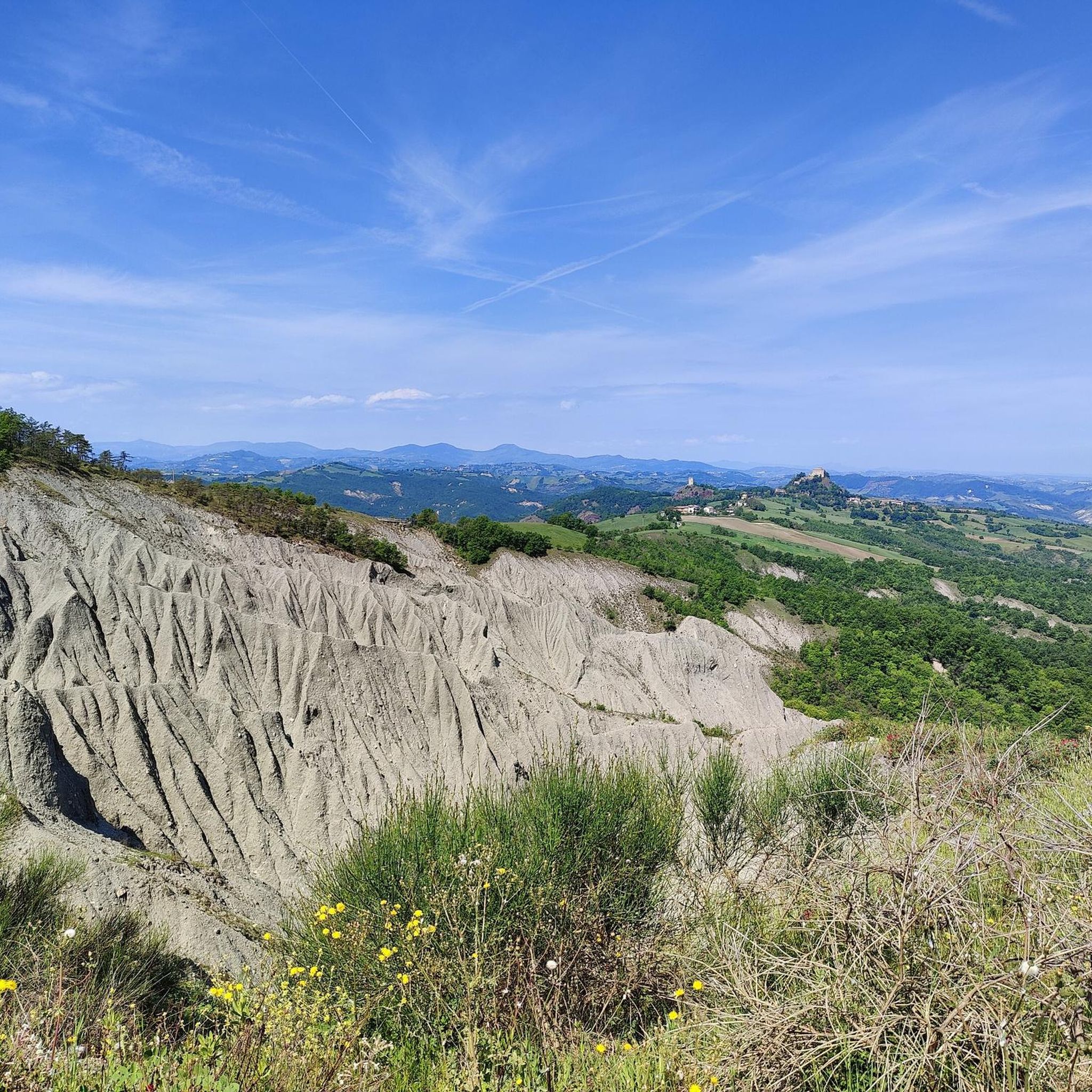
Best natural monuments around Canossa are found in the Emilia-Romagna region of Italy, characterized by unique geological formations and varied landscapes. The area features striking badlands, ancient rock formations, and significant geological sites. These natural features complement the region's historical significance, offering diverse outdoor exploration opportunities. The terrain includes dramatic erosional gullies, imposing rock monoliths, and volcanic mud formations.
Best natural monuments around Canossa
- The most popular natural monuments is Bismantova Rock, a natural monument that is a characteristic…
Last updated: October 14, 2026
Bismantova Rock
Highlight • Natural Monument
Translated by Google •
Tip by

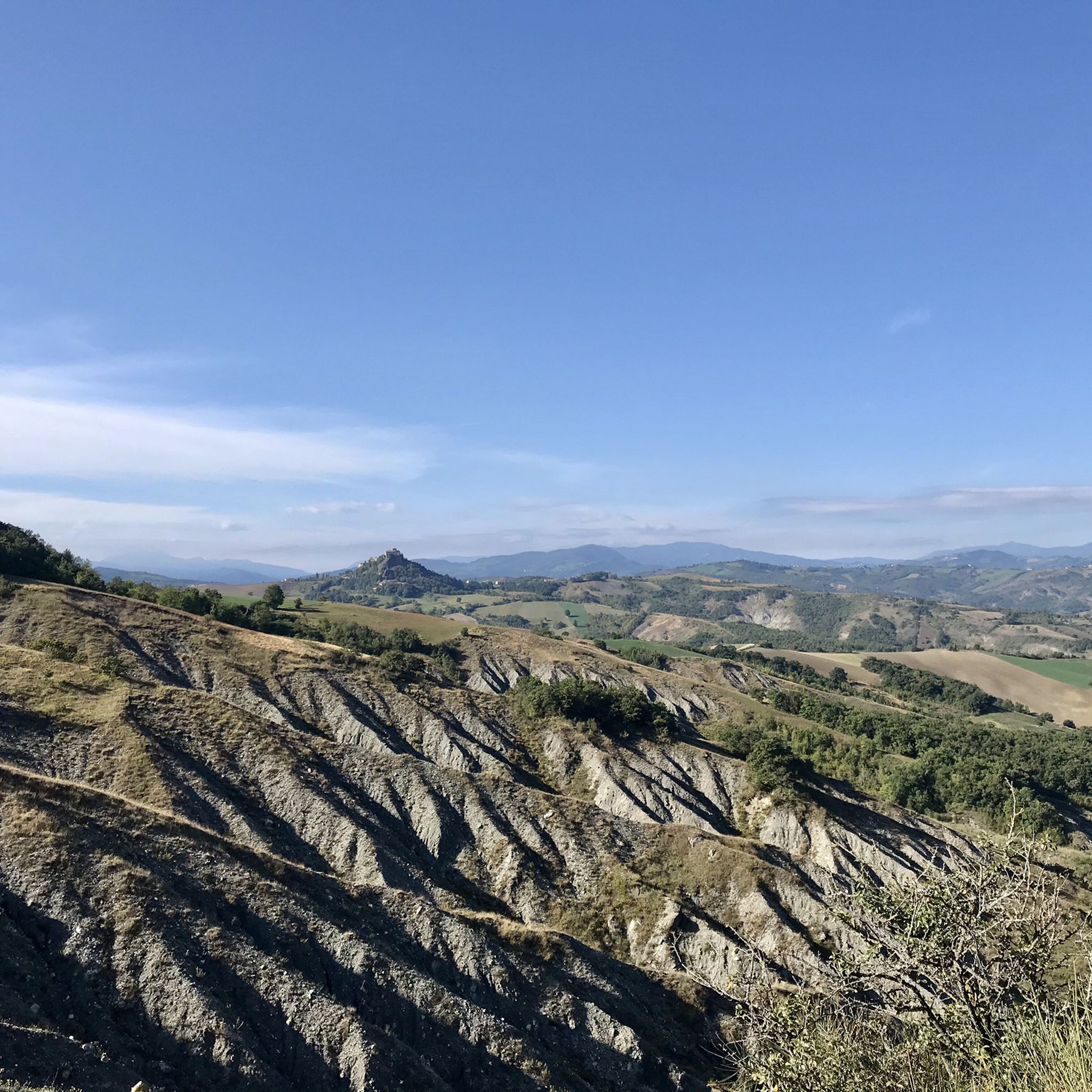
Scenic Road Between the Castles of Canossa and Rossena
Highlight • Viewpoint
Translated by Google •
Tip by

Sign up now to discover places like this
Get recommendations on the best single tracks, peaks, & plenty of other exciting outdoor places.
Mount Grafagnana
Highlight • Summit
Translated by Google •
Tip by

Ca' del Vento Loop
Highlight (Segment) • Trail
Translated by Google •
Tip by

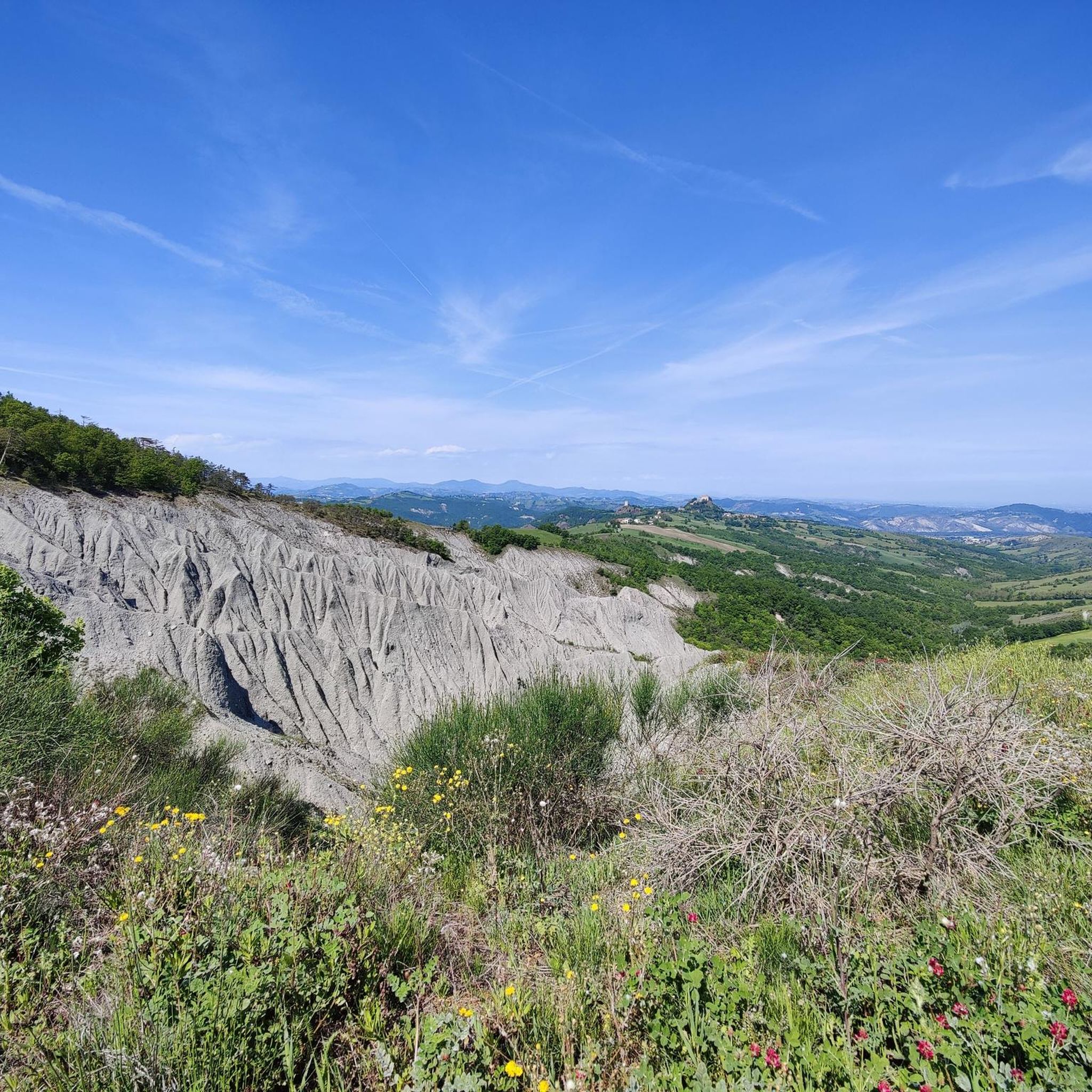
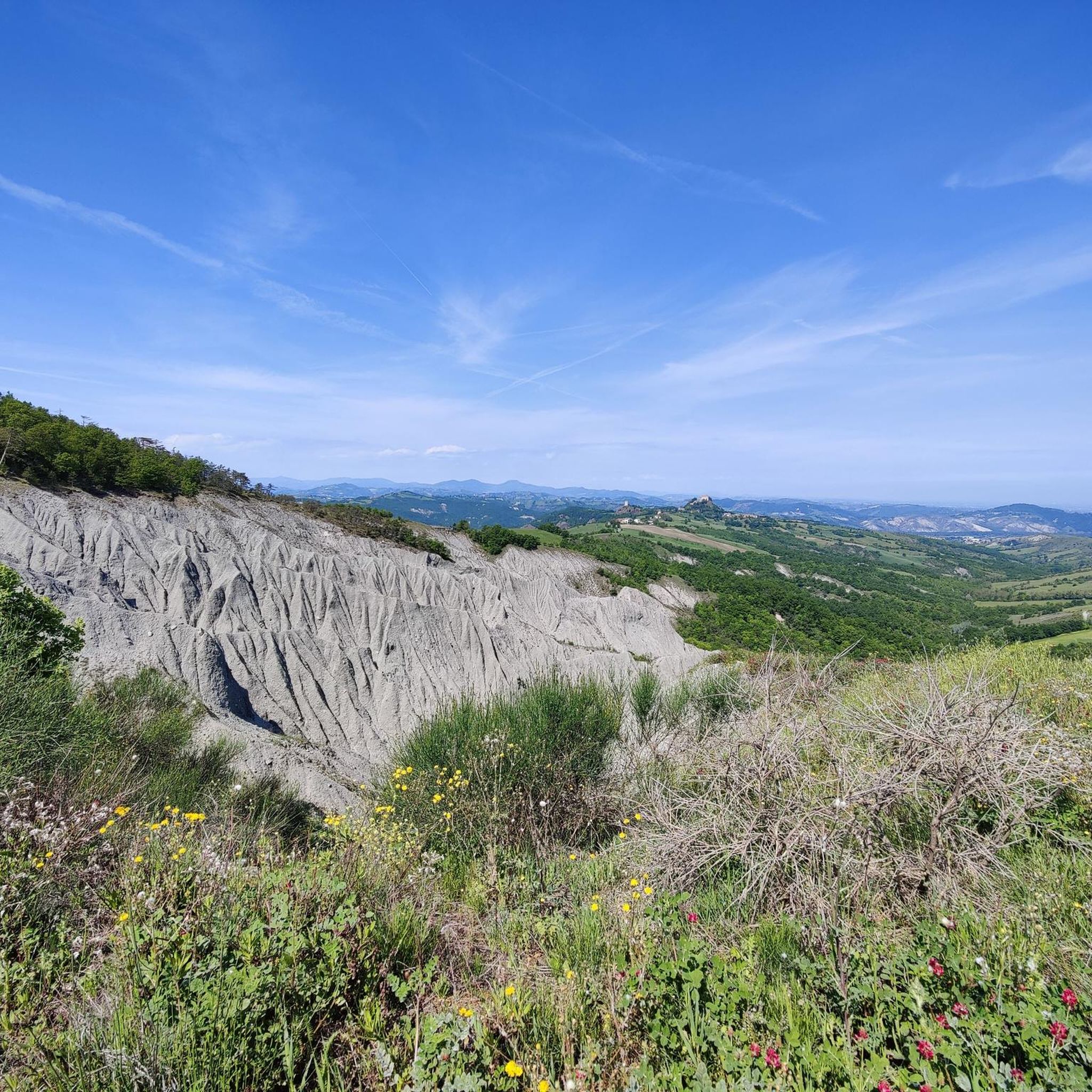
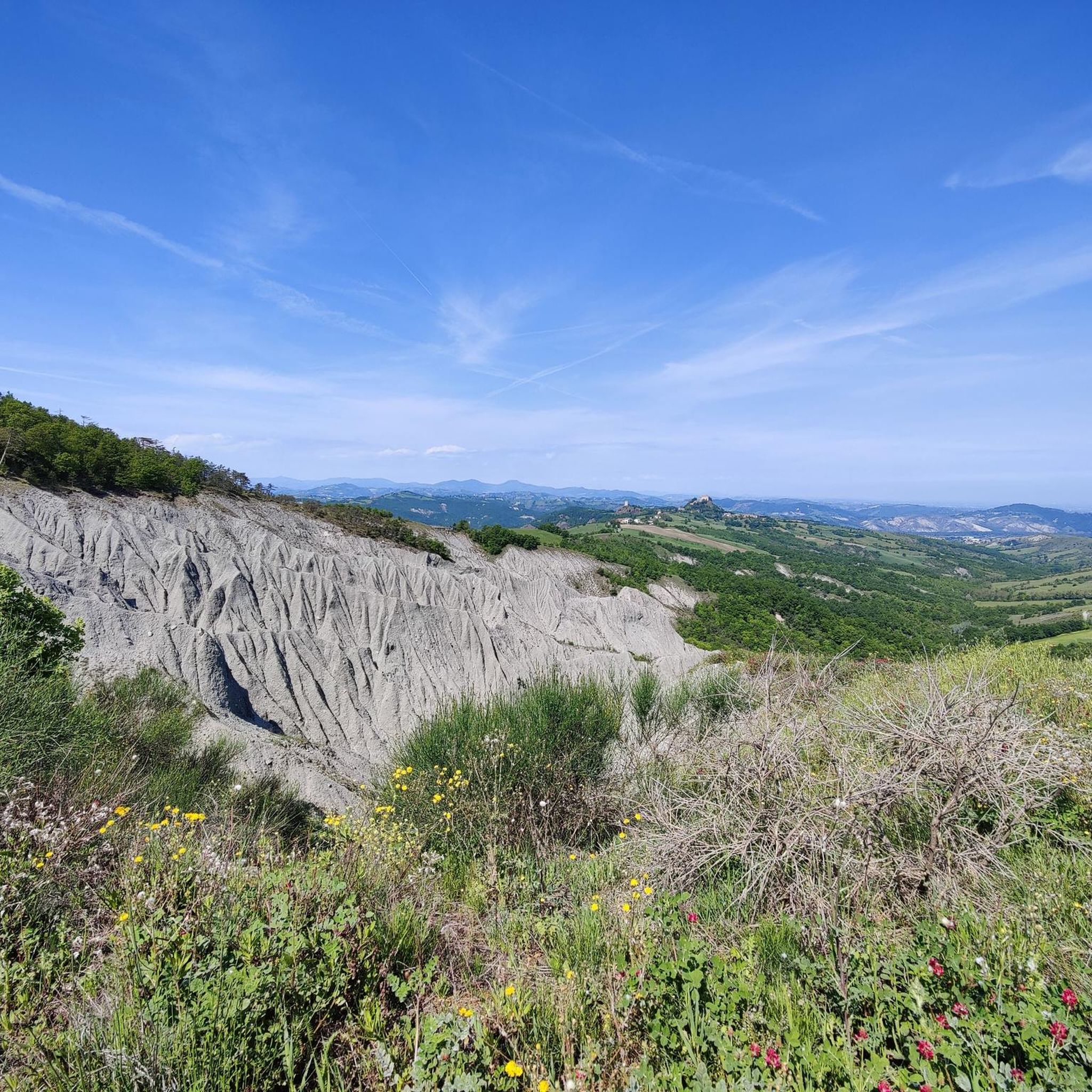
Calanchi di Atticola
Highlight • Natural Monument
Translated by Google •
Tip by

Sign up for free to discover even more natural monuments around Canossa.
Already have an account?
Start today with a free account
Your next adventure awaits.

Tips from the Community

Located in the municipality of Castelnovo ne' Monti, a town that rises at its feet, in the province of Reggio Emilia, it presents itself as a narrow plateau with steep walls, which stands isolated among the Apennine mountains. The area is classified as a site of community interest (code IT4030008) of the Natura 2000 network, and is partly included in the territory of the Tuscan-Emilian Apennine National Park.
0
0

Very scenic spot. Worth a stop for a photo
2
0
La Pietra needs no further comments. Whether you are hikers, climbers or simple tourists, go there. You will find a unique and fascinating place for young and old. If you venture to the summit and are not experienced with mountain trails, use suitable footwear (a small shoe is enough) and be careful with children. If you look at some photos, you will understand well once at the summit what the danger can be. Stay away from exposed points and enjoy the panorama…
2
0

A striking natural formation located in the hamlet of Atticòla, in the municipality of Vetto, in the Reggio Emilia Apennines. It is not a deep canyon like those of the great American rivers, but rather a series of clayey reliefs—almost like "small volcanoes" a few meters high—characterized by outcrops of ferrous clay, with red and white bands that evoke an almost alien or time-sculpted landscape. An interesting crossing point, it is ideal for a leisurely hike, also suitable for families or photography enthusiasts.
0
0

I did it last week after 6 or 7 years: still beautiful, but erosion has made the trail narrow, resulting in significant chasms. A 4 or 5-meter section can only be accessed by getting off your bike because it's very dangerous and slippery. However, its charm remains intact.
0
0

rideable climbs, well exposed for winter cycling
3
0

Pietra di Bismantova is a characteristic and imposing isolated rock bastion, very conspicuous even from afar in the gentler surrounding Apennine landscape of Reggio. It is a large platform with a flat and oblique summit, with woods and meadows and very panoramic edges with vertical cliffs.
3
0

Always pay attention to where you put your feet. Wear shoes with cleated soles.
3
0
Frequently Asked Questions
What are some of the most striking natural monuments to visit around Canossa?
The region around Canossa is known for its unique geological formations. One of the most striking is Bismantova Rock, an imposing sandstone monolith with a flat summit offering panoramic views. Another notable feature is the dramatic Badlands of Canossa, also known as "calanques," which are deep furrows formed by erosion on clayey rocks, creating an unexpected landscape.
Are there any natural monuments suitable for families with children?
Yes, the Calanchi di Atticola are a striking natural formation with red and white clay reliefs that resemble small volcanoes. It's an interesting crossing point ideal for a leisurely hike and suitable for families or photography enthusiasts. The Barboj Park of Rivalta, with its small mud volcanoes, is also considered family-friendly and offers a relaxing stop.
What kind of geological features can I expect to see in the natural monuments near Canossa?
The area is rich in diverse geological formations. You'll encounter striking badlands (calanques) formed by erosion, such as those visible from the castles of Canossa and Rossena. The Pietra di Bismantova is a massive sandstone monolith. Additionally, the region features rare Triassic Gypsum outcrops in the Secchia river valley, showcasing crystal formations, twisted layers, sinkholes, and caves, evidence of significant tectonic movements.
What outdoor activities can I do near these natural monuments?
The natural monuments around Canossa are excellent starting points for various outdoor activities. You can find numerous running trails, such as the challenging Mount Grafagnana loop, or moderate routes like the View of Rossena Castle loop. For road cycling, options range from moderate ring tours like 'Val d'Enza e Terre di Canossa' to difficult routes covering longer distances. Gravel biking is also popular, with routes like the 'Canossa Castle loop' available. You can explore more options on the Running Trails around Canossa, Road Cycling Routes around Canossa, and Gravel biking around Canossa guide pages.
Are there any challenging hikes or viewpoints among the natural monuments?
Yes, for those seeking a challenge, Mount Grafagnana offers a technical passage over gullies and provides views of the surrounding area. The ascent can be demanding but is rewarding. The summit plateau of Bismantova Rock also provides a dizzying 360° view over rocky walls and the surrounding Apennine landscape.
What is the best time of year to visit the natural monuments around Canossa?
The spring and autumn months are generally ideal for visiting the natural monuments around Canossa. The weather is milder, making outdoor activities like hiking and cycling more comfortable. Spring brings lush greenery, while autumn offers vibrant foliage. Summer can be hot, especially in the badlands areas, but early mornings or late afternoons are still pleasant. Winter visits are possible, but some trails might be muddy or require appropriate gear.
Can I find historical sites alongside natural monuments in the Canossa area?
Absolutely. The region is rich in both natural and historical significance. The Scenic Road Between the Castles of Canossa and Rossena offers beautiful views of these historic fortresses, which are built on Miocene sandstone, contrasting with the surrounding gullies. The Rock of Canossa itself, upon which the historic Castle of Canossa stands, is a natural monument with significant historical ties, offering expansive views and a cultural layer to its natural appeal.
Are there any natural monuments that offer panoramic views?
Many natural monuments in the area provide excellent panoramic views. The Bismantova Rock offers a splendid 360° view from its summit plateau. The Rock of Canossa, where the castle is located, provides expansive views of the valleys below, and on clear days, even the Alps can be seen. The Scenic Road Between the Castles of Canossa and Rossena also offers beautiful vistas of the castles, the Rossanella tower, and the typical Emilian landscape with gullies and cultivated fields.
What do visitors enjoy most about the natural monuments around Canossa?
Visitors frequently appreciate the dramatic and unexpected landscapes, particularly the contrast between the ancient castles and the unique geological formations like the badlands. The panoramic views from spots like Bismantova Rock are highly praised. Many also enjoy the opportunity for diverse outdoor activities, from challenging hikes to leisurely family walks, and the sense of being on 'another planet' when exploring formations like the Calanchi di Atticola.
Are there any natural reserves or protected areas near Canossa?
Yes, the Natural Reservation of Campotrera is located near Canossa, particularly along the rocky banks of the river Enza. This reservation is recognized for its botanical and geological significance. Within this area, Rossena Castle is situated on a volcanic rock, contributing to a unique landscape characterized by typical clay formations.
Is it possible to find cafes or restaurants near the natural monuments?
While the natural monuments themselves are often in more secluded natural settings, you can find amenities in nearby towns and villages. For example, near the Barboj Park of Rivalta, there's an excellent Trattoria Capelli, known as one of the best restaurants in the area. It's advisable to check local listings for dining options in towns like Canossa, Rossena, or other villages along your route.
Most popular routes around Canossa
Most popular attractions around Canossa

Get inspired with the komoot mobile app


Explore more
Extend your search for the best caves by checking out these guides of the top ones around Canossa:
