Top 20 Natural Monuments around Faenza
Best natural monuments around Faenza are characterized by a unique geological landscape. The city is surrounded by the Parco Regionale della Vena del Gesso Romagnola, a UNESCO World Heritage site known for its gypsum ridge and karst features. This regional park offers diverse ecosystems and geological formations, making the area a significant destination for nature exploration. The landscape includes caves, unique rock formations, and historical sites integrated with natural elements.
Best natural monuments around Faenza
- The most popular natural monuments…
Last updated: April 30, 2026
Ladino Weir
Highlight • Monument
Translated by Google •
Tip by

Parco delle Acque Minerali
Highlight • Forest
It is …
Translated by Google •
Tip by

Sign up now to discover places like this
Get recommendations on the best single tracks, peaks, & plenty of other exciting outdoor places.
Sign up for free
Monte Mauro Hermitage
Highlight • Religious Site
Translated by Google •
Tip by

Grotta Tanaccia
Highlight • Cave
Translated by Google •
Tip by
Parco Regionale Vena del Gesso Romagnola
Highlight • Summit
Translated by Google •
Tip by

Sign up for free to discover even more natural monuments around Faenza.
Sign up for free
Already have an account?
Start today with a free account
Your next adventure awaits.
Login or Signup

Tips from the Community

For those who are capable of doing impossible climbs
0
0

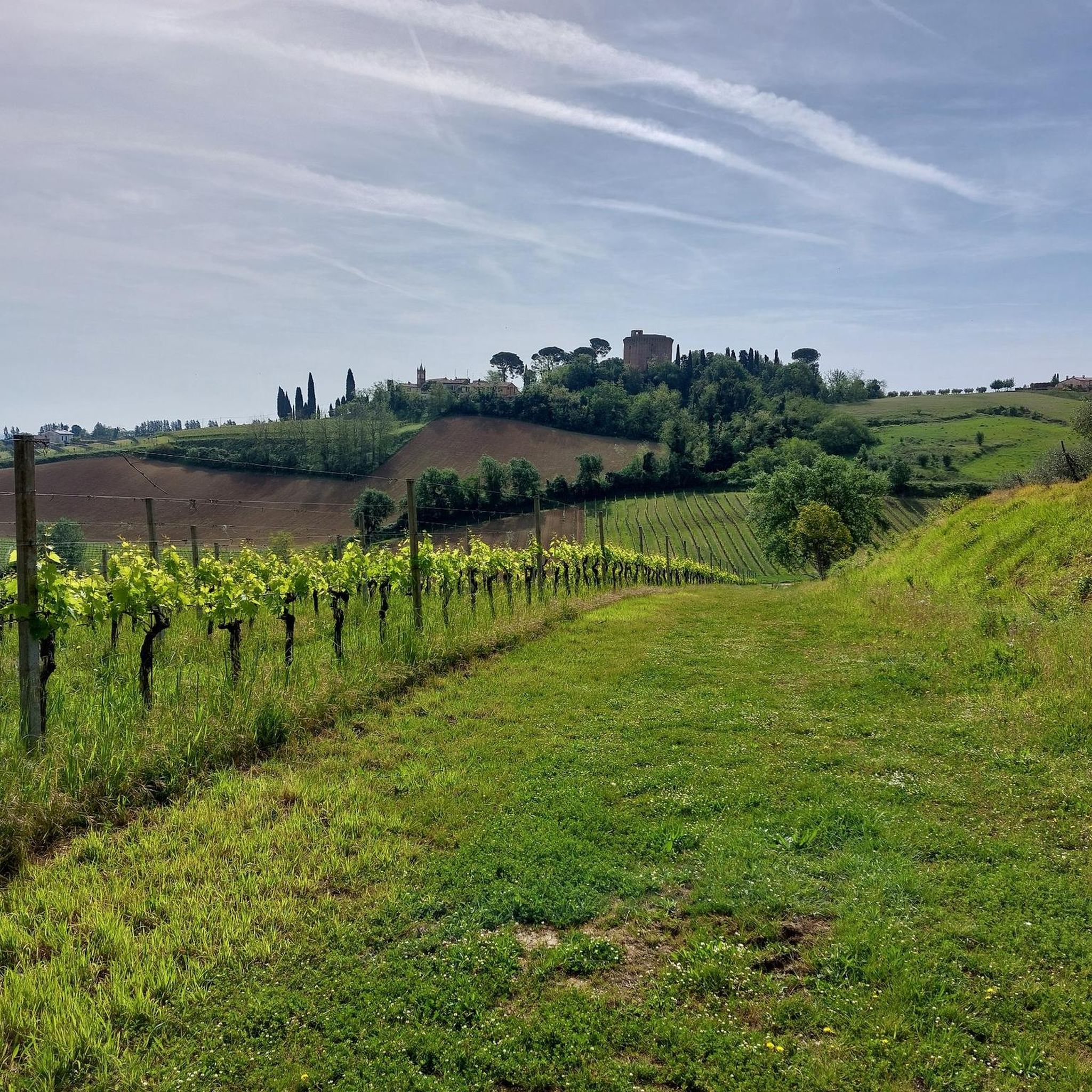
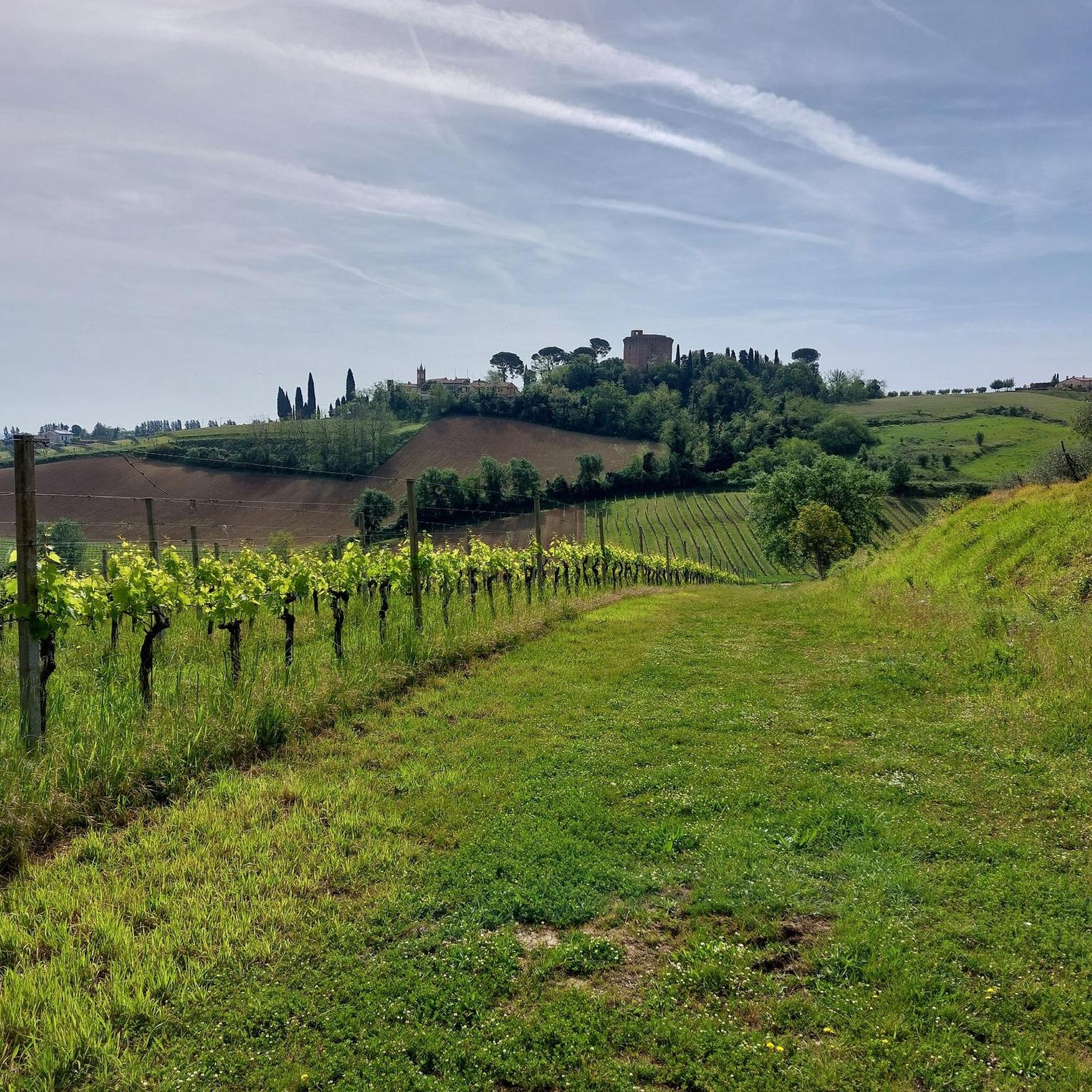
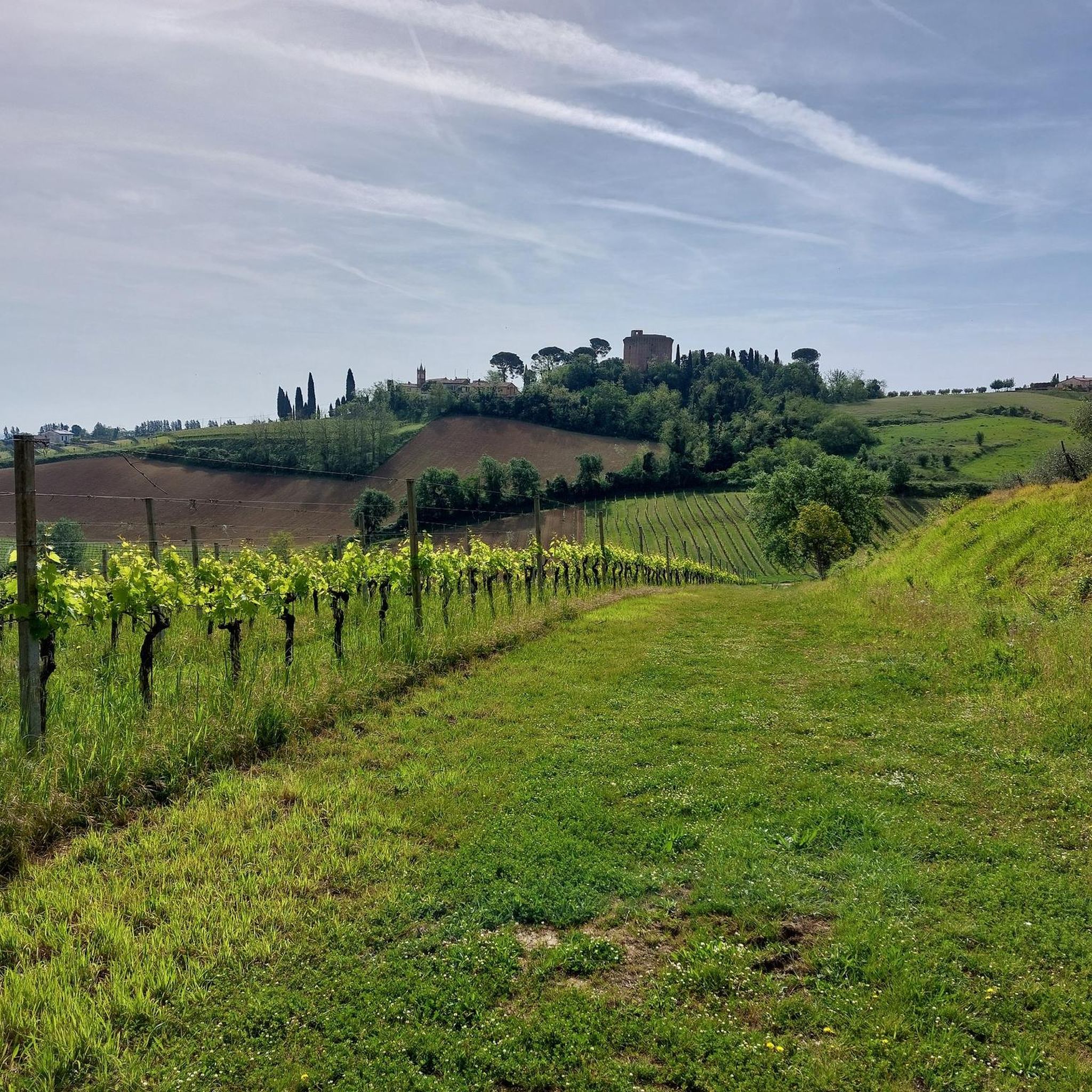
There are also dirt climbs and equally as many descents, steep and difficult sections (even 18%), very beautiful views and at the top there is the Hermitage.
0
0

the cute cat EremoMonte Mauro
0
0

Area with numerous singletracks and well-rideable trails
0
0

The Chiusa di Ladino is an artificial dam that creates a waterfall with several pools of water. These pools are suitable for swimming in the summer, provided there is no extreme drought. The Chiusa di Ladino plays an important role in serving the Romiti canal.
0
0

The Mineral Water Park is the historic green lung of Imola. Mainly known for its recreational and sporting function, it also has an undoubted botanical and historical value. It is located a short distance from the city center and is nowadays entirely surrounded by the “Enzo e Dino Ferrari” racetrack. It originated from the discovery of Dr. Gioacchino Cerchiari, which occurred in 1830, of the healing sulphurous water springs which made the place immediately popular. The first arrangement of the area into a real park dates back to 1871, with the creation of avenues and flowerbeds according to the so-called "English" model. Currently the park extends over 11 hectares and has a rich heritage of tree species, both native and exotic. Recent interventions have aimed to enhance this heritage by providing the park with two play areas and an educational path of a geological nature, and by redeveloping some historical areas: the area of the ancient springs (indicated by the restoration of the original cisterns), the monumental staircase that leads from Viale Atleti Azzurri d'Italia leads to the Belvedere, and the entrances to the park. In particular we highlight the one to the north, called 'Piazzetta della Fontana' from the ceramic work of the artist Mannes Laffi, and the one to the south, or Piazzetta delle Querce', characterized by paving in stone slabs and cubes which reflect the park logo : an oak leaf. (Source: https://visitareimola.it/vivere/tempo-libero/natura/parco-acque-minerali/ )
0
0

Unfortunately, following the flood of May 2023, much of the pedestrian cycle along the river, between Forlì (Urban Park) and Castrocaro (Park), is not accessible by bicycle or, with difficulty, on foot. The unusable section also includes the one facing the Ladino lock
0
0

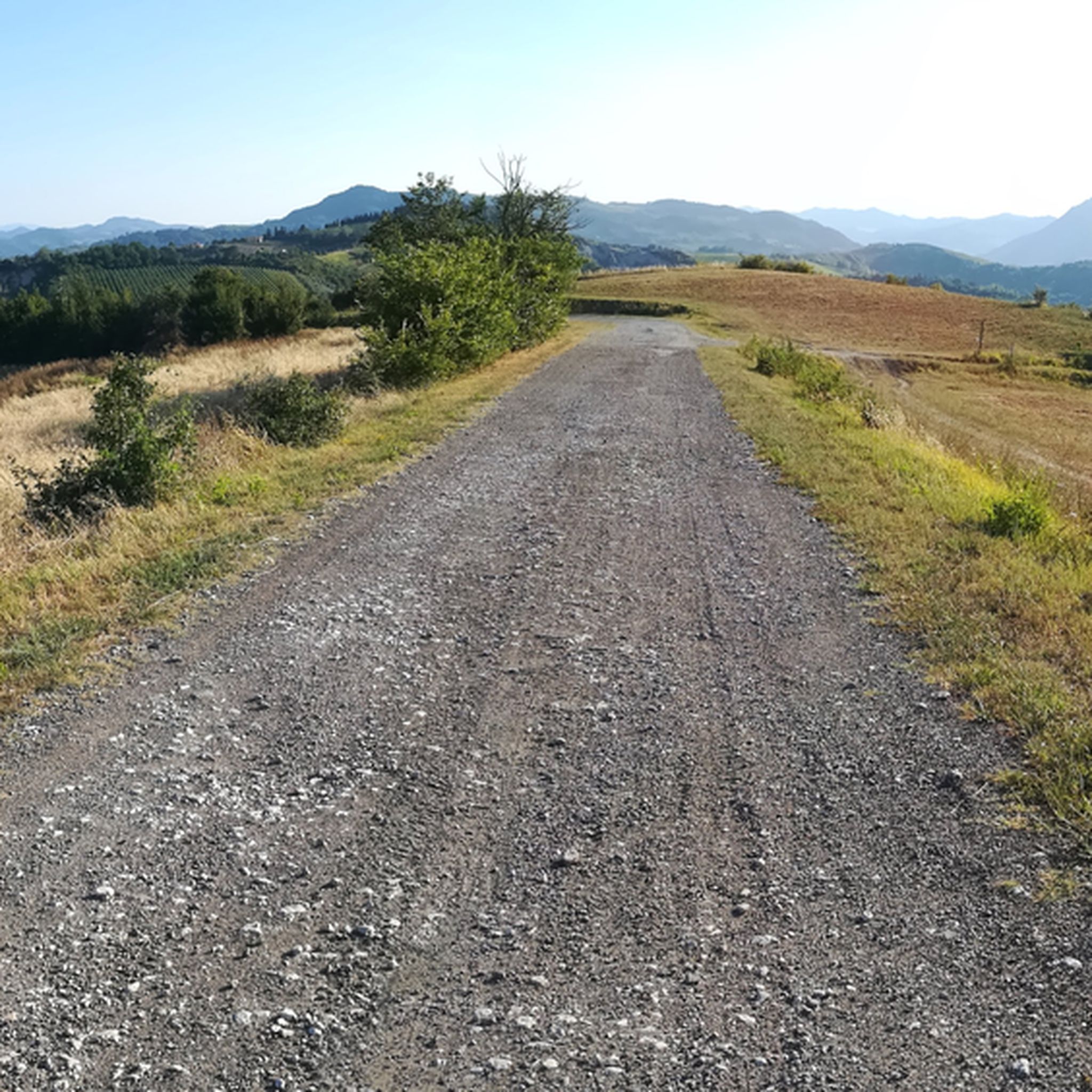
The most beautiful stretch of the Gesso vein park
1
0
Frequently Asked Questions
What makes the natural monuments around Faenza unique?
The natural monuments around Faenza are primarily characterized by the unique geological landscape of the Parco Regionale della Vena del Gesso Romagnola. This regional park, a UNESCO World Heritage site, features an impressive 25-kilometer-long ridge of gypsum, which is the most significant gypsum outcrop in Italy. You'll find peculiar karst morphologies, including dolines, blind valleys, and over 200 caves, creating a striking silvery-grey landscape.
Can I explore caves in the Faenza area?
Yes, the Faenza area offers opportunities to explore caves, most notably the Grotta Tanaccia. Located within the Parco Regionale della Vena del Gesso Romagnola near Brisighella, this cave offers guided speleological visits from April to October. Visitors are provided with a guide, helmet with lighting, and a speleologist suit for an adventurous and educational experience into its fascinating underground karst phenomena.
Are there any family-friendly natural monuments to visit?
Yes, the Parco delle Acque Minerali is a great family-friendly option. It's the historic green lung of Imola, offering recreational and sporting functions. The park extends over 11 hectares with a rich heritage of tree species and features two play areas and an educational path of a geological nature. Another option is the Ladino Weir, a man-made monument on a river that can be an interesting stop for a walk.
What kind of outdoor activities can I do near these natural monuments?
The region around Faenza offers a wide range of outdoor activities. You can find numerous routes for cycling, road cycling, and mountain biking. For example, you can explore the MTB Trails around Faenza, including routes like the 'Olmatello Trail – Carnè Refuge loop'. There are also many options for Road Cycling Routes and general Cycling routes that allow you to discover the natural beauty of the area.
Are there specific hiking trails within the Vena del Gesso Romagnola Park?
Yes, the Parco Regionale della Vena del Gesso Romagnola offers a wide network of well-marked trails suitable for trekking. These trails allow visitors to explore its various sectors, including the dramatic rock faces and panoramic views from Monte Mauro. The refuge and visitor center at Cà Carnè serves as an ideal base for activities and provides information on guided speleological visits and hiking routes.
What is the best time of year to visit the natural monuments around Faenza?
The natural monuments around Faenza, particularly the Parco Regionale della Vena del Gesso Romagnola, are generally enjoyable from spring to autumn. Guided cave visits to Grotta Tanaccia are available from April to October. Spring and early autumn offer pleasant temperatures for hiking and exploring, while summer allows for longer daylight hours. Winter hiking is possible, but some cave access might be restricted to protect hibernating bats.
Can I find historical sites integrated with the natural monuments?
Absolutely. The area around Faenza combines natural beauty with rich history. For instance, the Gypsum Pinnacles of Brisighella host historical structures like the Manfredian fortress, the sanctuary of Monticino, and the Clock Tower, all built upon these distinct geological formations. The Monte Mauro Hermitage is another example, a religious building and viewpoint surrounded by nature, offering views over the Zattaglia valley.
What kind of wildlife can I expect to see in the natural monuments?
The Parco Regionale della Vena del Gesso Romagnola is home to diverse flora and fauna. Its unique ecosystems, influenced by warm Adriatic currents, support rare species like the Cheilanthes persica fern found on Monte Mauro. The park also boasts a fascinating underground world with various invertebrates and significant bat colonies, especially notable in caves like Grotta Tanaccia.
Are there any viewpoints offering panoramic scenery?
Yes, several natural monuments offer stunning panoramic views. The Monte Mauro Hermitage provides a beautiful view over the Zattaglia valley. Additionally, exploring the paths around the Gypsum Pinnacles of Brisighella, especially from the Clock Tower, offers expansive views of the surrounding landscape and the historic village.
How long does it take to visit the main natural monuments?
The time required varies depending on the monument. A guided visit to Grotta Tanaccia typically lasts about an hour for the accessible tourist route. Exploring the Parco Regionale della Vena del Gesso Romagnola can range from a few hours for a short hike to a full day or more if you plan to tackle longer trails or combine it with other activities. The Parco delle Acque Minerali can be enjoyed for a leisurely hour or two.
What should I wear when visiting the natural monuments?
For outdoor activities like hiking or cycling in the Parco Regionale della Vena del Gesso Romagnola, comfortable walking shoes or hiking boots are recommended, along with layers of clothing suitable for the weather. If you plan a guided visit to Grotta Tanaccia, you will be provided with a speleologist suit, but it's advisable to wear comfortable clothes underneath and bring a sweatshirt as caves can be cool.
Most popular attractions around Faenza

Get inspired with the komoot mobile app


Explore more
Extend your search for the best caves by checking out these guides of the top ones around Faenza:
