Top 7 Natural Monuments around Montefalco
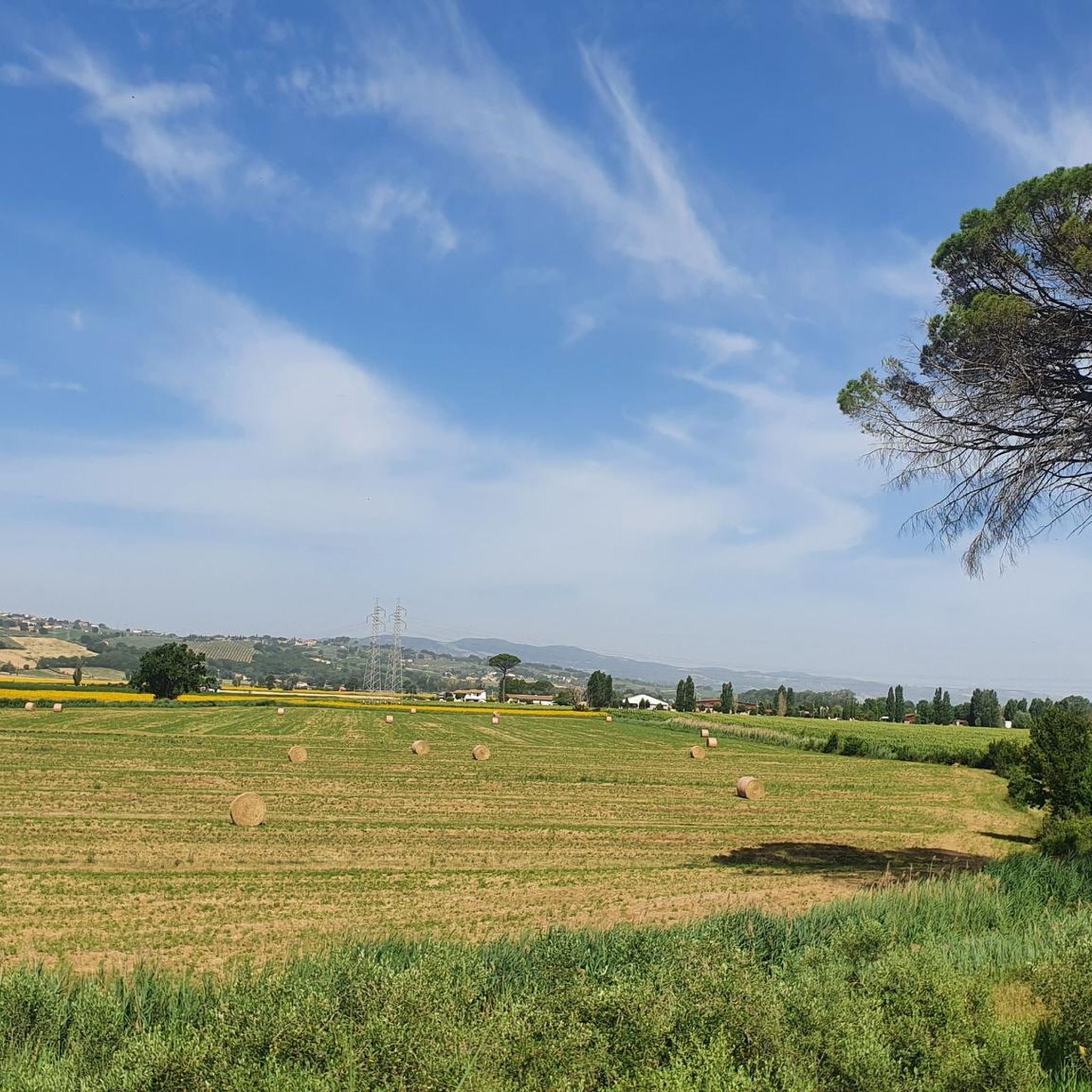
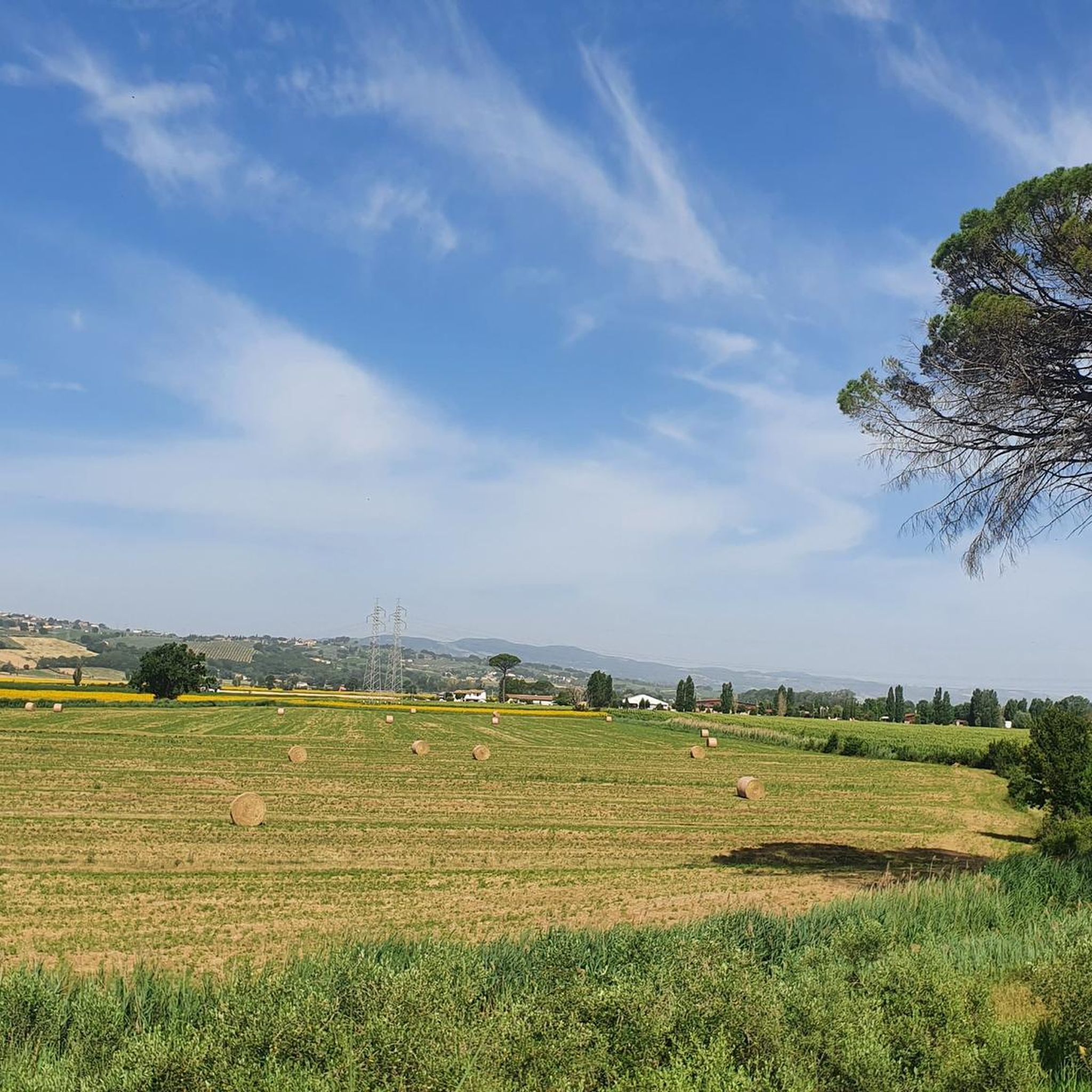
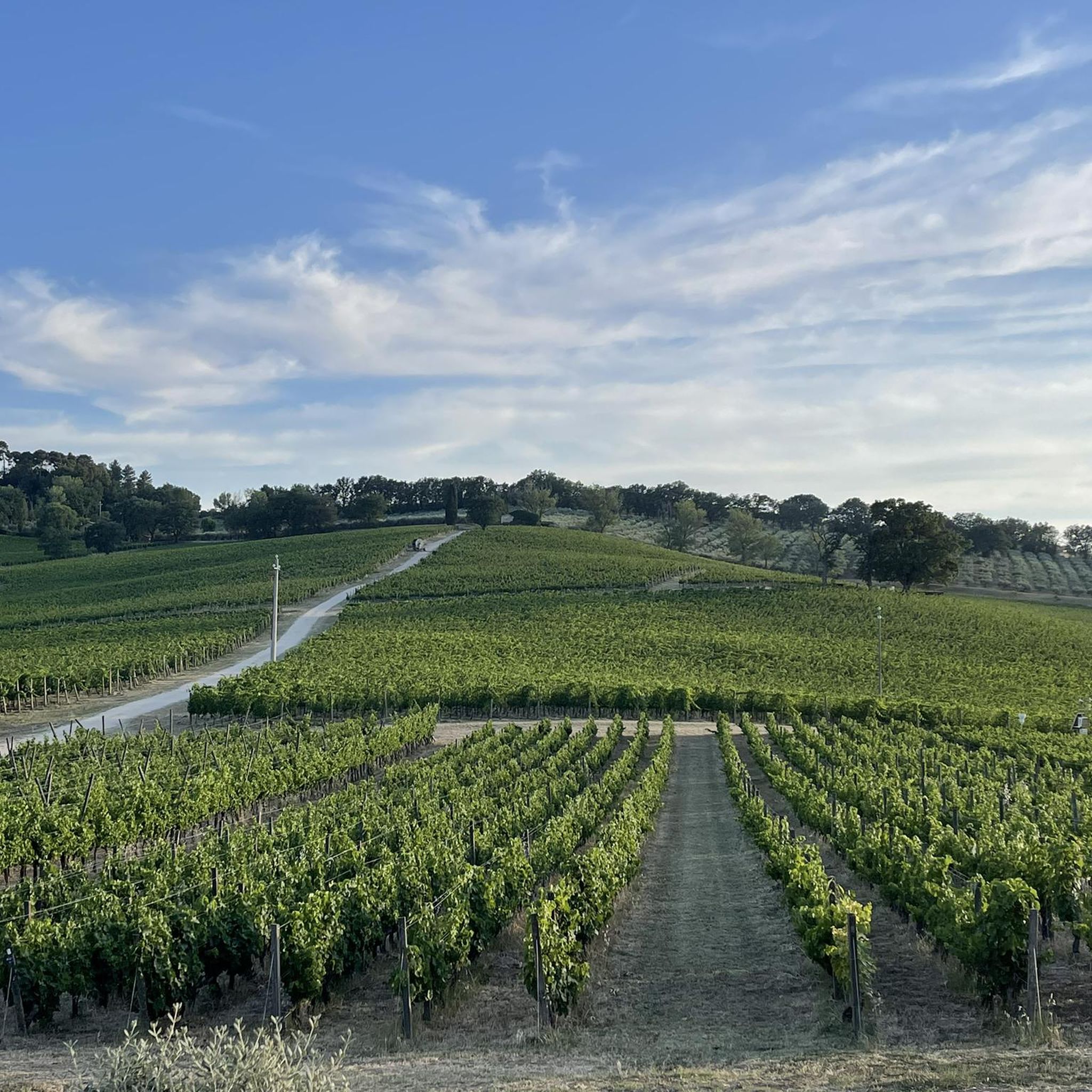
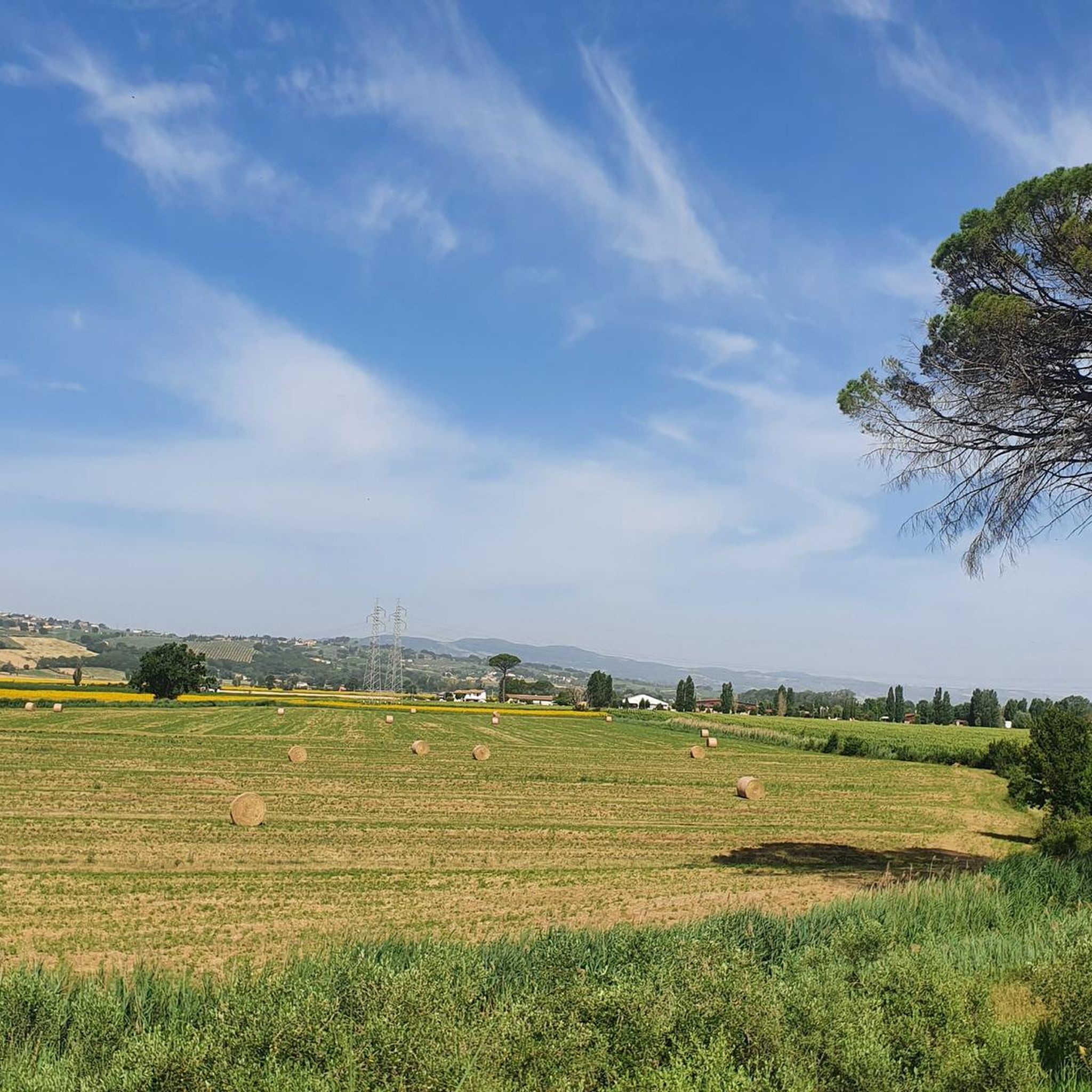
Best natural monuments around Montefalco are defined by the town's elevated position, which provides extensive panoramic views across the Umbrian Valley. This region features a landscape of rolling hills, fertile plains, and distant mountains. The area is also characterized by its vineyards and olive groves, which contribute to the natural charm and agrarian culture.
Best natural monuments around Montefalco
- The most popular natural monuments is Clitunno Springs, a lake that is a body of water with a circumference of…
Last updated: August 21, 2026
Clitunno Springs
Highlight • Lake
Dream apartments, treat yourself to the relaxation you deserve.
A gastronomic experience in the Parco della Poesia and a garden with …
Translated by Google •
Tip by

Lake Aiso and Fountain
Highlight • Lake
Translated by Google •
Tip by

Sign up now to discover places like this
Get recommendations on the best single tracks, peaks, & plenty of other exciting outdoor places.
Sign up for free
Monte Serano
Highlight • Summit
Translated by Google •
Tip by

Colle Martorello (1374 m)
Highlight • Summit
Translated by Google •
Tip by

Summit of Monti Serano - Brunette
Highlight • Summit
Translated by Google •
Tip by
Sign up for free to discover even more natural monuments around Montefalco.
Sign up for free
Already have an account?
Start today with a free account
Your next adventure awaits.
Login or Signup


Tips from the Community

The Park - Fonti del Clitunno, Ristorante Pizzeria, Campello Sul Clitunno A body of water with a circumference of just over 400 meters and an area of almost 10,000 square meters, this small lake is home to numerous plant species that contribute to the fame of the Fonti del Clitunno. Moss, seagrass, water horsetail, sedge, curled brosca, giant shrimp, marsh forget-me-not, and water nasturtium, also known as watercress, are just some of the plants found in the pond. Around the banks are the trees that characterize the surroundings, most notably the cypress poplar, covered in dense foliage in summer. Then there's the weeping willow, whose spread dates back to the fashion that spread this plant in Paris in the 1840s, which is said to have shaded Napoleon's tomb on Saint Helena. Text / Source: Fonti del Clitunno - Ristorante Pizzeria, Campello Sul Clitunno https://www.fontidelclitunno.it/
14
0
Fonti del Clitunno - Ristorante Pizzeria, Campello Sul Clitunno Dream apartments, treat yourself to the relaxation you deserve. A gastronomic experience in the Parco della Poesia and a garden with tables for pampering yourself. From here, O Clitumnus, the white herds and the bull, the greatest holocaust, have repeatedly dipped into your sacred waters, bringing Roman triumphs to the temples of the gods. History Have you ever seen the Fonti del Clitunno? If not, and I don't think so, otherwise you would have told me about it, go and see. "I saw it recently and regret having done it too late." Thus wrote Pliny the Younger to a friend, and his advice still holds true today. The Fonti del Clitunno as we see them today are different from those of the first century, during Pliny's time. A violent earthquake in 444 AD changed the face of the area and was likely the cause of the narrowing of the Clitunno River, which had previously been navigable. The layout of the Clitunno springs as we see them today is thanks to the patient work of Paolo Campello della Spina, who, between 1860 and 1865, removed the earth to make room for the pond and encouraged the growth of vegetation that still characterizes the Clitunno springs today. A few years later, Giosue Carducci wrote the barbaric ode "Alle Fonti del Clitunno." Text/Source: Fonti del Clitunno - Ristorante Pizzeria, Campello Sul Clitunno https://www.fontidelclitunno.it/
14
0

brilliant light, great view, a bit thirsty.
0
0

Access to the park costs €3 (worth the stay)
1
0

13 meters deep in such a tiny mirror!!!
0
0
Small artesian lake 15 meters deep and with a diameter of about 25 metres. There is a legend about the suggestive body of spring water. The story on the border between legend and mystery tells that the lake was formed following the fall into the abyss of a farmhouse of a greedy old farmer, named Chiarò, who on the day of Saint Anna, decided to thresh. It is said that Chiarò was not careful to observe the religious calendar and its holidays while his wife was a woman with a charitable soul. While the farmer was threshing together with his workers, his wife was warned by the voice of an angel that she had to flee because she would drown. While the farmhouse sank together with her husband, the woman ran away with her children in her arms. She realized she was being chased by the water and at that moment the angel appeared to her again and advised her to abandon her youngest son because as he grew up he would become greedy and stingy like his father. The woman managed to save herself and right where the child was abandoned the smaller lake called Aisillo took shape.
0
0
Sources of the Clitunno were, in Roman times, considered sacred springs, places of worship dedicated to the God Jupiter Clitunno, personification of the river of the same name, in whose name several small temples were built. In the 5th century AD a serious earthquake destroyed part of the Springs, reducing the huge original water supply. However, the Park took on its current appearance only in the second half of the nineteenth century, through the work of Count Paolo Campello della Spina, who reorganized the spaces, introduced animals into the Park and created the magical pond.
1
0

The view from the summit is beautiful!!!
0
0
Frequently Asked Questions
What kind of natural monuments can I expect to find around Montefalco?
Montefalco, known as the 'Balcony of Umbria,' is primarily celebrated for its breathtaking panoramic views across the Umbrian Valley, extending to the Apennines and Mount Subasio. Beyond these sweeping vistas, you'll discover serene lakes like Clitunno Springs and Lake Aiso, as well as elevated summits such as Monte Serano and Colle Martorello. The region is also characterized by its picturesque vineyards and olive groves, which form a significant part of its natural charm.
Are there any family-friendly natural monuments near Montefalco?
Yes, several natural spots are suitable for families. Clitunno Springs offers a beautiful, accessible lake environment with diverse plant species and historical significance. Similarly, Lake Aiso and Fountain is a tiny, intriguing pond of natural origin with a local legend, making it a fun and easy stop for families.
Where can I find the best panoramic views of the Umbrian Valley near Montefalco?
Montefalco itself offers exceptional 360-degree views from its elevated position. For specific natural monuments with stunning vistas, consider visiting Monte Serano, which provides access to a beautiful beech forest and a highly recommended ring path with expansive views. Colle Martorello also offers enchanting landscapes along the Pradafitta mountains ridge.
Are there hiking opportunities around Montefalco's natural monuments?
Absolutely. The broader Umbrian Valley and nearby areas like Monte Subasio Regional Park offer numerous paths for trekking. For specific routes, you can explore the Running Trails around Montefalco guide, which includes moderate routes like the 'Porta Todi loop from Maceratola' or the 'Historic Center of Bevagna loop from Bevagna'. Many of these trails pass through the scenic vineyards, olive groves, and gentle hills that define the region's natural beauty.
What are some unique natural features to explore, beyond just views?
Beyond the panoramic views, you can explore the unique hydrological features of the region. Clitunno Springs is a significant body of water known for its numerous plant species and historical importance. Lake Aiso and Fountain is a fascinating artesian lake with a depth of about 15 meters, shrouded in local legend. The surrounding agricultural landscape of vineyards and olive groves also offers a unique blend of natural beauty and cultural heritage.
Can I bring my dog to the natural monuments and trails around Montefalco?
While specific dog policies vary by location, many outdoor trails and natural areas in Umbria are generally dog-friendly, especially if dogs are kept on a leash. For instance, the paths through vineyards and olive groves, and many hiking trails in the broader Umbrian Valley, are suitable for walks with your dog. Always check local signage or specific site regulations before visiting.
What is the best time of year to visit Montefalco for enjoying its natural beauty?
The spring (April-May) and autumn (September-October) months are ideal. In spring, the landscape is lush and green, with wildflowers blooming, while autumn brings vibrant colors to the vineyards and olive groves, along with pleasant temperatures for outdoor activities. Summer can be warm, but the elevated position of Montefalco often provides a refreshing breeze, and winter offers a different, often serene, beauty to the landscape.
Are there any historical or cultural sites integrated with the natural landscape?
Yes, the region beautifully blends history with nature. Clitunno Springs has ancient Roman significance, mentioned by Pliny the Younger, and its current layout dates back to the 19th century. Near Lake Aiso, you can find the Roman Sanctuary of Aisillo, a place of worship from the Roman era built around a spring, showcasing the deep historical connection to the natural water sources.
What kind of wildlife might I encounter near Montefalco's natural areas?
The diverse landscape of the Umbrian Valley, with its forests, meadows, and agricultural lands, supports various wildlife. You might spot common birds of prey, various songbirds, and smaller mammals like foxes or hares. In more secluded areas, especially towards Monte Subasio Regional Park, there's a higher chance of encountering a wider range of biodiversity, including deer and wild boar, though they are often shy.
Are there options for cycling near the natural monuments?
Yes, the rolling hills and scenic roads around Montefalco are excellent for cycling. You can find various routes in the Road Cycling Routes around Montefalco guide, with options ranging from moderate to difficult, such as the 'View of Trevi – Piazza Silvestri, Bevagna loop'. For mountain biking, the MTB Trails around Montefalco guide offers challenging routes like the 'Olivo di Macciano – Cross of Monti Martani loop'.
What are some easy walks or beginner-friendly natural spots around Montefalco?
For easy and beginner-friendly experiences, the walks through the vineyards and olive groves surrounding Montefalco are perfect. These offer gentle slopes and beautiful scenery. The areas around Clitunno Springs and Lake Aiso and Fountain also provide pleasant, short strolls in tranquil natural settings.
Where can I find serene natural settings for contemplation or relaxation?
The entire landscape surrounding Montefalco, with its 'enchanted' tapestry of vineyards and olive groves, offers numerous tranquil spots for contemplation. The peaceful banks of Clitunno Springs, with its lush vegetation, provide a serene escape. Additionally, the broader Umbrian Valley, historically significant and traversed by figures like Saint Francis, offers a peaceful backdrop for quiet walks and reflection.
How accessible are the natural monuments around Montefalco by public transport or car?
Montefalco and many of its surrounding natural attractions are best accessed by car, offering the most flexibility to explore the rural landscape. While public transport options exist for reaching Montefalco itself, direct public transport to all individual natural monuments might be limited. Parking is generally available near popular sites and trailheads. For more detailed information on reaching Montefalco, you can visit the official Umbria Tourism website: umbriatourism.it.
Most popular routes around Montefalco
Most popular attractions around Montefalco

Get inspired with the komoot mobile app


Explore more
Extend your search for the best caves by checking out these guides of the top ones around Montefalco:
