Top 4 Natural Monuments around Castel Ritaldi
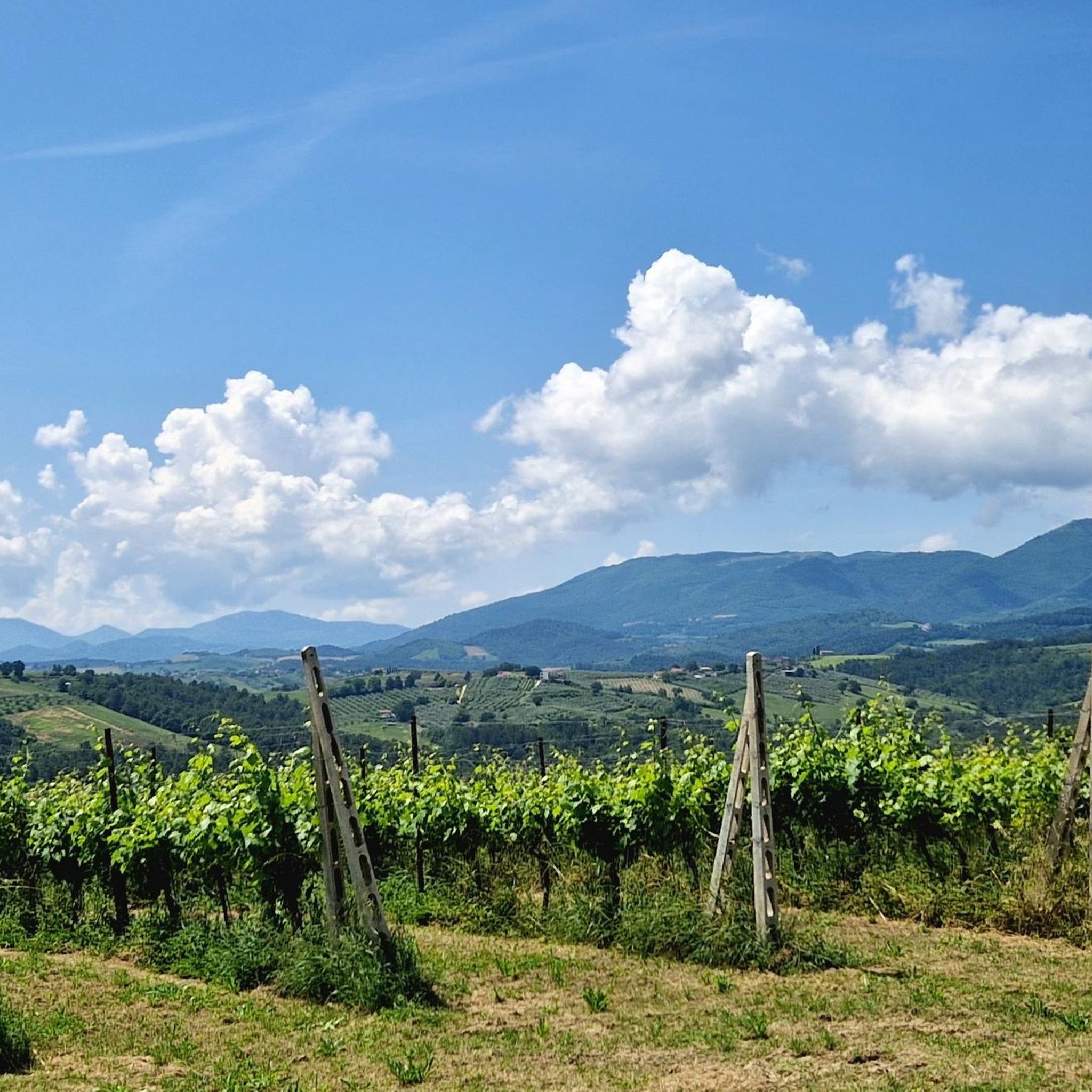
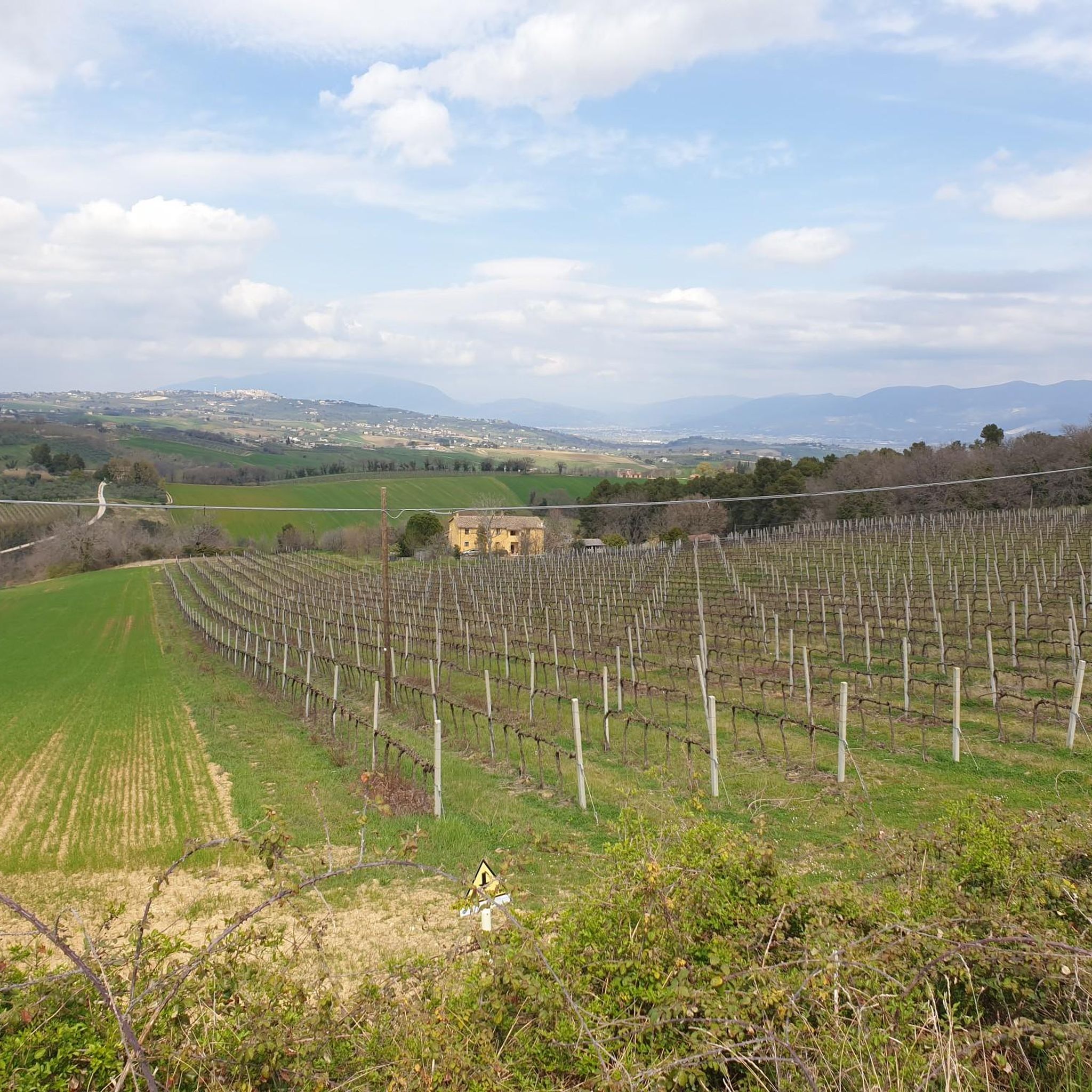
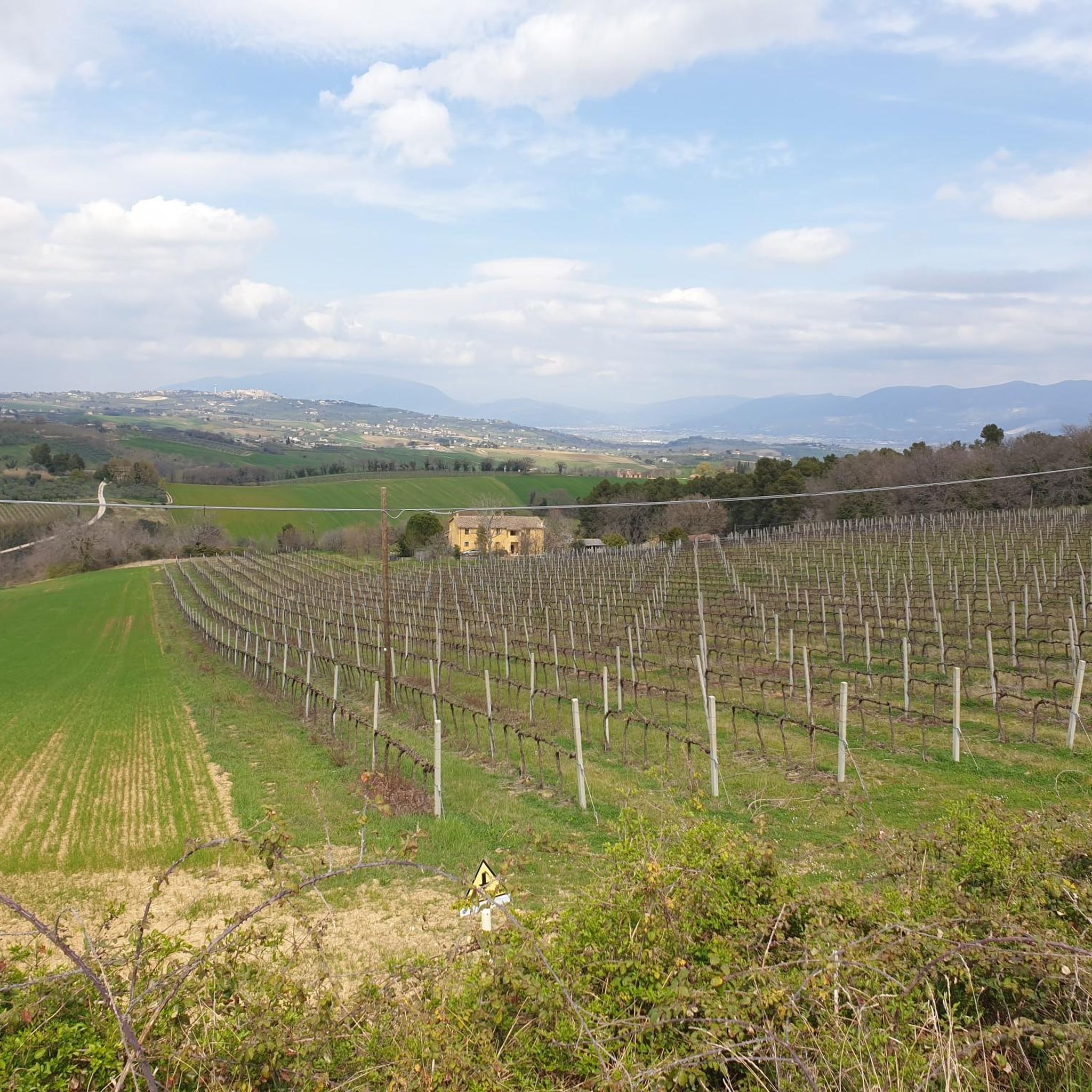
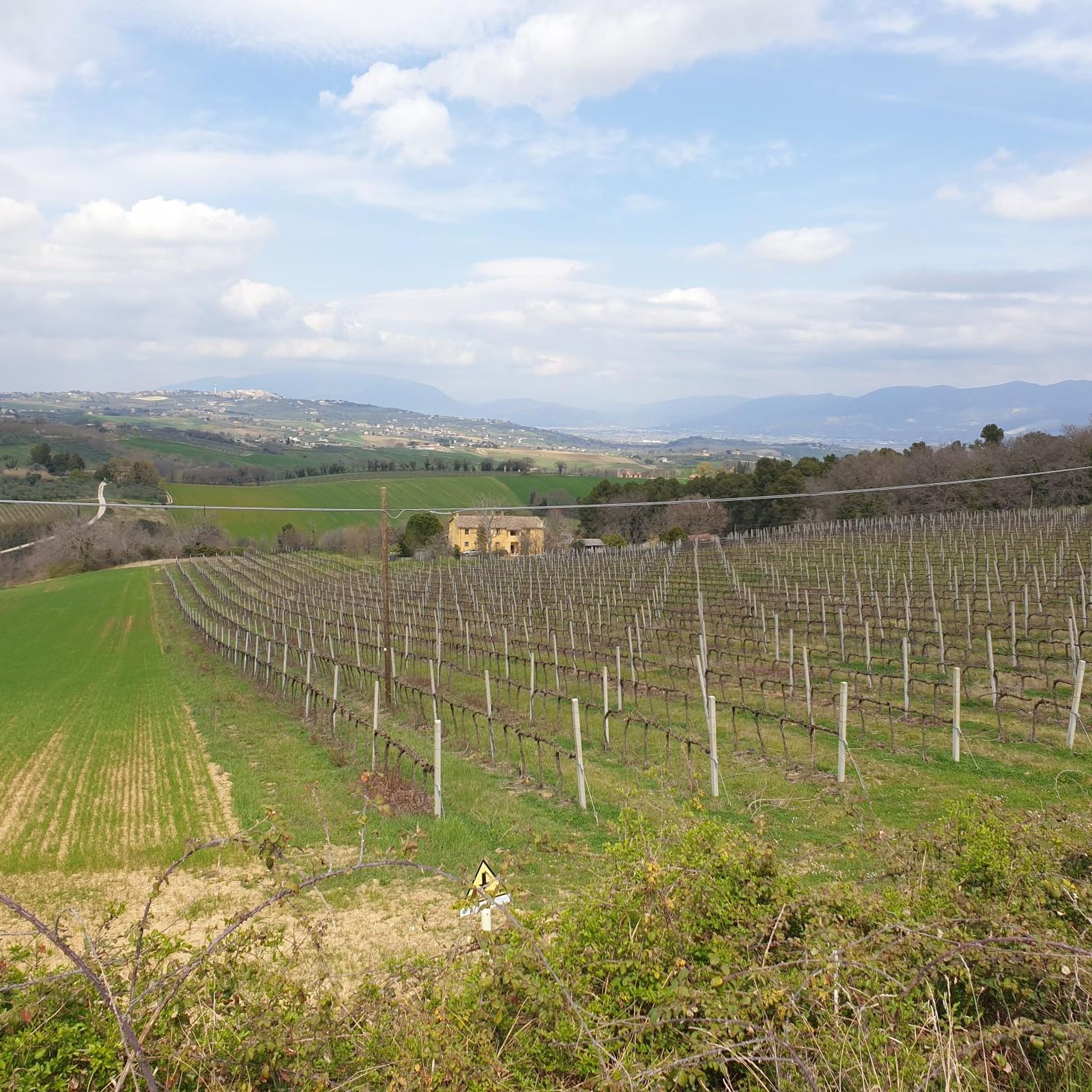
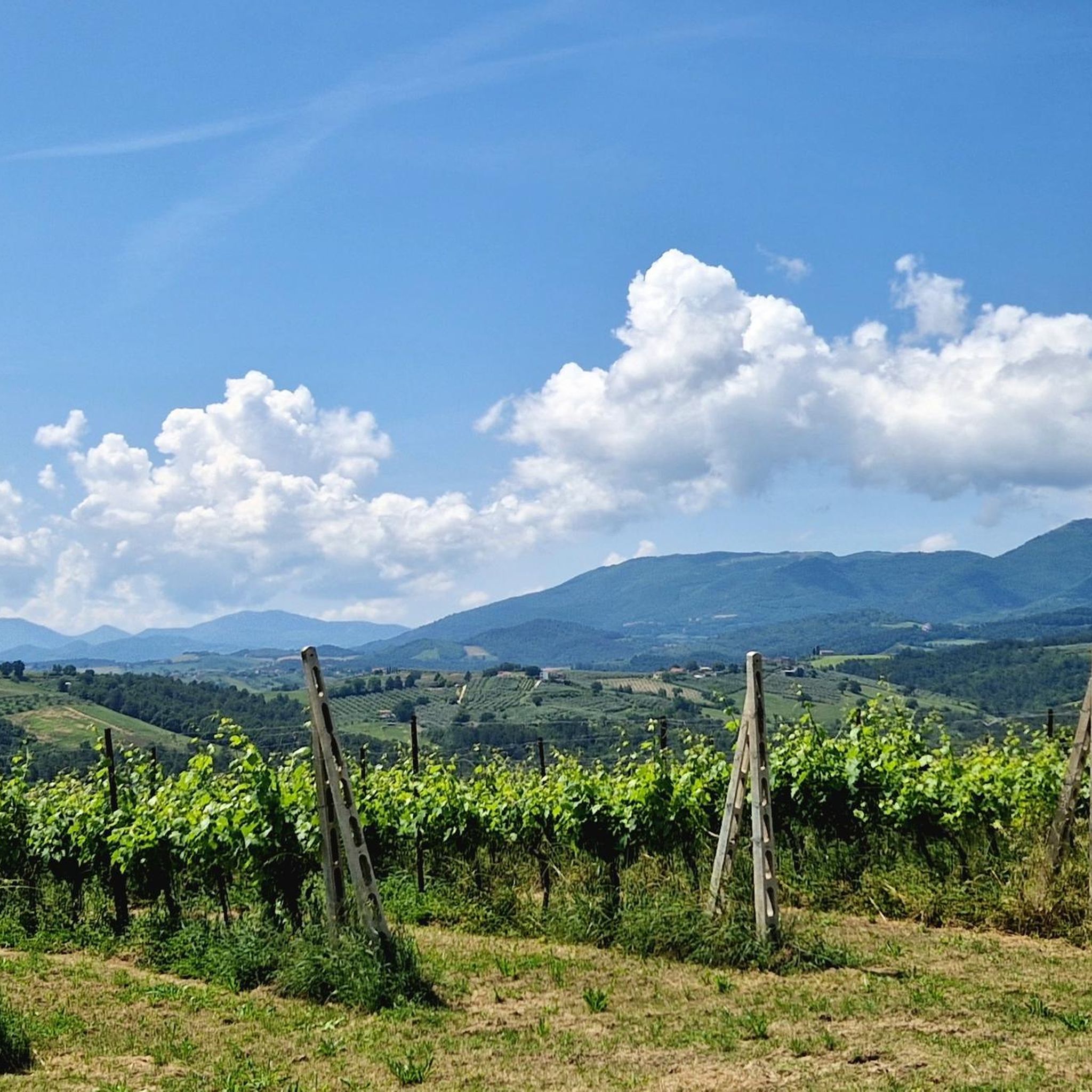
Natural monuments around Castel Ritaldi are found in the Umbrian hills, at the foot of the Martani Mountains. This region features a landscape of woods, vineyards, and olive groves. The area offers diverse natural features, from mountainous terrain to agricultural settings. Historically, the region has shown appreciation for its natural environment, as evidenced by ancient Roman documents protecting sacred woods.
Best natural monuments around Castel Ritaldi
- The most popular natural monuments is Clitunno Springs, a lake that features a…
Last updated: October 14, 2026
Clitunno Springs
Highlight • Lake
Dream apartments, treat yourself to the relaxation you deserve.
A gastronomic experience in the Parco della Poesia and a garden with …
Translated by Google •
Tip by

Monte Serano
Highlight • Summit
Translated by Google •
Tip by

Sign up now to discover places like this
Get recommendations on the best single tracks, peaks, & plenty of other exciting outdoor places.
Colle Martorello (1374 m)
Highlight • Summit
Translated by Google •
Tip by

Summit of Monti Serano - Brunette
Highlight • Summit
Translated by Google •
Tip by
Saint Emiliano’s Olive Tree
Highlight • Natural Monument
Translated by Google •
Tip by

Sign up for free to discover even more natural monuments around Castel Ritaldi.
Already have an account?
Start today with a free account
Your next adventure awaits.
Tips from the Community

If you pass by, stop, it's a beautiful place. The entrance to the park is paid but it's a magical place. In summer, however, there are a lot of people
0
0
lots of people in the summer season
0
0
Beautiful place to stop and walk in the park (even if it has a fee).
0
0

In the small village of Bovara, a hamlet of Trevi, lies one of the oldest olive trees in Italy: the Olivo di Sant'Emiliano, radiocarbon-dated to approximately 1,800 years old. Tradition links it to the martyrdom of Trevi's first bishop, Saint Emiliano, who was said to have been tied to this very tree before being beheaded in the 4th century. The tree, with an imposing trunk 9 meters in circumference and a crown that exceeds 8 meters, stands out not only for its age but also for its extraordinary resilience: despite its low altitude, where frost often damages olive trees, it has survived the centuries without serious damage. It is one of the four oldest olive trees in Italy and the northernmost among them. It is also called the "Green Patriarch."
0
0

The Park - Fonti del Clitunno, Ristorante Pizzeria, Campello Sul Clitunno A body of water with a circumference of just over 400 meters and an area of almost 10,000 square meters, this small lake is home to numerous plant species that contribute to the fame of the Fonti del Clitunno. Moss, seagrass, water horsetail, sedge, curled brosca, giant shrimp, marsh forget-me-not, and water nasturtium, also known as watercress, are just some of the plants found in the pond. Around the banks are the trees that characterize the surroundings, most notably the cypress poplar, covered in dense foliage in summer. Then there's the weeping willow, whose spread dates back to the fashion that spread this plant in Paris in the 1840s, which is said to have shaded Napoleon's tomb on Saint Helena. Text / Source: Fonti del Clitunno - Ristorante Pizzeria, Campello Sul Clitunno https://www.fontidelclitunno.it/
15
0
Fonti del Clitunno - Ristorante Pizzeria, Campello Sul Clitunno Dream apartments, treat yourself to the relaxation you deserve. A gastronomic experience in the Parco della Poesia and a garden with tables for pampering yourself. From here, O Clitumnus, the white herds and the bull, the greatest holocaust, have repeatedly dipped into your sacred waters, bringing Roman triumphs to the temples of the gods. History Have you ever seen the Fonti del Clitunno? If not, and I don't think so, otherwise you would have told me about it, go and see. "I saw it recently and regret having done it too late." Thus wrote Pliny the Younger to a friend, and his advice still holds true today. The Fonti del Clitunno as we see them today are different from those of the first century, during Pliny's time. A violent earthquake in 444 AD changed the face of the area and was likely the cause of the narrowing of the Clitunno River, which had previously been navigable. The layout of the Clitunno springs as we see them today is thanks to the patient work of Paolo Campello della Spina, who, between 1860 and 1865, removed the earth to make room for the pond and encouraged the growth of vegetation that still characterizes the Clitunno springs today. A few years later, Giosue Carducci wrote the barbaric ode "Alle Fonti del Clitunno." Text/Source: Fonti del Clitunno - Ristorante Pizzeria, Campello Sul Clitunno https://www.fontidelclitunno.it/
15
0

brilliant light, great view, a bit thirsty.
0
0

Access to the park costs €3 (worth the stay)
1
0
Frequently Asked Questions
What are some popular natural monuments to visit around Castel Ritaldi?
The region offers a variety of natural monuments. Among the most popular are Clitunno Springs, a tranquil lake known for its diverse plant life, and Monte Serano, a summit offering extensive panoramic views and access to a beautiful beech forest.
What kind of natural features can I expect to see in the Castel Ritaldi area?
The landscape around Castel Ritaldi, nestled in the Umbrian hills at the foot of the Martani Mountains, is characterized by a picturesque blend of woods, vineyards, and olive groves. You'll find diverse natural features, from mountainous terrain with rounded peaks to agricultural settings. Highlights include serene lakes like Clitunno Springs, panoramic summits such as Colle Martorello (1374 m), and ancient trees like the Saint Emiliano’s Olive Tree.
Are there family-friendly natural monuments around Castel Ritaldi?
Yes, Clitunno Springs is categorized as family-friendly. Its calm waters and lush surroundings make it a pleasant spot for visitors of all ages to enjoy nature. The surrounding countryside with its fields and olive groves also offers gentle paths suitable for family walks.
What outdoor activities can I do near these natural monuments?
The area around Castel Ritaldi and the Monti Martani is ideal for various outdoor activities. You can explore numerous hiking and cycling trails that wind through olive groves and dense forests, providing stunning panoramic views. For specific routes, you can find options for MTB Trails, Gravel biking, and Running Trails around Castel Ritaldi.
Are there any historical natural sites in the region?
Yes, the region has a deep historical connection to its natural environment. The Saint Emiliano’s Olive Tree, radiocarbon-dated to approximately 1,800 years old, is a significant historical natural monument. Additionally, the discovery of the Lex Spolentina in Castel Ritaldi links the town to the ancient Roman protection of the 'Sacred Wood of Monteluco,' demonstrating a long-standing appreciation for nature.
What is the best time to visit the natural monuments in the Castel Ritaldi area?
The Umbrian region, including Castel Ritaldi, generally offers pleasant weather for outdoor activities from spring through autumn. Spring brings blooming wildflowers, while autumn showcases vibrant foliage. Summer can be warm, but the higher elevations of the Martani Mountains provide cooler temperatures. For hiking, spring and autumn are often preferred due to milder conditions.
What do visitors enjoy most about the natural monuments around Castel Ritaldi?
Visitors frequently highlight the stunning panoramic views from summits like Monte Serano and Colle Martorello (1374 m). The tranquility and unique plant life of Clitunno Springs are also highly appreciated. The overall enchanting landscape, with grazing sheep and cows, and the opportunity to immerse oneself in nature, receive positive feedback.
Are there any waterfalls or unique water features to explore?
Yes, near Castel Ritaldi, you can find the Cascata del Fosso di Castel Rinaldi. This striking waterfall features a ten-meter drop into a circular pond of clear waters. The area around it is rich in biodiversity, with specific mosses and ferns thriving due to the small springs that feed it, offering a tranquil and picturesque spot.
Can I find accommodation or places to eat near the natural monuments?
While specific cafes or restaurants directly adjacent to every natural monument might be limited, Castel Ritaldi itself and nearby towns offer various options for accommodation and dining. For example, Clitunno Springs has a restaurant nearby. The region is also known for its high-quality olive oil production, so you might find local farm stays or eateries offering regional specialties.
What is the significance of the Monti Martani for the region?
The Monti Martani are a significant natural backdrop to Castel Ritaldi, characterized by grassy, rounded peaks. They offer a treasure trove of natural beauty and history, providing extensive hiking and cycling opportunities with panoramic views of the Umbrian valley. The mountains are integral to the region's agricultural landscape, particularly for olive groves, and contribute to the area's 'green heart' identity.
Are there any natural monuments that offer extensive views?
Absolutely. Summits like Monte Serano and Colle Martorello (1374 m) are renowned for their breathtaking panoramic views. From these vantage points, you can often see across the Umbrian valley, extending from Subasio to Terminillo, and even to the Sibillini and Gran Sasso mountains on clear days.
Are there any natural areas suitable for horseback riding or cycling?
The countryside surrounding Castel Ritaldi, with its vibrant agricultural landscape of woods, fields, and olive groves, is perfect for walks, horseback riding, or cycling. The network of rural roads allows visitors to experience the region's natural charm and agricultural roots at a leisurely pace. You can find dedicated gravel biking routes in the area.
Most popular routes around Castel Ritaldi
Most popular attractions around Castel Ritaldi

Get inspired with the komoot mobile app


Explore more
Extend your search for the best caves by checking out these guides of the top ones around Castel Ritaldi:
