Top 9 Natural Monuments around Montenero Sabino
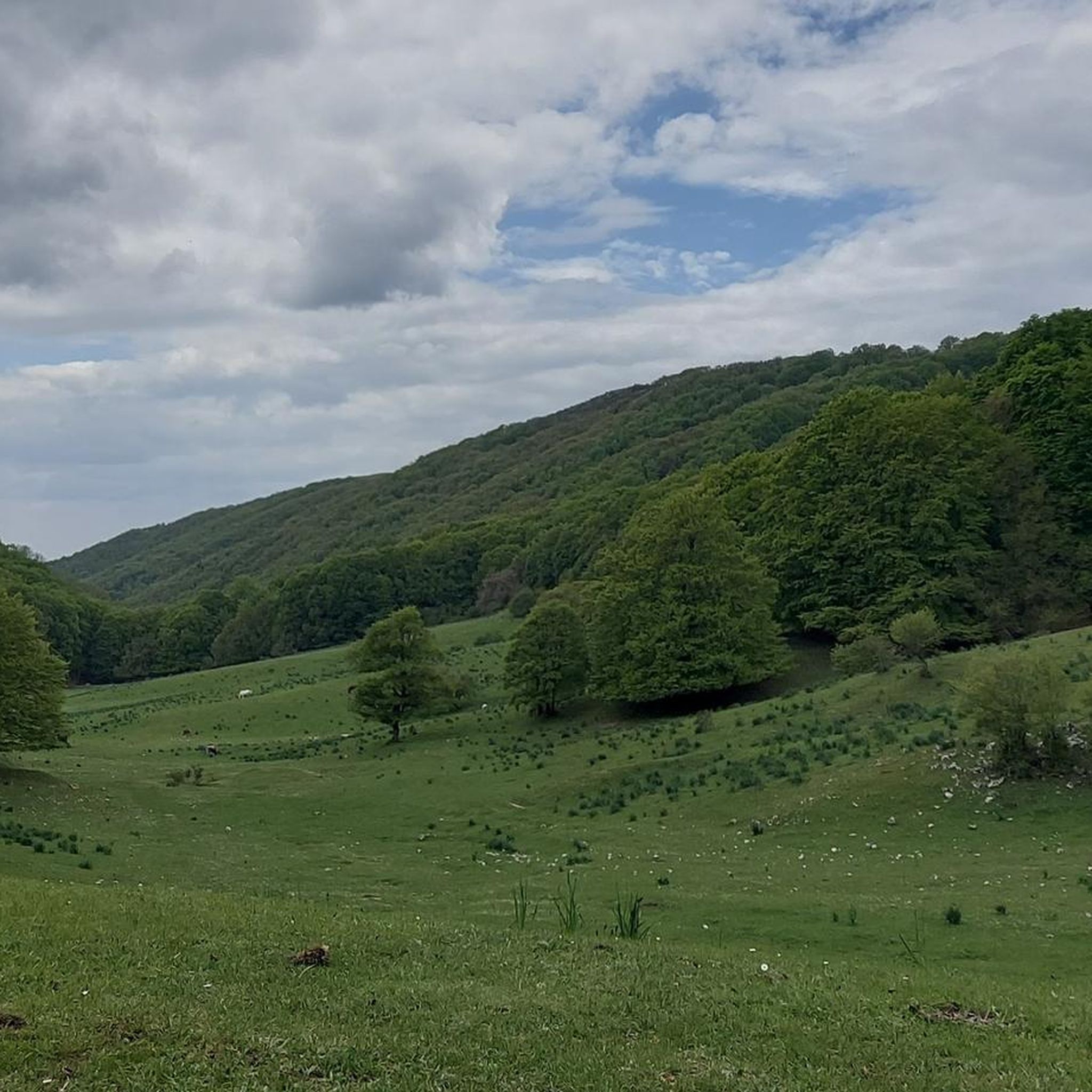
Best natural monuments around Montenero Sabino are found in the Sabine Mountains, characterized by dense green forests and panoramic views. The area offers a tranquil setting for exploring the Italian countryside, with ancient forests, scenic viewpoints, and agricultural vistas. Its name suggests a deep connection to "thick and dark woods" and local "black stone" quarries. The region provides an immersive natural environment for visitors.
Best natural monuments around Montenero Sabino
- The most popular natural monuments is Pozze del Diavolo Waterfall…
Last updated: July 11, 2026
Monte Pizzuto Summit
Highlight • Summit
Translated by Google •
Tip by

Pozze del Diavolo Waterfall
Highlight • Waterfall
Translated by Google •
Tip by

Sign up now to discover places like this
Get recommendations on the best single tracks, peaks, & plenty of other exciting outdoor places.
Sign up for free
Abbey of Farfa
Highlight • Religious Site
Translated by Google •
Tip by

Cottorella Spring
Highlight • Natural Monument
Translated by Google •
Tip by

Hermitage of San Leonardo
Highlight • Religious Site
It is a real jewel in the mountains, the work of a follower of …
Translated by Google •
Tip by

Sign up for free to discover even more natural monuments around Montenero Sabino.
Sign up for free
Already have an account?
Start today with a free account
Your next adventure awaits.
Login or Signup
Tips from the Community

The San Michele site is accessible but haunted. The Pozze del Diavolo is accessible if you want to wade through flowing water. Very disappointing!!
0
0

Beautiful village with an abbey that is worth a visit. From Fara Sabina there is a very long singletrack that is very fun to do only by MTB
0
0

Laying of the Summit Book together with the CAI Subsection of Guidonia and the CAI Section of Monterotondo
0
0
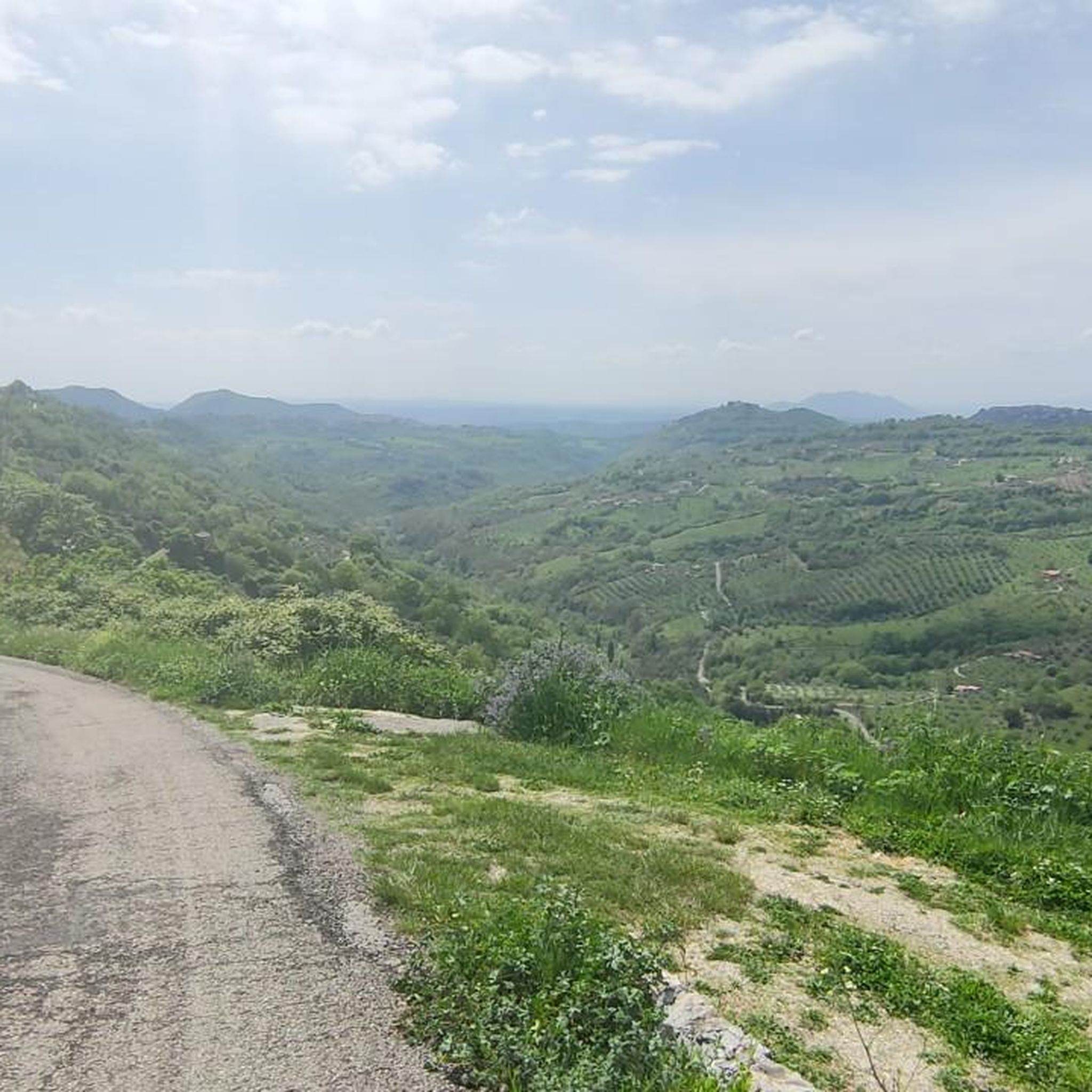
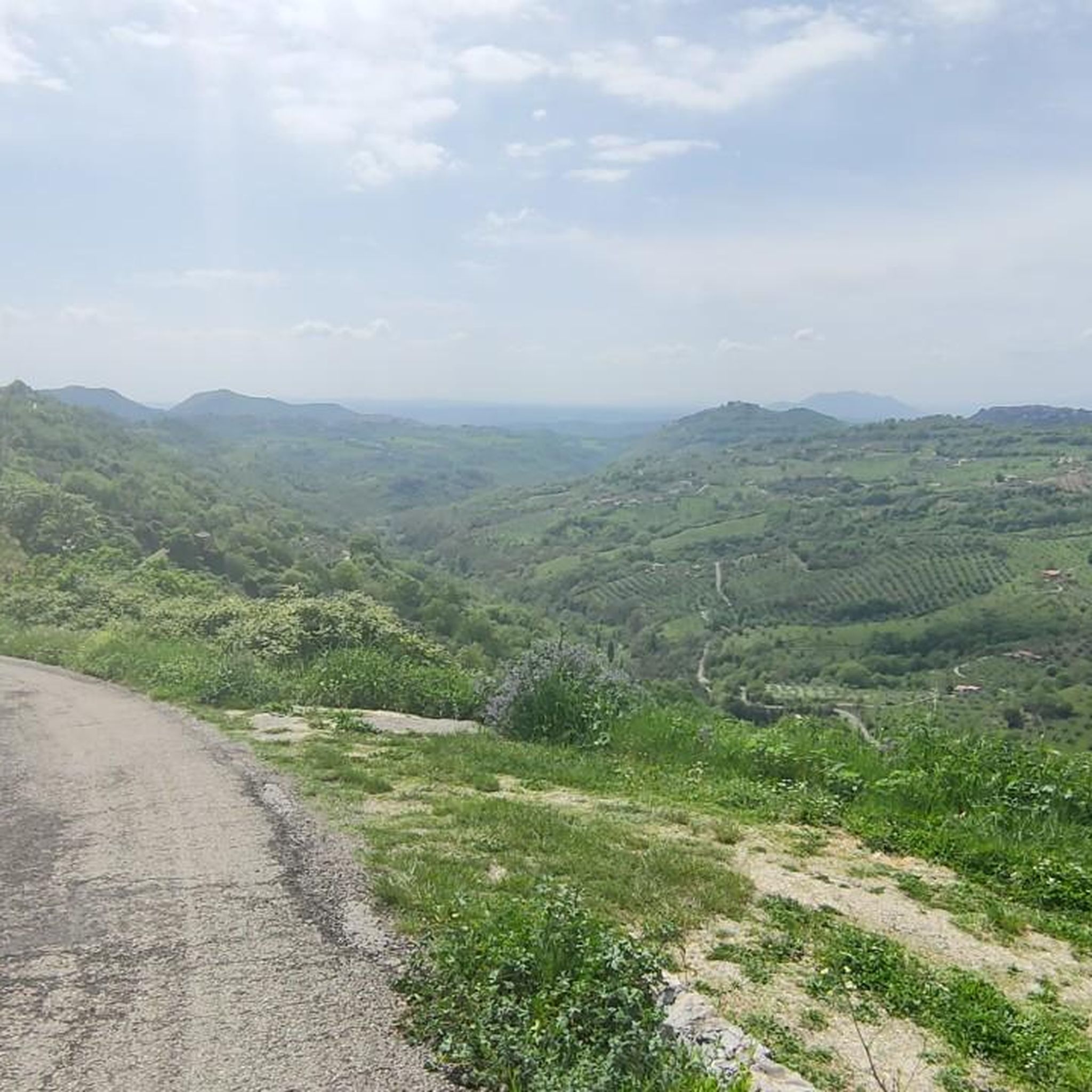
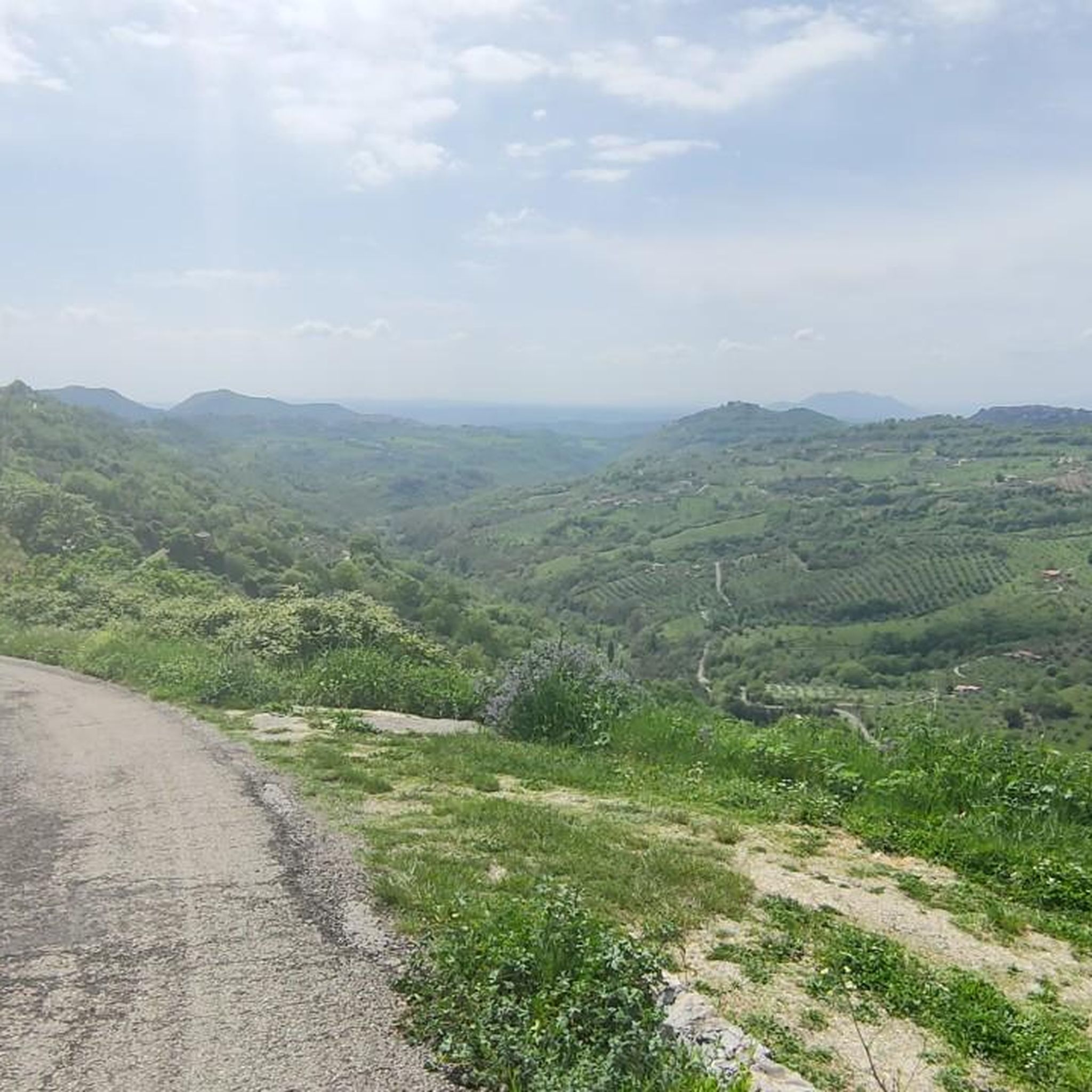
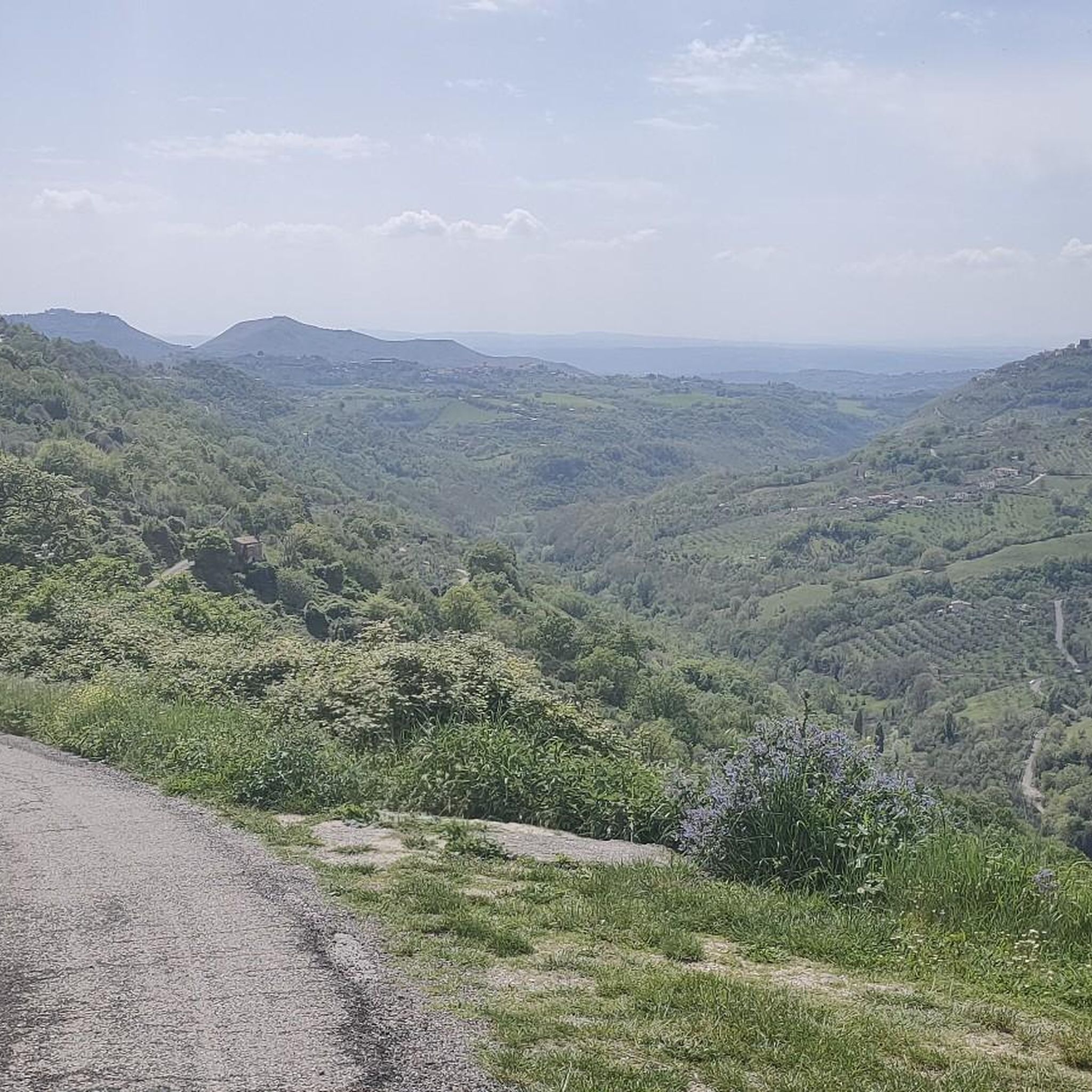
View with Mount Terminillo and Gran Sasso in the background
0
0

really beautiful place, absolutely worth seeing
0
0

go in the Autumn early Spring period
1
0

Rieti is a wonderful city surrounded by uncontaminated nature and rich in water springs, among which the Antiche Fonti di Cottorella stand out. This fascinating spring is located just one kilometer from the historic "Porta Romana" of Rieti and emerges from the slopes of the majestic Monte Belvedere. The very name of this mountain evokes evocative images that capture the attention of those who are on top of its heights, allowing a spectacular view of the Rieti valley below, the majestic Terminillo massif and the winding Velino river.
0
0
Frequently Asked Questions
What are some unique natural monuments to explore around Montenero Sabino?
You can discover several unique natural monuments. The Pozze del Diavolo Waterfall is particularly spectacular in autumn and winter when water levels are high. For breathtaking panoramic views, consider hiking to the Monte Tancia Summit (1,292 m), the highest peak in the Sabine mountains. Another fascinating site is the Hermitage of San Leonardo, a rock-carved religious building with ancient frescoes.
Are there any historical or cultural sites integrated with the natural landscape?
Yes, the area beautifully blends natural beauty with history. The Hermitage of San Leonardo is a prime example, carved into rock and dating back to the 8th-9th century. Additionally, the Grotta di San Michele, located in the vicinity, is a natural grotto with historical and spiritual significance, featuring a fresco of San Michele Arcangelo. The Abbey of Farfa, while a religious building, is set within a charming village surrounded by greenery, offering a peaceful retreat.
What kind of panoramic views can I expect to find?
Montenero Sabino, situated on a spur and surrounded by dense forests, offers stunning panoramic views. From various vantage points, especially from the medieval castle in the village, you can see the rolling hills and lush countryside of the Sabina region. Hiking to summits like Monte Tancia (1,292 m) or Monte Pizzuto provides expansive vistas, including the Tiber Valley, Mount Soratte, and even the Central Apennines with Terminillo and Gran Sasso on clear days.
What are the main natural features that characterize the Montenero Sabino area?
The Montenero Sabino area is characterized by dense green forests of oak and holm oak, which are so integral that the village's name is thought to derive from them. The landscape also features extensive olive groves and vineyards, contributing to its scenic beauty. Geological features include mountain summits like Monte Tancia and Monte Pizzuto, and unique formations such as the Pozze del Diavolo Waterfall and the Grotta di San Michele.
Are there opportunities for hiking or trekking near these natural monuments?
Absolutely. The region is ideal for hiking and trekking. You can find trails leading to summits like Monte Tancia and Monte Pizzuto, offering varying difficulties and incredible views. The dense forests surrounding Montenero Sabino also provide numerous paths for leisurely strolls or more challenging treks. For more detailed routes, you can explore the Running Trails around Montenero Sabino guide.
What other outdoor activities can I do around Montenero Sabino?
Beyond hiking, the Montenero Sabino area offers diverse outdoor activities. You can explore the scenic countryside through mountain biking, with various routes available in the MTB Trails around Montenero Sabino guide. Gravel biking is also popular, with routes detailed in the Gravel biking around Montenero Sabino guide. The tranquil setting is perfect for appreciating the serene Sabina countryside.
When is the best time of year to visit the natural monuments in Montenero Sabino?
The natural monuments can be enjoyed in any season. However, for waterfalls like Pozze del Diavolo, autumn and winter are preferable when water is abundant. Spring and autumn offer pleasant temperatures for hiking through the forests and olive groves, while summer provides lush greenery. The dark foliage of the oak and holm oak forests makes them inviting year-round.
Are there family-friendly options for exploring the natural monuments?
While specific 'family-friendly' categories aren't always assigned to natural monuments, many areas around Montenero Sabino are suitable for families. The extensive olive groves and vineyards offer scenic and leisurely strolls. The village itself, with its medieval castle and panoramic views, provides a peaceful setting for walks. The Abbey of Farfa is also noted as family-friendly, offering a pleasant village experience.
Can I bring my dog on trails around Montenero Sabino's natural monuments?
The natural environment around Montenero Sabino, with its forests and open countryside, generally welcomes dogs on trails. However, it's always advisable to keep dogs on a leash, especially in areas with wildlife or near agricultural lands, and to respect local regulations. Always carry water for your pet and clean up after them.
What should I wear for hiking or exploring the natural areas?
For hiking and exploring the natural areas around Montenero Sabino, comfortable and sturdy footwear suitable for varied terrain is essential. Layered clothing is recommended, as temperatures can change, especially when ascending to summits or exploring shaded forest paths. A waterproof jacket is advisable, particularly during autumn and winter, and don't forget sun protection during warmer months.
Is there parking available near the natural monuments?
Parking availability can vary depending on the specific natural monument or trailhead. Montenero Sabino itself has parking options within the village. For more remote natural sites or trailheads, it's often best to check local signage or plan your route in advance. Some popular starting points for hikes may have designated parking areas.
How can I reach Montenero Sabino and its natural areas by public transport?
Montenero Sabino is accessible, though public transport options might be limited compared to larger cities. Buses serve the area, connecting it to nearby towns. For detailed information on bus schedules and routes to Montenero Sabino, it's recommended to check local transport websites or inquire at tourist information centers. For general information about the region, you can visit visitlazio.com.
What do visitors particularly enjoy about the natural monuments in this region?
Visitors particularly enjoy the tranquility and authentic Italian countryside experience. The stunning panoramic views from summits like Monte Tancia are highly praised. The unique blend of natural beauty with historical sites, such as the rock-carved Hermitage of San Leonardo, also captivates many. The peaceful setting and opportunities for walks amidst ancient forests and agricultural landscapes are frequently highlighted.
Are there any hidden natural gems worth discovering?
Beyond the well-known spots, the broader natural surroundings of Montenero Sabino hold many hidden charms. Exploring the dense green forests of oak and holm oak can lead to secluded viewpoints and peaceful clearings. The Grotta di San Michele, with its natural setting and ancient fresco, is considered a 'beautiful place, worth seeing' by those who discover it, offering a blend of natural wonder and spiritual history away from the main tourist paths.
Most popular routes around Montenero Sabino
Most popular attractions around Montenero Sabino

Get inspired with the komoot mobile app


Explore more
Extend your search for the best caves by checking out these guides of the top ones around Montenero Sabino:
