Top 15 Natural Monuments around Avezzano
Best natural monuments around Avezzano are found within the Abruzzo region of Italy. The area is characterized by a diverse landscape, including mountain massifs, plains, and significant geological formations. Avezzano serves as a base for exploring these natural features, which range from protected reserves to ancient lakebeds. The region offers opportunities to observe varied biodiversity and notable geological sites.
Best natural monuments around Avezzano
- The most popular natural monuments is Gorges of Celano, a gorge with overhanging stone walls…
Last updated: August 21, 2026
Gorges of Celano
Highlight (Segment) • Gorge
Translated by Google •
Tip by

Piani di Pezza
Highlight • Natural
Translated by Google •
Tip by

Sign up now to discover places like this
Get recommendations on the best single tracks, peaks, & plenty of other exciting outdoor places.
Sign up for free
Monte Salviano Pass
Highlight • Mountain Pass
Translated by Google •
Tip by

Fonte degli Innamorati Waterfall
Highlight • Waterfall
Translated by Google •
Tip by
Campo Ceraso Volubro
Highlight • Lake
Translated by Google •
Tip by

Sign up for free to discover even more natural monuments around Avezzano.
Sign up for free
Already have an account?
Start today with a free account
Your next adventure awaits.
Login or Signup
Tips from the Community

Is it also possible with gravel? Can October be considered as a period to do it?
0
0

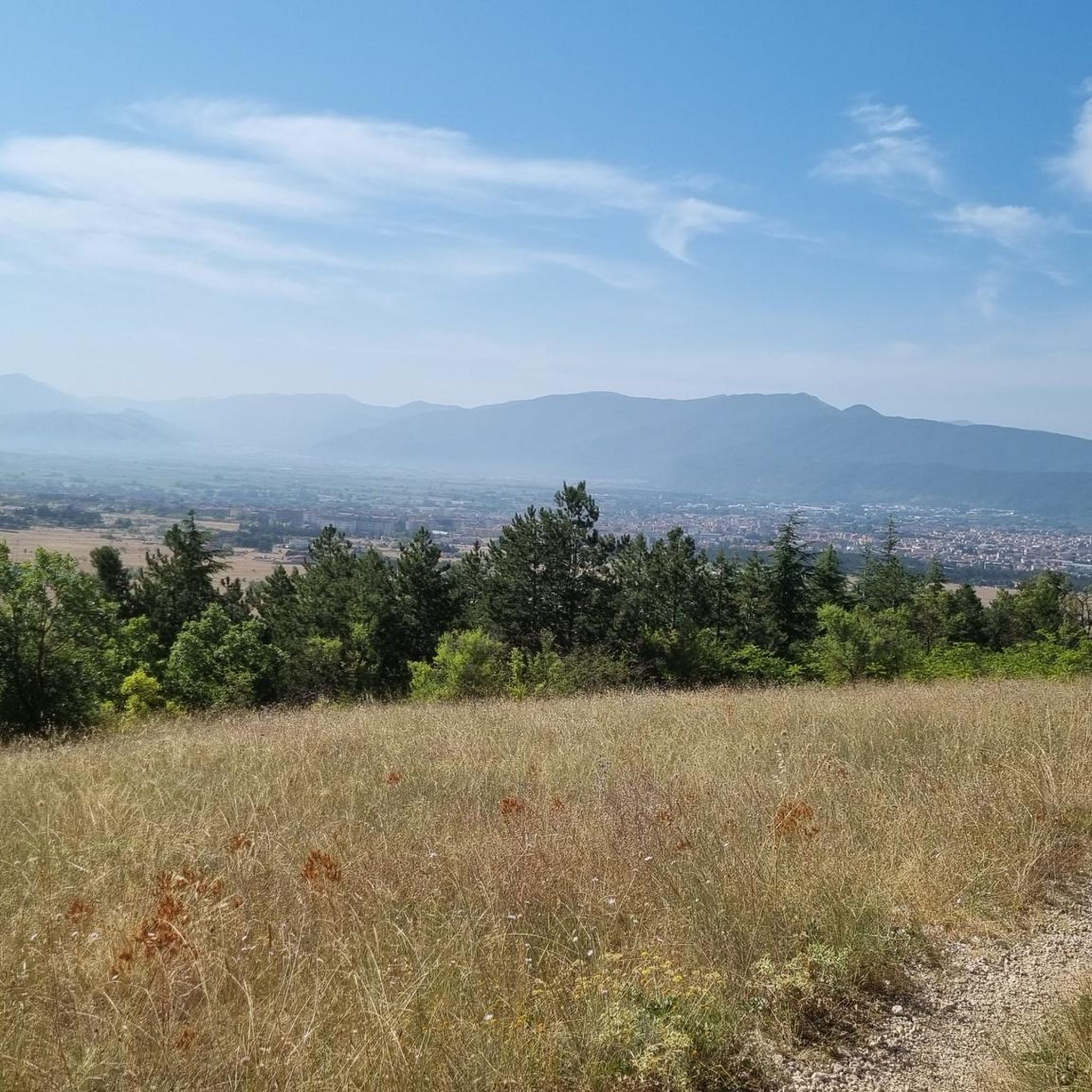
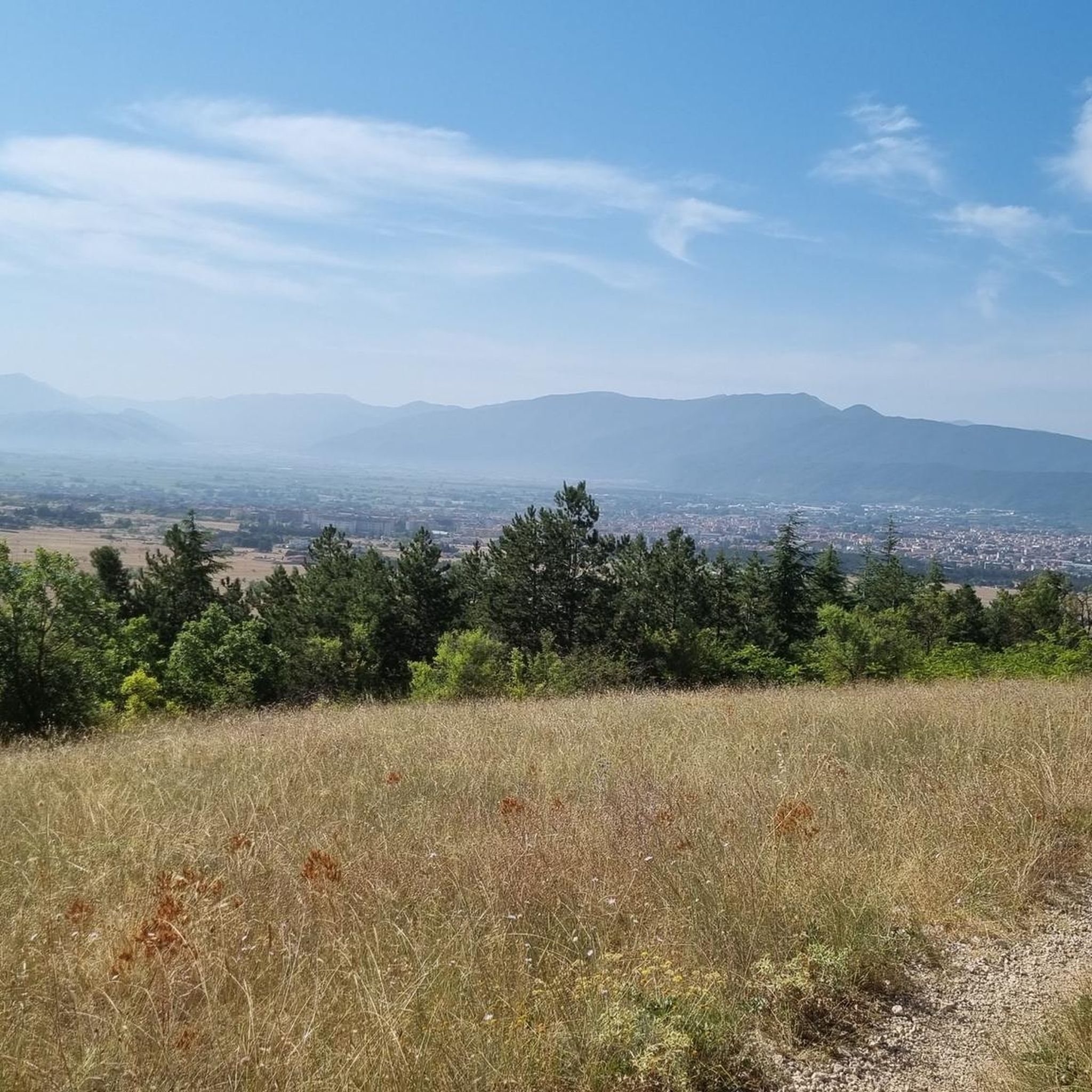
This is a large picnic area with shelter located on a hill overlooking a volume. Volubrums are artificial water basins used to water animals. The refuge is typical of the Apennines: not guarded but managed by local clubs who keep it tidy and clean. It can be reached with an easy walk from Campo Staffi.
3
0

Done many times, as well as with cross-country skis, also with Mtb. Enchanting scenery both in summer and in winter as someone has already commented. Did it again just yesterday in Mtb, and we'll do it again, and again 🚴🏻♀️😎✌🏾
1
1

The word "Volubro" indicates, in Lazio, the lake basins with surface outlets used for watering livestock. The Volubro del Ceraso is located close to the border with the Abruzzo region, a short distance from Monte Tarino and the source of the Aniene river; inside it is possible to observe a large colony of "Carassius Auratus": goldfish!
0
0

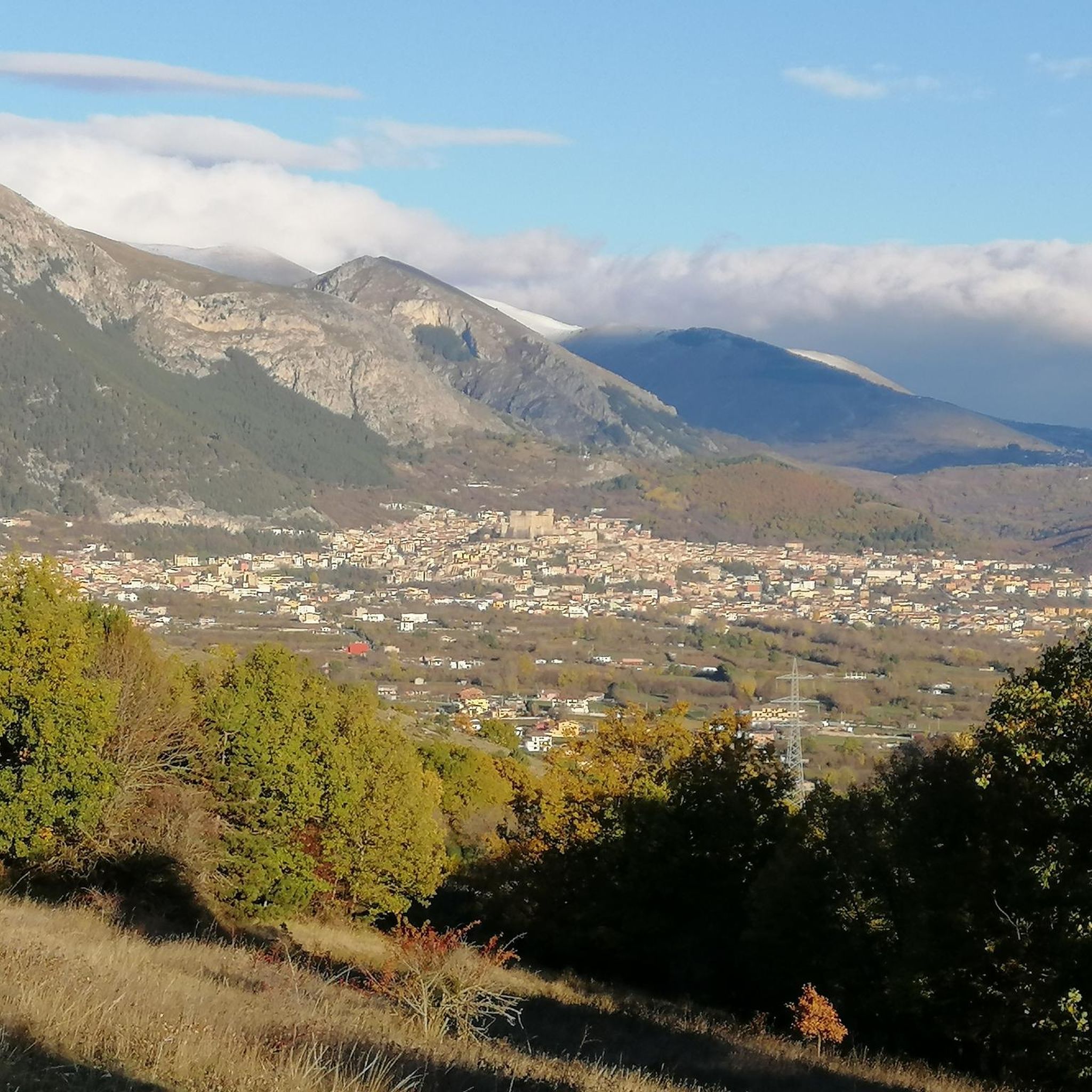
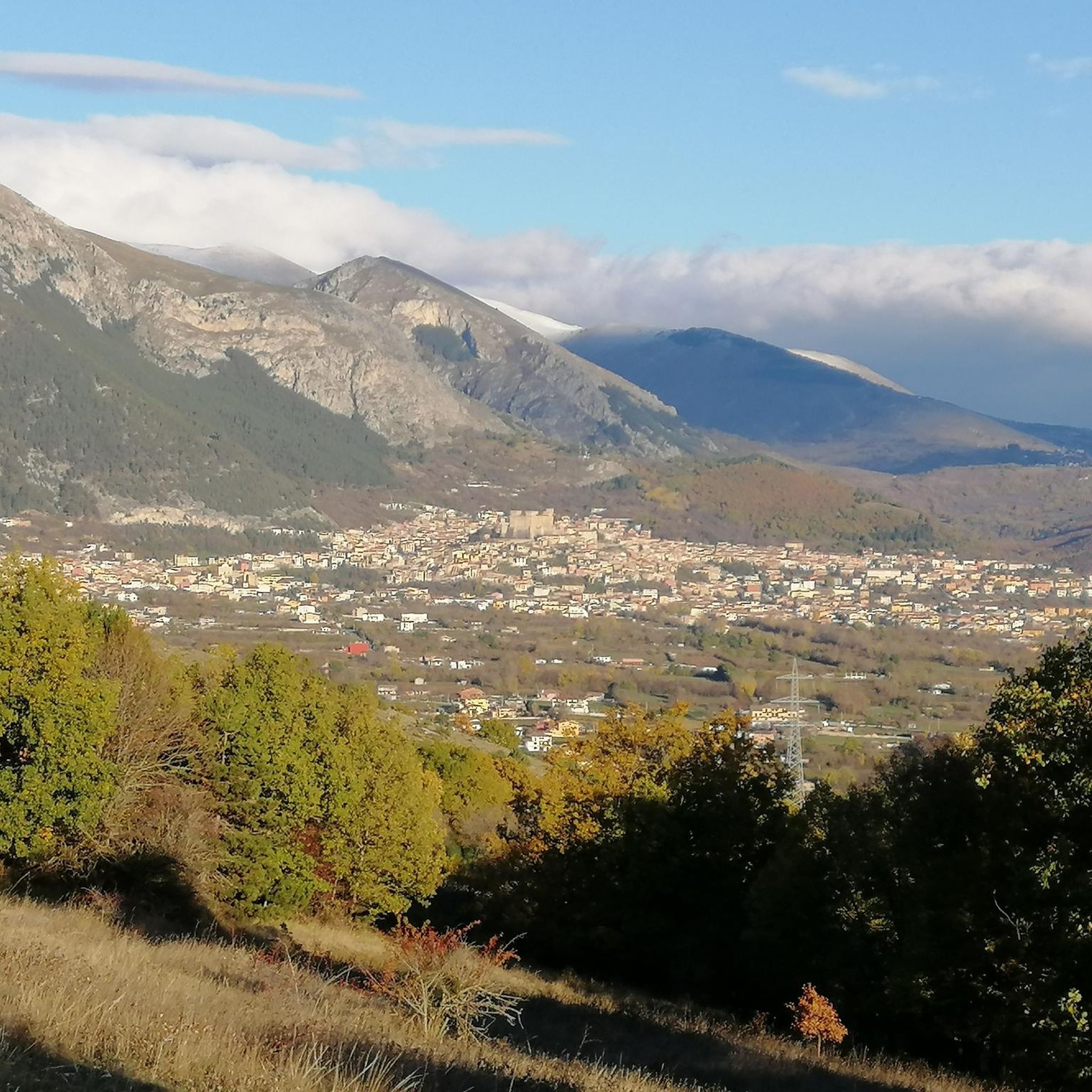
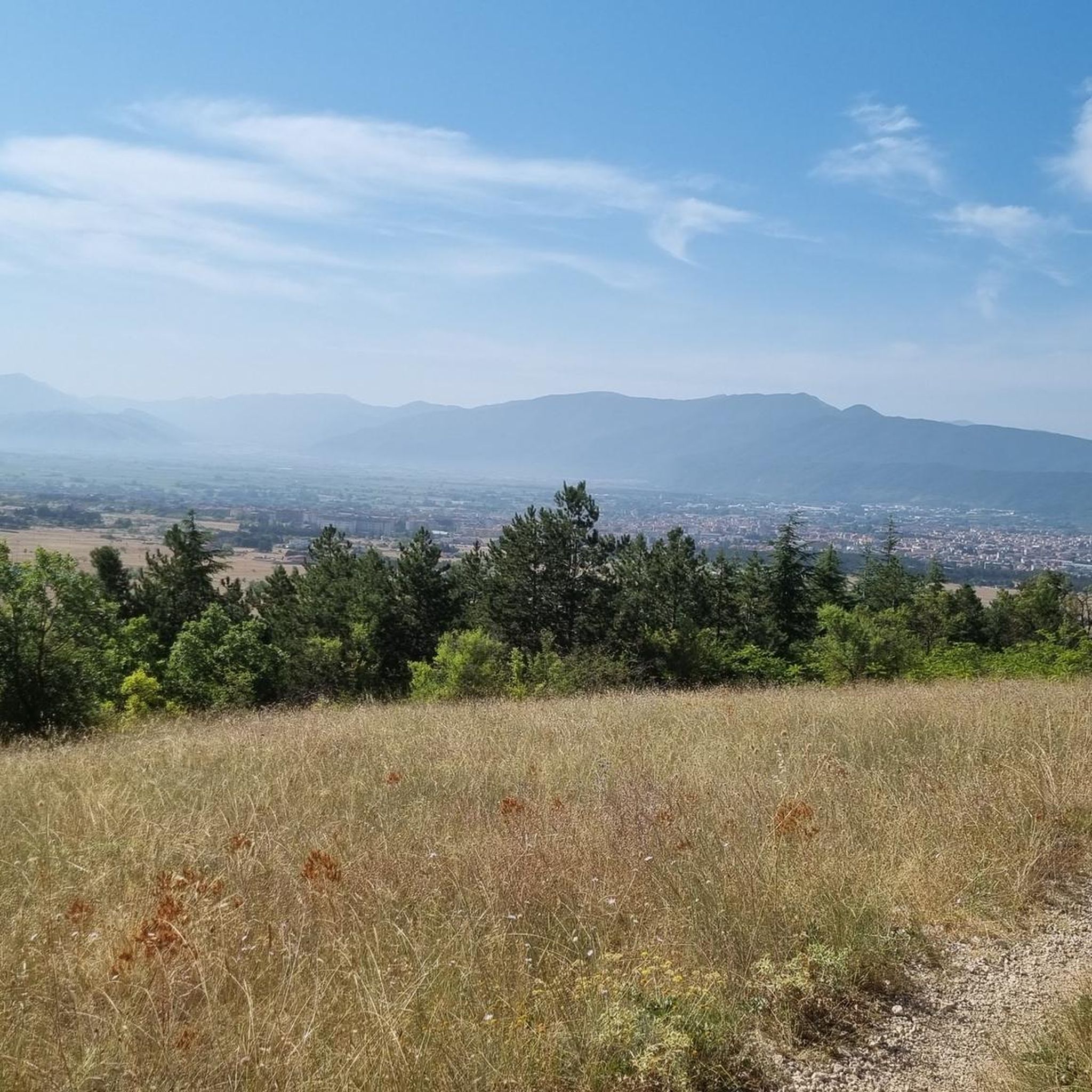
The Vali di Monte Salviano is located at 902 m above sea level within the homonymous nature reserve. In 2000 the work entitled "Teatro della Germinazione" was installed, a sculpture by the artist Pietro Cascella.
1
0

The Campo Ceraso refuge is an unattended refuge. It is located at a height of 1561 m, in the high Fioio Valley between Mount Tarino and the Serra di San Michele.
1
1

The "Fonte degli Innamorati", where the water flows down following the profile of the rock and the grass. Here you can stop for a break before continuing.
1
0
Deep incision with overhanging stone walls up to 200 m high. Entering the Celano Gorges will be accessing a crystallized world, where trees, stone and time are masters.
4
1
Frequently Asked Questions
What kind of natural landscapes can I expect to see around Avezzano?
The area around Avezzano offers a diverse range of natural landscapes. You can explore deep gorges with towering stone walls like the Gorges of Celano, vast plateaus with glacial views such as Piani di Pezza, and the historically significant Fucino Plain, which was once a large lake and is now a fertile agricultural area. Mountain passes and nature reserves like the Riserva Naturale Monte Salviano also provide panoramic vistas and rich biodiversity.
Are there any caves or unique geological formations to explore near Avezzano?
Yes, the Gorges of Celano feature impressive geological formations with walls up to 200 meters high. Additionally, about 25 km from Avezzano, you can visit the Grotte di Beatrice Cenci, known for their intricate stalactites and stalagmites, and the nearby natural sinkhole Ovido Verrecchie.
What outdoor activities can I do near these natural monuments?
The natural monuments around Avezzano are excellent for various outdoor activities. You can enjoy hiking through the Gorges of Celano or on the 12 accessible trails within the Riserva Naturale Monte Salviano. For cycling enthusiasts, there are numerous routes, including gravel biking and road cycling options, that explore the surrounding landscapes. You can find detailed routes for gravel biking, running, and cycling around Avezzano.
Are there family-friendly natural monuments or activities suitable for children?
Yes, the area offers options for families. Campo Ceraso Volubro is a large picnic area with a refuge, ideal for an easy walk and a relaxing break. The Riserva Naturale Monte Salviano also has trails of varying difficulty, making some sections suitable for families looking for nature observation and gentle hikes.
What kind of wildlife can be observed in the natural monuments near Avezzano?
The Riserva Naturale Monte Salviano is particularly rich in biodiversity. Here, you might spot foxes, hares, weasels, cervids (deer), wild boars, and numerous bird species, especially raptors like buzzards. The squirrel is also a symbol of the reserve.
Are there historical or cultural sites integrated with the natural monuments?
Yes, the region blends natural beauty with history. The Grotte di Beatrice Cenci have archaeological significance with human remains and artifacts dating back to the Neolithic period. Within the Riserva Naturale Monte Salviano, a significant path leads to the Sanctuary of the Madonna di Pietraquaria, a popular pilgrimage site. The Fucino Plain itself is a testament to ancient Roman engineering, transformed from a large lake into fertile land.
What is the best time to visit the natural monuments around Avezzano?
Spring is an excellent time to visit, especially the Riserva Naturale Monte Salviano, when the flora is in full bloom. The area's diverse landscapes, from plains to mountains, offer different experiences throughout the year, with summer being ideal for hiking and winter for snow activities in higher elevations like Piani di Pezza.
Can I find viewpoints with panoramic scenery?
Absolutely. The Riserva Naturale Monte Salviano, particularly from the Monte Salviano Pass, offers stunning panoramic views of the Fucine Plain and Monte Velino. Piani di Pezza also provides expansive glacial views, allowing visitors to immerse themselves in an uncontaminated natural environment.
Are there any waterfalls to visit?
Yes, the Fonte degli Innamorati Waterfall is a beautiful spot located within the Gorges of Celano. It's a serene place where water flows down the rock and grass, perfect for a peaceful break during a hike.
What is the 'Via dei Marsi' and where can I access it?
The 'Via dei Marsi' is an ancient trail that connects Monte Salviano to the Lucus Angitiae wood and the Abruzzo, Lazio, and Molise National Park. It is a 60 km equipped naturalistic path, serving as an ecological corridor. You can access it from the Monte Salviano Pass within the Riserva Naturale Monte Salviano.
What makes the Fucino Plain a significant natural monument?
The Fucino Plain is significant because it was once the third-largest lake in Italy, Lake Fucino, which was completely drained through an immense engineering feat initiated by the Roman Emperor Claudius and completed in 1878. It represents a remarkable example of human interaction with nature, transforming a vast lake into a highly productive agricultural area, known for crops like the Fucino potato and carrot.
Most popular attractions around Avezzano

Get inspired with the komoot mobile app


Explore more
Extend your search for the best caves by checking out these guides of the top ones around Avezzano:
