Top 20 Natural Monuments around Zagarolo
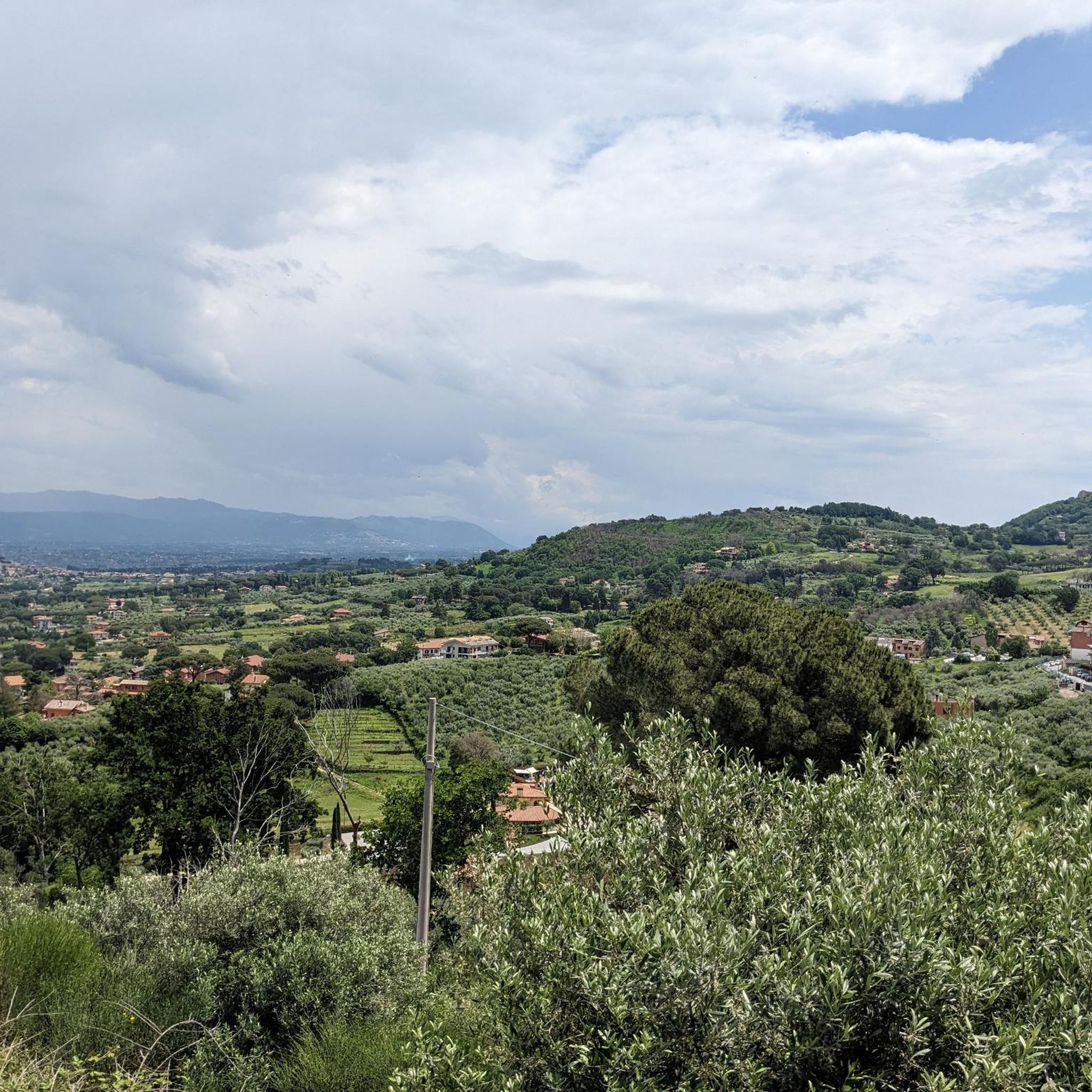
Best natural monuments around Zagarolo are found within a picturesque natural landscape, part of the larger Castelli Romani Regional Park. The town is situated on a narrow tuffaceous plateau, offering distinctive geological features and panoramic views. Surrounded by verdant valleys and extensive wooded areas, Zagarolo provides a tranquil setting for nature enthusiasts. Its integration into the volcanic Alban Hills means visitors have access to a rich natural environment.
Best natural monuments around Zagarolo
- The most popular natural monuments is Ruins…
Last updated: October 14, 2026
Ruins of Tusculum
Highlight • Historical Site
Translated by Google •
Tip by

Fountain of the Organ, Villa d'Este
Highlight • Monument
Cardinal …
Translated by Google •
Tip by

Sign up now to discover places like this
Get recommendations on the best single tracks, peaks, & plenty of other exciting outdoor places.
Fountain of Neptune, Villa d'Este
Highlight • Monument
Translated by Google •
Tip by
Monumental Oak of Pierluigi da Palestrina
Highlight • Natural Monument
Translated by Google •
Tip by

Fountain of Rome (Rometta), Villa d'Este
Highlight • Monument
Translated by Google •
Tip by
Sign up for free to discover even more natural monuments around Zagarolo.
Already have an account?
Start today with a free account
Your next adventure awaits.

Tips from the Community

The Fontana di Roma, commonly known as Rometta (or "Little Rome"), is one of the most spectacular and original hydraulic and sculptural monuments of Villa d'Este in Tivoli.
0
0
La Fontana dell'Organo a Villa d'Este a Tivoli è una meraviglia del tardo Cinquecento che suona melodie musicali usando solo la forza dell'acqua. Fu progettata dall'architetto Pirro Ligorio e costruita tra il 1566 e il 1571 Gli ingegneri francesi Luc Leclerc e Claude Venard crearono l'ingegnoso organo idraulico. I lavori si conclusero del tutto nel 1611. Mostra uno stile barocco, diverso dal resto della villa che è rinascimentale
0
0

The following text is a little over 100 years old, but even today, we humans of the 21st century should be filled with awe and humility by the 'mystery of ancient trees': 'A rose is beautiful, but not mysterious,' writes Karel CAPEK (1890-1938) in his book 'The Gardener's Year,' in which he 'tells of the eternal cycle of the gardening season with fine irony and loving observation' (publisher's text). The Czech writer further elaborates: 'Mysterious plants include... the tree of knowledge, ancient trees in general (...). I won't tell you where the mystery lies, the mystery must simply be acknowledged so that we can find it and humbly bow to it.'
0
0

The Fountain of Neptune reprises a project attributed to Gian Lorenzo Bernini, completed in the 20th century. The large waterfall is fed by the waters of the Aniene river and creates one of the most evocative scenic effects in the garden. Next to it is the famous Hydraulic Organ, which still produces music today by exclusively harnessing the power of water.
0
0

The most unique fountain of all uses a hydraulic organ.
9
0
A fountain featuring figures such as Romulus and Remus,
8
0
Its iconic gardens and fountains also make it an extremely photogenic place.
8
0

The "Oak of Pierluigi da Palestrina" is a monumental downy oak located in the Cannuccete Valley, in the Prenestini Mountains, not far from Palestrina. This centuries-old tree, over 20 meters tall and with a circumference of over six meters, is considered one of the oldest and most impressive trees in Lazio. It is estimated to be between 500 and 700 years old. According to local tradition, the famous musician Giovanni Pierluigi da Palestrina loved to go to the foot of this oak tree to find inspiration and moments of reflection. Legend has it that the composer meditated and perhaps composed some of his works in the shade of this tree, although these details are not confirmed by historical sources.
0
0
Frequently Asked Questions
What natural features define the landscape around Zagarolo?
Zagarolo is uniquely situated on a narrow tuffaceous plateau, a geological formation resulting from ancient volcanic activity. This plateau is surrounded by two verdant valleys, the "Valle del Formale" and the "Valle della Foresta," offering scenic views. The town is also enveloped by extensive wooded areas, contributing to its tranquil atmosphere and providing a rich habitat for local flora and fauna. These features are part of the broader Castelli Romani Regional Park.
Are there historical sites considered natural monuments near Zagarolo?
Yes, the Ruins of Tusculum is a significant historical site that also functions as a natural monument. It offers expansive views of the Lazio region, with its panorama considered one of the most beautiful in the entire Castelli Romani park. The origins of Tusculum date back to an era prior to the Roman one, allowing visitors to explore the ruins of a thriving ancient town.
What unique man-made monuments with natural elements can I visit?
The area features several impressive man-made monuments integrated with natural elements. The Fountain of the Ovato, for instance, is a large oval-shaped basin celebrating the richness of the Lazio countryside, representing the Tiburtini Mountains and the source of the Aniene river. Another notable example is the Fountain of the Organ, Villa d'Este, a UNESCO World Heritage Site renowned for its concentration of fountains, nymphaeums, and hydraulic music.
Can I find ancient trees or forests designated as natural monuments?
Yes, the Monumental Oak of Pierluigi da Palestrina is a remarkable natural monument. This downy oak is thought to be at least 500 years old, stands 22 meters tall, and has a circumference of approximately six meters. It is located in the Valle delle Cannuccete, a beautiful wooded area in the Prenestini Mountains.
What outdoor activities can I do near these natural monuments?
The natural monuments around Zagarolo are excellent starting points for various outdoor activities. You can explore numerous hiking trails, such as those leading to the Acea Water Refill Station or the Madonna della Tegola Shrine. For runners, there are moderate to difficult running loops available. Mountain biking enthusiasts can also find challenging routes, including those passing by the Necropolis Fountain or the Pratoni del Vivaro. You can find more details on these activities in the Hiking around Zagarolo, Running Trails around Zagarolo, and MTB Trails around Zagarolo guides.
Are there family-friendly natural monuments to visit?
Yes, several natural monuments in the area are suitable for families. The Fountain of the Organ, Villa d'Este, the Fountain of the Ovato, and the Fountain of Rome (Rometta), Villa d'Este are all categorized as family-friendly. These sites offer engaging historical and artistic experiences within beautiful natural settings, making them enjoyable for all ages.
What is the best time of year to visit the natural monuments around Zagarolo?
The region's Mediterranean climate makes spring (April-June) and autumn (September-October) ideal for visiting, offering pleasant temperatures for exploring the tuffaceous plateaus, green valleys, and wooded areas. During these seasons, the flora is vibrant, and the weather is comfortable for outdoor activities like hiking and cycling. Summer can be warm, but the wooded areas provide shade, and winter offers a quieter, often mild experience.
What kind of wildlife can I expect to see in the natural areas?
Being part of the Castelli Romani Regional Park, the natural areas around Zagarolo are home to diverse fauna. You might encounter mammals such as porcupines, badgers, and squirrels. The region is also rich in bird species. The extensive wooded areas and varied terrain provide habitats for a wide array of wildlife, making it a rewarding experience for nature observers.
Are there any circular walks or trails around the natural monuments?
Yes, the surrounding Castelli Romani Regional Park offers numerous trails, including options for circular walks. For instance, you can find hiking routes like the "Acea Water Refill Station – View of Lepini Valley loop from Palestrina" or the "Picnic Area with Fountain – Madonna della Tegola Shrine loop from Rocca Priora." These trails allow you to experience the diverse natural landscape, including the wooded areas and scenic viewpoints. More details can be found in the Hiking around Zagarolo guide.
What do visitors enjoy most about the natural monuments in this region?
Visitors frequently highlight the unique topography and the expansive green views as major draws. The tranquility of the wooded areas and valleys, coupled with the rich historical context of sites like the Ruins of Tusculum, is highly appreciated. The architectural and hydraulic marvels of places like the Villa d'Este also receive significant praise for their beauty and historical significance.
Is public transport available to reach natural monuments near Zagarolo?
While Zagarolo itself is accessible by public transport, reaching some of the more secluded natural monuments within the Castelli Romani Regional Park might require a combination of public transport and walking, or a private vehicle. For specific monuments, it's advisable to check local bus schedules or consider options like taxis or ride-sharing services from Zagarolo's town center to get closer to trailheads or sites.
Are the natural monuments and trails dog-friendly?
Many natural areas within the Castelli Romani Regional Park, including the wooded areas and trails around Zagarolo, are generally dog-friendly, especially if dogs are kept on a leash. Specific rules may apply to certain protected areas or historical sites. For instance, the Valle delle Cannuccete, where the Monumental Oak of Pierluigi da Palestrina is located, is typically welcoming to dogs. Always ensure to clean up after your pet.
Most popular routes around Zagarolo
Most popular attractions around Zagarolo

Get inspired with the komoot mobile app


Explore more
Extend your search for the best caves by checking out these guides of the top ones around Zagarolo:
