Top 6 Natural Monuments around Salandra
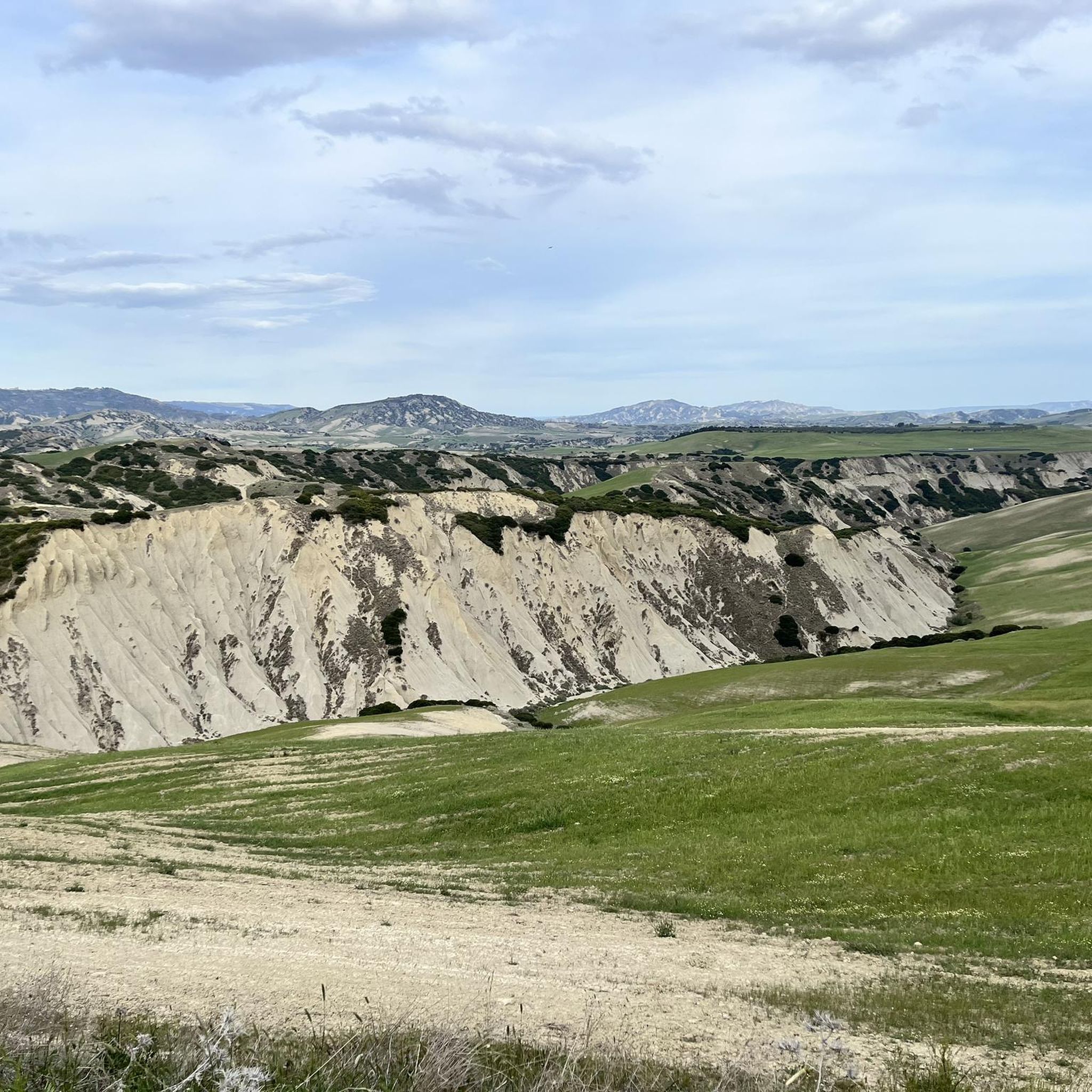
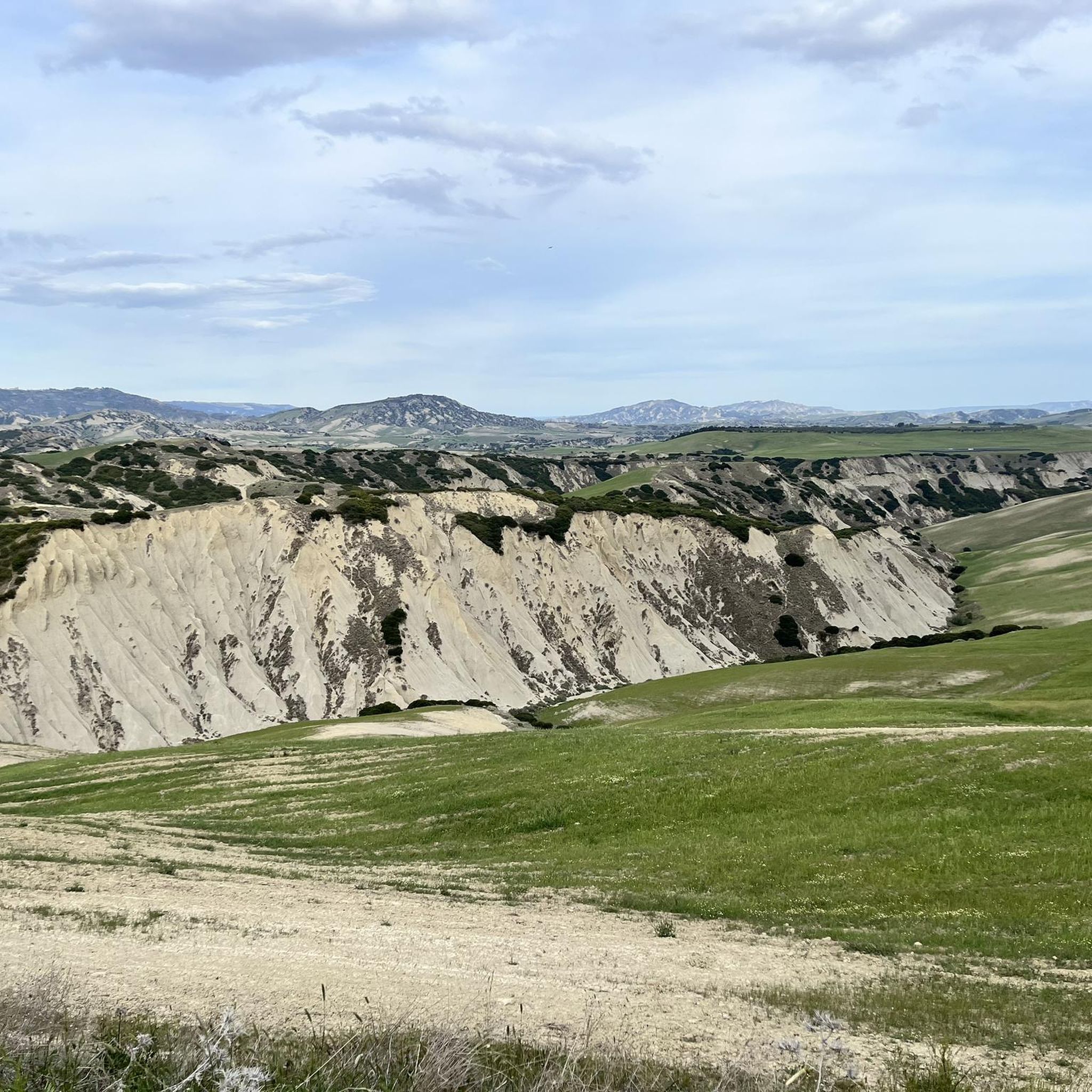
Best natural monuments around Salandra are located in the Basilicata region of Italy, offering diverse natural features. The landscape includes distinctive clay overhangs overlooking the Salandrella valley and lush valleys with extensive olive groves and oak woods. Geological formations known as "calanchi" or badlands are also present, characterized by unique erosional landscapes. These natural areas provide various opportunities for outdoor exploration.
Best natural monuments around Salandra
- The most popular natural monument is Petre de la Mola, a natural limestone…
Last updated: June 28, 2026
Petre de la Mola
Highlight • Natural Monument
Translated by Google •
Tip by

Petre de la Mola Megalithic Complex
Highlight • Historical Site
Translated by Google •
Tip by

Sign up now to discover places like this
Get recommendations on the best single tracks, peaks, & plenty of other exciting outdoor places.
Sign up for free
San Giuliano Lake Nature Reserve
Highlight • Lake
Translated by Google •
Tip by

Salandrella Valley
Highlight (Segment) • Gorge
Translated by Google •
Tip by

Strada di Oliveto Lucano
Highlight (Segment) • Climb
Translated by Google •
Tip by

Sign up for free to discover even more natural monuments around Salandra.
Sign up for free
Already have an account?
Start today with a free account
Your next adventure awaits.
Login or Signup

Tips from the Community

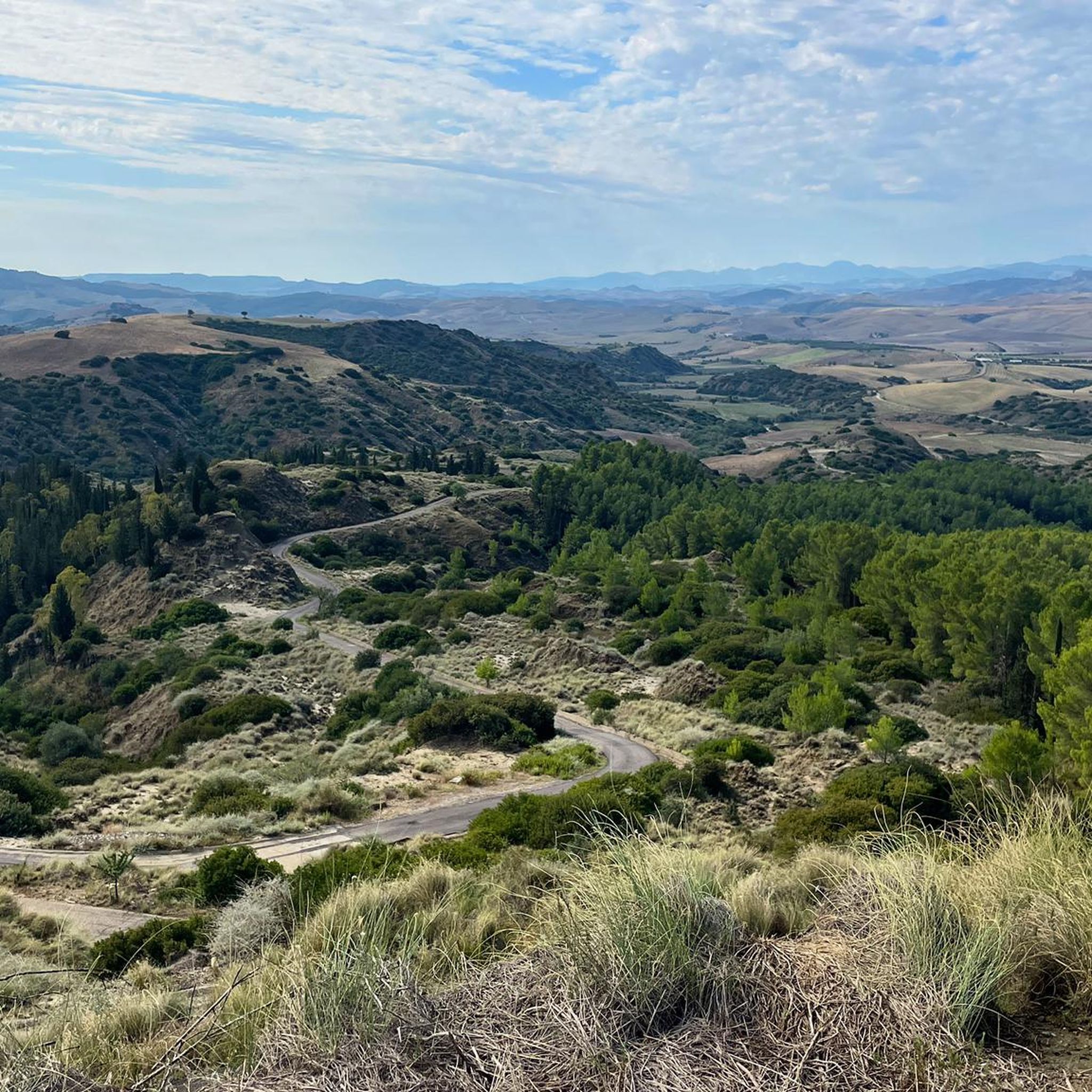
A mountain stretch of the Cavone river, the Salandrella stream has, over the centuries, carved out a splendid rocky valley in which it is wonderful to cycle. Near Oliveto Lucano and Garaguso, the road climbs lightly and steadily, providing a gentle Lucanian climbing experience.
0
0

Lake San Giuliano has an extension of 2500 hectares. It represents a naturalistic oasis of the WWF Matera, one of the most important in all of Basilicata.
0
0

If taken uphill it is a rather demanding road, the gradients easily reach double figures. However, the climb is not very long, in short, doable.
1
0

The San Giuliano regional reserve is a protected natural area located in the municipalities of Matera, Miglionico and Grottole. The reserve occupies an area of 1000 hectares. The history of the Oasi San Giuliano Oriented Nature Reserve is linked to the birth of the homonymous artificial reservoir created for irrigation purposes by the damming of the Bradano river in the years between 1950 and 1957 thanks to the economic aid program of the Marshall Plan. The presence of the lake has attracted numerous species of aquatic birds right from the start, making initiatives aimed at protecting the area necessary. Thus in 1976 the lake of San Giuliano became an oasis for the protection of fauna, and the following year the landscape restriction was affixed. In 1989, the WWF Italy obtained, through an agreement with the Consorzio di Bonifica di Bradano and Metaponto, concessionaire of the area, the naturalistic management, establishing an oasis.[2] Since 1991, the section of the Bradano ravine located downstream of the reservoir has become part of the Murgia Materana Park and therefore a UNESCO World Heritage Site. In August 2006, a fossil skeleton of a whale dating back to the Pleistocene,[4][5][6] about 27 meters long, was found on the shores of the lake. In the following years the fossil was recovered and transferred to a laboratory of the Superintendence for the historical, artistic and demo-anthropological heritage, waiting to be exhibited in the Domenico Ridola national archaeological museum in Matera [7], the last finds were collected in 2011, and are found locked up in wooden crates placed in the garden of the Museum, by the Superintendency for cultural heritage, waiting for them to be given an exhibition arrangement with a timeline not yet defined. The presence of birdlife within the reserve is of great importance especially during wintering and migrations. There are in fact about 180 species of birds, many of which are classified as rare species. Among the aquatic species there are gray herons, egrets, grebes, coots. In winter, the great white heron, the cormorant, the pochard, the widgeon, the shelduck, the wild goose and the rare ferruginous duck appear. Among the birds of prey, the red kite, the black kite, the buzzard, some specimens of osprey and some Egyptian vultures are common. Among the passerines it is worth mentioning the pendulum, symbol of the WWF oasis. Finally, among the mammals there are porcupines, badgers, wild cats and stone martens, as well as some specimens of otters.
0
1

Narrowly cut with a small tunnel. Very idyllic!
0
0
The complex, a destination every year for visitors who at the winter solstice witness the appearance of the sun in a concavity of the stone at noon and in the cleft between the rocks at sunset, is located over a thousand meters high in the boundaries of the splendid Natural Park of Gallipoli Cognato-Piccole Dolomiti Lucane (27,027 hectares rich in biodiversity between the municipalities of Accettura, Calciano and Oliveto Lucano in the province of Matera, and Castelmezzano and Pietrapertosa in the province of Potenza). This park in turn includes the Anthropological Nature Reserve of Monte Croccia, a protected space created to protect the local archaeological area: Petre de la Mola falls within an area of about 60,000 square meters which is frequented from the Neolithic to the 4th century BC. It also includes a fortified Lucanian settlement (4th century BC), only partially excavated, surrounded by walls in square blocks near which some graves containing vases, decorated ceramic furnishings, weapons, warrior ornaments and female jewelery have been brought to light. The first excavations of this settlement, carried out by Michele Lacava, date back to the late nineteenth century.
0
0
Le radici ultramillenarie dell’Italia riaffiorano un po’ ovunque ricordandoci la stratificazione di civiltà di cui si compone il nostro dna culturale oltre che biologico. Una diffusa “narrazione” del nostro passato che non smette mai di sorprendere grazie al progressivo riemergere di nuove tessere di un mosaico più complesso di quanto si possa immaginare. Una di queste sorprendenti tracce è data dal complesso megalitico situato sul Monte Croccia, nel territorio di Oliveto Lucano (Matera), e noto con il nome di Petre de la Mola. Si tratta di un gruppo di massi erratici naturali che appaiono però sagomati dall’uomo per uno scopo ben preciso, quello di indicare il mezzogiorno e il tramonto nella data del solstizio d’inverno (21 dicembre), ricorrenza coincidente con il giorno più corto dell’anno, oltre il quale la luce inizia a prevalere sull’oscurità, con il progressivo allungarsi delle giornate. Un evento che per le antiche popolazioni simboleggiava la vittoria della luce sulle tenebre e quindi un importante momento di rinascita e rivincita del bene sul male. L’esigenza di segnalarlo, per ragioni rituali ma anche per scopi pratici legati all’agricoltura, fece sì che in epoca protostorica sorgessero veri e propri calendari astronomici di pietra, modellati secondo precisi orientamenti astronomici, tali cioè da segnalare solstizi ed equinozi. Il più celebre è senza dubbio quello di Stonehenge in Inghilterra, ma in tutta Europa ne rimangono di diversi, forse meno appariscenti ma ugualmente suggestivi oltre che interessanti dal punto di vista scientifico. Petre de la Mola è uno di questi.Il complesso, meta ogni anno di visitatori che al solstizio d’inverno assistono alla comparsa del sole in una concavità della pietra a mezzogiorno e nella fenditura fra le rocce al tramonto, si trova a oltre mille metri di altezza nei confini dello splendido Parco naturale di Gallipoli Cognato-Piccole Dolomiti Lucane (27.027 ettari ricchi di biodiversità fra i comuni di Accettura, Calciano ed Oliveto Lucano in provincia di Matera, e Castelmezzano e Pietrapertosa in provincia di Potenza). Questo parco include a sua volta la Riserva Naturale Antropologica del Monte Croccia, uno spazio protetto nato per tutelare la locale area archeologica: Petre de la Mola ricade infatti in un territorio di circa 60000 mq che risulta frequentato dal neolitico fino al IV secolo a.C. Esso comprende anche un insediamento fortificato lucano (IV secolo a.C.), solo parzialmente scavato, cinto da mura in blocchi squadrati nei cui pressi sono state riportate alla luce alcune sepolture contenenti vasi, suppellettili in ceramica decorata, armi, ornamenti di guerrieri e monili femminili. I primi scavi di questo insediamento, effettuati da Michele Lacava, risalgono alla fine dell’Ottocento.
0
0
e radici ultramillenarie dell’Italia riaffiorano un po’ ovunque ricordandoci la stratificazione di civiltà di cui si compone il nostro dna culturale oltre che biologico. Una diffusa “narrazione” del nostro passato che non smette mai di sorprendere grazie al progressivo riemergere di nuove tessere di un mosaico più complesso di quanto si possa immaginare. Una di queste sorprendenti tracce è data dal complesso megalitico situato sul Monte Croccia, nel territorio di Oliveto Lucano (Matera), e noto con il nome di Petre de la Mola. Si tratta di un gruppo di massi erratici naturali che appaiono però sagomati dall’uomo per uno scopo ben preciso, quello di indicare il mezzogiorno e il tramonto nella data del solstizio d’inverno (21 dicembre), ricorrenza coincidente con il giorno più corto dell’anno, oltre il quale la luce inizia a prevalere sull’oscurità, con il progressivo allungarsi delle giornate. Un evento che per le antiche popolazioni simboleggiava la vittoria della luce sulle tenebre e quindi un importante momento di rinascita e rivincita del bene sul male. L’esigenza di segnalarlo, per ragioni rituali ma anche per scopi pratici legati all’agricoltura, fece sì che in epoca protostorica sorgessero veri e propri calendari astronomici di pietra, modellati secondo precisi orientamenti astronomici, tali cioè da segnalare solstizi ed equinozi. Il più celebre è senza dubbio quello di Stonehenge in Inghilterra, ma in tutta Europa ne rimangono di diversi, forse meno appariscenti ma ugualmente suggestivi oltre che interessanti dal punto di vista scientifico. Petre de la Mola è uno di questi.Il complesso, meta ogni anno di visitatori che al solstizio d’inverno assistono alla comparsa del sole in una concavità della pietra a mezzogiorno e nella fenditura fra le rocce al tramonto, si trova a oltre mille metri di altezza nei confini dello splendido Parco naturale di Gallipoli Cognato-Piccole Dolomiti Lucane (27.027 ettari ricchi di biodiversità fra i comuni di Accettura, Calciano ed Oliveto Lucano in provincia di Matera, e Castelmezzano e Pietrapertosa in provincia di Potenza). Questo parco include a sua volta la Riserva Naturale Antropologica del Monte Croccia, uno spazio protetto nato per tutelare la locale area archeologica: Petre de la Mola ricade infatti in un territorio di circa 60000 mq che risulta frequentato dal neolitico fino al IV secolo a.C. Esso comprende anche un insediamento fortificato lucano (IV secolo a.C.), solo parzialmente scavato, cinto da mura in blocchi squadrati nei cui pressi sono state riportate alla luce alcune sepolture contenenti vasi, suppellettili in ceramica decorata, armi, ornamenti di guerrieri e monili femminili. I primi scavi di questo insediamento, effettuati da Michele Lacava, risalgono alla fine dell’Ottocento.
0
0
Frequently Asked Questions
What unique natural features can I explore around Salandra?
The landscape around Salandra is diverse, featuring distinctive clay overhangs overlooking the Salandrella valley, and lush valleys with extensive olive groves and oak woods near the Gruso stream. You can also find geological formations known as "calanchi" or badlands, which are dramatic erosional landscapes of clay and sand. A prominent natural monument is Petre de la Mola, a unique limestone rock formation.
Are there any natural monuments with historical significance near Salandra?
Yes, Petre de la Mola is particularly notable. This natural limestone rock formation is believed to have been modified by humans during the Bronze Age to serve as a "stone calendar," used to mark significant celestial events like the winter solstice.
What kind of outdoor activities can I do near Salandra's natural monuments?
The area offers various outdoor activities, especially cycling and mountain biking. You can find challenging road cycling routes like the one exploring the Parco regionale di Gallipoli Cognato Piccole Dolomiti Lucane, or touring bicycle routes such as the loop from Salandra to Valle Salandrella. For mountain biking, there are trails like the Archaeological area of Monte Croccia.
Is there a significant lake or water body to visit near Salandra?
Yes, the San Giuliano Lake Nature Reserve is a significant naturalistic oasis. It's a protected natural area and a WWF Matera oasis, known for its rich birdlife, especially during wintering and migrations. It's home to around 180 species of birds, including rare ones.
Where can I find impressive rock formations in the region?
Beyond Petre de la Mola, the Rock Formations of the Piccole Dolomiti Lucane offer many striking natural rock structures emerging from the woods, providing fantastic views and challenging terrain for exploration.
Are there any family-friendly natural attractions around Salandra?
The San Giuliano Lake Nature Reserve is considered family-friendly, offering opportunities for nature observation, especially birdwatching. Its calm environment makes it suitable for visitors of all ages to enjoy the natural surroundings.
What is the Salandrella Valley like for outdoor enthusiasts?
The Salandrella Valley is a splendid rocky gorge carved by the Salandrella stream. It's particularly popular for cycling, offering an idyllic setting with a road that climbs lightly and steadily, providing a gentle Lucanian climbing experience.
What is the best time of year to visit the natural monuments around Salandra?
While specific seasonal details for all monuments aren't provided, the region's natural beauty, including olive groves and oak woods, suggests spring and autumn offer pleasant temperatures for outdoor activities. The phenomenon at Petre de la Mola related to the winter solstice indicates that even colder months can offer unique experiences.
Are there challenging routes for experienced cyclists near Salandra's natural monuments?
Yes, the Strada di Oliveto Lucano is known for its challenging gradients, with sections easily reaching double-digit percentages. It's a demanding but rewarding climb for experienced cyclists, and it's associated with the Petre de la Mola where a winter solstice phenomenon can be observed.
What do visitors enjoy most about the natural monuments around Salandra?
Visitors appreciate the unique blend of natural beauty and historical intrigue, particularly at Petre de la Mola with its ancient 'stone calendar' history. The diverse landscapes, from rocky gorges like the Salandrella Valley to the rich birdlife of the San Giuliano Lake Nature Reserve, also receive high praise for their scenic beauty and opportunities for outdoor exploration.
Can I find information about the Gallipoli Cognato Piccole Dolomiti Lucane Regional Park?
The Petre de la Mola and the Rock Formations of the Piccole Dolomiti Lucane are located within the Gallipoli Cognato Piccole Dolomiti Lucane Regional Park. This park is a key area for exploring the region's natural monuments and offers various routes for cycling and mountain biking, as highlighted in the nearby route guides.
Most popular attractions around Salandra

Get inspired with the komoot mobile app


Explore more
Extend your search for the best caves by checking out these guides of the top ones around Salandra:
