Top 20 Natural Monuments in Doñana
Natural monuments in Doñana, a UNESCO World Heritage site and Biosphere Reserve in Andalusia, Spain, offer diverse ecosystems and geological formations. This region is renowned for its exceptional biodiversity, including significant coastal features and ancient forests. Visitors can explore unique landscapes that showcase the natural evolution and ecological importance of the Iberian Peninsula. The area is a natural treasure, providing insights into geological processes and ecological significance.
Best natural monuments in Doñana
- The most popular natural monuments is Charco de…
Last updated: October 14, 2026
Charco de la Boca Trail, Doñana National Park
Highlight • Trail
Translated by Google •
Tip by

Torre Carbonero Beach
Highlight (Segment) • Beach
Translated by Google •
Tip by

Sign up now to discover places like this
Get recommendations on the best single tracks, peaks, & plenty of other exciting outdoor places.
Cuesta Maneli Beach
Highlight • Beach
Translated by Google •
Tip by
Castilla Beach (Doñana National Park)
Highlight • Beach
Translated by Google •
Tip by

Centenary Pine of Parador de Mazagón
Highlight • Natural Monument
Translated by Google •
Tip by

Sign up for free to discover even more natural monuments in Doñana.
Already have an account?
Start today with a free account
Your next adventure awaits.
Popular around Doñana


Tips from the Community


Pet-friendly beaches. Both Cuesta Maneli and Rompeculos beaches are pet-friendly, that is, beaches where our pets are tolerated.
6
0
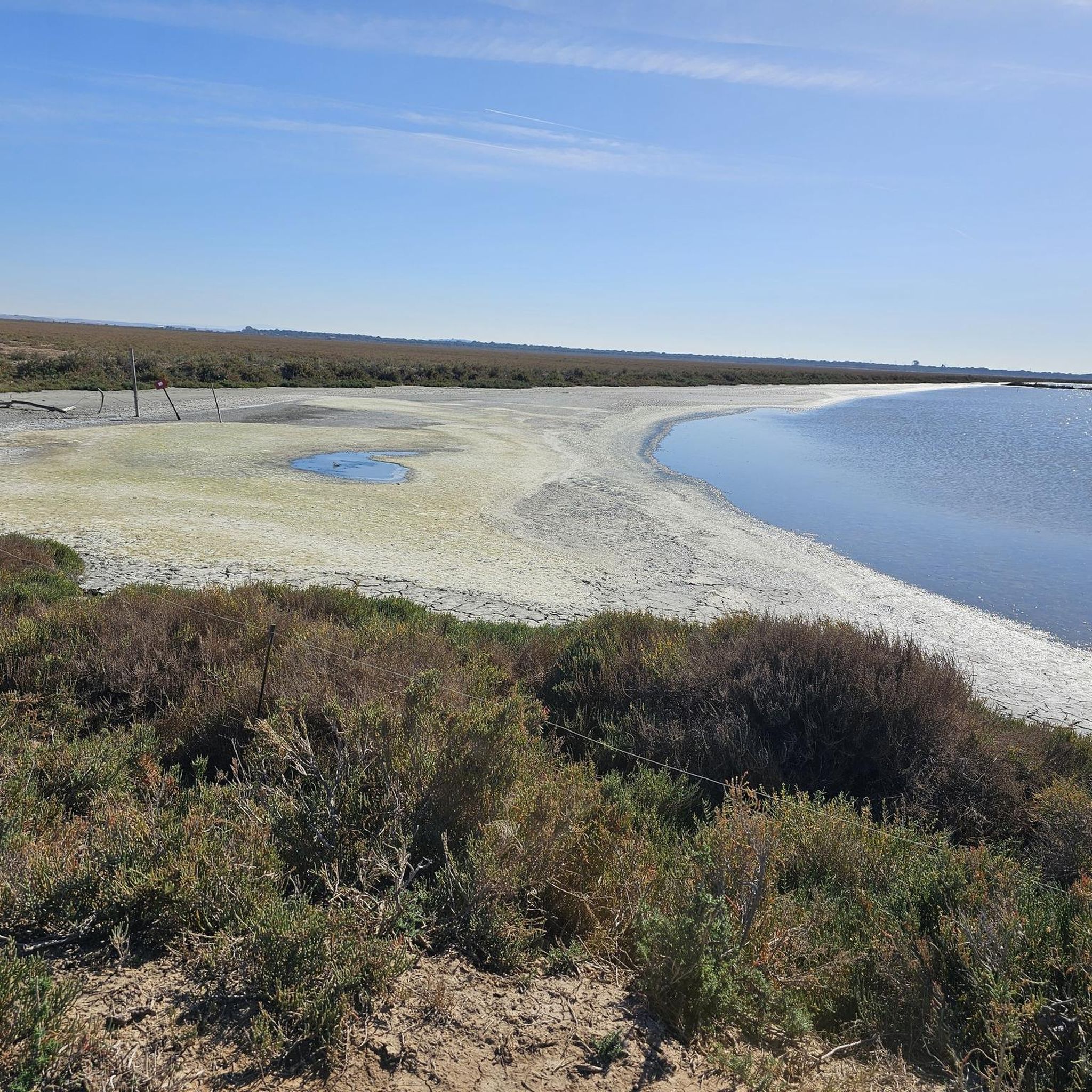
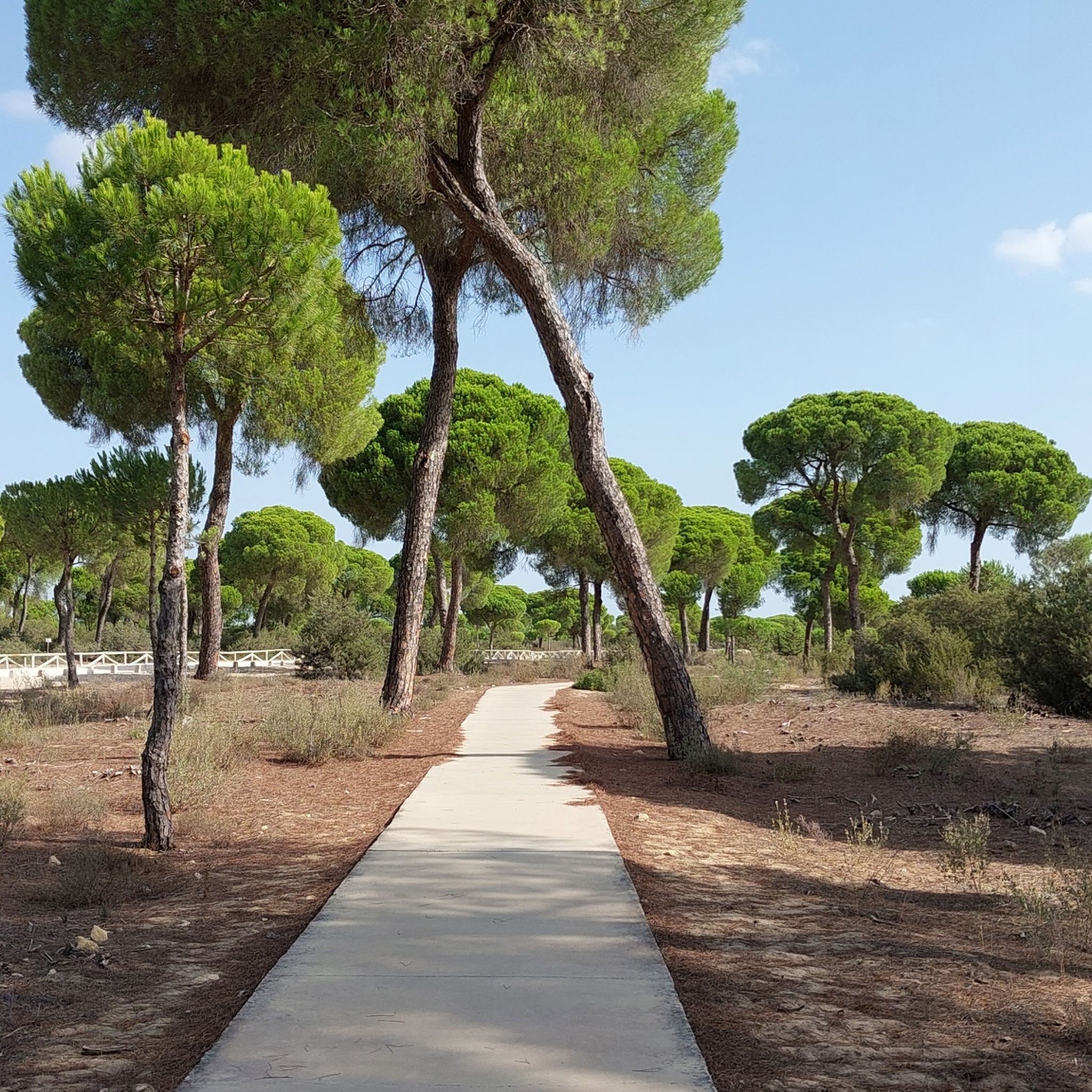
The La Rocina stream is one of the main sources of water for the marshes of the Doñana National Park and at this point it leads to an extension of the channel called Charco de la Boca. The path of the same name crosses a great biodiversity of the landscape, from a pine forest to riparian vegetation, ferns, reed beds and aromatic plants. Along the path, four observatories built as "huts" allow
7
0

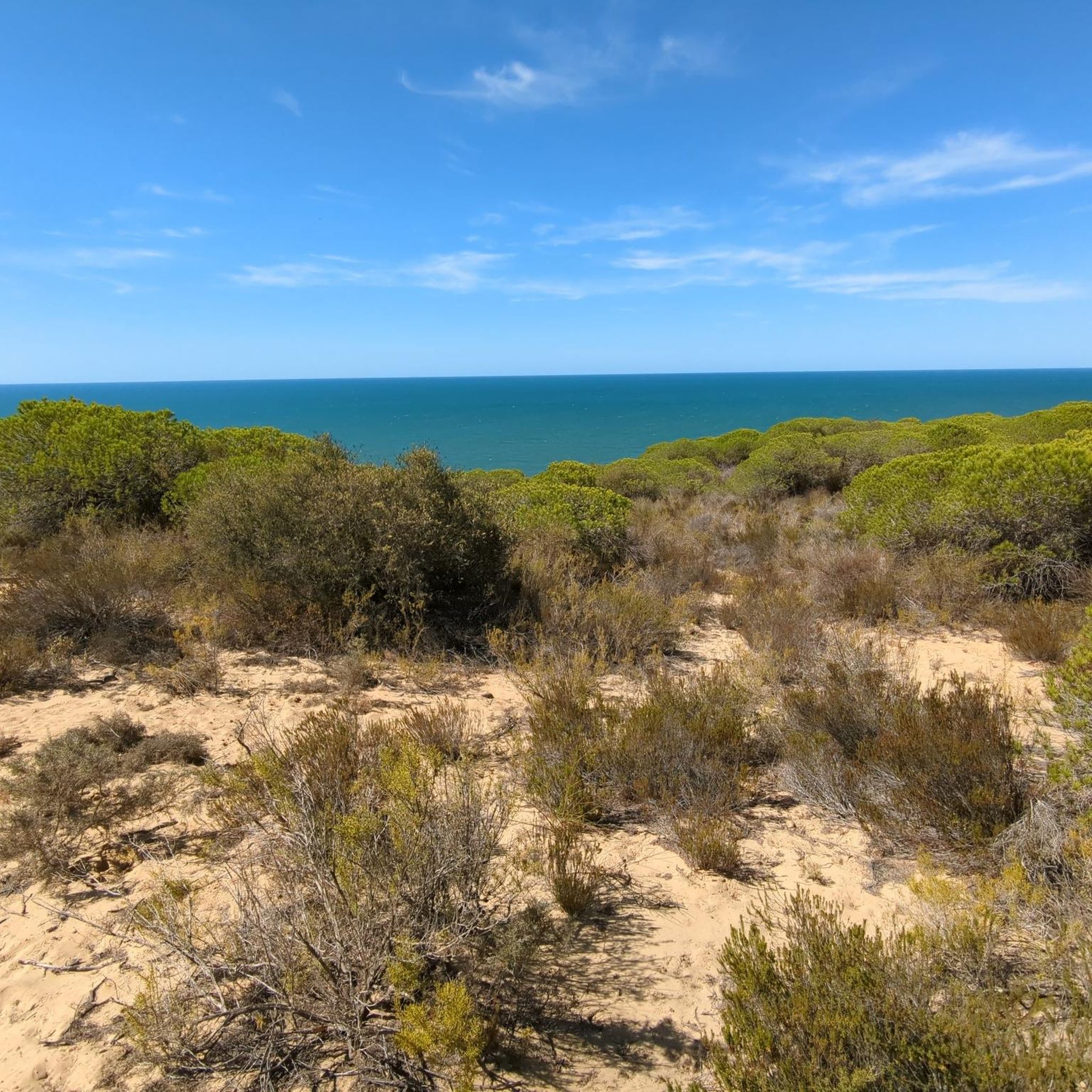
Cuesta Maneli Beach is a natural gem located on the Costa de la Luz, within the Doñana Natural Park, in the province of Huelva. This unspoiled beach is located between Mazagón and Matalascañas, and is known for its peaceful surroundings and natural beauty.
9
0

Beautiful decking route with approximately 4 bird watching huts
12
1

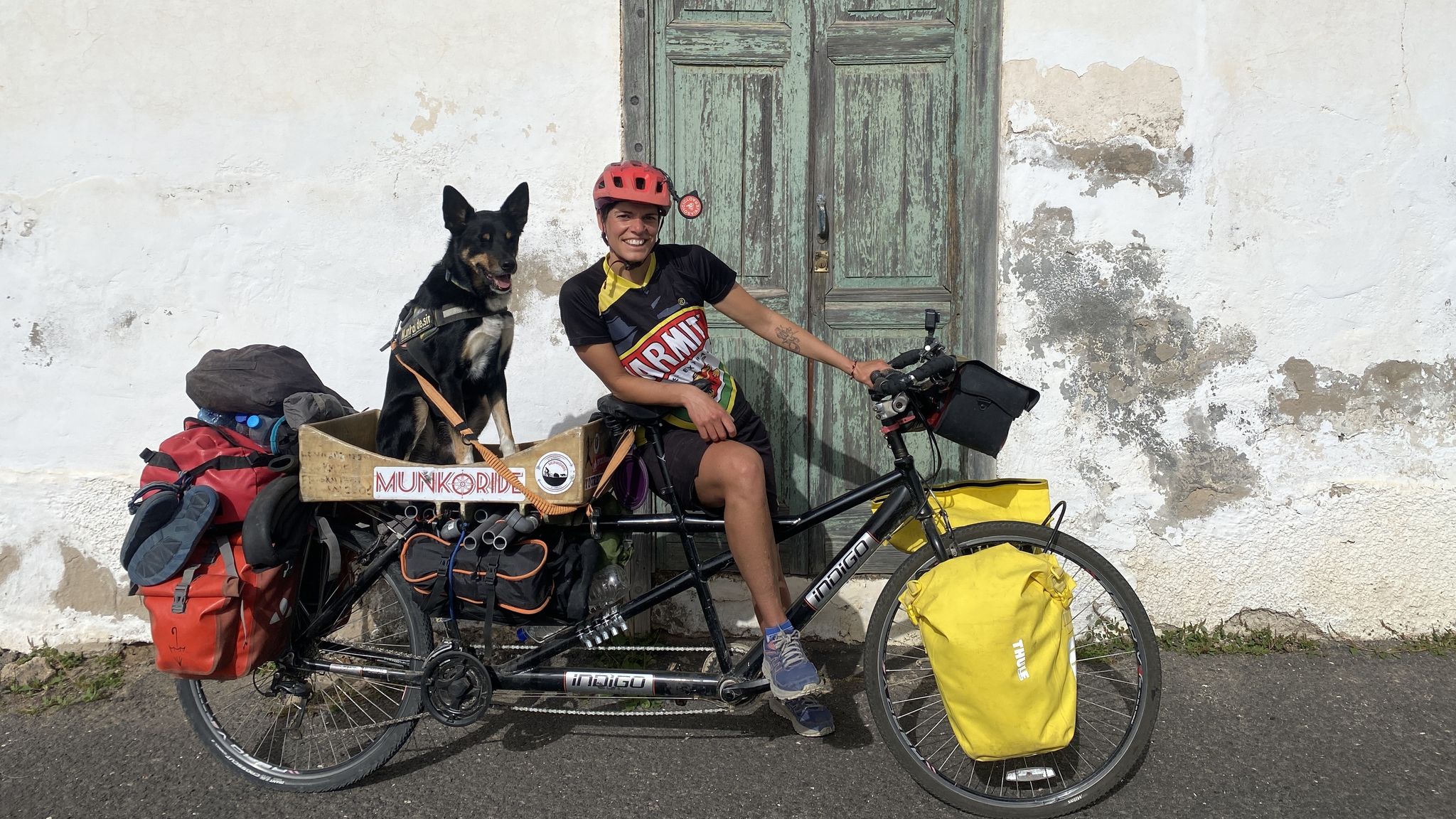
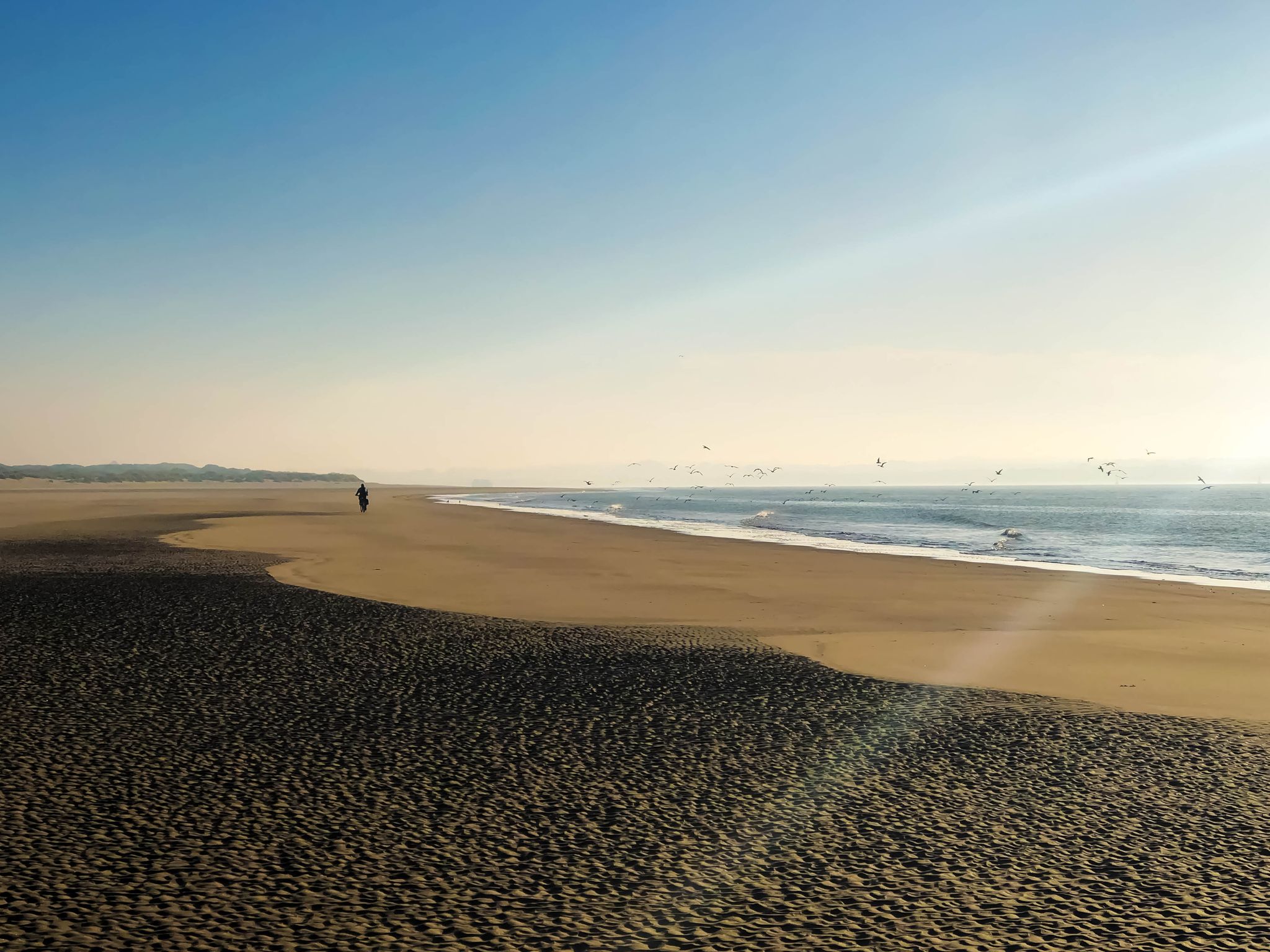
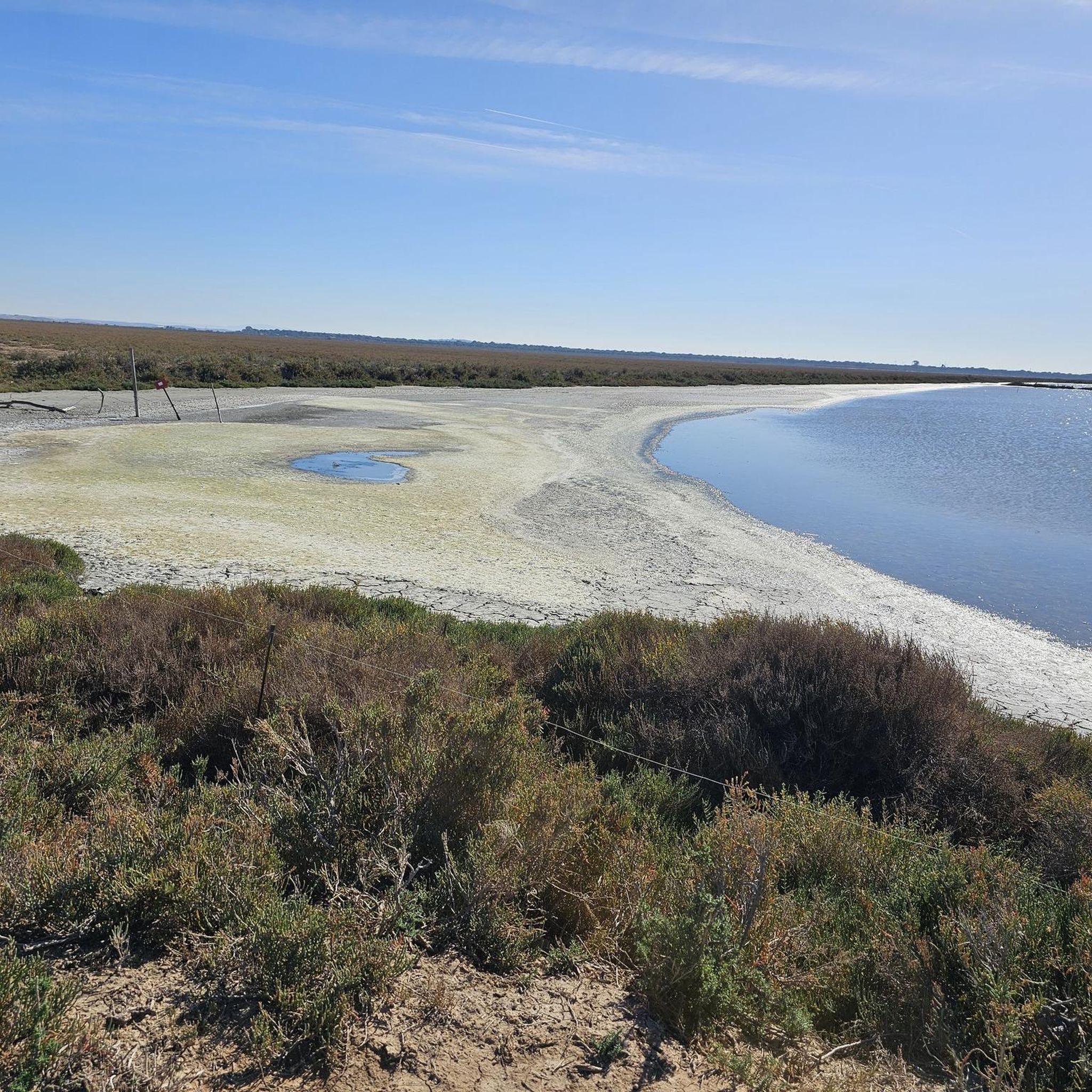
Yes, it's difficult to drive, like when you're constantly going up a 6-8% grade We also had panniers and front bags, handlebar bags. It took us 4 hours with breaks, so don't wait for the tide to go out, starting a little earlier is very good. As already written, there is no shade, no bushes and only a few shrimp fishermen were out. The experience is extraordinary and makes up for the hardship.
1
1

Very difficult but what an adventure! Probably the toughest 30km of our tour (so far). We had loaded touring bikes (with road tires, panniers and handlebar bags etc). As others have advised it made a huge difference to let out air from tires. Would advise to start cycling around 2 hours before low tide. There is no shade, are completely exposed, and so have no option but to push on! We did it in 3 hours cycling time but this included strong headwind which caught us off guard and slowed our pace. IMPORTANT: completely depends on tide times, which, to use that old nautical idiom, means you really are stuck between the devil and the deep blue sea!
1
0

Great adventure! A western town with a lagoon and flamingos and a whole national park right there: https://youtu.be/hnqMIt_kL3o
5
0
Frequently Asked Questions
What unique natural features can I expect to see among Doñana's natural monuments?
Doñana is home to exceptional natural features. You can explore the impressive El Asperillo Cliff, a system of fossil dunes and sandstone cliffs, which is the tallest of its kind in Europe. Its striking layers of colored sands and unique geomorphological formations are a sight to behold. Additionally, the ancient Wild Olive Trees of Rocío offer a glimpse into the region's native Mediterranean forest, with some trees, like 'El Abuelo,' being centuries old.
Are there any ancient or historically significant natural monuments in Doñana?
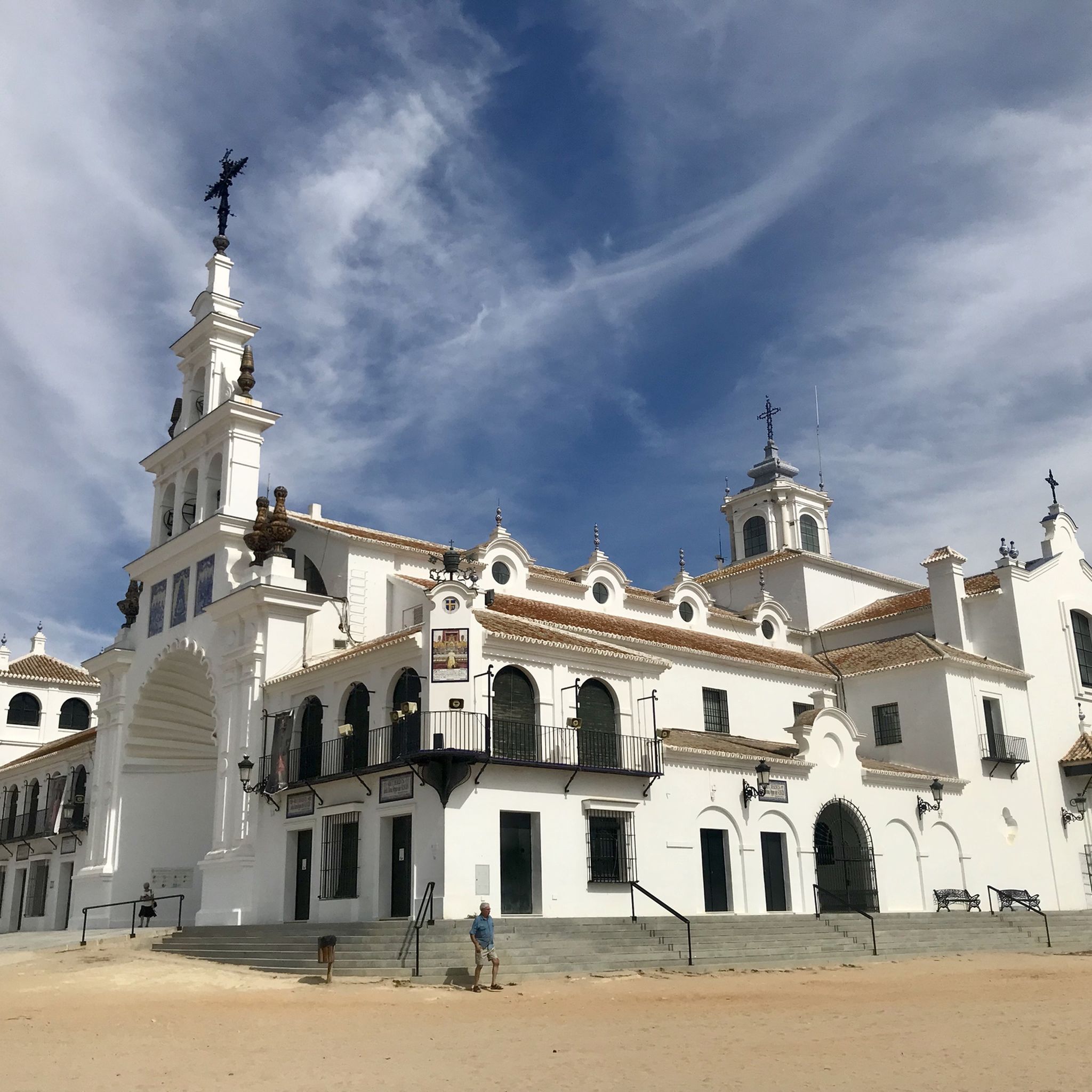
Yes, the Wild Olive Trees of Rocío (Acebuches de El Rocío) are particularly significant. These ancient trees are remnants of the native Mediterranean forest, with 'El Abuelo' estimated to be over 700 or 800 years old. They hold cultural relevance, intertwined with the famous pilgrimage to the Sanctuary of El Rocío.
What kind of outdoor activities can I do near Doñana's natural monuments?
Doñana offers a variety of outdoor activities. You can enjoy cycling, road cycling, and running on numerous routes. For example, there are challenging cycling routes like the one connecting Torre Carbonero Beach and Castilla Beach. You can find more details and routes in the Cycling in Doñana, Road Cycling Routes in Doñana, and Running Trails in Doñana guides.
Which natural monuments in Doñana are suitable for families?
Several natural monuments are family-friendly. The Charco de la Boca Trail, Doñana National Park, offers a beautiful decking route with birdwatching huts, starting from the La Rocina visitor center. Cuesta Maneli Beach is also a great option, accessible via a picturesque walkway path, known for its peaceful surroundings. The Charco de la Boca lake area is another wonderful natural ecosystem for families, especially for bird watching.
Can I visit Doñana's natural monuments with my dog?
Yes, some areas are dog-friendly. Cuesta Maneli Beach is noted as a pet-friendly beach where dogs are tolerated, making it a good option for visitors with canine companions.
What are the best spots for birdwatching among Doñana's natural monuments?
Doñana is a prime birdwatching destination. The Charco de la Boca Trail, Doñana National Park, features multiple birdwatching huts along its decking route. The Charco de la Boca lake, near El Rocío, is also an ideal place for bird observation. The area around the Wild Olive Trees of Rocío, close to the 'Mother of the Marshes,' is excellent for birdwatching, particularly outside the summer months.
What should I consider when planning a visit to the coastal natural monuments, especially for cycling?
When visiting coastal natural monuments like Torre Carbonero Beach or Castilla Beach, especially by bike, careful planning is essential. These stretches can be very challenging due to soft sand. It's crucial to plan your visit around low tide, as the sand becomes much softer at high tide, making pedaling extremely difficult. Wide tires or letting out air from your tires are highly recommended. There is also no shade, so be prepared for sun exposure.
What is the best time of year to visit Doñana's natural monuments?
The best time to visit Doñana's natural monuments generally depends on your interests. For birdwatching, the periods outside of summer (autumn, winter, and spring) are ideal when the marshlands are vibrant with avian life. The resilient wild olive trees are well-adapted to high temperatures and drought, but overall, milder temperatures make for a more comfortable exploration of the region's diverse ecosystems.
Are there good viewpoints to appreciate the natural monuments in Doñana?
Yes, Doñana offers several excellent viewpoints. The El Asperillo Cliff provides breathtaking views from viewpoints along the Cuesta Maneli Trail. The Charco de la Boca Trail, Doñana National Park, and the Charco de la Boca lake also feature viewpoints, particularly for observing the local wildlife and landscapes.
What wildlife can I hope to spot near Doñana's natural monuments?
Doñana is renowned for its exceptional biodiversity. Near the El Asperillo Cliff, you might spot endangered species such as the spur-thighed tortoise, Lataste's viper, the Iberian lynx, and the Egyptian mongoose. The marshlands, especially around the Wild Olive Trees of Rocío and the Charco de la Boca areas, are fantastic for birdwatching, with a wide array of avian species present, particularly outside the summer months.
Are there walking trails to explore Doñana's natural monuments?
Absolutely. The Charco de la Boca Trail, Doñana National Park, is a popular circular route with decking and birdwatching huts. Another option is the picturesque walkway path leading to Cuesta Maneli Beach. For more extensive walking, you can explore various running trails in the region, such as the Cuesta Maneli Trail, which is an easy 4.9 km route, as detailed in the Running Trails in Doñana guide.
Most popular routes in Doñana
Most popular attractions in Doñana

Get inspired with the komoot mobile app


Explore more
Extend your search for the best caves by checking out these guides of the top ones in Doñana:
