Top 8 Natural Monuments in Plaines De L'Escaut Natural Park
Best natural monuments in Plaines De L'Escaut Natural Park are found within a verdant expanse of forests and wetlands, situated near the Franco-Belgian border. This region, part of the larger Hainaut Cross-Border Natural Park, offers diverse ecosystems from peat moors to extensive woodlands. The park's varied natural landscape supports a wide array of plant and animal life, including rare species. Unique geological and historical contexts, such as wetlands formed by mining subsidence, add to the area's distinct character.
Best natural…
Last updated: July 11, 2026
Mer de Sable State Reserve
Highlight • Natural
Translated by Google •
Tip by

Marais d'Harchies-Hensies-Pommerœul Nature Reserve
Highlight • Natural Monument
Translated by Google •
Tip by

Sign up now to discover places like this
Get recommendations on the best single tracks, peaks, & plenty of other exciting outdoor places.
Sign up for free
The bubbling spring of Stambruges and its mysteries.
Highlight • Natural Monument
Translated by Google •
Tip by

The Nail Tree of Stambruges
Highlight • Natural Monument
There are now two of them carrying the wishes and hopes of recovery. The oldest, a black locust tree, fell to the ground in …
Translated by Google •
Tip by
Birdwatching hide at the Marais d'Harchies-Hensies-Pommerœul
Highlight • Structure
Translated by Google •
Tip by

Sign up for free to discover even more natural monuments in Plaines De L'Escaut Natural Park.
Sign up for free
Already have an account?
Start today with a free account
Your next adventure awaits.
Login or Signup
Popular around Plaines De L'Escaut Natural Park

Tips from the Community

Attention change of regulation, a part of the reserve is forbidden to bicycles. I saw it this morning.
0
0

Michel Raulier: The Nail Tree of Stambruges Tree worship in our region is very ancient. Proof of this is the discovery in Blicquy, in the place called "Ville d'Anderlecht," of a set of 120 posts up to 90 cm in diameter. These may have served as supports for offerings, as evidenced by the numerous iron pins found in the filling holes. This could correspond to an artificial sacred grove housing deities, similar to Lucan's description of petrified forests in Pharsalia. In the past, trees, with their longevity and majestic shape, aroused a sense of sacredness in the minds of our ancestors. They were also believed to be capable of helping people solve their problems, particularly health problems. Many customs exist: walking around the tree, driving nails to fix the ailment, and tying cloths or fabrics to bind it. These trees were often Christianized by the installation of religious images or a chapel nearby. One example among others is that of Notre Dame de Foy. In Foy, near Dinant, a woodcutter discovered a 15th-century statuette in the heart of a very ancient oak tree in 1609. Long forgotten, the figurine bearing the image of the Virgin had been placed in a niche carved into the trunk. Over time, the wood completely covered it and erased its memory. In Stambruges, there is one of these remarkable trees, and beside it is a chapel, called "the chapel of Erconpuch" or, by another name, "the chapel of Arc-au-Puche," dedicated to the Virgin Our Lady of Arc-au-Puits, formerly called the Virgin of the Woods.
1
0

The Mer de Sable nature reserve is a 22-hectare protected area, renowned for its peat moors and young birch forests. Formerly a pond that dried up in the 19th century, the site is home to exceptional flora, including heather and carnivorous plants such as the sundew. The reserve, classified as a major heritage site in Wallonia, offers marked trails for hiking and observing local biodiversity.
2
0

Ornithological nature reserve, with magnificent species. Several observation points set up for bird watching. accessible to PMR.
3
0

Special, that sandy area and a nice place to eat (there is also a restaurant)
2
1

There are two viewing huts on the route. But especially many ornithologists. This must clearly be a special place!
9
0
Rarely seen so many ornithologists together. Each with their big, long cameras!
9
0
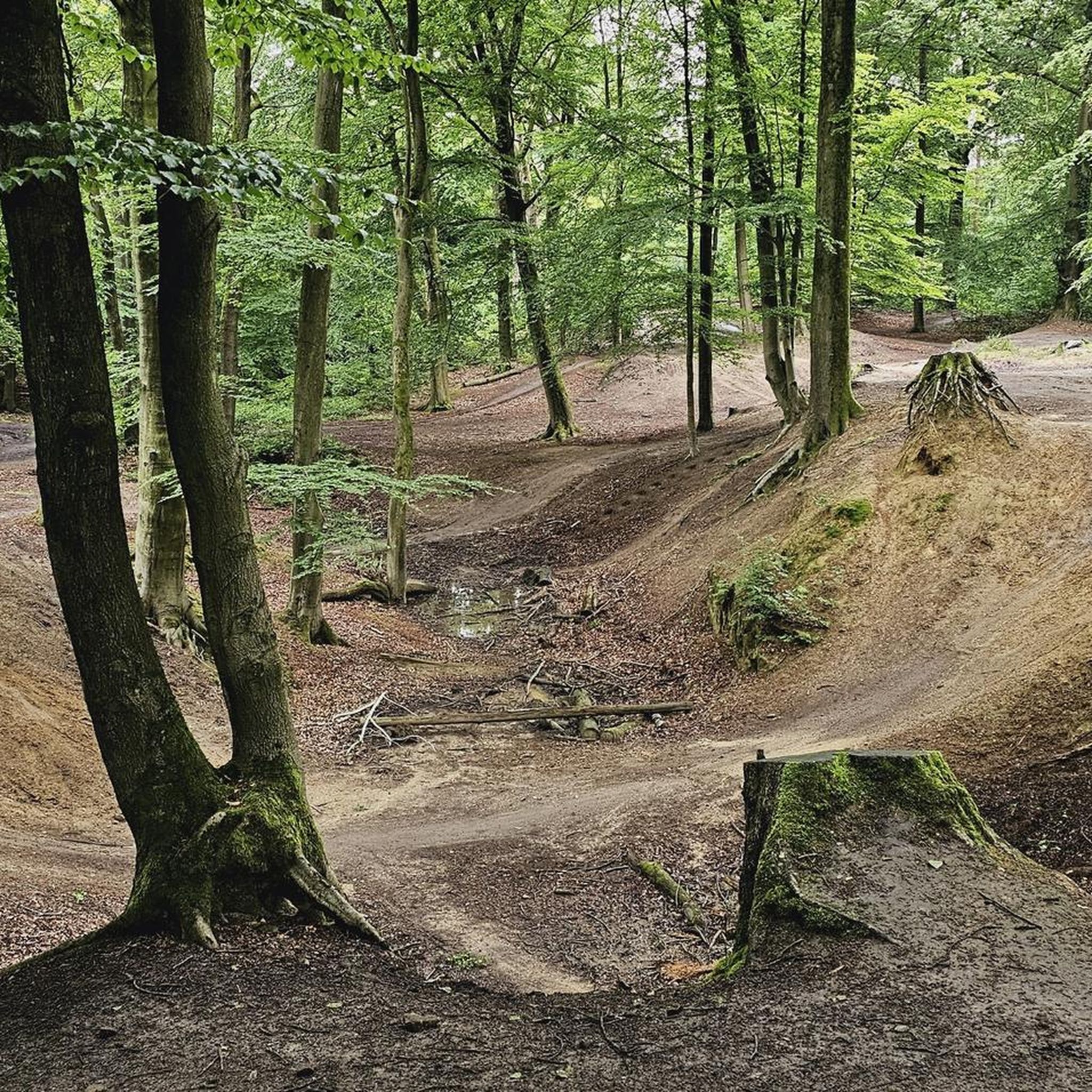
In the forest of Stambruges is 'la Fontaine bouillante', the bubbling spring where, according to legend, a mistress of the Prince De Ligne drowned with her coach and the crew of the coach tries to surface. In reality, it is spring water bubbling up through a crack in the earth. https://nl.wikipedia.org/wiki/Bos_van_Stambruges
5
0
Frequently Asked Questions
What are the most popular natural monuments in Plaines De L'Escaut Natural Park?
Among the most appreciated natural monuments are the Marais d'Harchies-Hensies-Pommerœul Nature Reserve, known for its significant ornithological value and wetlands, and the Mer de Sable State Reserve, which features unique peat moors and rare carnivorous plants. Visitors also find the mysterious bubbling spring of Stambruges particularly intriguing.
What unique natural features can I expect to see in Plaines De L'Escaut Natural Park?
The park offers a diverse range of natural features. You can explore unique peat moors and sandy areas with rare flora like heather and carnivorous plants at the Mer de Sable State Reserve. The Marais d'Harchies-Hensies-Pommerœul Nature Reserve showcases extensive wetlands, which are vital for numerous bird species. Additionally, the park is home to vast deciduous forests, including the Bon Secours forest, and features unique phenomena like the bubbling spring of Stambruges.
Are there family-friendly natural monuments in Plaines De L'Escaut Natural Park?
Yes, several natural monuments are suitable for families. The Mer de Sable State Reserve offers marked trails that are easy to explore. The Nail Tree of Stambruges is a fascinating cultural and natural site that can spark children's curiosity. The 'Escale forestière' in Bon-Secours also provides an elevated walkway, the 'Promenoir des Cimes,' which is a fun and educational experience for all ages.
What is the best time to visit the natural monuments in Plaines De L'Escaut Natural Park?
The park's natural monuments offer beauty throughout the year. Spring and summer are ideal for observing the diverse flora, including heather and carnivorous plants, and for birdwatching at sites like the Marais d'Harchies. Autumn provides stunning foliage in the extensive forests. Even winter can be rewarding for quiet walks and spotting wildlife, though some facilities might have reduced hours.
Are there any historical or cultural sites associated with the natural monuments?
Yes, the natural monuments often have interesting historical contexts. The Marais d'Harchies, for example, were formed in depressions caused by mining subsidence in the 1920s. The Nail Tree of Stambruges is a unique cultural site linked to ancient traditions of healing and wishes. The bubbling spring of Stambruges also carries a local legend of a sunken coach.
What outdoor activities can I do near the natural monuments in Plaines De L'Escaut Natural Park?
The park is excellent for various outdoor activities. You can find numerous hiking trails, including easy options like the 'Grand Large Loop' or the 'Circuit de l'Arbre à clous'. For cycling enthusiasts, there are routes like the 'RAVeL W4: Canals, Streams and Rivers Trail'. Mountain biking is also popular, with trails such as the 'Stambruges MTB Playground – Beloeil Castle loop'. You can explore more options on the hiking guide, cycling guide, and MTB guide for the region.
Are there hiking trails suitable for different difficulty levels near these natural monuments?
Yes, the Plaines De L'Escaut Natural Park offers hiking trails for various skill levels. You can find easy walks like the 'Grand Large Loop' (6.9 km) or the 'Circuit de l'Arbre à clous' (5.6 km). For those seeking a bit more challenge, there are moderate routes such as the 'Les Catillons – Hunting Avenue loop from Harchies' (12.7 km). Explore more options in the hiking guide for Plaines De L'Escaut Natural Park.
Can I go cycling or mountain biking near the natural monuments?
Absolutely. The park provides excellent opportunities for both cycling and mountain biking. Road cyclists can enjoy routes like the 'RAVeL W4: Canals, Streams and Rivers Trail' (57.7 km, moderate). Mountain bikers have options such as the 'Stambruges MTB Playground – Beloeil Castle loop' (50.7 km, moderate). For more detailed routes, refer to the cycling guide and MTB guide for the region.
Are the natural monuments in Plaines De L'Escaut Natural Park accessible for wheelchairs?
Some areas within the natural monuments are designed to be wheelchair accessible. For instance, the Marais d'Harchies-Hensies-Pommerœul Nature Reserve is noted for its accessibility, offering observation points that can be reached by wheelchair. It's always advisable to check specific site information for detailed accessibility features before your visit.
Where can I find information or visitor centers in the park?
For practical information, maps, and details about events, you can visit the 'Maison du Parc Naturel'. Additionally, 'L'Escale forestière' in Bon-Secours serves as a visitor center, providing insights into the forest's life and offering unique experiences like its elevated walkway.
What do visitors particularly enjoy about the natural monuments in Plaines De L'Escaut Natural Park?
Visitors frequently highlight the rich biodiversity, especially the exceptional flora at sites like the Mer de Sable State Reserve, which includes carnivorous plants. The Marais d'Harchies is highly praised by ornithologists for its birdwatching opportunities. The unique geological and historical context, such as wetlands formed by mining activities, also adds an interesting dimension to the natural beauty. The marked trails and observation points make exploration enjoyable for all.
What makes the Mer de Sable State Reserve unique?
The Mer de Sable State Reserve is a 22-hectare protected area distinguished by its peat moors and young birch forests. It's home to exceptional flora, including heather and rare carnivorous plants like the sundew. This site, once a pond that dried up, is classified as a major heritage site in Wallonia and offers marked trails to explore its rich biodiversity.
What is special about the Marais d'Harchies-Hensies-Pommerœul Nature Reserve?
The Marais d'Harchies-Hensies-Pommerœul Nature Reserve is a significant ornithological site in Wallonia, often considered one of the best. These wetlands were formed in depressions caused by mining subsidence in the 1920s, which subsequently filled with water. The reserve is highly valued for its diverse flora and fauna, particularly its extensive reed beds, and features several observation points perfect for bird watching.
Most popular routes in Plaines De L'Escaut Natural Park
Most popular attractions in Plaines De L'Escaut Natural Park

Get inspired with the komoot mobile app


Explore more
Extend your search for the best caves by checking out these guides of the top ones in Plaines De L'Escaut Natural Park:
