Top 14 Natural Monuments in Loire-Anjou-Touraine
Best natural monuments in Loire-Anjou-Touraine are found within a region spanning over 270,000 hectares, celebrated for its blend of natural landscapes and cultural heritage. The area is characterized by the Loire River, diverse ecosystems, and a patchwork of forests, hedged farmland, and vineyards. This region offers a variety of natural features, from dynamic river courses to unique troglodytic sites.
Best natural monuments in Loire-Anjou-Touraine
- The most popular natural monuments is Gardens of the Château de Villandry, a castle that…
Last updated: August 21, 2026
Gardens of the Château de Villandry
Highlight • Castle
Translated by Google •
Tip by

Étang de Joreau
Highlight • Lake
Translated by Google •
Tip by

Sign up now to discover places like this
Get recommendations on the best single tracks, peaks, & plenty of other exciting outdoor places.
Sign up for free
Château du Rivau
Highlight • Castle
Translated by Google •
Tip by

The petrifying caves of Savonnière
Highlight • Cave
February / March: 10h-12h / 14h-18h
April to June: 10h-19h
July / August: 9h30-19h30
September: 10h-19h
October / November: 10h-12h / 14h-18h
There are guided tours (duration approx. 1 hour).
Translated by Google •
Tip by

Loire Riverside at Turquant
Highlight • River
Translated by Google •
Tip by

Sign up for free to discover even more natural monuments in Loire-Anjou-Touraine.
Sign up for free
Already have an account?
Start today with a free account
Your next adventure awaits.
Login or Signup
Popular around Loire-Anjou-Touraine
GR 36 long-distance footpath – Cross France from the Channel to the Pyrenees
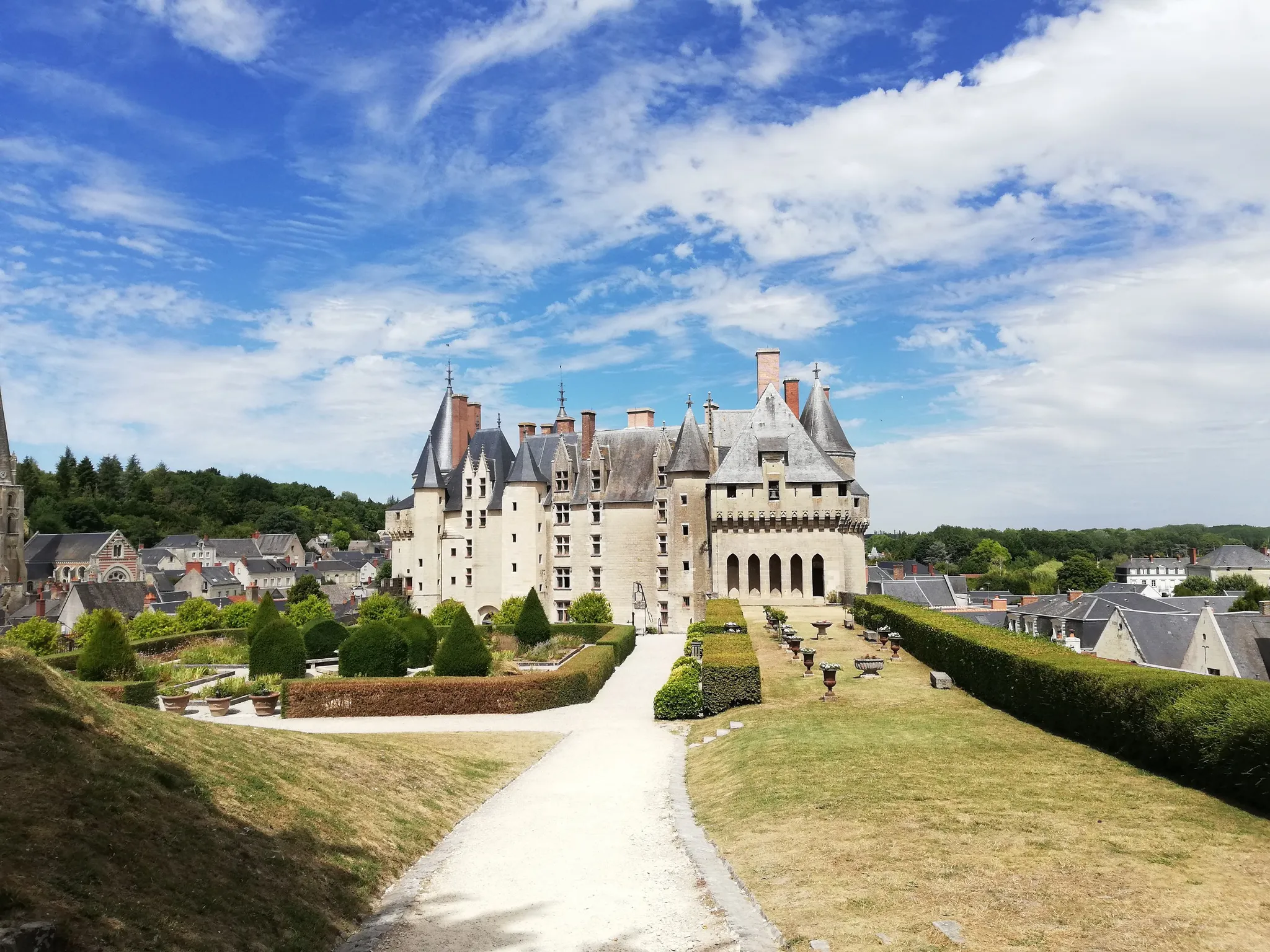
From one Châteaux to another – a long hike in the Loire Valley
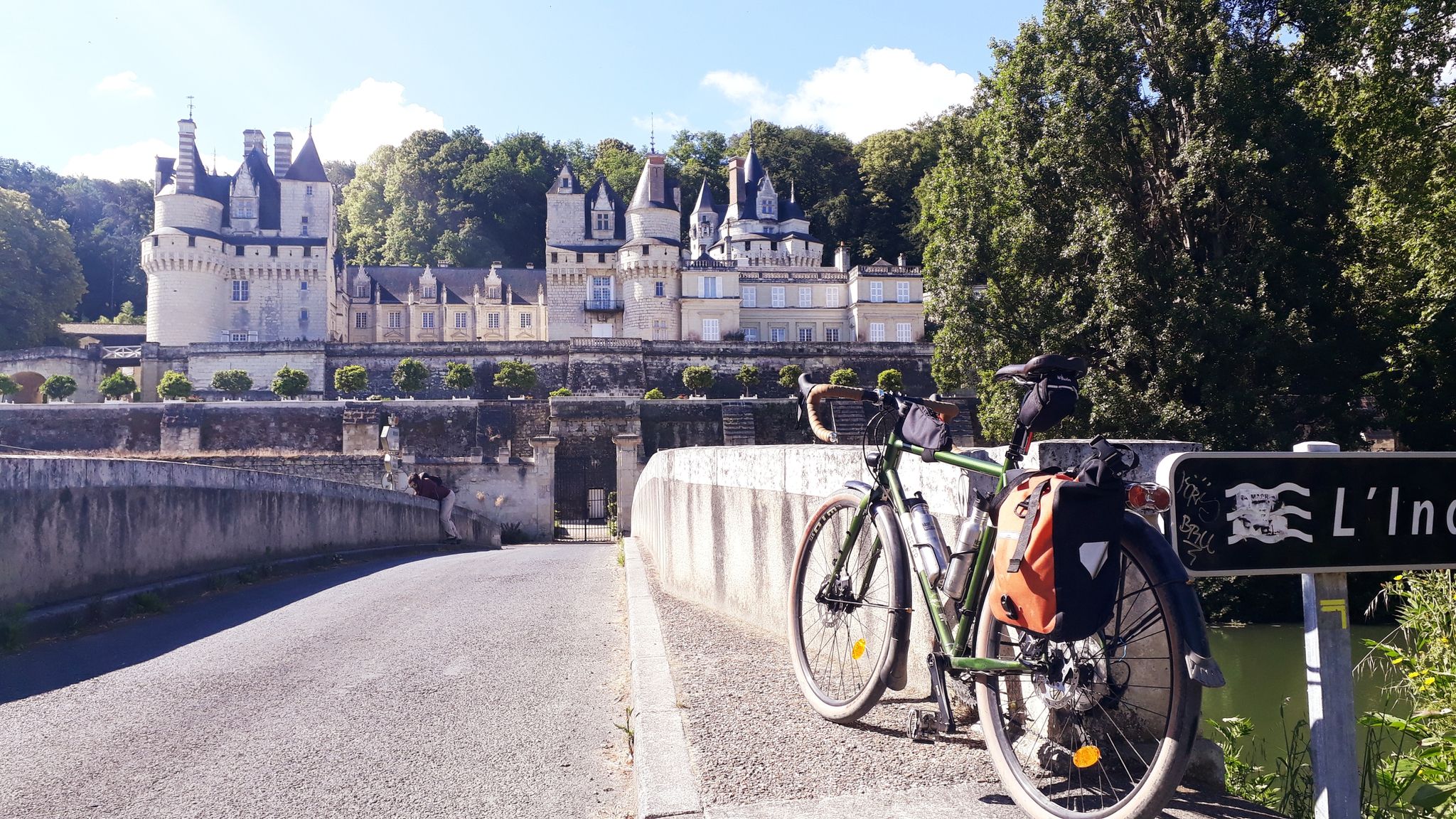
La Loire à vélo – Between nature and castles
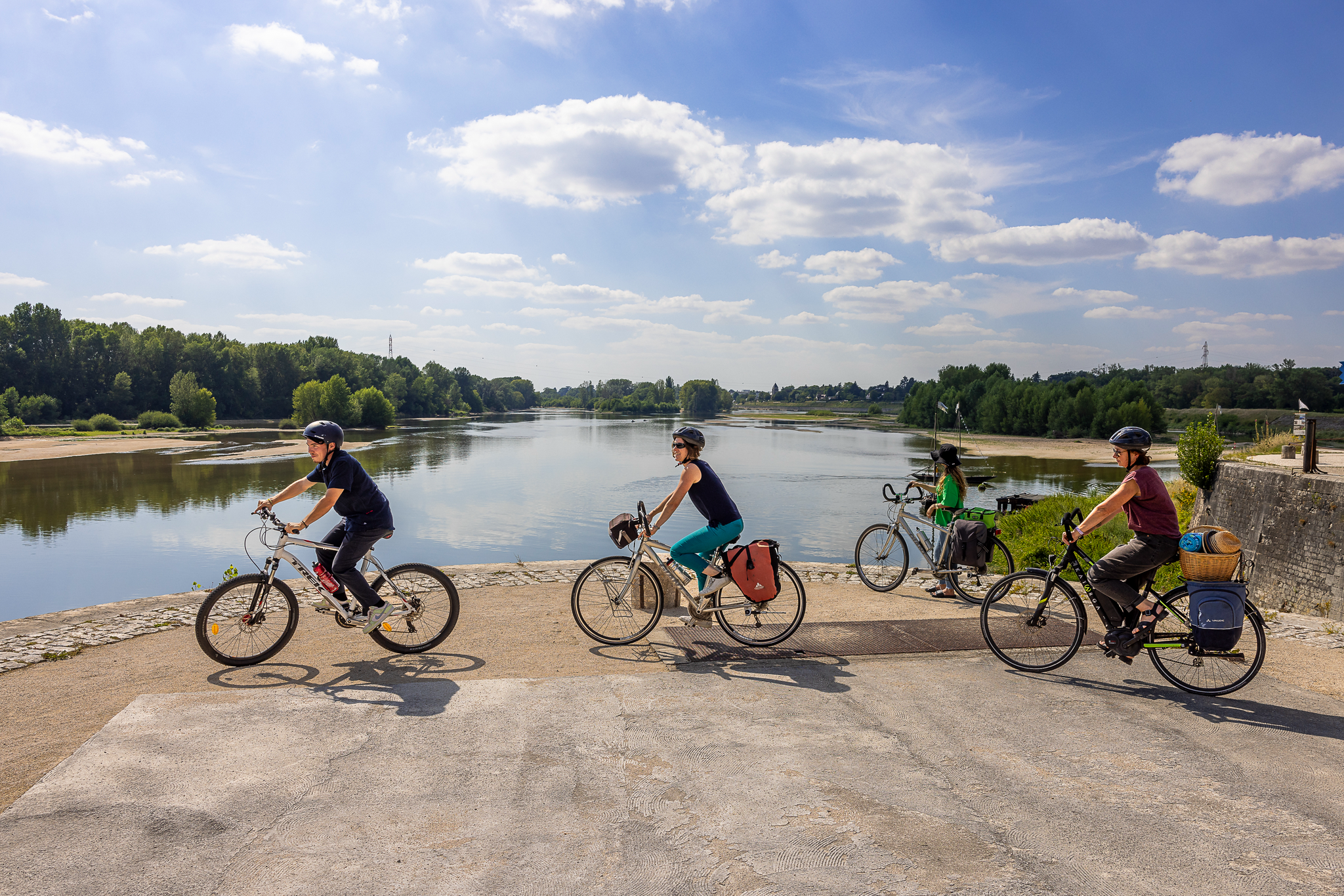
The most beautiful cycling routes in the Loire Valley
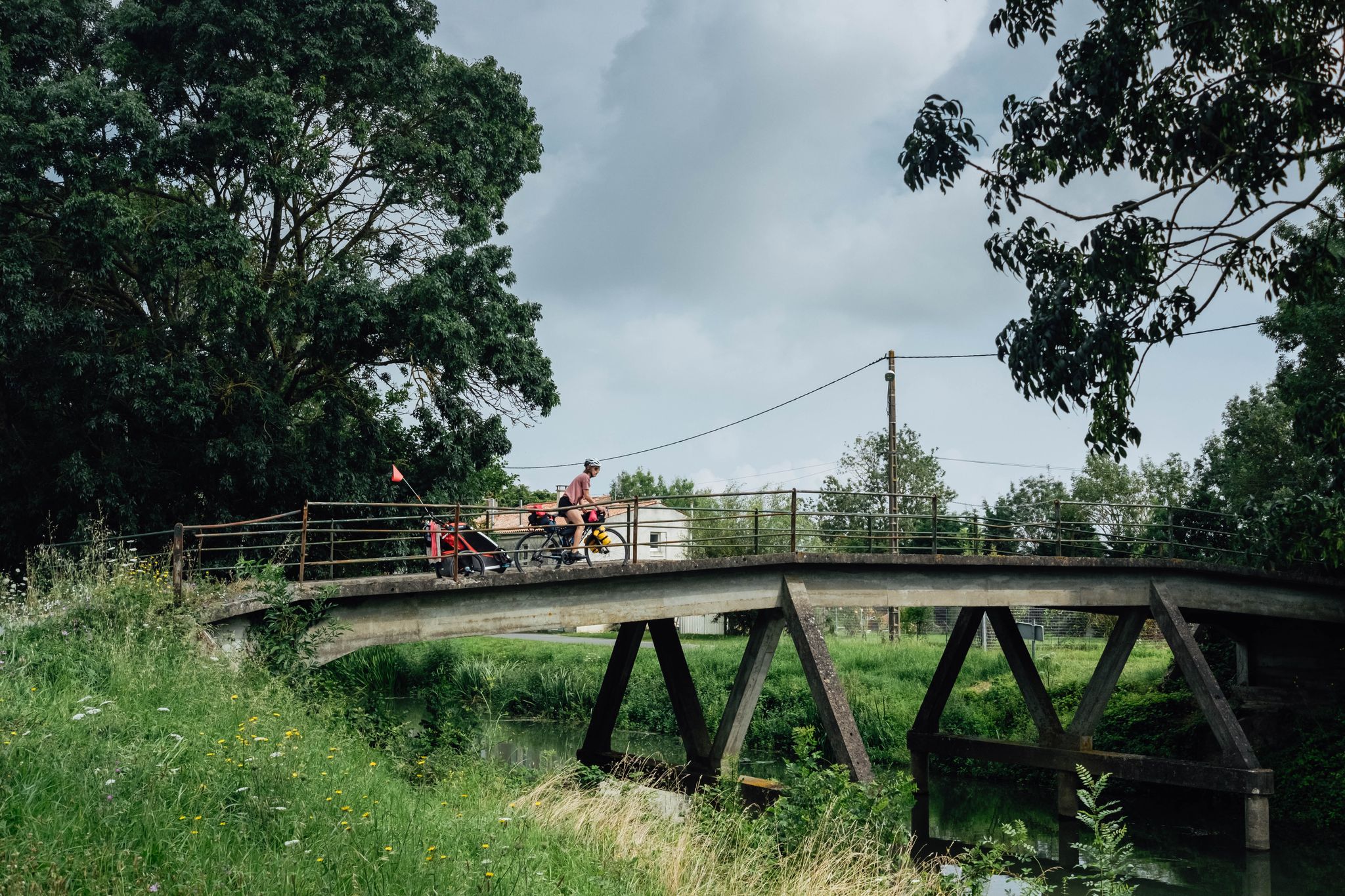
Our first family bike adventure in Western France
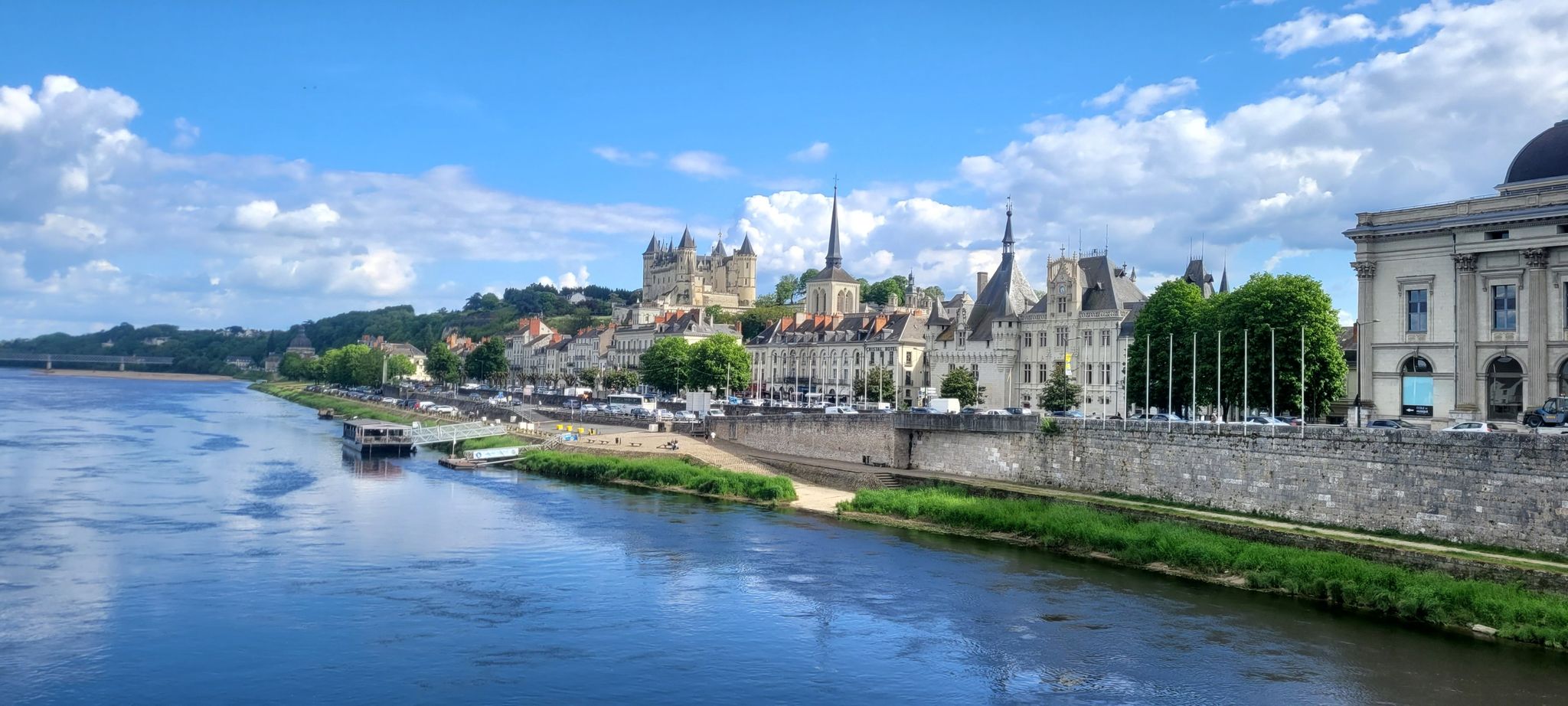
The Loire from ocean to the source – GR 3 from Angers to Tours
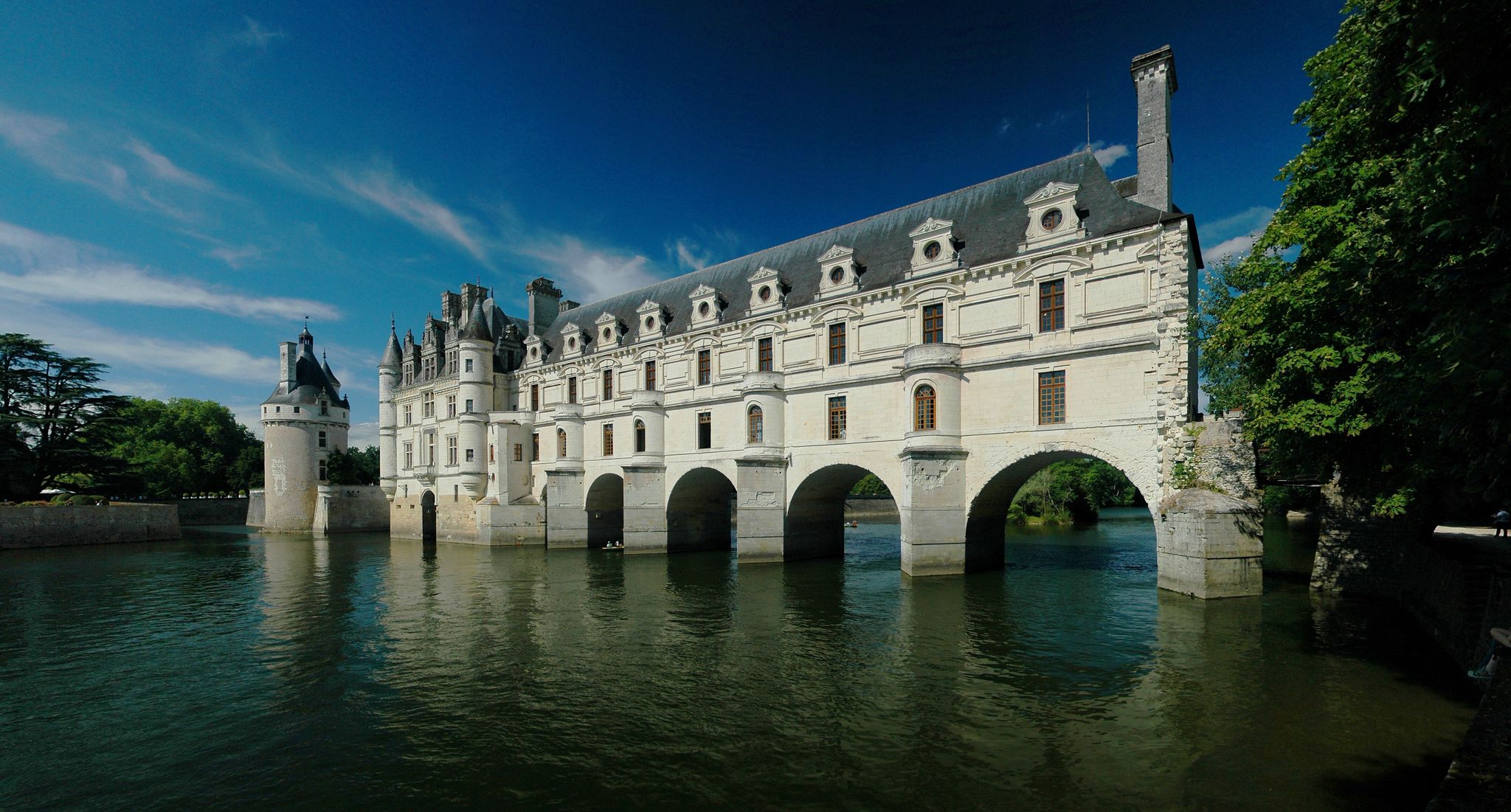
Between Touraine and Berry – France’s Indre River by bike
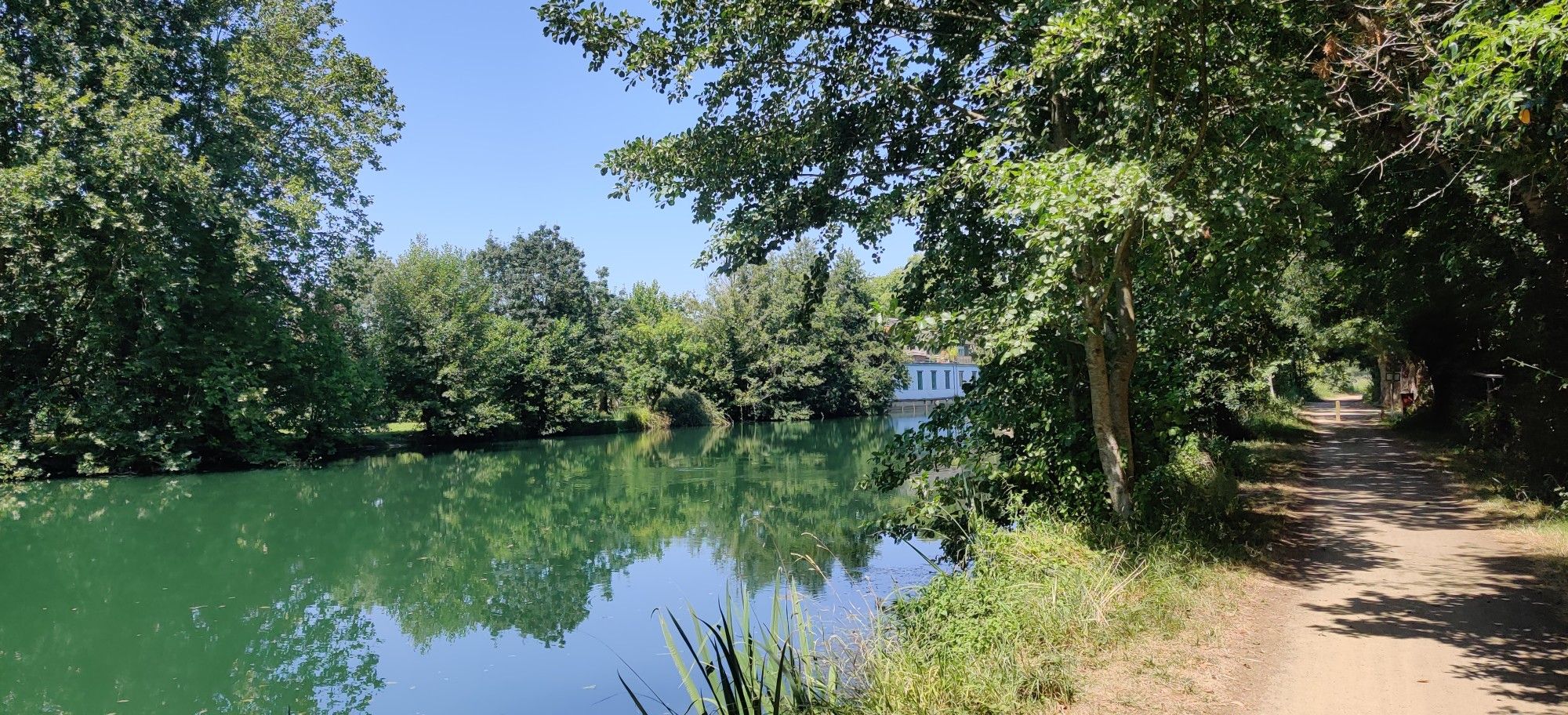
From Ouistreham to La Rochelle — riding the Vélo Francette
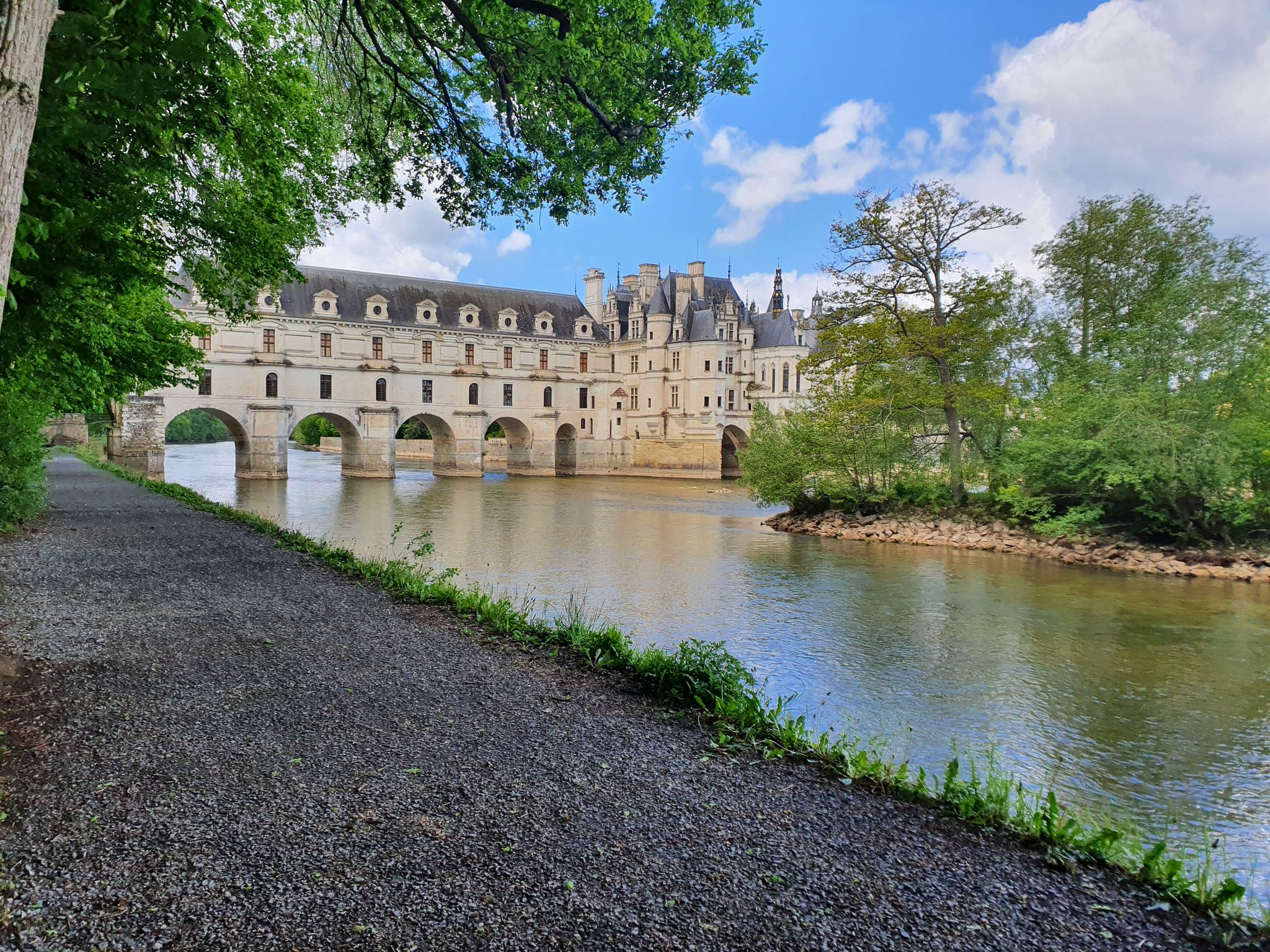
Unexpected castles – cycle the secret Loire Valley in France
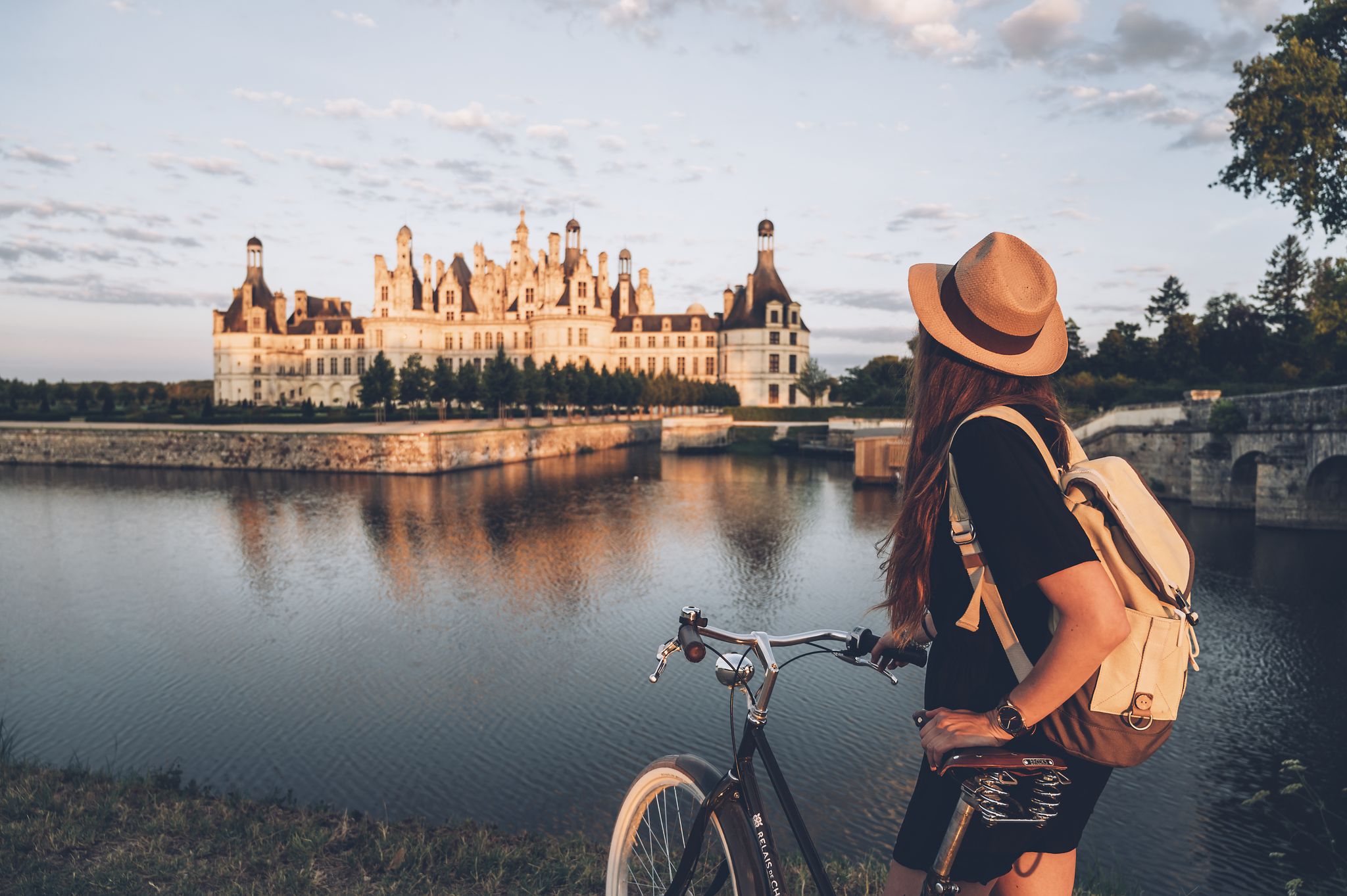
Nature and Culture — discover the Loire and its castles by bike
Other adventures in Loire-Anjou-Touraine


Tips from the Community

The sights are good but the terrain is not especially after high winds and heavy rain. Some people might find it tricky to navigate.
0
0

Beautiful gardens and an art collection in the castle.
0
0

The Joreau pond is part of the Loire-Anjou-Touraine regional natural park. Created by monks for fish farming purposes in the 18th century, it now hosts many walks.
1
0

Very nicely restored castle with an interesting art collection and beautiful gardens
0
0
Lovingly restored castle with an interesting art exhibition and beautiful gardens
0
0

Villandry Castle is one of the Loire Valley castles renowned for the beauty of its gardens. During the beautiful seasons, trees, shrubs and flowers color the decor with iridescent hues. Built between the 16th and 18th centuries, the castle is today a private property open to the public. It is possible to visit its interior which houses occasional and permanent exhibitions. The entire castle and its gardens were included in the list of historic monuments in 1927.
0
0

A few steps from the Château de Villandry, you will find these old freestone quarries dating from the Middle Ages and petrified caves. About 100 million years ago, in the secondary era, a shallow sea covered our region. At the bottom of the sea were deposited masses of chalk which, once exposed to the air, formed the dominant rock of the Loire Valley: the Tuffeau. This soft stone, but sufficiently hard, was used in the construction of the most elegant castles of the Loire. The quarries ended up being waterlogged and abandoned.
2
0
Frequently Asked Questions
What are the main natural features that define the Loire-Anjou-Touraine region?
The Loire-Anjou-Touraine Regional Natural Park is characterized by the Loire River, often called the "last wild river in Europe," and its tributaries. The landscape is a rich tapestry of forests, traditional hedged farmland (bocage), extensive vineyards, and diverse valleys. You'll also find unique geological formations like troglodytic caves carved from local tufa stone.
Where can I experience the natural beauty of the Loire River?
The Loire River is central to the region's natural beauty. You can experience its dynamic course and sandbanks at various points, such as the Loire Riverside at Turquant, which offers magnificent views. The confluence of the Vienne and Loire rivers near Candes-Saint-Martin also provides picturesque scenery.
What unique geological features can be found in Loire-Anjou-Touraine?
The region is well-known for its troglodytic sites, particularly the petrifying caves of Savonnière. These underground formations, often carved from local tufa stone, are not only historically significant but also serve as unique habitats for bats and offer a glimpse into the region's subterranean ecosystems.
Are there any significant natural habitats for wildlife in the park?
Yes, the park is rich in biodiversity. The Loire River and its tributaries create vital biotopes, supporting over 200 bird species, including terns nesting on sandbanks. The hedged farmland (bocage) provides excellent bird habitats, and calcareous grasslands are home to wild orchids. The troglodytic caves also serve as important shelters for various bat species.
What outdoor activities can I do near the natural monuments in Loire-Anjou-Touraine?
The region offers a wide range of outdoor activities. You can enjoy cycling along the Loire à Vélo paths, boat trips, or canoeing on the Loire River. For those who prefer land-based activities, there are numerous opportunities for hiking and mountain biking. You can find more details on routes like those in the MTB Trails in Loire-Anjou-Touraine guide or the Gravel biking in Loire-Anjou-Touraine guide.
Are there easy hiking trails suitable for all visitors?
Yes, the park offers many easy and pleasant walks suitable for all. For example, around Étang de Joreau, you can find walks through woods, perfect for discovering forest vegetation and animal footprints. You can explore more options in the Easy hikes in Loire-Anjou-Touraine guide.
Where can I go for a tranquil walk in nature?
For a tranquil experience, visit Étang de Joreau. This pond, originally created by monks for fish farming, now serves as a serene natural area perfect for walks. It's a great spot to observe forest vegetation and various bird species in a peaceful setting.
Are there family-friendly natural monuments in Loire-Anjou-Touraine?
Many natural sites in Loire-Anjou-Touraine are family-friendly. The Gardens of the Château de Villandry, while part of a castle, are renowned for their lavishly landscaped gardens, offering an engaging experience for all ages. Étang de Joreau is also ideal for families, with picnic areas and easy walks. The petrifying caves of Savonnière offer an intriguing historical and natural exploration suitable for families.
Are any natural monuments in Loire-Anjou-Touraine wheelchair accessible?
While the region offers many natural sites, specific information on wheelchair accessibility for all natural monuments can vary. Some paths along the Loire River or within well-maintained park areas might offer easier access. It is recommended to check specific site details or contact local tourism offices for the most up-to-date accessibility information for individual locations.
What is the best time to visit the natural monuments in Loire-Anjou-Touraine?
The best time to visit is generally from spring to autumn (April to October). During these months, the weather is pleasant for outdoor activities like hiking, cycling, and boat trips. Spring brings blooming flora, while autumn offers beautiful colors, especially in the forests and vineyards. Birdwatching is excellent in spring and early summer.
Can I bring my dog to the natural monuments and trails?
Many natural areas and trails within the Loire-Anjou-Touraine Regional Natural Park are dog-friendly, especially if dogs are kept on a leash. However, specific rules can vary by location, particularly in designated sensitive natural areas or within private estates like the gardens of châteaux. Always check local signage or specific site regulations before visiting with your dog.
Are there any specific areas dedicated to nature conservation?
Yes, the park includes several designated "Espaces naturels sensibles" (Sensitive Natural Areas). These areas, such as the Bocage du Véron, Coteau de la Rebufière, Stunted Wood (Bois chétif), and La Pomardière, are recognized for their particular ecological value and are managed for conservation. Visiting them allows for a deeper appreciation of the park's biodiversity.
What do visitors enjoy most about the natural monuments in Loire-Anjou-Touraine?
Visitors particularly appreciate the harmonious blend of natural beauty and cultural heritage. The dynamic course of the Loire River, the tranquil environment of places like Étang de Joreau, and the unique geological formations of the troglodytic caves are frequently highlighted. The region's diverse landscapes, from forests to vineyards, also offer a wide range of scenic experiences.
Most popular routes in Loire-Anjou-Touraine
Most popular attractions in Loire-Anjou-Touraine

Get inspired with the komoot mobile app


