Top 13 Natural Monuments in Camargue
Natural monuments in Camargue showcase a vast wetland at the mouth of the Rhône River, characterized by its unique ecosystems and biodiversity. This region features expansive lagoons, marshes, and salt flats, with a flat terrain where the highest point is only 4.5 meters above sea level. The Camargue landscape is recognized for its role as a significant migratory stopover, hosting a large percentage of France's bird species. These natural areas offer opportunities to experience the region's distinctive natural heritage.
Best natural monuments in Camargue
- The most popular natural monuments is Flamingo Observation in the Camargue Regional Natural Park, a natural monument that serves as a critical habitat for the largest colony of pink flamingos in the western Mediterranean. This site offers opportunities for wildlife watching Camargue natural monuments, particularly for observing these birds in their natural environment.
- Another must-see spot is Camargue Wetlands, a vast natural environment extending over more than 6,500 hectares. Visitors can expect to find diverse aquatic and terrestrial environments, including lagoons and dune complexes near the Mediterranean Sea.
- Visitors also love Piémanson Beach, a beach that offers a long route through the salt pans. This location is special for its expansive coastal views and its history as a popular spot for beachgoers.
- Camargue is known for its wetlands, salt flats, and beaches. The region offers a variety of natural monuments to see and explore, from bird-rich lagoons to unique salt marshes and coastal areas.
- The natural monuments in Camargue are appreciated by the komoot community, with 135 upvotes and 7 photos shared by visitors.
Last updated: June 27, 2026
Flamingo Observation in the Camargue Regional Natural Park
Highlight • Natural Monument
The pink flamingo is one of the 340 species of birds
Fauna of the Camargue. Probably the most fascinating bird.
This largest colony of pink flamingos in the western Mediterranean has been breeding on a breeding island since the beginning of the 1970s
in the Camargue.
Scientists and nature lovers have created an extensive program to protect the flamingo and also to provide it with a comfortable habitat. The place where the flamingos nest was owned by the Compagnie des Salins du Midi until the end of 2008. Today this extraordinary area belongs to the Conservatoire du Littoral. The greatest vigilance is required to protect the reproduction, because the colony in the delta is exceptional and of worldwide notoriety (10 to 15,000 pairs annually).
In order to observe the birds during their wedding parades, it is essential to follow the instructions of the staff of the nature park and the bird protection organization.
In order not to disturb the peace of these very shy birds, it is not possible to visit the breeding island itself.
Special tours of this area, unique in France, are offered from April to the end of September.
Translated by Google •
Tip by

Camargue Wetlands
Highlight • Natural
Translated by Google •
Tip by

Sign up now to discover places like this
Get recommendations on the best single tracks, peaks, & plenty of other exciting outdoor places.
Sign up for free
Piémanson Beach
Highlight • Beach
Translated by Google •
Tip by

Domaine Paul Ricard de Méjanes
Highlight • Natural
The Camargue is a breed of small saddle horse with a gray coat, native to the region of the same name, south of France in the Rhone delta, the departments of Gard and Bouches-du-Rhone. This horse lives traditionally in freedom in its original swamps and its genealogy remains mysterious, although it is considered as one of the oldest races of the world. Camargue foals are born with a dark robe and become lighter as they age, until they become almost white. fr.wikipedia.org/wiki/Camargue_(cheval)
Translated by Google •
Tip by

Camargue Salt Flats
Highlight • Natural Monument
Translated by Google •
Tip by

Sign up for free to discover even more natural monuments in Camargue.
Sign up for free
Already have an account?
Start today with a free account
Your next adventure awaits.
Login or Signup
Popular around Camargue
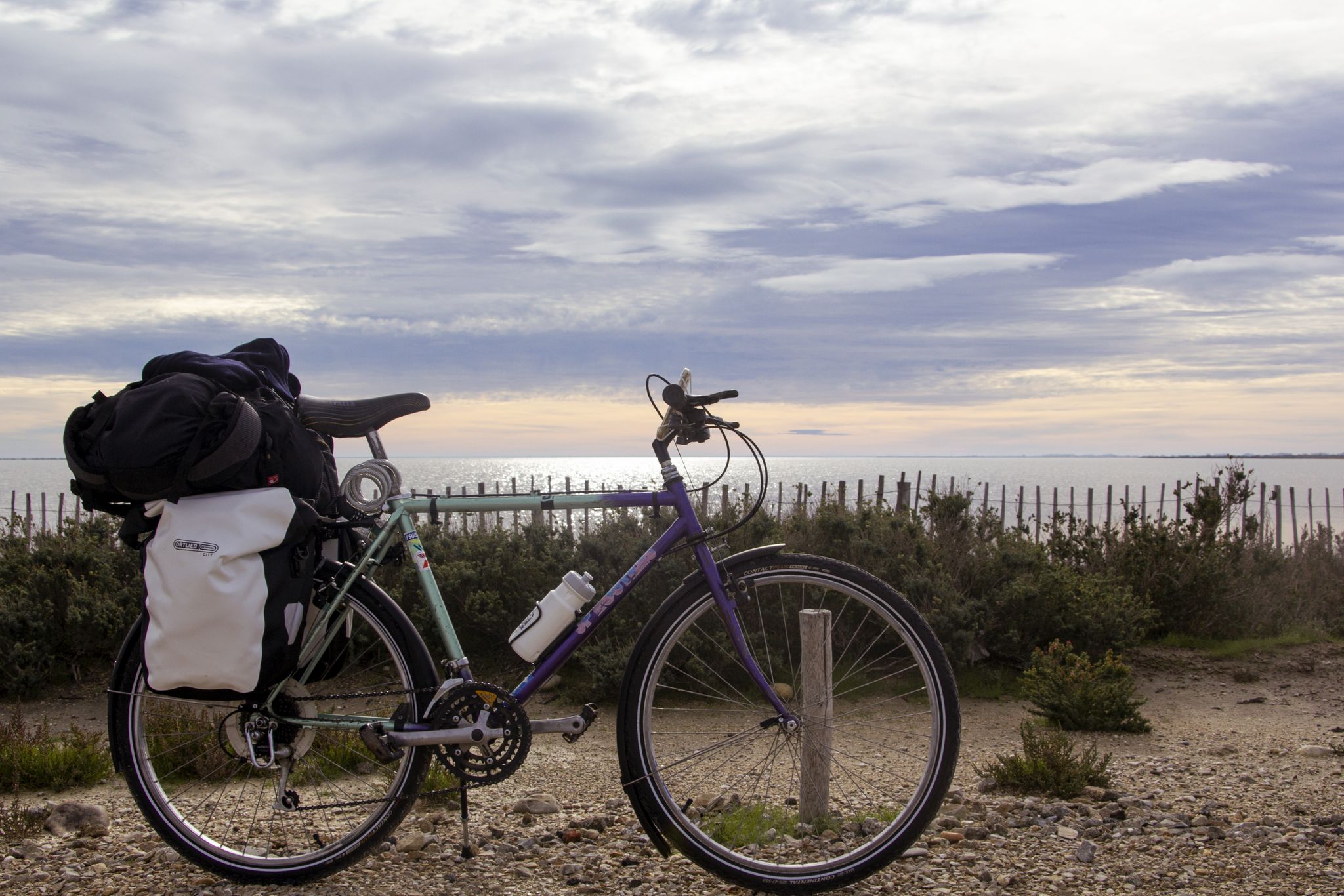
From Marseille to Montpellier — France's south coast by bike
Europe’s Seasonal Birding Hotspots
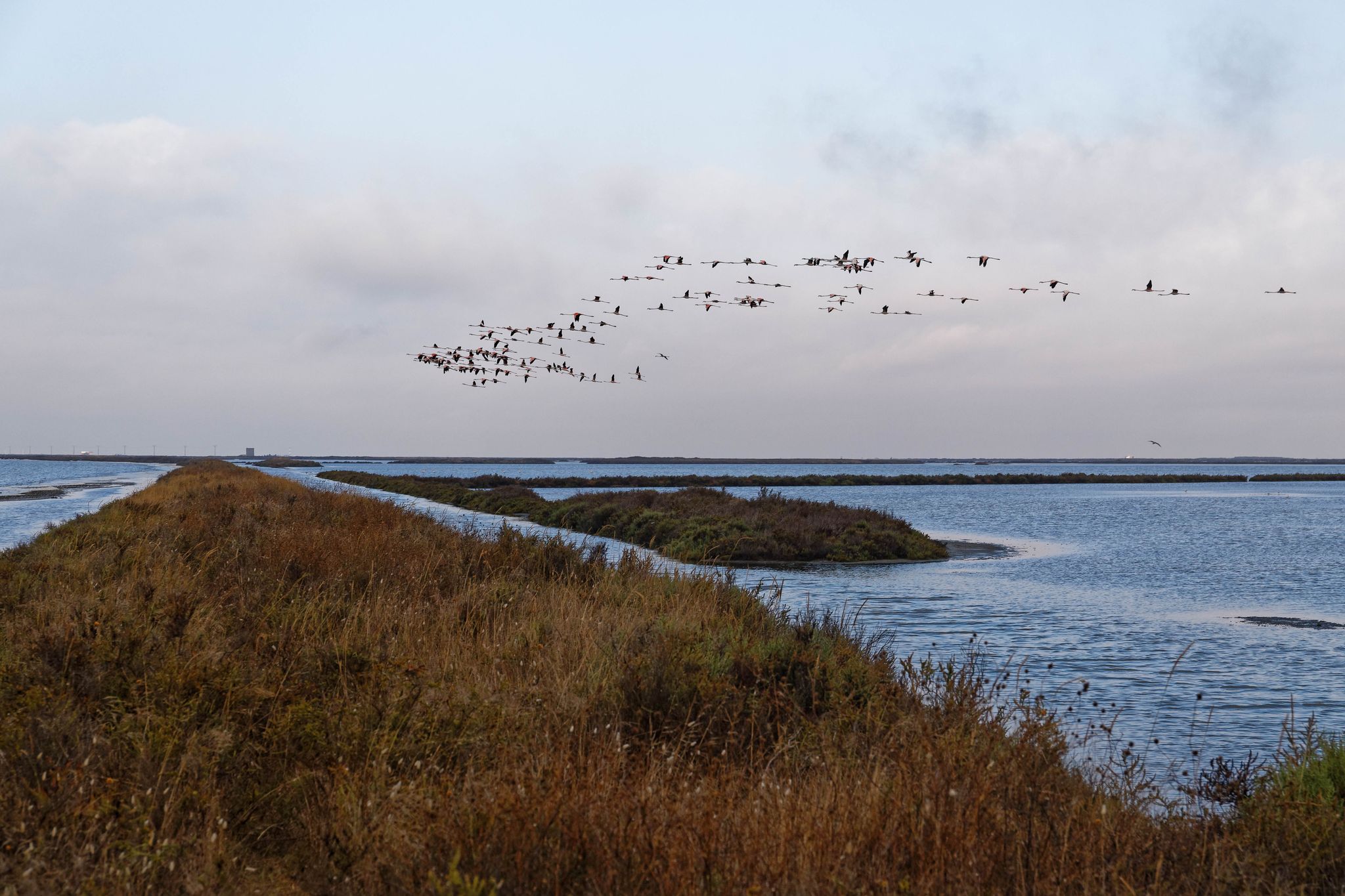
Provence to the Camargue – a journey along the Mediterranean borders
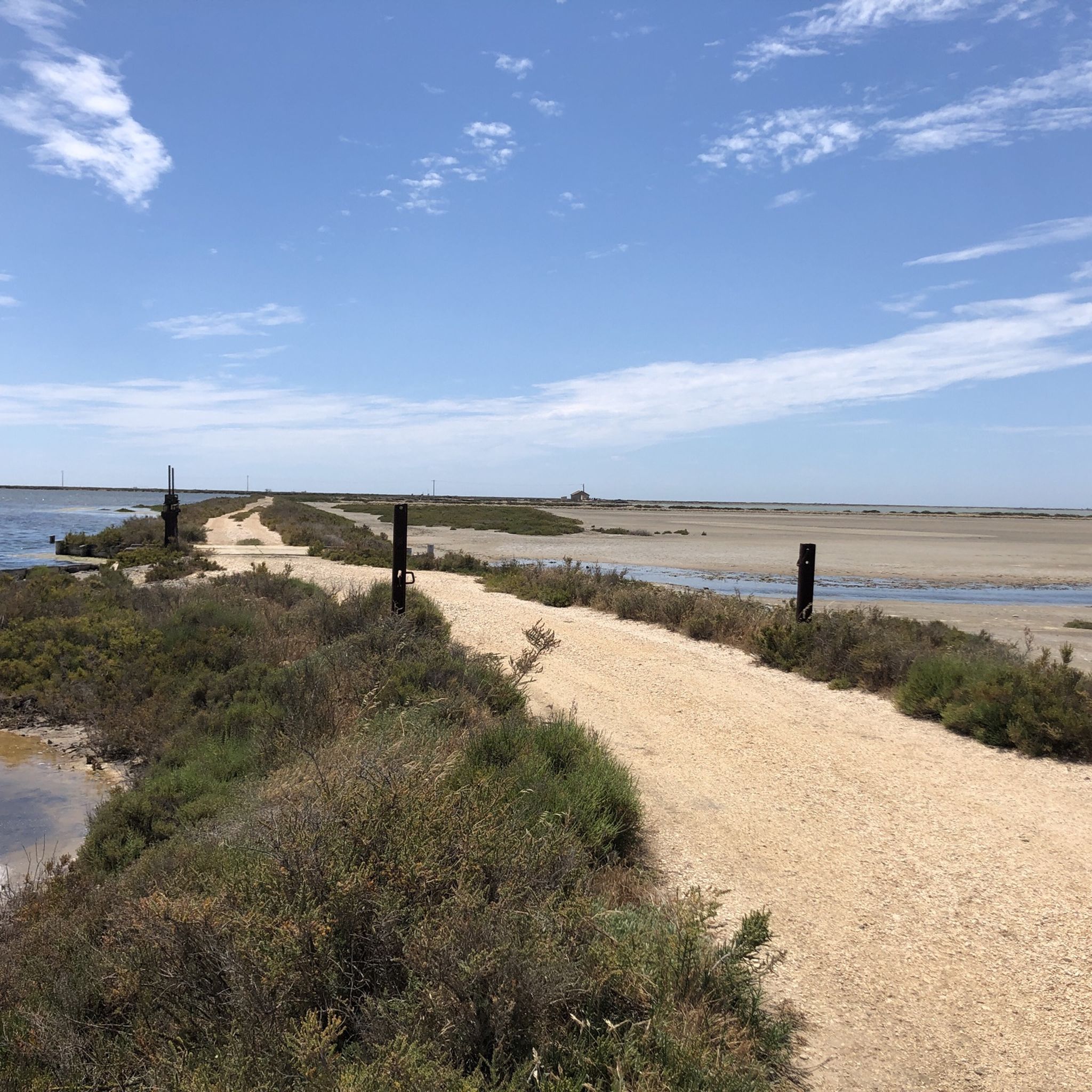
Cycling in Camargue
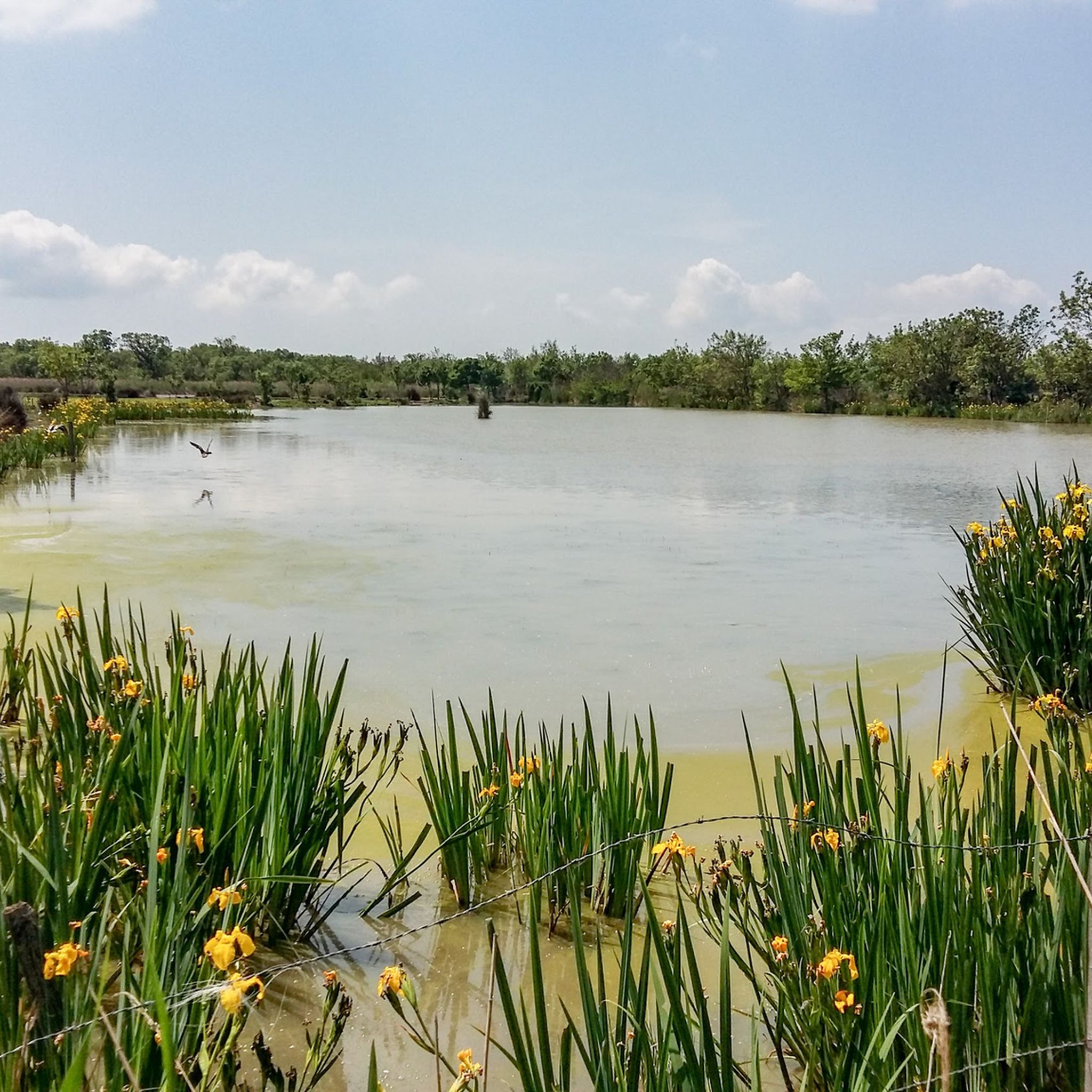
Hiking in Camargue
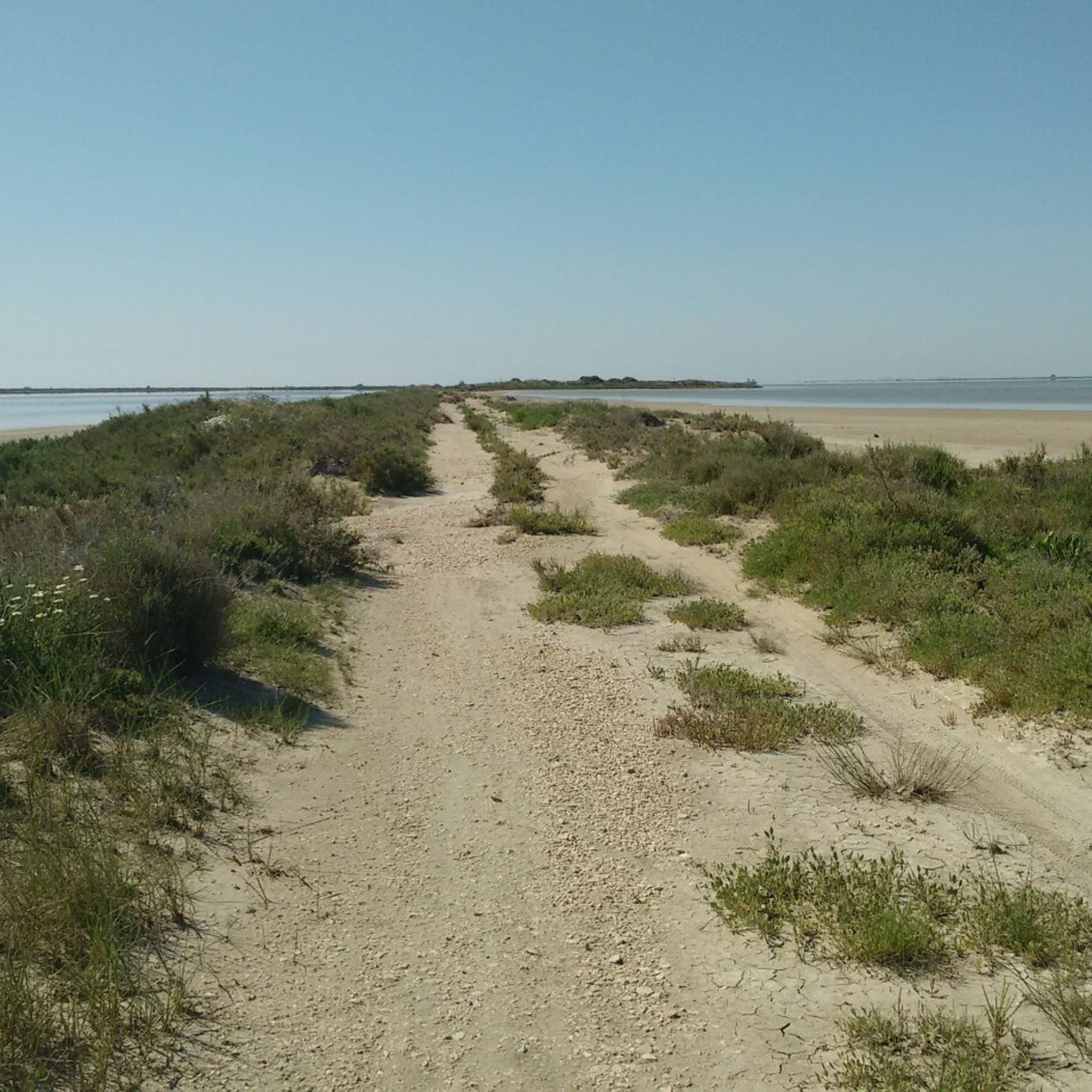
MTB Trails in Camargue
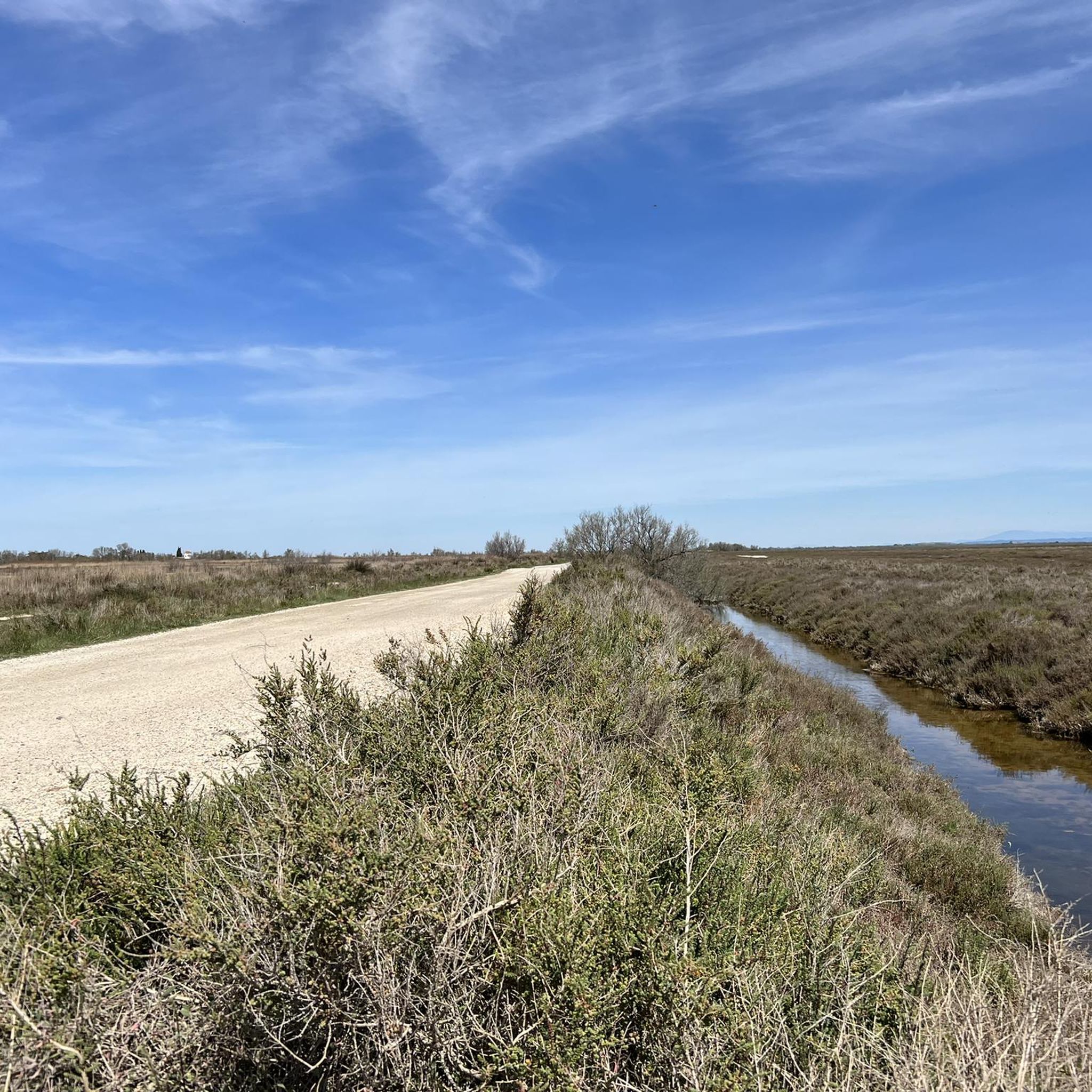
Running Trails in Camargue
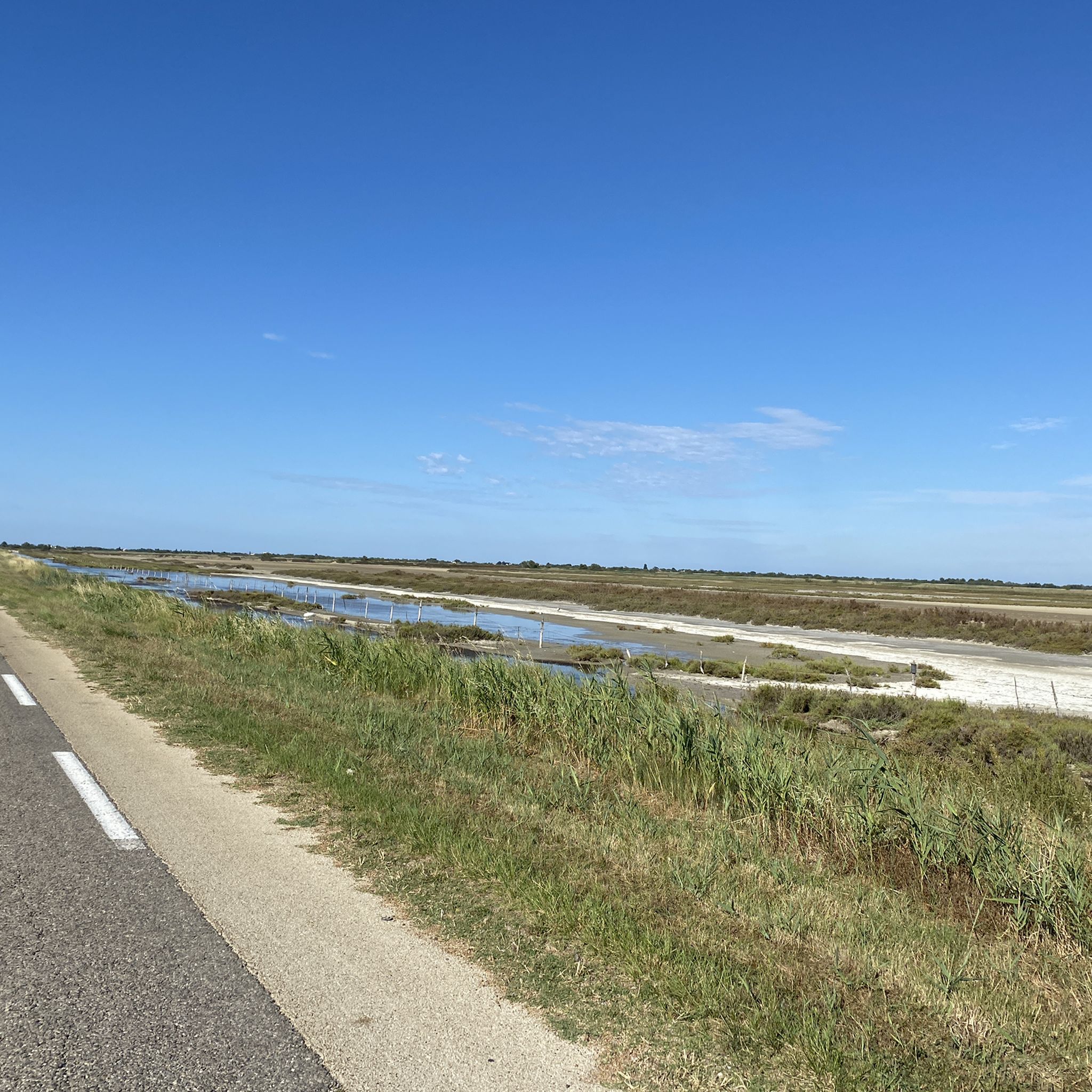
Road Cycling Routes in Camargue

Gravel biking in Camargue


Tips from the Community

Years ago I spent a lovely holiday here in Saint Marie de la Mer, if not the most lovely holiday in my life. I've been to Provence several times, visited La Grande Motte and the Pont du Gard, the Arena of Nimes, Avignon, Marseille and much more, it is beautiful here on the Mediterranean, have a nice holiday everyone. 🙋👍
0
0

THE FLAMINGO The pink flamingo is one of the 340 species of birds Fauna of the Camargue. Probably the most fascinating bird. This largest colony of pink flamingos in the western Mediterranean has been breeding on a breeding island since the beginning of the 1970s in the Camargue. Scientists and nature lovers have created an extensive program to protect the flamingo and also to provide it with a comfortable habitat. The place where the flamingos nest was owned by the Compagnie des Salins du Midi until the end of 2008. Today this extraordinary area belongs to the Conservatoire du Littoral. The greatest vigilance is required to protect the reproduction, because the colony in the delta is exceptional and of worldwide notoriety (10 to 15,000 pairs annually). In order to observe the birds during their wedding parades, it is essential to follow the instructions of the staff of the nature park and the bird protection organization. In order not to disturb the peace of these very shy birds, it is not possible to visit the breeding island itself. Special tours of this area, unique in France, are offered from April to the end of September.
0
0

This vast natural environment, located southeast of the Vaccarès site. They extend over more than 6,500 ha and include partly aquatic and terrestrial environments dominated by fresh water along the old arm of the Rhône, and partly extensive lagoon and dune complexes near the Mediterranean Sea. The successive advancement of the coastlines has created huge ranges of dune ridges on this site, which have gradually isolated some of the ponds and Etangs. Apart from the belts of dunes that cover more than 300 ha, the height of the Camargue is very often close to or below sea level. The vast areas without emerging vegetation, consisting of mud flats, etangs and brackish pools and more or less temporarily salted, cover more than 80% of the Camargue.
11
0

Above all, the way higher through the salt pans is worth the trip - due to the rather long route, it is more likely to be by car than on foot, but there is enough space here to stretch your feet.
5
0

The beach Plage de Piemanson should be familiar to most fans of the south of France. Until 2015, wild camping was tolerated there directly on the beach. Since the beach now looked like a shabby, overcrowded and, above all, full of garbage, the main municipality of Arles took action and had the beach cleared. After consultation with the municipality of Salin-De-Giraud, the beach was then released again as a parking area at least between 6 a.m. and 10 p.m. The business people reportedly had around 60% sales losses in the months of May to September 2015 compared to 2016. Salin-De-Giraud created a larger free accommodation area and a supply / disposal station.
6
1

The Camargue is home to the fleur de sel, the fine, mineral-rich and crispy salt crystals that every gourmet is familiar with. Here the salt is not produced industrially, but with the help of the sea and the sun, just like 2,000 years ago. An impressive craft!
3
0

Flooded with sea water areas have here all summer time to dry out again.
5
0

This is a passage with good chances to see the famous wild horses. Wikipedia gives a definition: The Camargue is a breed of small saddle horse with a gray coat, native to the region of the same name, south of France in the Rhone delta, the departments of Gard and Bouches-du-Rhone. This horse lives traditionally in freedom in its original swamps and its genealogy remains mysterious, although it is considered as one of the oldest races of the world. Camargue foals are born with a dark robe and become lighter as they age, until they become almost white. https://fr.wikipedia.org/wiki/Camargue_(cheval)
6
2
Frequently Asked Questions
What are some of the most popular natural monuments in Camargue?
Visitors frequently enjoy the unique biodiversity of the region. Highly regarded spots include Flamingo Observation in the Camargue Regional Natural Park, which is a critical habitat for flamingos, and the expansive Camargue Wetlands. Another favorite is Piémanson Beach, known for its coastal views and access through the salt pans.
Where can I best observe wildlife, especially flamingos, in Camargue?
For guaranteed close-up views of pink flamingos and other bird species, the Pont de Gau Ornithological Park is highly recommended. It features well-maintained trails and observation platforms. The vast Flamingo Observation in the Camargue Regional Natural Park also offers opportunities to see these iconic birds in their natural environment, particularly around the Étang de Vaccarès, a significant feeding ground.
Are there family-friendly natural monuments to visit in Camargue?
Yes, several natural monuments are suitable for families. The Flamingo Observation in the Camargue Regional Natural Park and Piémanson Beach are both listed as family-friendly. The Pont de Gau Ornithological Park also offers accessible trails for buggies and wheelchairs, making it ideal for all ages to enjoy birdwatching.
What unique landscapes can I expect to see in Camargue?
Camargue is defined by its diverse and striking landscapes. You can explore the vibrant pink hues of the Salin-de-Giraud Salt Marshes, which contrast with the green marshlands and feature 'mountains of white gold' from harvested salt. The Camargue Salt Flats are also a must-see, showcasing the traditional salt harvesting process. Additionally, the region boasts vast wild expanses of salt marshes and 'sansouires' where Camargue horses and bulls roam.
What outdoor activities can I do near the natural monuments in Camargue?
The Camargue offers excellent opportunities for outdoor activities. You can enjoy cycling on routes like 'The Regional Natural Reserve of the Tour du Valat in a loop' or 'Bataiyolles Pond – Camargue Salt Flats loop'. For more options, explore the Cycling in Camargue guide. Hiking is also popular, with trails such as 'Camargue at Saintes-Marie-de-la-Mer - loop' or 'Between Rice Fields and Reed Beds on the Pont de Rousty Trail'. Find more details in the Hiking in Camargue guide.
Are there specific hiking trails to explore the natural beauty of Camargue?
Yes, there are several trails that allow you to immerse yourself in the Camargue's natural beauty. Consider the easy 'Camargue at Saintes-Marie-de-la-Mer - loop in the Camargue Regional Natural Park' or the 'Between Rice Fields and Reed Beds on the Pont de Rousty Trail'. For more challenging options, the 'Flamingos – Notre-Dame-de-la-Mer Church loop' is a moderate hike. You can find more hiking routes in the Hiking in Camargue guide.
What is the best time of year to visit the natural monuments in Camargue?
Spring (April to June) and autumn (September to October) are generally considered the best times to visit. During these seasons, the weather is pleasant, and migratory birds are abundant, offering spectacular wildlife viewing opportunities. The halophilic plants in the sansouires also turn a striking red in autumn, adding to the scenic beauty.
Can I see the famous Camargue horses and bulls near these natural monuments?
Yes, the wild expanses of salt marshes and sansouires are where the emblematic white Camargue horses and black Camargue bulls roam freely. The Domaine Paul Ricard de Méjanes is a particularly good spot with high chances to see these famous wild horses, offering a glimpse into the region's unique equestrian traditions.
Are there any natural monuments in Camargue that are particularly accessible?
The Pont de Gau Ornithological Park is known for its accessibility, featuring well-maintained walking trails and observation platforms that are suitable for buggies and wheelchairs. This makes it an excellent choice for visitors with mobility considerations who wish to experience the region's rich avian biodiversity.
What do visitors enjoy most about the natural monuments in Camargue?
Visitors are consistently captivated by the region's unique biodiversity, especially the opportunity to observe large colonies of pink flamingos and other bird species. The vast, untamed landscapes, including the striking pink salt marshes and the sight of wild Camargue horses and bulls, also leave a lasting impression. The sense of freedom and expansive beauty found in this wetland environment is a major draw.
How long should I plan to spend exploring the natural monuments in Camargue?
To fully appreciate the diverse natural monuments and wildlife, it's recommended to dedicate at least 2-3 days. This allows time to visit key sites like the Pont de Gau Ornithological Park, explore the salt marshes, and perhaps embark on a cycling or hiking tour to experience the broader landscape and observe the wild horses and bulls.
Most popular routes in Camargue
Most popular attractions in Camargue

Get inspired with the komoot mobile app


Explore more
Extend your search for the best caves by checking out these guides of the top ones in Camargue:
