Top 5 Natural Monuments in Brière
Natural monuments in Brière are defined by the Brière Regional Natural Park, a significant wetland ecosystem located in Loire-Atlantique, France. Established in 1970, this park is recognized as France's second-largest marshland, encompassing over 40,000 hectares of peat bogs, canals, and reed beds. The region's natural heritage includes diverse ecosystems that support a variety of flora and fauna. It offers opportunities to explore unique landscapes and observe wildlife.
Best natural monuments in Brière
- The most popular natural monument is Port of…
Last updated: June 27, 2026
Dolmens of Kerbourg
Highlight • Historical Site
Translated by Google •
Tip by

Port of Bréca
Highlight • Natural Monument
We tested them on May 20. It was just awful!
You had to push our bikes in several places where …
Translated by Google •
Tip by

Sign up now to discover places like this
Get recommendations on the best single tracks, peaks, & plenty of other exciting outdoor places.
Sign up for free
Pointe de la Grande Île de Mesquéry
Highlight • Viewpoint
Translated by Google •
Tip by

Pierre Constant Site – Brière Marsh Nature Reserve
Highlight • Natural Monument
Translated by Google •
Tip by

Crossac
Highlight • Historical Site
Translated by Google •
Tip by

Sign up for free to discover even more natural monuments in Brière.
Sign up for free
Already have an account?
Start today with a free account
Your next adventure awaits.
Login or Signup
Popular around Brière
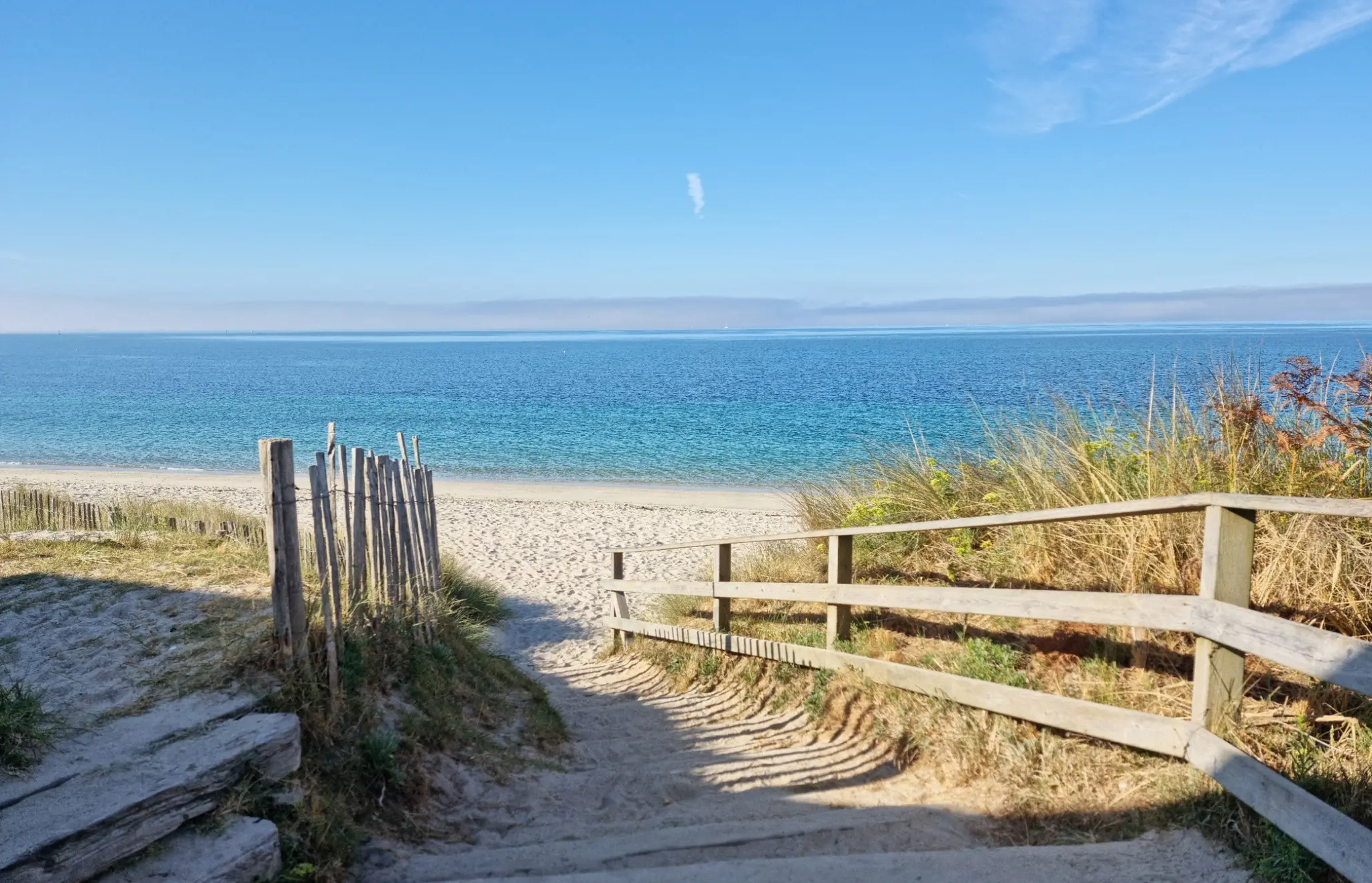
Cycling along the Breton coast - The Coastal (V45)
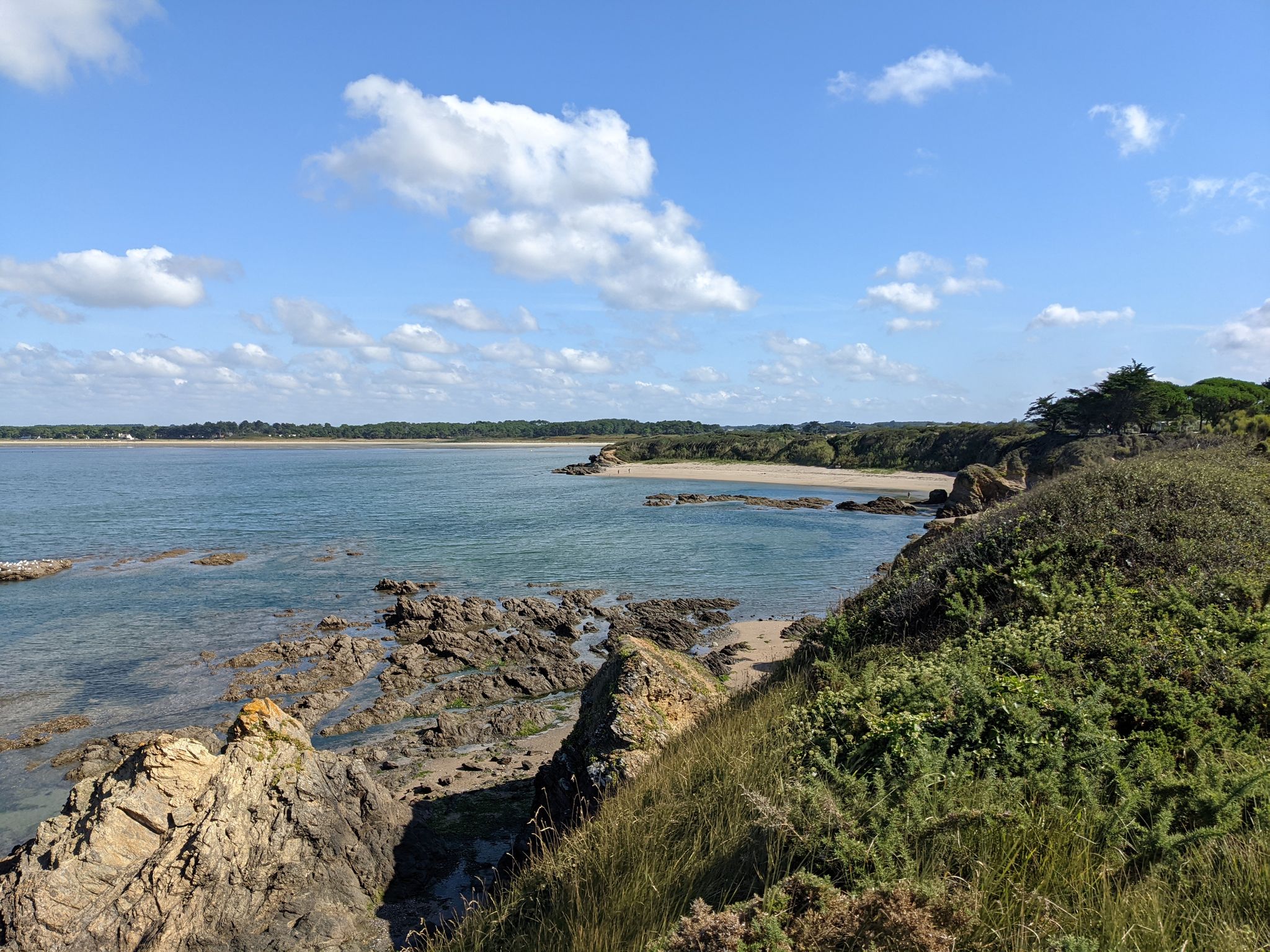
The Customs Officers’ path – GR 34 in Brittany part 2
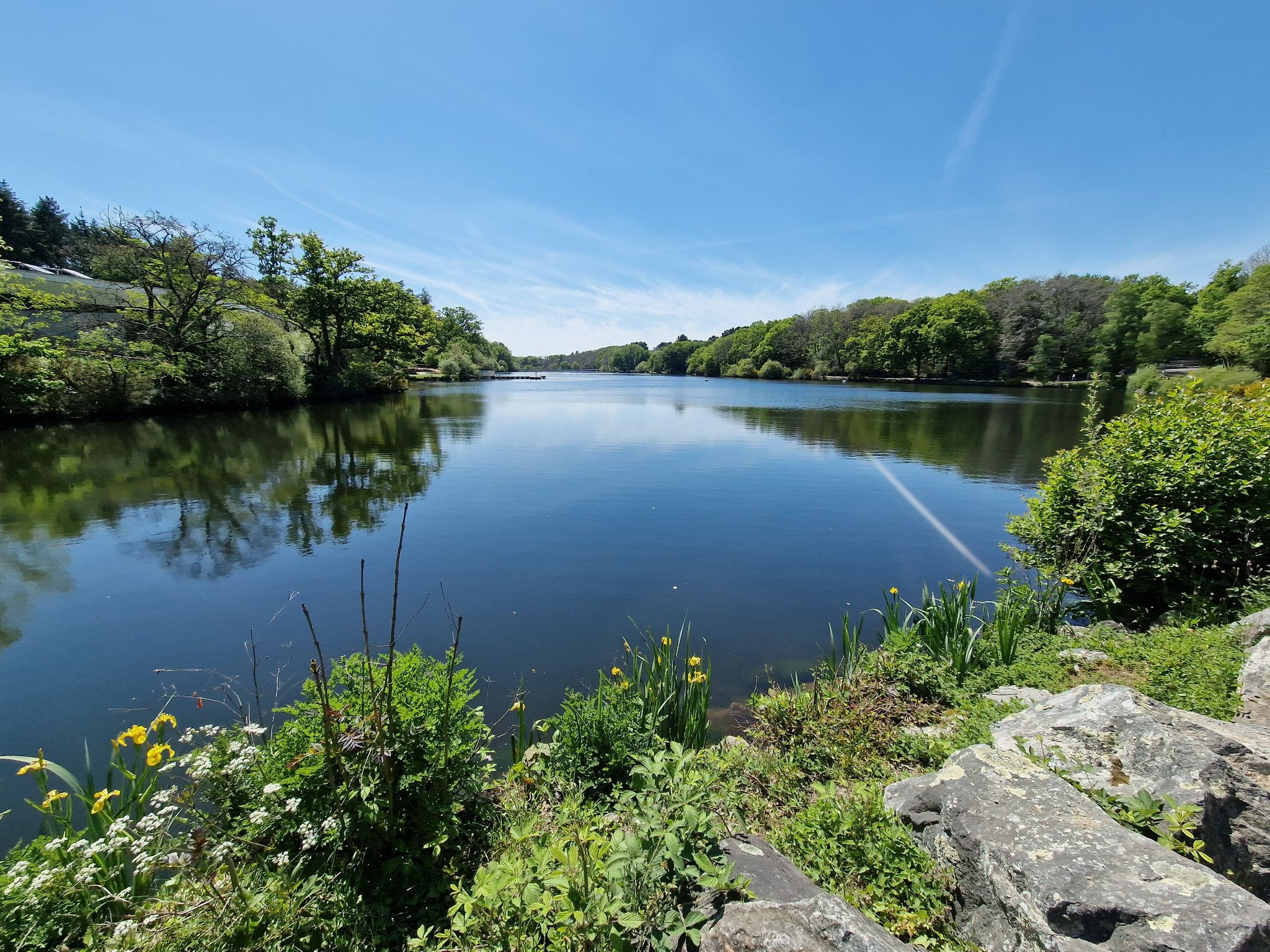
The Loire from ocean to source — GR3 La Baule-Escoublac to Nantes
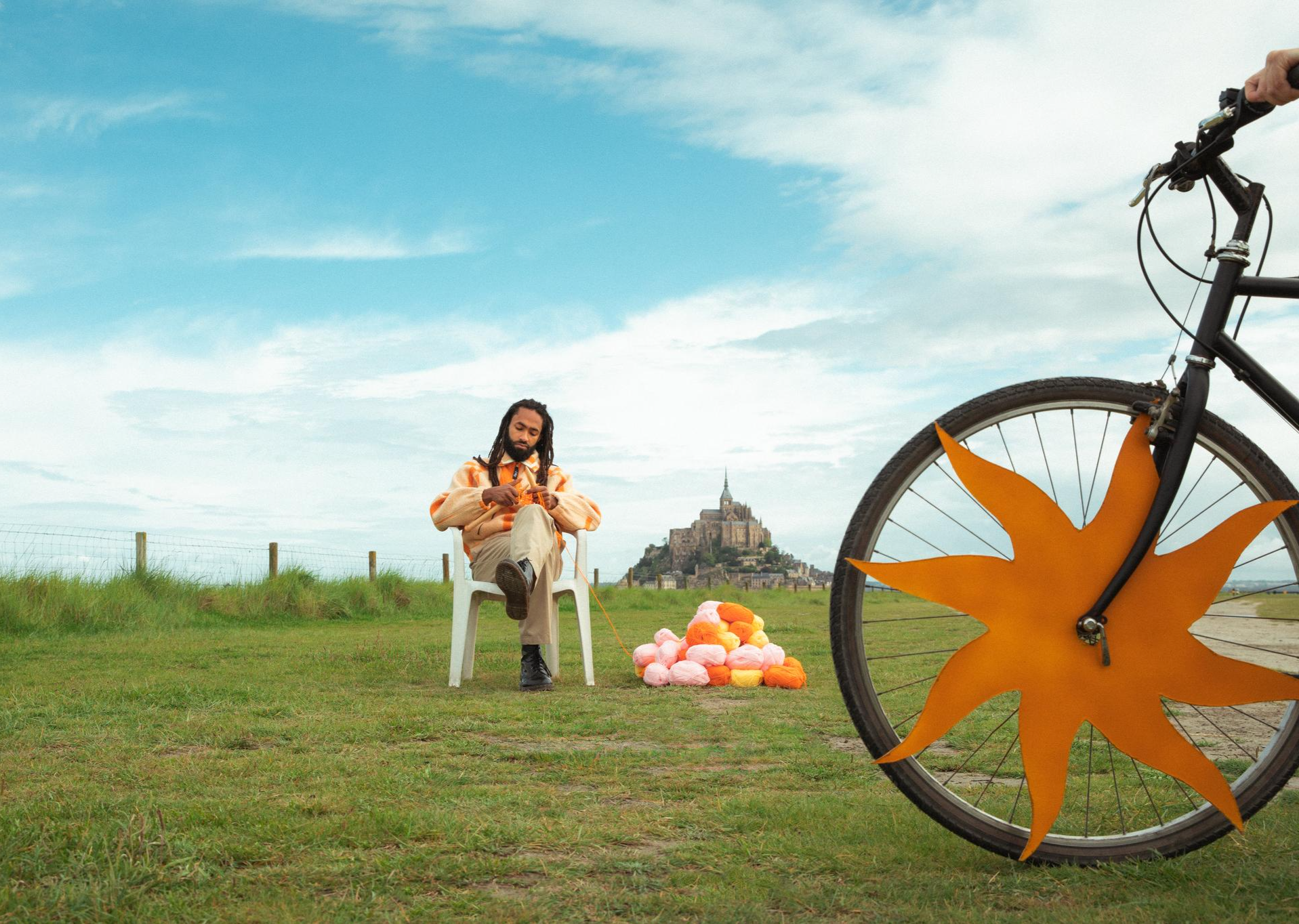
Brittany by bike – cycling from Nantes to Mont-Saint-Michel
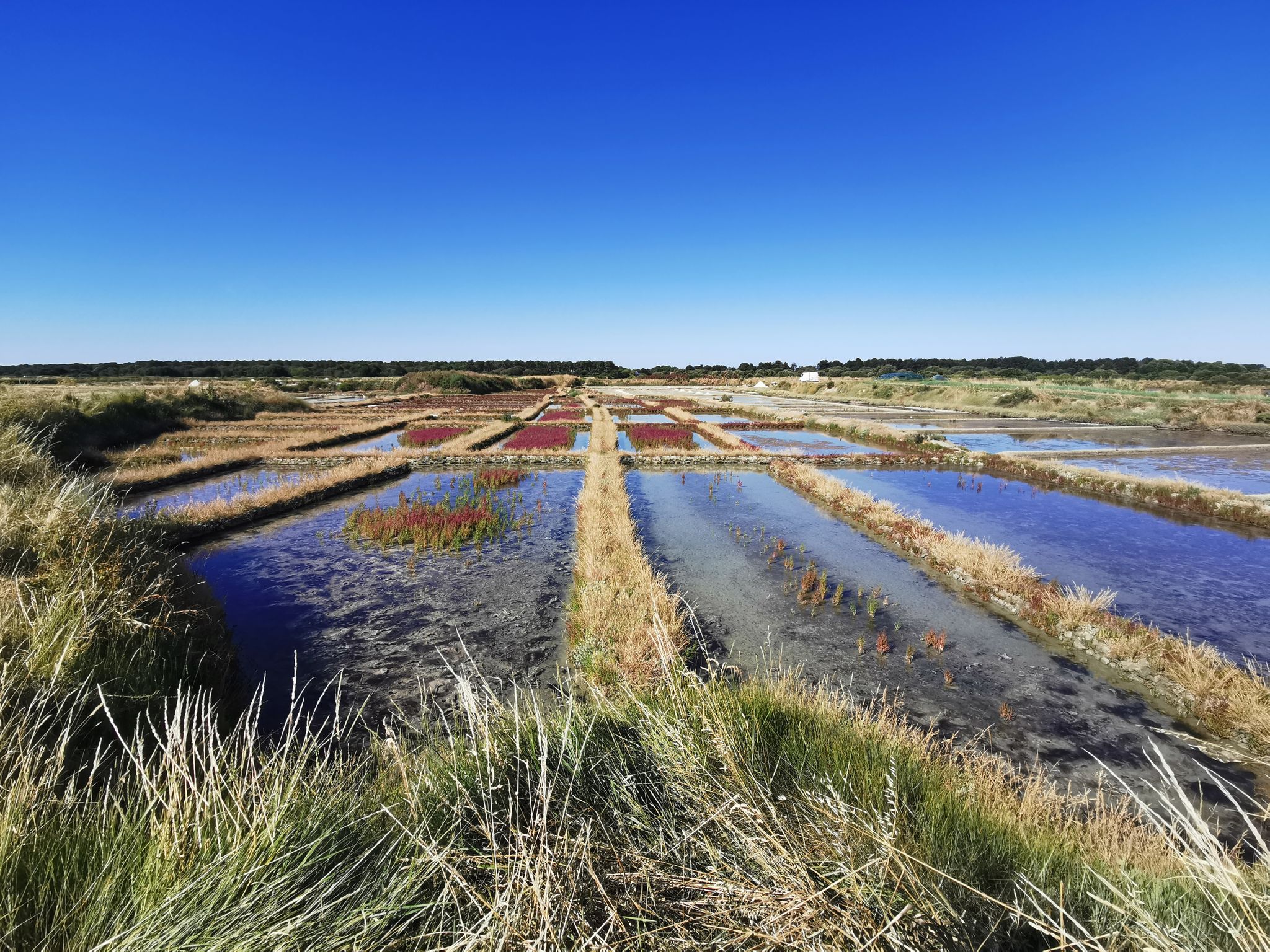
Ocean, salt marshes and villages – the Vélocéan
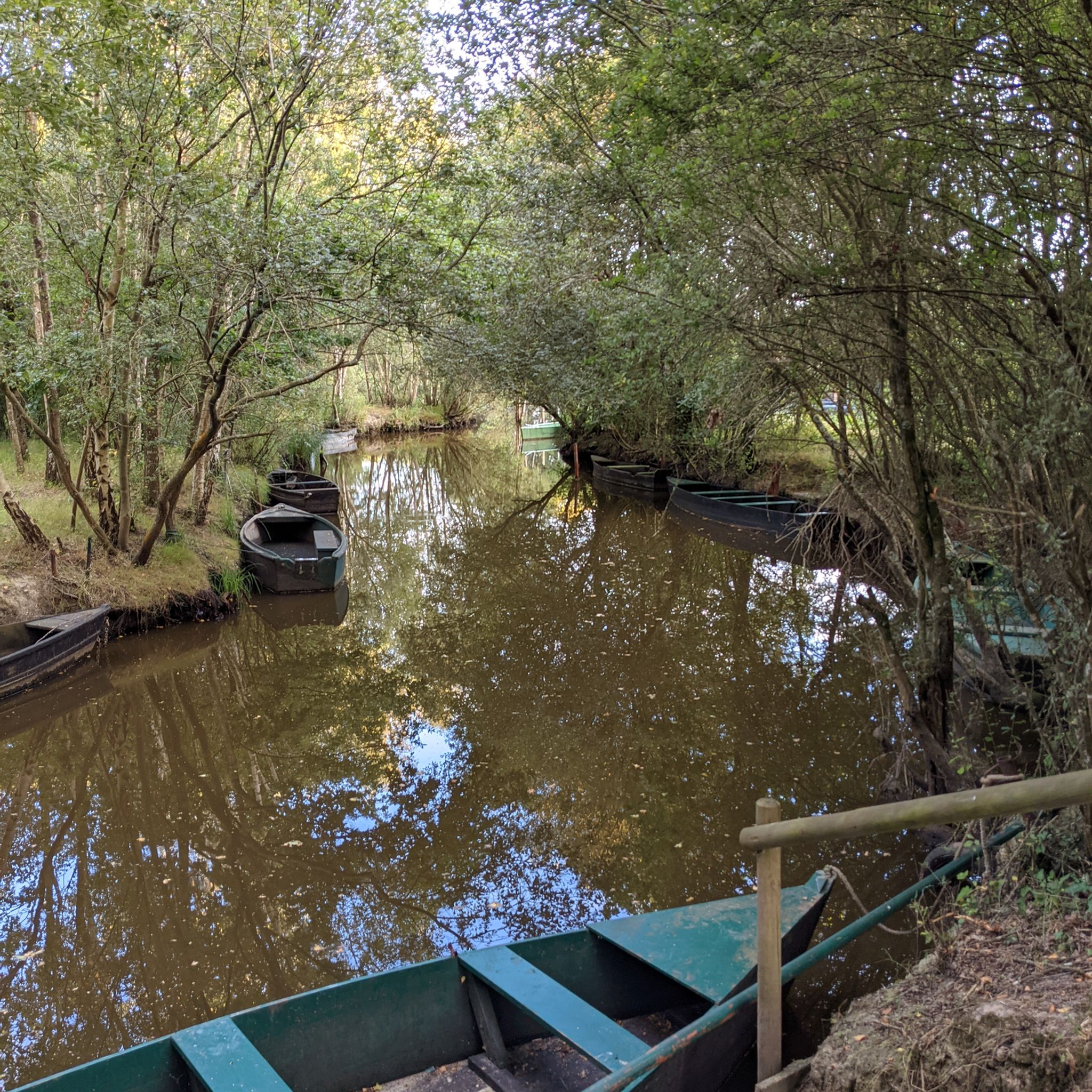
Hiking in Brière
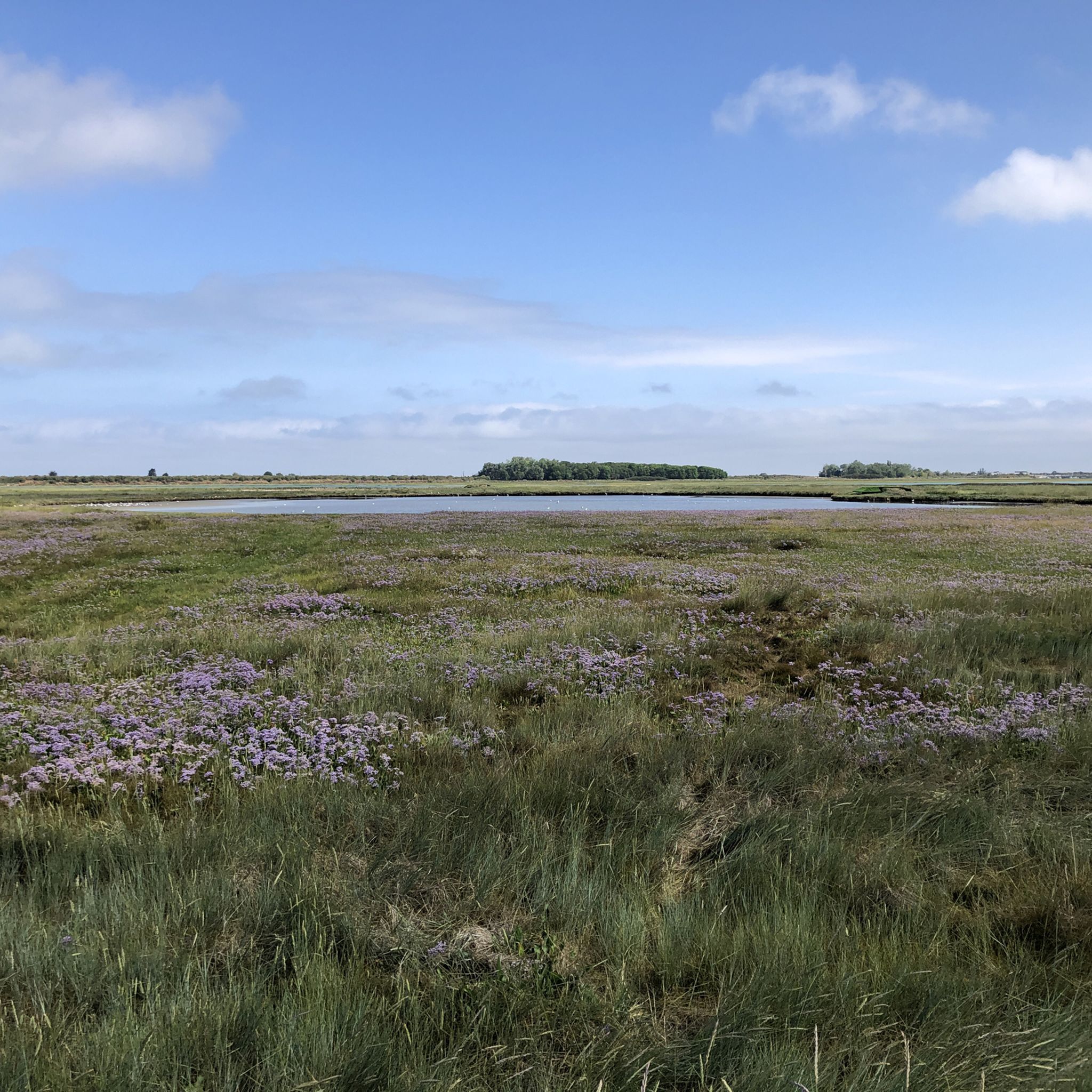
Cycling in Brière
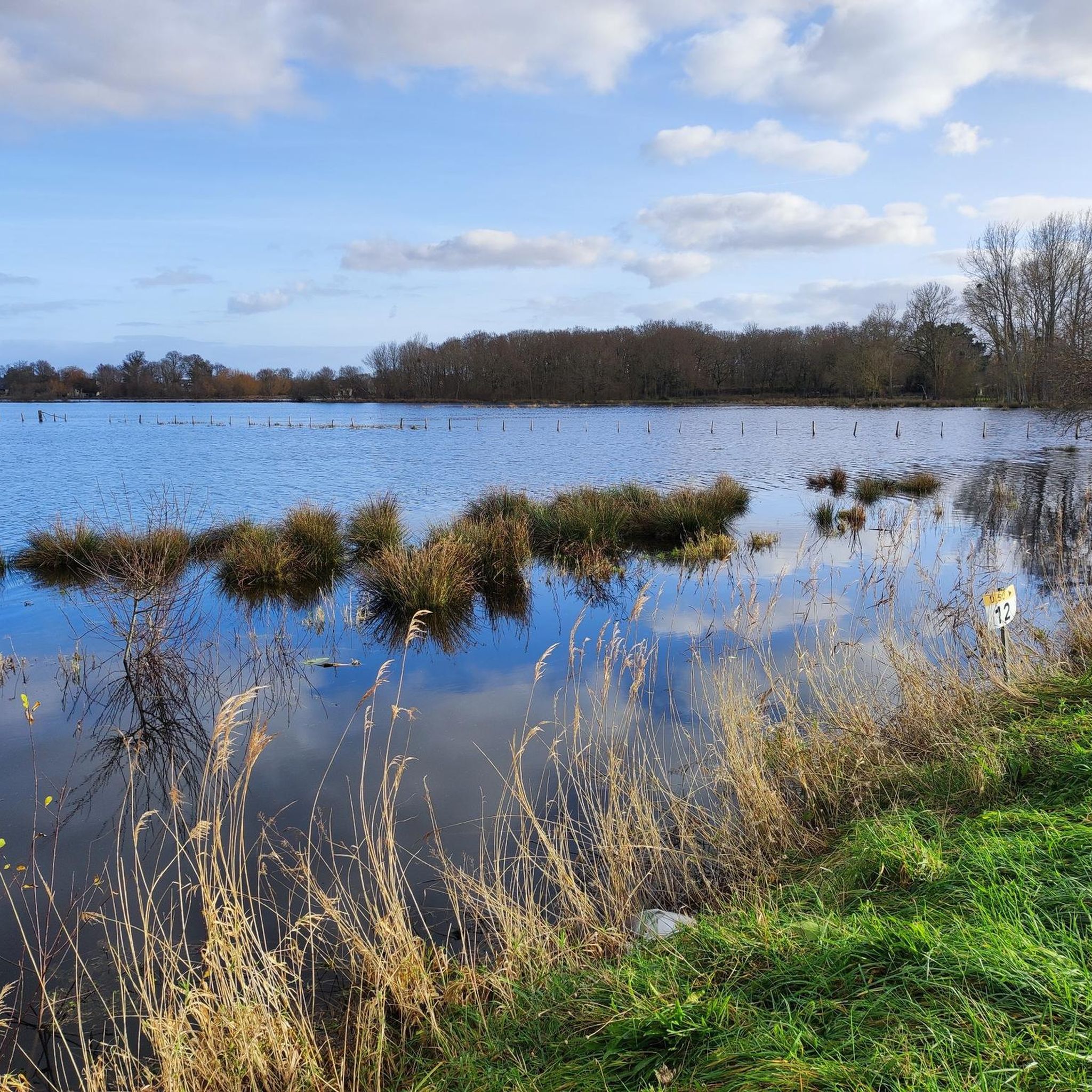
Running Trails in Brière
MTB Trails in Brière
Road Cycling Routes in Brière
Other adventures in Brière


Tips from the Community

Actually, it's more of an allée couverte—but I don't even want to know what Komoot translates into. Fifty meters further on, there's a second collapsed dolmen.
1
0

Impressive dimensions. It is hidden away in a dead end street and absolutely worth seeing. In the immediate vicinity there is another dolmen, a pretty old mill and great little houses with thatched roofs.
0
0

Worth seeing dolmen. Just follow the path from the road 150m. After another 50m there is another "fallen" dolmen on the left side.
0
0
Unfortunately, you have to pre-book a time slot. Attention: Access to the many paths south of the house is only guided!!
0
0

Before reaching the tip of Pen Bé which is at sea level, you can take advantage of this much higher point of view and the cliffs which offer you beautiful views of the surrounding coastline.
3
0

Crossac is a small village known for its surrounding menhirs, such as the Barbière dolmen or the Bois Hoël menhir. The town itself has small shops of basic necessities (bakery, delicatessen, pharmacy). Gateway to the Brière, the village is also crossed by the famous GR 3.
1
0

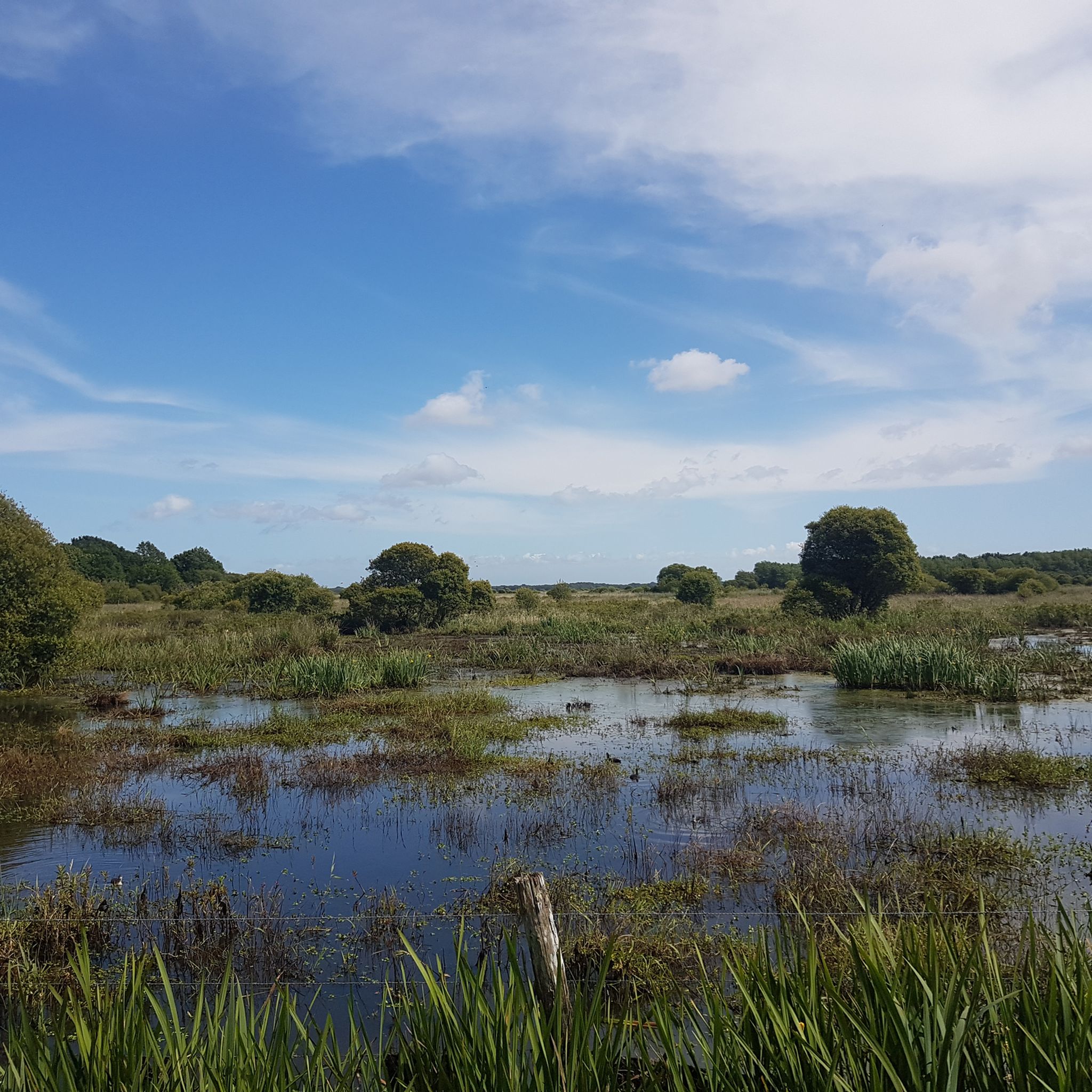
I strongly advise against taking these trails before the summer! We tested them on May 20. It was just awful! You had to push our bikes in several places where the mud and the muddy water reached our knees. We did 1.5 km in 30 minutes. I don't wish that on anyone.
2
0

Frequently Asked Questions
What are the main natural features of the Brière Regional Natural Park?
The Brière Regional Natural Park is primarily known for its vast wetland ecosystem, which is France's second-largest marshland. It encompasses over 40,000 hectares of peat bogs, canals, reed beds, and flood meadows. Key features include the extensive Grande Brière Mottière Marshland and various viewpoints offering panoramic vistas of this unique landscape.
What unique natural monuments can I explore in Brière?
Beyond the general marshlands, you can explore specific natural monuments such as the Pointe de la Grande Île de Mesquéry, which offers elevated views of the coastline. Another significant site is the Pierre Constant Site – Brière Marsh Nature Reserve, featuring an observatory for birdwatching within the marsh.
What kind of wildlife can I expect to see in Brière?
The Brière Regional Natural Park is a haven for biodiversity. It's home to around 900 different plant species and thousands of birds, including herons, egrets, Western marsh harriers, common teal, spoonbills, and bluethroats. It serves as a crucial stopover for many migratory birds, making it an excellent spot for birdwatching.
What is the best time of year to visit the natural monuments in Brière?
The best time to visit depends on your activity. For birdwatching and enjoying the lush wetlands, spring and autumn are ideal, especially during migratory periods. Summer offers guided visits at places like the Pierre Constant Regional Nature Reserve. However, be aware that some trails, like those near the Port of Bréca, can be very challenging and muddy outside of dry summer conditions.
Are there family-friendly natural monuments in Brière?
Yes, several natural monuments in Brière are suitable for families. The Pierre Constant Site – Brière Marsh Nature Reserve is family-friendly and offers observation points for wildlife. The Port of Bréca area also has family-friendly aspects, though some trails can be difficult for young children in wet conditions.
What outdoor activities are available near Brière's natural monuments?
The Brière region offers extensive opportunities for outdoor activities. You can enjoy hiking, cycling along its 700 kilometers of maintained paths, and canoeing. For specific routes, consider exploring the various options for hiking in Brière or cycling in Brière, which include routes like the 'Island of Fédrun – Rozé Port and Viewpoint loop'.
Are there hiking trails suitable for different skill levels in Brière?
Yes, Brière offers hiking trails for various skill levels. You can find easy hikes in Brière, such as the 'Nice trail – Grande Brière marshes loop' or the 'Parkplatz – Dunes of Kerlinge loop'. For more moderate challenges, explore the general hiking in Brière guide, which includes routes like the 'Pointe de Pen Bé — loop'.
Can I explore the Brière marshlands by boat?
Yes, exploring the marshlands by boat is a highly recommended and traditional way to experience Brière. You can navigate the labyrinth of canals and reed beds on traditional flat-bottomed boats called "chalands" or "blins." This offers a silent way to observe numerous bird species and appreciate the serene atmosphere of the wetlands.
What should I know before visiting the <a href="https://www.komoot.com/highlight/1360826" target="_blank" rel="noopener">Port of Bréca</a>?
The Port of Bréca is a natural monument and canal area. While beautiful, be aware that trails can be very challenging in wet conditions, especially before summer. Visitors have reported deep mud and water reaching knee-level, making it difficult to cycle or walk. It's best to visit during drier periods for a more enjoyable experience.
Are there any historical natural monuments in Brière?
Yes, Brière features historical natural monuments. The region is known for ancient stone structures like dolmens. For example, the Wolf Stone Dolmen is a notable natural monument with historical significance, situated in the village of Bergon. The village of Crossac is also known for its surrounding menhirs, such as the Barbière dolmen.
Where can I get panoramic views of the Brière wetlands?
For outstanding panoramic views of the Brière wetlands, visit the belvedere at Rozé Port. This vantage point, standing 24 to 28 meters high, offers a sweeping perspective of the vast marshland and its surroundings. It's an excellent spot for photography and appreciating the scale of this unique natural monument.
What do visitors enjoy most about the natural monuments in Brière?
Visitors frequently praise the unique natural beauty and tranquility of Brière. The opportunity to observe diverse wildlife, especially birds, in a peaceful marshland setting is a major draw. The panoramic views from elevated points like the Pointe de la Grande Île de Mesquéry are also highly appreciated, offering stunning coastal vistas.
Most popular routes in Brière
Most popular attractions in Brière

Get inspired with the komoot mobile app


Explore more
Extend your search for the best caves by checking out these guides of the top ones in Brière:
