Naturpark Wüste Mannersdorf
Naturpark Wüste Mannersdorf
Top 4 Natural Monuments in Naturpark Wüste Mannersdorf
Natural monuments in Naturpark Wüste Mannersdorf are found at the foot of the Leithagebirge, offering a blend of natural features and historical context. The park's landscape includes extensive oak-hornbeam forests, ponds, fruit tree meadows, and dry grasslands. These areas are known for their rich biodiversity, supporting a variety of plant species and wildlife. The combination of ecological significance and the presence of ancient trees and historical structures makes the park a notable destination for nature exploration.
Best natural monuments in Naturpark Wüste Mannersdorf
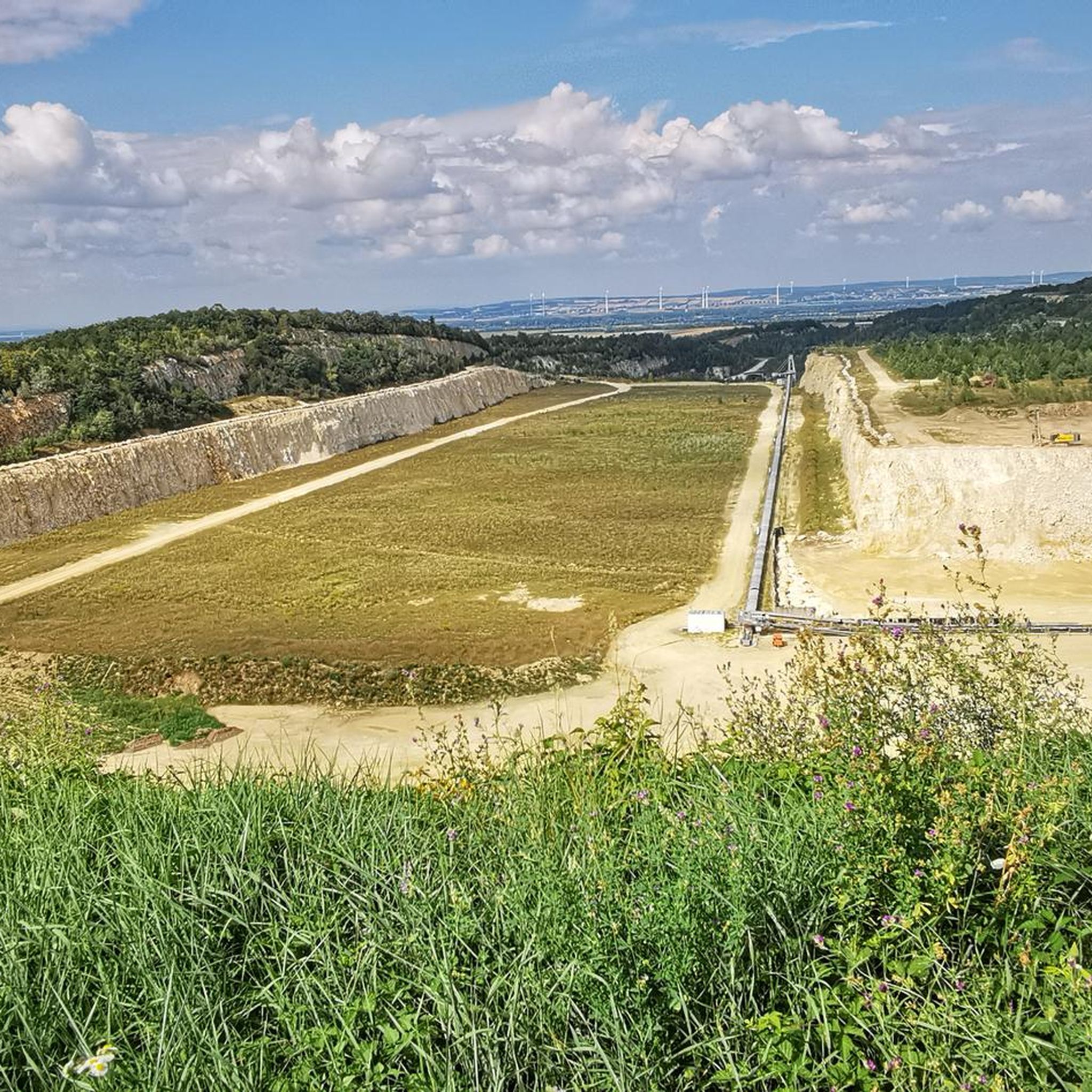
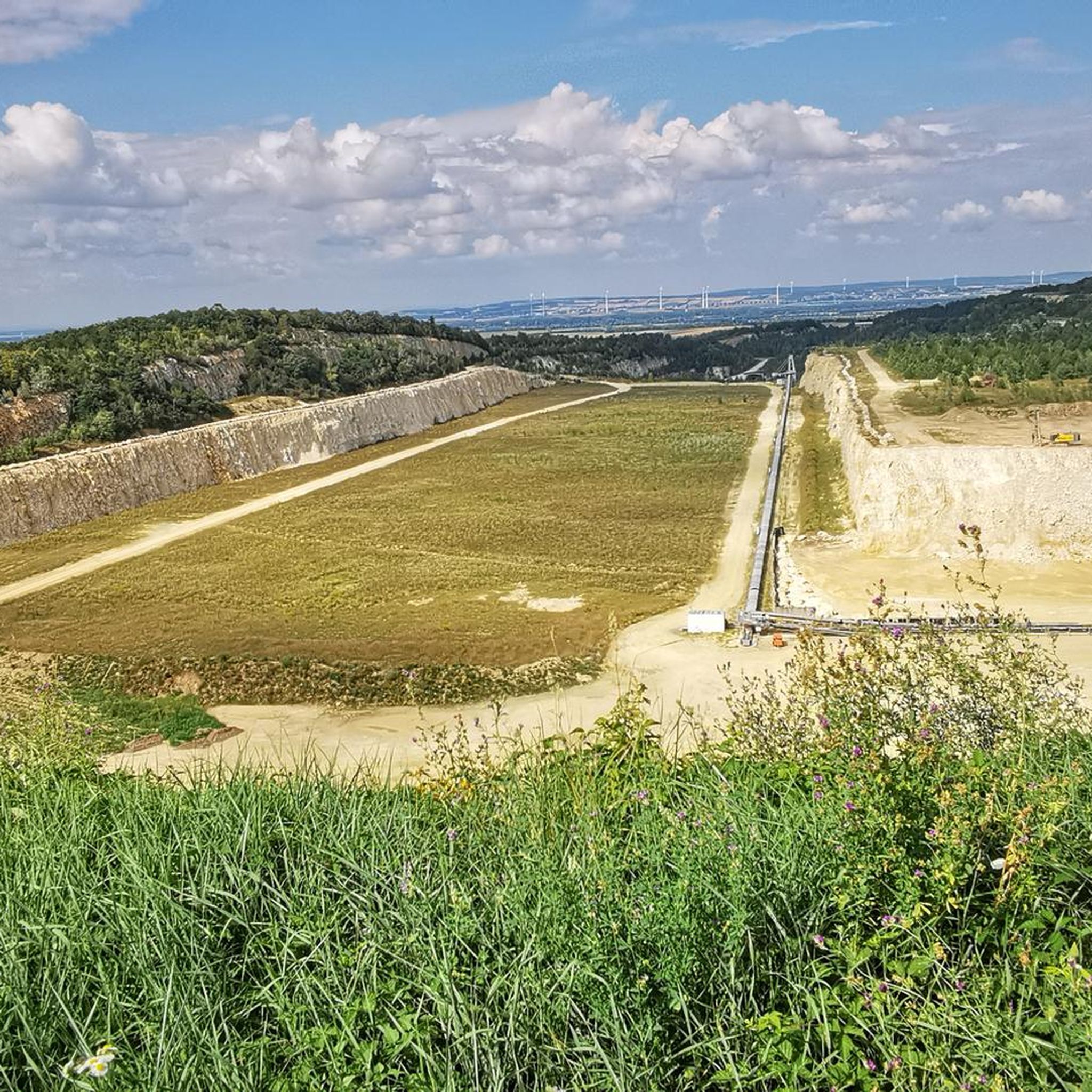
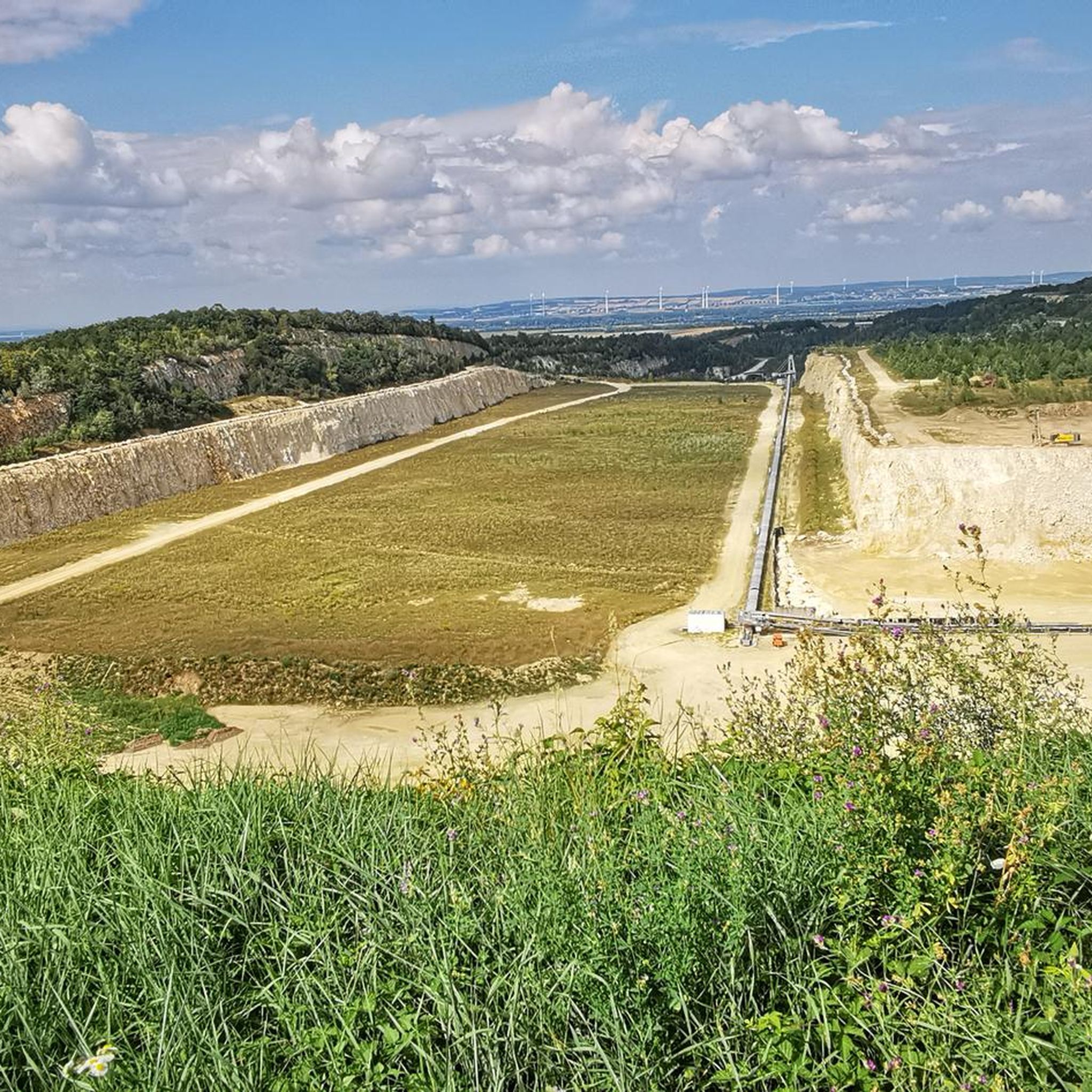
- The most popular natural monuments is View of the Mannersdorf Quarry, Naturpark Die Wüste Mannersdorf, a viewpoint and natural monument that offers insights into the park's geological features. This location provides views of the dry grasslands found in disused quarries, which are celebrated for their abundance of flowers and insects.
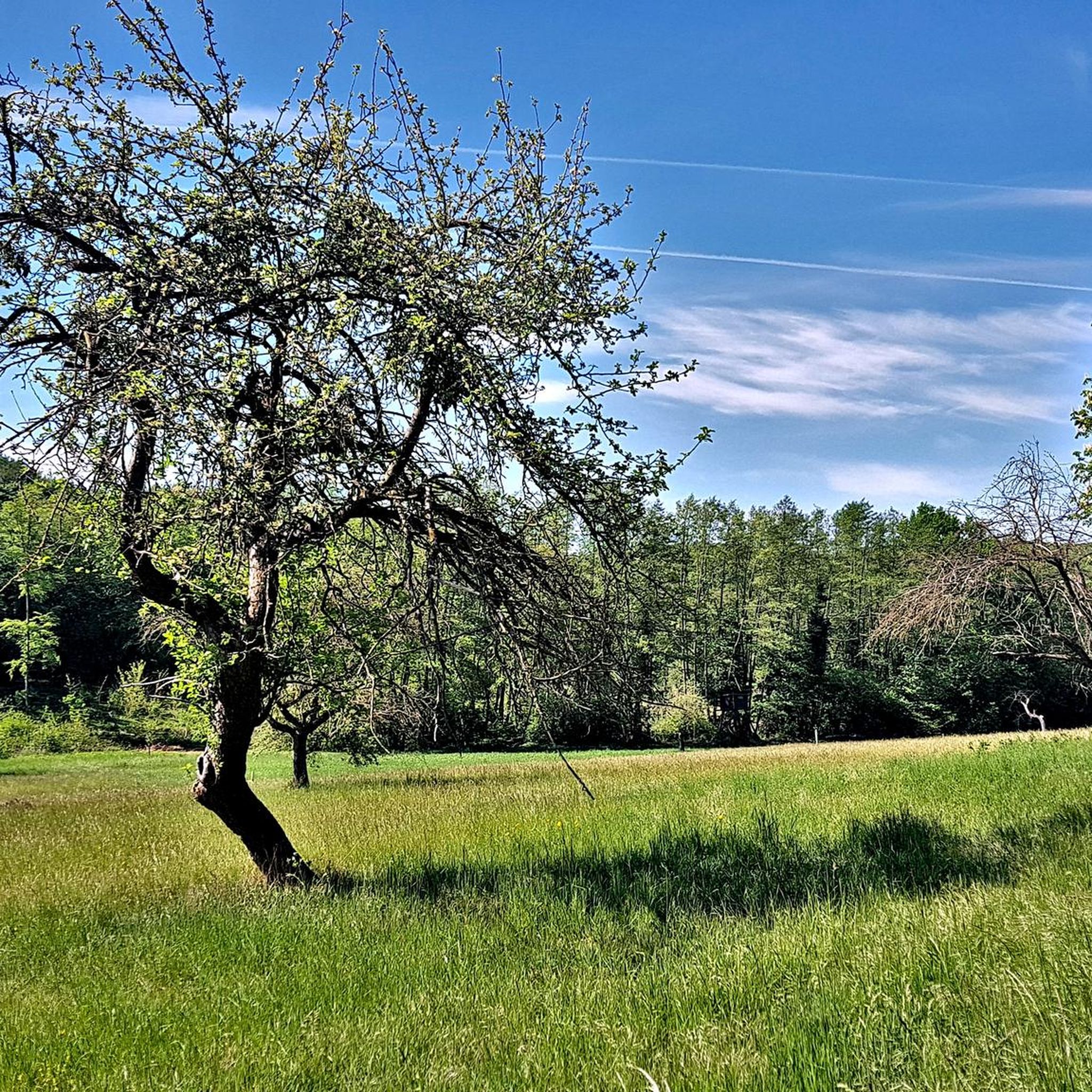
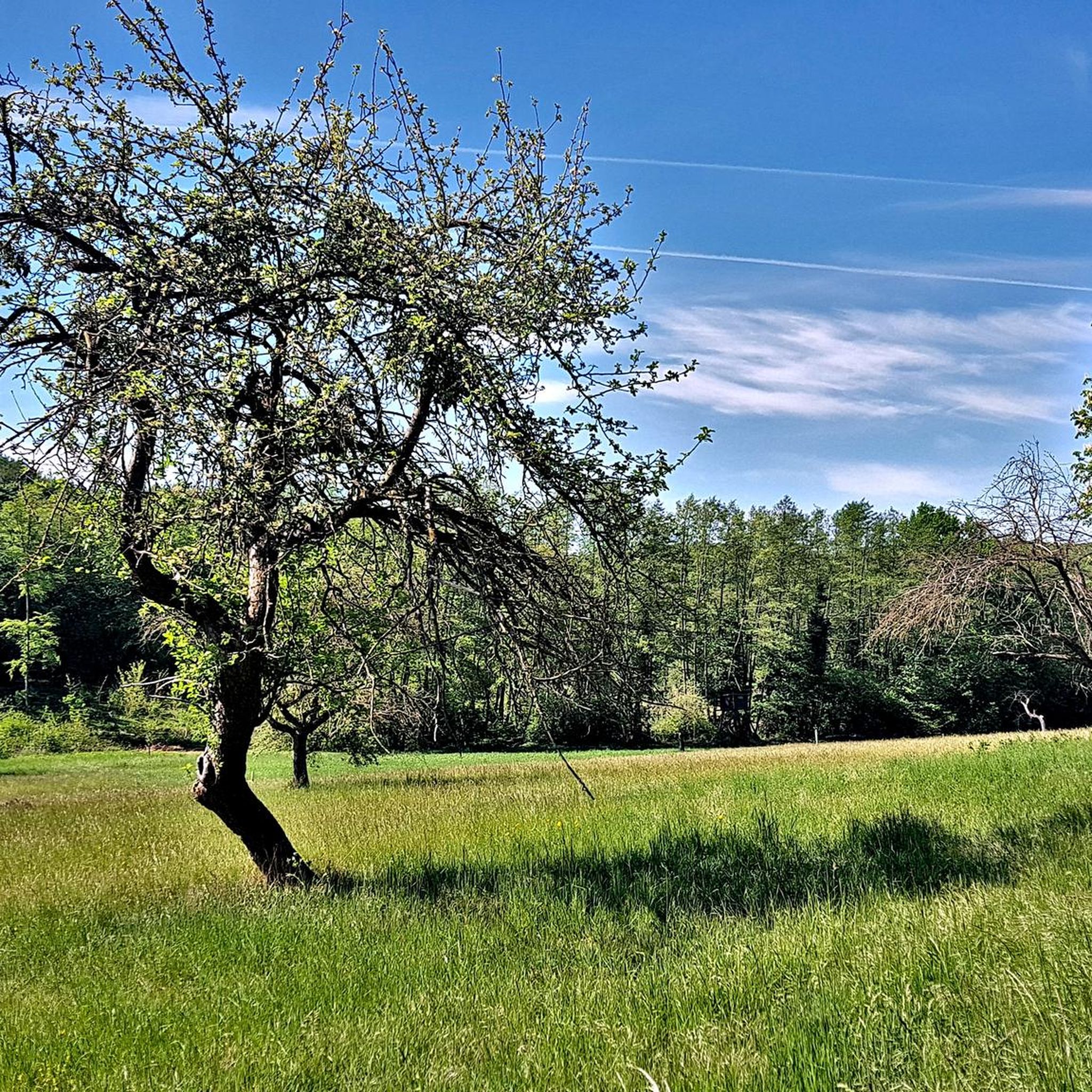
- Another must-see spot is Tree of Harmony (Linden Tree), a natural monument. This ancient linden tree is noted for its unique growth and the way nature adapts to its surroundings.
- Visitors also love Wüstenbründl Spring, a natural monument and spring. This spot invites visitors for a short break, offering a place to relax on a wooden lounger and listen to the splashing of water.
- Naturpark Wüste Mannersdorf is known for its oak-hornbeam forests, diverse flora, and unique springs. The park features a variety of natural monuments, including ancient trees, rich ecosystems, and scenic viewpoints to explore.
- The natural monuments in Naturpark Wüste Mannersdorf are appreciated by the komoot community, with over 145 upvotes and 41 photos shared across 6 highlights.
Last updated: July 11, 2026
Wüstenbründl Spring
Highlight • Natural Monument
Translated by Google •
Tip by

Johannes Nepomuk Statue in Naturpark Die Wüste Mannersdorf
Highlight • Monument
Translated by Google •
Tip by

Sign up now to discover places like this
Get recommendations on the best single tracks, peaks, & plenty of other exciting outdoor places.
Sign up for free
Tree of Harmony (Linden Tree)
Highlight • Natural Monument
Translated by Google •
Tip by

The Great Prince
Highlight • Viewpoint
Translated by Google •
Tip by

View of the Mannersdorf Quarry, Naturpark Die Wüste Mannersdorf
Highlight • Viewpoint
Further information is available at: diewuestemannersdorf.at
Translated by Google •
Tip by

Sign up for free to discover even more natural monuments in Naturpark Wüste Mannersdorf.
Sign up for free
Already have an account?
Start today with a free account
Your next adventure awaits.
Login or Signup

Tips from the Community

The thick tree is located slightly to the side of the Tree of Harmony.
0
0

You can easily get close to the Arbach, the landscape is very attractive
0
0

The statue of Saint Nepomuk shows Nepomuk triumphing over pain and death. The linden avenue begins at this statue. It ends in front of the Inner Gate, the former entrance to the monastery buildings.
1
0

Muuuuh
0
0
Saint John of Nepomuk was a priest (Vicar General of the Archbishop) in Bohemia who died a martyr's death in Prague in 1393. He was thrown from the Charles Bridge in Prague into the Vltava River by royal order and drowned. His statue can still be found on or near many bridges or elsewhere near rivers. He is not only a popular "bridge saint", but is also the patron saint of the seal of confession. In many depictions of him he holds a cross in one hand, sometimes he puts a finger to his lips with the other as a sign of silence (which was heard during confession). The memorial day of Saint John of Nepomuk in the calendar of saints is March 20th.
1
0

A nice highlight for children, but the photo with the bike on it isn't bad either. 😀
0
0

The statue of John Nepomuk in the Leitha Mountains is an important cultural and religious landmark in the region. This statue represents Saint John Nepomuk, who is considered the patron saint of bridges and rivers and is widely venerated in Central Europe.
0
0

The monastery as a starting point for easy and medium MTB tours on the Leithaberg - parking lot at the Arbachmühle. The paths are shared with many hikers, watch out for single trails! The driving bans are strictly observed by the forest supervision. The tour can be extended as desired and you can therefore also collect a few meters in altitude. There are many rest areas and places to stop for refreshments
0
0
Frequently Asked Questions
What kind of natural features can I expect to see in Naturpark Wüste Mannersdorf?
Naturpark Wüste Mannersdorf is characterized by its diverse natural landscape. You'll find extensive oak-hornbeam forests, particularly on the slopes of the Leithagebirge, offering lush environments for exploration. The park also features picturesque ponds and fruit tree meadows, often surrounded by the ancient walls of the former Karmeliter-Kloster. A beautiful Linden Avenue provides a scenic pathway, and the park is renowned for its rich biodiversity, including dry grasslands, wetlands, and floodplains teeming with various flowers and insects, as well as a diverse animal world.
Are there any unique natural monuments to discover in the park?
Yes, the park is home to several unique natural monuments. One notable spot is the Tree of Harmony (Linden Tree), an ancient linden tree known for its unique growth. Another is the Wüstenbründl Spring, a tranquil spot with a wooden lounger where you can relax and listen to the splashing water.
What are the best viewpoints for experiencing the natural beauty of Naturpark Wüste Mannersdorf?
For panoramic views, visit the View of the Mannersdorf Quarry. This viewpoint offers insights into the park's geological features and the dry grasslands in disused quarries, which are celebrated for their abundance of flowers and insects. Another spot, The Great Prince, also offers scenic perspectives within the forest.
What outdoor activities can I do near the natural monuments in Naturpark Wüste Mannersdorf?
The area around the natural monuments offers a variety of outdoor activities. You can enjoy hiking on easy trails like the 'St. Anna Monastery in the Wüste – Leopoldskapelle Ruins loop' or the 'Tree of Harmony (Linden Tree) – Leopoldskapelle Ruins loop'. For cycling, there are routes such as the 'Emperor Franz Josef Tower – Scharfeneck Ruins loop'. If you prefer mountain biking, consider trails like the 'St. Anna Monastery in the Wüste – Emperor Franz Josef Tower loop'. You can find more details on these activities in the respective guides for easy hikes, cycling, and MTB trails in Naturpark Wüste Mannersdorf.
Are there family-friendly natural monuments or trails in Naturpark Wüste Mannersdorf?
Yes, several natural monuments and areas within the park are family-friendly. The Wüstenbründl Spring offers a relaxing break spot with wooden loungers, suitable for all ages. The Tree of Harmony (Linden Tree) is also considered family-friendly. Additionally, easy hiking trails like the 'St. Anna Monastery in the Wüste – Leopoldskapelle Ruins loop' are great for families to explore the park's natural beauty together.
What is the best time of year to visit Naturpark Wüste Mannersdorf for its natural monuments?
The Naturpark Wüste Mannersdorf is beautiful year-round, but spring and early summer are particularly rewarding. During these seasons, the park's diverse flora, including snowdrops, crocuses, primroses, cyclamen, and rare orchids, are in bloom, making the meadows and forests especially vibrant. The pleasant weather also makes it ideal for hiking and exploring the natural monuments.
Is Naturpark Wüste Mannersdorf dog-friendly?
While the guide data doesn't specify a dog policy for every natural monument, Naturpark Wüste Mannersdorf is generally welcoming to dogs. It's always recommended to keep dogs on a leash, especially in areas with wildlife or other visitors, and to clean up after them. Many of the trails and natural areas are suitable for walks with your canine companion.
Are there any historical or cultural sites near the natural monuments?
Yes, the Naturpark Wüste Mannersdorf has significant historical context. The park's name, 'Wüste,' stems from a historical mistranslation of 'hermitage,' referring to the former Karmeliter-Kloster 'St. Anna in der Wüste.' You can find remnants of the 350-year-old monastery walls, which add a unique historical layer to the natural landscape. The Johannes Nepomuk Statue from the 18th century is another historical monument within the park, marking the beginning of the Linden Avenue.
What do visitors enjoy most about the natural monuments in Naturpark Wüste Mannersdorf?
Visitors particularly appreciate the tranquility and natural beauty of the park. The Wüstenbründl Spring is loved for its peaceful atmosphere and the chance to relax. The Tree of Harmony (Linden Tree) fascinates visitors with its unique growth and how nature adapts. The overall combination of ancient trees, diverse landscapes, and rich wildlife creates a compelling experience for relaxation and discovery.
Are there any cafes or restaurants near the natural monuments in Naturpark Wüste Mannersdorf?
While the guide data doesn't list specific cafes directly adjacent to the natural monuments, the town of Mannersdorf am Leithagebirge, which borders the park, offers various options for refreshments and dining. You can find cafes and restaurants there to enjoy before or after your visit to the natural monuments.
Is there an admission fee to enter Naturpark Wüste Mannersdorf or visit its natural monuments?
Based on available information, there is generally no admission fee to enter Naturpark Wüste Mannersdorf or to visit its natural monuments. The park is freely accessible, allowing visitors to explore its natural beauty without charge.
How can I get to Naturpark Wüste Mannersdorf using public transport?
While specific public transport routes directly to the natural monuments are not detailed, Mannersdorf am Leithagebirge is the closest town and can be reached by public transport. From there, you can access various entry points to the Naturpark Wüste Mannersdorf and its natural monuments. It's advisable to check local bus or train schedules for the most current information on connections to Mannersdorf am Leithagebirge.
Most popular routes in Naturpark Wüste Mannersdorf
Most popular attractions in Naturpark Wüste Mannersdorf

Get inspired with the komoot mobile app


Explore more
Extend your search for the best caves by checking out these guides of the top ones in Naturpark Wüste Mannersdorf:
