Top 6 Natural Monuments in Mondrago
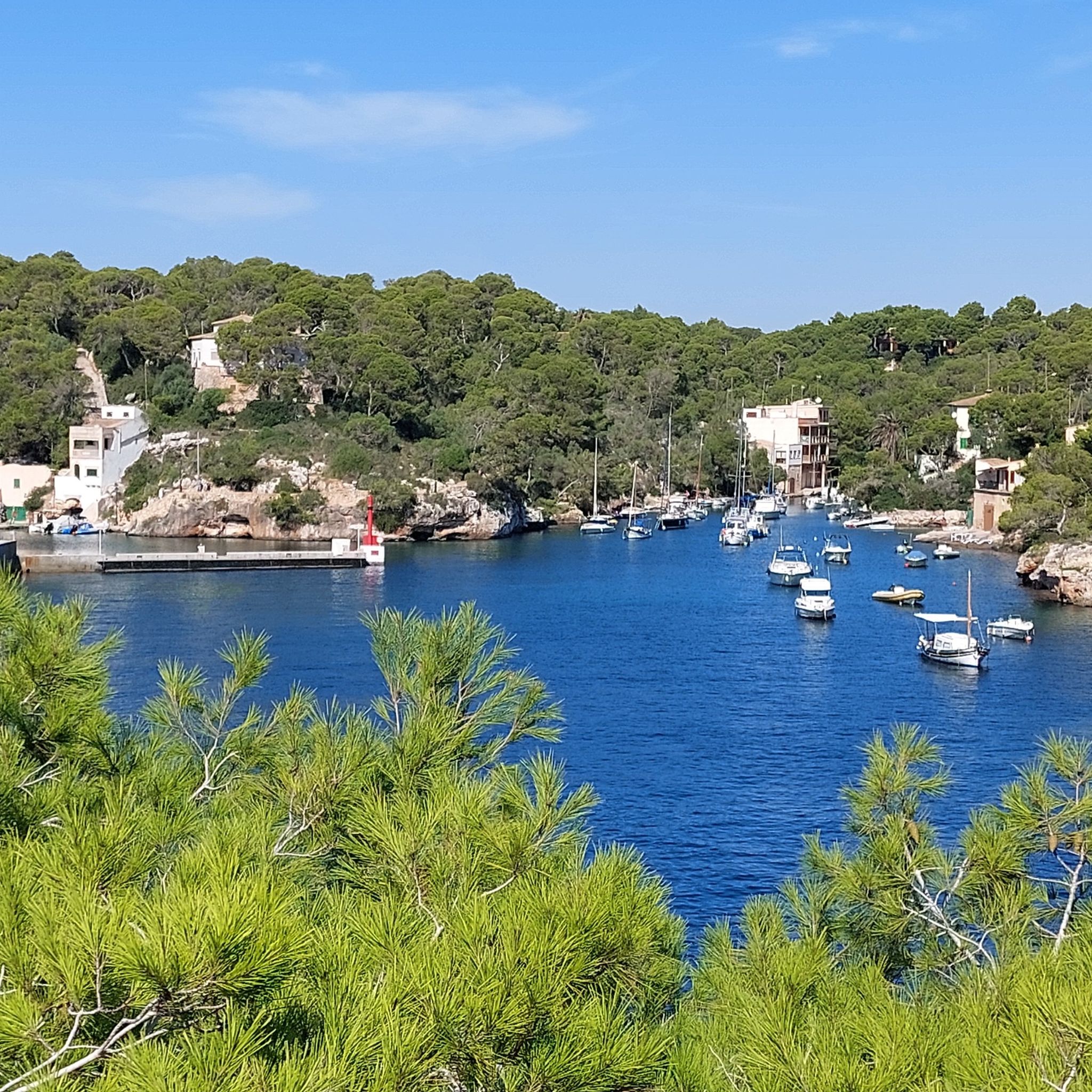
Natural monuments in Mondrago are located within the Parc Natural de Mondragó, a protected area on the southeast coast of Mallorca. This region features diverse landscapes, including white sand beaches, clear turquoise waters, and extensive scrubland and pine forests. The park is recognized for its ecological value, encompassing wetlands and providing habitat for various wildlife. Well-signposted routes allow for exploration of its natural environments.
Best natural monuments in Mondrago
- The most popular natural monuments is Cala Mondragó Beach, a…
Last updated: June 27, 2026
Cala Mondragó Beach
Highlight • Beach
Songbirds, including the rare stonechat, are …
Translated by Google •
Tip by

S'Amarador Beach
Highlight • Beach
Translated by Google •
Tip by

Sign up now to discover places like this
Get recommendations on the best single tracks, peaks, & plenty of other exciting outdoor places.
Sign up for free
Path to the Mirador de ses Fonts de n'Alis viewpoint
Highlight (Segment) • Viewpoint
Translated by Google •
Tip by

Solimina Coastal Steps and Viewpoint
Highlight • Structure
Translated by Google •
Tip by

Cave of the Narrow of Time
Highlight • Cave
Not easy to find but to enter, you have to look a bit around!
Tip by

Sign up for free to discover even more natural monuments in Mondrago.
Sign up for free
Already have an account?
Start today with a free account
Your next adventure awaits.
Login or Signup
Tips from the Community

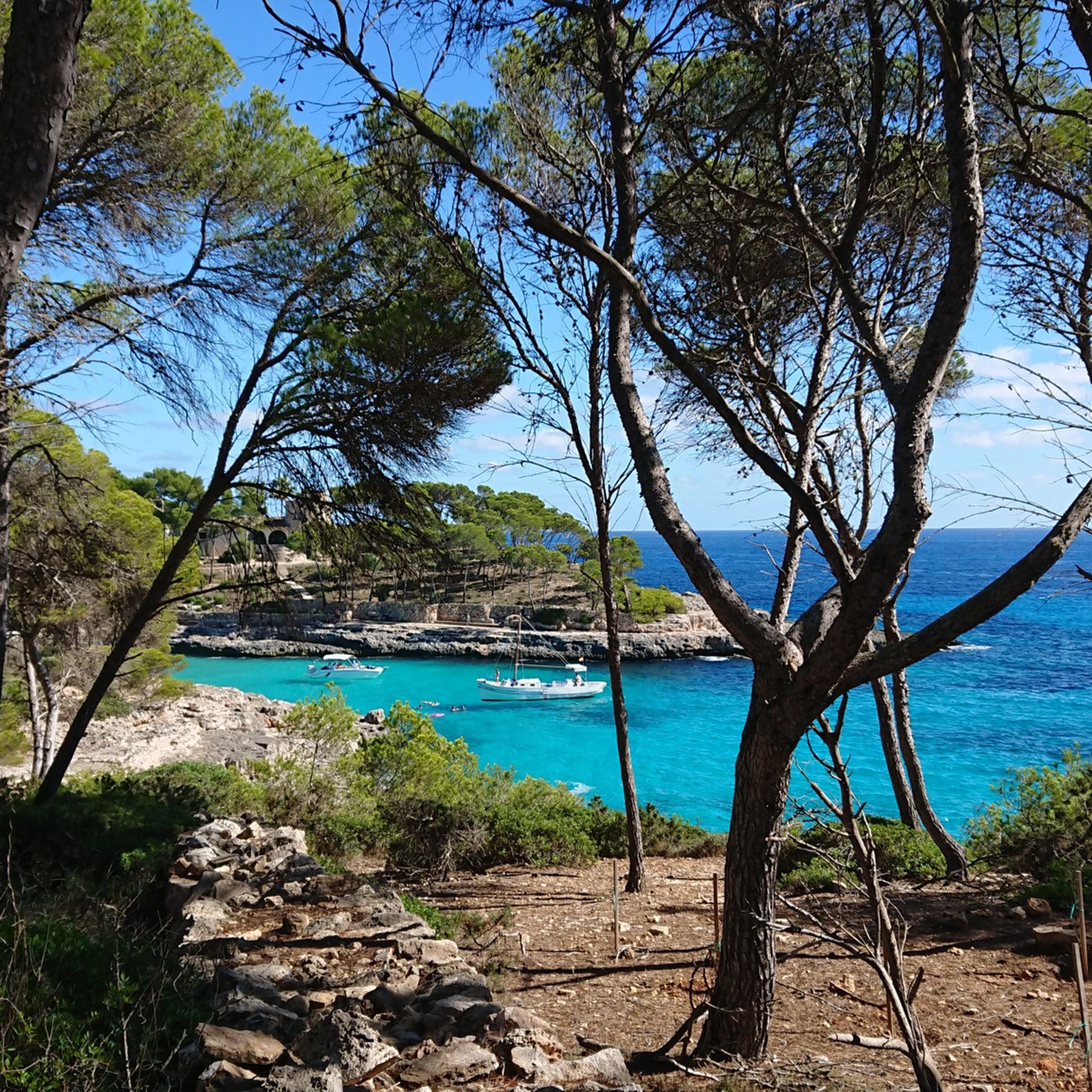
This beautiful natural beach is located in the Mondrago Bay, a bay of the same name, in the Mondrago Nature Park. It is four years prettier than the local beach coves in Cala d'Or.
1
0

There are turtles to discover along the way, which is a great motivation for children to walk to the beach and much nicer than walking along the road 😉
0
0

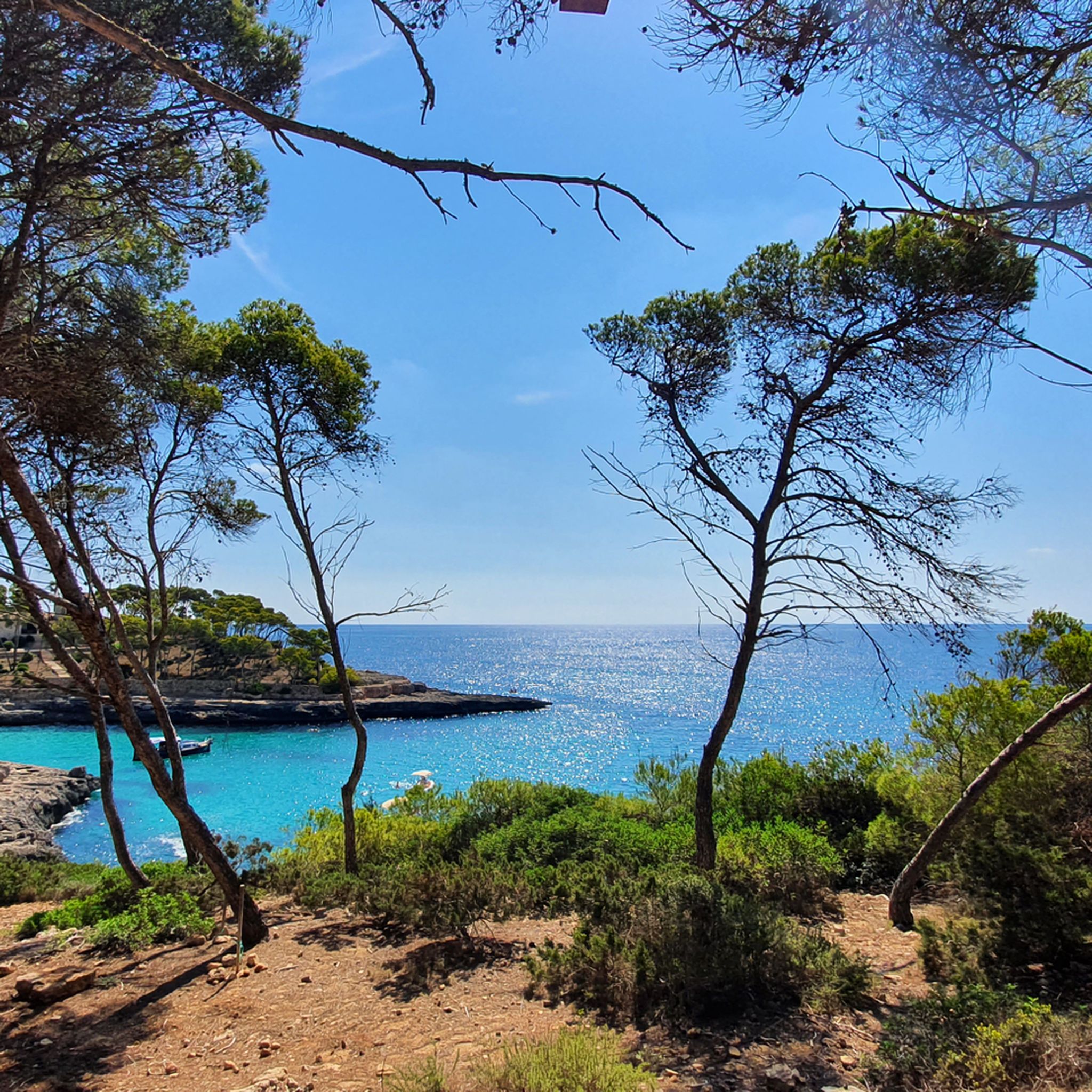
"For many, it is not only the most beautiful beach in Spain, but in all of Europe. Located in the middle of a national park, s'Amarador is a fine sandy bay in the southeast of Mallorca and a small paradise for bathers, holidaymakers, and locals. As one of two beaches in Cala Mondragó, it is sheltered in the southern part of the bay. Bathers experience a special feeling due to the lack of development. Barely surrounded by hotels, it offers a small oasis of peace and relaxation. Instead, the bay is framed by rocky cliffs and pine groves. The beach slopes gently into the water and is a natural beauty. Turquoise water that sparkles in the sun and many lush green Mallorcan plants surround it. The beach is just 150 meters long and 50 meters wide. Along the cliffs, you reach the neighboring beach in the bay of Mondragó. It is called Cala de ses Fonts de n'Alís and is separated from the bay only by a rock. s'Amarador is separated. The stunning location in the Mondragó Natural Park and its child-friendly conditions make s'Amarador particularly attractive for families. https://www.holamallorca.com/de/mallorca/reisefuehrer/straende/strand-s-amarador.htm
2
0

Down the steps and a little to the right... and just enjoy the nature 🤗 Perfect photo stop. Komoot says there's a path along the coast here: That's definitely nonsense!
2
1

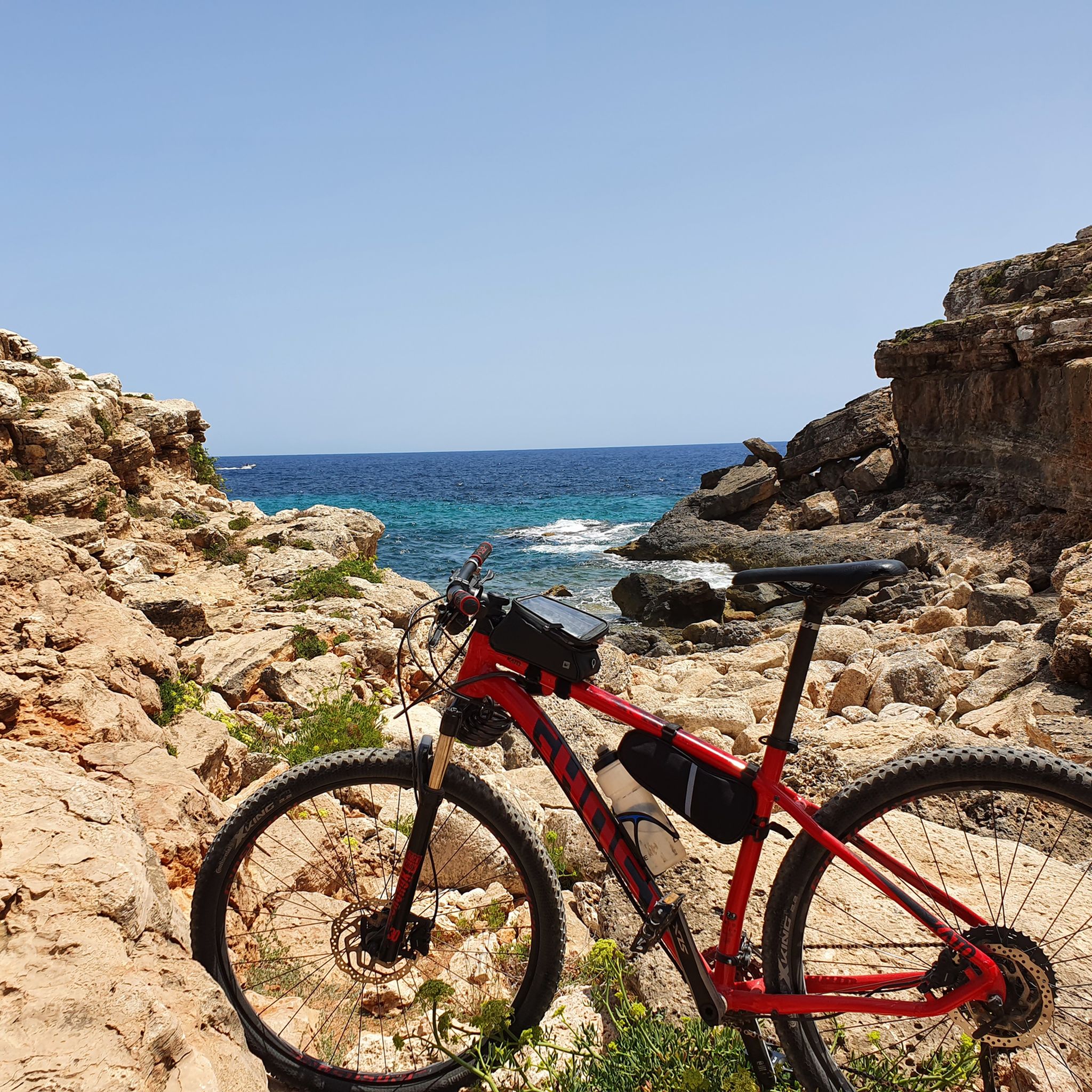
Some meters under the road curve, you can find and old cave that was at funerary uses, presumably during the Talaiotic period. Not easy to find but to enter, you have to look a bit around!
1
0

A beautiful beach, very cozy now in spring, still not many people, but the sea is cold.
8
1

Path along the sea with a view of the next beach
4
0

The Mondrago Natural Park is absolutely worth a visit.
4
0
Frequently Asked Questions
What makes the natural monuments in Mondrago unique?
The natural monuments in Mondrago are primarily found within the Parc Natural de Mondragó, a protected area known for its diverse ecosystems. This includes pristine white sand beaches, crystal-clear turquoise waters, extensive scrubland, and pine forests. The park is also recognized for its crucial wetlands and rich biodiversity, making it a significant ecological site.
Are there family-friendly natural monuments or activities in Mondrago?
Yes, many areas within the Parc Natural de Mondragó are ideal for families. The shallow, calm waters of beaches like Cala Mondragó are perfect for swimming and snorkeling. Additionally, the park offers several well-signposted routes, such as the Path to the Mirador de ses Fonts de n'Alis viewpoint, which are suitable for leisurely walks with children.
What kind of wildlife can I expect to see in Mondrago's natural monuments?
Mondrago is a Special Protection Area for Birds (SPA) and part of the Natura 2000 network, making it excellent for birdwatching. You might spot stone-curlews, wood pigeons, kestrels, and hoopoes, especially around the wetlands. Beyond birds, the park is home to Mediterranean tortoises, rabbits, Algerian hedgehogs, and pine martins. It's also notable for its rich variety of orchids.
What outdoor activities can I do near Mondrago's natural monuments?
The area around Mondrago's natural monuments offers various outdoor activities. You can explore numerous running trails, including routes like the 'Itineraries of the Mondrago Natural Park' or the 'S'Amarador Beach – Cala Mondragó Beach loop'. For cycling enthusiasts, there are MTB trails such as the 'Porto Petro Marina – Garrot Cove loop' and gravel biking options like the 'Porto Petro Harbor – Porto Petro Marina loop'. You can find more details on these activities in the Running Trails in Mondrago, MTB Trails in Mondrago, and Gravel biking in Mondrago guides.
Are there any viewpoints offering scenic perspectives of the natural monuments?
Yes, the park features several excellent viewpoints. Beyond the well-known View of Cala Mondragó, you can also experience stunning coastal vistas from the Solimina Coastal Steps and Viewpoint. These spots provide panoramic views of the bays, cliffs, and the surrounding nature reserve.
What is the best time of year to visit Mondrago's natural monuments?
The natural monuments in Mondrago are beautiful year-round, but spring (April-May) and autumn (September-October) offer pleasant temperatures for hiking and exploring, with fewer crowds than the peak summer months. The sea is still warm enough for swimming in early autumn, and spring brings blooming flora and active wildlife.
How can I get to the Parc Natural de Mondragó by public transport?
While specific public transport routes can vary by season, local bus services often connect nearby towns like Santanyí and Cala d'Or to the vicinity of Parc Natural de Mondragó. It's advisable to check the latest bus schedules from your starting point to the park's main entrances or nearby beaches like Cala Mondragó for the most current information.
Is there parking available at the natural monuments in Mondrago?
Yes, there are designated parking areas near the main entrances to the Parc Natural de Mondragó, particularly close to the popular beaches like Cala Mondragó and S'Amarador. From these parking lots, you can access the various trails and natural attractions within the park.
What should I bring when visiting the natural monuments in Mondrago?
When visiting, it's recommended to bring comfortable walking shoes, especially if you plan to explore the hiking trails. Sun protection (hat, sunscreen), plenty of water, and a swimsuit if you intend to enjoy the beaches are also essential. Binoculars can enhance your birdwatching experience.
Are there any cafes or places to eat near the natural monuments?
While the Parc Natural de Mondragó itself is a protected natural area, you can find small kiosks or beach bars at the more popular beaches like Cala Mondragó and S'Amarador during the high season. For a wider selection of cafes and restaurants, you would need to visit the nearby towns such as Santanyí or Porto Petro.
What kind of natural features, besides beaches, can I explore in Mondrago?
Beyond its stunning beaches, Mondrago offers a variety of natural features. The park encompasses diverse habitats including cultivated dry lands with carob, almond, and fig trees, extensive scrubland, and pine forests. You can also explore juniper groves, unique dune communities, and impressive coastal cliffs. The wetlands, particularly Ses Fonts de n'Alis, are ecologically significant.
Most popular routes in Mondrago
Most popular attractions in Mondrago

Get inspired with the komoot mobile app


Explore more
Extend your search for the best caves by checking out these guides of the top ones in Mondrago:
