Cuenca Alta Del Manzanares
Cuenca Alta Del Manzanares
Top 20 Natural Monuments in Cuenca Alta Del Manzanares
Natural monuments in Cuenca Alta Del Manzanares are found within the largest protected natural area in the Community of Madrid, declared a Biosphere Reserve by UNESCO. This region encompasses the upper course of the Manzanares River, offering a diverse landscape that ranges from approximately 600 to 2,300 meters in altitude. The area features unique geological formations, varied ecosystems, and significant ecological value. It provides a natural environment near a large urban center, with numerous natural features to explore.
Best natural…
Last updated: July 11, 2026
Valdeliganar Viewpoint
Highlight • Viewpoint
Translated by Google •
Tip by

Las Canchas Viewpoint
Highlight • Viewpoint
Translated by Google •
Tip by

Sign up now to discover places like this
Get recommendations on the best single tracks, peaks, & plenty of other exciting outdoor places.
Sign up for free
Santillana Reservoir
Highlight • Lake
Translated by Google •
Tip by
Marmot Bridge
Highlight • Bridge
Translated by Google •
Tip by

Scots Pine Forests of La Barranca
Highlight • Forest
Translated by Google •
Tip by
Sign up for free to discover even more natural monuments in Cuenca Alta Del Manzanares.
Sign up for free
Already have an account?
Start today with a free account
Your next adventure awaits.
Login or Signup
Popular around Cuenca Alta Del Manzanares
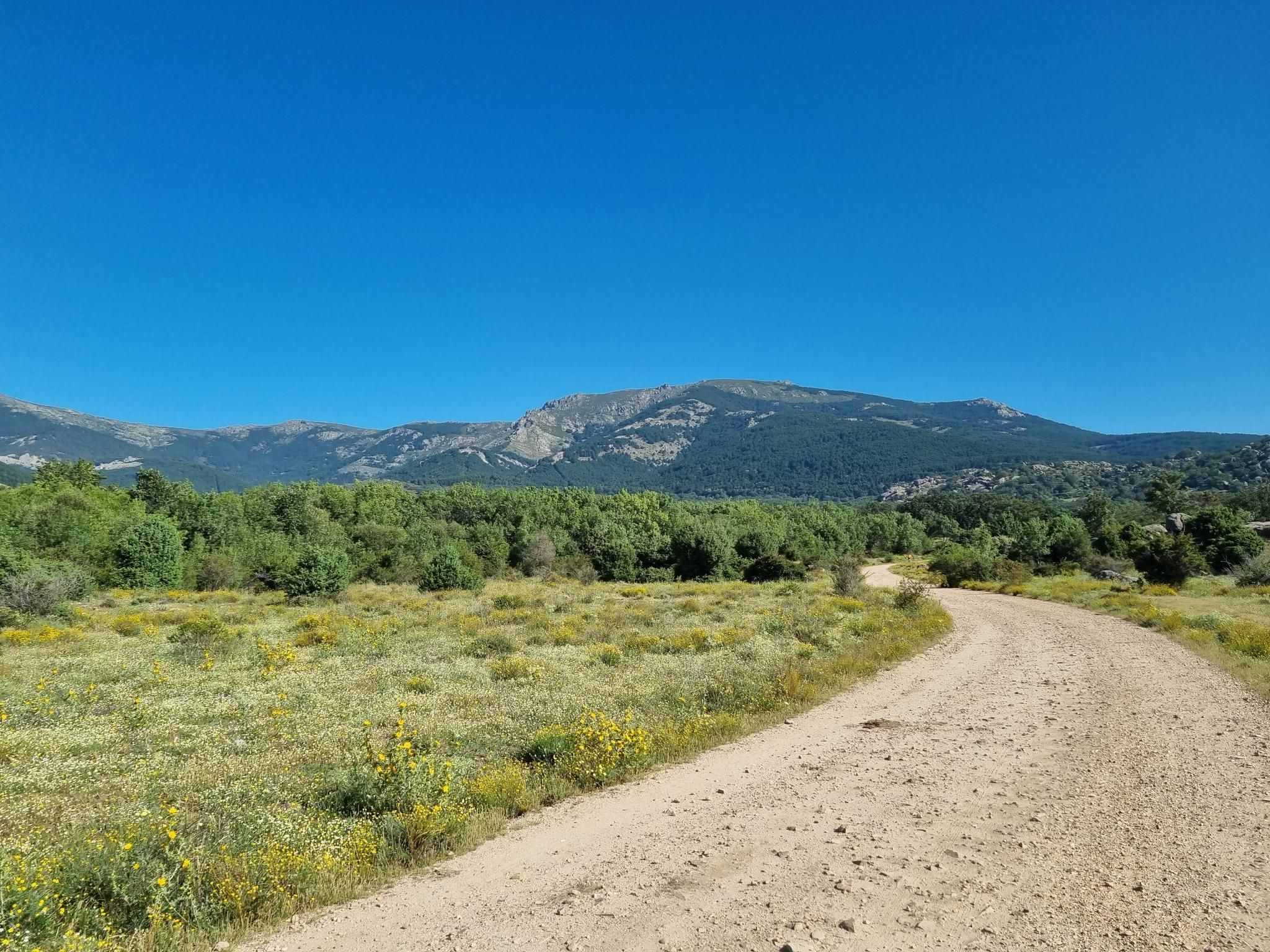
The treasures of Guadarrama – on foot along the GR 10 in Madrid
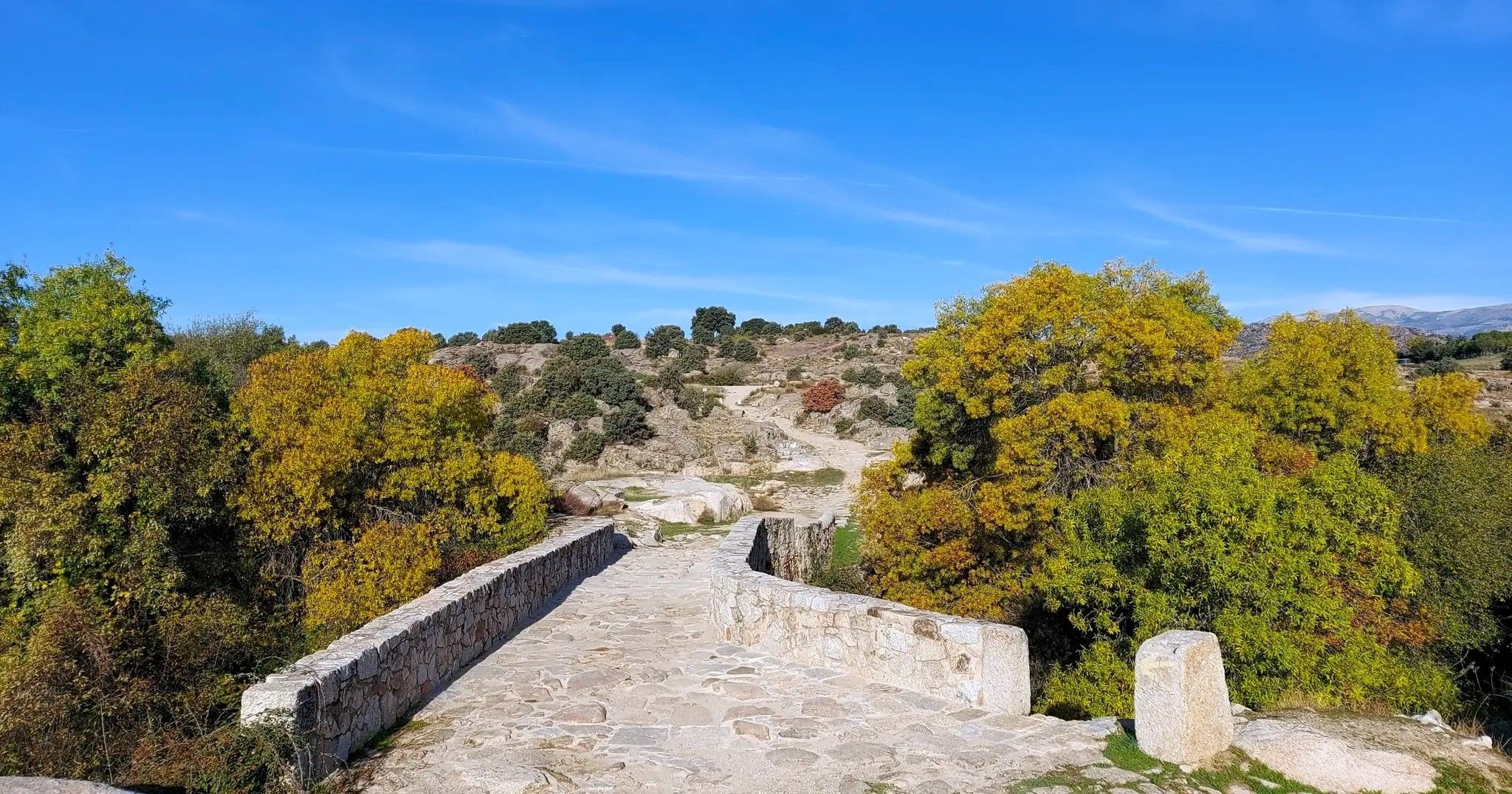
The Royal Path of Madrid – Senda Real (GR 124)
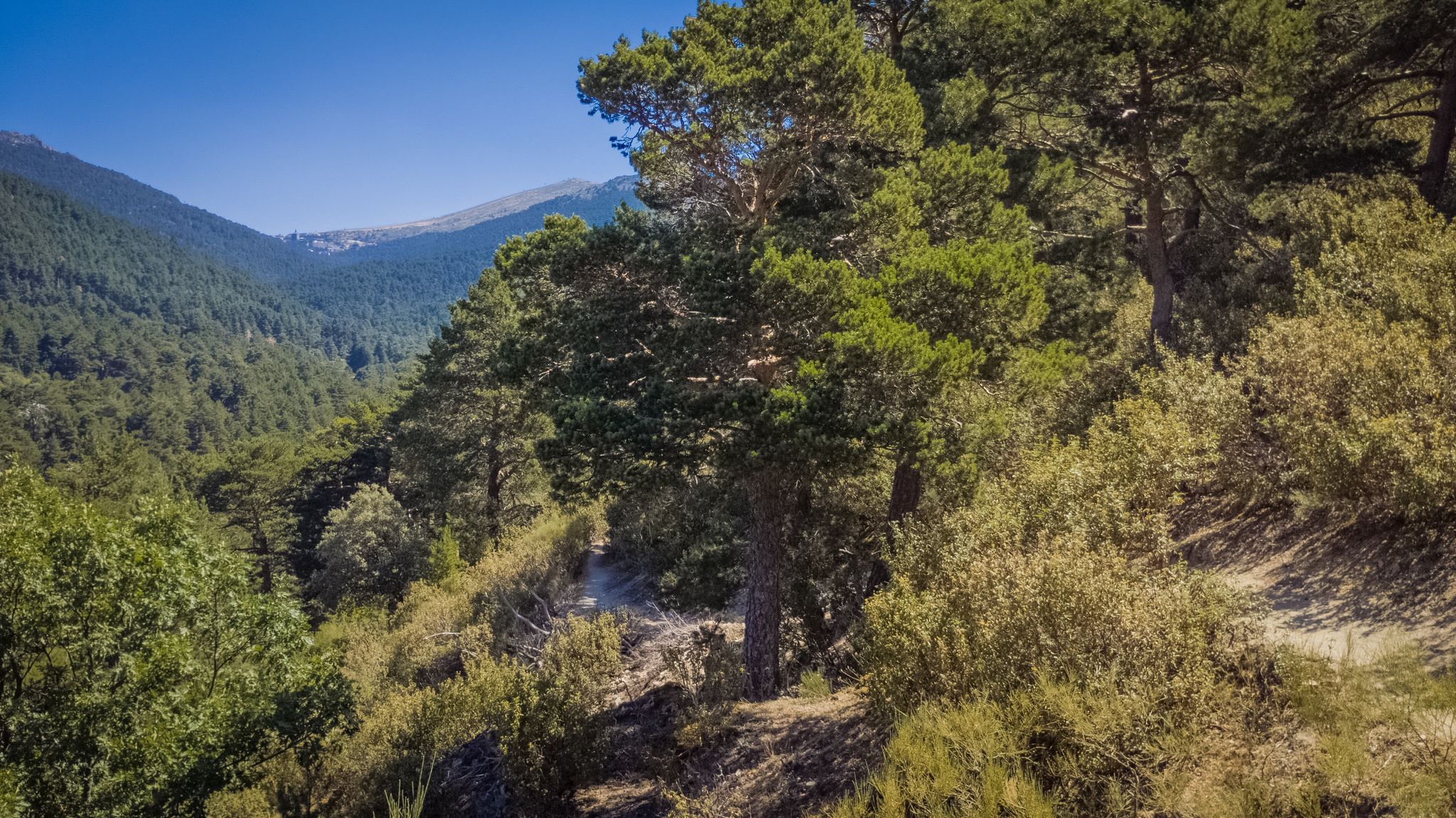
Views and reservoirs — walking in Madrid's Guadarrama Mountains
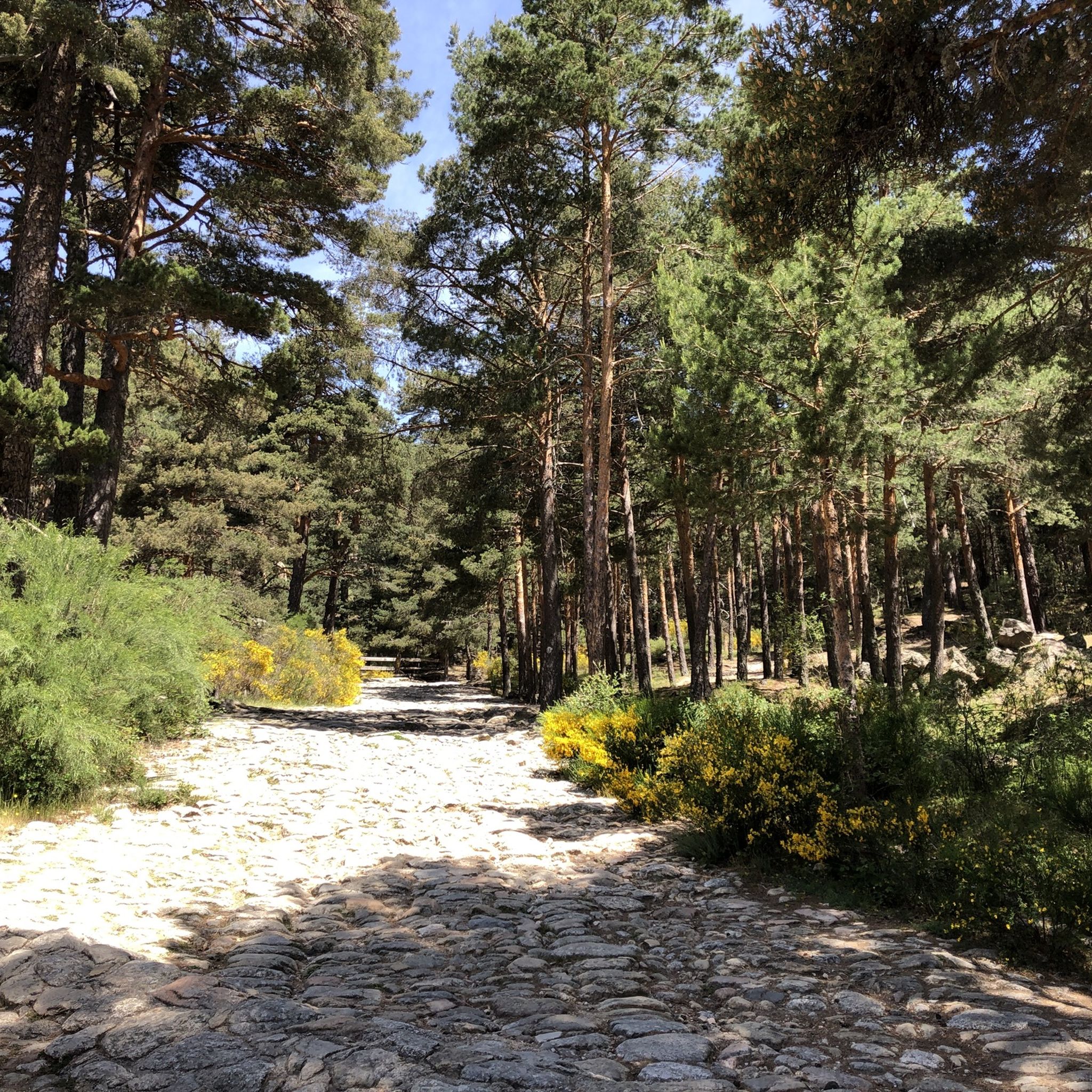
Hiking in Cuenca Alta Del Manzanares
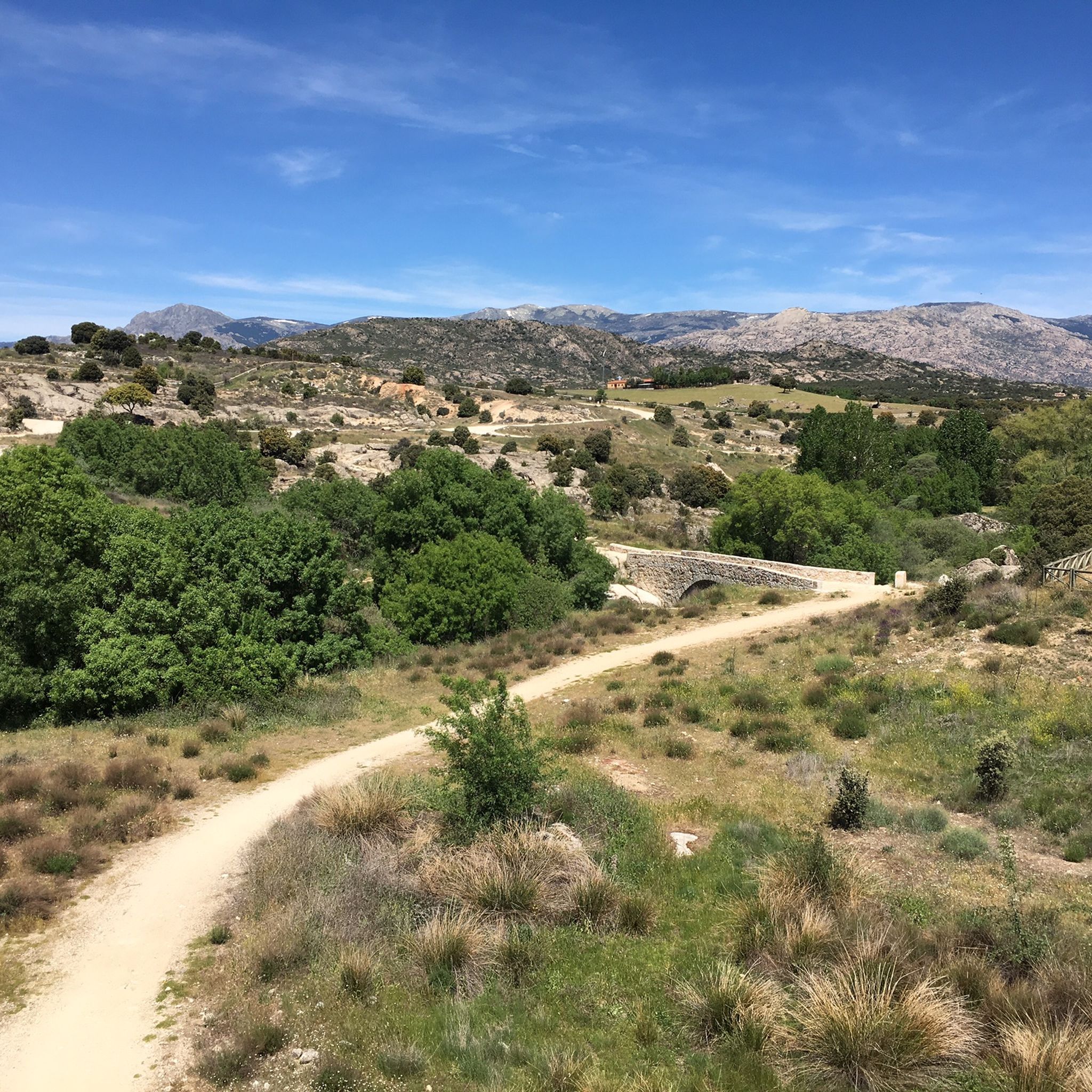
MTB Trails in Cuenca Alta Del Manzanares
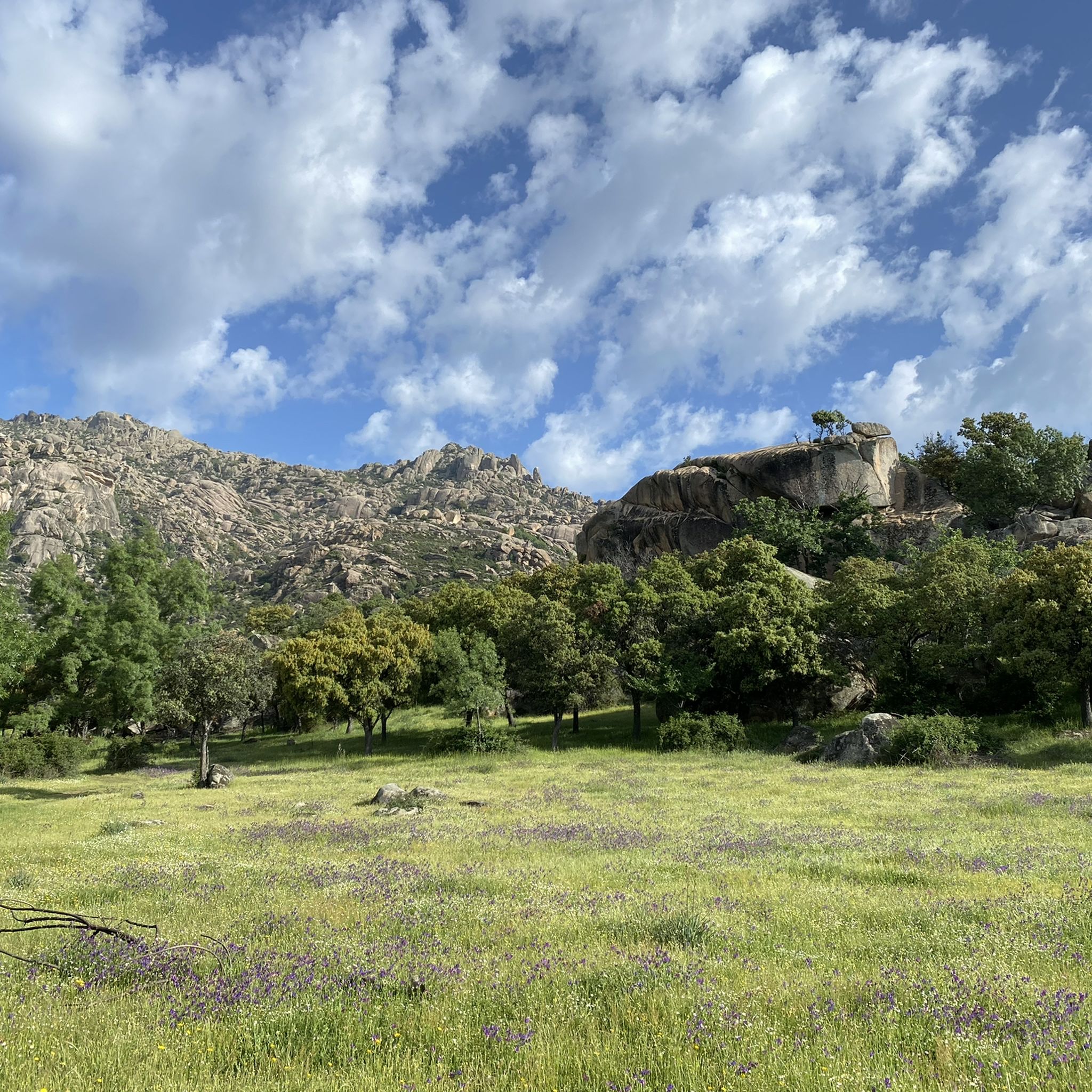
Running Trails in Cuenca Alta Del Manzanares
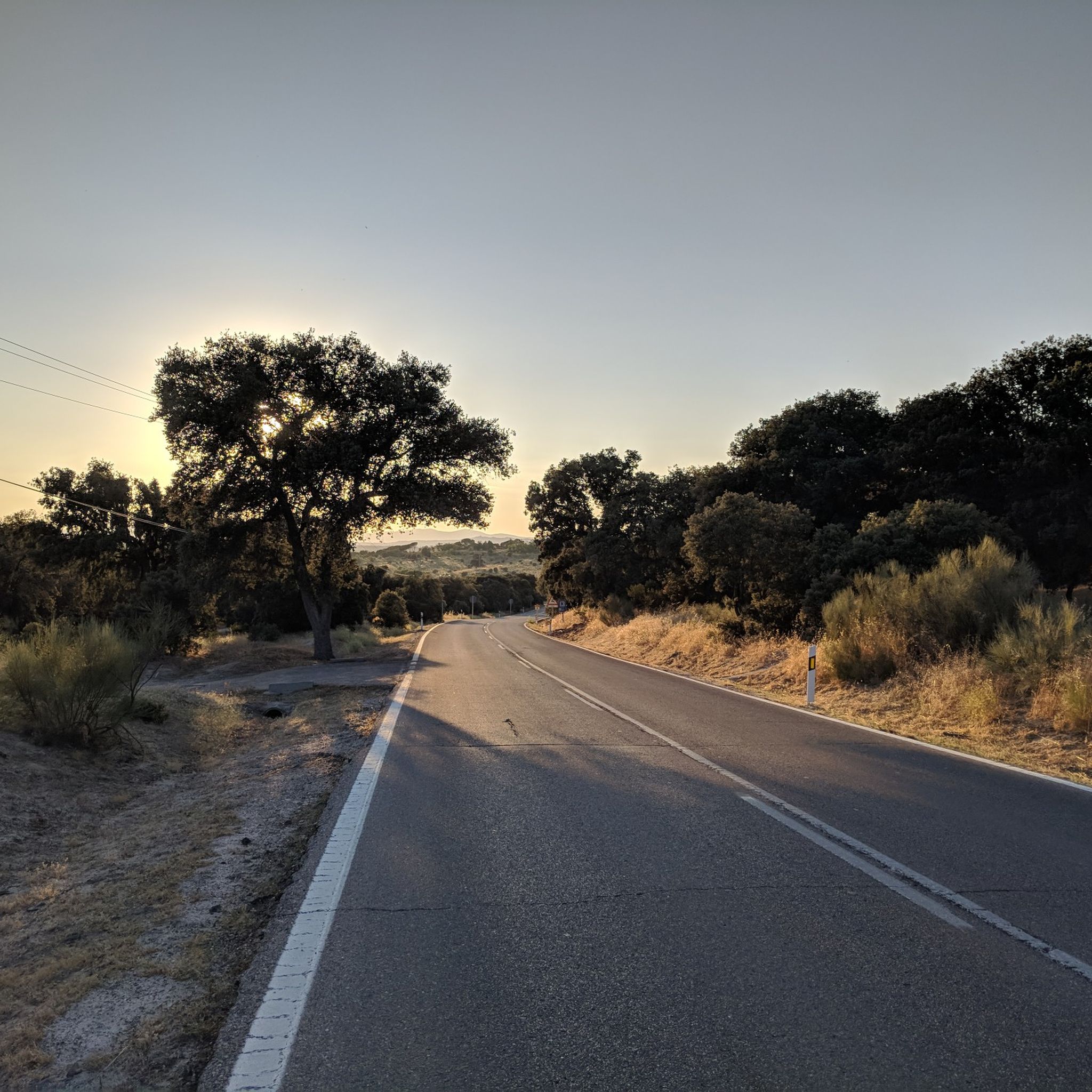
Road Cycling Routes in Cuenca Alta Del Manzanares
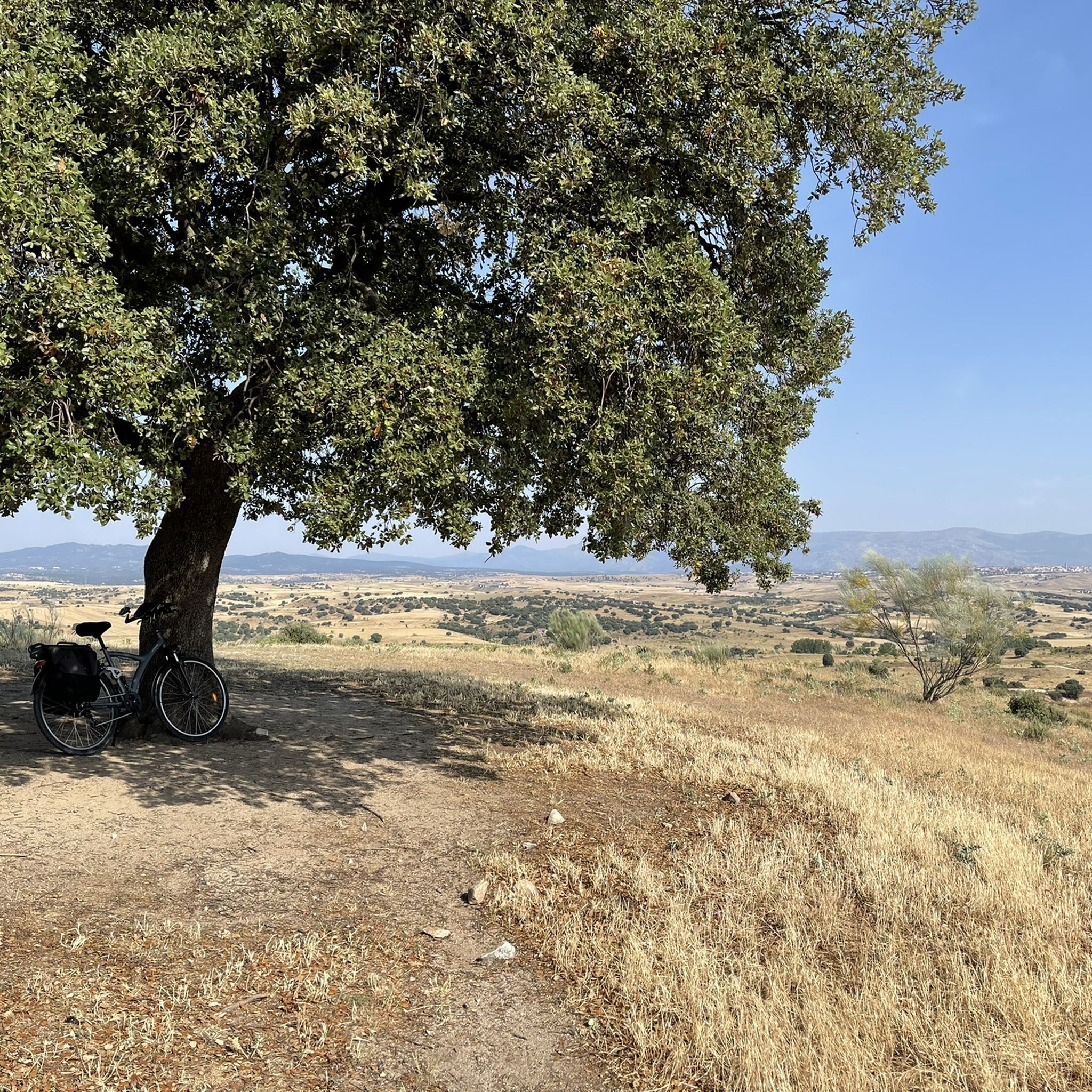
Cycling in Cuenca Alta Del Manzanares
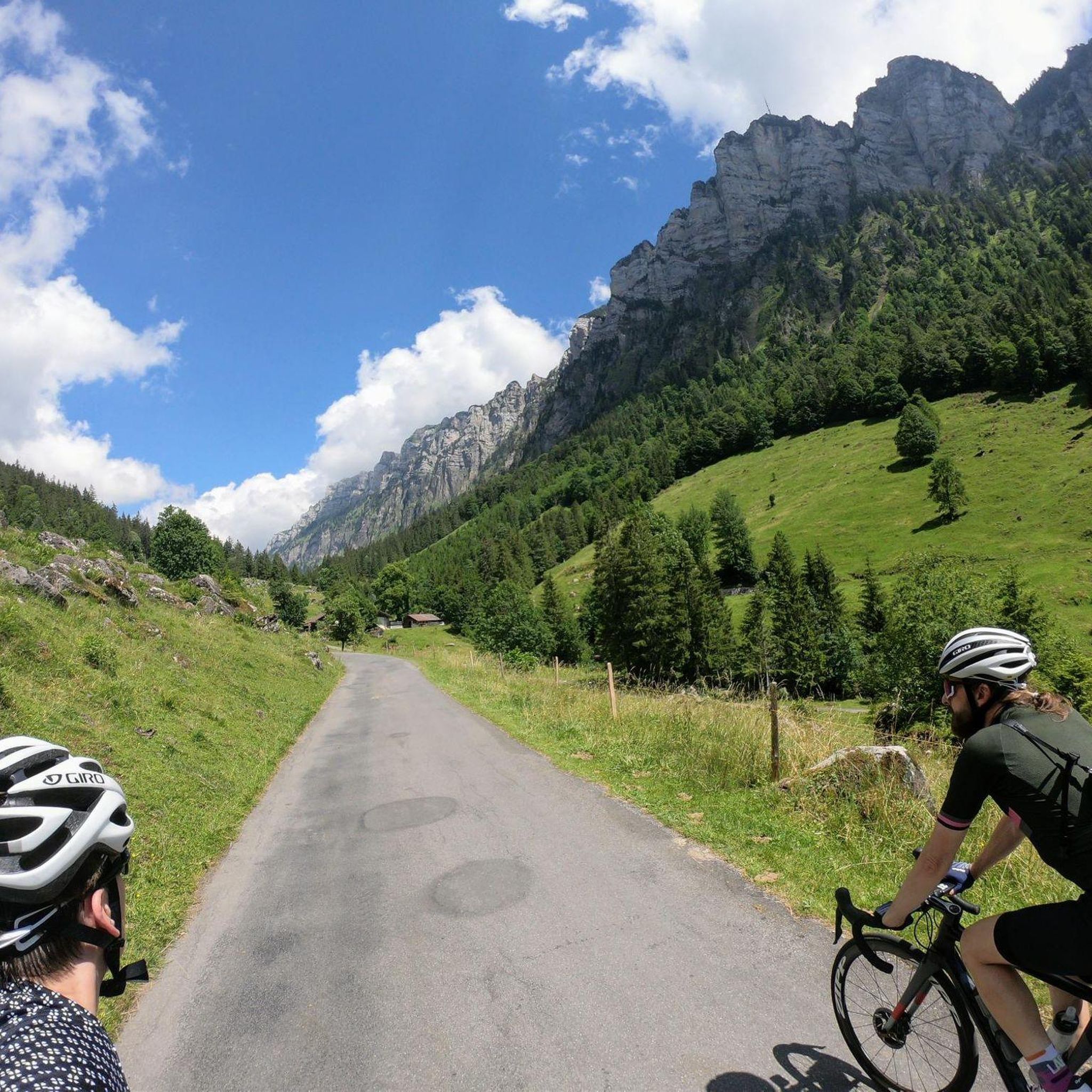
Gravel biking in Cuenca Alta Del Manzanares

Mountain Hikes in Cuenca Alta Del Manzanares
Other adventures in Cuenca Alta Del Manzanares


Tips from the Community

It is a good area for a quiet route without rushing... except for some sections with a lot of water where you have to walk.
0
0

The Mirador de las Canchas is one of the most outstanding panoramic points in the Sierra de Guadarrama, located in the Barranca Valley, within the municipality of Navacerrada, Madrid. From this viewpoint, located at an altitude of approximately 1,754 meters, you can enjoy stunning views of iconic mountains such as La Maliciosa and La Bola del Mundo, as well as the extensive pine forest in the valley and, on clear days, even the city of Madrid in the distance. The route to reach the viewpoint is of moderate difficulty and begins at the La Barranca parking lot. The route, approximately 9 kilometers round trip, runs mainly along a forest track with a gradient of approximately 350 meters, making it accessible to most hikers. During the ascent, you will cross lush pine forests and pass near landmarks such as the Fuente de la Campanilla and the remains of the old Guadarrama Sanatorium.
0
0

A crossing and meeting place for many hikers heading in different directions.
0
1
It's hard to get there, but the views are so cool.
0
1

Today it was overflowing with water. Very good place to spend the day.
0
0

Beautiful environment, although if you go gravel you will surely have to set foot on the ground two or three times to reach it.
1
0

Area to practice technique near Tres Cantos
0
0
Nice point to observe the mountains of Madrid, and point of origin of good routes
1
0
Frequently Asked Questions
What unique geological features can I explore in Cuenca Alta del Manzanares?
The Cuenca Alta del Manzanares is renowned for its unique geological formations, particularly La Pedriza, which is the largest granite complex in Europe. This area features an extraordinary labyrinth of granite rock formations, peaks, and cliffs, offering a dramatic interplay of water and rock. The region's overall landscape is characterized by these distinctive granite formations, extensive forests, and significant wetlands.
Which natural monuments offer the best panoramic views in the region?
For breathtaking panoramic views, visit Las Canchas Viewpoint, which offers an extraordinary vista of the Barranca Valley, framed by the majestic Guarramillas and Maliciosa massifs. From here, you can see iconic mountains, a vast pine forest, and even the city of Madrid on clear days. Another excellent spot is Valdeliganar Viewpoint, providing an unbeatable view of the Sierra de Guadarrama, where the Manzanares River originates.
Are there any historical natural monuments in Cuenca Alta del Manzanares?
Yes, the Marmot Bridge is a notable historical site. Dating from the 18th century, it was built to maintain surveillance of the El Pardo hunting reserve. Today, it stands as an emblematic site for hikers, runners, and cyclists, offering a glimpse into the region's past.
What kind of forest ecosystems can I find in the park?
The park boasts diverse forest ecosystems. You can explore the Scots Pine Forests of La Barranca, which are a dominant feature in the Barranca valley. Beyond this, the region includes holm oak groves, juniper groves, rockrose groves (jarales), and melojares (Pyrenean oak forests), contributing to its rich biodiversity with approximately 1,400 different plant species.
Are there family-friendly natural monuments or trails suitable for children?
Several natural monuments in Cuenca Alta del Manzanares are considered family-friendly. These include Valdeliganar Viewpoint, Las Canchas Viewpoint, Santillana Reservoir, and the Scots Pine Forests of La Barranca. These locations often feature accessible trails and scenic spots suitable for all ages to enjoy nature.
What outdoor activities can I do near these natural monuments?
The Cuenca Alta del Manzanares offers a wide array of outdoor activities. You can find numerous routes for hiking, cycling, and trail running. For detailed hiking options, explore the Mountain Hikes in Cuenca Alta Del Manzanares guide. If you prefer cycling, check out the Road Cycling Routes or Gravel Biking guides for the area.
What is the best time of year to visit the natural monuments in Cuenca Alta del Manzanares?
The Cuenca Alta del Manzanares is beautiful year-round, but the best time to visit largely depends on your preferred activities. Spring (April-May) and autumn (September-October) offer pleasant temperatures for hiking and exploring, with vibrant flora in spring and stunning foliage in autumn. Summer can be hot, especially at lower altitudes, but higher elevations provide cooler escapes. Winter offers a different charm, with potential for snow in the mountains, though some trails might be more challenging.
Are there any significant wetlands or reservoirs to visit?
Yes, the Santillana Reservoir is a large wetland within the park, serving as an important resting point for migratory birds. It offers picturesque landscapes with views of Manzanares el Real and its castle. The El Pardo Reservoir is another significant wetland, both protected for their ecological value and providing serene waterside views.
What do visitors enjoy most about the natural monuments in Cuenca Alta del Manzanares?
Visitors frequently praise the stunning panoramic views, especially from spots like Las Canchas Viewpoint, where they can see the Sierra de Guadarrama and the extensive pine forests. The tranquility and natural beauty of the area, including the diverse birdlife at Santillana Reservoir, are also highly appreciated. Many enjoy the variety of routes available for all levels, from easy walks to challenging mountain hikes, and the opportunity to observe the unique granite formations.
Where are the headwaters of the Manzanares River located and what makes them special?
The headwaters of the Manzanares River are located in the Sierra de Guadarrama, forming a basin delimited by prominent peaks such as La Maliciosa (2227 m), Alto de Guarramillas or Bola del Mundo (2265 m), and Cabezas de Hierro (2383 m), a ridge known as the Cuerda Larga. The river's mountainous behavior, carving its way through rocks, creates a distinctive natural spectacle and is a key feature of the region's ecological significance.
Is the Cuenca Alta del Manzanares recognized for its ecological importance?
Absolutely. The Cuenca Alta del Manzanares Regional Park was declared a Biosphere Reserve by UNESCO in 1992, making it the largest protected natural area in the Community of Madrid. It's recognized for its wealth of ecological and scenic value, diverse landscapes, and the presence of endangered species, harmonizing local development with environmental conservation.
Most popular routes in Cuenca Alta Del Manzanares
Most popular attractions in Cuenca Alta Del Manzanares

Get inspired with the komoot mobile app


Explore more
Extend your search for the best caves by checking out these guides of the top ones in Cuenca Alta Del Manzanares:
