Parque Natural De Las Marismas De Santoña
Parque Natural De Las Marismas De Santoña
Top 9 Natural Monuments in Parque Natural De Las Marismas De Santoña
Best natural monuments in Parque Natural De Las Marismas De Santoña offer diverse landscapes within a vital wetland ecosystem in northern Spain. The park encompasses significant natural features, including the prominent Monte Buciero peninsula, known for its limestone cliffs and holm oak forests. This region provides varied natural exploration, from coastal formations to extensive marshlands, supporting rich biodiversity.
Best natural monuments in Parque Natural De Las Marismas De Santoña
- The most popular natural monuments is Piedra Pombera Beach, a…
Last updated: July 11, 2026
Santoña Marshes
Highlight • Natural
Translated by Google •
Tip by

El Regatón Stream
Highlight • River
Translated by Google •
Tip by

Sign up now to discover places like this
Get recommendations on the best single tracks, peaks, & plenty of other exciting outdoor places.
Sign up for free
Piedra Pombera Beach
Highlight • Beach
Translated by Google •
Tip by

Marshes Viewpoint
Highlight • Viewpoint
Translated by Google •
Tip by
Santoña, Victoria and Joyel Marshes Natural Park
Highlight • Natural
Translated by Google •
Tip by
Sign up for free to discover even more natural monuments in Parque Natural De Las Marismas De Santoña.
Sign up for free
Already have an account?
Start today with a free account
Your next adventure awaits.
Login or Signup
Popular around Parque Natural De Las Marismas De Santoña
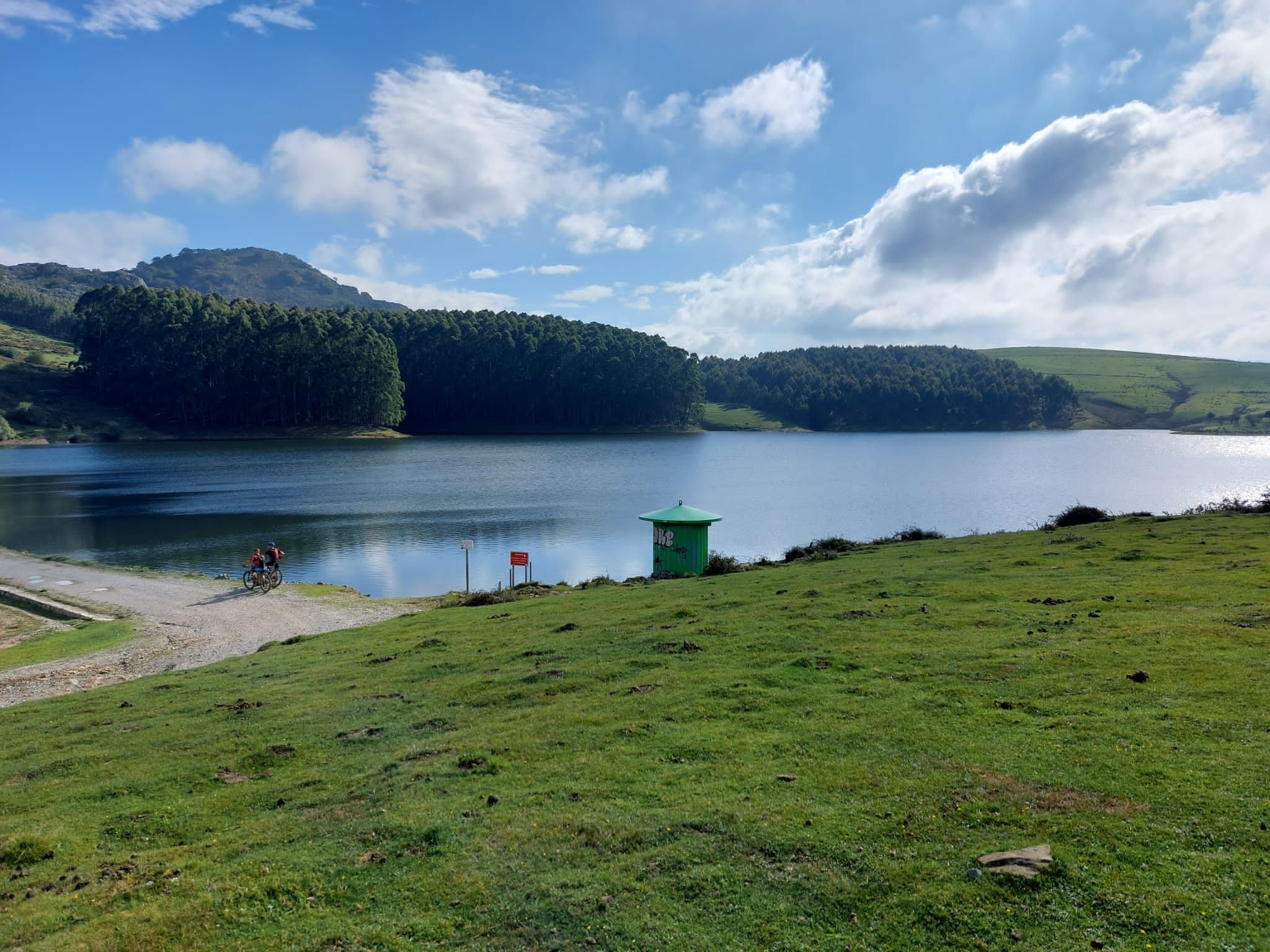
Cycle between land and sea in northern Spain – Pedales de Cantabria
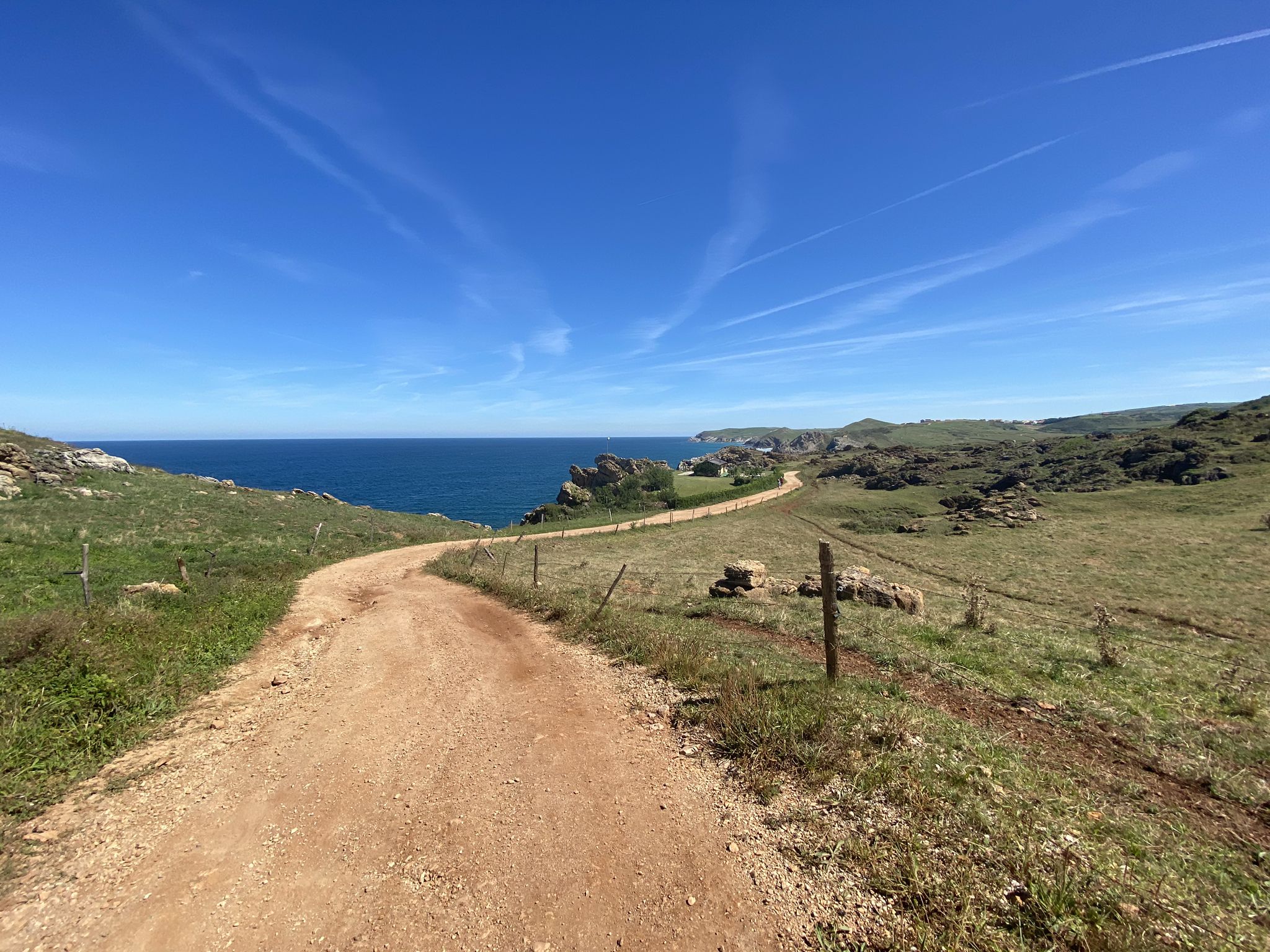
Paths and waves – surf trip by bike in Cantabria
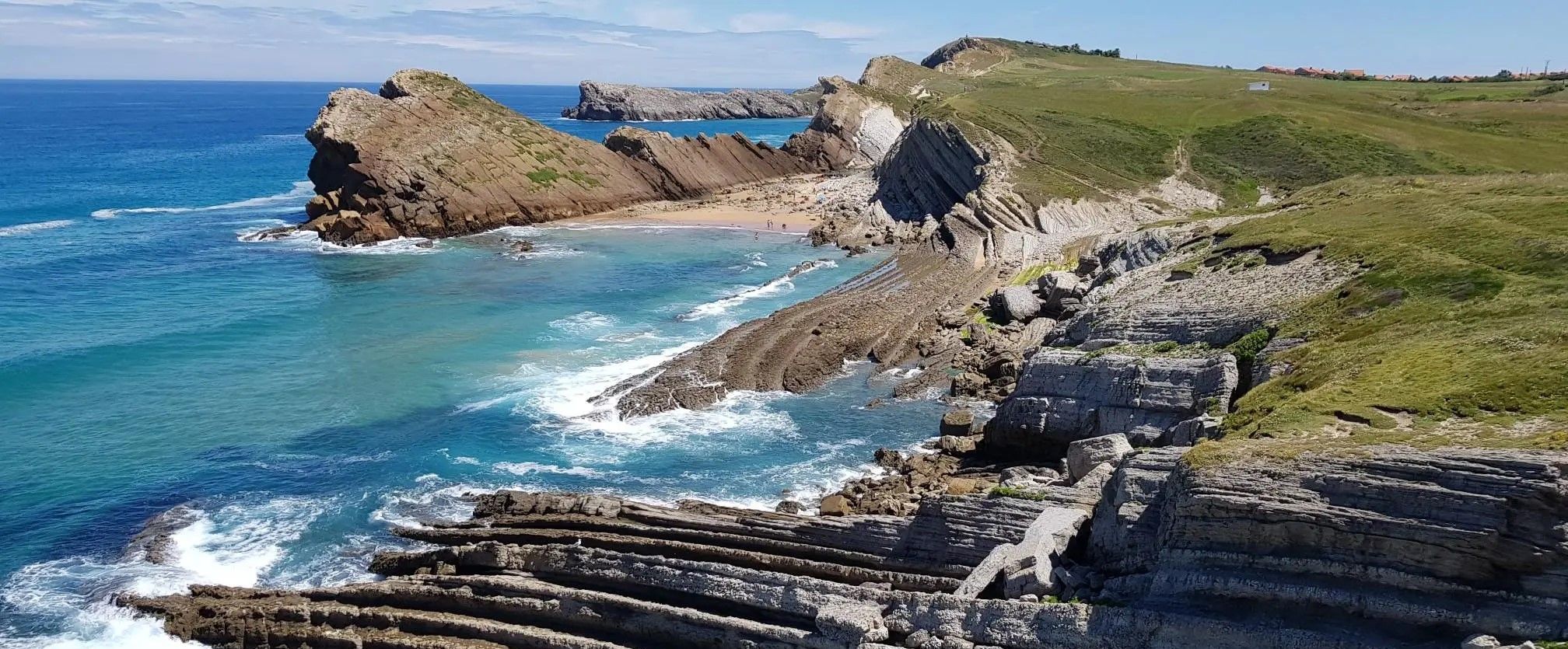
Water everywhere — Amazing routes near Santander
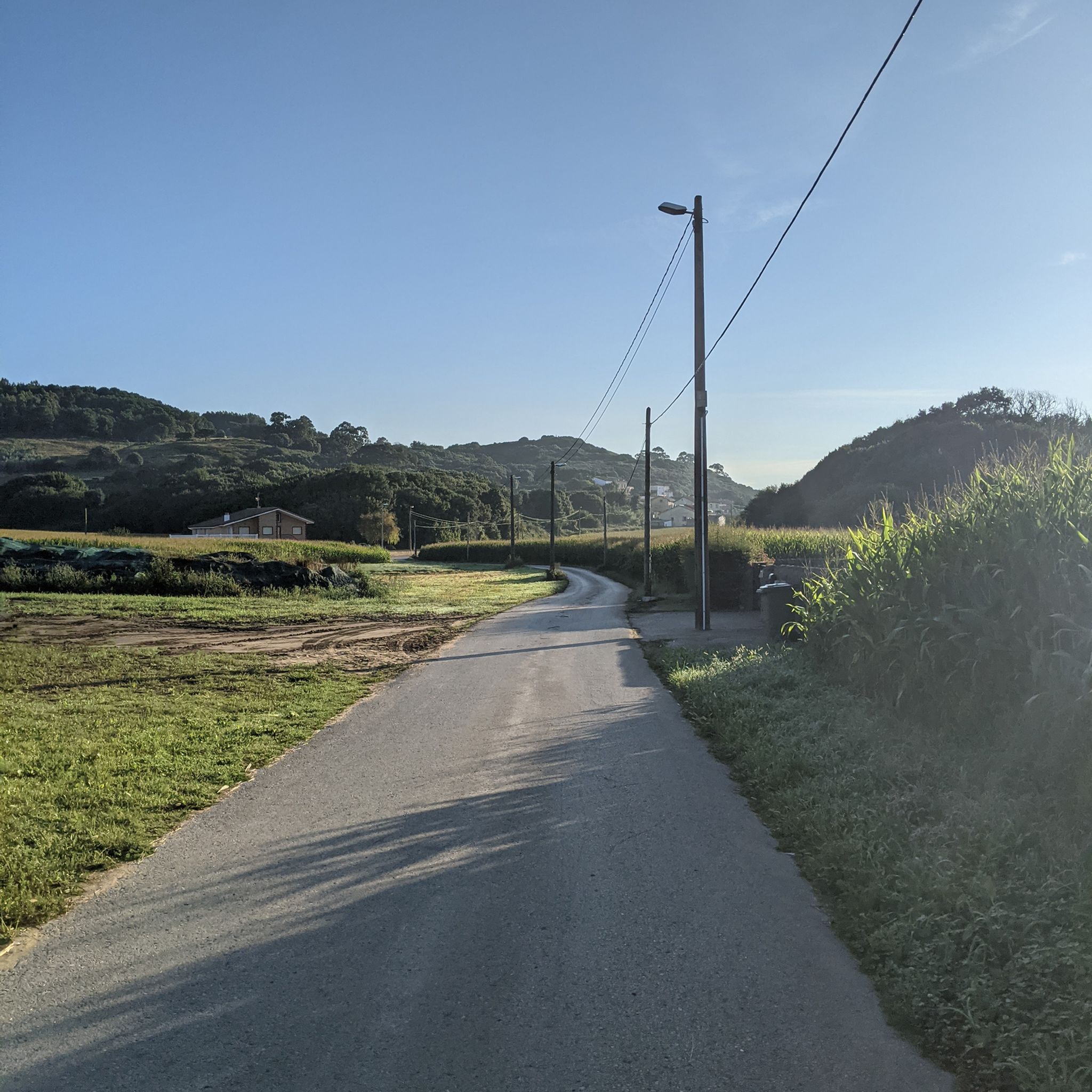
Road Cycling Routes in Parque Natural De Las Marismas De Santoña
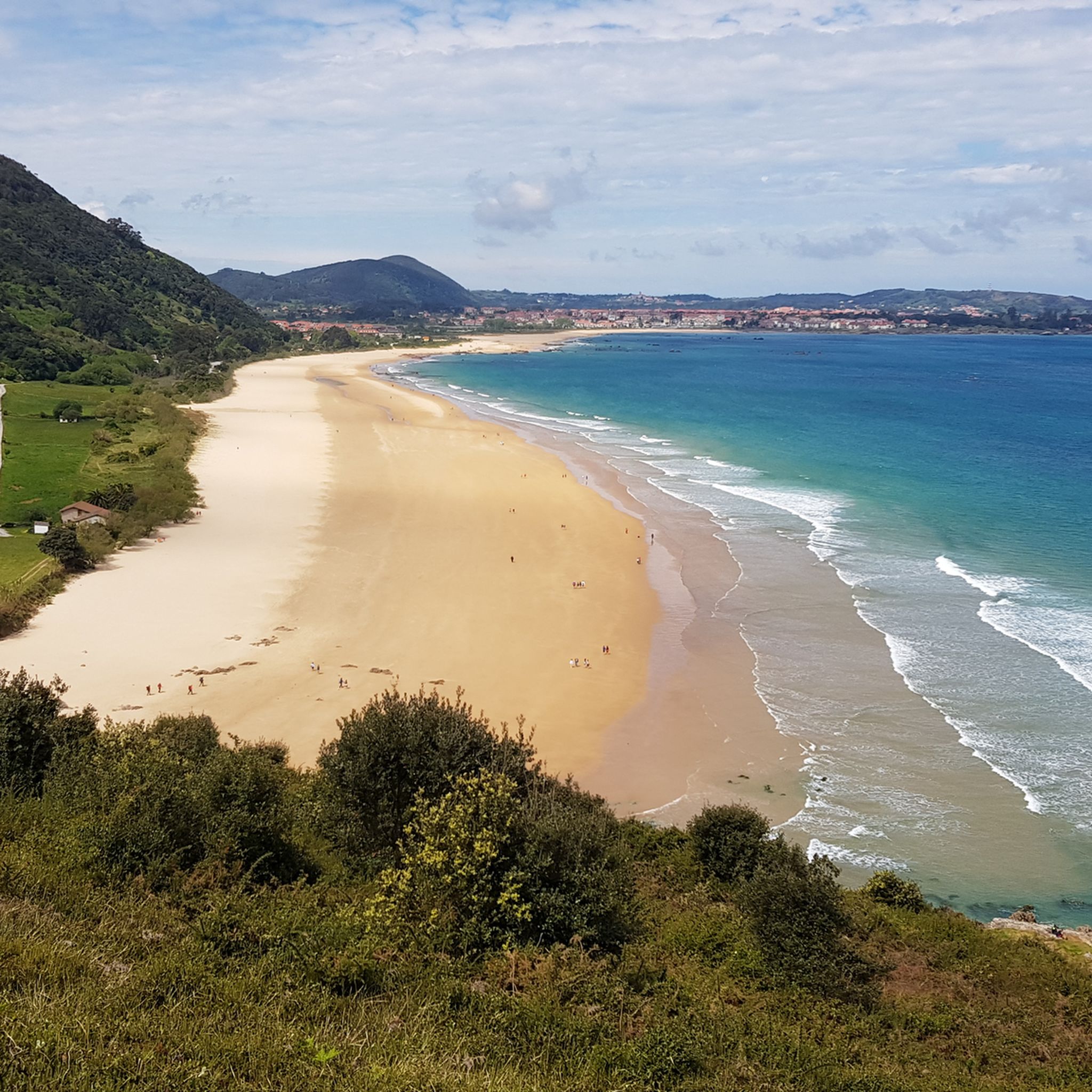
Hiking in Parque Natural De Las Marismas De Santoña
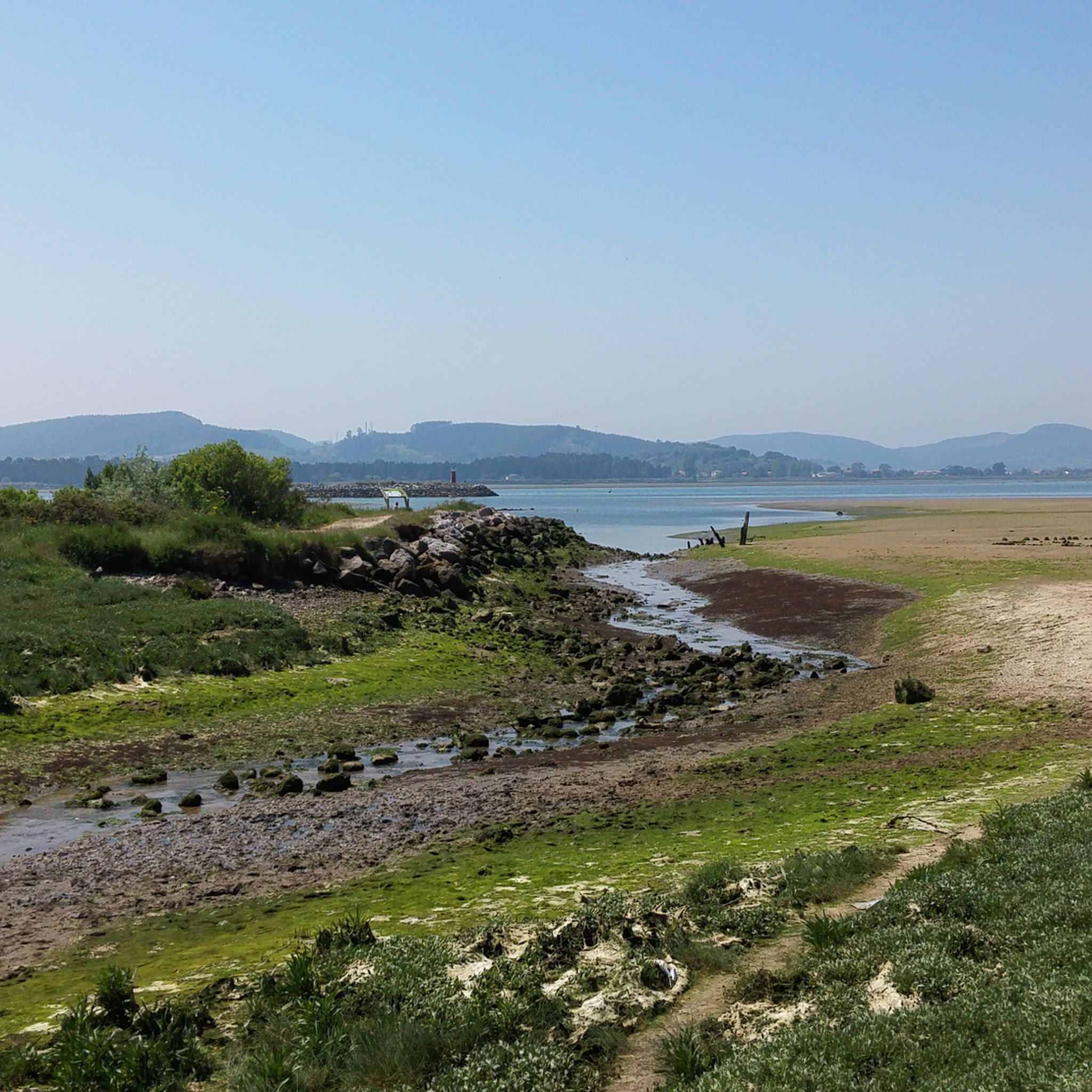
Running Trails in Parque Natural De Las Marismas De Santoña
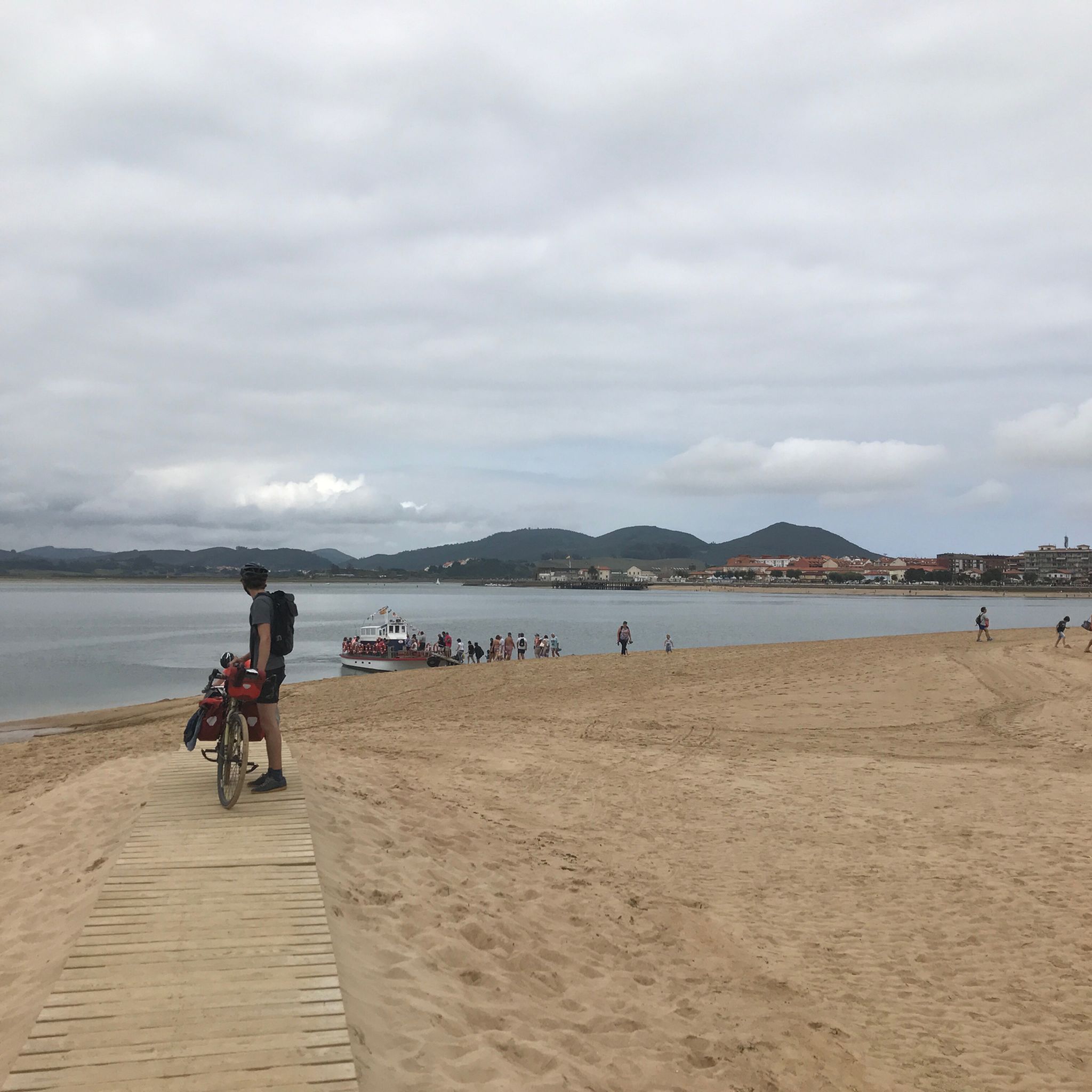
Cycling in Parque Natural De Las Marismas De Santoña
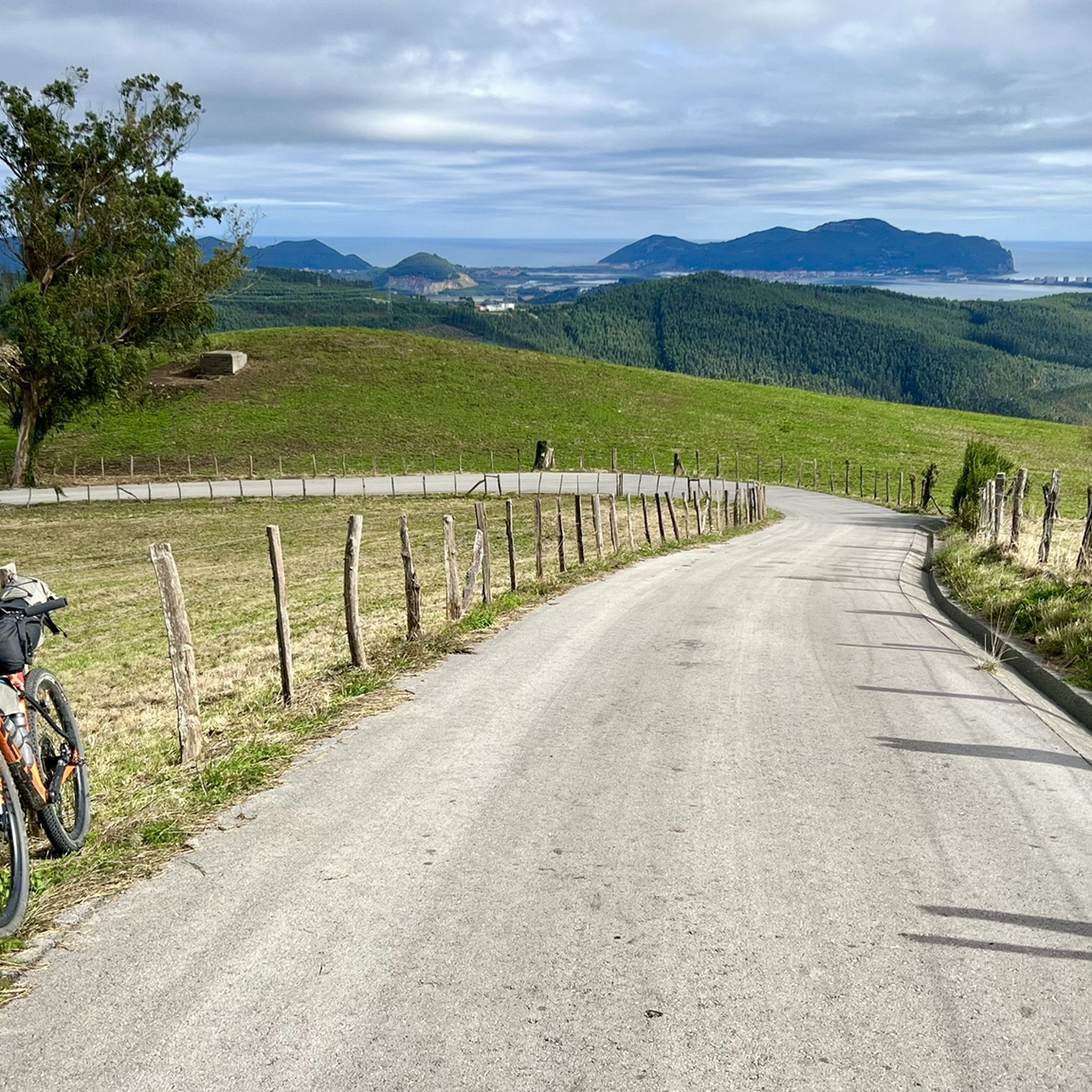
MTB Trails in Parque Natural De Las Marismas De Santoña
Other adventures in Parque Natural De Las Marismas De Santoña


Tips from the Community

The largest beach in the Entreplayas area.
1
0

It was a little run down, it was a bit sad.
1
0

The dune system here is one of the most important on the Atlantic coast. It is integrated into the Natural Park of the Santoña, Victoria and Joyel Marshes, an important wetland. Migratory birds visit the area during the fall and winter months and if you go with binoculars, you can see mallards, herons and egrets in their natural environment. There are two campsites in the area.
1
0
The Natural Park of the Marismas de Santoña, Victoria and Joyel is the largest wetland in Cantabria with an area that covers 6679 hectares. It is the ideal place for bird watching - more than 121 species of waterfowl live here.
1
0
A small observatory where you can see the marshes and the multitude of birds in their habitat. There are a couple of benches to enjoy it more quietly.
1
0

The Natural Park of the Marismas de Santoña, Victoria and Joyel is the largest wetland in Cantabria with an area that covers 6679 hectares. It is the ideal place for those who enjoy bird watching, more than 121 species of waterfowl live here.
1
0

This natural park is the most important wetland on the Cantabrian coast. Its 6,679 hectares are full of unique marine fauna and are home to more than 121 species of waterfowl. The tides constantly change this landscape that can be seen from the different shores and from the bridge that crosses it.
2
0
Frequently Asked Questions
What natural features can I expect to see in Parque Natural De Las Marismas De Santoña?
The park offers a diverse range of natural features. You can explore extensive marshlands, which are the largest wetland in Cantabria, as well as beautiful beaches like Piedra Pombera Beach. The region also features river systems such as El Regatón Stream with its important dune system, and dramatic coastal formations like those found on Monte Buciero, including limestone cliffs and karstic caves.
Are there any historical or cultural sites among the natural monuments?
Yes, Monte Buciero, a prominent natural monument within the park, is rich in history. It features numerous fortifications, powder magazines, and watchtowers primarily from the 17th century, such as the Fuerte de San Martín and Fuerte de San Carlos. Additionally, Punta del Aguila also holds remains of an old fortification, adding a historical dimension to its natural beauty.
What makes Monte Buciero a significant natural monument in the region?
Monte Buciero is a limestone peninsula within the Parque Natural de las Marismas de Santoña, Victoria y Joyel, renowned for its exceptional natural beauty and ecological diversity. It boasts towering cliffs, lush holm oak forests, and unique karstic formations with caves. The iconic Faro del Caballo, accessible via 763 steps, offers breathtaking views, and the mount is a vital habitat for diverse wildlife, including endangered bird species.
Are there other notable natural monuments in Cantabria outside this park?
Yes, beyond the Parque Natural de las Marismas de Santoña, Cantabria is home to other unique natural monuments. These include the Monumento Natural de las Secuoyas del Monte Cabezón, featuring Europe's most extensive redwood forest, and the Dunas del Puntal y Estuario del Miera in the Bay of Santander, known for its dynamic dune landscape and importance for birdwatching.
Are there family-friendly natural monuments to visit?
Absolutely. The Santoña, Victoria and Joyel Marshes Natural Park itself is considered family-friendly, offering opportunities for bird watching. The Marshes Viewpoint is also a great spot for families, providing a small observatory with benches to quietly observe the marsh and its birds.
What kind of wildlife can I observe in the natural monuments?
The natural monuments, especially the Santoña, Victoria and Joyel Marshes Natural Park, are a haven for wildlife. The marshes host over 121 species of waterfowl, making it an ideal location for birdwatching. Monte Buciero's cliffs are breeding grounds for endangered species like the European shag and Egyptian vulture, while its holm oak areas are home to badgers, genets, and peregrine falcons. The dune system of El Regatón Stream is visited by migratory birds like mallards, herons, and egrets during fall and winter.
Are there good viewpoints to enjoy the scenery?
Yes, several natural monuments offer excellent viewpoints. The Marshes Viewpoint provides a dedicated spot to observe the marsh and its birdlife. Monte Buciero offers stunning coastal vistas, particularly from the Faro del Caballo and the Buciero Cross, which provides 360-degree views. Punta del Aguila is also known for its beautiful views.
What is the best time of year to visit the natural monuments in Parque Natural De Las Marismas De Santoña?
The natural monuments can be enjoyed year-round, but specific times offer unique experiences. For birdwatching, the fall and winter months are ideal, as migratory birds visit the marshlands and the dune system of El Regatón Stream. Spring and summer are excellent for hiking and enjoying the lush landscapes and coastal activities.
What outdoor activities and trails are available near the natural monuments?
The area around the natural monuments offers a variety of outdoor activities. You can find numerous hiking trails, including routes on Monte Buciero that connect its lighthouses and climb to the Buciero Cross. For more options, explore the hiking guide for Parque Natural De Las Marismas De Santoña. There are also cycling routes, such as the 'Santoña Forts and Marshes Loop from Noja', detailed in the cycling guide, and running trails, like the 'Faro del Pescador y Faro del Caballo loop', found in the running guide.
Are there specific hiking trails recommended for exploring the natural monuments?
Yes, Monte Buciero offers several well-defined hiking routes, including the extensive Lighthouse Route that connects Faro del Caballo and Faro del Pescador, and a climb to the Buciero Cross for panoramic views. Within the broader park, trails like 'Parque Natural de las Marismas de Santoña, Victoria y Joyel – circular by the Muelle de los Frailes' and 'Punta de la Mesa – Piedra Pombera Beach loop from Noja' are popular. You can find more details and options in the hiking guide.
What do visitors particularly enjoy about the natural monuments in this park?
Visitors frequently highlight the stunning natural beauty and the tranquility of the area. The opportunity for birdwatching in the vast marshlands of the Santoña, Victoria and Joyel Marshes Natural Park is a major draw. The dramatic coastal scenery and the unique experience of visiting the Faro del Caballo on Monte Buciero are also highly praised. Many appreciate the chance to immerse themselves in nature and observe wildlife in its natural habitat.
Are there any lesser-known natural monuments or hidden gems worth discovering?
While Monte Buciero and the main marshlands are well-known, exploring areas like Punta del Aguila can offer a unique experience. Here, at high tide, natural pools are created, providing a wonderful spot for swimming and enjoying beautiful, less crowded views. The dune system of El Regatón Stream also offers a peaceful setting for observing migratory birds away from more bustling areas.
Most popular routes in Parque Natural De Las Marismas De Santoña
Most popular attractions in Parque Natural De Las Marismas De Santoña

Get inspired with the komoot mobile app


Explore more
Extend your search for the best caves by checking out these guides of the top ones in Parque Natural De Las Marismas De Santoña:
