Top 20 Natural Monuments around Hardangervidda
Best natural monuments around Hardangervidda include a diverse range of geological features across Northern Europe's largest high mountain plateau. This national park, covering approximately 3,422 square kilometers, features alpine landscapes shaped by glacial activity, with barren moorlands, vast plateaus, deep valleys, and waterfalls. The area supports unique arctic flora and fauna, including one of the world's largest wild reindeer herds. Ancient trails crisscross the plateau, reflecting thousands of years of human and animal migration.
Best natural monuments around Hardangervidda
- The…
Last updated: August 21, 2026
Nyastølsfossen
Highlight • Waterfall
Tip by

Nykkjesøyfossen Waterfall
Highlight • Waterfall
Translated by Google •
Tip by

Sign up now to discover places like this
Get recommendations on the best single tracks, peaks, & plenty of other exciting outdoor places.
Sign up for free
Four Waterfalls
Highlight (Segment) • Waterfall
Really strenuous up to the second waterfall...
Really strenuous up to waterfalls 3 and 4 and especially back again.
Not for beginners …
Translated by Google •
Tip by

Upper Level of Vøringsfossen Waterfall
Highlight • Waterfall
Translated by Google •
Tip by

View of Nyastølfossen
Highlight • Waterfall
Translated by Google •
Tip by

Sign up for free to discover even more natural monuments around Hardangervidda.
Sign up for free
Already have an account?
Start today with a free account
Your next adventure awaits.
Login or Signup
Popular around Hardangervidda
MASSIV-Ruta – Steep mountains and deep valleys, a Norwegian adventure
Hardangervidda – The quiet edge of Norway
Hardangervidda på tvers – Hike across Europe’s Largest Mountain Plateau
Hiking around Hardangervidda
Running Trails around Hardangervidda
Cycling around Hardangervidda
Road Cycling Routes around Hardangervidda
MTB Trails around Hardangervidda
Other adventures around Hardangervidda


Tips from the Community

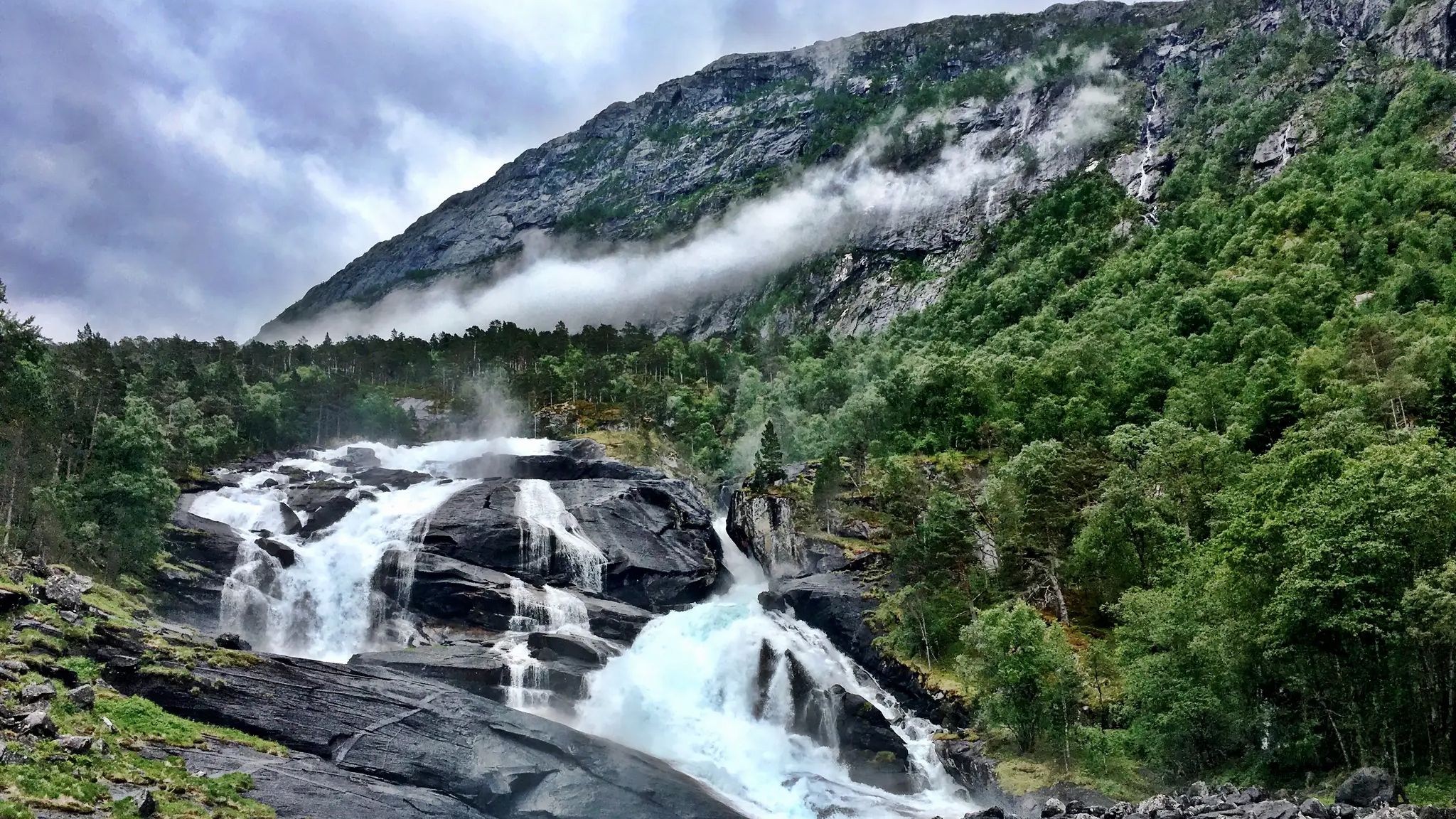
Nyastølsfossen is a thundering waterfall and the second of four major falls on the hike up through Husedalen. It plunges down a 115 meter drop, a hugely impressive sight.
1
0

A very strenuous, steep climb (partly next to/under the water pipeline) over rocks and later through the forest, over roots and rocks. The views of the waterfalls are continually breathtaking. Absolute surefootedness is a prerequisite. The return journey, along a partially newly paved forest path, is relaxing.
0
1

Wonderful place... unfortunately we always find a lot of rubbish... take all your rubbish home with you... leave no trace! ...
0
0

One waterfall more impressive than the other.
0
0
Just wow. No matter which direction you turn, it's just beautiful.
1
0
Spectacular waterfalls. Definitely worth the climb.
0
0

Easy to strenuous up to the first waterfall... Really strenuous up to the second waterfall... Really strenuous up to waterfalls 3 and 4 and especially back again. Not for beginners and you should be really good on your feet and in good enough shape.
2
0

From above the scenery looks even more spectacular.
0
0
Frequently Asked Questions
What are some of the most impressive waterfalls to visit in Hardangervidda?
Hardangervidda is renowned for its powerful waterfalls. Among the most spectacular is Vøringsfossen Waterfall, where water plunges 182 meters into a dramatic canyon. Another must-see is the series of Four Waterfalls in Husedalen, including Nyastølsfossen, which drops 115 meters. You can also find the Nykkjesøyfossen Waterfall in a scenic valley, and the Upper Level of Vøringsfossen Waterfall offers a wild nature experience with stunning views.
What kind of landscape can I expect to see in Hardangervidda National Park?
Hardangervidda is Northern Europe's largest high mountain plateau, characterized by unique alpine landscapes shaped by glacial activity. You'll find vast, treeless moorlands, expansive plateaus, deep valleys like Mabødalen, and numerous lakes, rivers, and streams. It's a diverse environment, transitioning from high mountain terrain to fjord areas, offering a sense of boundless wilderness.
Are there any glaciers or significant geological features in the Hardangervidda region?
Yes, the region is home to the Hardangerjøkulen Glacier, the sixth-largest glacier in mainland Norway and the highest point on the Hardangervidda plateau. Its presence highlights the area's glacial history. The entire plateau itself is a significant geological feature, showcasing the effects of ancient ice ages.
What wildlife can be observed around the natural monuments of Hardangervidda?
Hardangervidda supports a unique alpine climate, making it home to the southernmost stock of several arctic animals and plants. Most notably, it hosts one of the largest wild reindeer herds in the world. The vast, unspoiled landscape provides a habitat for various species adapted to the high mountain environment.
What are some family-friendly natural attractions in Hardangervidda?
While many natural monuments involve hiking, some areas offer easier access or shorter trails suitable for families. The viewing platforms around Vøringsfossen are generally accessible. For a more active family outing, exploring parts of the Husedalen Waterfalls trail can be rewarding, though some sections are more challenging. The general plateau offers opportunities for gentle walks and enjoying the vast open spaces.
What is the best time of year to visit Hardangervidda's natural monuments?
The best time to visit Hardangervidda's natural monuments is typically during the summer months, from late June to early September. During this period, the snow has largely melted, trails are open, and the weather is generally milder, making hiking and exploration more accessible and enjoyable. Outside of summer, conditions can be challenging due to snow, ice, and rapidly changing weather.
Are there opportunities for hiking or other outdoor activities near these natural monuments?
Absolutely. Hardangervidda is a prime destination for outdoor activities. You can find a variety of hiking trails, from easy strolls to multi-day treks. For example, there are easy hikes around Hardangervidda, as well as more challenging hiking routes. The region also offers MTB trails for cycling enthusiasts. Many natural monuments, like the Husedalen Waterfalls, are best experienced via dedicated hiking paths.
What do visitors enjoy most about the natural monuments in Hardangervidda?
Visitors frequently praise the raw, untamed beauty and the sense of wild nature. The sheer power of the waterfalls, like Nyastølsfossen, leaves a lasting impression. Many appreciate the breathtaking views and the effort required to reach certain viewpoints, finding the reward well worth it. The tranquility and the opportunity to connect with nature are also highly valued, with some highlights offering ideal resting spots amidst stunning scenery.
Is it possible to explore the Hardangervidda plateau itself as a natural monument?
Yes, the Hardangervidda plateau is considered a natural monument in its own right. As Northern Europe's largest high mountain plateau, its vast, treeless moorland, interrupted by countless lakes and rivers, offers a unique sense of boundless wilderness. Ancient trails crisscross the plateau, providing a glimpse into thousands of years of human and reindeer migration, adding a layer of historical significance to its natural beauty.
Are there any dramatic valleys or unique rock formations to explore?
Yes, the Mabødalen Valley is a dramatic and wild landscape known for its tall mountain cliffs and lush green vegetation. It's a favorite among visitors for its scenic beauty and rare flora. Additionally, the iconic Trolltunga (Troll's Tongue) cliff, while a demanding hike, offers breathtaking views and a unique geological formation that is an unforgettable adventure.
How accessible are the natural monuments, and are there options for those seeking easier paths?
Accessibility varies greatly. Some viewpoints, like those for Vøringsfossen, have infrastructure for easier access. However, many of the most impressive natural monuments, such as the Husedalen Waterfalls or Trolltunga, require moderate to strenuous hiking. For those seeking easier paths, there are numerous easy hikes around the periphery of Hardangervidda that still offer stunning natural beauty without extreme difficulty.
Can I find any hidden gems or less-known natural spots in the Hardangervidda area?
While many natural monuments are well-known, the vastness of Hardangervidda means there are always less-traveled paths. Exploring the Wild River in Hardangervidda National Park can offer a more secluded experience, with opportunities for bivouacking in a wild setting. Venturing slightly off the main trails often reveals tranquil spots and unique perspectives away from the crowds.
Most popular routes around Hardangervidda
Most popular attractions around Hardangervidda

Get inspired with the komoot mobile app


Explore more
Extend your search for the best caves by checking out these guides of the top ones around Hardangervidda:
