Karkonoski Park Narodowy
Karkonoski Park Narodowy
Top 10 Mountain Passes around Karkonoski Park Narodowy
Mountain passes around Karkonoski Park Narodowy are located in the southwestern part of Poland. This region is known for its distinctive mountainous landscapes, large boulders, and glacial kettles, earning it the nickname "miniature Alps." The Karkonosze Mountains feature a diverse flora and fauna, with a geological history spanning 300 million years. Karkonoski Park Narodowy is a UNESCO biosphere reserve, preserving its natural and scenic qualities.
Best mountain passes around Karkonoski Park Narodowy
- The most popular mountain pass is Czarna Przełęcz…
Last updated: July 11, 2026
Climb to Szklarska Pass (Przełęcz Karkonoska)
Highlight (Segment) • Climb
Tip by

Pomezní Sedlo (1050 m) – Malá Úpa Border Crossing
Highlight • Mountain Pass
Translated by Google •
Tip by

Sign up now to discover places like this
Get recommendations on the best single tracks, peaks, & plenty of other exciting outdoor places.
Sign up for free
Karkonoska Pass from Podgórzyn via Borowice
Highlight (Segment) • Mountain Pass
Translated by Google •
Tip by
Ascent to Okraj Pass from Kowary
Highlight (Segment) • Mountain Pass
Translated by Google •
Tip by

Okraj Pass
Highlight • Mountain Pass
Translated by Google •
Tip by

Sign up for free to discover even more mountain passes around Karkonoski Park Narodowy.
Sign up for free
Already have an account?
Start today with a free account
Your next adventure awaits.
Login or Signup
Popular around Karkonoski Park Narodowy
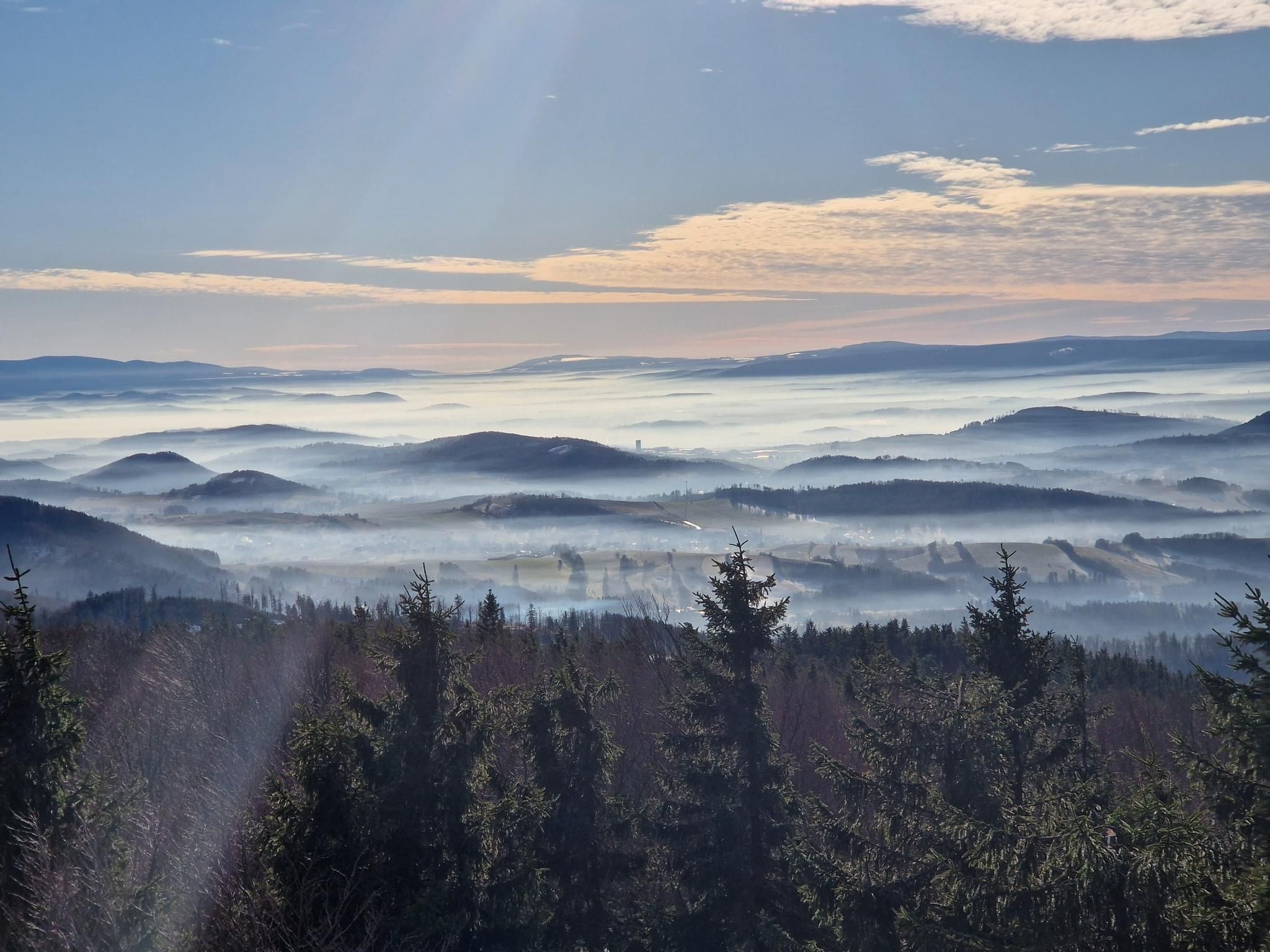
The Main Sudeten Route – a great Polish mountain adventure
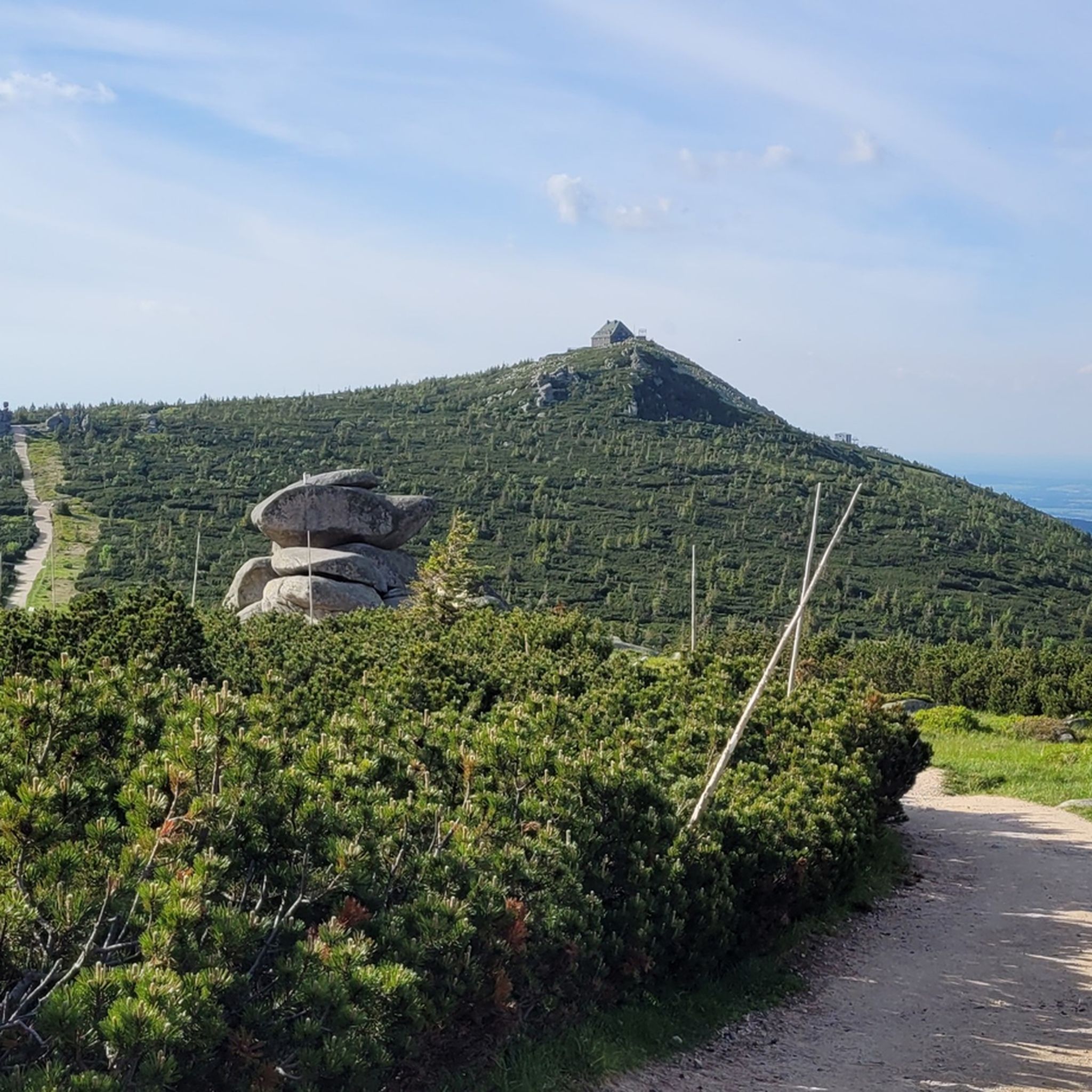
Hiking around Karkonoski Park Narodowy
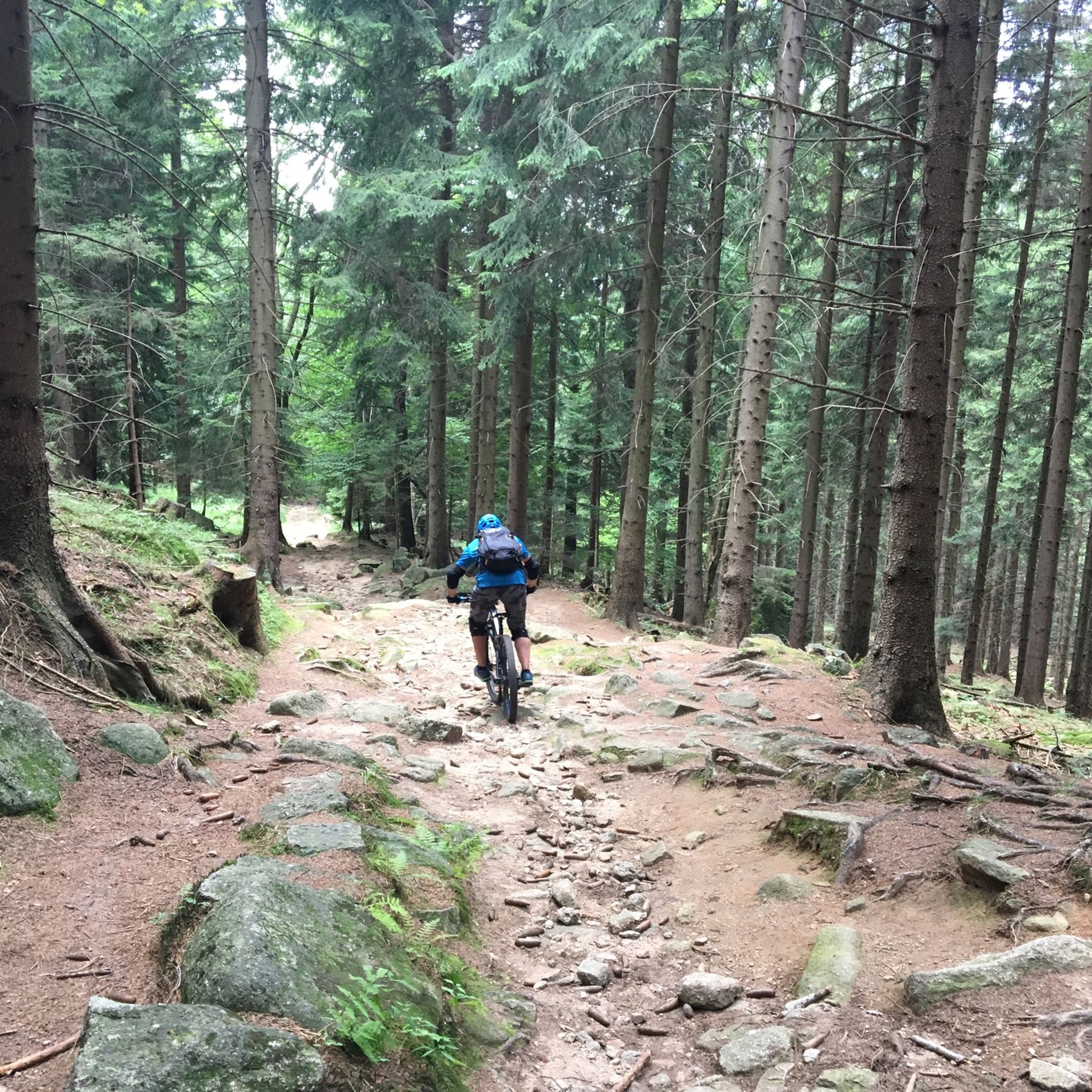
MTB Trails around Karkonoski Park Narodowy
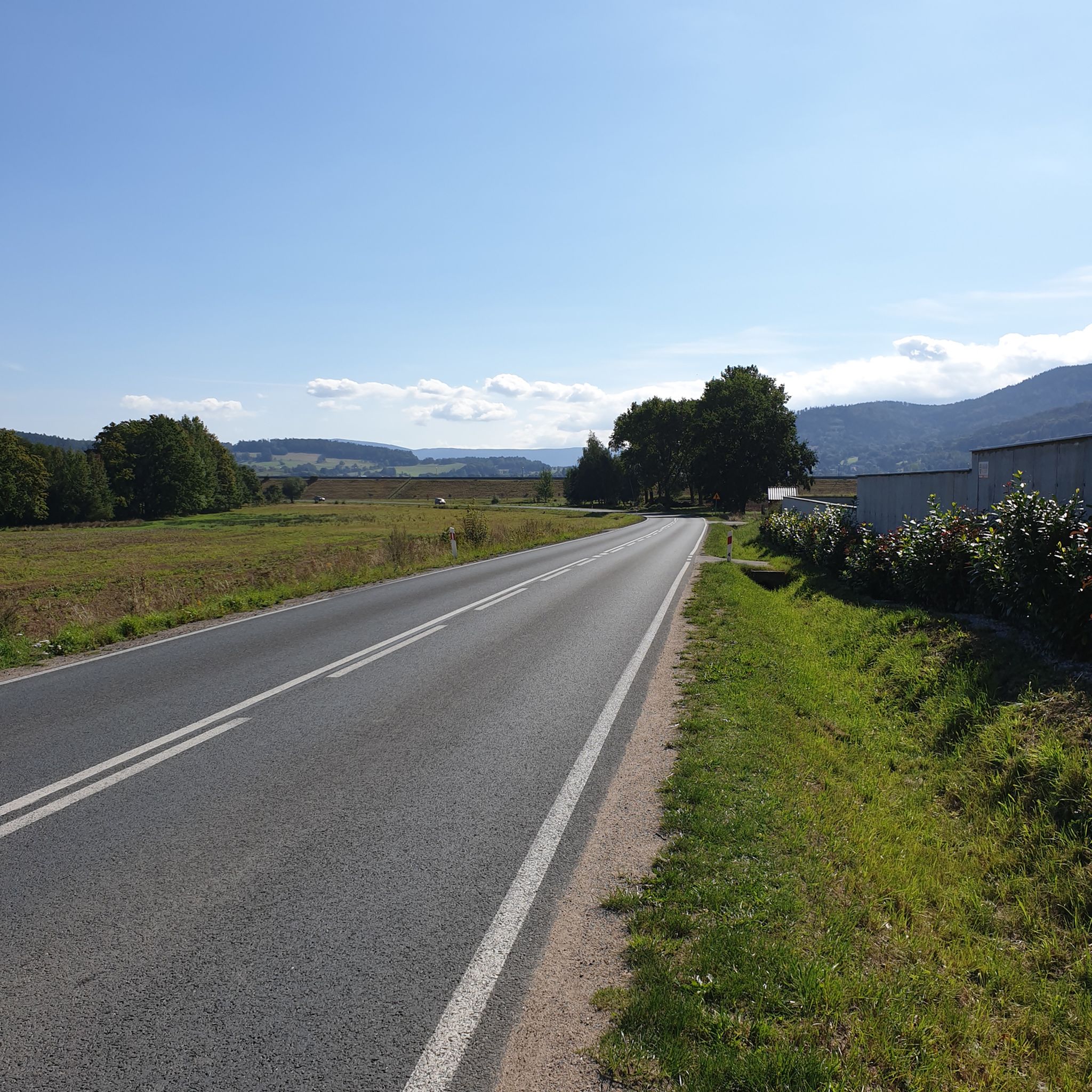
Road Cycling Routes around Karkonoski Park Narodowy

Mountain Hikes around Karkonoski Park Narodowy
Running Trails around Karkonoski Park Narodowy
Cycling around Karkonoski Park Narodowy

Gravel biking around Karkonoski Park Narodowy
Other adventures around Karkonoski Park Narodowy

Tips from the Community

You have to be careful on the road, because there are gutters and the descent is dangerous, it is better to go to the Czech Republic.
2
0
Great driveway, you can drive on it from both sides.
3
0

Very poor asphalt - sometimes missing, poor for descent.
0
0

Source: https://www.quaeldich.de/paesse/spindlerpass/ The Spindler Pass in the Giant Mountains connects Podgórzyn in Poland with Špindlerův Mlýn in the Czech Republic. It is located in the Karkonosze National Park (Krkonoše National Park). Caution: The northern ascent is very steep. However, it is car-free, as the north side is closed to traffic.
0
0

One of the variants of the ascent from Podgórzyn to Przełęcz Karkonoska. The road through Borowice is longer than through Przesieka, it is 12.5 kilometres long, and the elevation gain is 840 m. The average gradient is 6.8%, reaching 20% towards the end. Przełęcz Karkonoska is located at an altitude of 1,198 metres. In the second part of the ascent, the surface is not in very good condition, so it is worth considering a descent to the Czech side.
1
0
Over 13 kilometers long, 600 meters of elevation and beautiful Karkonosze views. Okraj Pass is located on the Polish-Czech border. Interesting facts: every year during the Bałtyk - Karkonosze Tour, cyclists compete here in an individual ride.
0
0
As of 2024, the road in the upper part has not improved. For God's sake, don't drive down here (but on the Czech side 😎)! Otherwise, it's really tough to climb, 15-16% for a long time. You have to push for a change...
0
0

If you visit Mala Upa, definitely stop by this place. You can paint a metal mug there, make a beautiful bracelet or small jewelry, or try to make something out of glass.
4
0
Frequently Asked Questions
What are some popular mountain passes to visit in Karkonoski Park Narodowy?
Visitors frequently enjoy Czarna Przełęcz Pass, which offers a pleasant resting spot with a covered shelter. Another highly-rated pass is Pomezní Sedlo (1050 m) – Malá Úpa Border Crossing, known for its facilities, accommodation options, and scenic views. The challenging Climb to Szklarska Pass (Przełęcz Karkonoska) is also a favorite, marking the western end of the main Karkonosze range.
What kind of views can I expect from the mountain passes in Karkonoski Park Narodowy?
Many passes, especially those at higher elevations or leading to peaks like Śnieżka, offer breathtaking panoramic views of the surrounding mountains, valleys, and distant landscapes. For instance, the area around Śnieżka Pass provides incredible vistas, with visibility extending up to 200 km on clear days. Passes like Pomezní Sedlo and Okraj Pass are also noted for their beautiful Karkonosze views.
Are there challenging climbs or trails associated with these mountain passes?
Yes, the region offers several challenging routes. The Climb to Szklarska Pass (Przełęcz Karkonoska) is known for being a very hard ascent. Similarly, the Karkonoska Pass from Podgórzyn via Borowice is a challenging climb with an elevation gain of 840 meters over 12.5 kilometers, reaching gradients of up to 20% towards the end.
What unique natural features can be found near the mountain passes?
The Karkonosze Mountains are renowned for their distinctive rock formations, such as Pielgrzymy (Pilgrims) and Słonecznik (Sunflower), which can be encountered on trails leading through or near some passes. The landscape also features glacial cirques like Śnieżne Kotły (Snowy Cirques), adding to the geomorphological interest of the region. The diverse flora, including endemic species, is also a highlight along the trails.
What outdoor activities can I do near the mountain passes in Karkonoski Park Narodowy?
The passes are integral to an extensive network of hiking and cycling trails. You can find numerous options for hiking, including difficult routes like the 'Karpacz Biały Jar - Śnieżka Trail' or moderate ones like the 'Skalny Stół and Friendship Trail Loop'. There are also running trails and cycling routes, such as the ascent to Okraj Pass from Kowary, which is a popular cycle way.
Are there any easy or family-friendly routes near the mountain passes?
Yes, while some passes involve challenging climbs, there are also easier options. For family-friendly excursions, you can explore easy hikes around Karkonoski Park Narodowy. These include routes like the 'Szklarka Waterfall – Karkonosze National Park loop from Piechowice' or the 'View of Chojnik Castle – Chojnik Castle loop from Jelenia Góra', which are suitable for various fitness levels.
What is the best time of year to visit the mountain passes in Karkonoski Park Narodowy?
The warmer months are generally ideal for visiting, offering the best conditions for hiking and enjoying the panoramic views. During this time, a cable car operates for easier access to the Śnieżka summit area. While winter hiking is possible, conditions can be challenging, and some areas may require specific gear or experience due to snow and ice.
Are there mountain shelters or facilities available near the passes?
Yes, passes often serve as access points to mountain shelters. For example, Czarna Przełęcz Pass has a covered shelter for resting. Pomezní Sedlo (1050 m) – Malá Úpa Border Crossing offers accommodation options and other facilities. Okraj Pass also features a mountain shelter, providing convenient stops for visitors.
Do I need any permits to access the mountain passes within Karkonoski Park Narodowy?
Karkonoski Park Narodowy is a UNESCO biosphere reserve, and as such, certain regulations apply to protect its natural environment. While general access to trails is usually permitted, it's advisable to check the official park website for any specific permit requirements, entry fees, or restricted areas, especially for certain activities or during particular seasons. You can find more information on the Karkonoski Park Narodowy website.
What do visitors appreciate most about the mountain passes in this region?
Visitors frequently highlight the stunning panoramic views, the extensive network of hiking and cycling trails, and the unique natural features like rock formations and glacial cirques. The opportunity to access mountain shelters and the overall preservation of the natural environment within the UNESCO biosphere reserve also contribute to a rewarding experience for nature lovers and adventurers.
Which mountain pass is located at the western end of the main Karkonosze range?
The Climb to Szklarska Pass (Przełęcz Karkonoska) is located at an elevation of 886 meters and marks the western end of the main Karkonosze range, serving as a significant gateway to the western part of the park.
Where is Okraj Pass located and what are its features?
Okraj Pass is situated at 1046 meters above sea level, at the eastern end of the Karkonosze National Park. It is a significant point in the region's tourist infrastructure, featuring a mountain shelter and lying on the Polish-Czech border. It's also known for its beautiful Karkonosze views and is a popular route for cyclists.
Most popular routes around Karkonoski Park Narodowy
Most popular attractions around Karkonoski Park Narodowy

Get inspired with the komoot mobile app


Explore more
See even more epic mountain passes by checking out these guides around Karkonoski Park Narodowy:
