Karkonoski Park Narodowy
Karkonoski Park Narodowy
Top 20 Natural Monuments around Karkonoski Park Narodowy
Natural monuments around Karkonoski Park Narodowy are shaped by geological processes, including glacial activity, within the Sudetes mountain range in southwestern Poland. This UNESCO Biosphere Reserve features unique landscapes and significant ecological value. The park's terrain offers a variety of natural features, making it a prime destination for visitors seeking to explore its natural heritage.
Best natural monuments around Karkonoski Park Narodowy
- The most popular natural monuments is Mały Staw (Little Pond) and Samotnia Mountain Hut, a lake that…
Last updated: July 11, 2026
Śnieżka (Schneekoppe) Summit
Highlight • Summit
Unfortunately, only the kiosk on the Czech side is still open.
Translated by Google •
Tip by

Kamieńczyk Waterfall
Highlight • Waterfall
Translated by Google •
Tip by

Sign up now to discover places like this
Get recommendations on the best single tracks, peaks, & plenty of other exciting outdoor places.
Sign up for free
Mały Staw (Little Pond) and Samotnia Mountain Hut
Highlight • Lake
A nice photo motif.
Translated by Google •
Tip by

Snowy Cauldrons
Highlight • Gorge
Translated by Google •
Tip by
Sněžka Meteorological Observatory
Highlight • Monument
Translated by Google •
Tip by

Sign up for free to discover even more natural monuments around Karkonoski Park Narodowy.
Sign up for free
Already have an account?
Start today with a free account
Your next adventure awaits.
Login or Signup
Popular around Karkonoski Park Narodowy
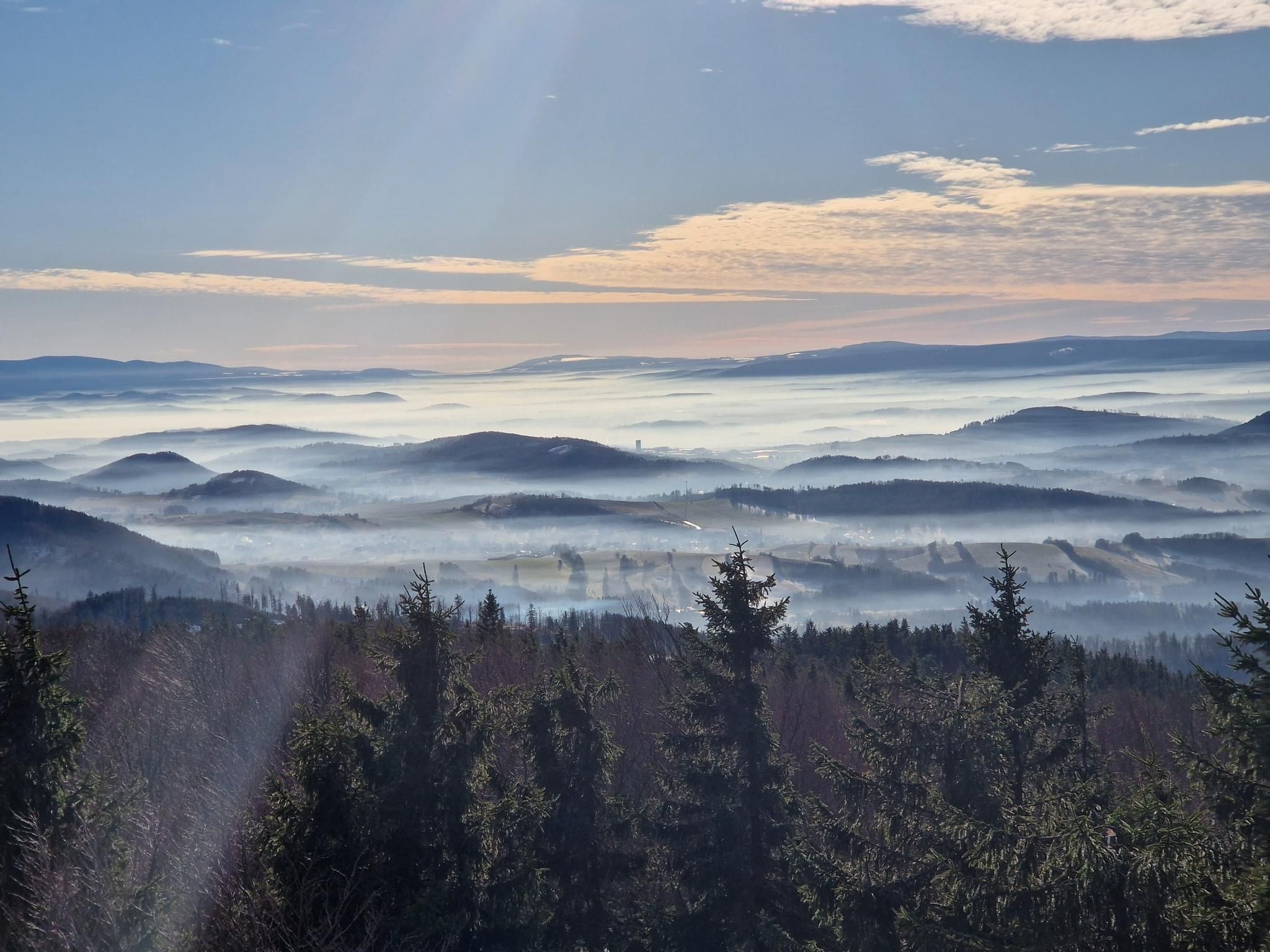
The Main Sudeten Route – a great Polish mountain adventure
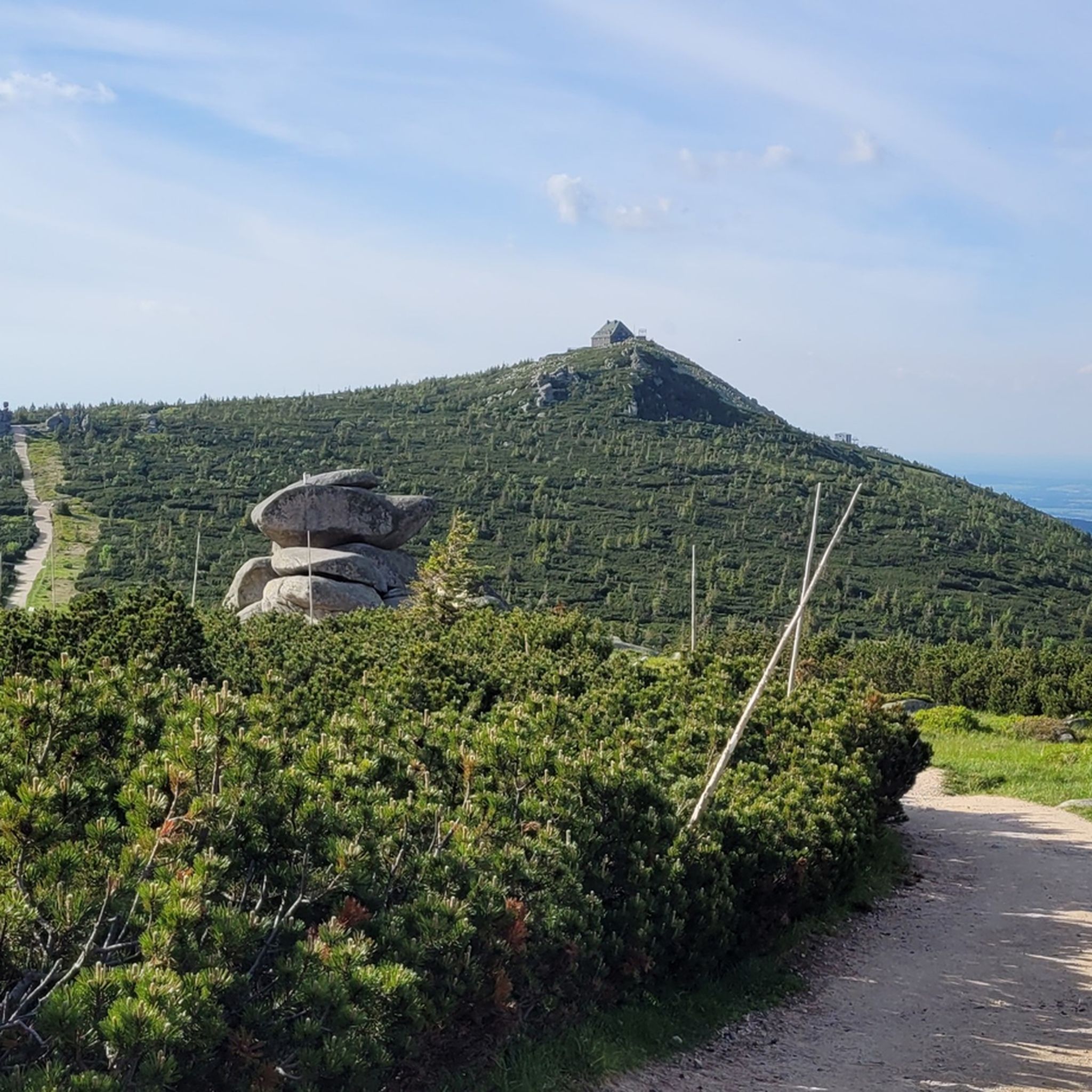
Hiking around Karkonoski Park Narodowy
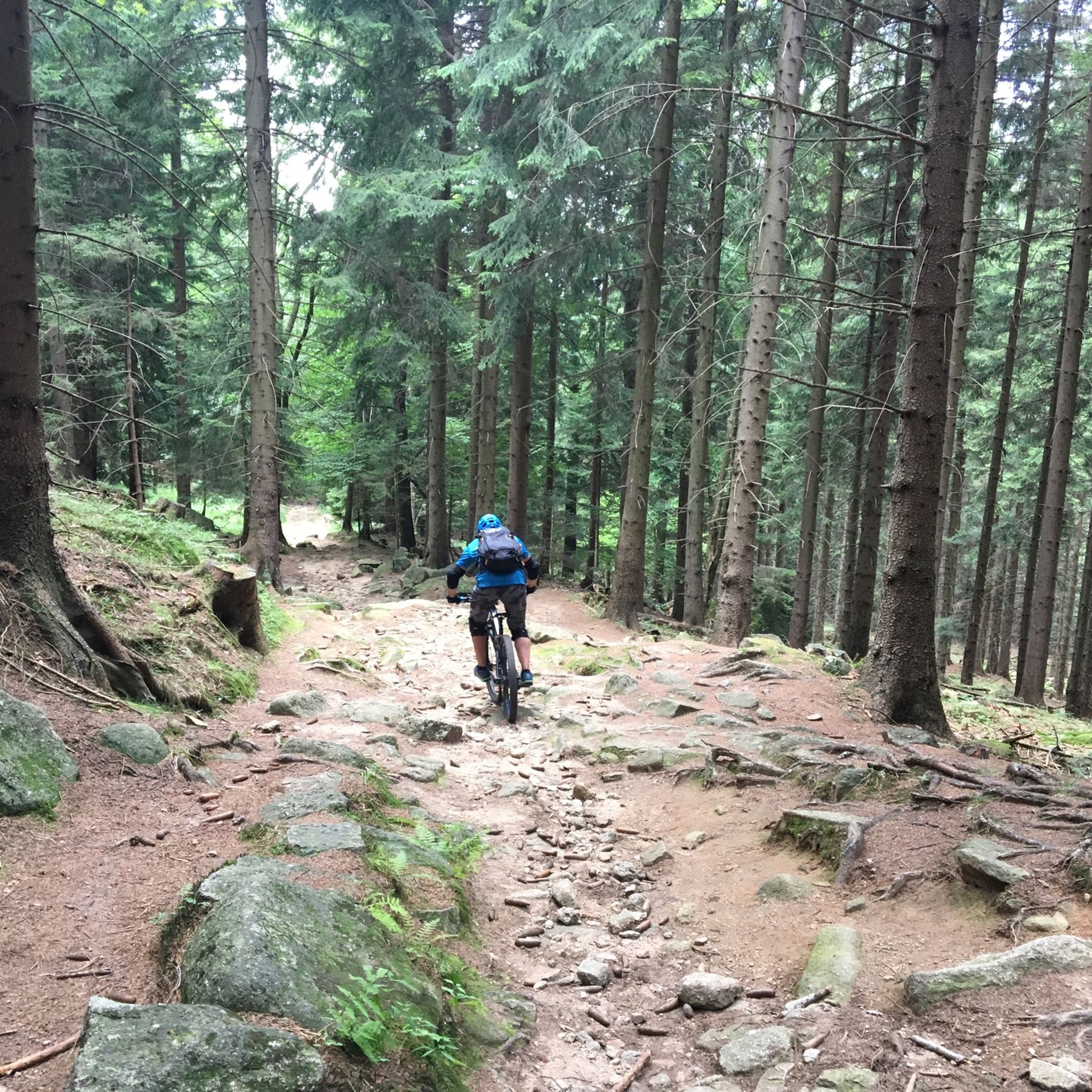
MTB Trails around Karkonoski Park Narodowy
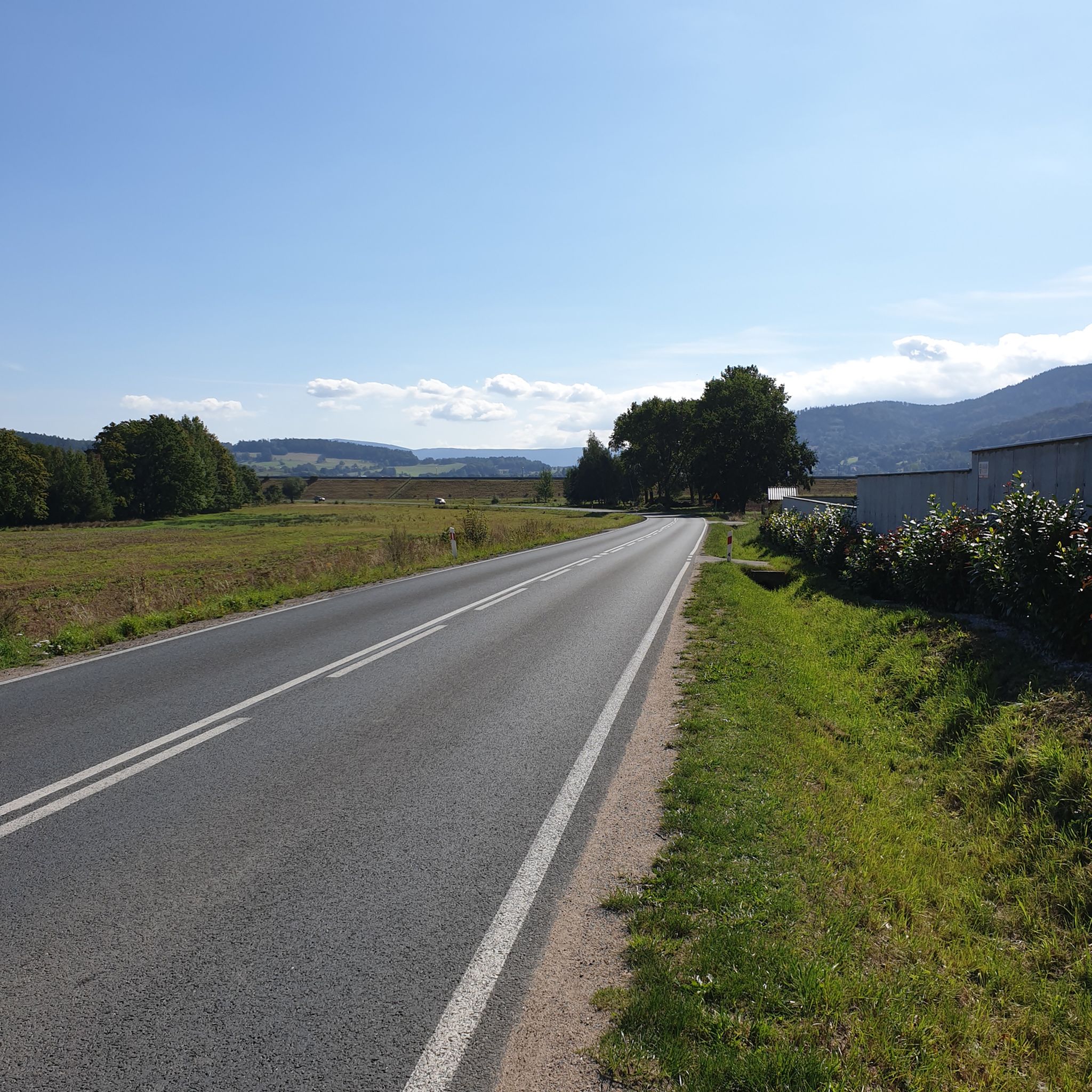
Road Cycling Routes around Karkonoski Park Narodowy

Mountain Hikes around Karkonoski Park Narodowy
Running Trails around Karkonoski Park Narodowy
Cycling around Karkonoski Park Narodowy

Gravel biking around Karkonoski Park Narodowy
Other adventures around Karkonoski Park Narodowy

Tips from the Community

If you go to Sněžka in the summer, wear autumn clothes. If you go to Sněžka in the autumn, wear winter clothes. If you go to Sněžka in the winter, wear clothes that you would also wear in the Arctic! And if you go to Sněžka in the spring, wear clothes for all four seasons. 🌦️😅
6
0

❄️ A winter walk with magical views! 🌄 Sun over the mountains, fresh frost, glistening snow, and perfect shots at every turn 📸✨ An easy, atmospheric route that gives you the feeling of a true winter fairy tale. Come for beautiful views, inspiration, and fresh mountain air! 🌬️🏔️💙
3
0

The history of meteorological observations here on Śnieżka begins in 1824, but the first observatory was here since 1900. This one is named after Tadeusz Hołdys, who directed it for many years. Beautiful views!
2
1

The Snow Pits (Polish: Śnieżne Kotły) in the Giant Mountains are an impressive natural wonder that delights both hikers and nature lovers. They consist of two glacial cirques, the Great Snow Pit (Wielki Kocioł Śnieżny) and the Small Snow Pit (Mały Kocioł Śnieżny), located at an altitude of approximately 1,200 to 1,300 meters. These steep and deep rock faces were formed by glaciers and provide a breathtaking backdrop. The walls of the Snow Pits drop almost vertically to a height of up to 100 meters, making them one of the most spectacular places in the Giant Mountains. Rare flora and fauna: Due to the special microclimate, plant species normally found only in arctic regions thrive here. On the ridge above the Snow Pits stands the historic Snow Pit Hut (Polish: Schronisko na Śnieżnych Kotłach), a building that formerly served as a meteorological station.
0
0

The most beautiful place in this part of the Karkonosze Mountains. Easy access from Karpacz. In the season there are a lot of people...
2
0

One of the most beautiful buildings in the Giant Mountains, great location, good food. But overcrowded on the weekend.
6
0

The waters of the Kamieńczyk fall 27 metres into the depths here. Together with the Wolf Falls in the Kłodzko Snęczyk Mountains (also 27 metres), it is the second highest waterfall in Poland. If you are in the area, you should definitely visit the waterfall.
8
1
Zackelfall - (pl. Wodospad Kamieńczyka) is the highest waterfall in the Polish Sudetes near Szklarska Poręba. Today is Saturday and half of Poland seems to be on the way there - fortunately only after we have enjoyed the peace and quiet there. With only around 20 protective helmets, a long waiting time is inevitable. To reach the waterfall you have to hike about 3 km in the national park. Incidentally, the river (German: Steinbach) flows into the Kamienna, which flows behind our hotel.
5
0
Frequently Asked Questions
What unique natural features can I expect to see in Karkonoski Park Narodowy?
Karkonoski Park Narodowy, located in the Sudetes mountain range, is renowned for its diverse natural features shaped by ancient geological processes, including significant glacial activity. You can explore dramatic post-glacial depressions like the Snowy Cauldrons, impressive waterfalls such as Kamieńczyk Waterfall (the highest in the Sudetes), and distinctive granite rock formations like Pielgrzymy and Słonecznik. The park also features serene mountain lakes, including Mały Staw (Little Pond).
What are some of the highest points or best viewpoints in the park?
The highest point and an iconic symbol of the park is Śnieżka (Schneekoppe) Summit, standing at 1603 meters above sea level. It offers panoramic views of the surrounding mountains and valleys. Another excellent viewpoint is from the Snowy Cauldrons, where you can observe the steep rock walls and unique post-glacial landscape.
What kind of flora and fauna can be found near these natural monuments?
The park is a UNESCO Biosphere Reserve, home to unique flora, including post-glacial relics and endemic species, particularly around the glacial cirques like the Snowy Cauldrons. The summit of Śnieżka supports Alpine vegetation due to its specific climate. While specific fauna sightings vary, the park protects a rich biodiversity typical of mountain ecosystems.
What is the best time of year to visit the natural monuments in Karkonoski Park Narodowy?
The best time to visit generally depends on your preferred activities. Summer (June to August) offers the warmest weather and full accessibility to all trails, making it ideal for hiking and enjoying the views. Spring (April to May) and autumn (September to October) provide beautiful scenery with fewer crowds, though some higher trails might still have snow in early spring or experience colder conditions in late autumn. Winter (November to March) transforms the landscape into a snowy wonderland, suitable for winter sports, but requires appropriate gear and awareness of trail closures.
Are the natural monuments accessible for families with children?
Yes, some natural monuments are suitable for families. For instance, Kamieńczyk Waterfall is categorized as family-friendly and is a popular, accessible attraction. When planning a family visit, it's advisable to check the specific trail difficulty and length for each monument to ensure it matches your family's capabilities.
What are the difficulty levels of trails leading to these natural monuments?
The trails vary significantly in difficulty. For example, the ascent to Śnieżka (Schneekoppe) Summit is considered challenging, while paths to other sites like Kamieńczyk Waterfall are generally intermediate and more accessible. Many trails within the park are rated intermediate, requiring a moderate level of fitness. Always check trail descriptions before heading out.
Are there any entry fees or permits required to visit Karkonoski Park Narodowy?
Yes, Karkonoski Park Narodowy typically requires an entry fee for visitors. These fees contribute to the park's conservation efforts and maintenance. Specific permits might be needed for certain activities or areas, so it's always best to check the official park website for the most current information regarding fees and regulations. You can find more details on the official Karkonoski Park Narodowy website: kpn.gov.pl.
What outdoor activities can I do near the natural monuments?
Beyond visiting the natural monuments themselves, Karkonoski Park Narodowy offers a wide range of outdoor activities. You can explore numerous hiking trails, with options ranging from easy walks to challenging ascents. Cycling is also popular, with various routes for touring bicycles and road bikes. For detailed routes and guides, you can check out the Hiking around Karkonoski Park Narodowy or Cycling around Karkonoski Park Narodowy guides.
Are there hiking trails that lead to multiple natural monuments?
Yes, many hiking trails in Karkonoski Park Narodowy are designed to connect several natural monuments, allowing you to experience the diverse landscape. For example, some routes might take you past Mały Staw (Little Pond) on the way to higher peaks or viewpoints. You can find various routes, including those that combine multiple points of interest, in the Hiking around Karkonoski Park Narodowy guide.
What do visitors enjoy most about the natural monuments in Karkonoski Park Narodowy?
Visitors frequently praise the breathtaking panoramic views, especially from Śnieżka (Schneekoppe) Summit, which can extend up to 200 km on clear days. The dramatic landscapes of the Snowy Cauldrons are often described as unbelievable, offering an alpine feel. The tranquility and picturesque setting of places like Mały Staw (Little Pond) are also highly appreciated, along with the impressive sight of Kamieńczyk Waterfall.
Are there any other significant mountain lakes besides Mały Staw?
Yes, besides the charming Mały Staw (Little Pond), Karkonoski Park Narodowy is also home to Wielki Staw (Great Pond). Both are beautiful examples of post-glacial lakes formed in the depressions of the glacial cirques, adding to the scenic beauty and ecological value of the park's landscape.
Most popular routes around Karkonoski Park Narodowy
Most popular attractions around Karkonoski Park Narodowy

Get inspired with the komoot mobile app


Explore more
Extend your search for the best caves by checking out these guides of the top ones around Karkonoski Park Narodowy:
