Top 5 Natural Monuments around Biebosch
Best natural monuments around Biebosch are found within a unique freshwater tidal delta, one of the largest national parks in the Netherlands. This region features a distinctive landscape of rivers, streams, willow forests, and wetlands. The park is characterized by extensive willow forests and a dense network of winding creeks. It is one of Europe's few freshwater tidal regions, creating a dynamic and evolving environment.
Best natural monuments around Biebosch
- The most popular natural monuments is Sint-Jansboschgroeve I and II…
Last updated: June 27, 2026
Sint-Jansboschgroeve I and II
Highlight • Cave
Translated by Google •
Tip by

St. Jansboschgroeve IV and V
Highlight • Cave
The St. Jansboschgroeve V is the easternmost of the five St. Jansboschgroeven. …
Translated by Google •
Tip by
Sign up now to discover places like this
Get recommendations on the best single tracks, peaks, & plenty of other exciting outdoor places.
Sign up for free
Heiberg Quarry
Highlight • Cave
Translated by Google •
Tip by
Quarry of the Lost Dogs
Highlight • Cave
Translated by Google •
Tip by
Krijtlandpad Segment
Highlight • Trail
Translated by Google •
Tip by

Start today with a free account
Your next adventure awaits.
Login or Signup

Tips from the Community

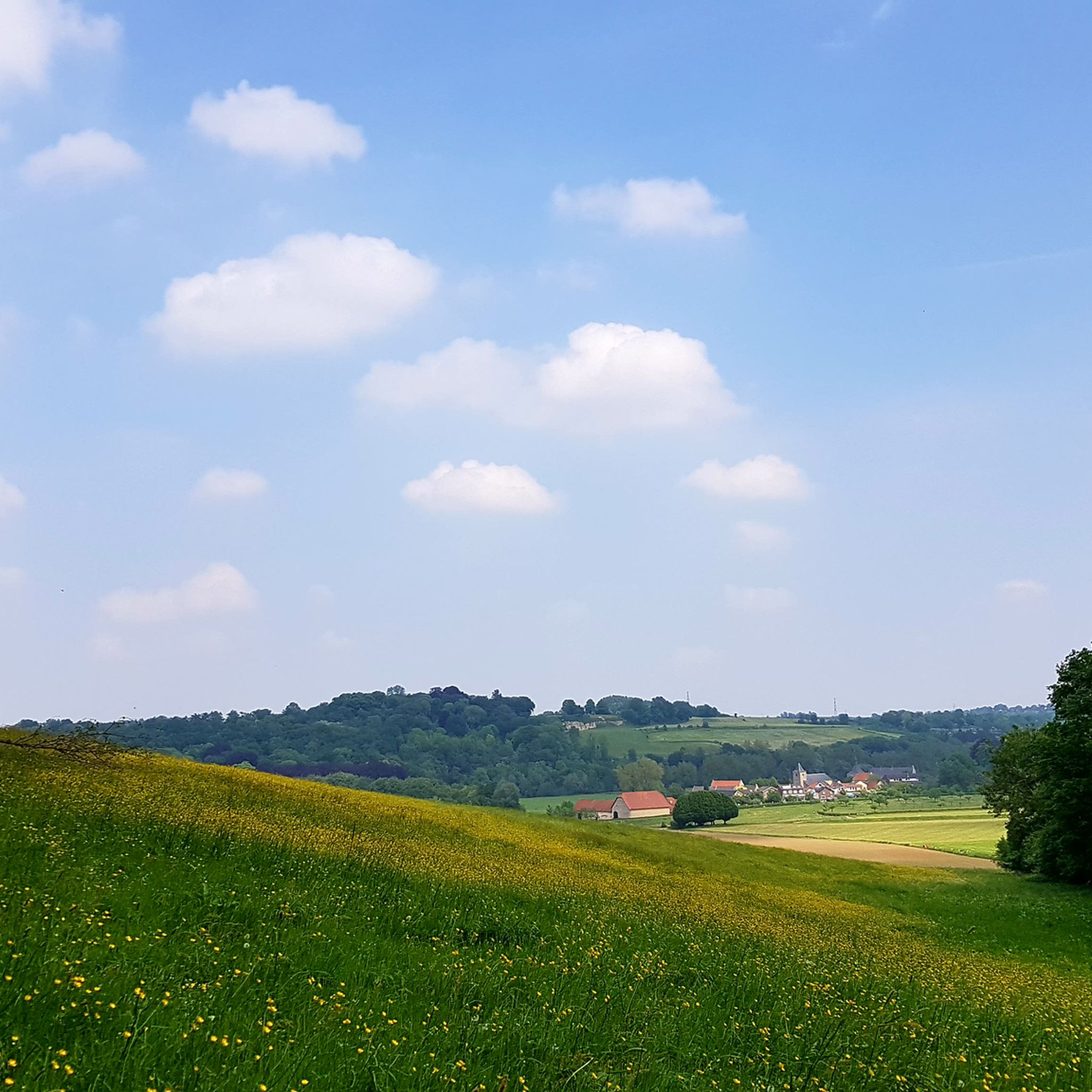
Sint-Jansbosch Quarries I and II together form one of the oldest parts of the marl quarry system in the forested area near Valkenburg. These quarries were dug centuries ago for the extraction of marlstone, the characteristic building material so typical of South Limburg. The entrances, half-hidden among trees and vegetation, exude a mysterious atmosphere, especially when the cool air rises from the subsoil. Walking past these historic sites, you experience the tranquility of the forest and the deep connection between man, nature, and craftsmanship. A fascinating stop for those who appreciate hidden history and the raw beauty of the Limburg landscape.
0
0
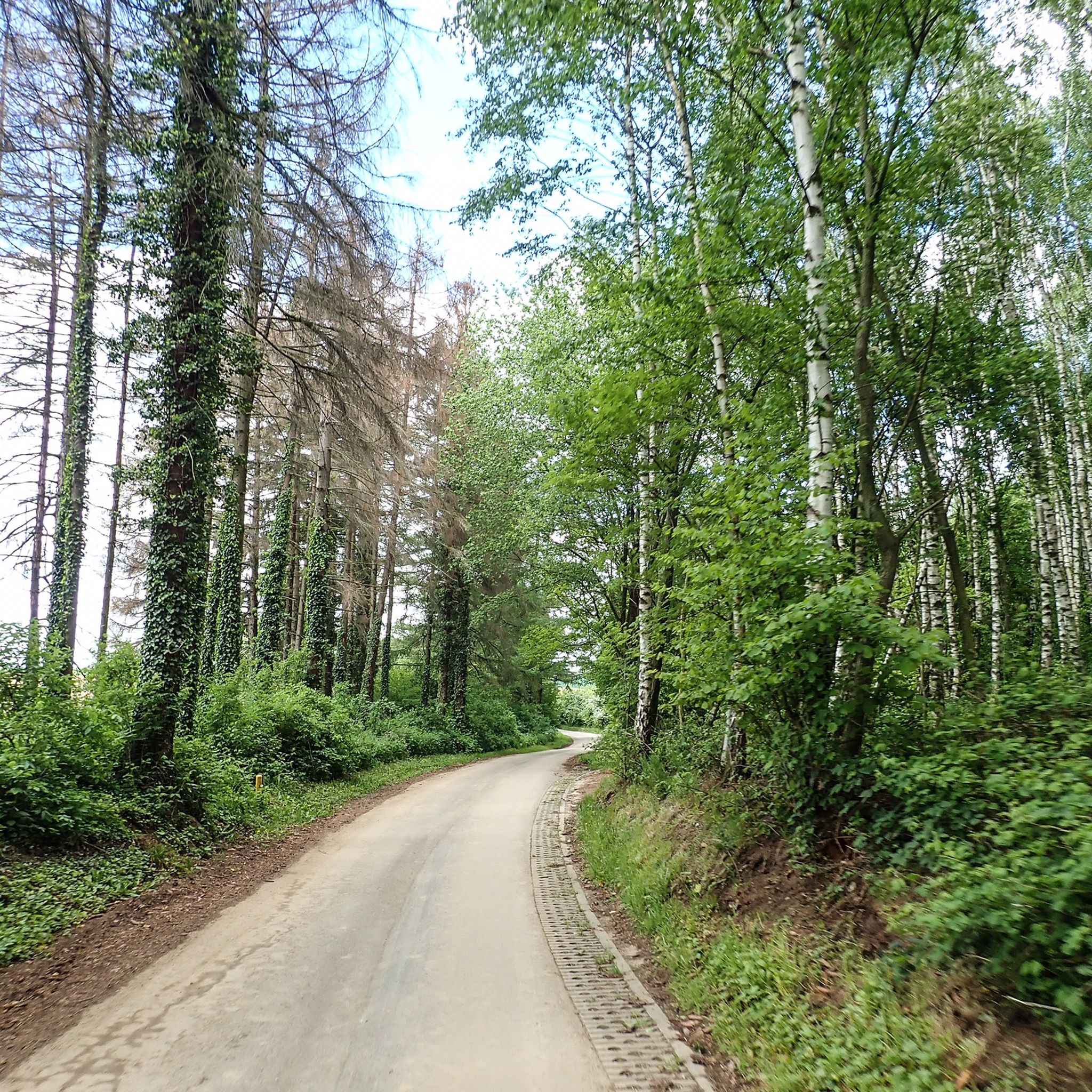
Deep in the tranquil woods near Valkenburg lie St. Jansbosch Quarries IV and V—two old marl quarries that recall the days when marl was still intensively mined here. The entrances, partially hidden among ferns and vegetation, exude a mysterious atmosphere and reveal the intertwining of nature and history here. These quarries were part of a larger network of underground passages once essential for the construction of many Limburg monuments. Today, they are silent monuments to craftsmanship and transience, offering a special place of peace and wonder during a walk through the woods.
0
0
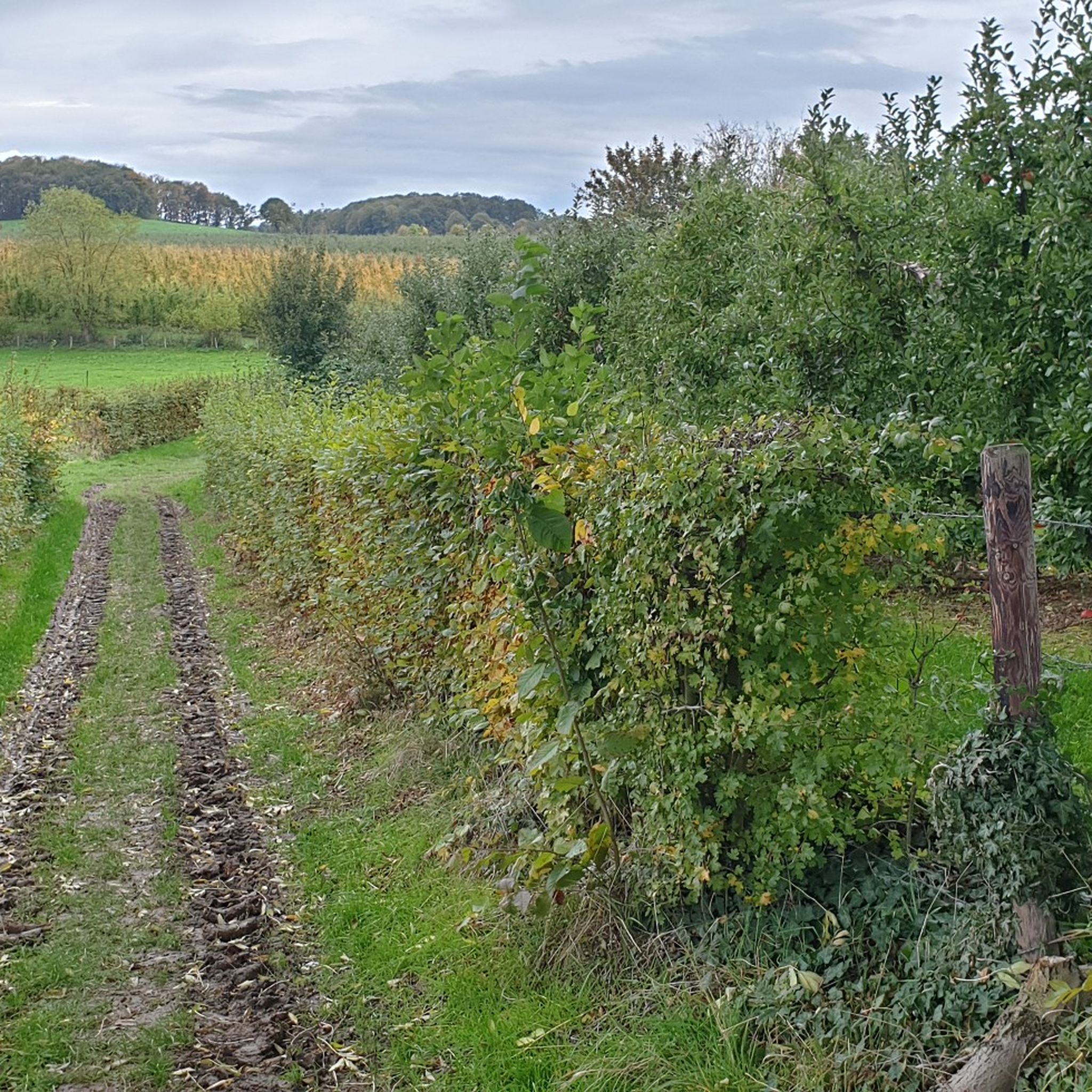
Hidden in the verdant Limburg hills lies the Sint-Jansbosch Quarry III, a silent witness to the region's rich marlstone history. This former underground quarry was used to extract marlstone, which was used to build countless buildings in and around Valkenburg. Today, the place exudes tranquility and history. The moss-covered entrances and the cool air flowing from the quarry lend a mysterious atmosphere to the surroundings. A fascinating stop for those who appreciate geological heritage and hidden natural treasures.
0
0

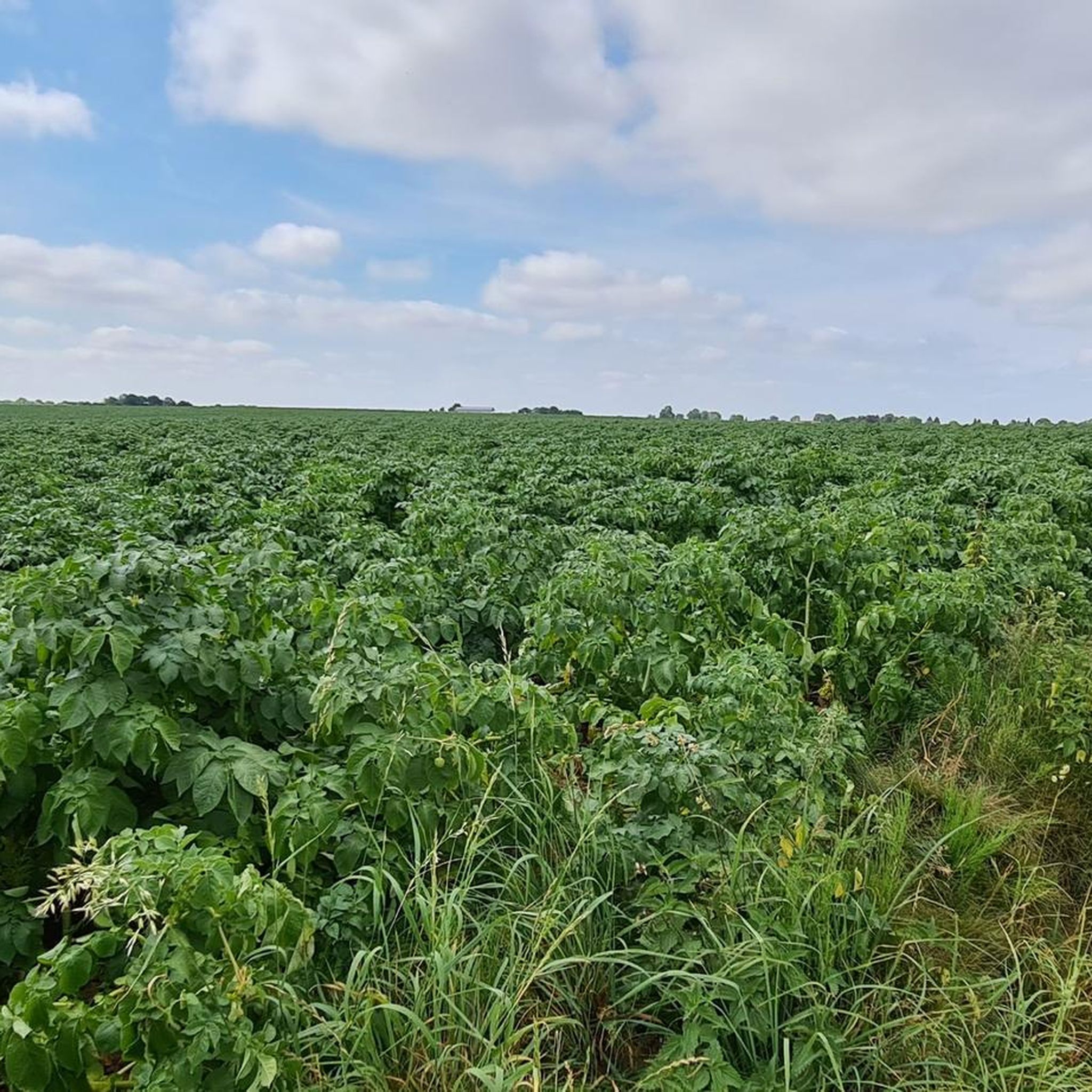
The name Sint-Jansboschgroeve refers to the nearby Sint-Jansbosch, a forest area near Margraten in South Limburg. The use of the name “Sint-Jan” will have a religious origin, since such names in Limburg are often associated with patron saints or local chapels dedicated to saints. How many Sint-Jansbosch quarries are there? There are a total of three quarries known as Sint-Jansboschgroeve I, II, and III. These quarries are part of a network of marl quarries in the South Limburg hilly landscape.
0
0
The Heiberggroeve is one of the lesser known marl quarries in the area of Valkenburg, South Limburg. This quarry is located on the southwest side of Valkenburg and is part of the extensive network of underground passages and limestone quarries that are typical for this region.
0
0

The Krijtlandpad is perhaps the king of the South Limburg hiking trails. The completely new route is now 91 kilometers long, has six stages and is more than sixty percent on unpaved roads. During this route you will pass the most beautiful places that South Limburg has to offer.
5
0

Small quarries in the St. Jansbosch. Not large, but surrounded by a fence.
0
0
A hidden quarry in the forest. Here too, the entrance is cordoned off with a fence.
0
0
Frequently Asked Questions
What kind of natural monuments can I explore around Biebosch?
The natural monuments around Biebosch primarily consist of unique marl quarries and caves, such as Sint-Jansboschgroeve I and II, St. Jansboschgroeve IV and V, and Heiberg Quarry. These sites offer a glimpse into the region's geological history and serve as important habitats for wildlife like bats. Additionally, the broader Biebosch region is known for its freshwater tidal delta, wetlands, and willow forests, offering a diverse natural landscape.
Are the natural monuments around Biebosch suitable for families?
While the marl quarries themselves might be more intriguing for older children due to their historical and geological aspects, the wider Biebosch area offers many family-friendly activities. You can explore the wetlands by canoe or electric whisper boat, and the hiking trails around Biebosch include easy options like the Schaloen Castle loop from Valkenburg aan de Geul, which is 4.25 km long.
What wildlife can I expect to see near the natural monuments?
The marl quarries, such as Heiberg Quarry and St. Jansboschgroeve IV and V, are important hibernation sites for bats, with entrances often gated to protect them. In the broader Biesbosch National Park, you can spot beavers, which are iconic to the area, and a wide variety of bird species, including sea eagles, ospreys, and kingfishers, especially in the Hollandse Biesbosch.
What is the historical significance of the quarries around Biebosch?
The quarries like St. Jansboschgroeve IV and V and Heiberg Quarry are old marl quarries, recalling a time when marl was intensively mined in the region. These underground passages were essential for the construction of many monuments in Limburg. Today, they stand as silent testaments to craftsmanship and the intertwining of nature and history.
Are there hiking opportunities near the natural monuments?
Yes, the region offers various hiking opportunities. The Krijtlandpad Segment is a notable trail, part of a 91-kilometer route known as the 'king of South Limburg hiking trails,' with over sixty percent unpaved roads. For more options, you can explore the hiking guide for Biebosch, which includes routes like the moderate Schaloen Castle – Oostervoetpad along the Geul loop.
Can I cycle near the natural monuments in Biebosch?
Absolutely. The Nieuwe Dordtse Biesbosch area is developing with robust water systems, providing additional opportunities for cycling. You can find various routes in the road cycling guide for Biebosch, including routes like the 'Grensmaasvallei and Heuvelland from Valkenburg' for road cyclists, and the MTB Trails around Biebosch for mountain biking enthusiasts.
What makes the Biesbosch National Park unique?
Biesbosch National Park is unique as one of Europe's few freshwater tidal regions. Its water levels constantly change with the tides, creating a dynamic environment with a maze of creeks and willow flood forests. This phenomenon supports a distinctive ecosystem and offers a unique interplay between land and water, often referred to as the 'Dutch Amazon'.
What activities are popular in the Biesbosch National Park?
Popular activities in Biesbosch National Park include walking, cycling, sailing, canoeing, kayaking, stand-up paddleboarding (SUP), and exploring by electric whisper boat. Fishing and birdwatching are also highly favored, with guided excursions available year-round for beaver and bird spotting.
Is there a visitor center or museum to learn more about the area?
Yes, the Biesbosch MuseumEiland, located on an island, offers detailed insights into the formation of the wetlands and the history of the area. It features exhibits on traditional fishing equipment and the lives of former inhabitants, providing an excellent starting point to understand the park's ecological and historical significance.
What do visitors appreciate most about the natural monuments around Biebosch?
Visitors appreciate the mysterious atmosphere of the old marl quarries, with their entrances often hidden among vegetation, offering a special place of peace and wonder. The unique combination of nature and history, along with the opportunity to observe wildlife like bats, is a major draw. The broader Biesbosch area is also highly valued for its wild, rugged nature and diverse landscapes.
Are the natural monuments accessible by public transport?
While specific public transport details for each quarry are not provided, the Biesbosch National Park itself is generally accessible. For detailed travel information to the specific natural monuments or the park, it's advisable to check local transport schedules or visitor information centers.
Can I bring my dog to the natural monuments or Biesbosch National Park?
Many natural areas in the Netherlands, including parts of national parks, are dog-friendly, often requiring dogs to be on a leash. However, specific rules can vary by location, especially around sensitive wildlife habitats like bat hibernation sites in the quarries. It's best to check local signage or official park websites for the most current regulations regarding dogs.
Most popular routes around Biebosch
Most popular attractions around Biebosch

Get inspired with the komoot mobile app


Explore more
Extend your search for the best caves by checking out these guides of the top ones around Biebosch:
